NEW YORK — In the ever-evolving landscape of modern baking, few culinary achievements capture the effortless charm of summer quite like the rustic galette. Eschewing the rigorous, often unforgiving geometry of a traditional double-crust pie, this free-form French pastry has recently emerged as a favorite among home bakers and professional pastry chefs alike.
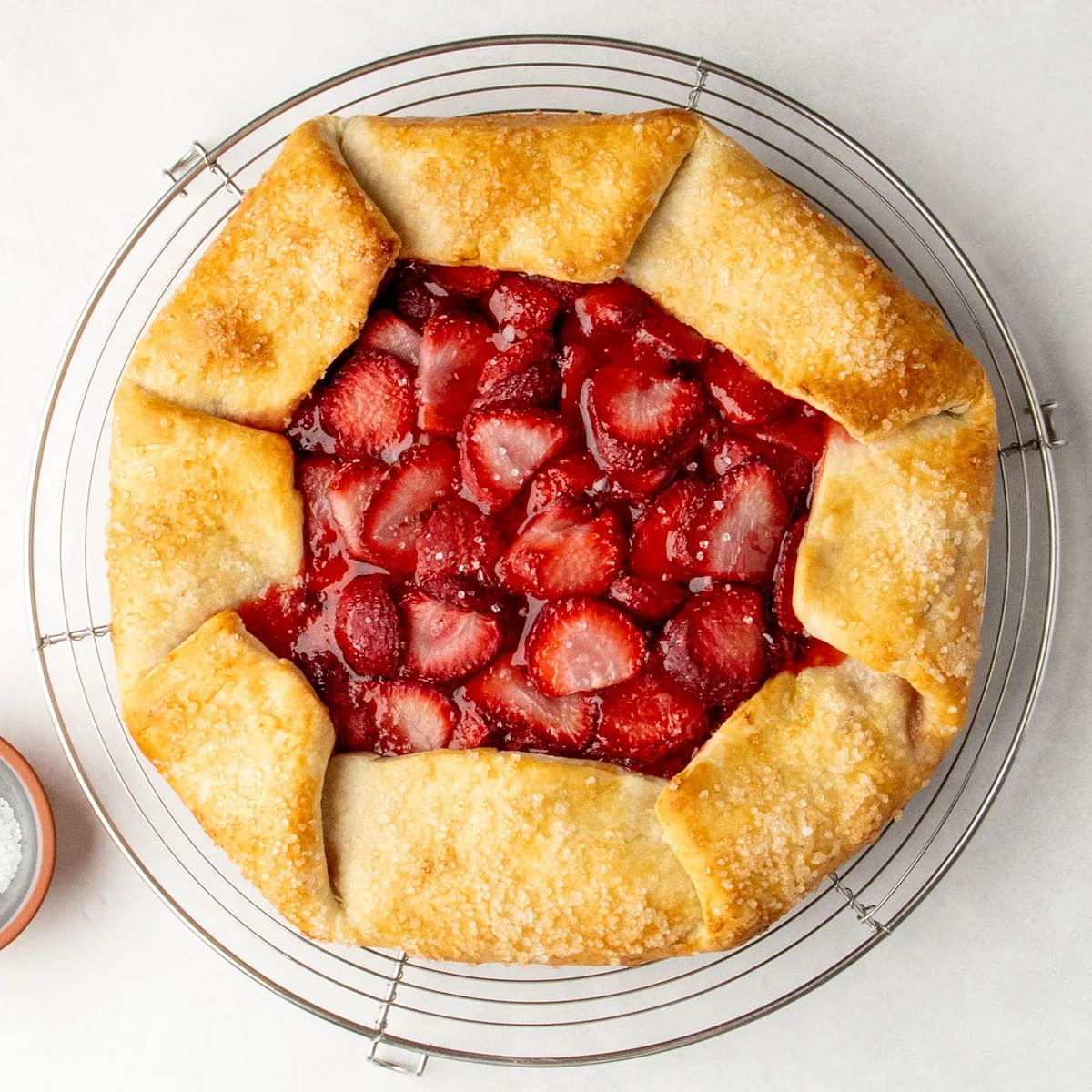
Now, the gluten-free community is experiencing a major breakthrough in this domain. A newly popularized recipe for a Gluten-Free Strawberry Galette—featuring a flaky, golden-brown crust wrapped around a glossy, lightly sweet berry filling—is demonstrating that dietary restrictions no longer require a compromise on texture, visual appeal, or traditional flavor profiles.
Designed to let fresh, seasonal berries shine at the peak of their harvest, the galette offers everything bakers love about fruit pastry without the intimidation factor of crimping edges or fitting dough into a slippery pie pan. According to culinary experts, the technique is fundamentally shifting how people approach baking without gluten.
Main Facts: Deconstructing the Gluten-Free Galette
At its core, the galette is a triumph of minimalist baking. Rather than relying on a structured metal or ceramic pan for support, the pastry relies on a few calculated structural mechanics:

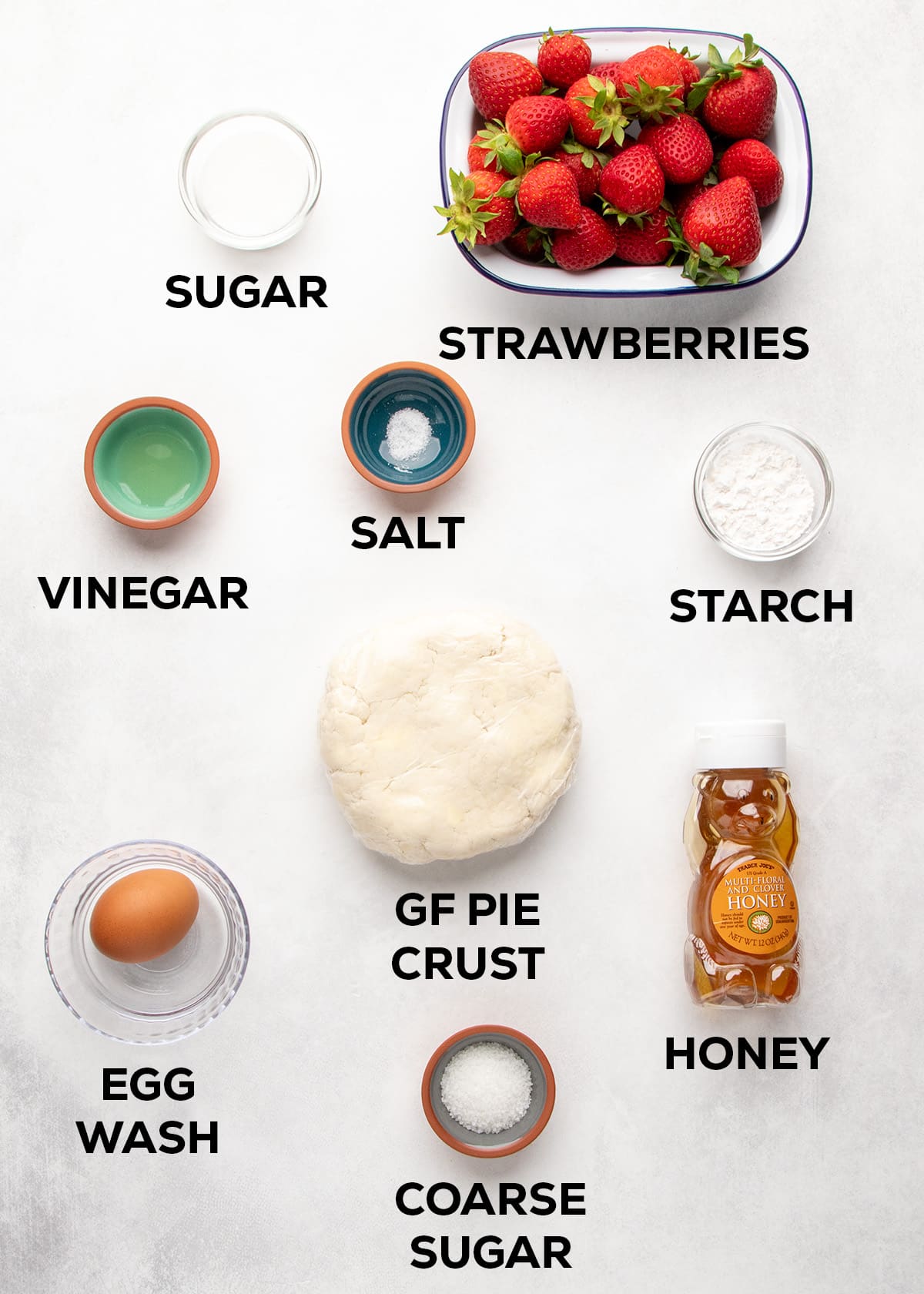
- The Dough Construction: A specialized blend of gluten-free flour (integrated with xanthan gum), baking powder, salt, and optional sugar is combined with cold, chopped butter.
- The Technique: Instead of cutting butter completely into a meal-like consistency, bakers press individual pieces of butter into thin shards between their fingers. This creates natural layers throughout the dough that mimic traditional puff pastry or high-fat pie crusts without melting prematurely.
- The Filling: One pound of fresh, hulled, and thickly sliced strawberries is tossed with a dash of salt, granulated sugar, a splash of vinegar, and tapioca starch. The starch acts as a binding agent, absorbing the excess moisture from the fruit to form a clear, glossy syrup rather than a watery puddle.
- The Moisture Barrier: A light brush of honey applied directly to the rolled crust before adding the filling serves as a natural sealant, ensuring the pastry remains crisp and flaky rather than succumbing to sogginess.
Chronology of the Recipe: From Bowl to Oven
The process of crafting a successful gluten-free galette requires careful temperature control and intentional staging. Culinary professionals break down the timeline into distinct, manageable phases:
1. Preparing and Chilling the Crust
The process begins by whisking the dry ingredients in a large bowl to eliminate clumps. Cold, diced butter is tossed into the dry mix and flattened by hand into paper-thin layers. Ice-cold water is introduced sparingly—just enough to hydrate the flour when pressed, preventing a dense or tough crumb. The resulting dough is gathered, wrapped tightly in plastic, pressed into a flat disk, and refrigerated for at least 30 minutes to firm up the butter.
2. Macerating the Filling
While the dough chills, the strawberries are washed, hulled, and sliced. A brief rest with sugar, salt, and vinegar draws out the natural juices and concentrates the berry flavor. Just before assembly, tapioca starch is folded into the fruit, allowing the starch to hydrate and prepare for oven activation.
3. Rolling and Shaping
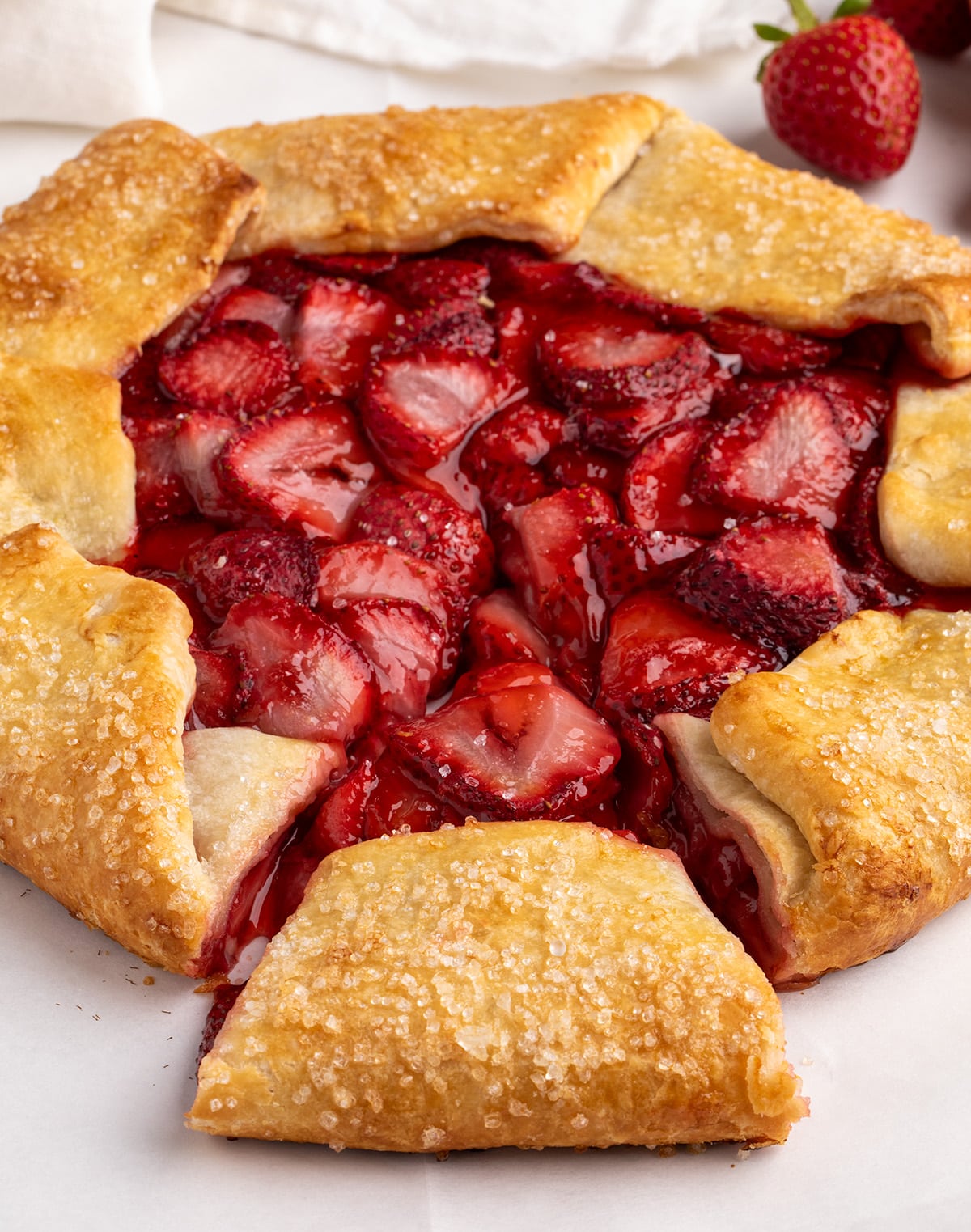
The chilled dough is rolled outward from the center on a lightly floured surface into a 13-to-14-inch round, roughly a quarter-inch thick. This thickness is crucial; it provides the structural integrity needed to hold the heavy fruit without a pan. The round is transferred to parchment paper, brushed with honey, and piled high with the strawberry mixture in the center, leaving a two-inch bare border. The edges are then folded up and over the filling in overlapping pleats, leaving the center exposed.
4. The Critical Second Chill
Before baking, the assembled galette is brushed with an egg wash for shine and browning, then sprinkled generously with coarse-grained sugar for textural contrast. The entire pastry—still on its parchment paper—is placed back into the refrigerator while the oven preheats to 375°F (190°C). This secondary chill is vital: it hardens the butter that may have softened during handling, ensuring the fat releases steam in the hot oven to create flaky layers.
5. Baking and Cooling
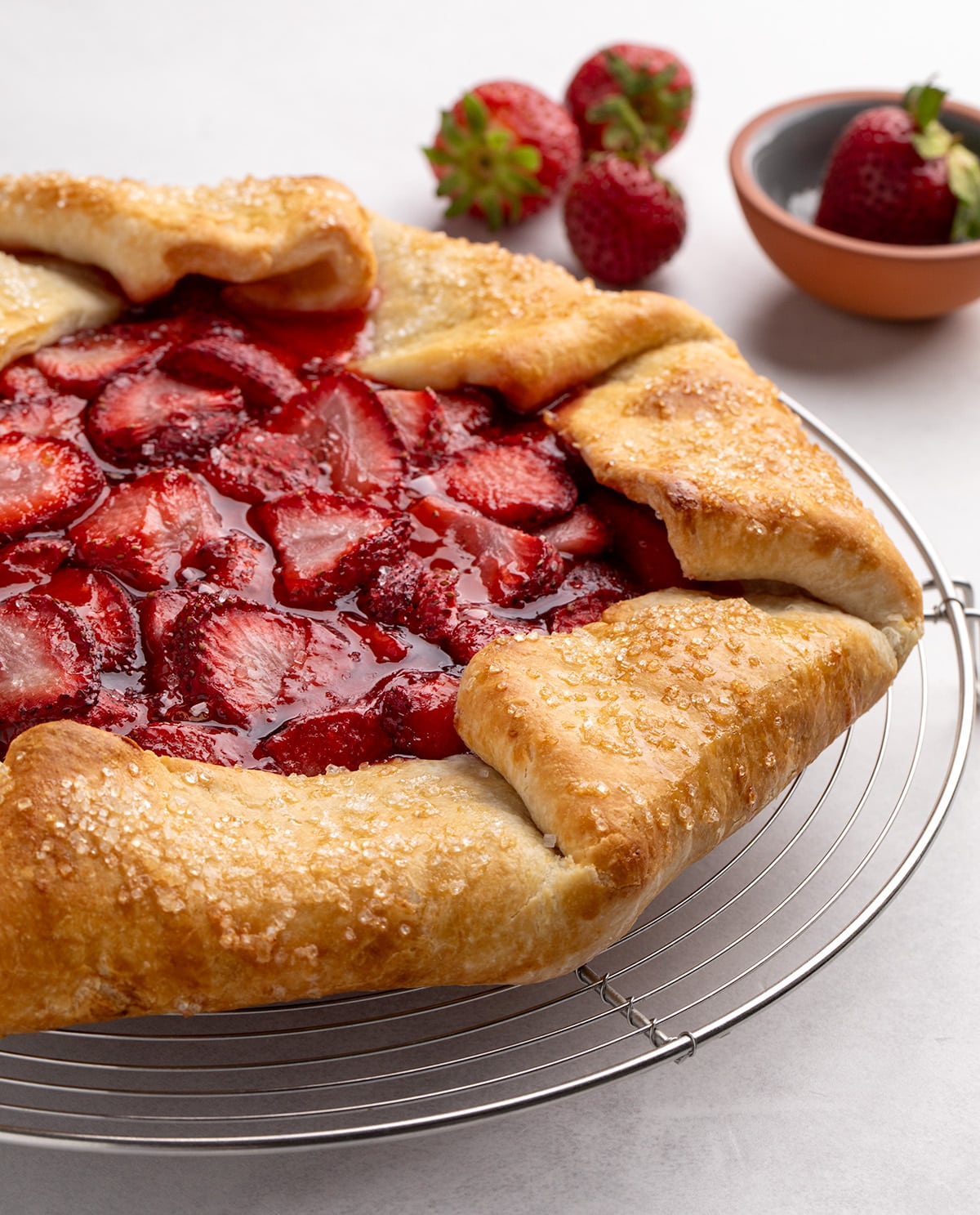
Transferred to a rimmed baking sheet, the galette bakes in the center of the oven for approximately 35 minutes. Bakers look for a deep golden-brown crust and a bubbling, thickened berry filling. After baking, the pastry rests on the pan until stable, then transfers to a wire rack to set for another 20 minutes before slicing.
Supporting Data & Technical Specifications
For home bakers tracking dietary intake, nutritional profiles, and execution timelines, the gluten-free strawberry galette provides a balanced treat when portioned correctly:
- Yield: 8 generous servings (one 13-inch galette).
- Approximate Nutritional Value (per slice):
- Calories: 320 kcal
- Carbohydrates: 41 g
- Protein: 6 g
- Total Fat: 14 g (Saturated Fat: 8 g)
- Cholesterol: 143 mg
- Sodium: 284 mg
- Dietary Fiber: 3 g
- Sugars: 10 g
- Storage and Make-Ahead Metrics:
- Unbaked galettes can be assembled, frozen solid on a baking sheet, and wrapped tightly for long-term storage. They can be baked directly from the frozen state by adding a few minutes to the total oven time.
- Baked leftovers can be refrigerated for up to 5 days or frozen for up to 3 months, easily restored to their original crisp texture by reheating in a 300°F toaster oven.
Expert Insights and Adaptations
Industry specialists note that the versatility of the galette format makes it an ideal canvas for culinary creativity beyond strawberries.
Customizing the Fruit Base
While strawberries are the quintessential summer choice, the fundamental technique applies seamlessly to other produce:
- Berries and Stone Fruit: Raspberries, blackberries, blueberries, or soft stone fruits like peaches, nectarines, and plums can be substituted directly if their flesh is tender enough to bake at a comparable rate.
- Hard Fruits: Denser fruits like apples or pears require peeling, coring, and thin slicing to ensure tenderness by the time the pastry finishes baking. Because apples possess higher natural pectin levels, adjustments to the starch quantity may be necessary.
Dietary Modifications
To accommodate dairy-free diets, bakers can substitute traditional butter with a 50/50 blend of block-style vegan butter and high-melting-point shortening (such as Crisco or Spectrum brand), which successfully mimics dairy butter’s moisture content and melting behavior.
Similarly, tapioca starch can be substituted with cornstarch, arrowroot, or potato starch, though food scientists note that tapioca provides a uniquely clear, glossy finish without clouding the bright red fruit juices.
Implications for the Modern Baking Industry
The rising popularity of rustic, free-form pastries like the gluten-free galette reflects a broader cultural shift in home cooking. Consumers are increasingly seeking out recipes that bridge the gap between elevated presentation and approachable execution.
For the gluten-free demographic—historically plagued by dry, crumbly baked goods and overly complex multi-flour formulations—recipes that prioritize structural integrity through physical technique rather than chemical additives represent a major step forward. By teaching home cooks how butter temperature, starch interaction, and moisture management work in tandem, the culinary movement empowers individuals to produce bakery-quality results in domestic kitchens.
Ultimately, the gluten-free strawberry galette proves that dietary limitations do not have to mean culinary compromise. Whether served warm with a scoop of vanilla ice cream or enjoyed on a sunlit patio, this rustic pastry signals a welcoming return to seasonal, unpretentious baking.