Main Facts
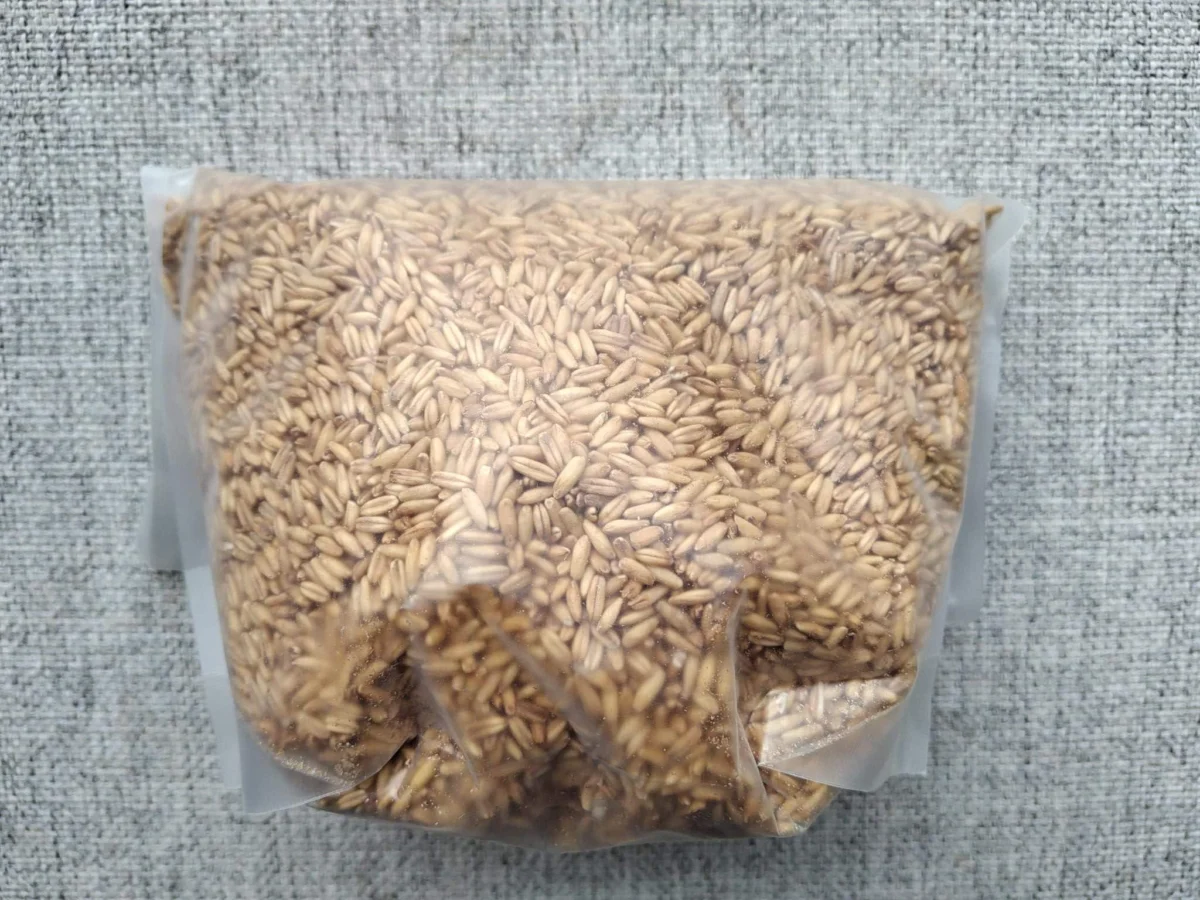
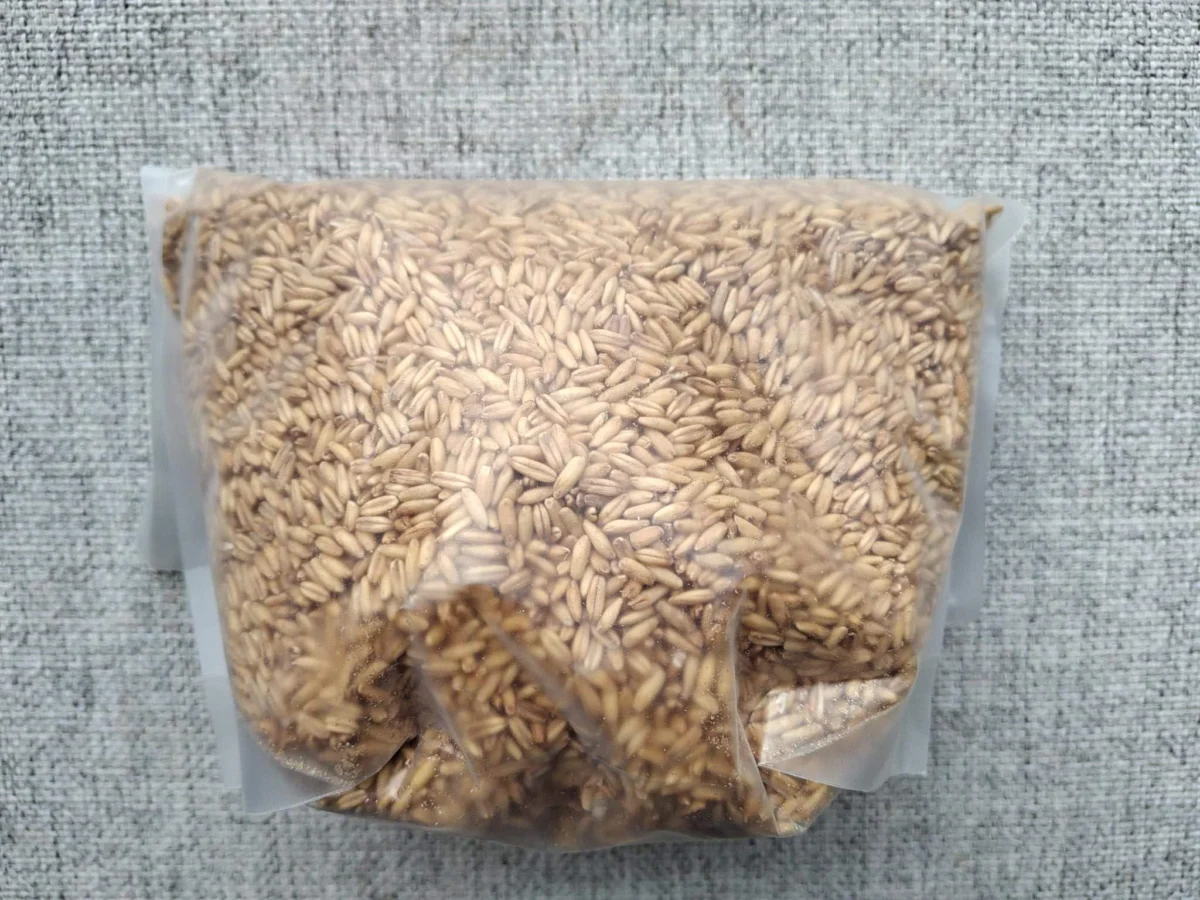
In the quiet corners of experimental agricultural plots and forward-thinking sustainable farms, a quiet revolution is taking root. Known scientifically as Avena Nuda, but more commonly referred to as "naked oats," this ancient cereal grain is capturing the attention of agronomists, culinary innovators, and health-conscious consumers alike. Unlike conventional oats, which require intensive industrial processing to remove a tightly adhered, inedible outer hull, naked oats naturally shed their husks during the threshing process. This biological quirk eliminates an entire tier of post-harvest processing, saving energy, reducing operational costs, and positioning the crop as a darling of sustainable farming.
Beyond their processing efficiency, naked oats boast an impressive nutritional profile. They are densely packed with soluble fiber (notably beta-glucan), high-quality plant proteins, essential amino acids, and healthy fats. Agronomists praise the crop for its robust root system, which anchors deeply into the soil early in the growing season. This helps prevent soil erosion, improves soil health, and optimizes nutrient retention.
However, Avena Nuda is not without its challenges. The primary obstacle keeping this grain from mainstream culinary adoption is its stubborn cooking time. While traditional white rice or specialized arborio rice can reach a creamy, al dente texture in 15 to 20 minutes, whole naked oats often demand upwards of 45 minutes of simmering to achieve tenderness. This culinary friction has relegated the grain to niche markets—until now. Food scientists and grain processors are increasingly looking at pre-treatment methods, such as parboiling, to bridge the gap between farm-gate sustainability and consumer convenience.
Chronology
To understand how Avena Nuda arrived at its current crossroads between agricultural promise and culinary hesitation, it helps to examine its journey through history and recent kitchen experiments:
- Ancient Origins: Wild ancestors of oats grew across parts of Europe and Asia. Long before modern selective breeding prioritized high-yield, hulled varieties, early farmers cultivated primitive forms of hull-less oats due to the ease of preparing them for consumption without specialized milling machinery.
- The Industrial Era Marginalization: With the advent of industrial agriculture and mechanized milling in the 19th and 20th centuries, agriculture heavily favored hulled oats (Avena sativa). Hulled varieties provided sturdier field protection against pests and weather, and industrial mills were built specifically to crack away tough outer husks en masse. Naked oats were sidelined as lower-yielding and biologically delicate.
- The Sustainable Agriculture Revival (Late 20th to Early 21st Century): As ecological awareness grew, agricultural researchers began revisiting Avena Nuda. Its natural threshing ability meant smaller carbon footprints and lower processing overhead for local, decentralized grain economies.
- Recent Culinary Experiments (Present Day): Home cooks and food writers have begun experimenting with naked oats as a locally grown substitute for imported grains like rice or farro. Recent kitchen trials—such as substituting risotto rice with whole naked oats—demonstrate the grain’s rich, nutty flavor and versatile texture, while simultaneously highlighting the stark reality of its 45-minute cook time.
Supporting Data
A closer look at the agronomic, nutritional, and culinary metrics surrounding Avena Nuda reveals why experts are both excited and cautious about its market potential:
Nutritional Composition (Per 100g Dry Weight)
- Calories: ~380 kcal
- Protein: 13 – 17g (significantly higher than standard wheat or rice)
- Dietary Fiber: 8 – 10g (with high concentrations of cholesterol-lowering beta-glucan)
- Fat Content: 6 – 8g (richer in lipids than hulled oats, providing a richer, nuttier flavor profile, though requiring proper storage to prevent rancidity)
Processing and Agricultural Metrics
- Hull Weight Ratio: In conventional oats, the hull accounts for roughly 25% to 30% of the harvested weight. In naked oats, this dead-weight loss is virtually eliminated.
- Energy Savings: Eliminating the hulling (dehulling) stage reduces primary processing energy requirements by an estimated 15% to 25%, depending on the milling facility.
- Cooking Time Comparison:
- Arborio Rice (Risotto): 18–22 minutes
- Standard Whole Rolled Oats: 5–10 minutes
- Whole Naked Oats (Raw): 45–60 minutes
These figures illustrate a clear paradox: while naked oats are exceptionally efficient to harvest and process on the farm, they demand a heavy time investment from the end consumer in the kitchen.
Official Responses and Expert Perspectives
Agricultural extension agents, cereal chemists, and sustainable food advocates have offered varied perspectives on the commercial trajectory of Avena Nuda.
Dr. Elena Vance, a senior cereal scientist at the Institute of Agricultural Technology, emphasizes the functional advantages of the grain. "The physiological structure of Avena Nuda is a gift to low-waste processing," Dr. Vance notes. "When you remove the mechanical hulling step, you reduce kernel damage and protect the fragile germ layer where many of the grain’s micro-nutrients reside. From an industrial engineering standpoint, it is a streamlined supply chain."

At the same time, farm-to-table culinary advocates point to the sensory rewards of working with the grain. Chef Marcus Thorne, who has experimented extensively with ancient grains in restaurant settings, champions the flavor profile of naked oats. "When you cook naked oats slowly, as you would with a risotto, they don’t break down into mush the way overcooked rice can. They retain a pleasant pop, a deep nuttiness, and a velvety starch release that makes them deeply comforting. But you have to respect the grain; you cannot rush it."
On the commercial processing side, food manufacturer representatives acknowledge the consumer friction point. Mark Jenkins, a product developer for a regional organic grain cooperative, explains the market bottleneck: "Consumers today are looking for convenience. If a recipe says it takes 45 minutes of constant stirring on a Tuesday night, most people will pass. Our team is currently looking into parboiling and quick-steaming methods. If we can pre-gelatinize the starches slightly and offer a ‘quick-cooking naked oat’ package that drops prep time down to 12 or 15 minutes, we believe adoption rates will skyrocket."
Implications
The growing interest in Avena Nuda carries profound implications for multiple sectors, ranging from local food security to climate-resilient farming and global culinary trends.
1. Environmental and Agricultural Resilience
As climate change erraticizes weather patterns and puts pressure on traditional staple crops, diversifying agricultural portfolios becomes paramount. Naked oats exhibit strong cold-tolerance and grow well in temperate, northern climates where rice cannot thrive. By substituting imported rice with regionally grown naked oats, European and North American food systems can significantly lower their food miles. Furthermore, the deep root architecture of Avena Nuda helps sequester carbon, improve soil microbial diversity, and reduce the need for synthetic nitrogen fertilizers.
2. The Evolution of Comfort Food and Grain Innovation
The culinary world is experiencing a renaissance of ancient and neglected grains. As consumers seek out locally sourced alternatives to global commodities, grains like Avena Nuda offer a canvas for creative cooking. Whether used in a rustic "oatotto" (oat risotto), tossed in grain bowls, or milled into fresh flour, naked oats challenge our rigid definitions of what certain dishes must be made from. Risotto, traditionally bound to Italian arborio or carnaroli rice, can be successfully re-imagined through a localized lens—provided the cook has the patience for the process.
3. Overcoming the Convenience Barrier
The ultimate fate of Avena Nuda in mainstream supermarkets hinges on food processing innovation. The consumer market has repeatedly demonstrated an aversion to high-effort preparation unless paired with exceptional convenience. If grain processors successfully invest in parboiling, flaking, or pre-steaming technologies, naked oats could transition from a farmer’s secret favorite to a staple pantry item.
In conclusion, Avena Nuda represents a bridge between ecological stewardship and culinary adventure. While it currently tests the patience of home cooks who attempt to bypass its long cooking times without preparation, its nutritional density, low-impact processing, and rich flavor profile ensure that its naked truth is one worth spreading.