By The Culinary Desk Published: Summer Season Feature
Main Facts: The Rise of Fresh Fruit Salsas
When the fleeting peak of peach season arrives, food enthusiasts and home cooks alike scramble to incorporate the sweet, fuzzy stone fruit into their daily menus. While traditional desserts like cobblers and crumbles have long held the crown for peach utilization, a vibrant savory shift is currently dominating home kitchens. Cookbook author and culinary personality Erin Clarke, the driving force behind the popular food platform Well Plated, has officially released what culinary circles are already calling the definitive summer recipe: a meticulously balanced, fresh Peach Salsa.
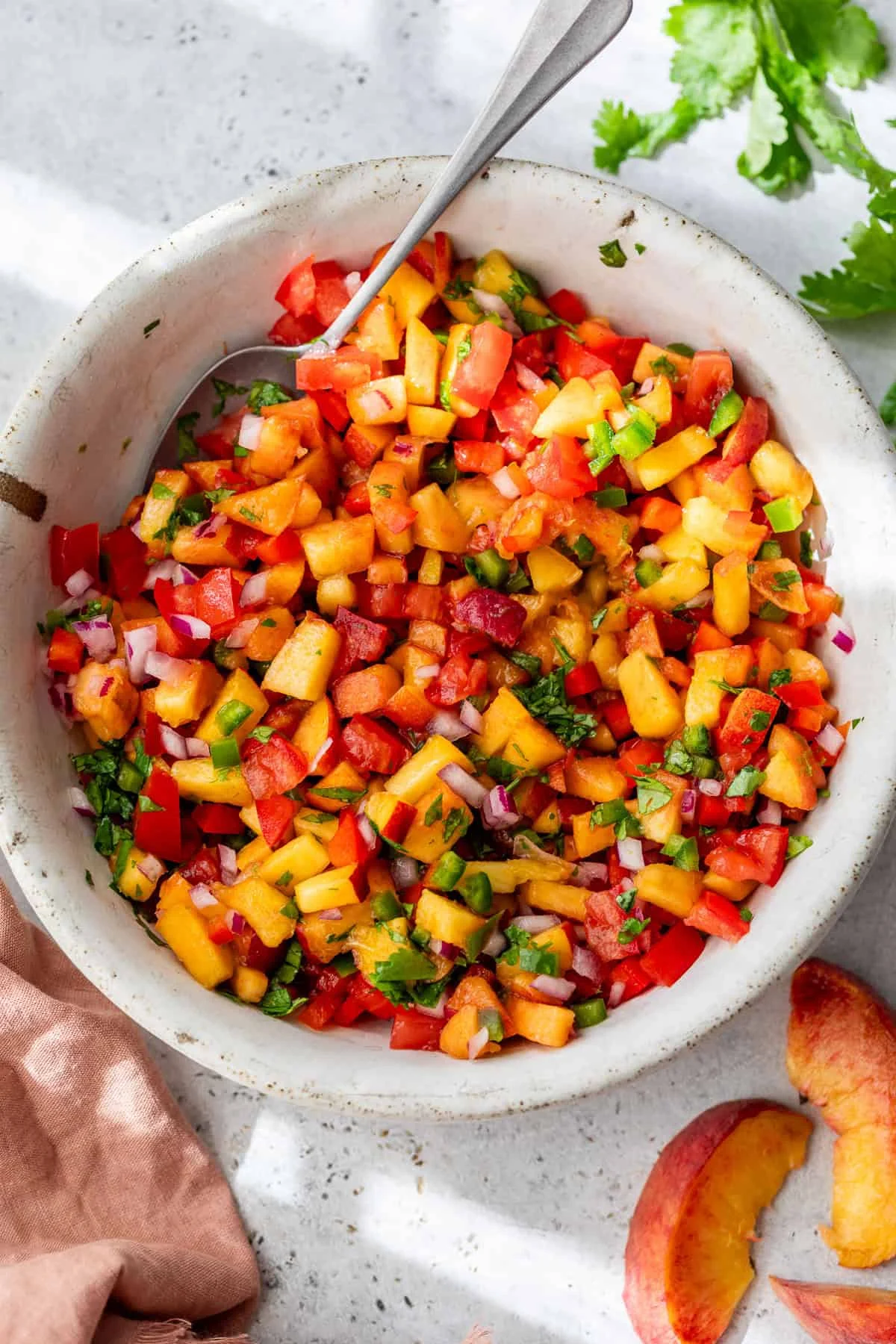
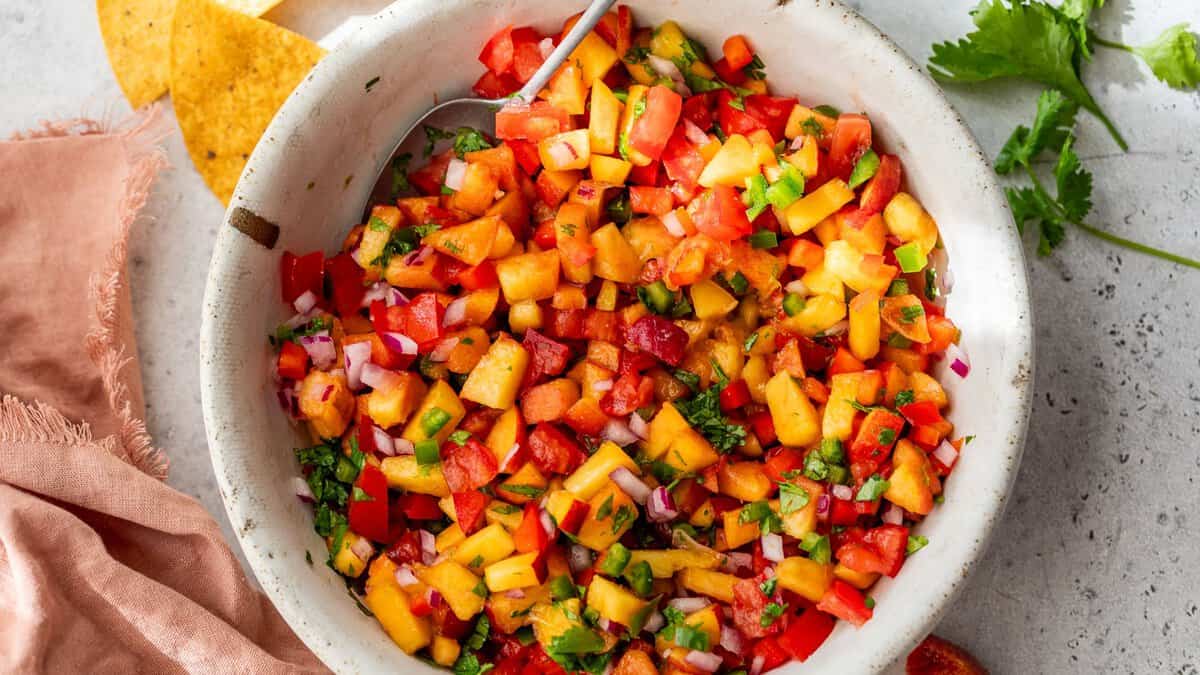
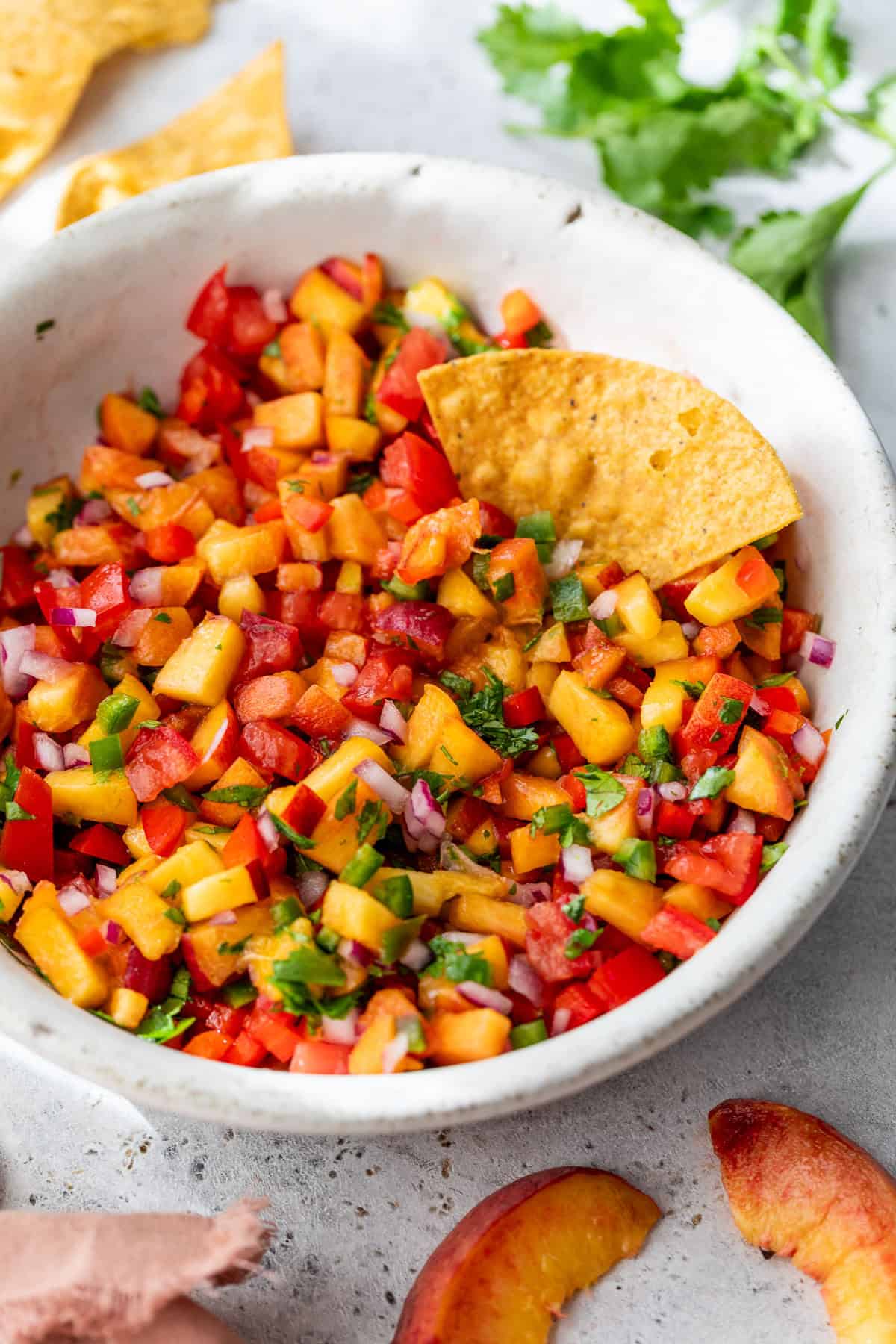
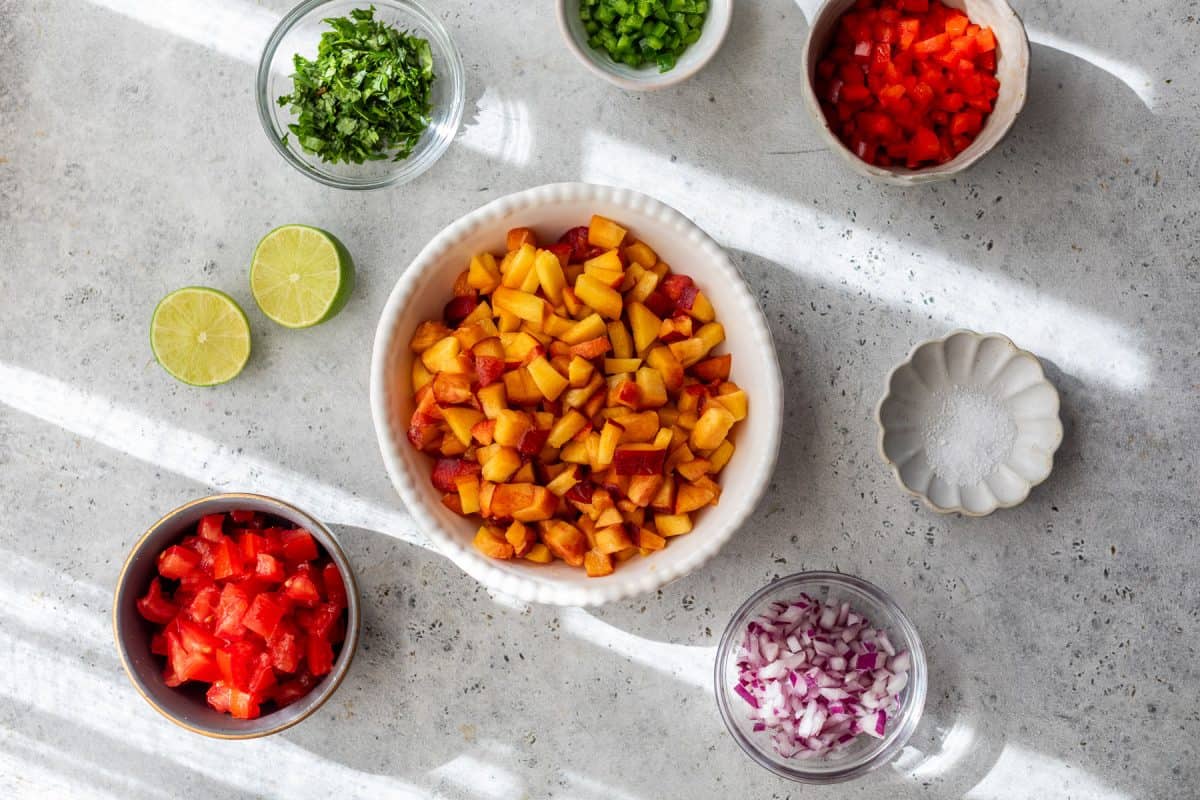
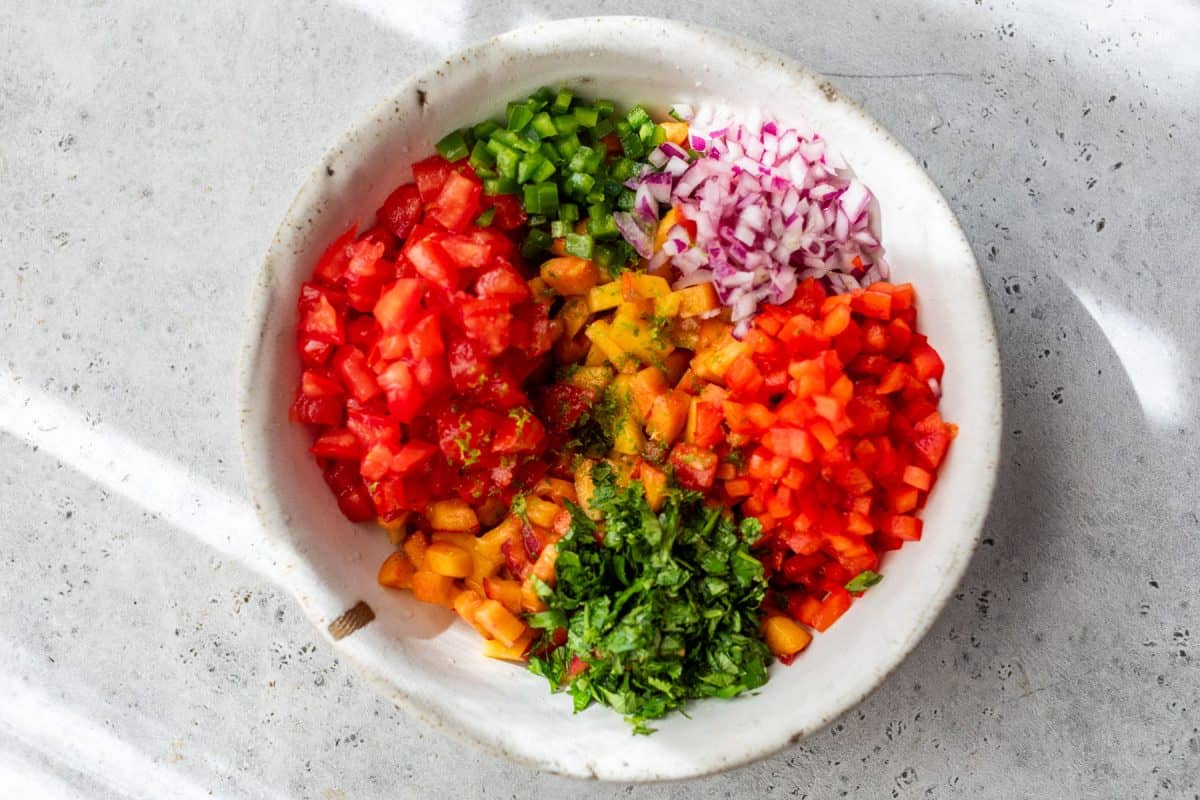
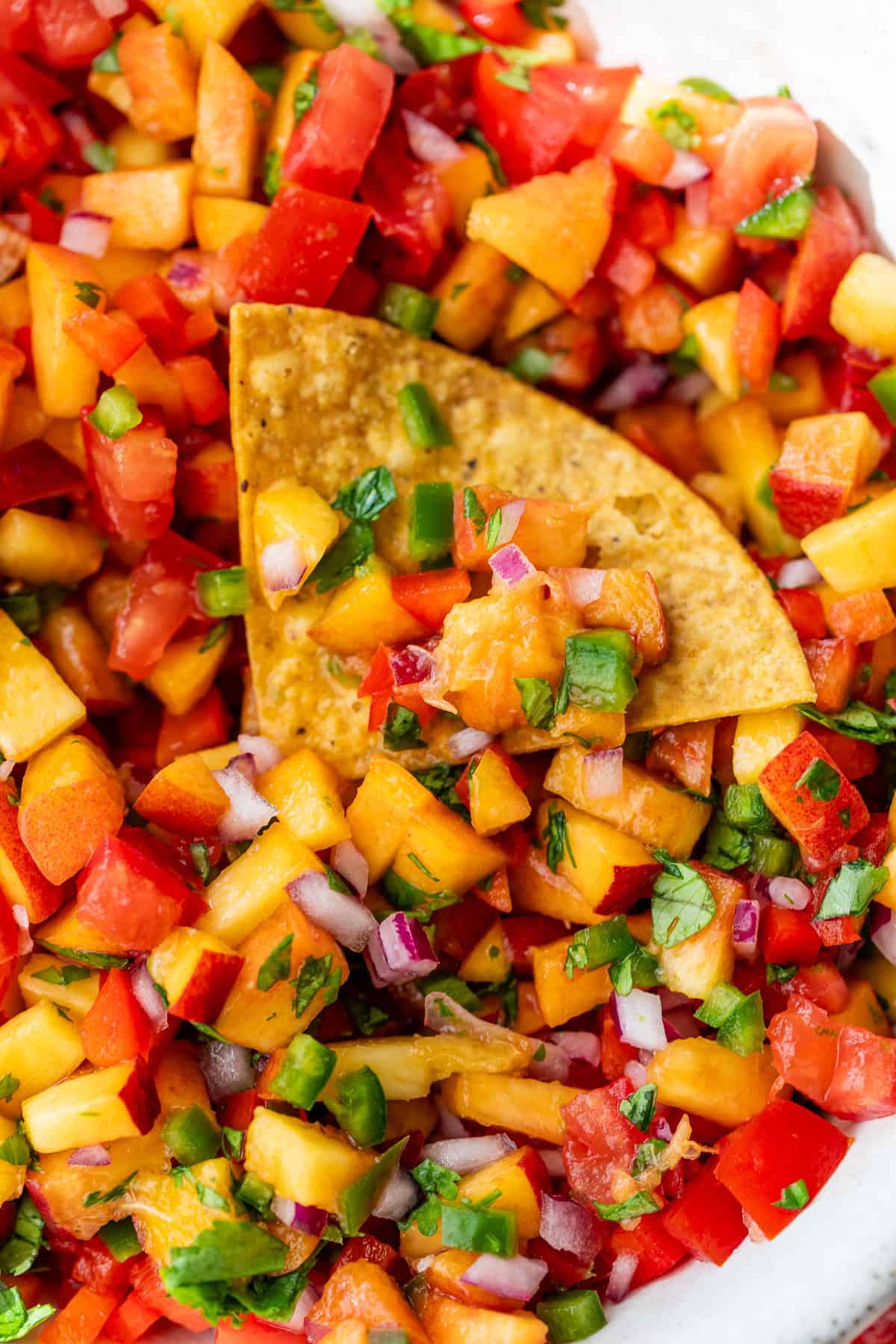
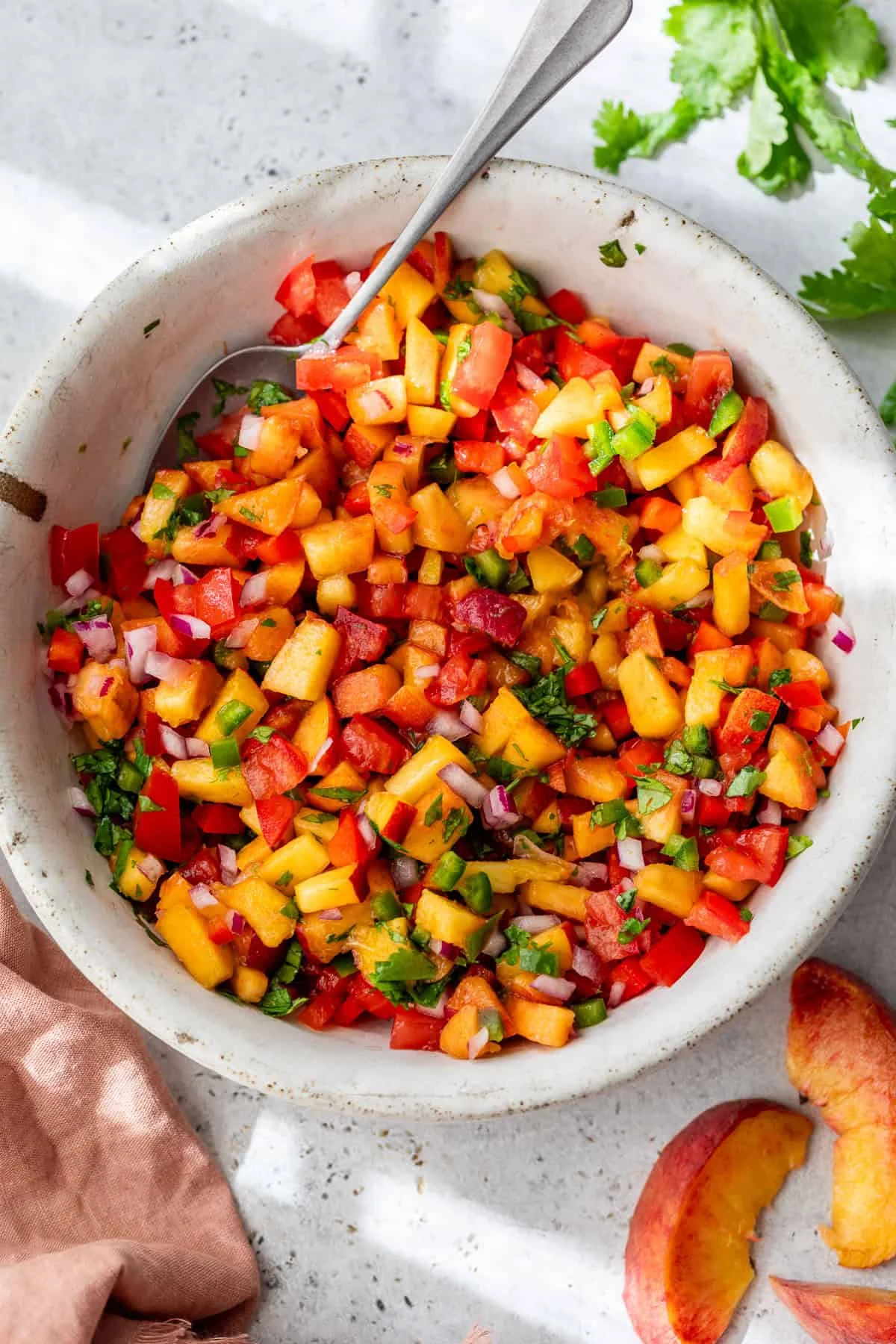
Moving far beyond traditional tomato-based iterations, this recipe captures the essence of summer by pairing juicy, ripe peaches with crisp bell peppers, zesty red onion, a touch of heat from fresh jalapeños, and a brilliant squeeze of lime juice. Designed to accompany everything from crunchy tortilla chips to smoky grilled chicken and flaky fish tacos, Clarke’s latest creation addresses a common culinary dilemma: how to capture the natural sweetness of summer fruit without overwhelming the palate.
Weighing in at just 54 calories per serving with a robust nutritional profile that includes two grams of dietary fiber and zero heavy fats, the salsa bridges the gap between indulgent flavor and health-conscious eating. The recipe has quickly become a cornerstone for seasonal entertaining, proving that tomatoes no longer hold a monopoly on the salsa bowl.
Chronology: From Concept to Kitchen Table
The journey of creating the ultimate peach salsa was anything but accidental. According to Clarke, the recipe’s development spanned multiple rounds of rigorous kitchen testing, driven by a specific quest for flavor equilibrium.
Phase One – The Problem Identification: Clarke observed that commercially available jarred peach salsas often lean heavily into cloying sweetness, masking the natural profile of the fruit with excessive sugars. Conversely, unguided homemade attempts frequently faltered: they either tasted overwhelmingly sharp due to an overabundance of raw onions or fell completely flat because the peaches lacked proper ripeness.
Phase Two – Ingredient Calibration: To fix these discrepancies, Clarke embarked on extensive trial-and-error sessions in her test kitchen. She established a precise sizing standard—dicing the peaches, bell peppers, tomatoes, and red onions into uniformly proportioned pieces to guarantee that every single scoop delivered a cohesive bite.
Phase Three – The Acid and Heat Balance: Fine-tuning the spice level required careful handling of jalapeños to introduce a controlled, warming kick rather than a scorching burn. Simultaneously, fresh lime juice was integrated to cut through the richness of potential pairings, while a high-acidity, perfectly ripe garden tomato was designated as an optional flavor amplifier.
Phase Four – The Resting Period: The final touch in the chronology of preparation is the crucial 30-minute refrigeration window. Clarke discovered that allowing the ingredients to comingle in a chilled environment allows the juices to marry, deepening the flavor profile exponentially before hitting the table.
Supporting Data & Nutritional Breakdown
For home cooks tracking their nutritional intake, Clarke’s Peach Salsa offers a guilt-free culinary experience that packs a serious vitamin punch. Based on a standard batch yielding six servings, the nutritional analytics are remarkably lean:
Serving Size: 1 portion (approx. one-sixth of the total recipe)
Calories: 54 kcal
Total Carbohydrates: 13 g
Dietary Fiber: 2 g
Total Sugars: 9 g (naturally occurring fruit sugars)
Protein: 1 g
Total Fat: 0.4 g
Sodium: 110 mg
Potassium: 210 mg
Beyond the macronutrients, the dish provides an exceptional micronutrient boost, boasting significant levels of Vitamin A (826 IU) derived from the bright orange peaches and peppers, and Vitamin C (27 mg) supplied courtesy of the fresh limes, jalapeños, and optional tomatoes.
Storage guidelines recommend keeping leftover salsa in an airtight container in the refrigerator, where it maintains peak freshness and crunch for up to two days. However, given its vibrant appeal, culinary experts note that leftovers are a rarity.
Official Responses and Culinary Philosophy
Erin Clarke, whose published cookbooks and digital recipes have guided millions of home cooks toward accessible, healthy eating, views the peach salsa as a direct reflection of her overarching kitchen philosophy: minimizing complexity without sacrificing gourmet results.
"While I get excited for tomatoes and other summer produce, it’s peaches that really make my heart skip a beat," Clarke shares in her recipe notes. "They’re a delight in peach cobbler and as baked peaches, but one can only eat so many desserts—and that’s when this peach salsa recipe comes in handy."
Reflecting on the meticulous testing process, Clarke emphasizes the flexibility of home cooking, particularly regarding seasonal produce availability. For instance, her official testing notes reveal a pragmatic approach to the classic salsa ingredient:
"The tomato is more or less optional; use it if you have a really ripe, in-season one, skip it if you don’t."
This adaptable mindset has earned Clarke widespread acclaim from food critics and everyday cooks alike. By empowering home kitchens to tailor recipes to what is freshest at the local farmers’ market, her work champions sustainable, seasonal eating habits that require minimal equipment and dish-washing.
Implications: The Shift Toward Fruit-Forward Savory Cooking
The viral success of Clarke’s peach salsa signals a broader, ongoing shift in contemporary American cuisine. For decades, traditional Mexican and Tex-Mex salsas relied heavily on a tomato, onion, cilantro, and chili pepper matrix. However, the rise of fruit-infused savory condiments—ranging from mango and pineapple salsas to blackberry and peach variations—demonstrates a growing consumer appetite for sweet-and-savory flavor profiles.
This culinary evolution has profound implications for how home cooks approach summer entertaining:
Elevating Simple Proteins: A vibrant fruit salsa transforms basic, lean proteins like grilled chicken breast, pork chops, or white fish into restaurant-quality meals with minimal effort.
Combating Food Waste: Fruit salsas provide a practical solution for utilizing bruised or overly ripe stone fruits that might otherwise be discarded, aligning with broader consumer movements toward sustainable, zero-waste kitchens.
Healthier Entertaining: By swapping heavy, fat-laden dips and mayonnaise-based sauces for bright, produce-forward fruit salsas, hosts can offer crowd-pleasing appetizers that align with modern dietary preferences, including clean-eating, gluten-free, and plant-based lifestyles.
Ultimately, Erin Clarke’s peach salsa is more than just a passing seasonal trend; it is a masterclass in culinary balance. By respecting the natural properties of peak-season produce and applying thoughtful technique, home cooks are reminded that the best flavors of summer are often the simplest ones.