Main Facts
The culinary landscape is experiencing a quiet, protein-packed revolution, and at the forefront of this movement is a humble kitchen staple: cottage cheese. Long relegated to diet food status or dismissed for its lumpy texture, cottage cheese has undergone a massive modern makeover. The latest innovation capturing the attention of home cooks and snack enthusiasts alike comes from Erin Clarke, a renowned cookbook author and the culinary mind behind Well Plated.
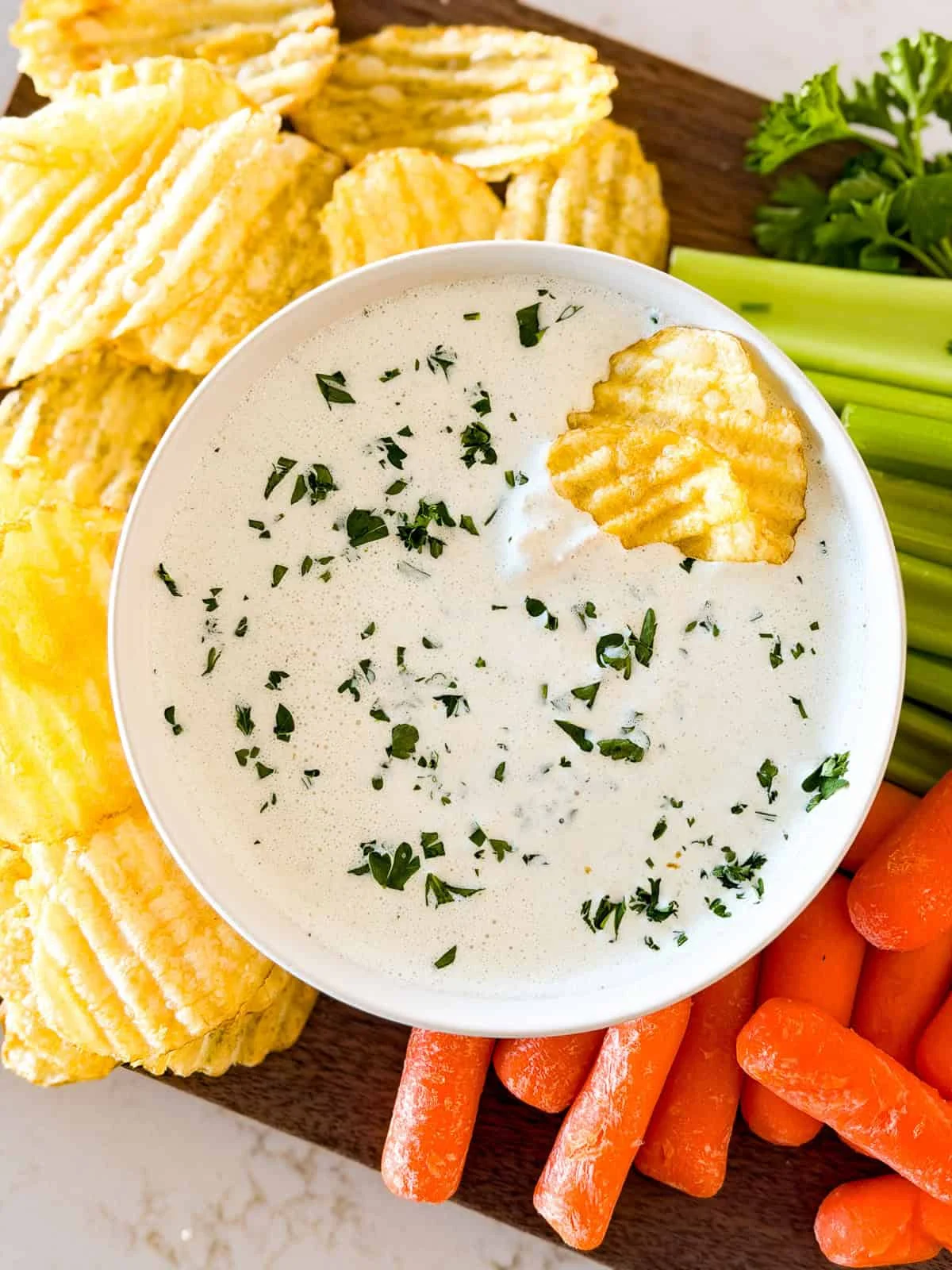
Clarke has introduced a tested-and-perfected recipe for a high-protein Cottage Cheese Dip that promises a creamy, dreamy texture heavily reminiscent of classic ranch dip, but with a fraction of the heavy fat content and a massive nutritional boost. Whipped to absolute perfection and infused with fresh dill, savory seasonings, and a secret umami-boosting ingredient—Worcestershire sauce—this dip bridges the gap between indulgent party food and wholesome nutrition.
Clocking in at just 79 calories per serving while delivering a robust 9 grams of protein, Clarke’s creation requires minimal effort: simply blend the ingredients together and chill. As consumers increasingly prioritize functional foods that support fitness goals without sacrificing flavor, this recipe arrives as a timely solution for health-conscious snackers everywhere.

Chronology
The journey toward the ultimate cottage cheese dip did not happen overnight. It was born out of an ongoing culinary trend that has seen cottage cheese transition from a retro side dish into a versatile canvas for everything from pancake batters to high-protein pasta sauces.
- The Problem Phase: Recognizing the surging popularity of whipped cottage cheese across social media and culinary blogs, Clarke began experimenting with various iterations of a savory snack dip. However, initial trials revealed a common pitfall: when simply puréed with standard herbs and spices, the mixtures consistently tasted flat, missing the rich complexity expected from a proper appetizer.
- The Breakthrough: The turning point in the recipe’s development came with the introduction of Worcestershire sauce. By adding a subtle hit of umami, Clarke successfully elevated the base flavor profile, transforming the puréed dairy into a savory, deep, and satisfying dip rather than tasting like plain, blended cheese.
- The Refinement: After carefully balancing the ratios of dill, salt, and a kick of cayenne pepper, the recipe was finalized. The process was streamlined into an effortless, four-step method: combine, puree, chill, and serve.
- The Launch: Released as a premier high-protein snack option for the new year, the recipe quickly gained traction, accompanied by step-by-step visual guides, nutritional breakdowns, and serving recommendations tailored for modern lifestyles.
Supporting Data
The nutritional profile of Clarke’s whipped cottage cheese dip underscores why it has become an instant hit among nutritionists and fitness enthusiasts. Standard creamy dips, such as traditional French onion or ranch dressings made with heavy cream bases, often pack significant calories and saturated fats while offering minimal nutritional value. In contrast, this cottage cheese alternative delivers impressive metrics:
- Serving Size: 1 serving
- Calories: 79 kcal
- Protein: 9 g (making it a powerhouse macro-friendly snack)
- Total Carbohydrates: 4 g
- Sugars: 2 g
- Total Fat: 3 g
- Saturated Fat: 1 g
- Monounsaturated Fat: 1 g
- Polyunsaturated Fat: 0.1 g
- Cholesterol: 13 mg
- Sodium: 343 mg
- Potassium: 101 mg
- Dietary Fiber: 0.2 g
- Micronutrients: Includes notable amounts of calcium (68 mg), Vitamin A (133 IU), and trace iron.
Furthermore, the recipe boasts practical culinary metrics: it yields six generous servings and can be stored safely in an airtight container in the refrigerator for up to four days, making it an ideal candidate for weekly meal prep.

Official Responses
Reflecting on the philosophy behind her latest creation, cookbook author Erin Clarke shared insights into her mission to make healthy eating accessible and genuinely enjoyable for home cooks.
"I’ve helped millions of people cook healthier meals that actually taste amazing and sold over 200,000 books," Clarke noted, highlighting her commitment to practical kitchen solutions. Regarding the development of the dip, she explained the meticulous testing process required to avoid the culinary pitfalls of inferior recipes: "Cottage cheese dip can be made many ways—and not all of them are good! So when I started working on this recipe, I tried a few different variations, and then I realized that they were all missing a little something-something. The solution? A hit of umami from Worcestershire sauce. It adds fantastic depth, making this taste like a proper dip and not just pureed cottage cheese."
Clarke emphasizes that her overarching goal is "to help you save time, dirty fewer dishes, and feel great about what you’re eating, without overthinking it." This ethos is clearly reflected in the dip’s straightforward preparation, which relies on standard kitchen appliances like a blender or food processor, requiring zero advanced culinary skills.

Implications
The rise of recipes like Erin Clarke’s whipped cottage cheese dip signals a broader, permanent shift in how modern consumers approach snacking and comfort food. No longer are health and indulgence viewed as mutually exclusive categories. Instead, the culinary market is demanding—and receiving—smart ingredient swaps that maintain the sensory satisfaction of comfort foods while significantly upgrading their nutritional value.
Cultural and Dietary Shifts
The mainstream rehabilitation of cottage cheese proves that texture barriers can be overcome with basic kitchen technology. By simply utilizing a blender to eliminate the traditional curds, home cooks are unlocking a high-protein base that mimics sour cream, Greek yogurt, or heavy cream matrices. This versatility has profound implications for vegetarians looking to boost protein intake, busy professionals seeking quick meal-prep snacks, and families trying to incorporate more nutrient-dense foods into children’s diets without sacrificing flavor.
Practical Applications for Entertaining
Beyond solo snacking, a high-protein dip of this caliber transforms party spreads and casual gatherings. Because it pairs exceptionally well with a wide array of dippers—ranging from classic potato chips and pretzels to crisp celery sticks, baby carrots, bell pepper strips, and seeded crackers—it caters to diverse dietary preferences (including gluten-free and low-carb diets) all in a single bowl.

Ultimately, recipes like this demonstrate that the future of healthy eating lies not in restriction, but in culinary creativity. By reimagining familiar flavors through a nutrient-dense lens, home cooks can enjoy satisfying, flavorful snacks that actively support their wellness goals.