AMSTERDAM — There is a peculiar phenomenon of human perception often described as the frequency illusion or the Baader-Meinhof phenomenon. When you learn a new word, buy a specific car, or immerse yourself in a new concept, your brain suddenly begins spotting it everywhere.
This psychological shift recently hit home for a food systems researcher after completing an intensive course on regenerative food systems at Fresh Ventures. Suddenly, the landscape of the Netherlands—long dominated by intensive, hyper-efficient industrial agriculture—began revealing a vibrant, hidden undercurrent: regenerative food processors. They were popping up in quiet farming communities, suburban industrial parks, and urban culinary incubators.
To map this emerging ecosystem, industry observers have compiled a comprehensive working directory of Dutch businesses that are bridging the gap between ecological farming and consumer shelves. These enterprises prove that reforming our food system requires more than just changing how we grow crops; it demands a complete reimagining of how we process, market, and consume what the earth yields.
What is a Regenerative Food System?
Before diving into the pioneers of this movement, it is essential to define what makes a food system "regenerative." In short, a regenerative food system aims for a net-positive ecological impact on the planet.
At the very heart of this philosophy is soil health. Industrial agriculture has historically treated soil as a sterile inert medium, relying heavily on synthetic fertilizers and chemical pesticides that degrade organic matter over time. Regenerative agriculture flips this paradigm. By prioritizing practices such as minimal tillage, cover cropping, and diverse crop rotations, farmers restore the biological life of the soil.
Healthy soil acts as a powerful sponge and carbon sink. It binds atmospheric carbon, dramatically improves water retention and infiltration during extreme weather events, and fosters resilient biodiversity. However, growing food regeneratively is only half the battle. If these ecologically conscious crops are funneled into the same centralized, homogenized processing systems as conventionally grown commodities, their environmental and economic value is often lost. This is where the new wave of Dutch processors enters the picture.
The Evolution of the Movement: A Chronology
The rise of regenerative processing in the Netherlands did not happen overnight. It is the result of a gradual, decades-long awakening among farmers, consumers, and culinary entrepreneurs who recognized the limits of the post-WWII industrial farming model.
- The Late 20th Century (The Industrial Peak): The Netherlands cemented its status as an agricultural export superpower, relying on intensive monocultures, high chemical inputs, and massive global supply chains optimized strictly for cost and volume rather than ecological health.
- The Early 2010s (The Rise of Organic and Local): Consumer demand for transparency fueled the growth of local farm shops and organic labels. However, these movements largely operated on the margins of a still-dominant conventional infrastructure.
- The Late 2010s (The Regenerative Shift): Farmers and environmental scientists began shifting focus away from simply "doing less harm" (sustainability) toward actively restoring ecosystems (regeneration). Pioneers realized that farming practices alone could not change the market if supply chains remained closed to them.
- The 2020s (The Processing Boom): A new generation of vertically integrated farms, specialized millers, gastronomy hybrids, and direct-to-consumer platforms emerged. Organizations like Fresh Ventures and We Are The Regeneration began mapping and accelerating this decentralized network, proving that ecological farming could successfully interface with commercial food processing.
Farm + Processing: Vertical Integration from the Ground Up
We cannot reasonably expect a modern farmer to be a jack-of-all-trades—simultaneously managing soil biology, heavy machinery, food safety regulations, marketing, and retail sales. Yet, some innovative agricultural families are taking up multiple roles or partnering with specialists to build vertically integrated enterprises.
Botmas: Solving the Seasonal Surplus Challenge
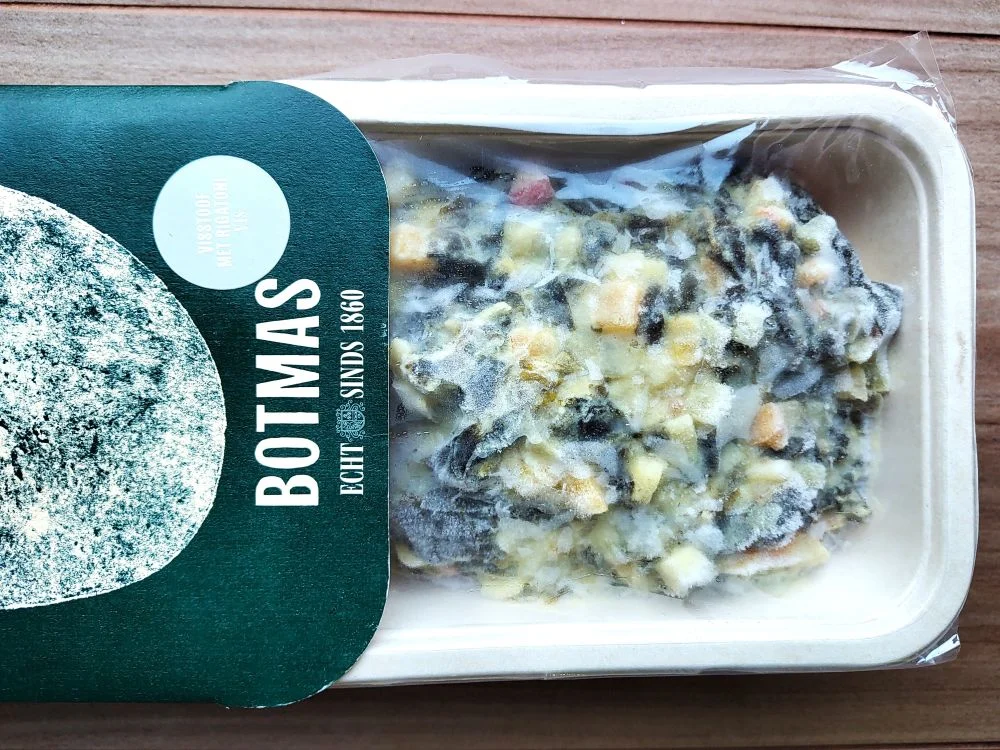
Operating as a traditional family farm, Botmas has expanded boldly into food processing by producing its own line of frozen meals, such as frozen rigatoni dishes designed for quick, convenient home heating.
Fresh produce farming comes with an inherent logistical nightmare: crops mature in sudden, massive gluts, leading to immense food waste if they cannot be sold immediately. Botmas tackles this challenge head-on by processing their fresh vegetables into stable, frozen convenience foods. This not only extends the shelf life of their harvest but ensures a year-round revenue stream while drastically reducing on-farm waste.
- Website: https://botmas.nl
Graanbroeders: Reviving Ancient Milling Traditions
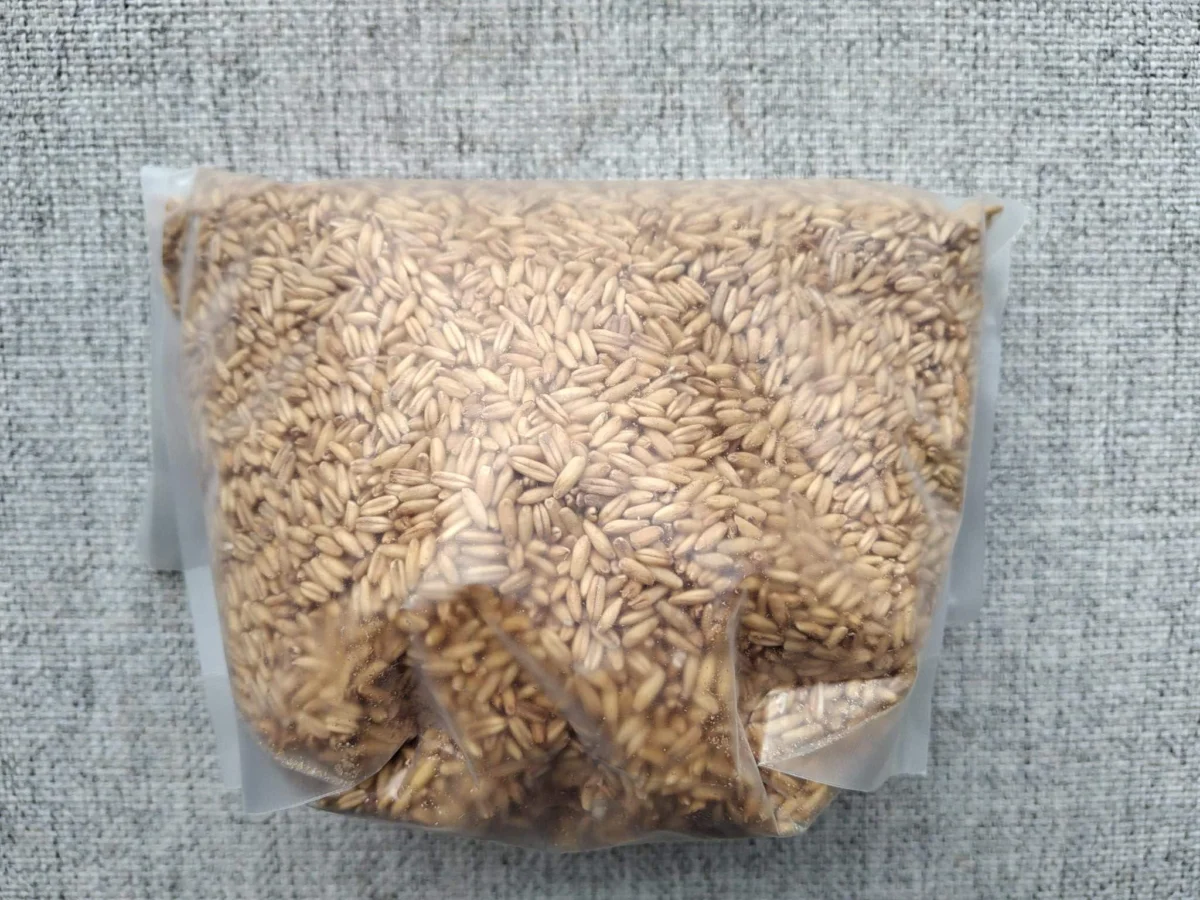
Another family farm leading the charge is Graanbroeders, which specializes in growing grains using strict regenerative practices. Rather than selling their raw harvests to massive commodity traders, they process their grains in-house using a traditional stone mill.

By turning their harvests into artisanal flours, Graanbroeders sells directly to local bakeries and individual consumers, cutting out corporate middlemen and ensuring that the economic value of regenerative farming stays firmly in the hands of the growers.
- Website: https://graanbroeders.com/
Tomasu: Crafting Artisanal Soy Sauce in the Netherlands
Perhaps one of the most unexpected success stories in the Dutch food scene is Tomasu. While soy sauce is traditionally associated with East Asia, Tomasu grows its own soybeans and wheat right in the Netherlands, combining modern agricultural science with ancient brewing wisdom to produce world-class, premium soy sauce packaged in striking, unconventional bottles.
- Website: https://www.tomasu.nl/en
Farm + Gastronomy: Bridging Soil and Plate
Because regenerative agriculture produces nutrient-dense foods with exceptionally rich, complex flavor profiles, it is uniquely suited for high-end and farm-to-table gastronomy.
Vaderland: A Closed-Loop Culinary Oasis
Vaderland is a family farm undergoing a profound transformation. Moving away from traditional dairy farming, the enterprise is converting its land into a closed-loop system centered primarily around a sprawling vegetable and grain garden.
Vaderland uses its own harvest directly in an on-site restaurant, while also processing surplus crops into artisanal soups, sauces, and preserves sold at their farm shop. Beyond dining, they serve as a community hub, offering educational tours, catering, and corporate events.
- Website: https://www.vaderland.nu
Farm + Connection: Collaborative Ecosystems
No single farm can exist in a vacuum. The most successful regenerative transitions rely heavily on strong local partnerships.
Biesterhof: Building a Collaborative Web
Biesterhof is a regenerative farm constructing a resilient food system from the ground up. Rather than trying to process everything themselves, they have deliberately woven a collaborative web connecting local mills, independent pasta producers, regional hospitals, and surrounding communities. By anchoring themselves in a local network, they prove that collective infrastructure is more durable than isolated self-reliance.
- Website: https://www.biesterhof.nl/
Dedicated Processing Facilities: The Missing Link
While a fresh tomato can be eaten straight off the vine, many crops—such as grains that require milling or legumes that need cleaning—demand dedicated processing before they can reach the modern consumer.
Gabanna Foodworks: Championing Heritage Ingredients
Gabanna Foodworks focuses entirely on processing, turning its energy away from farming or direct-to-consumer marketing and toward internal product and process development. They specialize in creating high-quality food products—pasta being a primary offering—derived from regeneratively grown heritage, ancient, and heirloom ingredients.
- Website: https://www.gabannafoodworks.com
Mill Republic: Solving Infrastructure Bottlenecks
A major operational bottleneck for the regenerative movement is finding physical space to process crops that do not fit the standardized, massive-scale machinery of industrial processing plants. Mill Republic is a startup explicitly tackling this challenge by establishing localized processing nodes for regeneratively grown grains.
- Website: https://mill-republic.carrd.co
Processing + Sales & Product Development
Logistics, branding, and sales require specialized expertise that many farmers neither have the time nor the inclination to master. Enter the hybrid enterprises that bridge the gap between processing, marketing, and the end consumer.

Grutto: Transparent Meat Supply Chains
Grutto buys meat directly from independent regenerative farmers, handling the complex logistics of slaughter, butchery, packaging, and retail sales. By operating their own specialized facilities and maintaining radically transparent relationships with their farmers, Grutto ensures that animal welfare and ecological land management are rewarded at the checkout counter.
- Website: https://www.grutto.com/nl
Wilderland: Foraging for Flavor
While Wilderland does not farm or manufacture products directly, they have mastered the art of product development and branding. They partner with independent growers to source herbs and niche regenerative ingredients, transforming them into premium teas and consumer goods that celebrate local biodiversity.
Implications for the Future of Agriculture
The proliferation of these diverse processors signals a structural shift in European agriculture. For decades, critics argued that regenerative farming was a romantic ideal incapable of feeding urban populations at scale because it lacked the infrastructure to process and distribute food efficiently.
The Dutch example proves otherwise. By decentralizing processing facilities, integrating culinary arts with agronomy, and creating transparent supply chains, these pioneers are demonstrating economic viability. Independent economic and agricultural research organizations, such as Eara (eara.farm), are increasingly publishing findings that debunk the myth that ecological farming cannot compete economically. Their reports suggest that regenerative systems can secure long-term farm profitability while drastically lowering greenhouse gas emissions.
Furthermore, platforms like We Are The Regeneration (re-generation.cc/kaart) are mapping hundreds of similar initiatives across the region, turning an isolated group of green-minded farmers into a cohesive political and economic force.
Official Responses and Industry Outlook
Agricultural economists and environmental policymakers have taken note of this grassroots industrial transformation.
"The bottleneck of the regenerative transition has never been the farmer’s willingness to change; it has been the absence of mid-tier infrastructure," notes a senior agricultural policy analyst based in Utrecht. "For a long time, farmers who wanted to improve their soil had nowhere to send their grain except to massive industrial elevators that mixed it with chemically treated commodities. By building regional processors, millers, and makers, the Netherlands is creating a parallel, resilient food infrastructure."
As consumer demand for climate-friendly, nutrient-dense food continues to climb, the pressure on conventional food giants to adapt will only intensify. Whether through artisanal soy sauce, farm-frozen vegetables, or hyper-local pasta, the Dutch regenerative processing movement offers a blueprint for how nations worldwide can feed themselves without eating the planet alive.
Are you running a regenerative processing initiative in the Netherlands or beyond? The mapping is an ongoing working document—readers are encouraged to reach out and share new recommendations to expand this growing network.