Main Facts: The Protein-Packed Dip Revolutionizing Modern Snacking
In the ever-evolving landscape of modern nutritional trends, few culinary comebacks have been as dominant or as versatile as cottage cheese. Once dismissed as a dated diet food of the mid-20th century, cottage cheese has undergone a massive digital renaissance. Leading the charge in turning this humble dairy staple into gourmet comfort food is cookbook author and culinary entrepreneur Erin Clarke, creator of the popular food platform Well Plated.
Clarke’s latest viral innovation—a creamy, savory, high-protein Cottage Cheese Dip seasoned with fresh dill, savory spices, and a secret umami-boosting ingredient—is capturing the attention of home cooks, fitness enthusiasts, and snack lovers alike. Positioned as a healthier, protein-dense alternative to traditional ranch or sour cream-based dips, Clarke’s recipe bridges the gap between nutritional consciousness and indulgence.
Clocking in at just 79 calories per serving while delivering a robust 9 grams of protein, this dip requires little more than a blender, a refrigerator, and a handful of pantry staples. Yet, behind its simple preparation lies a carefully calculated culinary strategy designed to solve one of cottage cheese’s primary historical flaws: its polarizing, lumpy texture.
Chronology: From Diet Staple to Viral Culinary Phenomenon
To understand the cultural impact of Clarke’s new recipe, it is necessary to examine how cottage cheese transitioned from pantry obscurity to social media stardom.

The Mid-Century Diet Era
For decades, cottage cheese was stereotyped as bland, utilitarian health food. Popularized during the low-fat craze of the 1970s and 1980s, it was typically consumed straight from the tub with a slice of pineapple or a sprinkle of black pepper. For many, the curd texture was a barrier to culinary enjoyment.
The TikTok Protein Boom (2022–2024)
As social media platforms like TikTok prioritized quick, high-protein recipes catering to fitness-focused consumers, home cooks began experimenting with blending cottage cheese. By pureeing the curds, creators discovered they could achieve a texture mimicking ricotta or sour cream while retaining a fraction of the fat and a massive protein boost. Cottage cheese quickly morphed into a base for ice cream, Alfredo sauce, scrambled eggs, and baking batters.
The Perfection Phase and the Secret Umami Element (2025–2026)
Despite its widespread adoption, early iterations of blended cottage cheese dips often tasted flat or overly dairy-forward. Recognizing this gap, Erin Clarke embarked on a rigorous testing phase to refine the concept. Through repeated kitchen trials, Clarke discovered that pureed cottage cheese alone lacked the savory depth required of a true party dip. Her solution—introducing a dash of Worcestershire sauce—transformed the dish, adding a complex umami profile that elevated it from a simple health hack to a genuinely craveable snack. Released globally in early 2026, Clarke’s definitive recipe quickly cemented itself as a staple for health-conscious consumers.
Supporting Data: Nutritional Breakdown and Recipe Mechanics
The appeal of Clarke’s whipped cottage cheese dip lies in its remarkable nutritional profile, making it a standout choice for those managing caloric intake without sacrificing satisfaction.

Nutritional Profile (Per Serving)
- Calories: 79 kcal
- Protein: 9 g
- Carbohydrates: 4 g
- Dietary Fiber: 0.2 g
- Total Fat: 3 g
- Saturated Fat: 1 g
- Monounsaturated Fat: 1 g
- Polyunsaturated Fat: 0.1 g
- Cholesterol: 13 mg
- Sodium: 343 mg
- Potassium: 101 mg
- Sugars: 2 g
Step-by-Step Culinary Methodology
Achieving the signature "creamy-dreamy" texture requires adherence to a precise, multi-step preparation process:
- The Combination: Whole or low-fat cottage cheese is added to a high-speed blender or food processor alongside a curated blend of savory spices, fresh dill, a dash of cayenne pepper for subtle heat, and the defining Worcestershire sauce.
- The Puree: The mixture is blended until completely smooth. Home cooks are instructed to periodically stop and scrape down the sides of the container to ensure no stubborn curds remain. Kosher salt is added to taste.
- The Chill: Crucially, the dip must be refrigerated for a minimum of one hour. This mandatory resting period allows the liquid components to integrate, the flavors to fully develop, and the starches or natural dairy proteins to firm up into a traditional dip consistency.
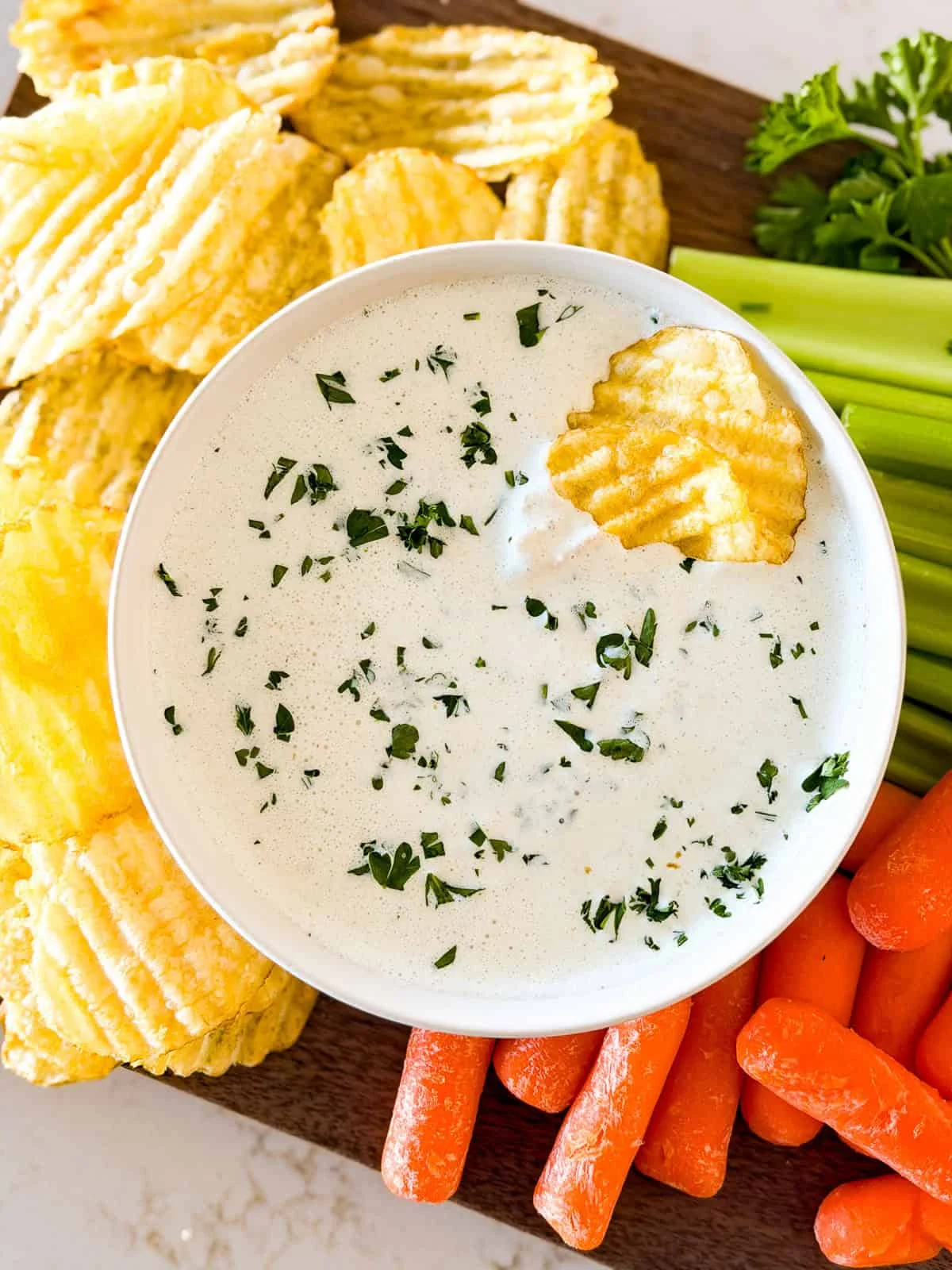
- The Garnish and Service: Before serving, the dip can be garnished with extra fresh herbs and paired with an array of delivery mechanisms, including classic potato chips, crisp celery sticks, and baby carrots.
According to storage guidelines provided by the recipe developer, the dip can be safely stored in an airtight container in the refrigerator for up to four days, though a quick stir may be required prior to serving if minor separation occurs.
Official Responses and Expert Insights
As the home cook and culinary mind behind Well Plated, Erin Clarke has spent years analyzing what makes everyday cooking accessible and appealing to millions of readers. Having sold over 220,000 copies of her cookbooks, Clarke’s philosophy centers on saving time, minimizing dirty dishes, and maximizing flavor without forcing consumers to overthink their meals.
In commentary accompanying the recipe rollout, Clarke reflected on the trial-and-error process behind perfecting the dip:

"Cottage cheese dip can be made many ways—and not all of them are good! When I started working on this recipe, I tried a few different variations, and then I realized that they were all missing a little something-something. The solution? A hit of umami from Worcestershire sauce. It adds fantastic depth, making this taste like a proper dip and not just pureed cottage cheese."
Dietitians and food industry analysts have praised this approach, noting that modern consumers are increasingly fatigued by restrictive dieting culture. Instead of eliminating favorite comfort foods like creamy dips and potato chips, consumers are embracing "ingredient swaps" that enhance nutritional value while maintaining sensory satisfaction.
Implications: The Future of Functional Snacking
The widespread popularity of whipped cottage cheese recipes carries significant implications for both consumer behavior and the broader food manufacturing industry.
Shifting Dairy Demographics
Dairy boards and grocery retailers have reported steady surges in cottage cheese sales over the past three years, largely driven by younger demographics (Millennials and Gen Z) who previously ignored the product. By decoupling cottage cheese from its diet-culture stigma and repositioning it as a blank canvas for savory and sweet culinary experimentation, food creators have unlocked a lucrative new market.

The Rise of Functional Comfort Foods
Consumers no longer wish to choose between health and flavor. The success of Clarke’s dip demonstrates that recipes bridging the gap between nutritional density (high protein, low calorie) and emotional comfort (rich, creamy textures paired with salty snacks) will continue to dominate food media trends.
As home cooks increasingly seek out smart shortcuts that require minimal equipment—such as a simple blender—recipes that prioritize high yield, low effort, and superior taste will remain at the forefront of contemporary home cooking. Whether served at a casual weekend gathering or enjoyed as a post-workout afternoon snack, the whipped cottage cheese dip stands as a testament to how culinary ingenuity can transform the ordinary into the extraordinary.