As the thermometer climbs and the sweltering heat of July sets in, the traditional culinary paradigm—which often associates "soup" with steaming bowls of winter comfort—undergoes a radical shift. Enter the watermelon gazpacho: a vibrant, chilled, and sophisticated evolution of the classic Andalusian staple. For many home cooks and professional chefs alike, this dish represents the ultimate convergence of peak-season produce and modern, no-cook efficiency.
Main Facts: A Refreshing Departure from Tradition
At its core, watermelon gazpacho is not merely a soup; it is a chilled liquid salad that leverages the natural sweetness and high water content of vine-ripened watermelon to counterbalance the sharp acidity of traditional tomatoes. Unlike its ancestors, which required hours of simmering or laborious stove-top preparation, this version is defined by its speed, ease of execution, and reliance on raw, fresh ingredients.
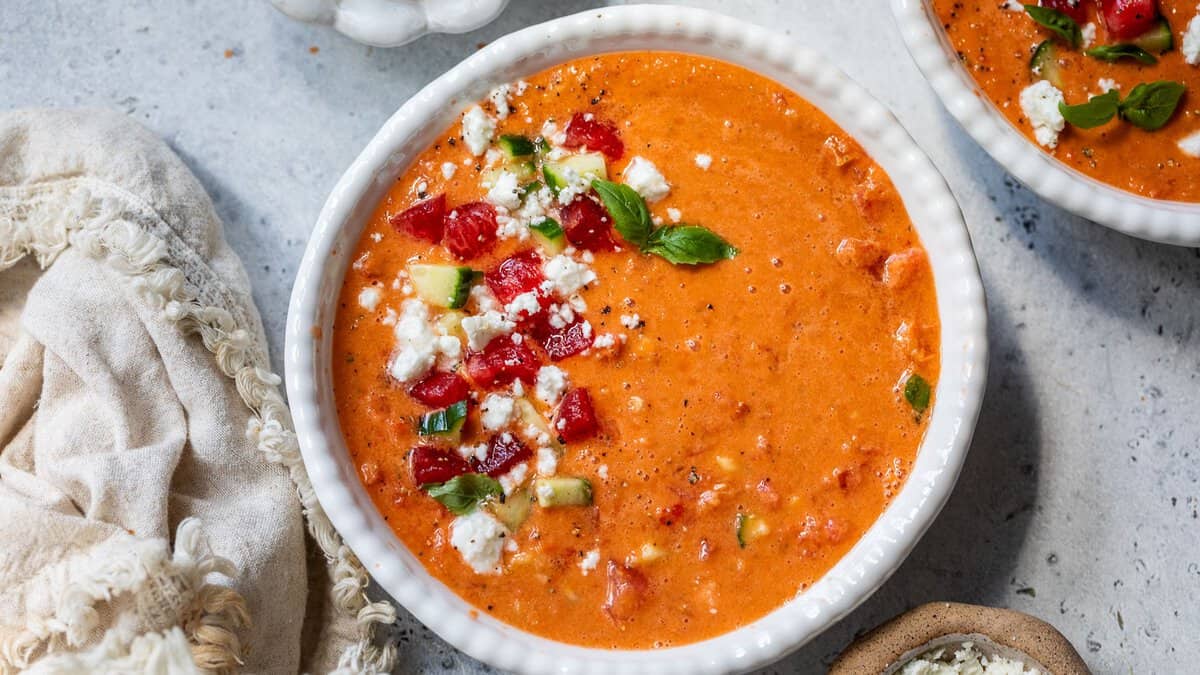
According to culinary experts and cookbook author Erin Clarke, the secret to a successful gazpacho lies in the delicate balance of flavor and texture. By integrating watermelon into the standard gazpacho base of cucumber, bell pepper, onion, and garlic, the dish achieves a lighter, more nuanced body. It serves as an ideal solution for the "dog days of summer," offering a meal that provides hydration, essential nutrients, and a palate-cleansing finish without requiring the kitchen to be heated by an oven or stovetop.
Chronology: The Evolution of the Chilled Soup
The history of gazpacho is steeped in the agrarian traditions of the Iberian Peninsula, specifically the southern regions of Spain. Historically, the dish was a humble creation—a rustic blend of bread, oil, vinegar, garlic, and water, designed to provide sustenance to field workers. It was only after the Columbian Exchange introduced tomatoes and peppers to Europe that the "modern" red gazpacho began to take shape.
In the contemporary era, the recipe has undergone a "watermelon revolution." Over the past decade, food writers and chefs have experimented with fruit-forward variations to soften the harshness of late-summer tomatoes. The timeline of this specific recipe’s development shows a transition from:
- The Experimental Phase: Early iterations blended all ingredients into a uniform, thin liquid, which often failed to provide the necessary "bite" or texture required for a satisfying meal.
- The Chunky Pivot: Later attempts left too many vegetables unblended, resulting in a dish that felt like an unseasoned vegetable salad rather than a cohesive soup.
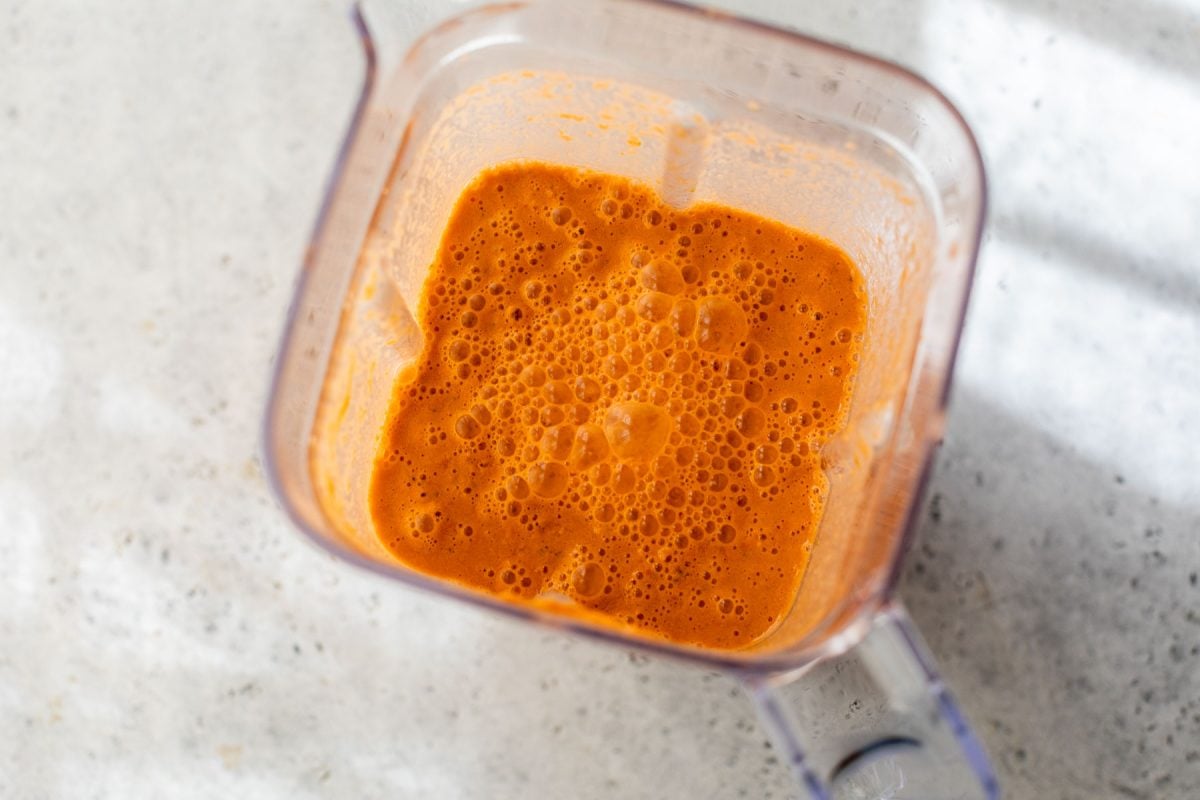
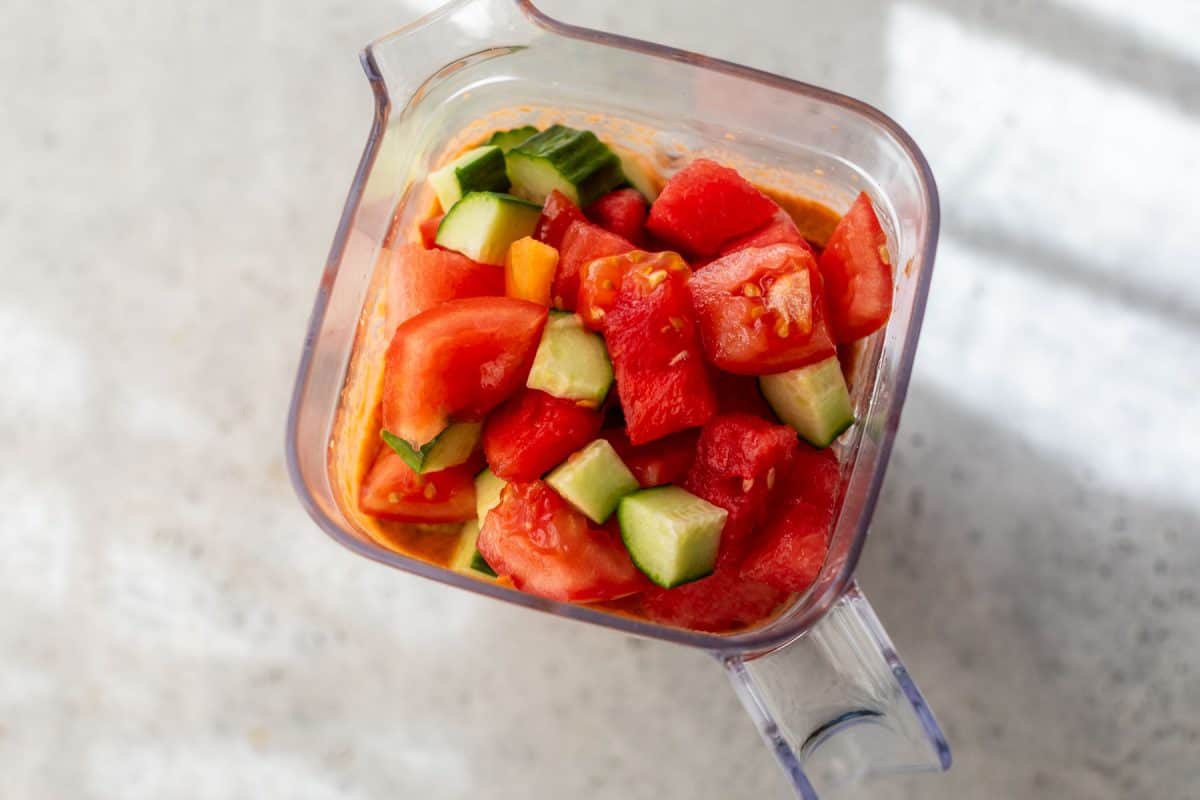
- The Refined Method: Current best practices, as championed by home-cooking authorities, involve a dual-stage process: blending half the produce into a smooth, emulsified base while pulsing the remaining ingredients to retain a necessary, satisfying texture.
Supporting Data: Nutrition and Seasonal Ingredients
The nutritional profile of watermelon gazpacho is particularly noteworthy for summer consumption. A standard serving (approximately 222 kcal) offers a robust density of vitamins and minerals without an excess of saturated fats.

Nutritional Breakdown (Per Serving):
- Carbohydrates: 24g, primarily derived from natural fruit sugars and fiber.
- Protein: 3g, supplemented when served with traditional additions like feta or cotija cheese.
- Sodium: 596mg, which is crucial for replenishing electrolytes lost during the heat of summer.
- Vitamins: The dish is exceptionally high in Vitamin A (3372 IU) and Vitamin C (77mg), supporting skin health and immune function during high-UV index months.
The ingredient list is simple but requires high-quality produce. The watermelon must be ripe, the cucumbers crisp, and the tomatoes flavorful. By opting for a high-speed blender, the cook can ensure the garlic and herbs are fully incorporated into the liquid base, preventing the "raw" flavor profile that can sometimes mar less meticulous recipes.
Official Perspectives: The Philosophy of "No-Cook" Cooking
Erin Clarke, whose work focuses on empowering home cooks to create healthy, efficient meals, argues that the "no-cook" philosophy is essential to modern kitchen management. "When the weather is at its peak, the last thing anyone wants to do is stand over a hot stove," Clarke notes. Her approach to this gazpacho is built on the premise that simplicity should not come at the cost of quality.
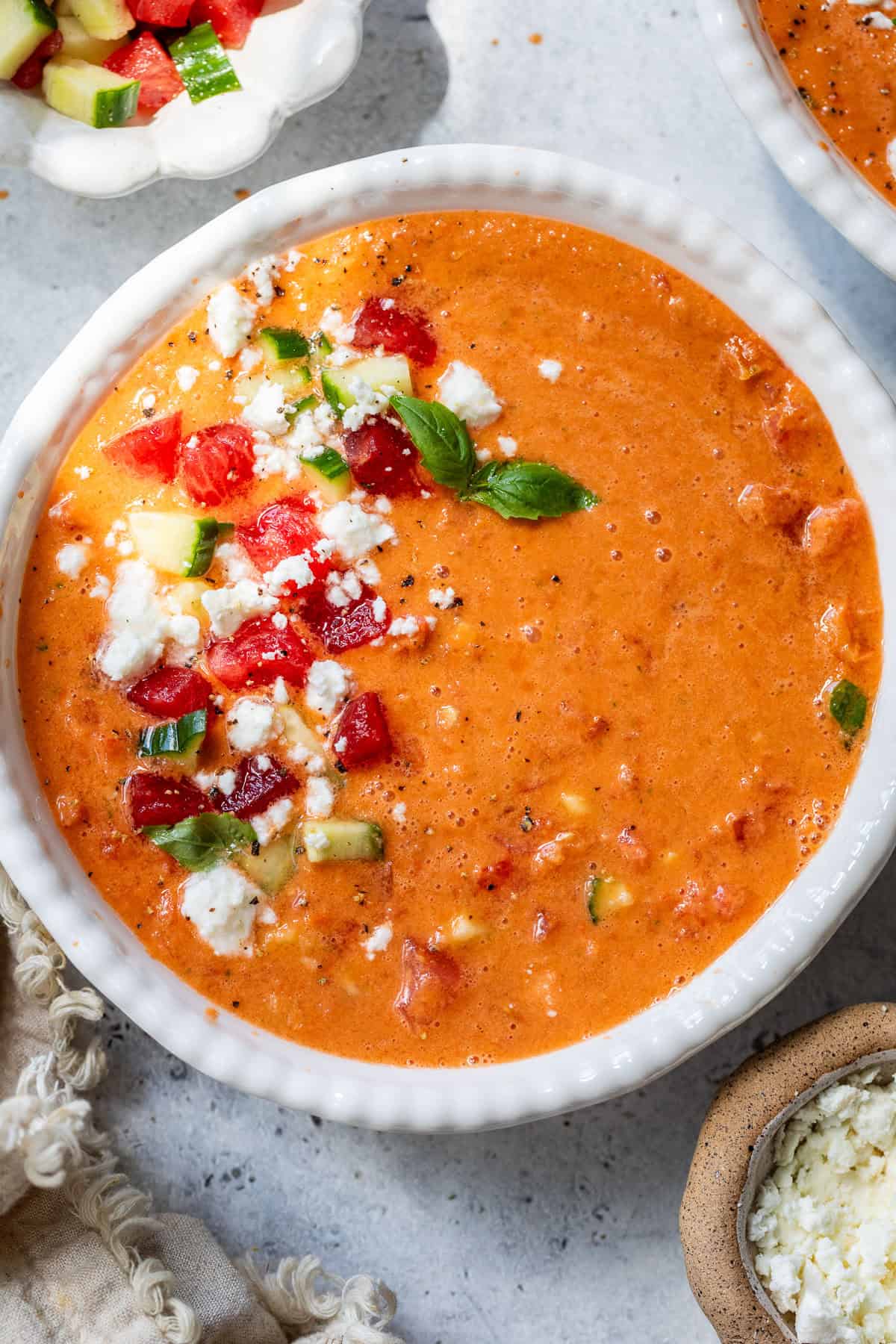
By creating a "creamy" base—not through the addition of heavy dairy, but through the emulsification of the vegetable pulp—the recipe achieves a luxurious mouthfeel that defies the traditional "watery" reputation of amateur gazpacho. This approach allows the soup to stand as a main course, particularly when paired with a side of crusty bread or a protein-rich garnish.
Implications: A New Standard for Summer Entertaining
The rise of watermelon gazpacho in home kitchens has significant implications for how we define summer hospitality. It challenges the notion that formal or impressive dishes must be complex or labor-intensive.
Customization and Global Fusion
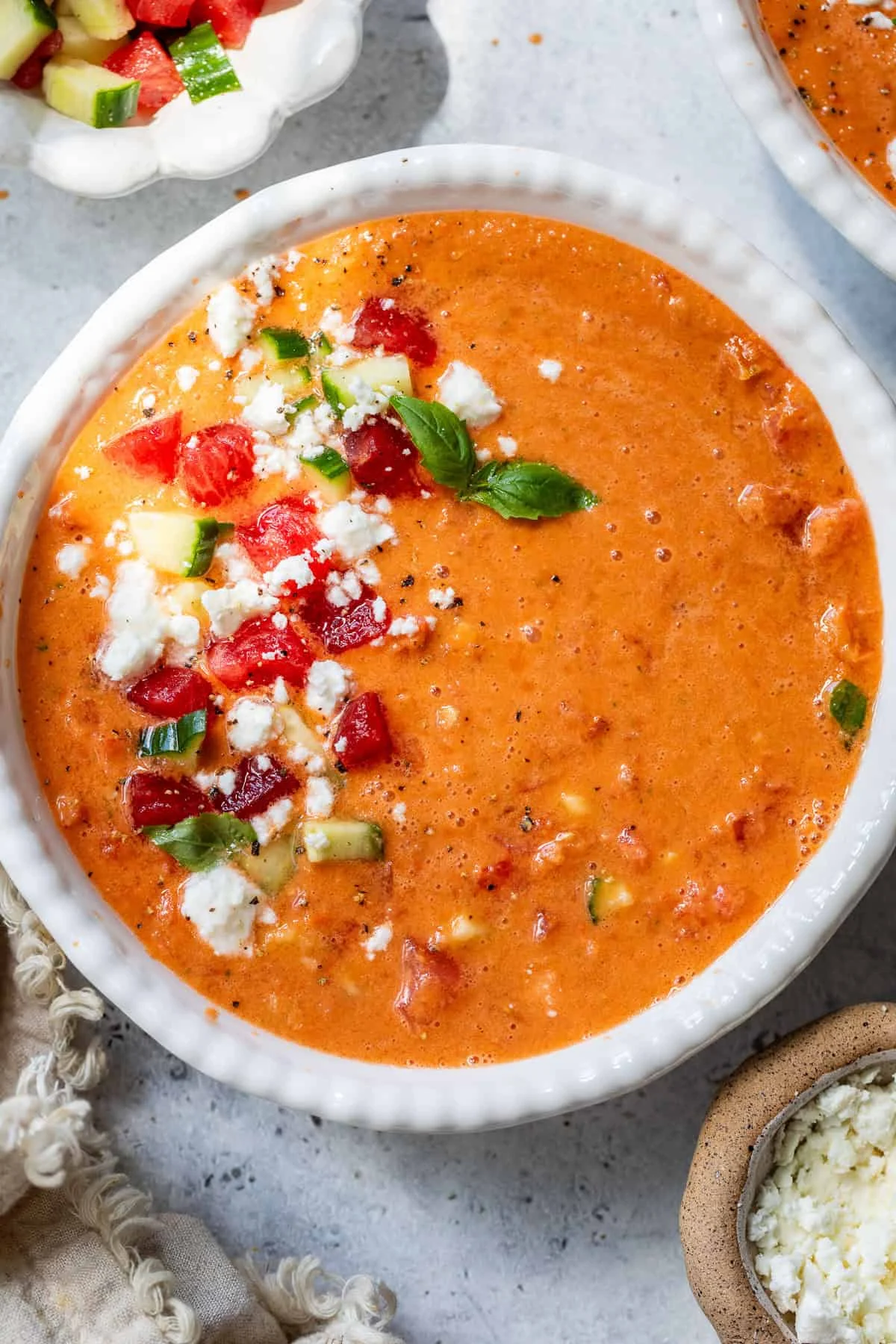
The versatility of the recipe is one of its strongest features. While the traditional Mediterranean flavor profile leans on sherry vinegar and fresh basil, the "Mexican Twist"—substituting lime juice for vinegar and garnishing with cilantro, jalapeño, and cotija cheese—demonstrates how easily the dish adapts to global flavor profiles.
The "Prep-Ahead" Advantage
One of the most compelling aspects of this dish is its requirement for "resting." The chemistry of the soup improves significantly after several hours, or even a full day, in the refrigerator. This makes it an ideal candidate for meal prep or high-pressure entertaining, as the work is completed well before guests arrive, leaving the host to focus on plating and presentation.
Aesthetic and Sensory Appeal
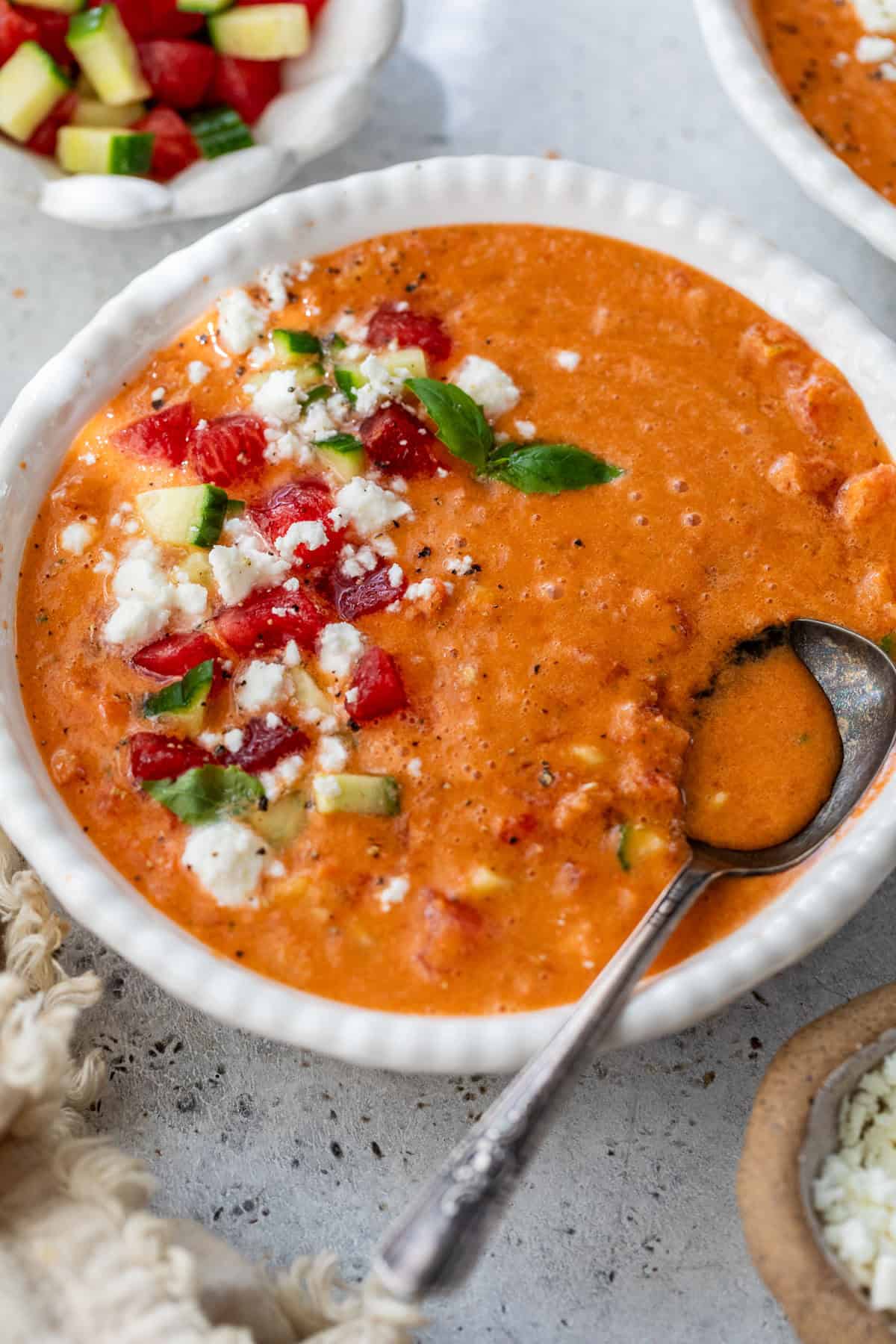
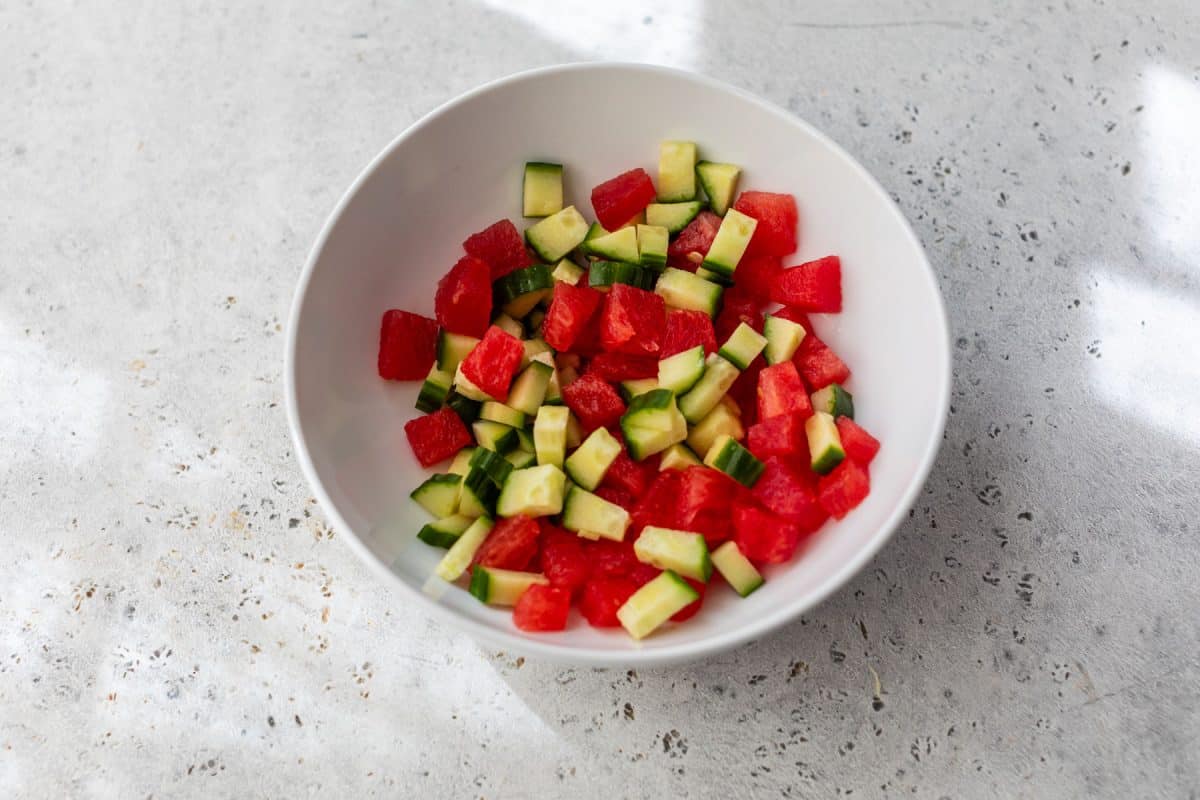
Finally, the visual impact of the dish cannot be overstated. The deep, vibrant crimson of the watermelon, contrasted with the bright green of cucumber and the stark white of crumbled cheese, makes for an aesthetically striking presentation. In an age where the "visuals" of food are as important as the taste, the watermelon gazpacho serves as a centerpiece that demands attention.
Conclusion: Mastering the Bowl
To successfully execute this dish, one must resist the urge to over-process. The key takeaway from professional testing is that texture is the enemy of the rushed cook. By reserving a portion of the ingredients to be pulsed at the end, the cook ensures that each spoonful provides a varied experience of textures.
As we move through the heat of the summer months, the watermelon gazpacho stands as a testament to the idea that the best food is often the simplest. It is a dish that honors the season, respects the time of the cook, and provides a refreshing, nutrient-dense experience that is perfectly suited for the modern table. Whether served as a light lunch or an elegant starter for a summer dinner party, it is a recipe that bridges the gap between traditional craft and contemporary convenience.