Despite sharing the moniker "milk," the diverse landscape of dairy alternatives—soy, oat, almond, and coconut—represents a vast array of biochemical compositions. For the average consumer, these products are often viewed as interchangeable, yet for the barista or food product developer, they are fundamentally distinct chemical systems. When one attempts to replicate the classic cappuccino—a beverage defined by its silky, stable micro-foam—the limitations of plant-based milks become immediately apparent.
This article explores the technical hurdles of replacing dairy with plant-based alternatives, the innovation required to "crack the code" of the barista-grade product, and the broader implications for the food science industry.
Main Facts: The Biochemistry of the Bubble
The ability of a liquid to foam is a delicate balancing act of surface tension, viscosity, and protein structure. Cow’s milk is a biological marvel in this regard. It contains high-quality proteins—specifically whey and casein—that possess amphiphilic properties. When steam is injected into milk, these proteins denature, forming a structural net that traps air bubbles, while fats and sugars provide the necessary viscosity to prevent these bubbles from coalescing and popping.
Plant-based milks, however, are essentially suspensions of plant matter in water. They lack the native protein structure of bovine milk. Without specific modifications, most plant milks lack the structural integrity to hold air, leading to thin, unstable bubbles that dissipate seconds after pouring. To achieve a foam comparable to cow’s milk, developers must artificially engineer the viscosity and surface-active properties of these beverages.
Chronology: From Kitchen Failures to Barista Innovation
The journey toward a perfect plant-based cappuccino generally begins in the test kitchen, characterized by a "fail-fast" methodology.

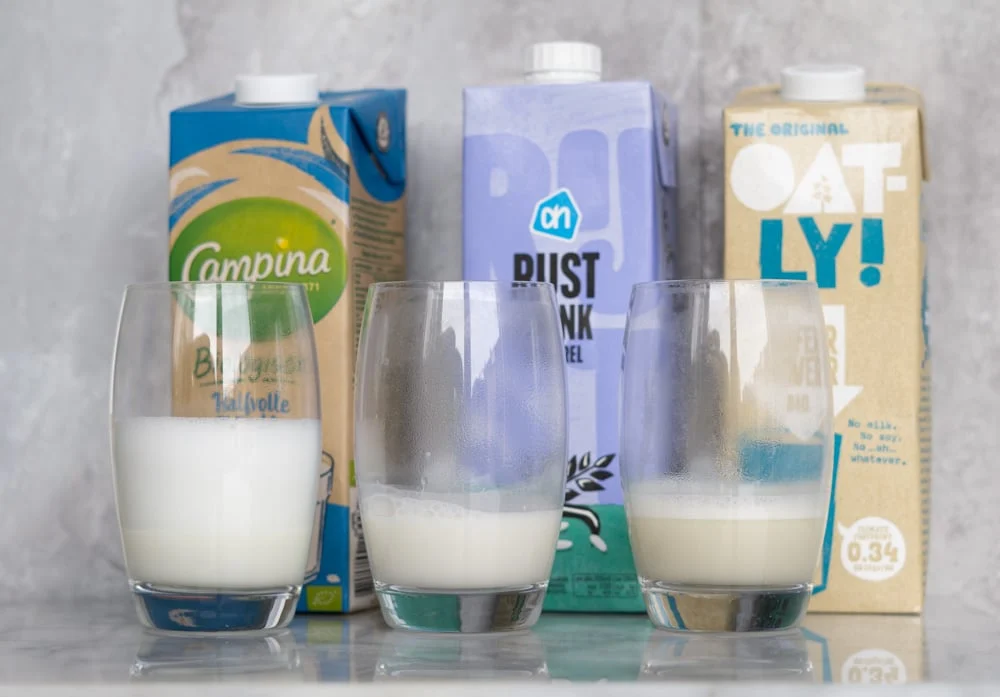
- The Baseline Test (1:1 Substitution): Initial experiments using standard grocery store oat, rice, and almond milks often yield disappointing results. When subjected to standard steaming equipment, these milks frequently fail to generate any significant foam. The lack of emulsification and insufficient protein stability results in a thin liquid that heats up without aerating.
- The "Why" Phase: Upon failure, developers shift from trial-and-error to systematic analysis. This phase involves reviewing the ingredient deck and the manufacturing process. Researchers must ask: Does the ingredient provide sufficient viscosity? Are the proteins in a state that can stabilize an air-liquid interface?
- The "Barista" Formulation: Recognizing a market demand, manufacturers pivoted. By the early 2020s, "Barista Edition" versions of plant milks began to dominate the market. These products represent a fundamental redesign of the original recipes, incorporating stabilizers, pH buffers, and modified protein profiles to mimic the behavior of dairy.
Supporting Data: Decoding the Barista Label
The difference between a standard shelf-stable carton and a "Barista" version often lies in nuanced adjustments to the manufacturing process or the addition of functional additives.
Oat Milk and Enzymatic Engineering
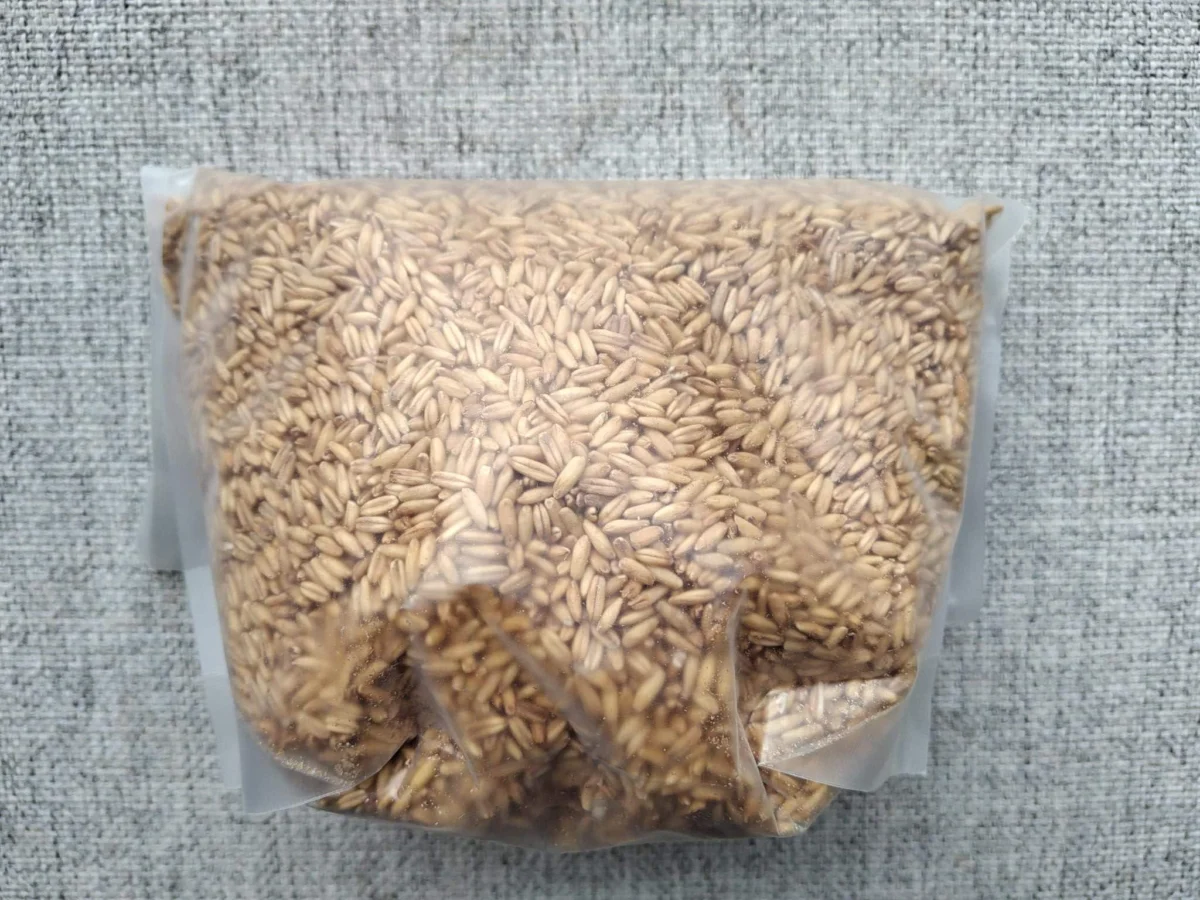
Interestingly, "Barista" oat milk often lists the same ingredients as the original. The transformation here is not in the recipe, but in the processing. Manufacturers utilize specific enzymes (such as amylases) to break down oat starches and proteins. By controlling the duration and temperature of this enzymatic breakdown, producers can adjust the size and solubility of the proteins, making them more effective at stabilizing air bubbles.
The Almond Milk Additive Strategy
Almond milk presents a greater challenge due to its low natural protein content. To overcome this, "Barista" versions often introduce a suite of functional ingredients:
- Tapioca Starch: Increases viscosity, preventing air bubbles from migrating to the surface and bursting.
- Potato Protein: Provides the necessary structural support for the foam.
- Dipotassium Phosphate: Acts as a pH buffer, ensuring the liquid remains stable when exposed to the high acidity of coffee, preventing the dreaded "curdling" effect.
The Soy Standard
Soy milk remains the closest plant-based equivalent to dairy due to the high natural protein content of the soybean. However, manufacturers still refine the product for the coffee industry. The addition of fruit extracts (like apple extract) serves a dual purpose: it adds sugar for mouthfeel and helps stabilize the pH, allowing the soy proteins to form a more resilient foam.
Official Industry Perspectives
Industry experts note that "cracking the code" is not merely about achieving a high foam volume; it is about maintaining a specific foam structure. In recent trials, the differences in foam texture were profound.

While almond-based foams are often lauded for their extreme firmness and longevity, they can sometimes prove too rigid, lacking the "flow" desired for latte art. Oat milk, conversely, is favored for its neutral flavor profile but often exhibits "bubble growth" (coalescence), where small, elegant bubbles merge into large, unsightly ones shortly after steaming. Soy remains the middle-ground performer, offering a light, fluffy texture, though it carries a distinct flavor profile that can clash with lighter roasts.
According to product developers, the goal is not to replicate dairy exactly, but to create a product that satisfies the sensory expectations of the consumer—a task that requires a constant cycle of sensory evaluation and chemical reformulation.
Implications: The Future of Ingredient Development
The evolution of plant-based milks into "barista-ready" products has profound implications for the future of food technology. It illustrates that "natural" is not always synonymous with "functional." To make plant-based alternatives a viable competitor to animal products, the industry must lean heavily into food science.
1. The Consumer Expectation Gap
The gap between the "original" and "barista" versions highlights a growing transparency issue. Consumers are increasingly scrutinizing labels, yet the very ingredients that make a product function—starches, phosphates, and enzymes—are the ones that can lead to a perception of "ultra-processed" foods. The challenge for the next decade will be maintaining functionality while simplifying the ingredient deck.
2. Sustainability vs. Performance
The shift toward plant-based alternatives is largely driven by environmental concerns. However, if the manufacturing process for these alternatives becomes too energy-intensive or requires long-distance sourcing of specific additives (like potato protein or specialized enzymes), the net environmental benefit must be carefully calculated.

3. The Customization Horizon
We are moving toward a future of "application-specific" milks. Just as we have "barista" versions today, we may soon see milks engineered specifically for cold-brew coffee, for baking, or for cereal—each with a different viscosity, protein content, and stability profile designed for its unique use case.
Conclusion
The pursuit of the perfect cappuccino has served as an unlikely, yet highly effective, crucible for food science innovation. By analyzing the structural failures of simple plant milks and applying biochemical solutions—ranging from enzymatic modification to precise pH buffering—the industry has managed to elevate humble ingredients into high-performance culinary tools.
As we look ahead, the lesson remains clear: the success of a new ingredient in the marketplace depends less on its raw identity and more on the developer’s ability to understand, manipulate, and optimize its behavior under pressure. Whether it is a foam in a cup or a complex food product on a global scale, the science of food is ultimately the science of understanding how things hold together—and knowing exactly what it takes to keep them from falling apart.