As the crisp autumn air signals the arrival of sweater weather, home bakers and culinary enthusiasts alike turn their attention toward the comforting, spiced flavors of the harvest season. Leading the charge in the gluten-free baking community is a recipe that redefines seasonal pastry making: crisp-tender, flaky gluten-free pumpkin scones topped with a decadent double layer of icing. Developed by recipe innovator Nicole Hunn of Gluten Free on a Shoestring, this meticulously crafted treat solves one of the most persistent hurdles in gluten-free pastry arts—achieving an authentic, bakery-style texture without sacrificing deep, authentic flavor.
Main Facts: A Paradigm Shift in Gluten-Free Pastry
The core innovation of these gluten-free pumpkin scones lies in a deliberate departure from conventional baking methods. Traditional pumpkin baked goods frequently rely on plain pumpkin puree. However, puree introduces an abundance of unwanted moisture, which can easily transform a delicate scone into a dense, heavy biscuit.
To circumvent this challenge, Hunn’s recipe incorporates rich, concentrated pumpkin butter instead of standard puree. This strategic substitution delivers a concentrated punch of autumn flavor and deep pumpkin aroma while preserving the pleasantly crumbly, tender interior essential to a high-end scone.

Key structural highlights of the recipe include:
- The Fat Matrix: Cold, high-fat butter is cut into the dough to form miniature pockets of steam during the baking process, ensuring characteristic flakiness.
- Simplified Lamination: A straightforward "cut-and-stack" technique multiplies the dough layers without requiring advanced, time-consuming French lamination procedures.
- The Double Icing Technique: Because the scone base is intentionally light on sugar, it serves as a balanced canvas for a two-tier glaze—a smooth white foundational icing topped with a rich maple-and-cinnamon drizzle.
Chronology: From Concept to the Ultimate Autumn Treat
The development of this recipe follows a precise culinary timeline designed to maximize structural integrity and flavor development. Understanding the step-by-step chronology helps bakers avoid common pitfalls associated with gluten-free dough handling.
Phase 1: Dry Ingredient Integration
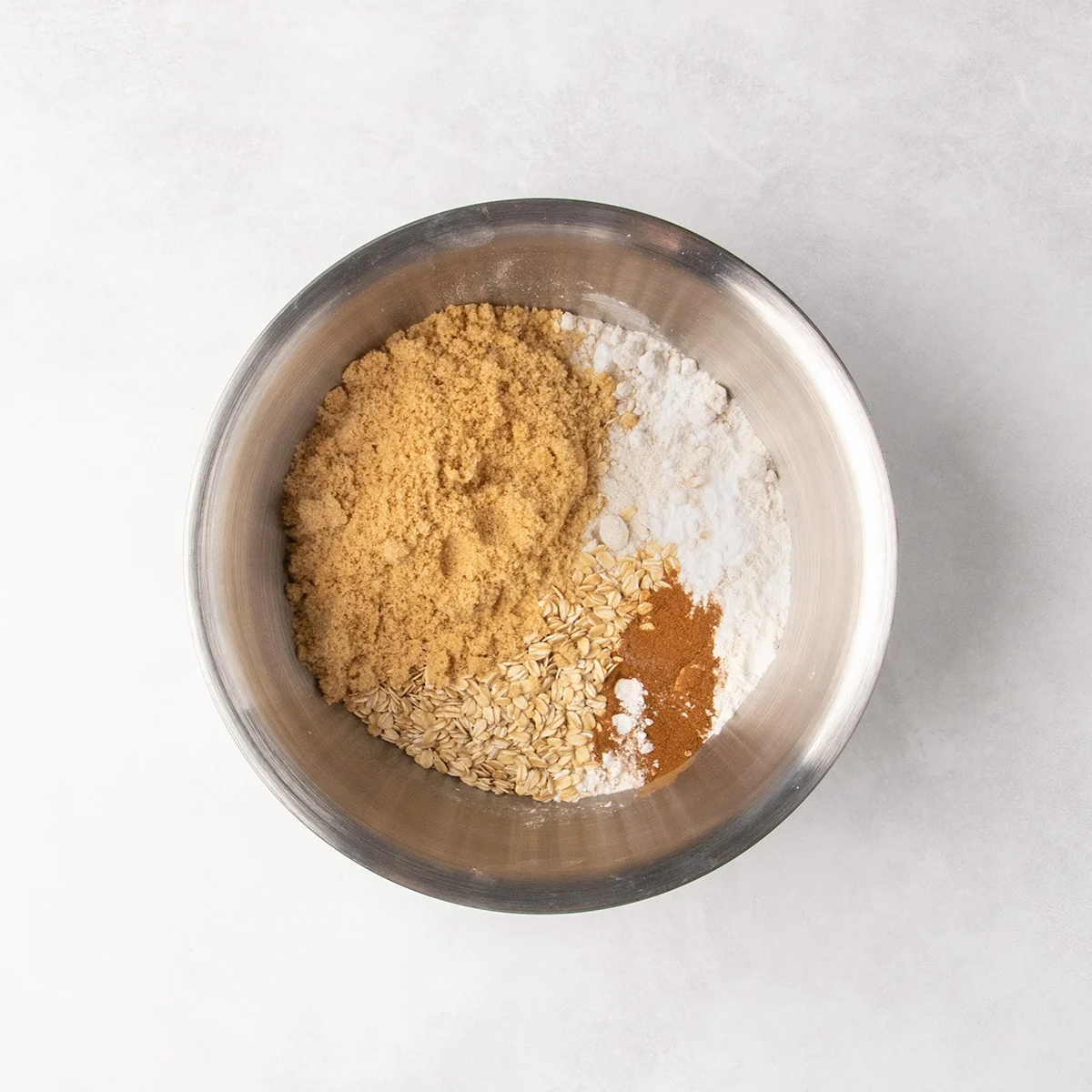
The process begins in a large mixing bowl by whisking together a specialized gluten-free flour blend (incorporating xanthan gum), baking powder, salt, pumpkin pie spice, and granulated sugar. This initial step guarantees an even distribution of leavening agents and spices, eliminating the risk of bitter pockets or unevenly flavored bites.

Phase 2: Incorporating the Cold Fat
Chilled butter is chopped and tossed into the dry mixture so that each piece becomes coated in flour. Using clean fingers, the baker flattens the butter into delicate shards. This crucial maneuver prevents the fat from melting prematurely during handling and stops large chunks of butter from breaching the surface of the dough during rolling.
Phase 3: Unifying the Wet and Dry Elements
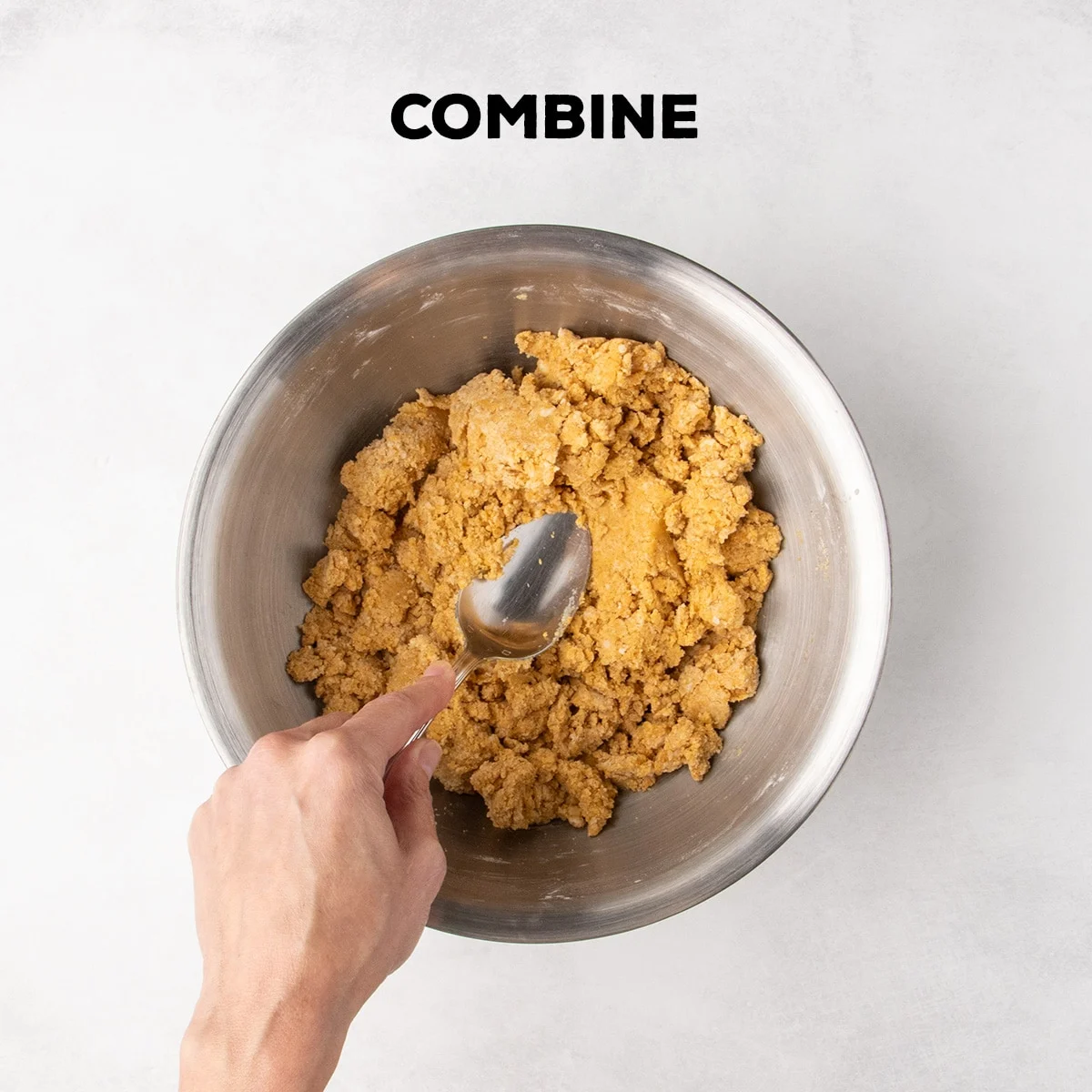
A well is created in the center of the dry ingredients, into which cold pumpkin butter and heavy cream are poured. The dough is brought together using a mixing spoon, pressing down on the mixture to hydrate the flour blend evenly. If certain spots remain crumbly—a common variance when measuring by volume rather than weight—a few drops of water are drizzled specifically onto those dry patches.
- Optional Chill: If the kitchen environment is warm or the dough feels sticky, a brief 30-minute rest in the refrigerator stabilizes the fats.
Phase 4: Rolling, Cutting, and Stacking
The dough is gathered, pressed into a disc, lightly dusted with flour, and rolled into a rectangle approximately 1/4-inch thick. Using a metal bench scraper or a sharp knife, the rectangle is sliced into three equal strips. Stacking these strips directly on top of one another instantly triples the internal layers. Repeating this process once more results in nine distinct strata of buttery dough.

Phase 5: Shaping and Slicing
The layered stack is gently compressed and rolled into a 7-inch disc roughly 1/2-inch thick. Utilizing swift, vertical strokes with a sharp blade, the baker divides the circle into eight identical triangles. Sharp, clean cuts are vital here, as they encourage the scones to rise vertically in the oven rather than spreading horizontally.
Phase 6: Baking and Dual-Stage Glazing
Arranged on a parchment-lined baking sheet, the scones bake until they reach a height of approximately one inch, boasting firm tops and lightly browned edges. After cooling completely—preventing the glaze from melting—the pastries receive a smooth white foundational icing. Once that layer sets, a second, spiced maple drizzle is applied to complete the visual and flavor profile.
Supporting Data and Nutritional Profile
Achieving professional-grade results in gluten-free baking requires precision. Nutritional data and formulation metrics offer a clear look at what goes into each serving.

Nutritional Breakdown (Per Single Scone Serving)
- Calories: 275 kcal
- Carbohydrates: 56 g
- Protein: 2 g
- Total Fat: 11 g
- Saturated Fat: 7 g
- Monounsaturated Fat: 3 g
- Polyunsaturated Fat: 0.5 g
- Trans Fat: 0.3 g
- Cholesterol: 31 mg
- Sodium: 339 mg
- Potassium: 87 mg
- Dietary Fiber: 2 g
- Sugars: 10 g
- Micronutrients: Vitamin A (2,261 IU), Vitamin C (4 mg), Calcium (115 mg), Iron (0.4 mg)
Ingredient Specifications and Substitutions
Adaptability remains a cornerstone of modern baking, and this recipe accommodates various dietary requirements without compromising the final product:
- Dairy-Free Modifications: Bakers can substitute traditional butter with block-style vegan alternatives (such as Melt or Miyoko’s). Heavy cream can be seamlessly replaced with full-fat canned coconut milk to mirror the necessary fat content and moisture levels.
- Alternative Flour Blends: Optimal results stem from commercial blends like Better Batter (original formula without extra xanthan) or Nicole’s Best (with 1 teaspoon of xanthan gum). When using Bob’s Red Mill 1-to-1 Baking Flour, an additional 1/2 teaspoon of xanthan gum is recommended to provide structural elasticity.
- Spice Adjustments: For those lacking pre-made pumpkin pie spice, a homemade blend of ground cinnamon, ginger, allspice, cloves, and nutmeg delivers comparable depth. Apple pie spice also serves as a viable substitute.
Official Responses and Expert Insights
Culinary experts and home baking enthusiasts have praised the recipe for its ingenuity in tackling the textural limitations traditionally associated with gluten-free pastries.
Nicole Hunn emphasizes that the driving philosophy behind Gluten Free on a Shoestring is rejecting the notion that gluten-free treats should merely be deemed "good, for gluten-free." In professional commentary accompanying the release of this recipe, Hunn noted:

"When working with autumn squashes and pumpkins, the moisture content is your greatest adversary in laminated or flaky pastries. By shifting away from watery purees and embracing concentrated pumpkin butter, we reclaim the textural integrity of a true bakery scone. You do not have to compromise on the flaky, crisp-tender bite you remember from traditional wheat-based baking."
Food science specialists validate this approach, pointing out that pumpkin butter undergoes a reduction process that drives off excess water while caramelizing natural sugars. This concentrates flavor compounds and drastically reduces the risk of gummy, underbaked interiors.
Implications for the Gluten-Free Baking Industry
The widespread popularity of refined seasonal recipes like these pumpkin scones points to a broader, ongoing evolution in the specialty baking sector. As consumer demand for elevated, allergen-friendly foods continues to surge, the culinary standard has shifted decisively away from dense, dry commercial substitutes toward gourmet, scratch-made alternatives.

1. Elevating Home Baking Standards
Recipes that incorporate advanced techniques—such as simplified dough lamination and multi-layered flavor profiles—empower home cooks to produce items that rival artisanal bakeries. This bridges the culinary gap between households managing celiac disease or gluten sensitivities and those enjoying traditional diets.
2. Seasonal Product Innovation
The success of utilizing concentrated fruit and vegetable butters (like pumpkin butter) opens new avenues for recipe developers. This technique can easily be adapted for other seasonal produce, such as apple butter in the late autumn or sweet potato reductions in the winter, expanding the creative boundaries of gluten-free pastry arts.
3. Practicality and Make-Ahead Flexibility
By confirming that raw, shaped scone dough can be frozen for up to two months and baked directly from a frozen state, the recipe addresses modern consumer demand for convenience. Busy families and professional kitchens alike benefit from the ability to scale production up or down, minimizing food waste while maximizing fresh-baked availability.

Ultimately, these gluten-free pumpkin scones represent a masterclass in culinary problem-solving, proving that dietary restrictions need not act as a barrier to exceptional taste, texture, and seasonal indulgence.