In the shifting landscape of global agriculture and consumer nutrition, few crops possess the paradoxical profile of Avena nuda. Commonly known as "naked oats," this ancient grain is currently undergoing a quiet renaissance. While it remains a niche product in many supermarkets, its unique botanical structure, environmental benefits, and culinary versatility suggest that it may soon graduate from a specialty health food to a staple of the modern pantry.
However, as with many sustainable innovations, the road from field to fork is paved with logistical hurdles—most notably, the patience required to prepare it.
Main Facts: The Botany of the Naked Oat
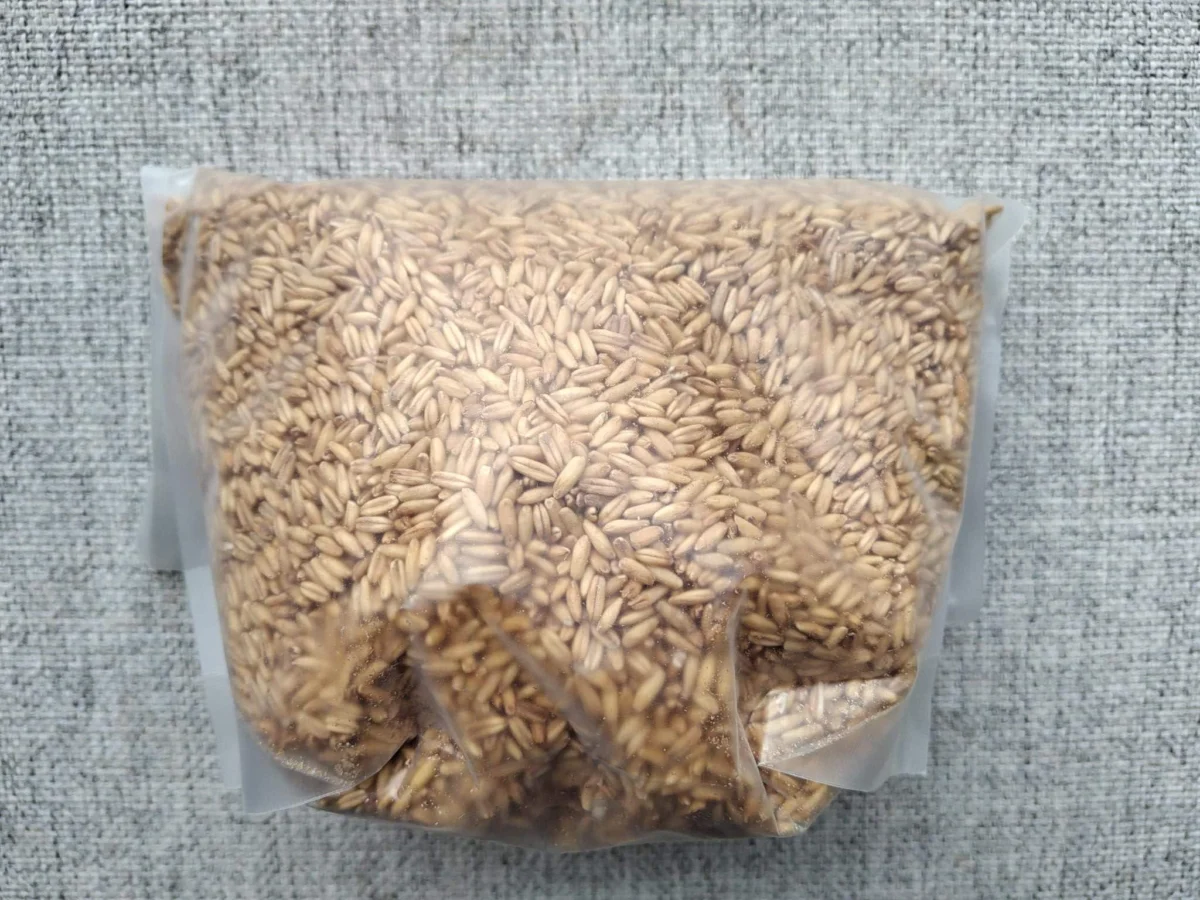
Unlike traditional cereal grains that arrive encased in a tough, inedible husk (the hull) requiring energy-intensive de-hulling processes, Avena nuda is distinct. Its moniker, "naked," is derived from its evolutionary trait: the grain sheds its husk naturally during the threshing process.
Nutritional Powerhouse
Botanically, naked oats are an anomaly. They are higher in protein, healthy fats, and beta-glucans—the soluble fiber responsible for heart-health benefits—than their covered counterparts. Because the hull is absent, the grain retains the lipid-rich germ and the nutrient-dense bran, providing a fuller, earthier flavor profile that resonates with the growing demand for whole-food, minimally processed ingredients.
Agronomic Advantage
From an agricultural perspective, naked oats are a regenerative powerhouse. They are known for establishing a robust, early root system, which helps in soil stabilization and carbon sequestration. Their growth cycle is efficient, requiring fewer chemical inputs compared to more delicate, high-yield wheat varieties, making them an attractive option for farmers looking to diversify their crop rotations while improving soil health.
Chronology: From Ancient Cultivation to Modern Kitchens
The history of Avena nuda is one of survival. Historically, it was cultivated in regions with shorter growing seasons, such as the mountainous areas of Wales and the northern reaches of Scandinavia. Its ability to thrive in poor, acidic soils made it a subsistence crop for centuries.
The Mid-20th Century Decline
As industrial agriculture shifted toward standardized, high-yield crops—specifically corn, soy, and wheat—naked oats were sidelined. The market prioritized uniformity and high-speed processing, leaving the "naked" oat to be relegated to niche animal feed or localized, small-scale farming.
The 2020s Culinary Revival
The current resurgence began in the early 2020s, driven by the plant-based movement and the search for sustainable, local grains. Culinary enthusiasts began substituting naked oats for traditional rice in various dishes.
The most notable experiment occurred recently when home chefs began using the grain to replicate the creamy texture of Italian risotto. By slowly releasing starches through a traditional stir-and-simmer method, the oats create a dish that is texturally similar to Arborio rice, yet significantly more nutritionally dense.
Supporting Data: The Efficiency Gap
While the grain is superior in the field, it faces a significant bottleneck in the kitchen. To understand the friction between the grain’s potential and its adoption, one must look at the time-to-table metrics.
Cooking Time Analysis
| Ingredient | Average Prep/Cook Time | Texture Profile |
|---|---|---|
| Arborio Rice | 18–22 minutes | High starch release, creamy |
| Naked Oats | 45–60 minutes | Chewy, nutty, high structure |
The data indicates a "patience deficit." In a modern culinary environment that favors the 30-minute meal, a 45-minute cooking time for a grain acts as a major barrier to entry. While the nutritional payoff is substantial, the average consumer remains tethered to the convenience of standard risotto rice.
The Sustainability Dividend
Despite the cooking time, the "threshing efficiency" must be considered. Because naked oats do not require the industrial milling and hulling steps that traditional oats undergo, the carbon footprint of the processing phase is significantly reduced. Proponents argue that the 45-minute cook time is a trade-off for a shorter, cleaner, and more transparent supply chain.
Official Responses: Industry Perspectives on "Naked" Innovation
The food industry has taken notice, though the response has been cautious.

The Processor’s Dilemma
Food science experts suggest that the solution lies in parboiling. By partially cooking the grain under controlled industrial conditions and then drying it, producers could reduce the consumer’s end-cooking time to under 15 minutes.
"We recognize the high value of Avena nuda," says Dr. Helena Vance, a lead researcher in cereal sciences. "The issue isn’t the grain; it’s the interface between the grain and the modern lifestyle. If we can standardize a parboiled version of naked oats, we could see a 300% increase in market penetration within five years."
Culinary Expert Feedback
Top-tier chefs have embraced the "nuttiness" of the grain, using it in professional kitchens where long, slow braises are already part of the workflow. "It’s not just a rice substitute," says Chef Julian Thorne, who recently featured a naked oat ‘risotto’ on his menu. "It is a distinct ingredient with its own integrity. When you stop trying to make it act exactly like rice and instead lean into its robust, chewy texture, it becomes an entirely different, and arguably superior, culinary experience."
Implications: A Sustainable Future for Cereal
The future of Avena nuda hinges on three key factors: infrastructure, consumer education, and product innovation.
Addressing the Infrastructure Gap
For naked oats to move from niche to mainstream, regional processors need the equipment to clean and store the grain without the heavy machinery required for husked oats. This represents an opportunity for regional agricultural hubs to build localized, sustainable food systems that bypass global, industrial bottlenecks.
The Role of Consumer Education
Consumers are currently conditioned to equate "fast" with "good." To increase the uptake of naked oats, the narrative must shift toward the "slow food" movement. Marketing campaigns that highlight the environmental benefits of the grain—its early root systems and low-impact processing—could successfully pivot consumer expectations toward valuing the time spent preparing a meal.
The "Parboiled" Solution
The most immediate implication for the industry is the development of a commercial, pre-treated naked oat product. If a major distributor were to launch a "Quick-Cook Naked Oat" line, it would likely resolve the primary consumer complaint regarding cook time.
Environmental and Health Outcomes
If widely adopted, the shift toward naked oats could have profound environmental implications. A move away from heavy-input rice paddies—which are significant sources of methane emissions—toward the cultivation of naked oats in drier, cooler climates could represent a significant win in the battle against climate change.
Furthermore, as public health authorities continue to emphasize the importance of fiber-rich, low-glycemic-index diets, the naked oat is perfectly positioned to serve as a cornerstone of the future of human nutrition.
Conclusion
The naked oat is a metaphor for the broader challenges of modern food systems: it is nutritionally dense, environmentally sound, and historically significant, yet it is currently struggling to compete in a world designed for speed.
As we look toward a future where sustainability is no longer optional, the humble Avena nuda stands as a viable candidate for a staple crop. Whether it takes its place in the risotto bowls of the world or remains a cherished secret of the home-cook-turned-advocate, one thing is certain: the "naked" grain has nothing to hide. It is, quite simply, the future of the grain aisle, waiting for the infrastructure to catch up to its potential.
If the industry listens to the calls for parboiled, convenient options, we may soon find ourselves with a dinner that is not only better for our soil and our health but also, finally, fast enough for our busy lives.