By Penelope Bass
July 17, 2026
Summer in the city is a sensory experience defined by extremes: the relentless shimmer of heat off asphalt, the frantic energy of urban life, and the persistent, nagging quest for a beverage that can provide genuine respite. It is the season of the poolside spritz and the ballpark lager. However, it is also the season of the logistical nightmare—like moving one’s entire life across the five boroughs during the peak of a record-breaking July heat wave.
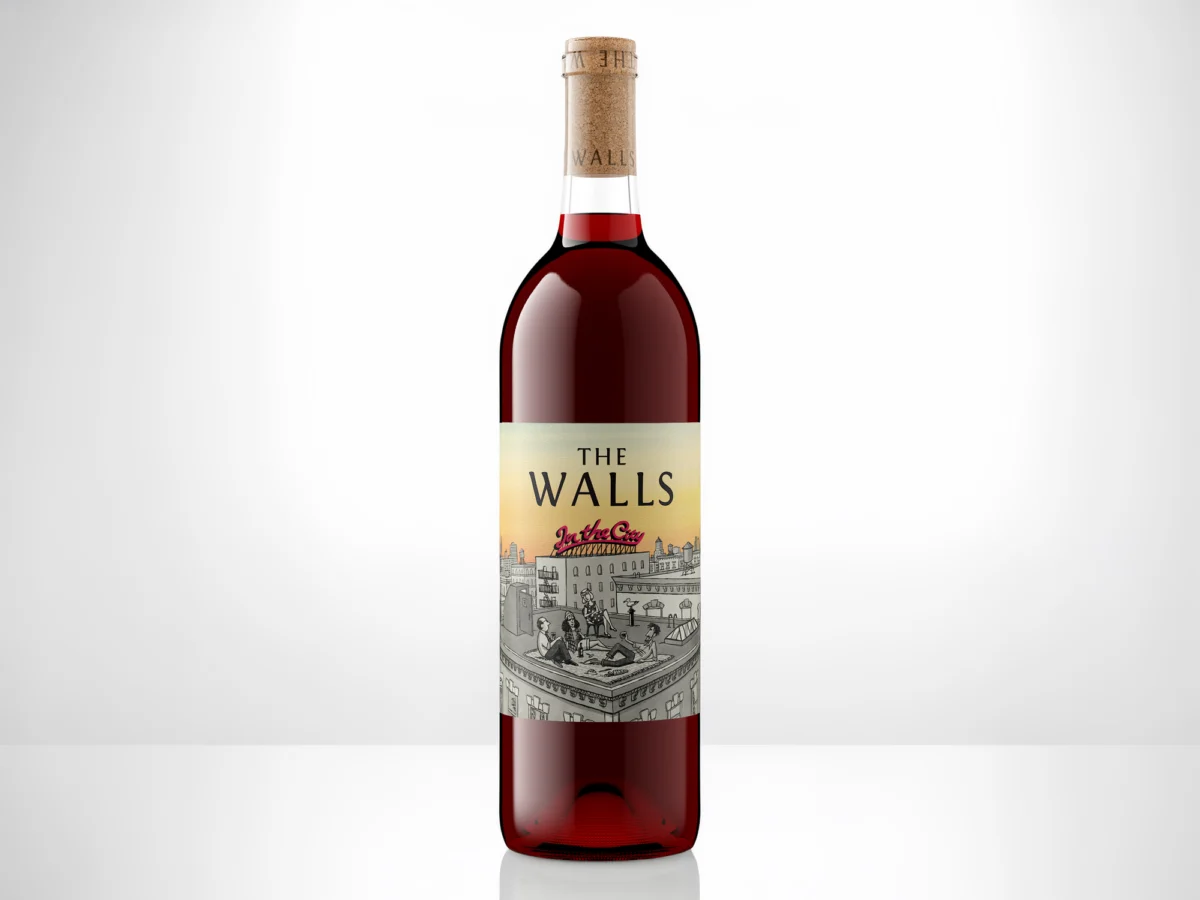
It was amidst this chaos—surrounded by the cardboard detritus of a life in transit and a lukewarm carton of takeout—that I discovered an unlikely hero. In the depths of my refrigerator sat a bottle of “In the City,” the latest experimental release from the acclaimed Walla Walla winery, The Walls. While conventional wine wisdom often dictates that red wine is best reserved for cooler evenings or heartier meals, this chilled, juicy-tart blend offered a masterclass in how to bridge the gap between structure and summer refreshment.
The Evolution of the “Chillable Red”
The concept of a “chillable red” is no longer the fringe trend it was a decade ago; it has evolved into a staple of modern wine culture. For years, the industry operated under the rigid assumption that reds required cellar temperature—or, at the very least, room temperature—to express their true character. However, as global temperatures rise and consumer palates shift toward lighter, more vibrant profiles, winemakers are increasingly looking to the past to inform the future.
Chilling a red wine serves a functional purpose: it tempers the perception of tannins and highlights the fruit-forward acidity, making the wine appear more energetic and less “heavy.” When executed correctly, as it is with The Walls’ “In the City,” the result is a wine that functions with the ease of a rosé but retains the complexity and intrigue of a serious vintage.
Chronology of a Walla Walla Innovation
The story of “In the City” begins far from the humid canyons of New York City, in the arid, high-desert terrain of Walla Walla, Washington. The Walls winery has built a reputation on its ability to marry the raw, untamed terroir of the Pacific Northwest with the refined sensibilities of Old World winemaking.

- The Concept: The winemaking team at The Walls sought to create a wine that defied traditional categorization. The goal was to produce something that felt at home in a metropolitan setting—sophisticated yet accessible, and capable of being served at a temperature that provides immediate physical relief.
- The Harvest: Sourcing from diverse vineyard sites, the winery selected a mosaic of grape varieties. By moving away from a single-varietal focus, they allowed for a more complex structural foundation.
- The Technique: A defining moment in the creation of this wine was the decision to utilize carbonic maceration for the Grenache and Viognier components. By fermenting whole berries in a carbon-dioxide-rich environment, the winemakers were able to extract bright, primary fruit flavors and silky tannins while keeping the wine’s overall profile light and exuberant.
- The Release: Launched in the early summer of 2026, the wine was positioned specifically for the warmer months, with marketing that leaned into the versatility of urban living and the necessity of finding beauty—and refreshment—in the heat.
Terroir and Composition: A Technical Deep Dive
The success of “In the City” lies in its eclectic DNA. The blend is a bold mash-up of Grenache, Baga, Touriga Franca, Touriga Nacional, and Viognier.
The Varietal Breakdown
- Grenache: Acts as the aromatic heart, providing notes of wild strawberry and raspberry.
- Viognier: A surprising addition to a red blend, this white grape adds a floral lift and a silky mouthfeel that keeps the wine from feeling too “thin” despite its lighter body.
- The Portuguese Contingent (Baga, Touriga Franca, Touriga Nacional): These grapes are traditionally used in the production of Port and robust Douro reds. By using them here, the winemakers leverage their natural acidity and deep, dark fruit notes to provide a savory, slate-like backbone that balances the sweetness of the primary fruit.
The winemaking process takes place largely in stainless steel tanks, ensuring that the purity of the fruit is preserved without the obscuring influence of new oak. At a modest 12.9 percent ABV, the wine avoids the alcoholic heat that often plagues modern, full-bodied reds, allowing the drinker to enjoy a glass—or two—without feeling weighed down by the afternoon sun.
Supporting Data: Why Low-ABV is the New High-End
The trend toward lower-alcohol wines is backed by shifting consumer behaviors. Data from recent market research indicates a significant move toward "moderation" in the luxury beverage sector. Consumers aged 21–40 are increasingly prioritizing "quaffability" and lower alcohol content (typically under 13.5 percent) as they move away from the high-octane, heavy-extraction styles that dominated the market in the early 2000s.
“In the City,” by clocking in at 12.9 percent, hits the "sweet spot" for modern dining. It is a wine that acknowledges the reality of the modern drinker: someone who may want a glass of wine with lunch or during a hot afternoon but who still needs to remain sharp for the remainder of their day.
Official Perspectives: The Walls Winery Philosophy
In interviews with the team at The Walls, the emphasis is consistently placed on "terroir-driven playfulness." While the winery takes its viticulture seriously—utilizing the rocky, mineral-rich soils of Walla Walla—there is a clear rejection of the pretension that often stifles the wine industry.
“The wine shouldn’t be an intellectual exercise that you have to solve,” notes one spokesperson for the brand. “It should be a partner to the moment.” This philosophy is evident in the “In the City” label, which suggests a deliberate bridge between the rugged, agrarian roots of Washington state and the bustling, fast-paced environment of the urban consumer.
The Implications for the Future of Red Wine
The success of this particular blend suggests a broader shift in how we perceive regional wine. Walla Walla is no longer just a destination for heavy Cabernet Sauvignon or structured Syrah. It is proving itself to be a laboratory for experimentation.
For the industry, the implications are clear:
- Flexibility is Key: Wineries that embrace unconventional blending and production methods are more likely to capture the attention of a younger, more adventurous demographic.
- Temperature is a Flavor Profile: The "chillable red" category is not a passing fad; it is a permanent change in how consumers expect to interact with their cellar.
- The Urban Connection: By naming a wine “In the City,” The Walls has successfully tapped into the narrative of the modern, mobile consumer. It turns a beverage into an accessory for a lifestyle, rather than just a dinner accompaniment.
Final Thoughts: A Refreshment Reborn
As I sat there in my apartment, the remnants of my move surrounding me, that glass of “In the City” was a revelation. It was bright, juicy, and unapologetically fresh. It possessed the kind of energy that only comes from a wine that has been crafted with precision and a sense of humor.
It is a reminder that wine, at its best, is not just about the chemistry or the pedigree of the grapes; it is about the capacity of a beverage to transform a moment. Whether you are moving house, hosting a rooftop dinner, or simply trying to survive the next heat wave, sometimes the best solution is to ignore the rules, pull a bottle from the fridge, and pour.
At $32, the price point places it firmly in the "accessible luxury" category, making it an ideal candidate for those looking to expand their summer rotation beyond the standard rosé or crisp white. In a world that often feels too heavy, a light, chilled red might just be the most necessary thing we can keep on hand.