In the world of professional pastry, the galette occupies a unique position. It is the sophisticated, effortless cousin of the traditional fruit pie—a dish that prizes rustic beauty over rigid perfection. For those navigating a gluten-free lifestyle, the prospect of achieving a flaky, golden crust often feels like a daunting hurdle. However, culinary experts are now proving that with the right technique, a gluten-free strawberry galette can be every bit as structurally sound and delicious as its wheat-based counterpart.
This guide explores the mechanics, preparation, and culinary science behind mastering this seasonal staple, turning fresh, vibrant fruit into a centerpiece dessert.
Main Facts: The Anatomy of a Perfect Galette
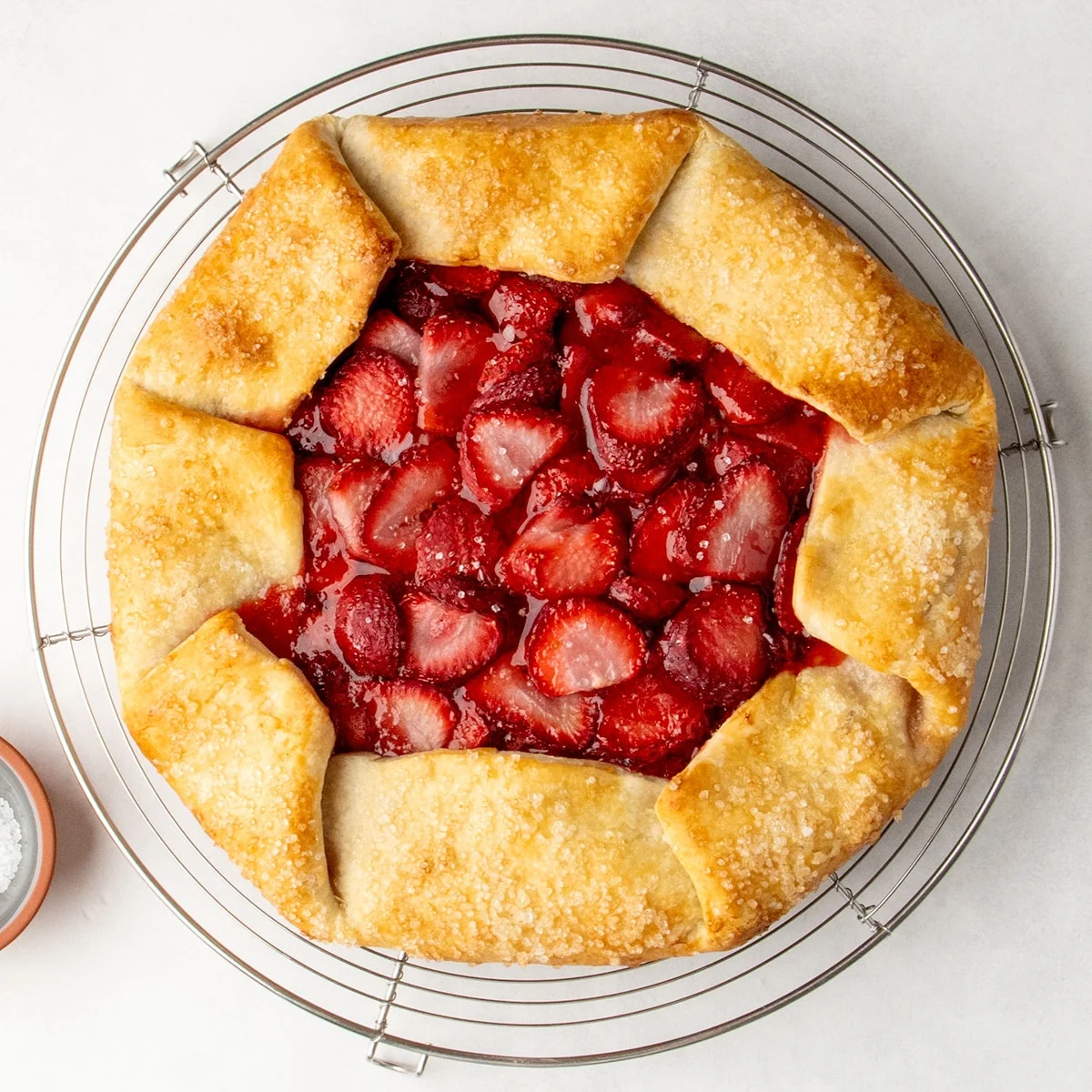
At its core, a galette is a free-form tart. Unlike a pie, which relies on the structural support of a baking pan to hold its shape, a galette is shaped by hand, with the edges of the pastry dough folded over the fruit filling. This architectural difference is precisely what makes it more accessible to home bakers, yet it requires a specific approach to dough hydration and butter management to ensure the crust remains crisp rather than soggy.
The primary appeal of the galette lies in its versatility. While this article focuses on a strawberry-forward version, the method is inherently modular. Once a baker masters the gluten-free crust—characterized by cold butter shards and precise hydration—they can pivot between stone fruits, apples, or mixed berries depending on what is currently in season.

Chronology: A Step-by-Step Culinary Progression
Creating a professional-grade gluten-free galette requires a methodical approach. The process can be broken down into five distinct phases:
1. The Foundation: Crust Preparation
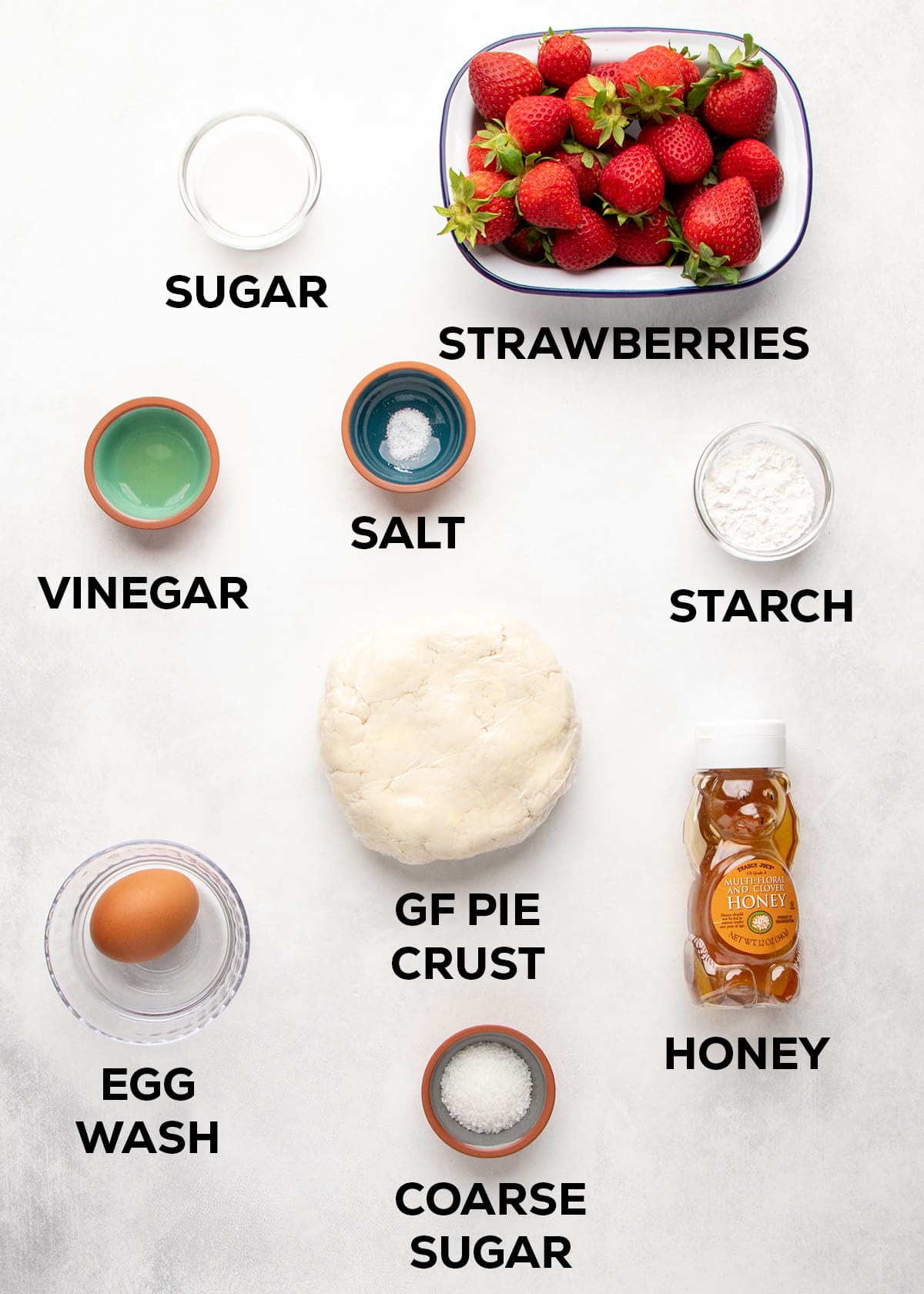
The journey begins with the dry ingredients. A high-quality gluten-free flour blend—ideally one containing xanthan gum—is whisked thoroughly with baking powder and a pinch of salt. The secret to the characteristic flakiness lies in the butter. Cold, chopped butter is pressed into thin shards between the fingers, creating layers within the dough that will expand into light, airy pockets during the baking process.
2. Hydration and Stabilization
Water must be added sparingly. The objective is to achieve a dough that holds together when pressed but remains far from wet. Once the disk of dough is formed, it must be chilled for at least 30 minutes. This rest period is non-negotiable; it allows the fats to solidify, ensuring the pastry does not melt into a greasy mess the moment it hits the heat of the oven.
3. The Filling: Managing Moisture
Strawberries are notoriously high in water content. To prevent a "soggy bottom," the fruit is hulled, sliced, and tossed with granulated sugar, a hint of salt, and a splash of vinegar. The addition of tapioca starch acts as a thickening agent, transforming the released fruit juices into a glossy, stable syrup that clings to the berries rather than running across the baking sheet.
4. Assembly and Shaping
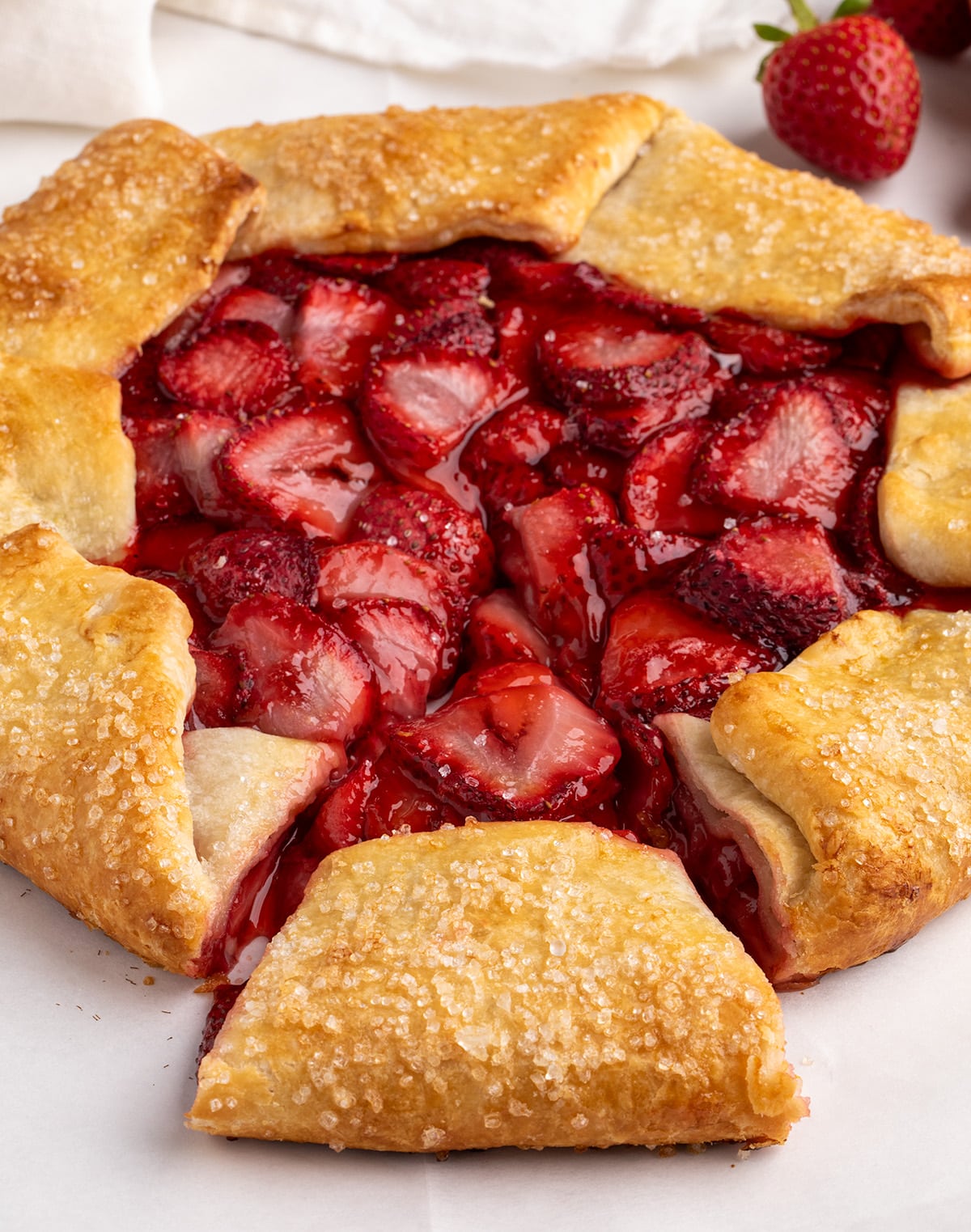
The chilled dough is rolled into a 14-inch round. To protect the pastry, a thin brush of honey is applied to the base, acting as a sealant. The fruit is piled in the center, and the edges of the dough are pleated inward, overlapping slightly. This provides the structural integrity needed to contain the filling without the support of a pan.
5. The Final Bake
A final brush of egg wash provides the signature golden sheen, followed by a sprinkling of coarse sugar for textural contrast. The galette is returned to the refrigerator one last time before entering a preheated 375°F oven. This temperature shift—from a cold dough to a hot oven—is the key to achieving a crisp, shattered-glass texture in the pastry.
Supporting Data: Nutrition and Technical Considerations
For the health-conscious baker, understanding the caloric and nutritional profile of a dessert is essential. A single serving of this gluten-free strawberry galette averages approximately 320 calories, with 41 grams of carbohydrates and 6 grams of protein.
Technical Nutritional Breakdown:
- Total Fat: 14g (8g Saturated)
- Sodium: 284mg
- Fiber: 3g
- Sugar: 10g
From a technical standpoint, the choice of flour blend significantly impacts these metrics. Using blends like "Better Batter" or "Nicole’s Best" often provides the necessary protein structure to mimic wheat flour. When substituting, bakers should be aware that flour blends without pre-added xanthan gum require the addition of approximately ¾ teaspoon to provide the "stretch" needed to roll the dough without it fracturing.
Expert Responses to Common Baking Challenges
Even experienced bakers face obstacles when moving into the gluten-free realm. Experts in the field, including culinary educator Nicole Hunn, have identified several "fail-safes" for the most common issues.
Addressing the "Soggy Crust" Phenomenon
The most frequent complaint among home bakers is a bottom crust that fails to crisp. This is usually a result of excessive moisture from the fruit. Experts suggest that if you are working with overripe or frozen fruit, you should drain the excess liquid before adding the starch. Furthermore, ensuring the oven is fully preheated is vital; a "cool" oven allows the fruit to steam the pastry before the butter has a chance to crisp.
Managing Dietary Restrictions
For those requiring a dairy-free galette, the crust remains the primary concern. Culinary professionals recommend a 50/50 split between block-style vegan butter and high-quality vegetable shortening. This combination mimics the melting point of dairy butter, ensuring the pastry maintains its structural integrity while achieving a similar flavor profile.
The Science of Thickeners
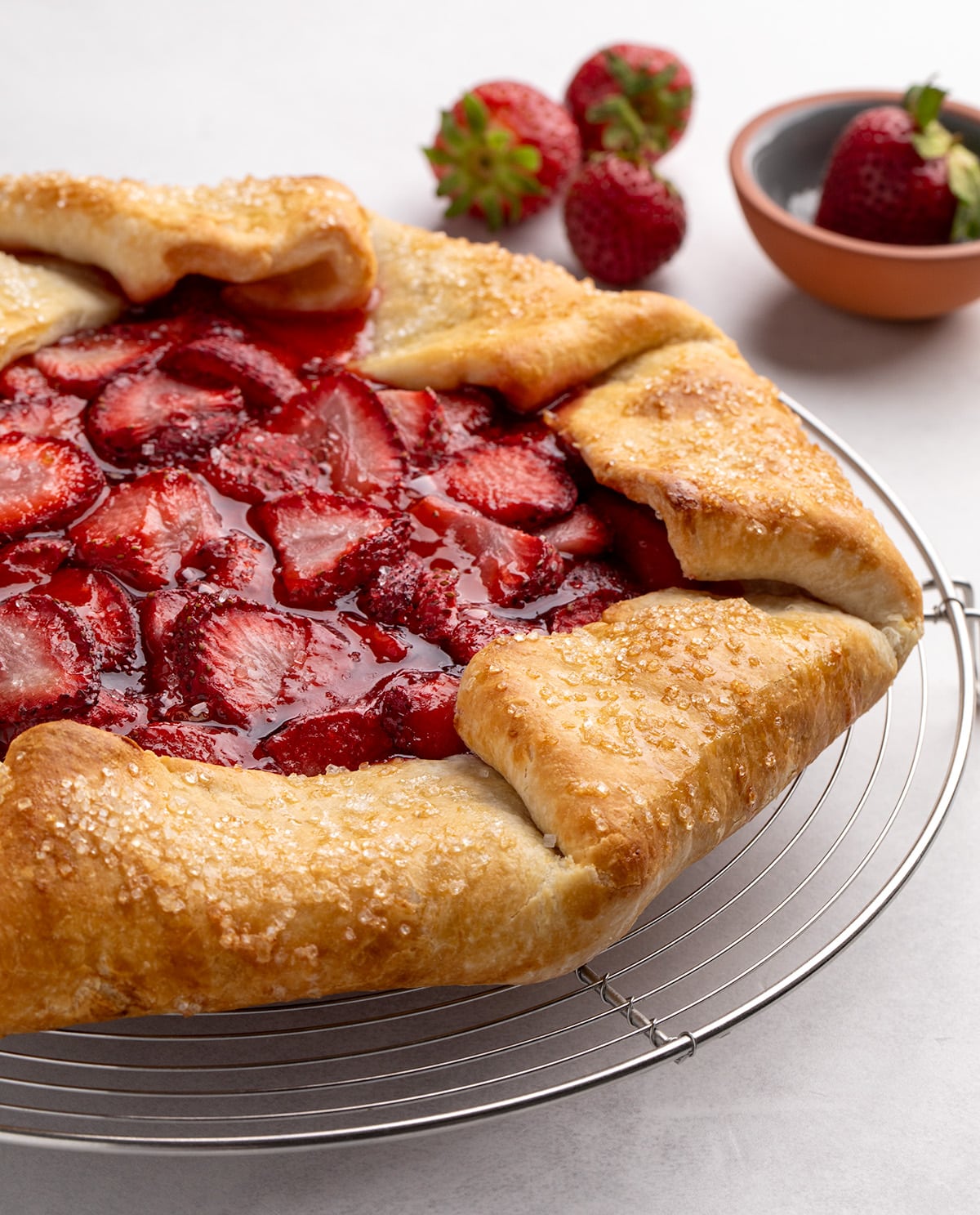
While tapioca starch is the gold standard for a clear, glossy fruit filling, it is not the only option. Arrowroot or potato starch can be used in a pinch. However, caution is advised when using cornstarch, as it can sometimes result in a cloudy appearance that lacks the professional "shimmer" expected in a high-end fruit tart.
Implications: The Future of Gluten-Free Pastry
The rise of high-quality gluten-free baking reflects a broader shift in the culinary world: the democratization of professional techniques. No longer is the "gluten-free" label a synonym for "compromised quality." By applying the principles of French pastry—specifically the focus on fat-to-flour ratios and temperature control—bakers can produce results that are indistinguishable from traditional recipes.
The implication for the home kitchen is significant. By learning to handle gluten-free dough with the same respect and precision as traditional dough, bakers are empowered to reclaim the joy of seasonal fruit desserts. The rustic galette serves as a perfect entry point into this space; it is forgiving enough to encourage experimentation, yet refined enough to serve as the highlight of any table.
As the industry continues to evolve, the barrier between "specialty diet" baking and "gourmet" baking continues to thin. Whether it is through the use of precise ingredient ratios, the strategic application of thickeners, or the simple patience required for chilling dough, the path to a perfect, golden, gluten-free strawberry galette is now clearly defined. It is a testament to the fact that when it comes to dessert, limitations in ingredients do not have to translate into limitations in flavor or presentation.