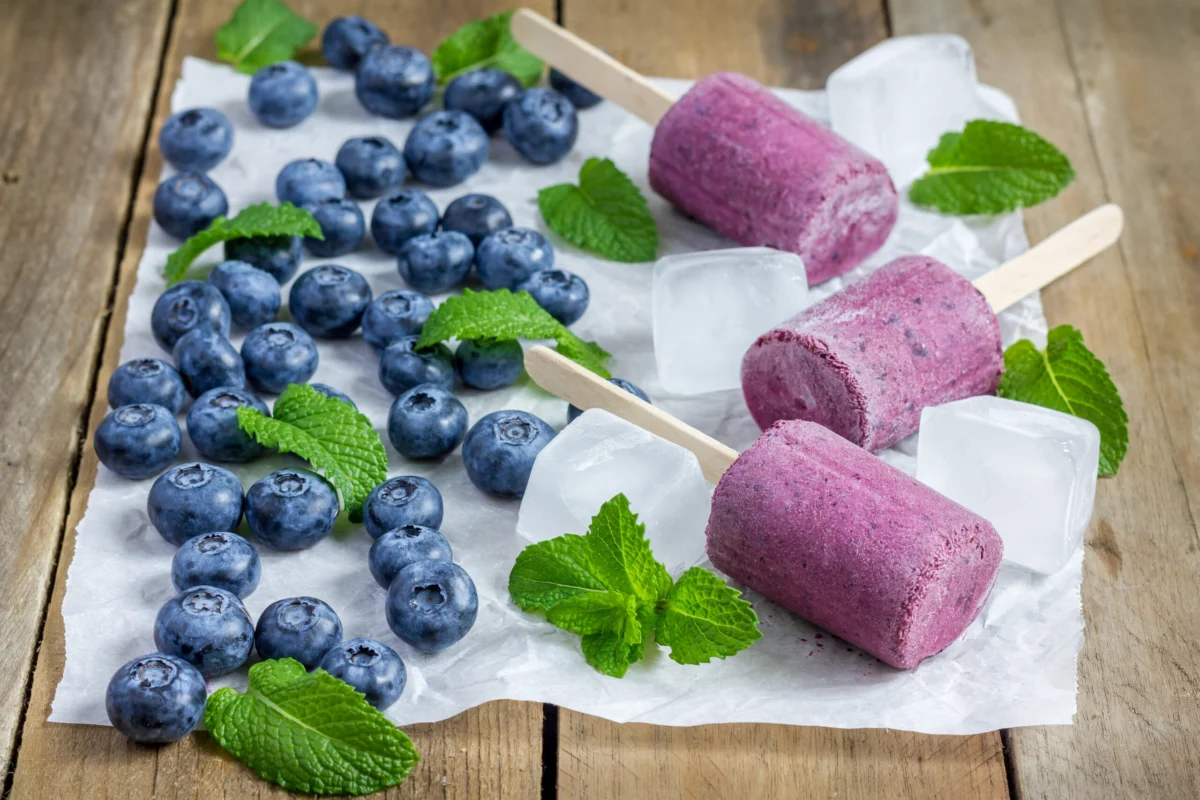
In the modern culinary landscape, the bridge between "dessert" and "nutritional supplement" is being built one popsicle mold at a time. As parents grapple with the dual challenges of rising food costs and the constant demand for convenient, healthy snacks for active children, a new trend has emerged that satisfies the palate while fueling the body: the Blueberry Protein Popsicle. These homemade treats have transitioned from a niche DIY project to a staple in households prioritizing wellness, offering a sophisticated alternative to the sugar-laden, additive-heavy options found in grocery store freezer aisles.
Main Facts: The Anatomy of a Better Snack
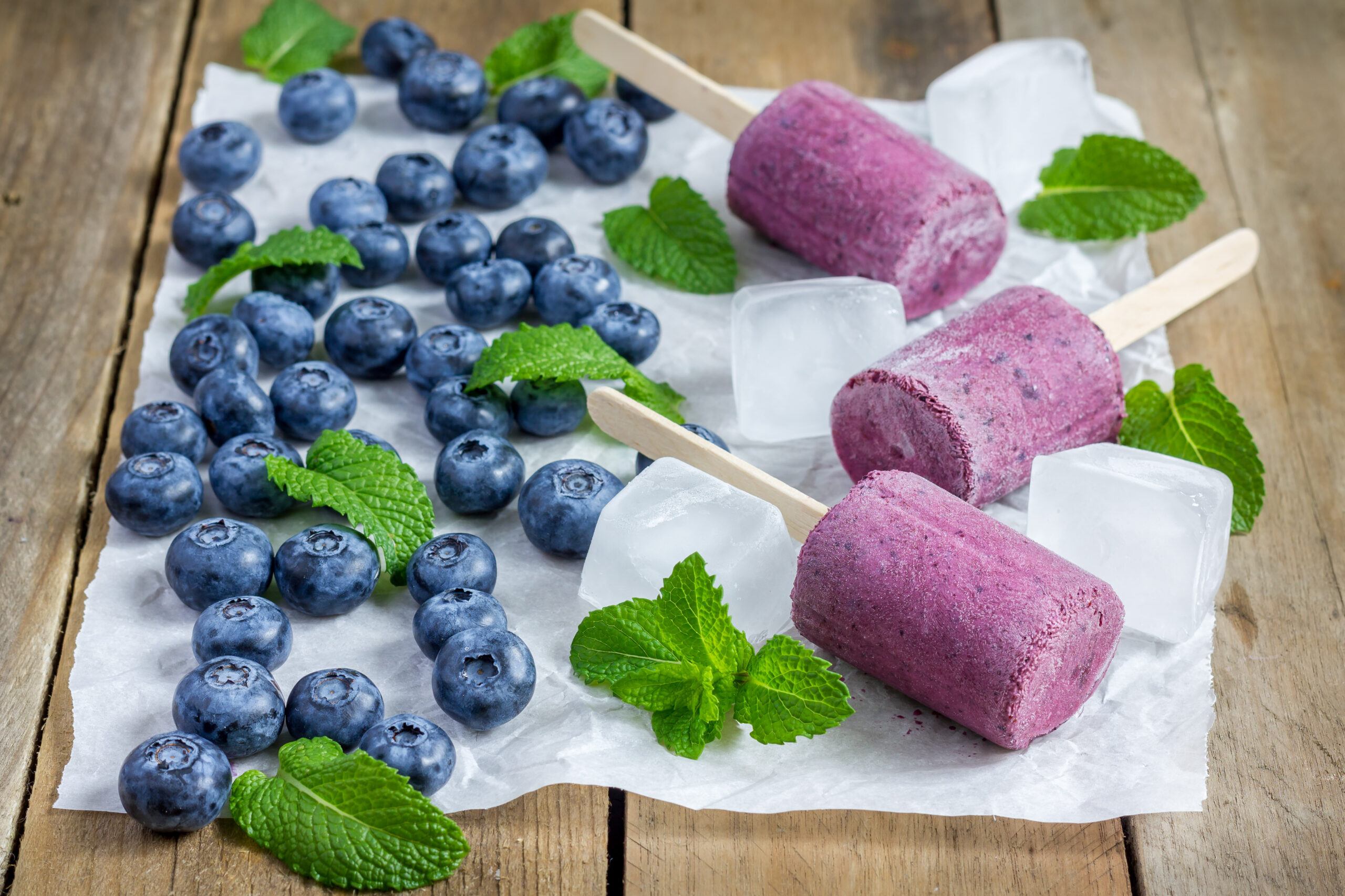
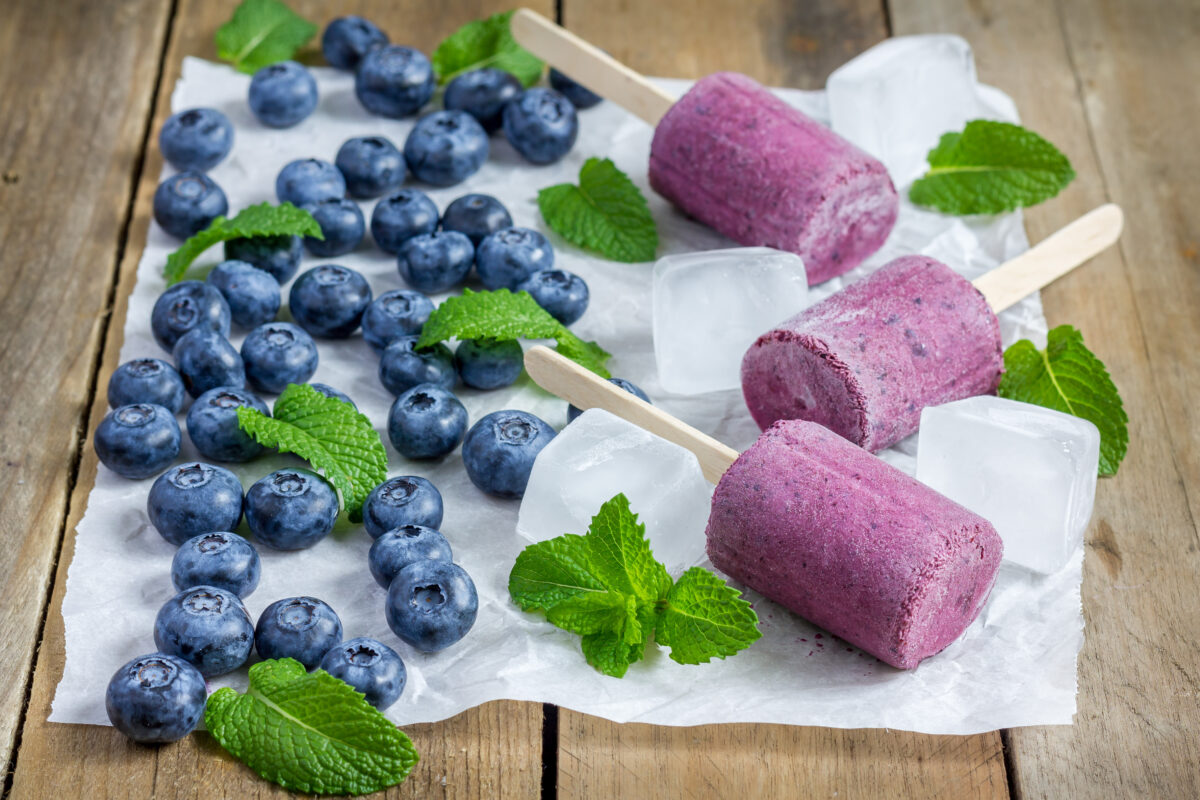
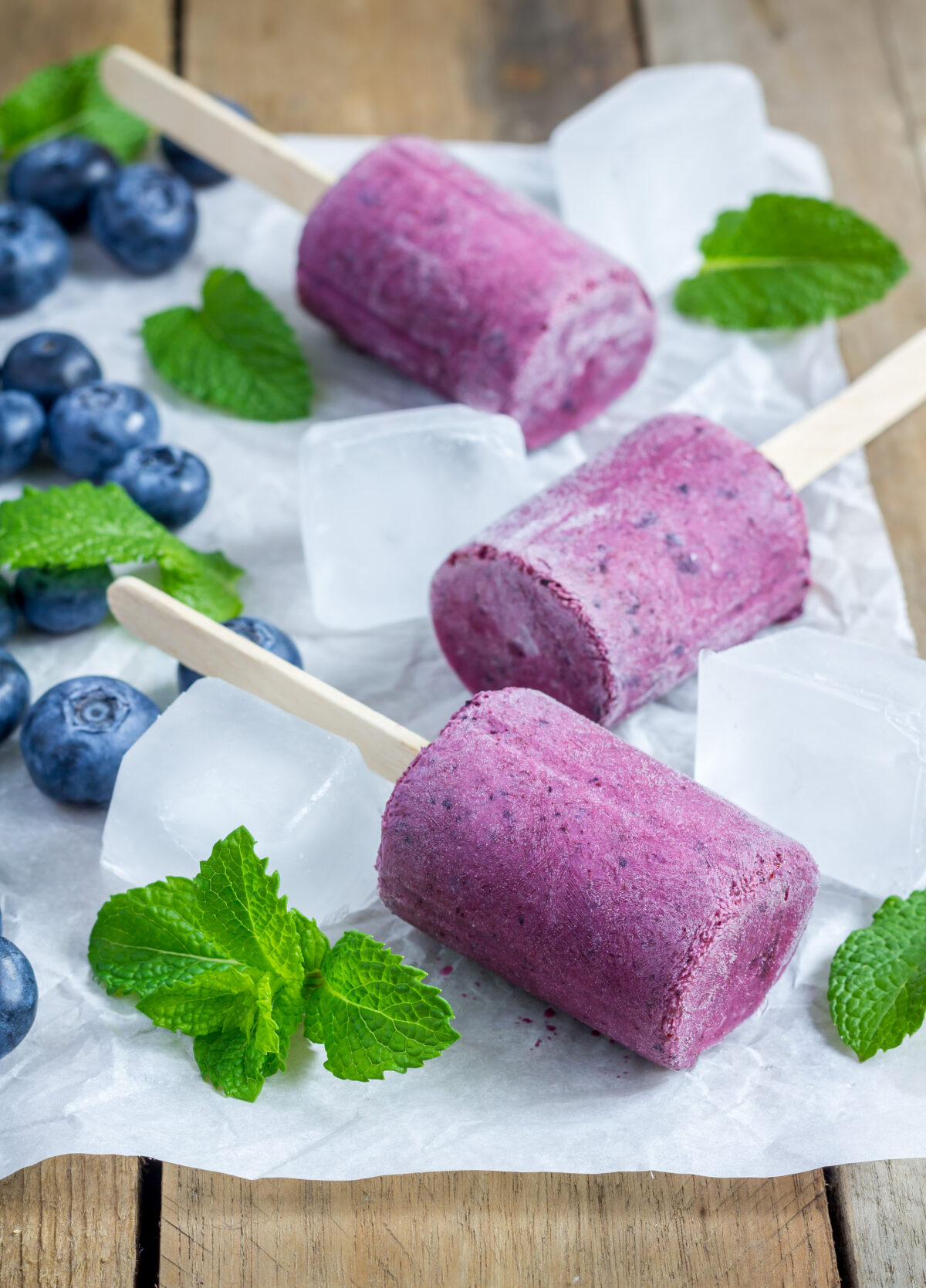
At their core, these popsicles represent a strategic shift in how we approach children’s nutrition. By leveraging the base of Greek yogurt—a powerhouse of probiotics and protein—combined with the antioxidant-rich profile of blueberries, this snack functions more like a portable breakfast or a recovery meal than a mere confection.
The primary appeal lies in the ingredient profile. Unlike commercial popsicles, which often rely on high-fructose corn syrup and artificial dyes, the homemade version focuses on bioavailability and density. Greek yogurt provides a creamy, satiating texture that keeps hunger at bay, while blueberries introduce essential vitamins, minerals, and anthocyanins. When combined, these ingredients create a "slow-burn" energy source that prevents the blood sugar spikes often associated with conventional frozen treats.
A Chronological Evolution of the Frozen Snack
The trajectory of the frozen treat has undergone a significant evolution over the past several decades.
- The Mid-20th Century: The era of the mass-produced, chemically-colored ice pop. Convenience reigned supreme, and nutritional value was largely an afterthought.
- The Early 2000s: A growing awareness of sugar consumption sparked a "fruit-only" movement. Parents began blending juices and whole fruits to create homemade popsicles, though these often lacked the protein necessary to make them a truly balanced snack.
- The 2020s (The Protein Era): The current landscape is defined by the integration of functional ingredients. As the fitness industry normalized protein-dense diets, this mindset trickled down to family kitchens. The introduction of yogurt-based, protein-enriched popsicles marks the pinnacle of this evolution, where indulgence and health goals are no longer mutually exclusive.
Supporting Data: Why Parents are Making the Switch
Nutritional data supports the pivot toward yogurt-based snacks. A standard serving of Greek yogurt contains significantly more protein than regular yogurt, contributing to muscle repair and sustained satiety. For children involved in sports, the importance of post-activity protein cannot be overstated.
Furthermore, blueberries are consistently ranked among the most nutrient-dense "superfoods." Studies have shown that the polyphenols found in blueberries can support cognitive function and cardiovascular health. When frozen, these nutrients remain largely intact, allowing for a long-term storage solution that retains its biological efficacy. Parents are not just buying into a trend; they are responding to a growing body of evidence that suggests snacks should contribute to the daily recommended intake of fiber, protein, and micronutrients.
The Professional Perspective: Nutritionists and Pediatricians Weigh In
The professional consensus surrounding these treats is overwhelmingly positive, provided they are prepared with intention. Pediatric dietitians often point to the "protein-fiber synergy" as the gold standard for snacks.
"When you pair the protein from the yogurt with the fiber in the berries, you create a physiological environment that regulates appetite," says one leading nutritionist. "Most children are deficient in fiber, and their sugar intake is often excessive. This recipe effectively swaps a ‘junk’ caloric load for a ‘functional’ one."
While some experts advise caution regarding store-bought protein powders—noting that many are formulated for adult athletes and may contain excessive vitamins or proprietary blends—the consensus is that using whole-food protein sources like Greek yogurt, nut butters, or seeds makes these popsicles suitable for almost any age group.
Implications: The Shift Toward Proactive Parenting
The rise of the Blueberry Protein Popsicle has broader implications for the family food system. It represents a transition toward "proactive parenting," where the home environment is curated to make the healthiest choice the easiest choice.
1. Financial Implications
While high-quality Greek yogurt and fresh berries can be expensive, the cost-per-serving of homemade popsicles is often lower than high-end, "clean" labels of organic frozen snacks. By making them in bulk, parents are effectively "batch-processing" their children’s nutrition, reducing the reliance on impulsive, expensive store-bought purchases.
2. Behavioral Implications
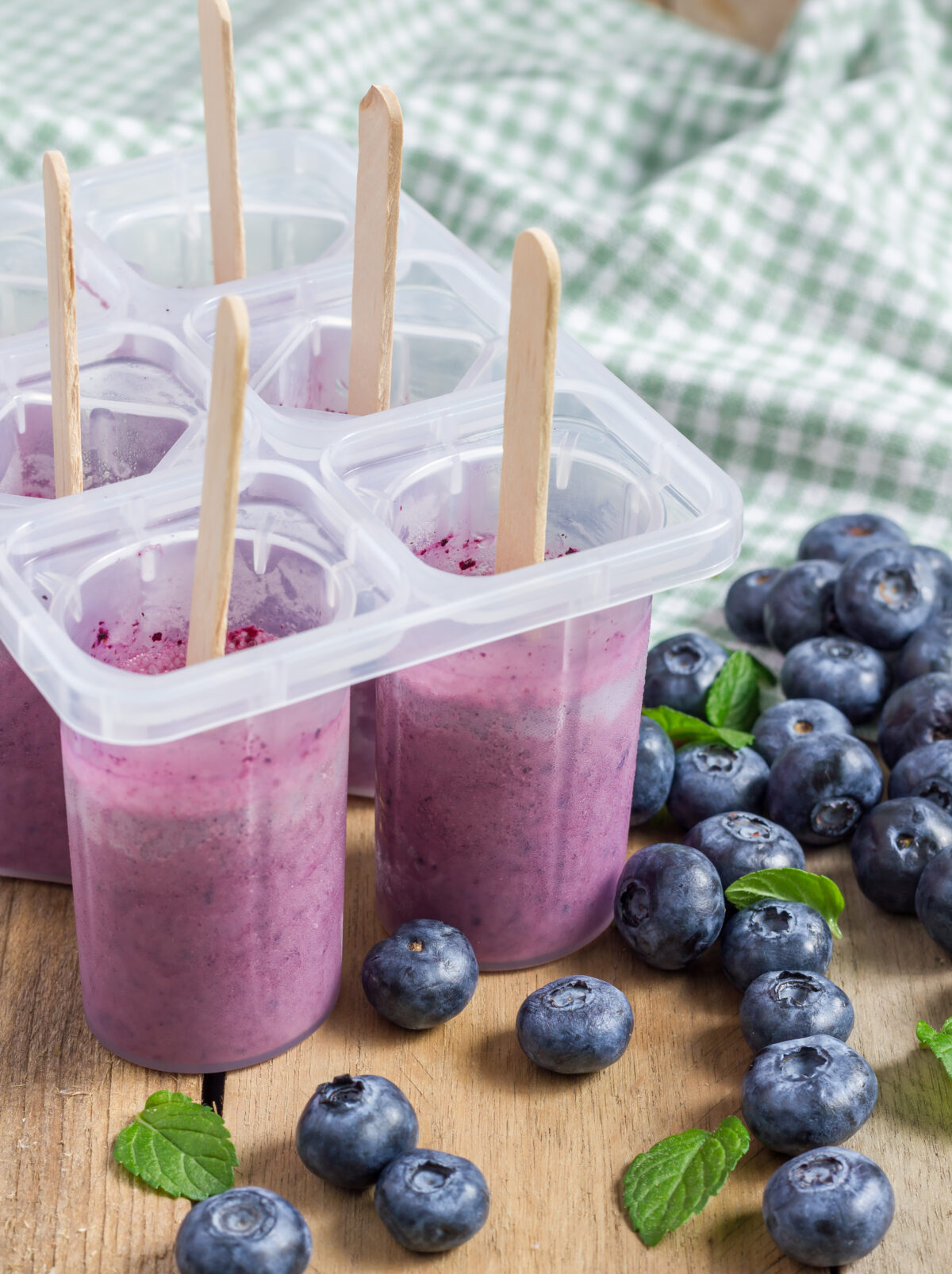
Involving children in the process of blending, pouring, and freezing encourages "food literacy." Children who participate in the creation of their snacks are significantly more likely to develop a palate for natural flavors over synthetic sweeteners. This helps break the cycle of sugar dependency from a young age.
3. Convenience vs. Quality
The "pre-make" culture is a significant driver of this trend. In a world where families are constantly on the go, having a freezer stocked with pre-portioned, nutritious snacks means that the "after-school hangry" moments are handled with a product that serves the child’s body rather than just silencing their hunger.
Optimizing the Experience: Pro-Tips for the Home Kitchen
To truly master the art of the protein popsicle, one must master the texture. Because yogurt has a higher water content than heavy cream, the way it freezes is different.
- The Emulsion Factor: To avoid icy crystals, ensure the yogurt is well-blended with the fruit. A high-speed blender is your best ally here.
- The Sweetness Balance: Natural honey or maple syrup can be added, but remember that fruit concentrates its flavor upon freezing. Always taste your mixture before pouring it into the mold; if it tastes slightly too sweet at room temperature, it will be perfect once frozen.
- Textural Add-ins: If you want to increase the "chew" factor, consider adding chia seeds or hemp hearts. These add healthy fats and fiber without altering the flavor profile, and they provide a pleasant texture that mimics a "berry seed" jam.
Future Outlook: Beyond the Blueberry
As this trend continues to gain momentum, we can expect to see further innovation in the frozen snack space. We are already seeing the emergence of "savory-sweet" popsicles using avocado, spinach, and even zucchini, all masked by the potent flavor of berries.
The Blueberry Protein Popsicle is more than just a passing fad; it is a testament to the fact that we have finally reached a point where we demand more from our food. We want our snacks to be cold, refreshing, and delicious, but we also want them to do work for us. Whether it is for a post-soccer game energy boost or a soothing treat on a sweltering July afternoon, these popsicles provide a blueprint for a healthier, more intentional way to snack.
By embracing these simple, whole-food ingredients, parents are setting a standard for the next generation—proving that with a little creativity and a blender, you can turn the humble freezer into a vault of health and vitality. As we look toward the future, the integration of these snacks into the daily routine is a clear sign that the intersection of nutrition and pleasure is not just a destination—it’s a delicious, frozen reality.