As the autumnal equinox approaches and the air takes on a crisp, cooling edge, the culinary world turns its attention to the quintessential herald of the season: pumpkin bread. However, a new trend in high-end home baking is redefining this traditional comfort food. By marrying the earthy, spiced profile of classic pumpkin bread with the decadent intensity of bittersweet chocolate and a textural, crumbly streusel topping, bakers are transforming a humble "quick bread" into a sophisticated dessert loaf that bridges the gap between breakfast staple and artisanal cake.
Main Facts: The Anatomy of a Modern Masterpiece
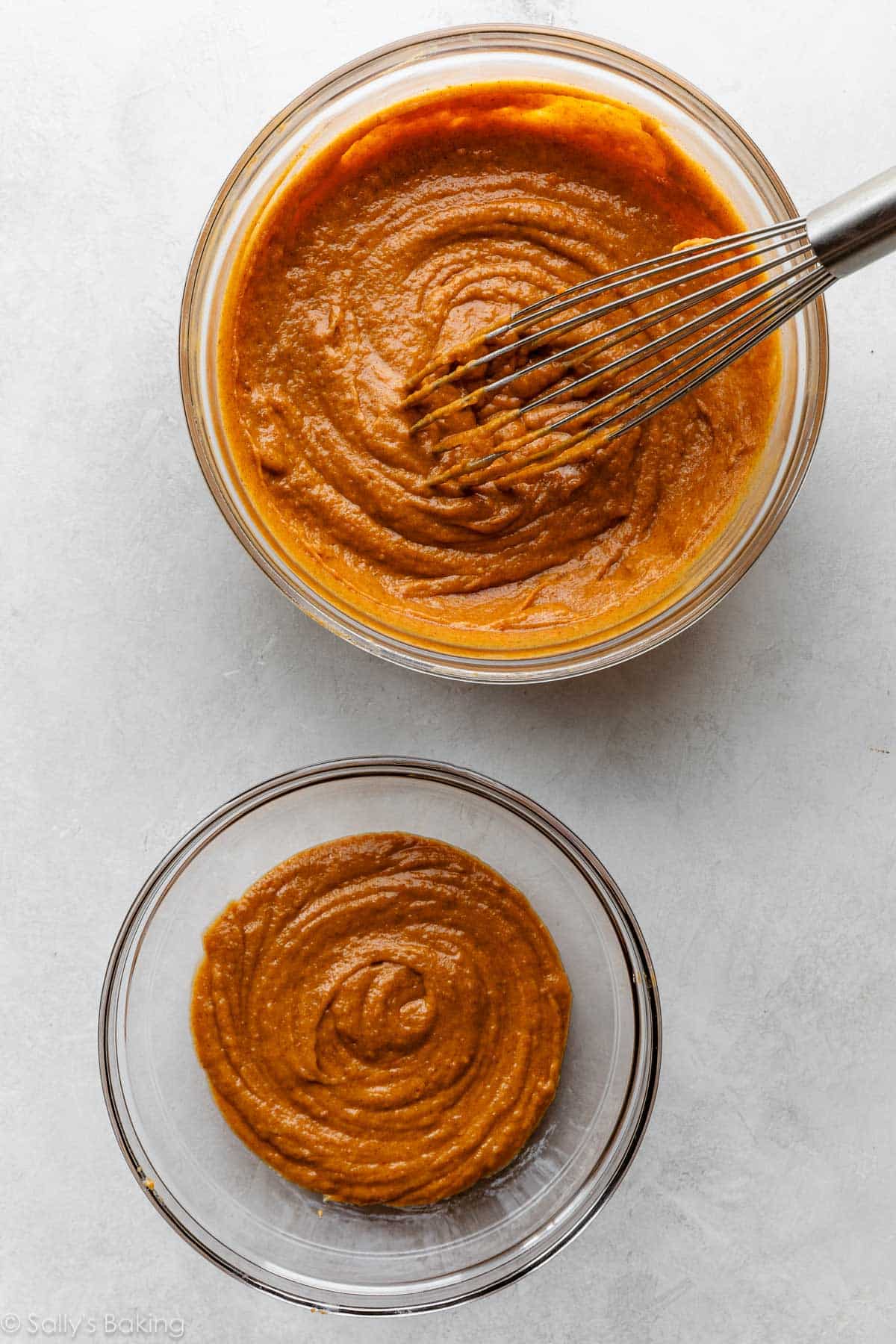
The concept of the "Chocolate Marble Pumpkin Bread" is rooted in a clever structural design. Rather than relying on two distinct, time-consuming batter recipes, the method utilizes a single, versatile pumpkin batter as a foundation. By partitioning a portion of this base, the baker introduces cocoa powder and espresso powder—the latter acting as a flavor enhancer that deepens the chocolate notes—alongside a splash of warm milk to maintain the necessary moisture balance.

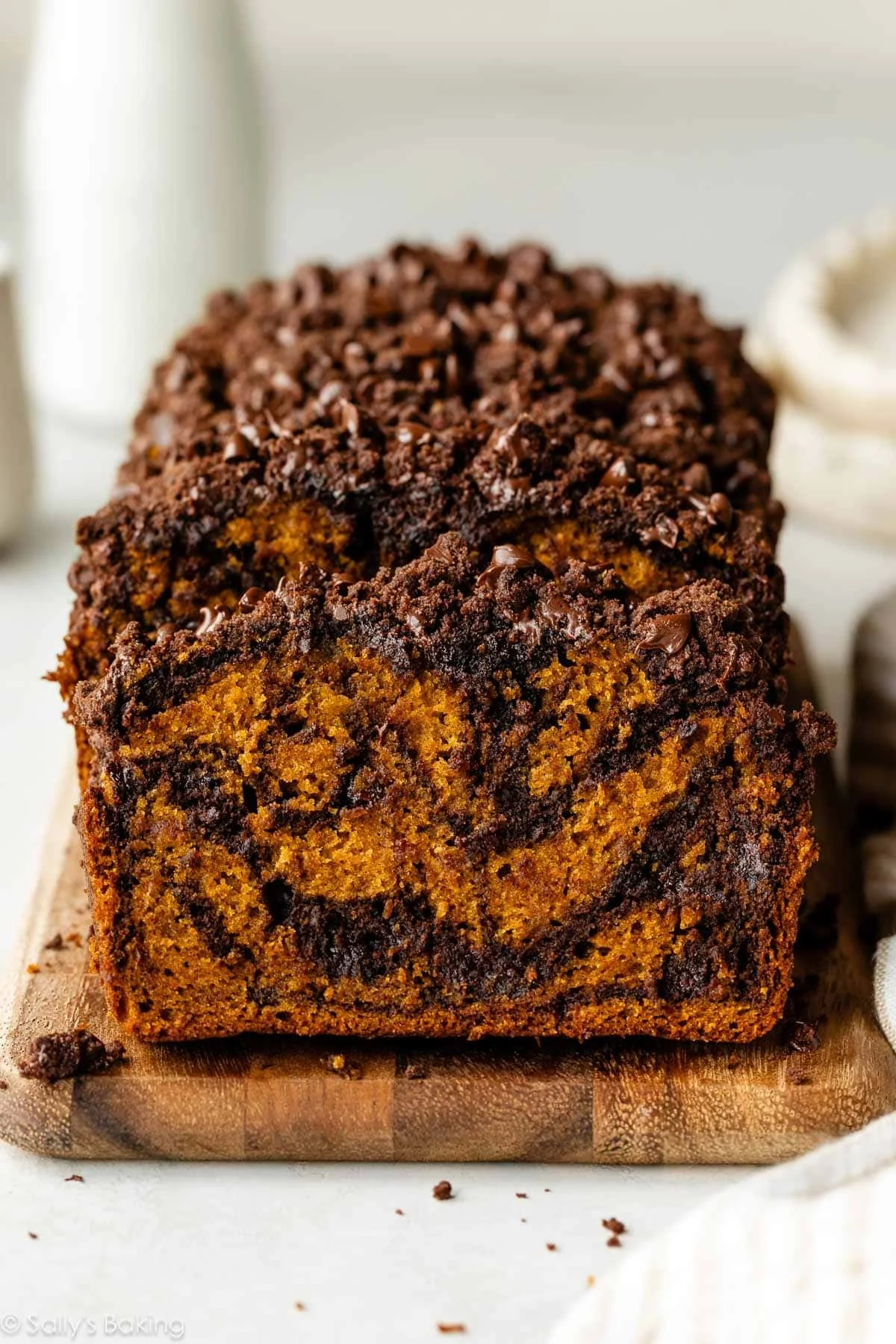
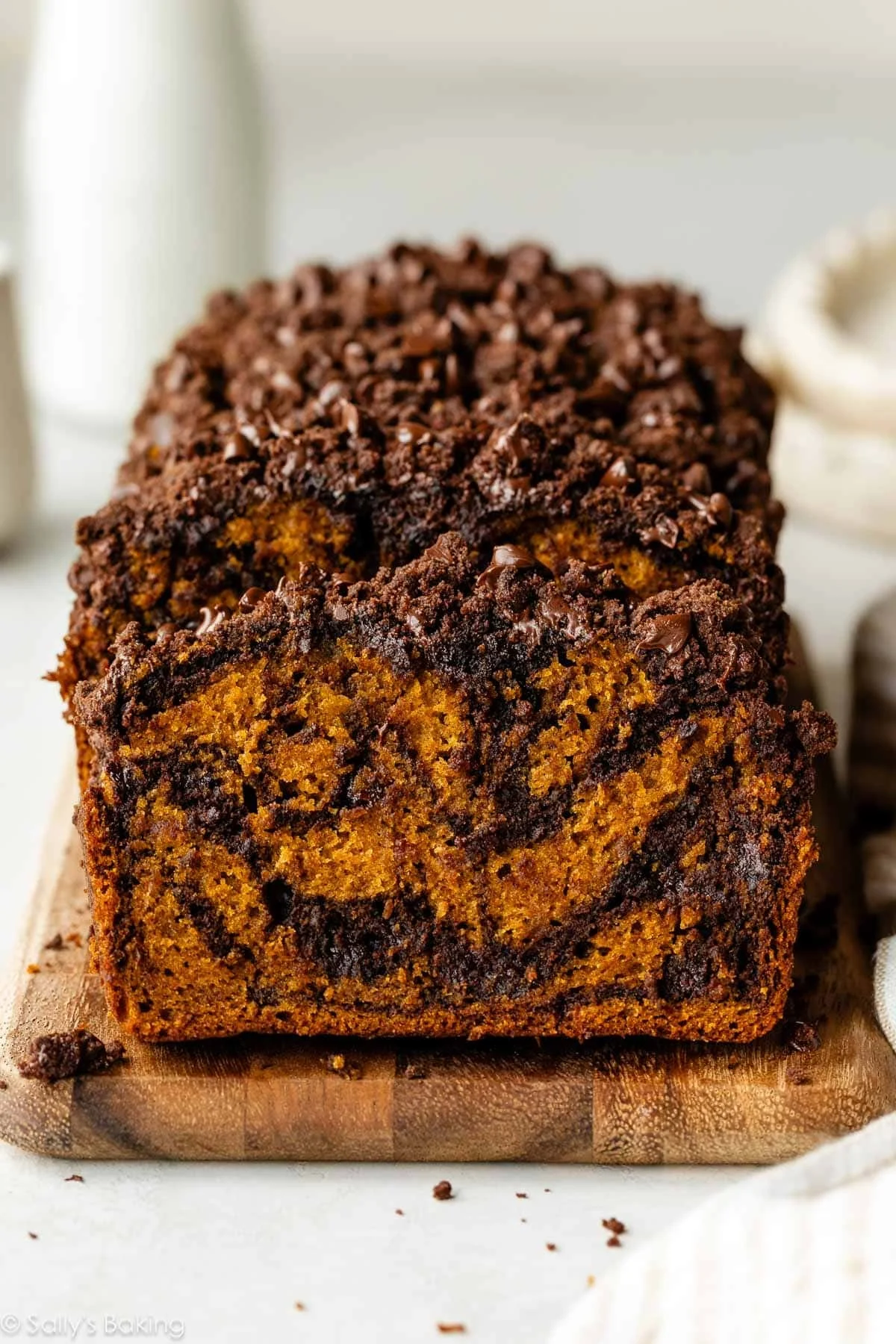
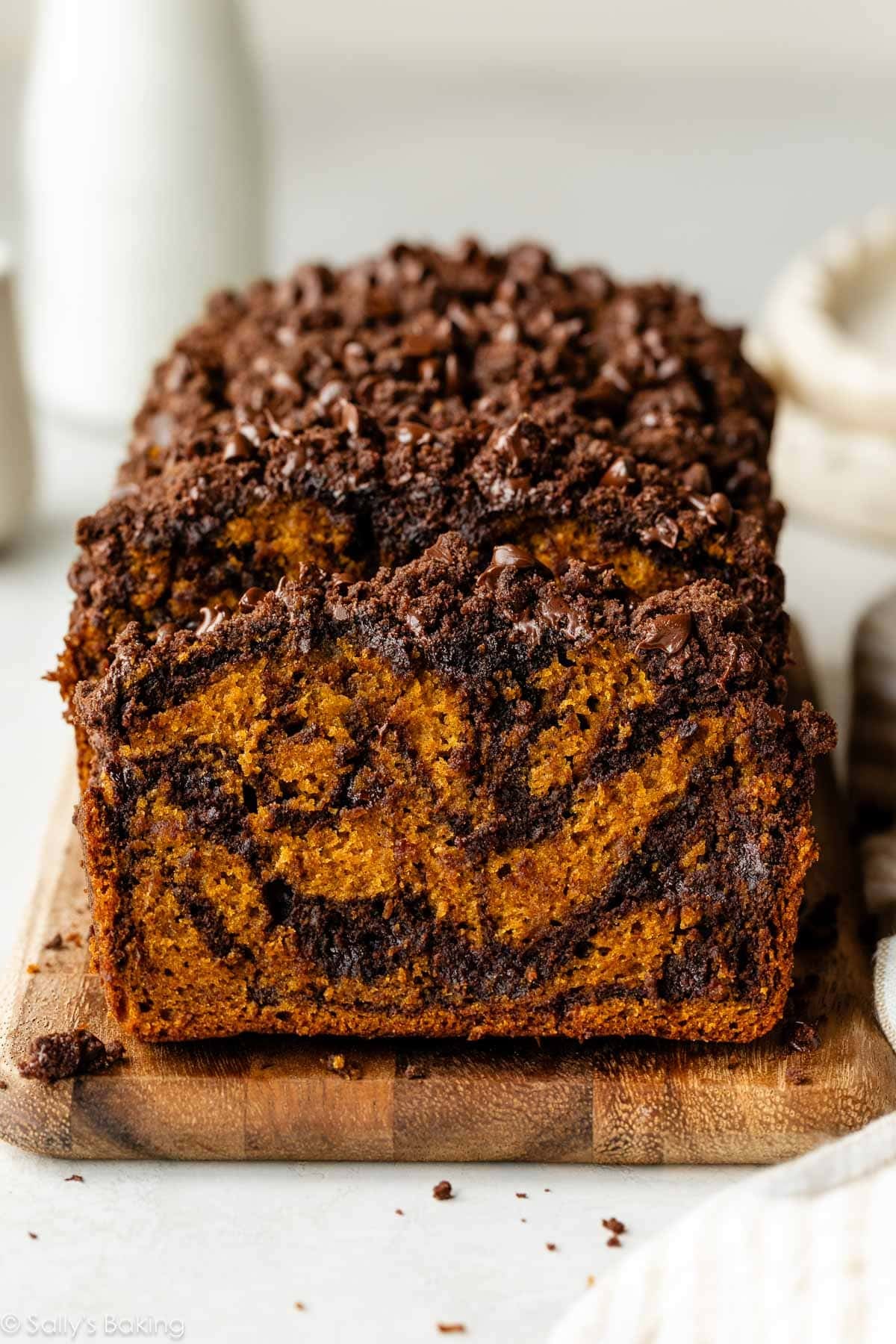
The result is a visually arresting loaf characterized by deep, rhythmic swirls of orange-hued pumpkin and dark chocolate. The addition of a cold-process chocolate streusel topping provides a necessary crunch, preventing the loaf from feeling one-note in texture. This preparation is not merely about aesthetic appeal; it is a study in flavor layering, where the warmth of cinnamon, nutmeg, and clove meets the bitter, roasted profile of premium cocoa.
Chronology: The Evolution of a Baking Technique
The history of the "marbled" technique dates back to 19th-century German baking, specifically the Marmorkuchen (marble cake). However, the adaptation of this method into the realm of pumpkin-based quick breads is a more recent development in American culinary circles, gaining significant traction in the digital age.
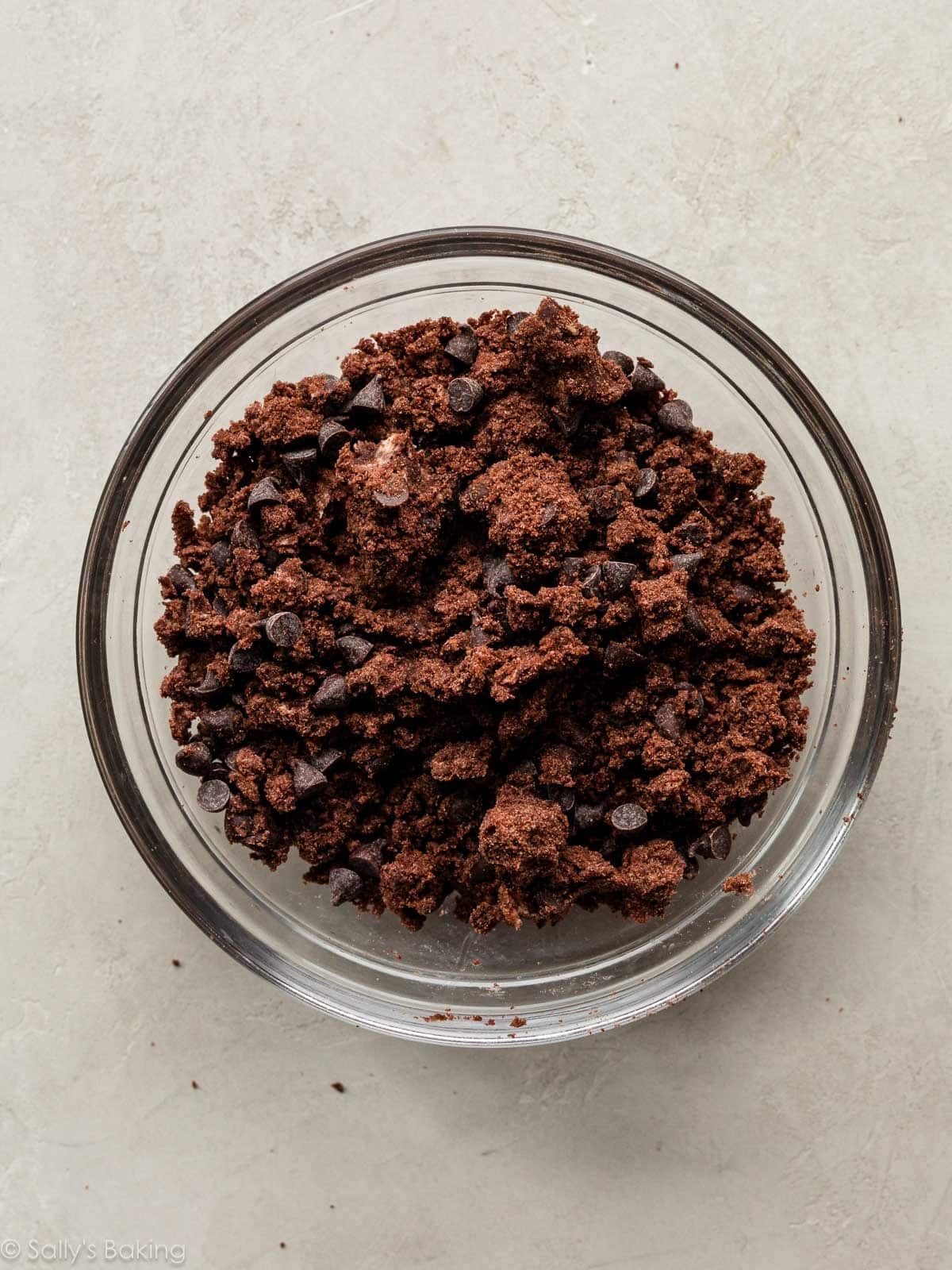
- The Foundation (Preparation): The process begins with the "streusel stage." Professional bakers emphasize the importance of temperature here; the crumb topping must remain chilled until the moment it enters the oven to ensure it retains its structure and doesn’t melt into the batter.
- The Division (The Single-Batter Strategy): The genius of this modern iteration lies in efficiency. By using a single base batter, the baker ensures that both the chocolate and pumpkin components possess the same density and leavening potential, which is critical for a uniform rise.
- The Swirl (The Artistic Phase): The assembly involves alternating spoonfuls of the two batters into a lined loaf pan. A serrated knife or a small offset spatula is used to gently fold the batters, creating the signature marbled effect.
- The Bake (The Transformation): As the loaf hits the heat, the crumb topping begins to solidify. Because the loaf is dense, the final stages of the bake require a protective tent of aluminum foil to prevent the chocolate streusel from scorching before the center of the loaf is fully set.
Supporting Data: Why the Flavor Profile Succeeds
From a sensory perspective, the success of this recipe is not accidental. The combination of pumpkin and chocolate has long been a subject of interest for food scientists. Pumpkin puree is rich in beta-carotene and moisture, providing a tender crumb that is inherently "soft." When combined with chocolate—which contains cocoa butter and fat—the moisture is locked in, creating a shelf-stable, moist product that often improves in flavor 24 to 48 hours after baking.
Furthermore, the addition of espresso powder is a culinary "hack" that functions as a flavor catalyst. In chemistry, coffee notes can mask the overly metallic bitterness sometimes found in lower-quality cocoa powders while simultaneously amplifying the natural sweetness of the pumpkin.

Professional Insights: The "Parchment Sling" Technique
In professional kitchens, the primary challenge with heavily topped loaves is the "removal issue." The crumb topping is delicate and prone to breaking during the inversion process.
Experts advocate for the use of a "parchment sling." By lining the long sides of the pan with a single strip of parchment paper, the baker creates a handle system. This allows the bread to be lifted vertically out of the pan once it has cooled, rather than being tipped over. This simple mechanical intervention ensures that the structural integrity of the marbled loaf remains intact, preserving the visual impact of the swirls and the integrity of the streusel.
Implications for the Home Baker
The rise of the chocolate marble pumpkin bread signifies a broader shift in home baking: the desire for "bakery-style" results with simplified processes. This recipe, in particular, removes the barrier to entry for novice bakers by providing a template that is forgiving.
- Efficiency: The "one-batter" rule reduces cleanup and prep time, making it an accessible project for weekday baking.
- Aesthetics: The marbling effect provides a high-end visual result that makes the loaf an ideal gift or centerpiece, elevating it beyond standard "quick bread" status.
- Versatility: The loaf serves as both a breakfast accompaniment and a dessert, allowing it to function as a versatile item in a household’s weekly rotation.
Official Guidance for Success
For those looking to replicate this at home, culinary experts offer several non-negotiable rules:
- The "Bloom" Factor: Always use warm milk when integrating cocoa and espresso powders into the divided batter. This "blooms" the powders, ensuring a smooth, lump-free consistency that blends seamlessly into the base.
- The Art of Restraint: The most common mistake in marble baking is over-mixing. The goal is to see distinct pockets of dark and light. If the baker stirs too vigorously, the colors will bleed into a muddy, uniform brown. A gentle figure-eight motion is the industry standard for achieving the perfect marble.
- The Patience Principle: While the aroma of spiced pumpkin and toasted chocolate is enticing, slicing the bread while warm is a critical error. The fats and starches need time to set as the bread cools. Waiting for the loaf to reach room temperature—or even chilling it slightly—is the secret to achieving clean, sharp slices that showcase the internal marbling.
Conclusion: A New Fall Standard
The chocolate marble pumpkin bread is more than a seasonal treat; it is a masterclass in balance. By respecting the traditions of the quick bread while introducing the techniques of fine pastry, home bakers can produce a loaf that is as complex in flavor as it is beautiful to behold. As the leaves begin to turn and the oven is preheated for the season’s first batch, this recipe stands as a testament to the fact that with just a few simple adjustments, even the most classic recipes can be reimagined for a modern palate.
Whether served alongside a morning coffee or as a decadent evening dessert, this loaf invites us to slow down and appreciate the intricate, swirling intersection of comfort and craft.