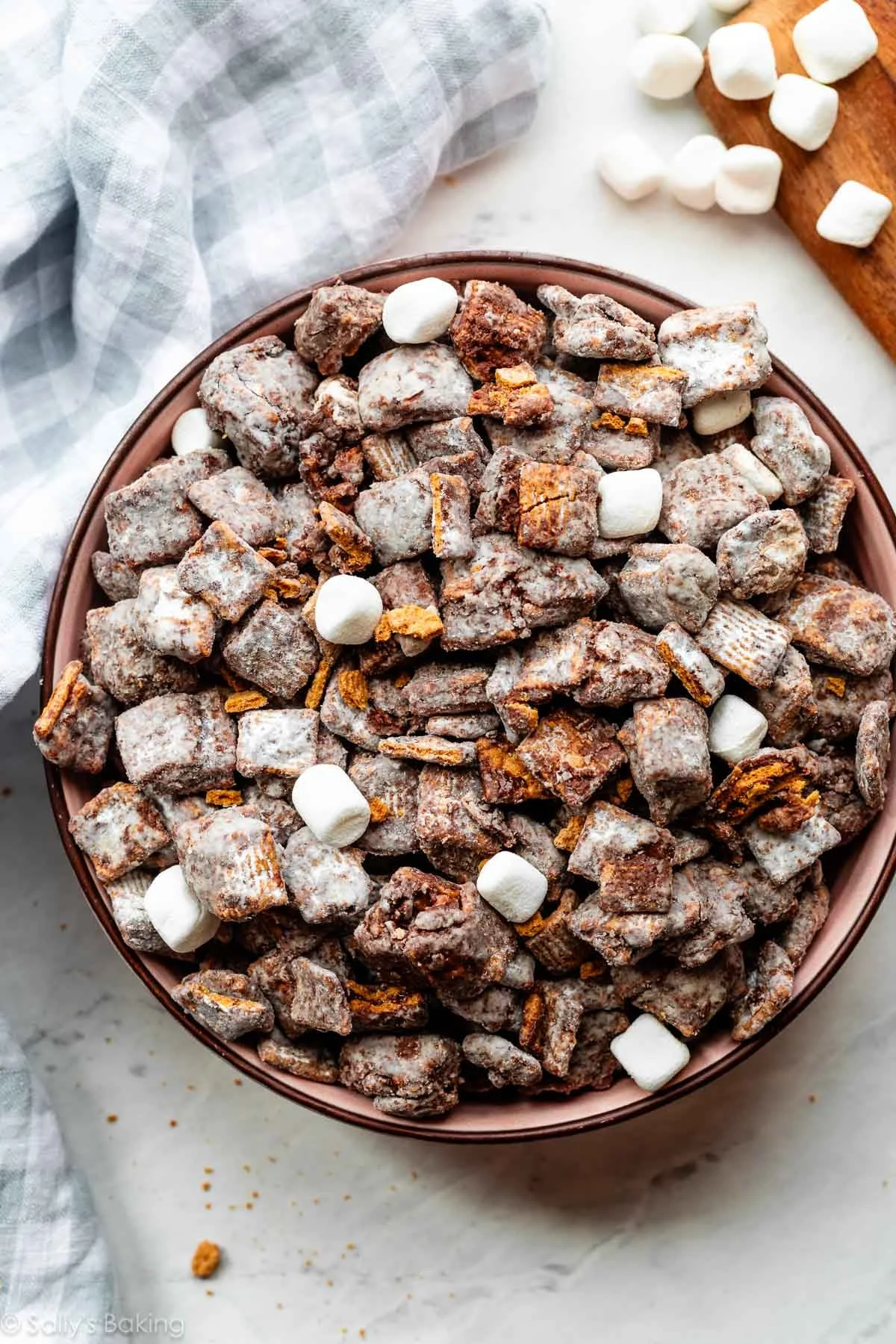
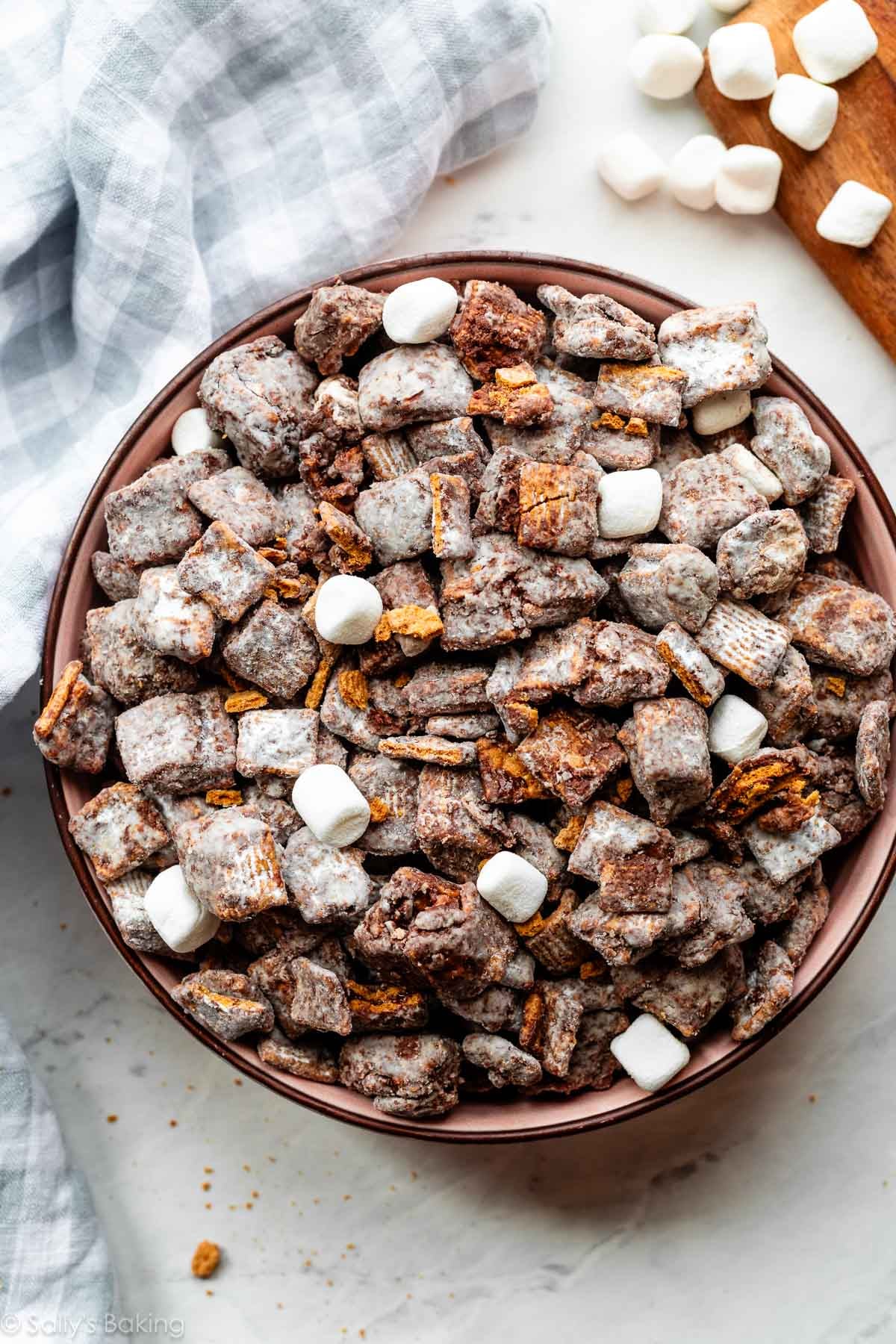
In the ever-evolving landscape of modern comfort food, few culinary innovations have managed to capture the intersection of nostalgia, simplicity, and convenience quite like "S’mores Puppy Chow." Originally popularized in the home baking circuit, this clever riff on the traditional "muddy buddy" snack has transitioned from a niche kitchen experiment to a perennial favorite for gatherings, road trips, and late-night cravings. By replacing the standard corn-based cereal with Golden Grahams and introducing the iconic campfire trio of chocolate, graham, and marshmallow, this recipe represents a masterclass in approachable culinary design.
Main Facts: A Five-Ingredient Masterpiece
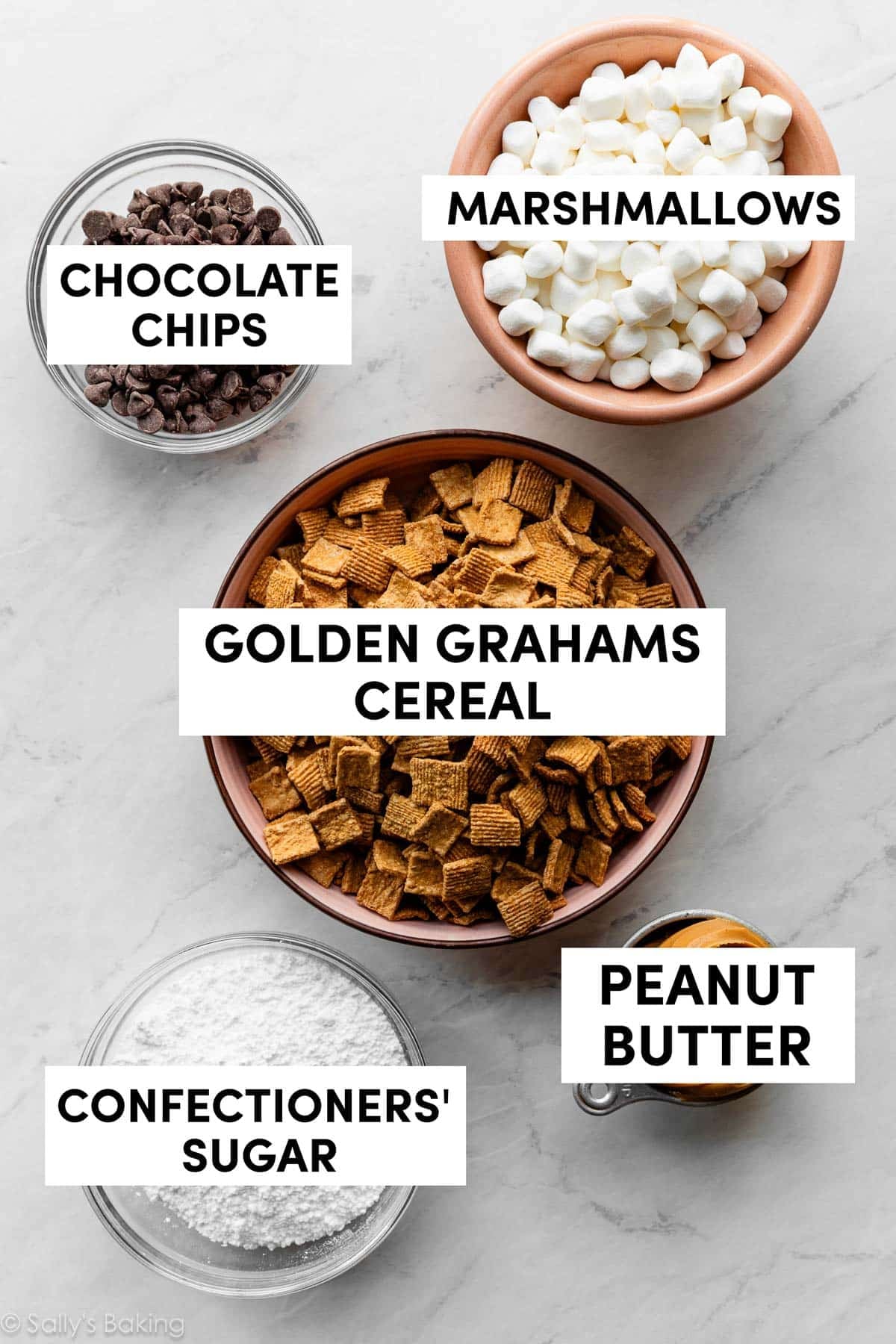
At its core, the appeal of S’mores Puppy Chow lies in its radical simplicity. While many gourmet desserts require complex techniques, precise temperature control, and lengthy preparation times, this dish relies on the synergy of just five pantry staples.
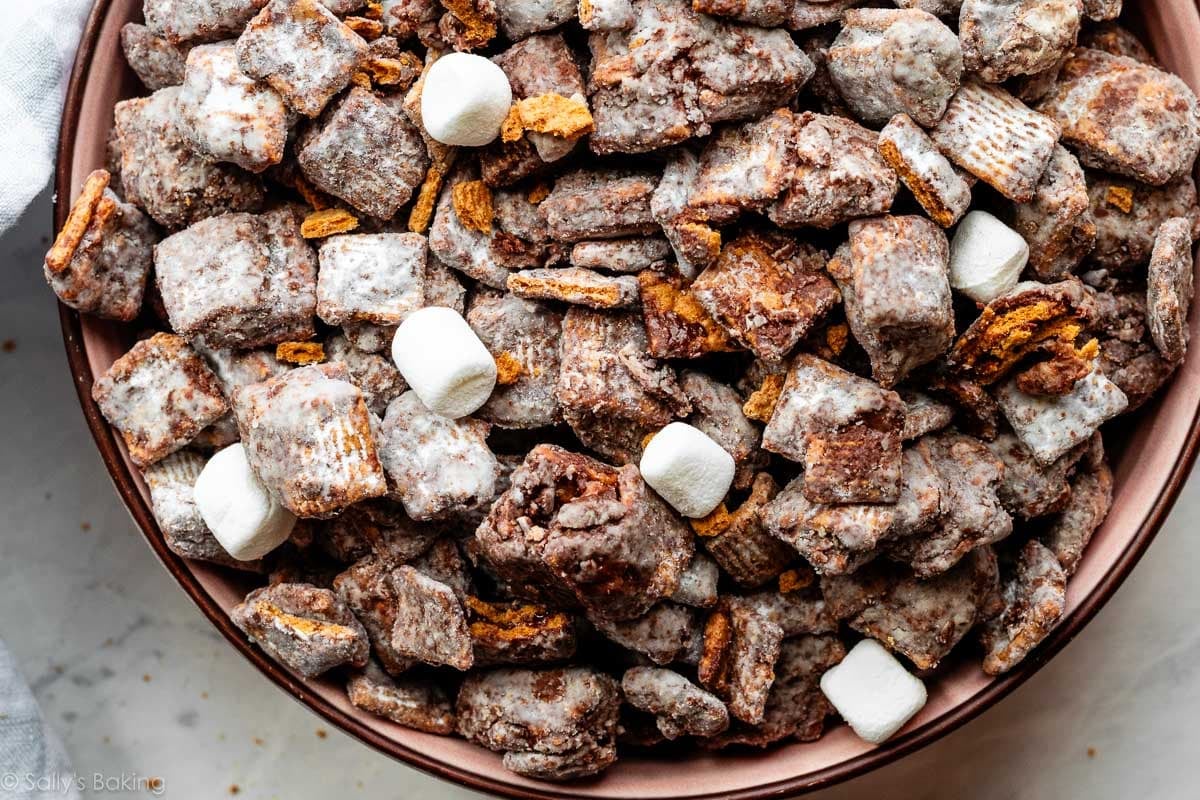
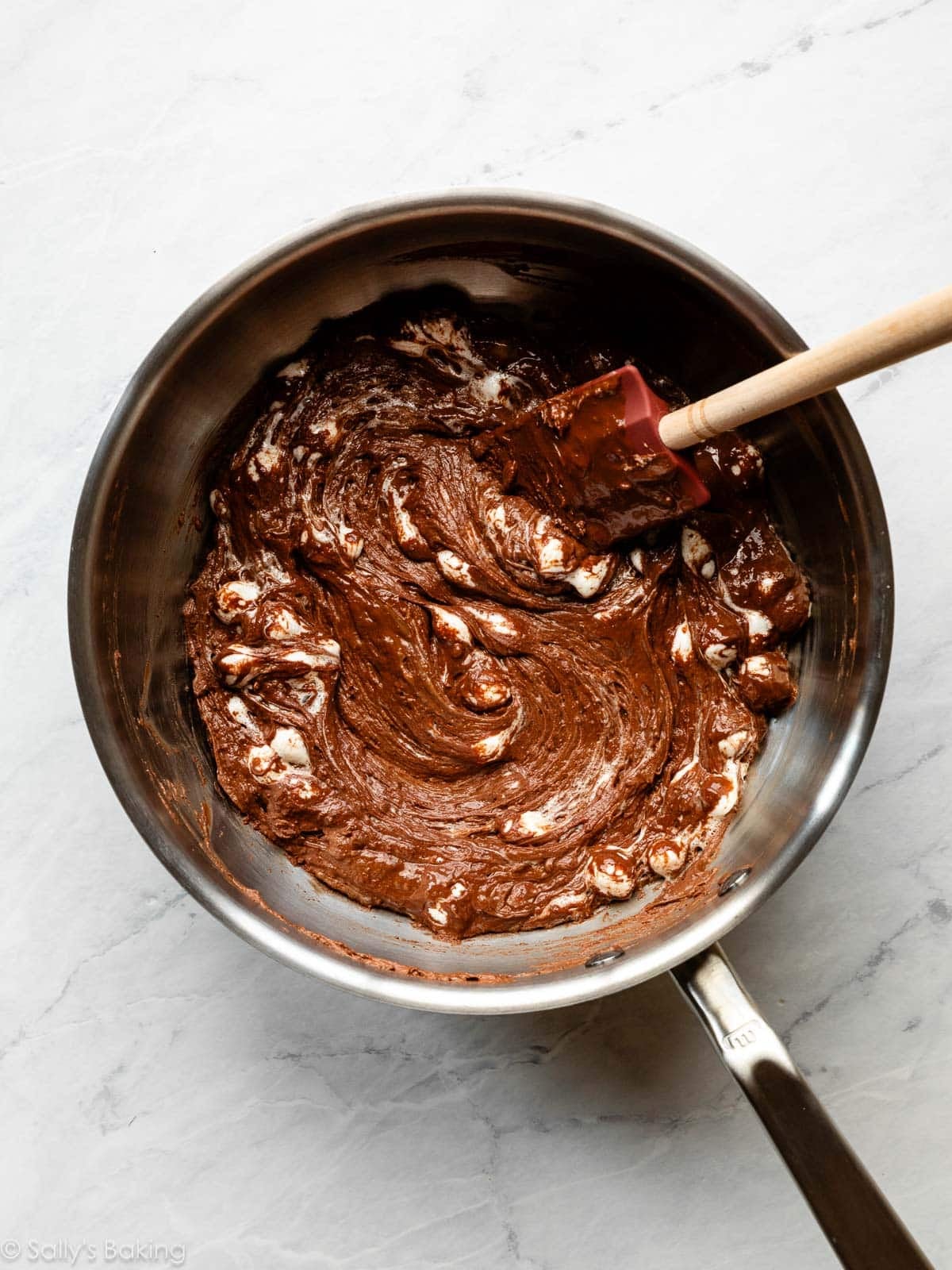
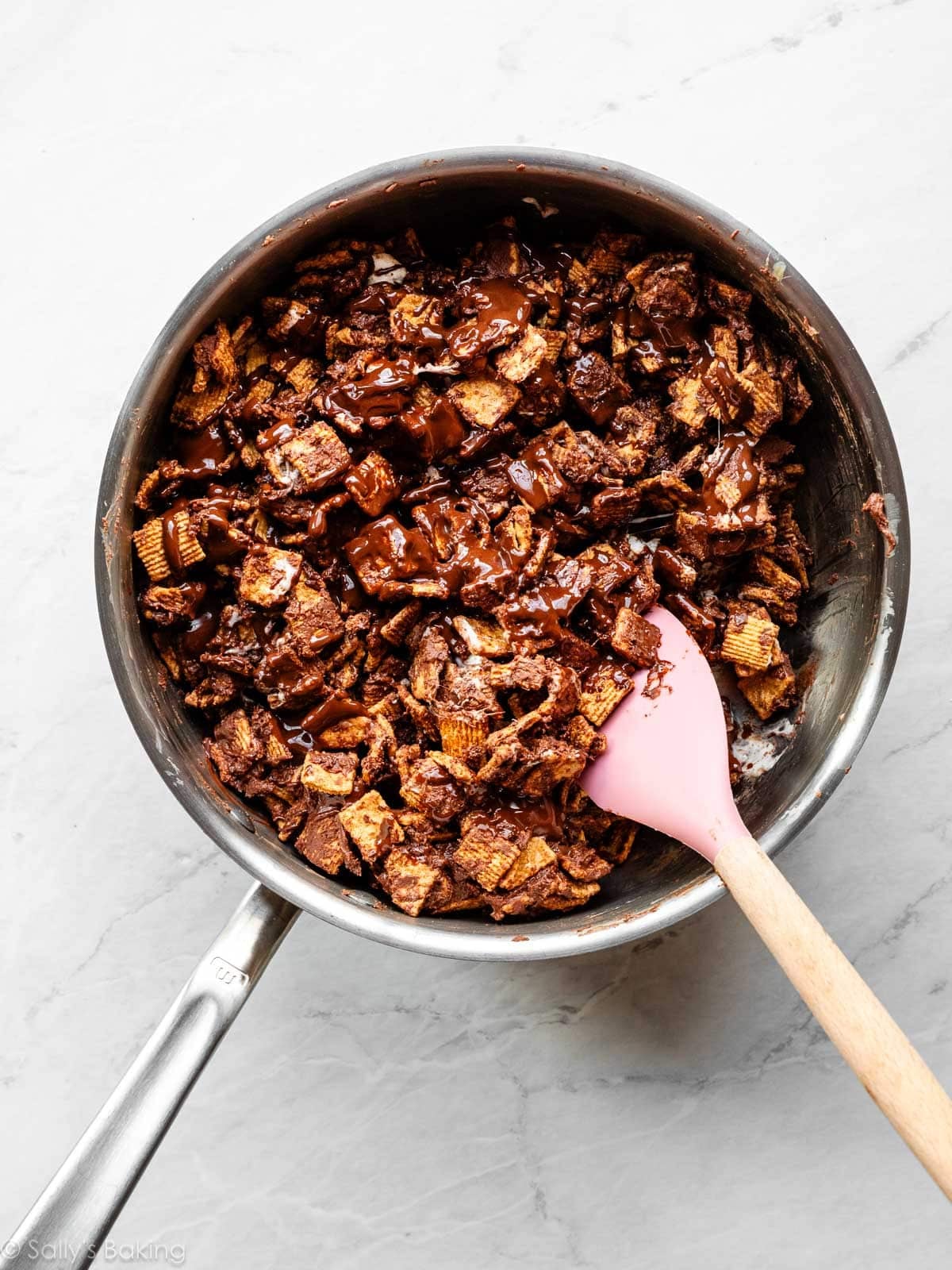
The structural integrity of the snack is provided by Golden Grahams cereal, which acts as the "graham" element of the s’more, providing a structural crunch that holds up under the weight of chocolate and peanut butter. The binding agents—chocolate chips and creamy peanut butter—are melted together to create a luxurious coating, while a generous dusting of confectioners’ sugar provides the final textural finish. The addition of mini marshmallows is the final flourish, providing that soft, chewy contrast that defines the classic campfire experience.
Because it is a no-bake recipe, the barrier to entry is virtually non-existent, making it an ideal project for amateur cooks and families with young children. The result is a snack that is paradoxically sophisticated in its flavor profile—hitting notes of salt, sweet, crunch, and chew—while remaining incredibly easy to execute.
Chronology: The Evolution of a Classic
The concept of "puppy chow," or "muddy buddies," dates back to the mid-20th century, typically associated with the American Midwest. Traditionally, this snack was composed of Chex cereal, chocolate, peanut butter, and powdered sugar. The "S’mores" iteration first made its significant digital debut around 2012, as food bloggers began experimenting with flavor profiles that mimicked popular childhood desserts.
Over the last decade, the recipe has undergone several refinements. Early versions focused purely on the coating, but modern iterations—such as those popularized by culinary platforms like Sally’s Baking Addiction—have emphasized the importance of the texture of the marshmallows. By folding in half of the marshmallows during the warm stage and reserving the other half for the end, creators have successfully mitigated the risk of the marshmallows melting into a gooey, unrecognizable mess.
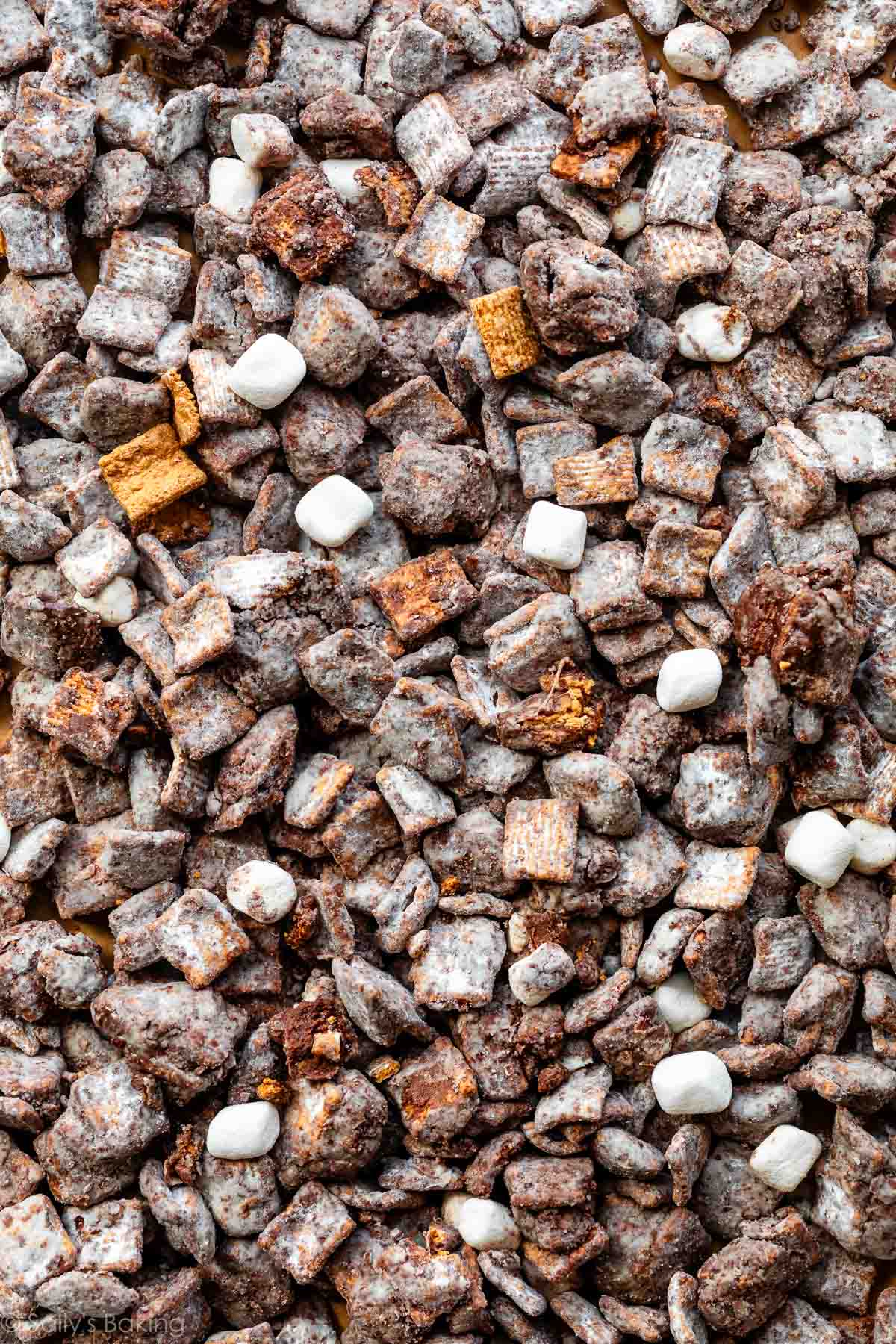
Today, the recipe is considered a "living document" in the culinary world, with users constantly suggesting variations, such as the incorporation of pretzels for a salty punch or the substitution of alternative nut butters to accommodate dietary restrictions.
Supporting Data: Why It Works
From a sensory and logistical perspective, the data supports the sustained popularity of this dish.
- Accessibility: The recipe requires zero specialized equipment. A saucepan, a large bowl, and a zip-top bag are the only tools necessary, effectively democratizing the snack-making process.
- Stability: Unlike traditional campfire s’mores, which lose their structural integrity within minutes of preparation, S’mores Puppy Chow is remarkably shelf-stable. When stored in an airtight container, the cereal remains crunchy for several days, making it a viable option for large-scale event planning.
- Versatility: The "five-ingredient rule" provides a base that is inherently customizable. Data from social media engagement and food forums indicate that the most common modifications involve adding textural contrast. For instance, replacing 25% of the cereal volume with mini pretzels significantly increases the "snackability" of the mix, appealing to those who prefer a savory-sweet balance over a purely sugary profile.
Dietary Flexibility and Inclusivity
A critical aspect of the modern recipe is its adaptability. In an era where food allergies and dietary preferences are at the forefront of culinary planning, the S’mores Puppy Chow model has proven highly resilient.
For those navigating nut allergies, the traditional peanut butter can be swapped for sunflower seed butter or Biscoff cookie spread. These alternatives maintain the necessary viscosity and fat content required to coat the cereal effectively while ensuring the snack remains safe for school functions or nut-free gatherings. Furthermore, the use of high-quality, dairy-free chocolate chips allows the recipe to be easily converted into a vegan-friendly treat, ensuring that the nostalgia of a s’more is accessible to a wider demographic.
Implications: The Future of "No-Bake" Culture
The rise of recipes like S’mores Puppy Chow signifies a broader shift in how we approach dessert culture. As professional and home kitchens alike deal with the pressures of time-scarcity, the "no-bake" category is experiencing a renaissance.
The Psychology of Nostalgia
The popularity of this snack is rooted in the "s’more" as a cultural touchstone. It represents summer, the outdoors, and shared experiences. By stripping away the requirement of an actual campfire—which is often logistically difficult for urban dwellers or during winter months—this recipe allows consumers to access those emotional rewards in a domestic setting.
Economic and Social Impact
On a social level, this recipe has become a staple for communal events. Whether it is a school potluck, a holiday party, or a wedding favor, the ability to produce a large volume of high-quality, aesthetically pleasing food at a low cost is highly valuable. The "sharing economy" of modern food blogging, where tips, tweaks, and photos are shared in real-time, has allowed this recipe to be refined over years, moving from a simple snack to a polished, professional-grade dessert.
Expert Tips for Success
To achieve the best results, home cooks should adhere to these established industry best practices:
- Temperature Control: When melting the chocolate and peanut butter, use low heat. High heat can cause the chocolate to seize, resulting in a grainy, unappealing texture.
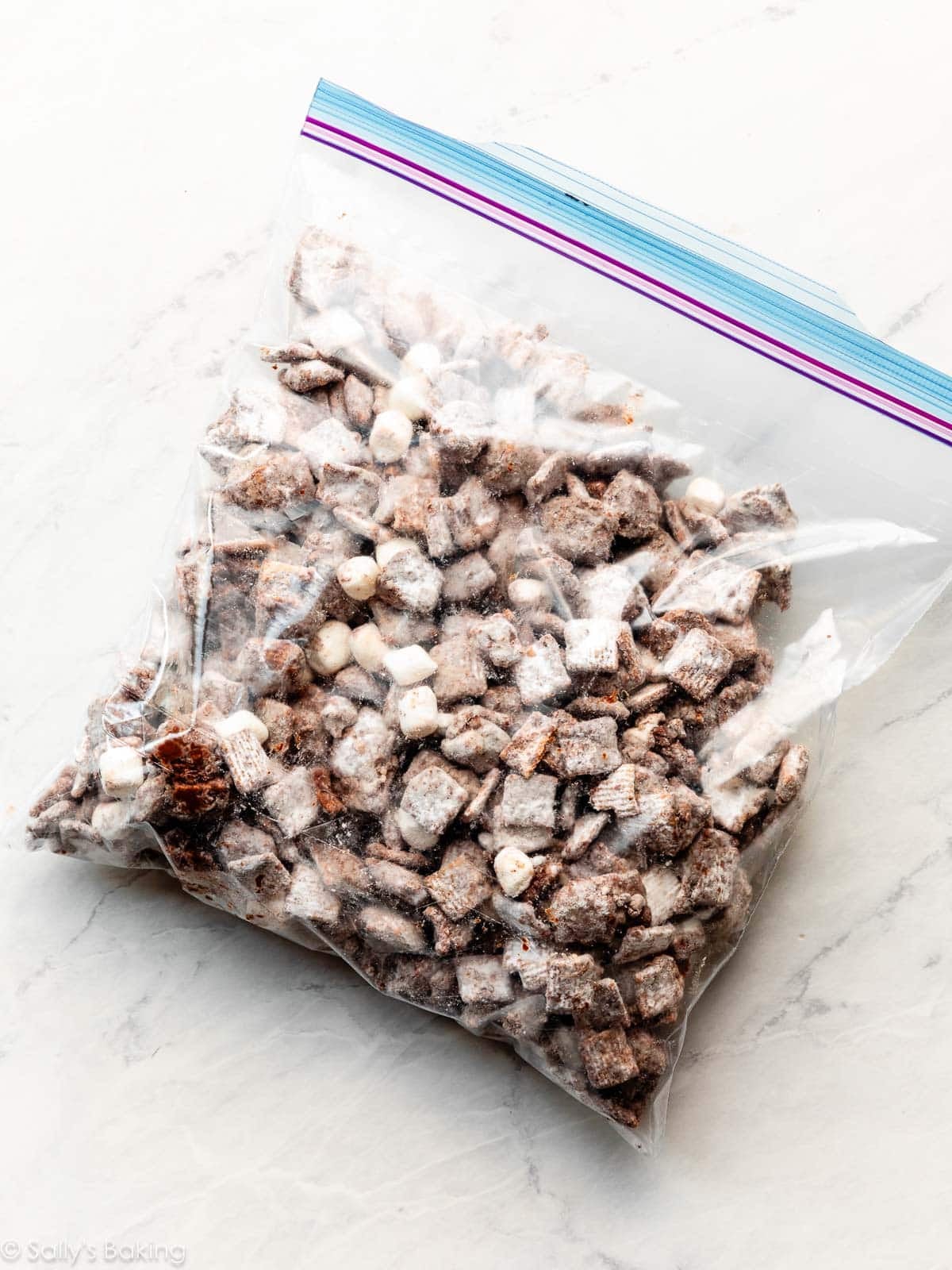
- The "Shake" Technique: Using a large zip-top bag for the final dusting of powdered sugar is not just for convenience; it ensures an even, uniform coating that is impossible to achieve by hand-tossing in a bowl.
- Patience: The cooling phase is critical. If the mixture is not allowed to cool sufficiently before the final marshmallows are added, the heat will cause the marshmallows to melt, turning the mixture into a clumped mess rather than a light, airy snack.
- Stretching the Flavor: For those looking to elevate the dish, a pinch of flaky sea salt added to the mixture right before the final stir can heighten the chocolate notes and cut through the sweetness of the powdered sugar.
Conclusion
S’mores Puppy Chow is more than just a fleeting internet trend; it is a testament to the power of simple, high-quality ingredients and the enduring appeal of nostalgic flavors. By bridging the gap between the campfire and the kitchen counter, this recipe has secured its place as a permanent fixture in the modern snack rotation. Whether you are a seasoned baker looking for a quick fix or a parent looking for a fun, interactive activity for your children, this five-ingredient marvel offers a consistent, crowd-pleasing result that is as satisfying to make as it is to consume. As the culinary world continues to prioritize speed, accessibility, and joy, recipes like this will undoubtedly remain at the forefront of our collective kitchen consciousness.