For those who cherish the bold, savory, and comforting depths of authentic Mexican cuisine, few dishes command the same respect and appetite as Carnitas. Traditionally, these succulent, slow-cooked pork morsels were prepared in large, bubbling vats of lard. While this age-old method yields an undeniably moist result, the logistical requirements—namely, the sheer volume of fat needed—make it an impractical endeavor for the modern home kitchen.
However, the evolution of home cooking has yielded a refined, accessible approach that sacrifices none of the soul of the original dish. By employing a strategic brining technique and utilizing the modern oven, home chefs can produce restaurant-quality, crisp-on-the-outside, tender-on-the-inside carnitas that are as sustainable as they are delicious.
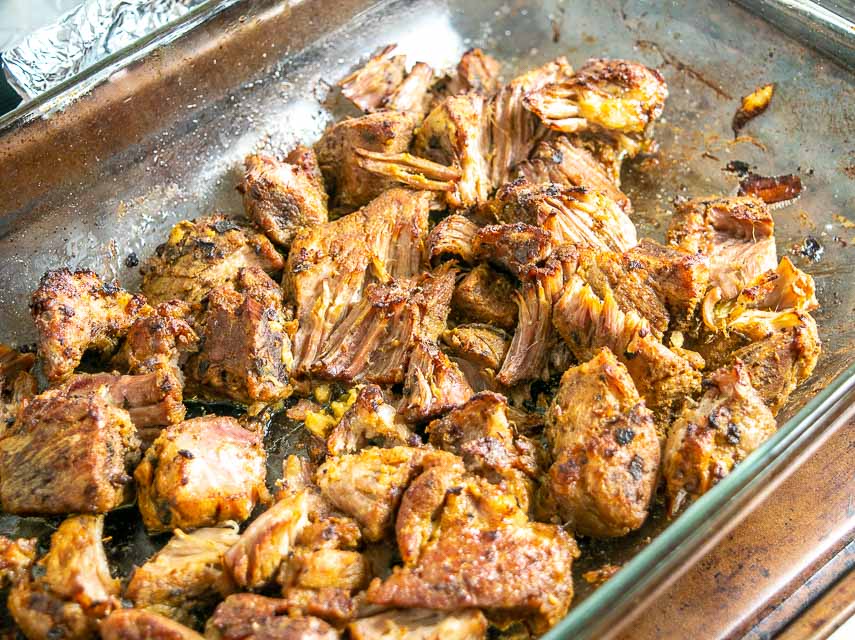
Main Facts: The Anatomy of Modern Carnitas
The essence of a great carnita lies in the balance of texture and seasoning. While the traditional method relies on confit-style cooking, the modern standard prioritizes flavor penetration and moisture retention through a brief, high-impact brine.
The primary component is pork shoulder—a cut prized for its intramuscular fat and connective tissue, which break down into a luscious, tender consistency during low-and-slow cooking. To achieve the perfect bite, the pork is typically cubed into two-inch pieces. This size uniformity is crucial; it ensures even cooking and maximizes the surface area exposed to the seasonings, and eventually, the broiler.
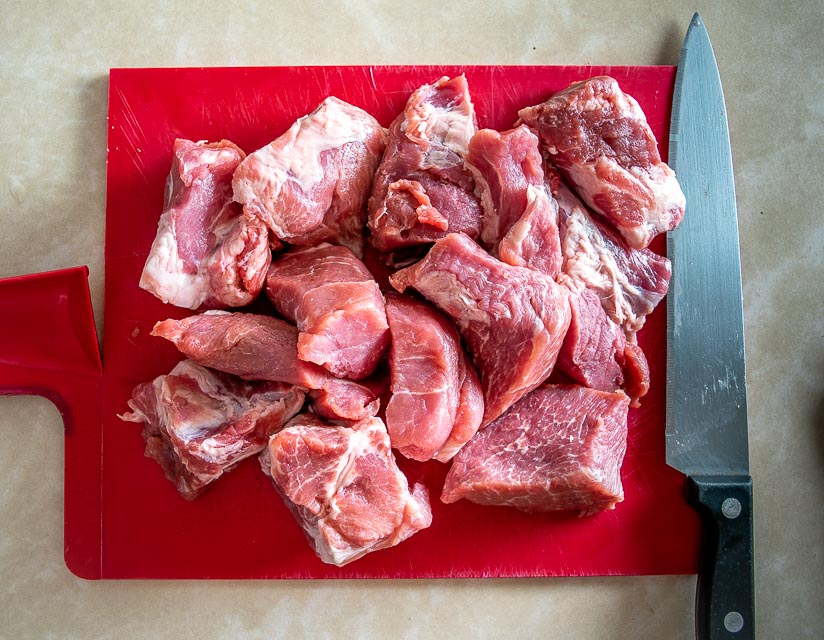
The profile of the dish is built upon a foundation of citrus, alliums, and dried spices. The inclusion of fresh orange juice provides a subtle, balancing acidity that cuts through the richness of the pork, while garlic, onion, and jalapeno add a baseline of aromatics. The final touch—the "crisp"—is where the dish transitions from a simple braise to a culinary centerpiece, offering a textural contrast that defines the carnitas experience.
Chronology: The Process of Transformation
To replicate this process, one must treat the preparation as a multi-stage event. The journey from raw pork shoulder to a finished taco involves careful timing.
1. The Brining Phase
Contrary to the old-school dogma that suggests 12 to 24 hours of soaking, modern culinary science demonstrates that a shorter, more concentrated brine is highly effective. By cutting the pork shoulder into two-inch cubes, the brine penetrates the meat efficiently in just one hour. The mixture, consisting of two quarts of cold water and a half-cup of kosher or sea salt, allows the meat to retain moisture, preventing the leaner chunks from drying out during the three-hour roasting process.
2. The Seasoning and Braising
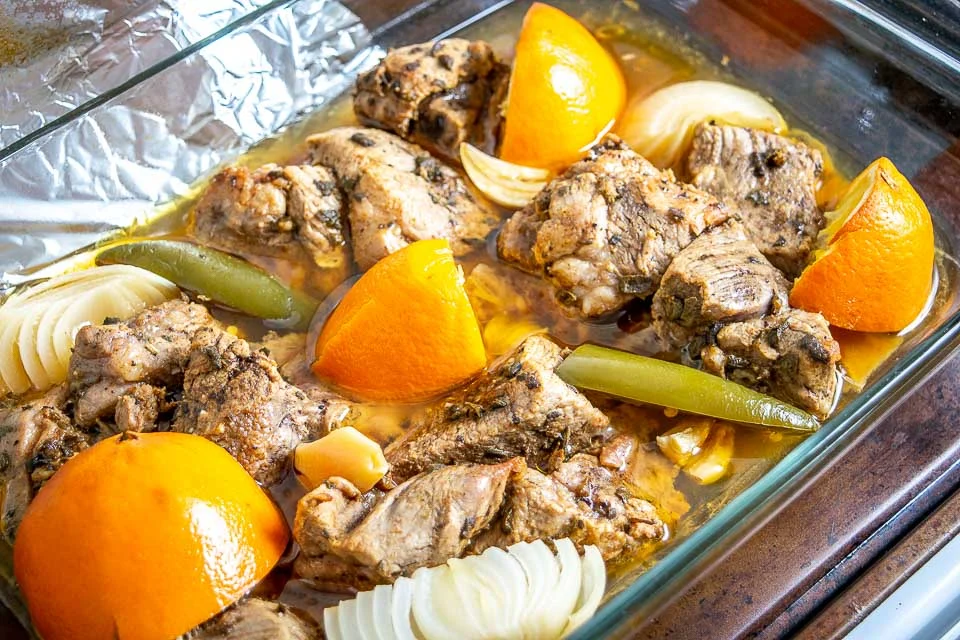
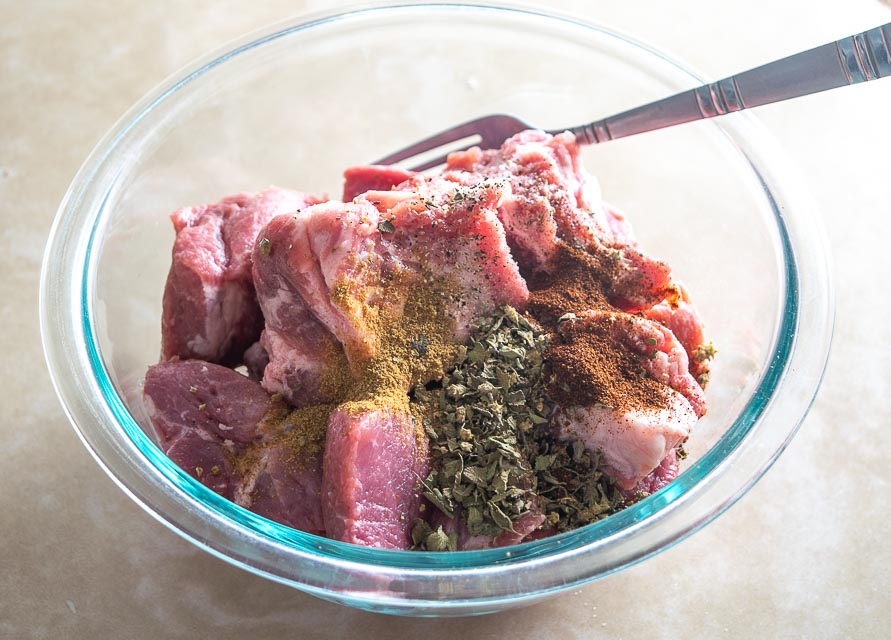
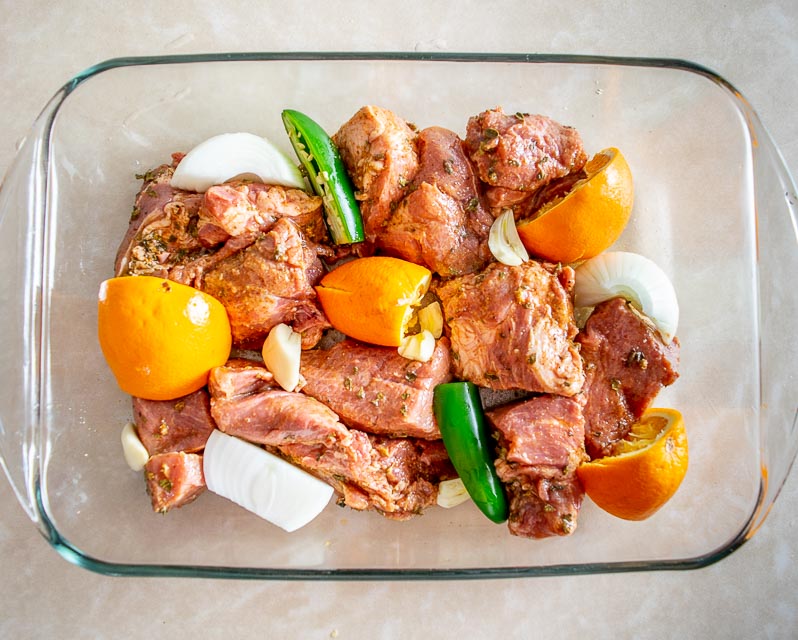
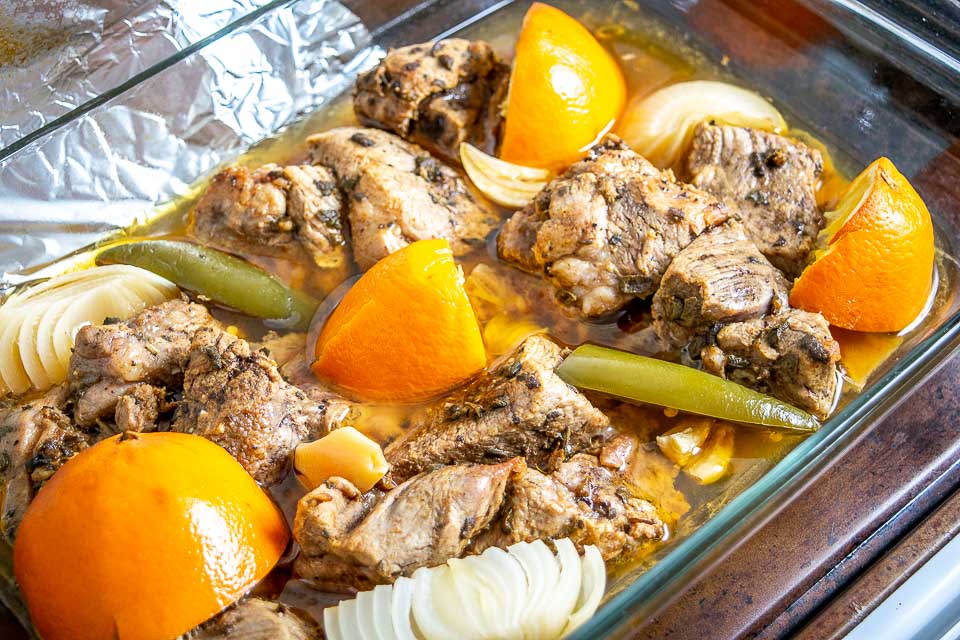
Once the pork is patted dry, it is tossed with a blend of Mexican oregano, cumin, chipotle powder, cracked black pepper, and a touch of salt and olive oil. This spice rub creates the base flavor profile. The pork is then placed in a casserole dish, accompanied by fresh orange segments, onion, halved jalapenos, and whole garlic cloves. Covered tightly with foil to create a steam-sealed environment, the dish is roasted at 300°F (150°C) for approximately three hours.
3. The Final Crisp
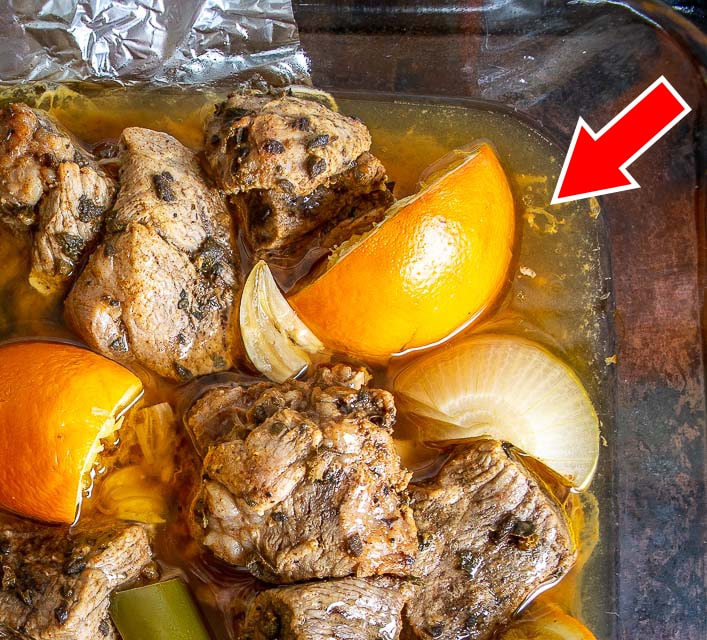
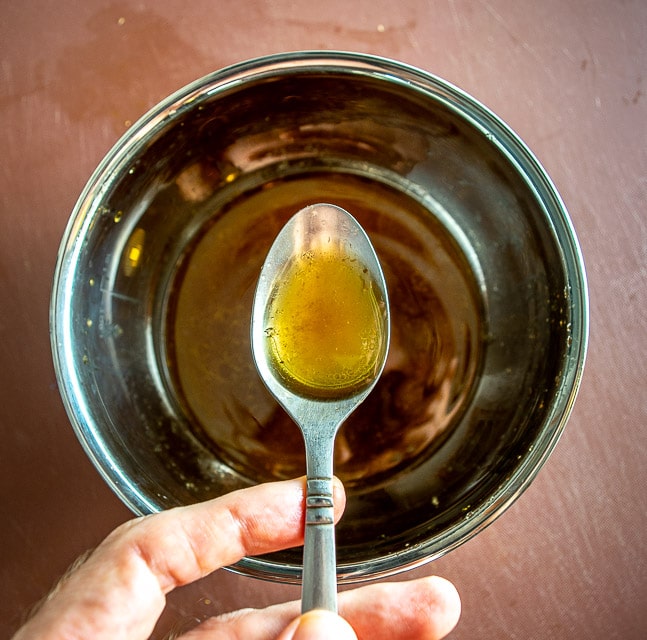
Upon removing the pork from the oven, it should be fork-tender. The "resting liquid" remaining in the pan is the secret weapon of the dish. It is a concentrated elixir of rendered fat, citrus, and aromatics. To finish, the pork is broiled for five to ten minutes. Drizzling a portion of the rendered fat from the resting liquid over the pork before it enters the broiler accelerates the browning process, creating a caramelized, crispy exterior.
Supporting Data: Why Brining Matters
The debate over brining often centers on the necessity of time. However, data from culinary research indicates that the physics of osmosis and protein denaturation do not require a full day to manifest.
When pork is submerged in a saltwater solution, the salt ions penetrate the muscle fibers. This process changes the structure of the proteins, allowing them to bind more effectively with water. Consequently, when the meat is subjected to the heat of the oven, it resists the "squeezing out" of moisture that typically leads to dry, tough meat.
For those who find the brine time impossible to schedule, the resting liquid serves as an insurance policy. By shredding the cooked pork and tossing it in the reserved liquid, you can rehydrate and infuse flavor back into the meat, effectively "rescuing" any pieces that may have lost moisture. This method is the foundation for most slow-cooker variations of the dish, proving that the technique is adaptable to various kitchen environments.
Culinary Implications: Versatility Beyond the Taco
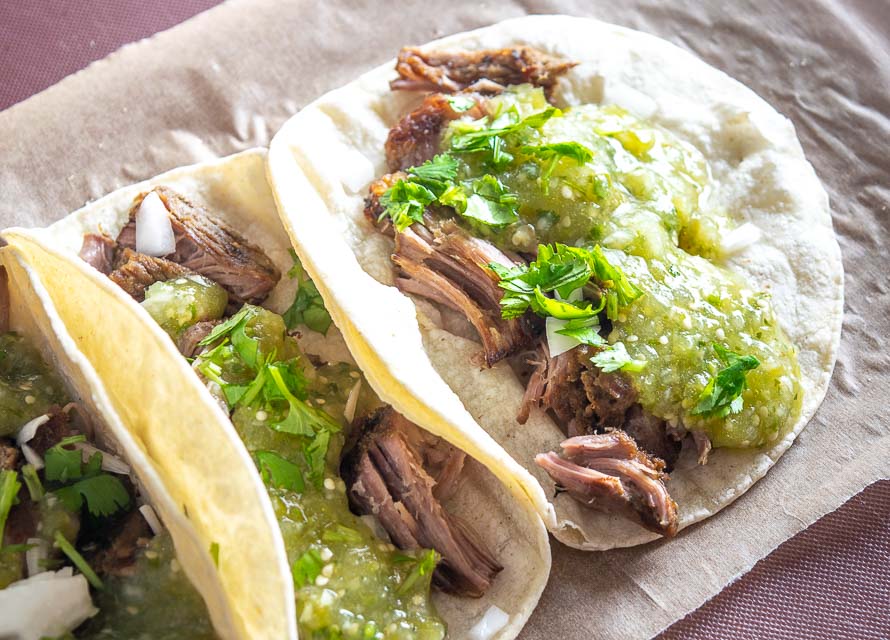
While the classic carnitas taco—topped with a sharp, tomatillo-based salsa verde—remains the gold standard, the versatility of the prepared pork is vast. The flavor profile is robust enough to act as the protein anchor for a variety of meals:
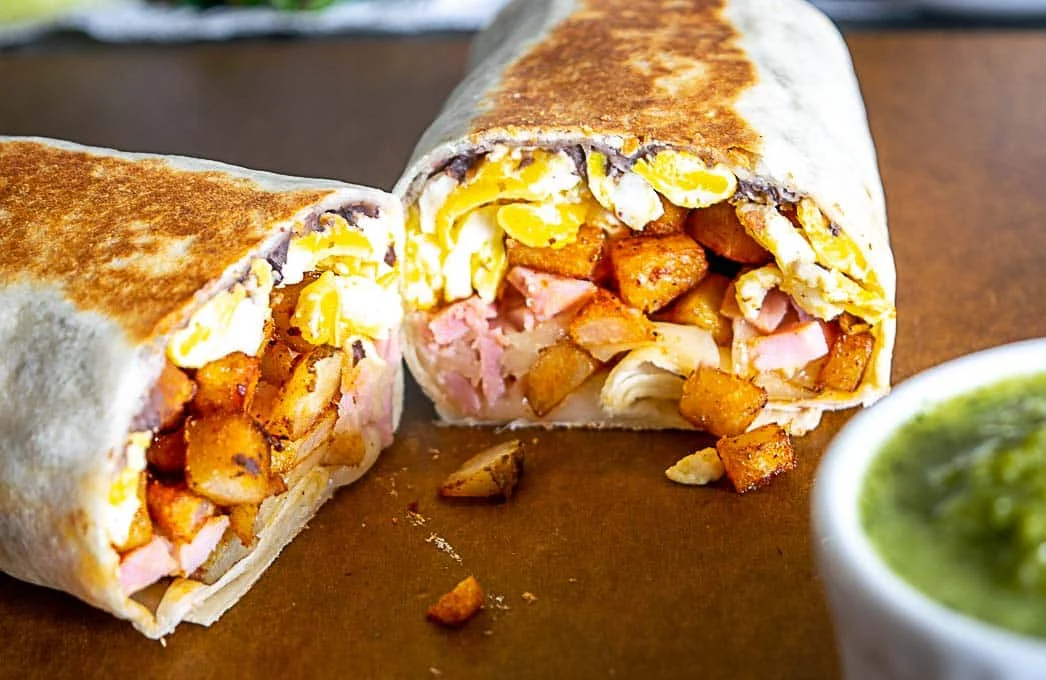
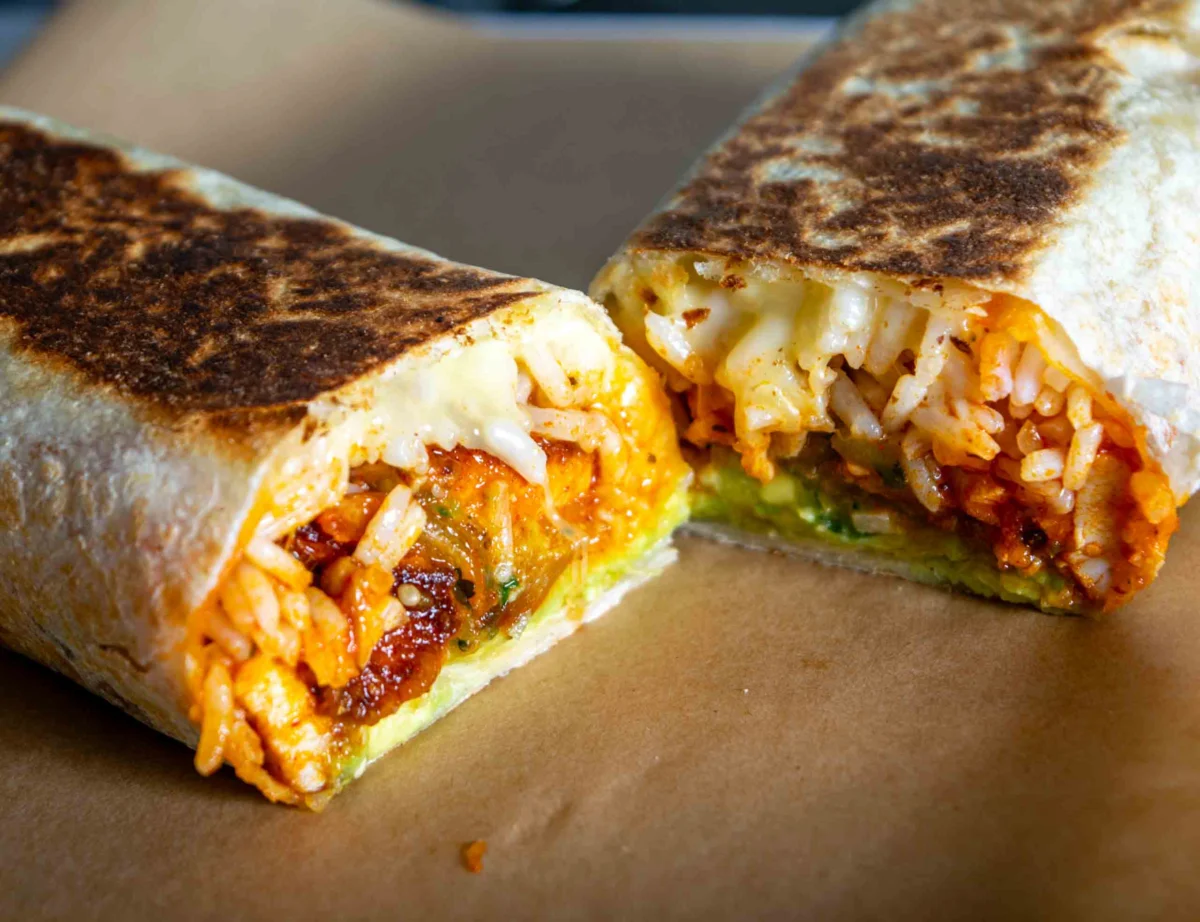
- Burritos and Bowls: The crispy, succulent pork serves as an excellent base for high-volume meals, pairing perfectly with rice, beans, and fresh pico de gallo.
- Taquitos: The texture of the pork makes it an ideal filling for rolled and fried tortillas, offering a satisfying crunch.
- Soups: When incorporated into a broth-based dish, the rendered fat and spices of the carnitas provide a depth of flavor that is difficult to replicate with fresh meat.
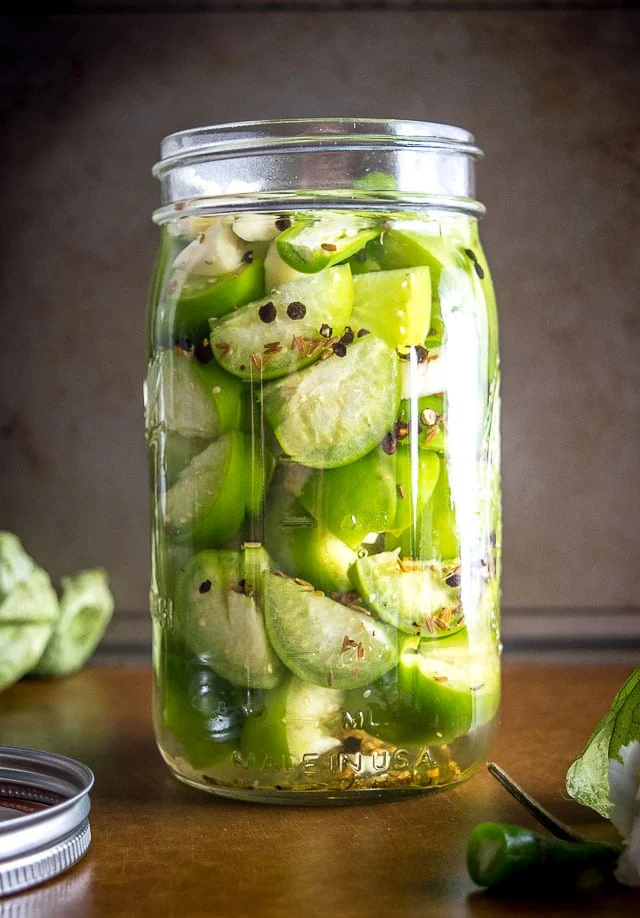
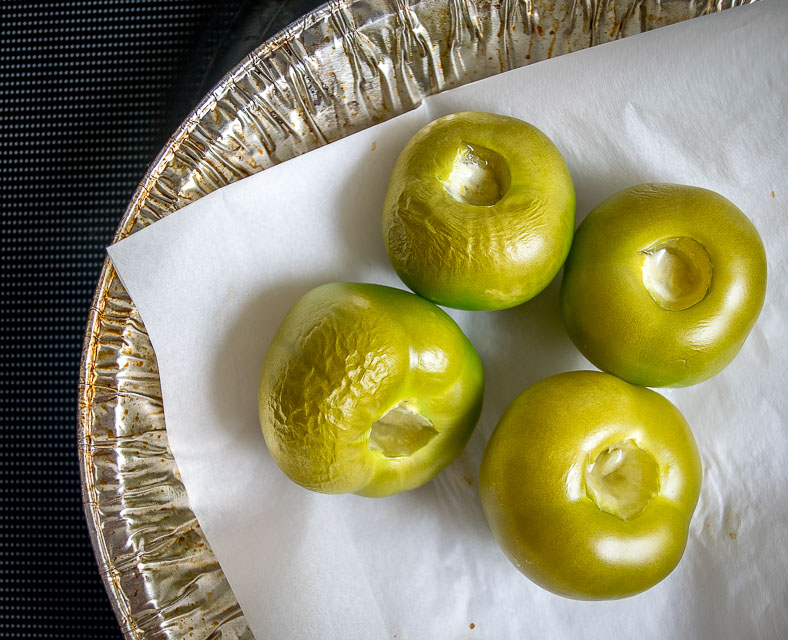
The accompanying Salsa Verde is another critical component. By roasting tomatillos, onions, and serrano peppers, the salsa achieves a smokiness that complements the brightness of the citrus in the pork. Using two serranos creates a "sharp" profile intended to stand up to the heavy, savory pork, though the spice level can be scaled back for a more balanced, milder experience.
Expert Perspectives on Service
The final, often overlooked step in the carnitas process is the treatment of the tortilla. Experienced chefs and home cooks alike emphasize the importance of a dry-skillet finish. By warming tortillas over medium-high heat for just a minute, the edges become semi-crispy. This textural contrast—the soft, warm center of the tortilla and the crisp, savory edge—mirrors the texture of the pork itself, creating a harmonious bite.
When assembling, the addition of finely chopped raw onion and fresh cilantro provides the necessary "bite" to cut through the richness of the pork. For those looking to elevate the dish further, a crumble of cotija cheese adds a salty, lactic finish that rounds out the flavor profile.
The Future of Traditional Home Cooking
The transition from lard-heavy, traditional carnitas to this brined, oven-roasted iteration represents a broader trend in home cooking: the democratization of complex flavors. By stripping away the need for industrial-scale equipment and excessive fat, the recipe allows for the "big flavor" associated with authentic Mexican cuisine to be achieved in any home.
As culinary techniques continue to evolve, the core principles—patience, quality ingredients, and the strategic use of salt—remain the pillars of success. Whether you are a novice cook looking to master a weekend staple or a seasoned professional seeking a more efficient method, this approach to carnitas offers a reliable, delicious, and highly customizable path to one of the world’s most beloved dishes.
The beauty of this recipe lies in its forgiveness. If you find the pork to be slightly firm, extend the cooking time. If you prefer more heat, adjust the serranos. If you are short on time, rely on the resting liquid to compensate. Ultimately, the goal is not strict adherence to a rigid set of rules, but the creation of a meal that brings people together around the table. The next time you find yourself craving a hearty, crowd-pleasing weekend feast, consider the humble pork shoulder and the transformative power of a simple, one-hour brine. Your palate will thank you.