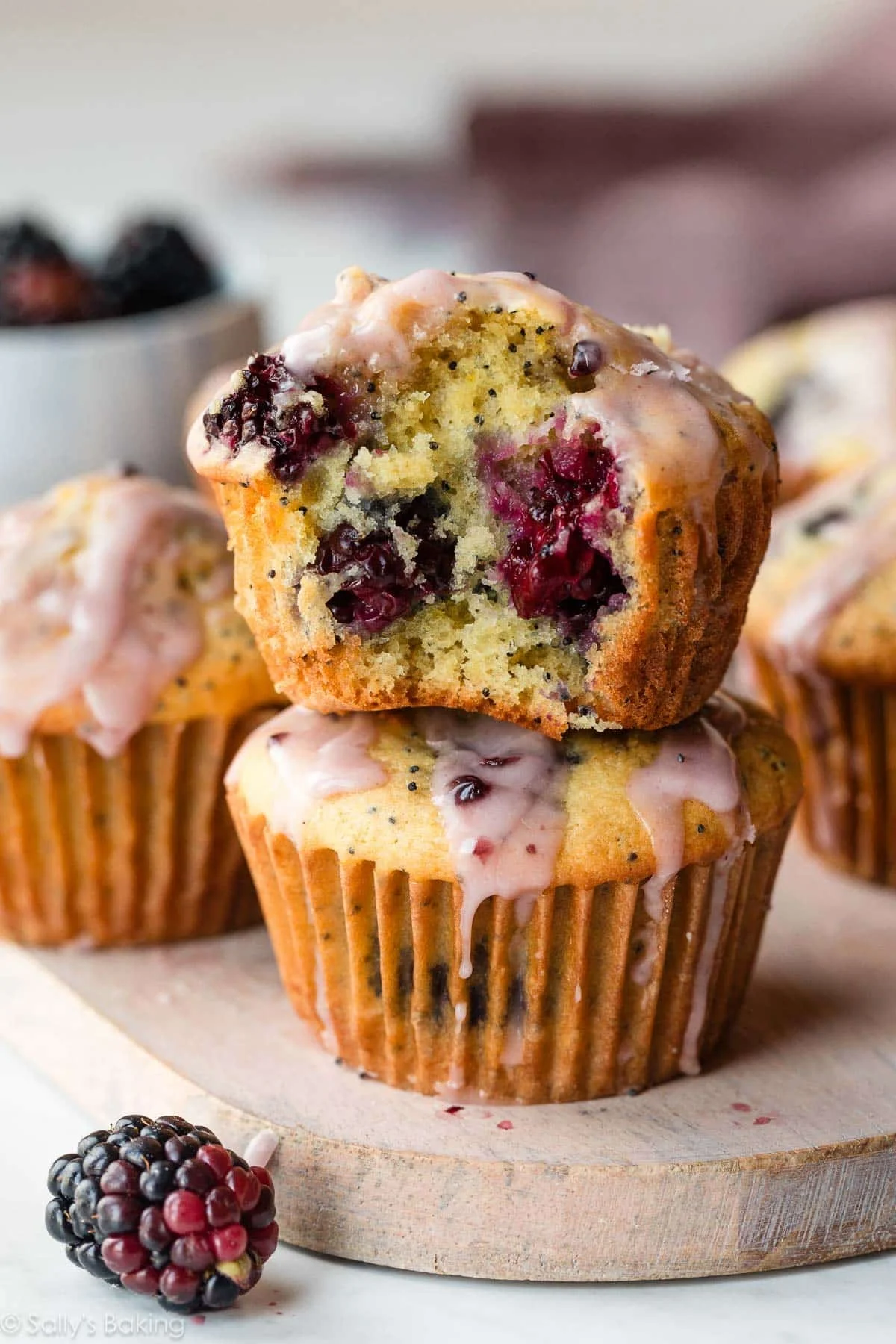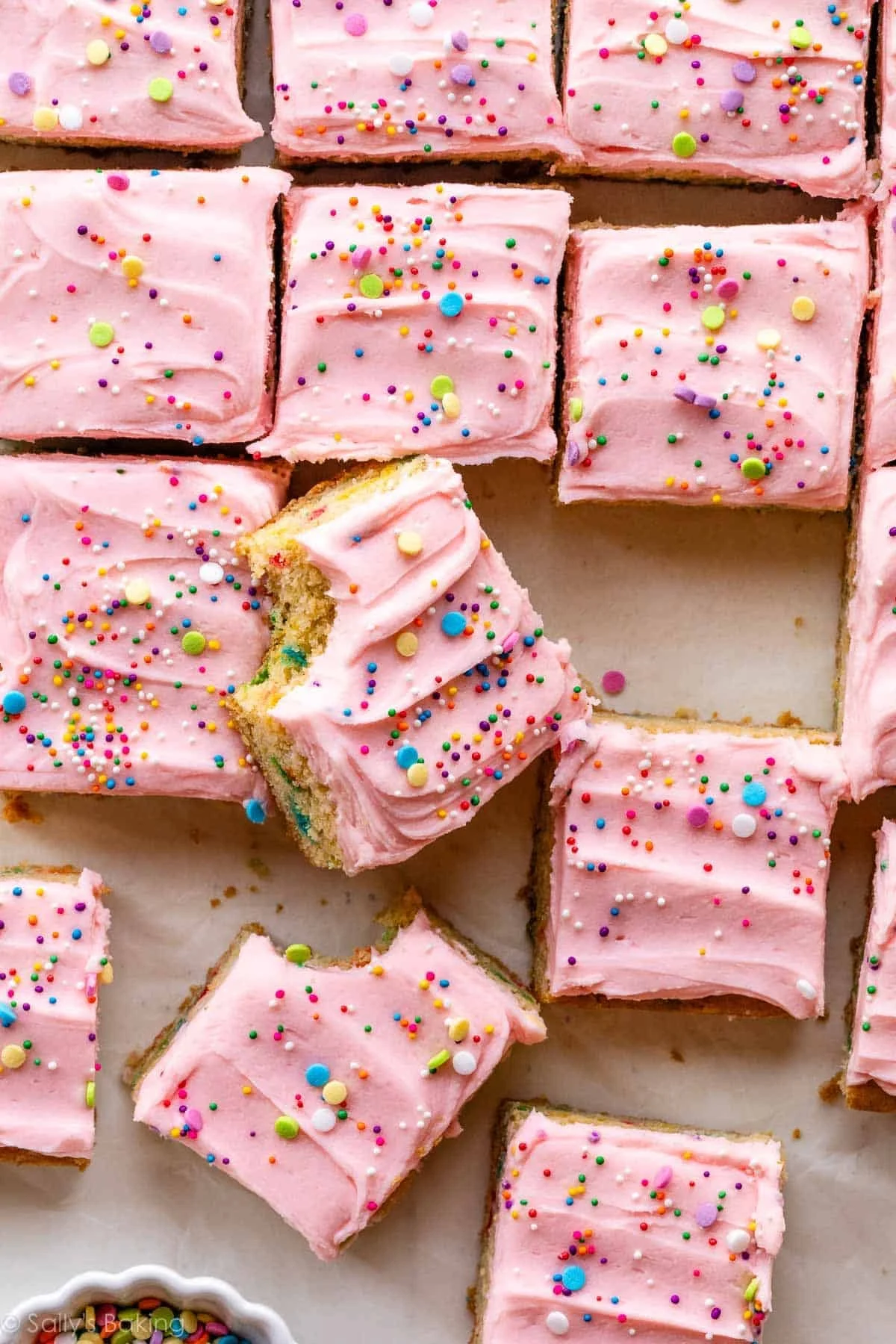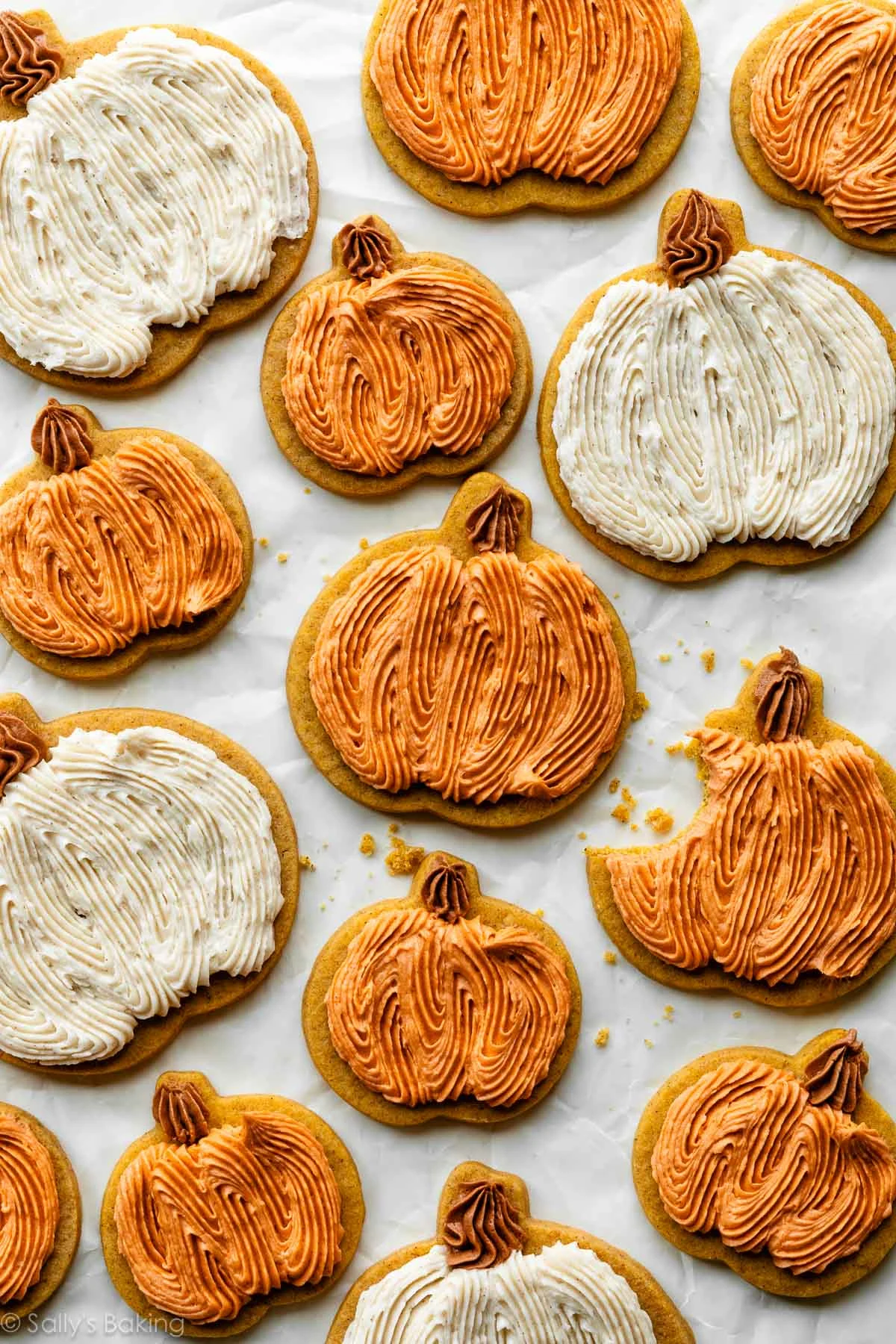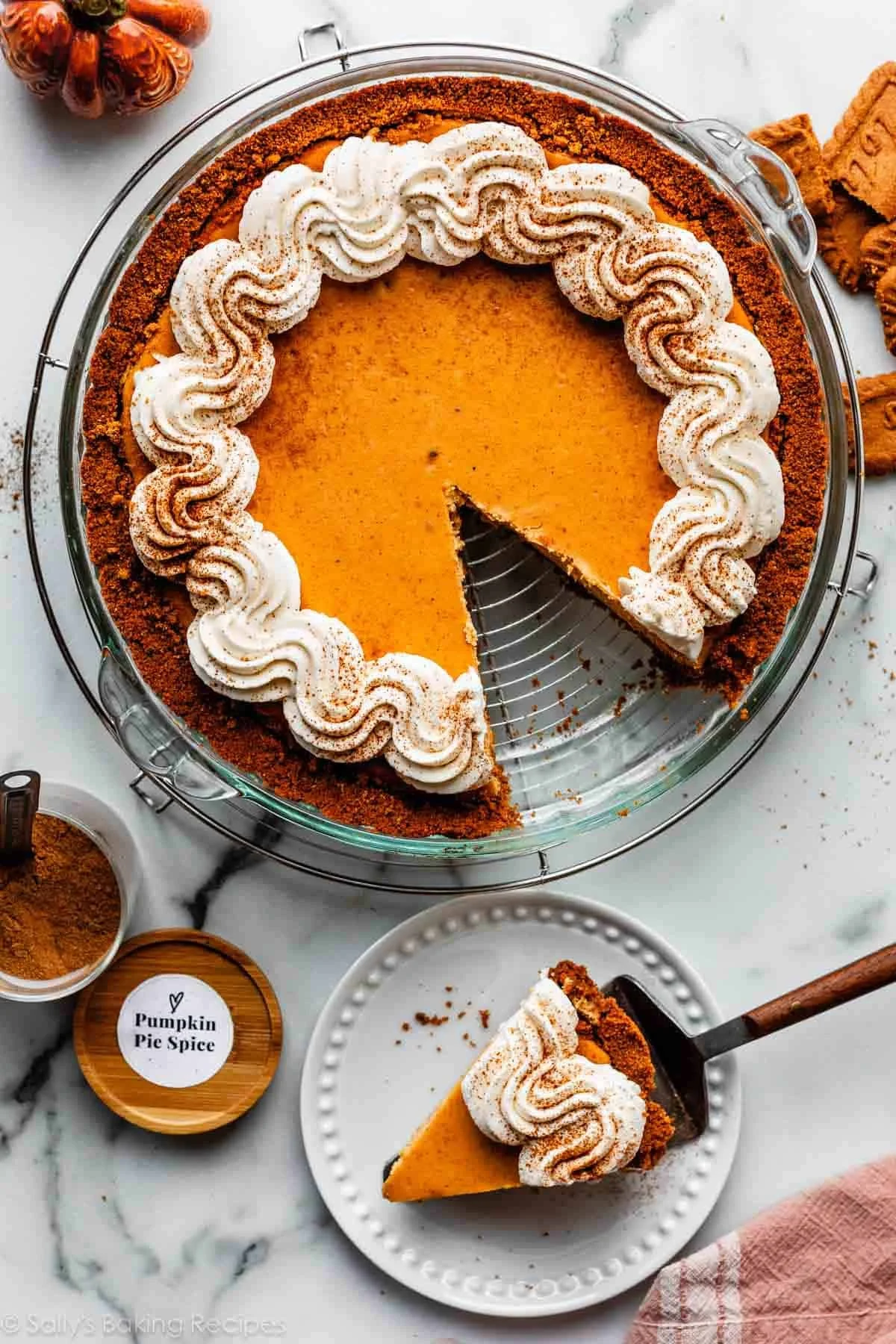
As the autumn leaves begin to turn and the air grows crisp, the culinary world turns its collective attention to the quintessential ingredient of the season: pumpkin. Whether you are a home baker crafting delicate pumpkin cookies or a professional pastry chef experimenting with seasonal textures, pumpkin puree remains the cornerstone of fall-inspired menus. However, this popularity brings with it a perennial culinary frustration: the "leftover problem."

For many, opening a 15-ounce can of pumpkin puree for a single recipe—only to find a half-cup or less remaining—is a familiar experience. In an era where food waste reduction is becoming a hallmark of the conscious consumer, understanding how to store, preserve, and creatively repurpose these remnants is not just a convenience; it is a necessity. This article serves as a definitive resource for managing your pumpkin surplus, ensuring that not a single gram of this seasonal treasure goes to waste.
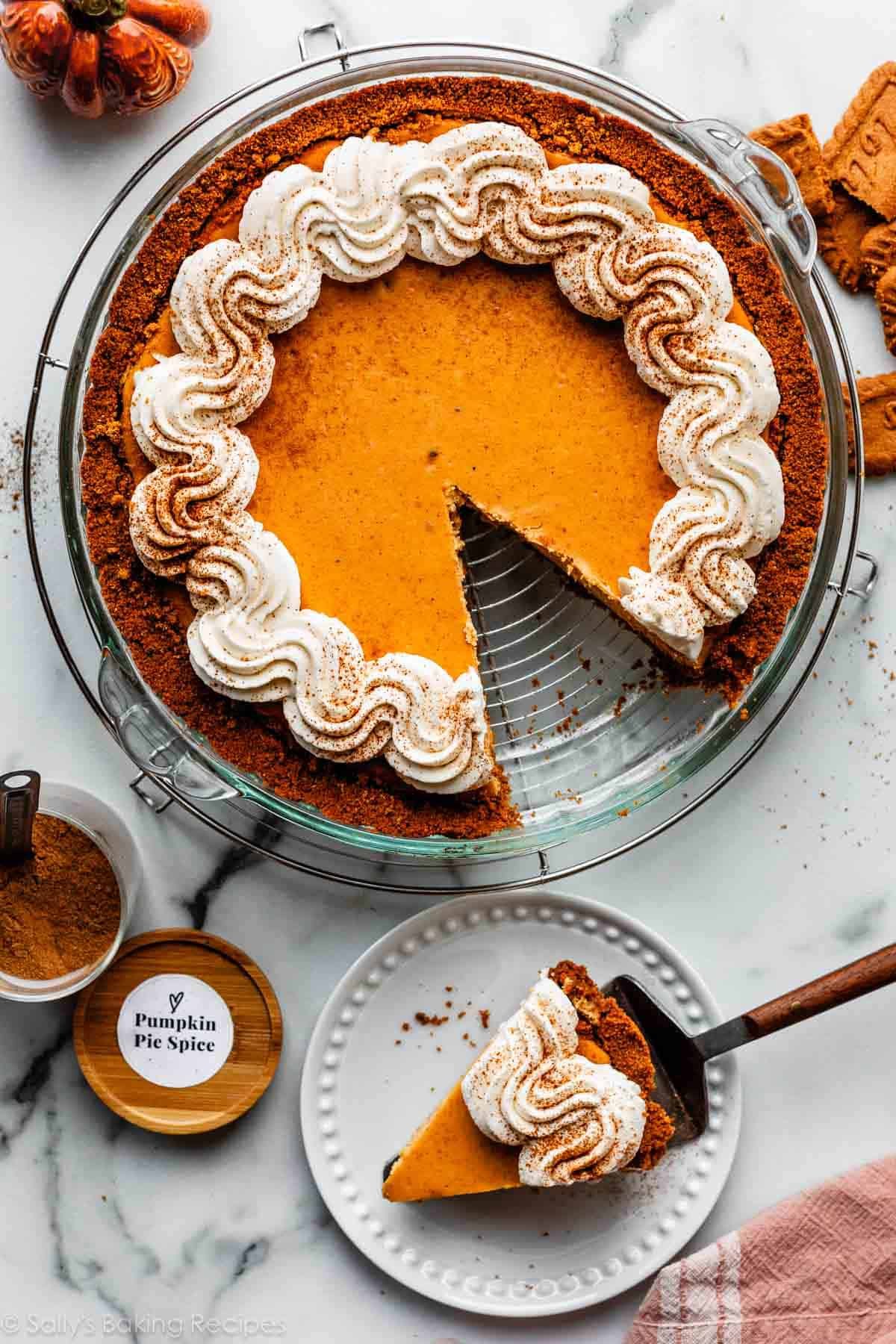
The Science of Preservation: How to Store Pumpkin Puree
The shelf life of pumpkin puree is surprisingly finite. Once the hermetic seal of a tin is broken or a fresh pumpkin is roasted and blended, the clock begins to tick. Understanding proper storage is the first line of defense against spoilage.

Refrigeration Best Practices
If you plan to use your remaining puree within the week, the refrigerator is your best option. However, never leave the puree in its original metal can. As the metal oxidizes, it can impart a metallic tang to the delicate vegetable fibers. Instead, transfer the remaining contents into a glass or high-quality BPA-free plastic container with a tight-sealing lid. If you lack a suitable container, a bowl covered tightly with professional-grade plastic wrap or aluminum foil will suffice. When stored at a consistent temperature of 40°F (4°C) or lower, pumpkin puree remains viable for approximately seven days.

The Freezer Advantage
For those who do not intend to bake immediately, the freezer is an ideal environment. Pumpkin puree can be safely stored in a frozen state for up to three months without significant degradation in quality. To maximize space and minimize freezer burn:
- The Flat-Pack Method: Spoon the puree into a freezer-safe zip-top bag, press out all excess air, and seal. By laying the bag flat, you create a thin, stackable sheet that thaws rapidly.
- The Portioning Method: Utilize ice cube trays to freeze the puree into individual, pre-measured portions. Once solid, transfer these "pumpkin cubes" into a heavy-duty freezer bag. This allows you to pull out exactly the amount needed for a morning smoothie or a small batch of muffins.
- Thawing Protocol: Always thaw frozen puree in the refrigerator overnight. If you notice a separation of liquid upon thawing, do not be alarmed; simply drain the excess water to restore the consistency required for your baking projects.
Mathematical Precision: The 15-Ounce Can Reality
A standard 15-ounce (425g) can of pumpkin contains slightly less than two full cups of product. Understanding this ratio is vital for recipe planning. Since one cup of puree weighs approximately 8 ounces (226g), a single can is often enough to fuel two smaller recipes if managed correctly.
If you find yourself slightly short on a recipe calling for a full cup, you can safely substitute the missing tablespoon or two with unsweetened applesauce or even a touch of Greek yogurt. These substitutes maintain the moisture content of the bake without compromising the structural integrity of the crumb.
Categorized Culinary Solutions: Recipes for Every Quantity
To help you navigate your surplus, we have categorized the most effective ways to utilize your puree based on the remaining volume.
High-Volume Usage: Recipes Requiring 1 to 1.5 Cups
When you have a significant amount of puree remaining, these recipes are designed to highlight the robust, earthy flavor of the pumpkin:
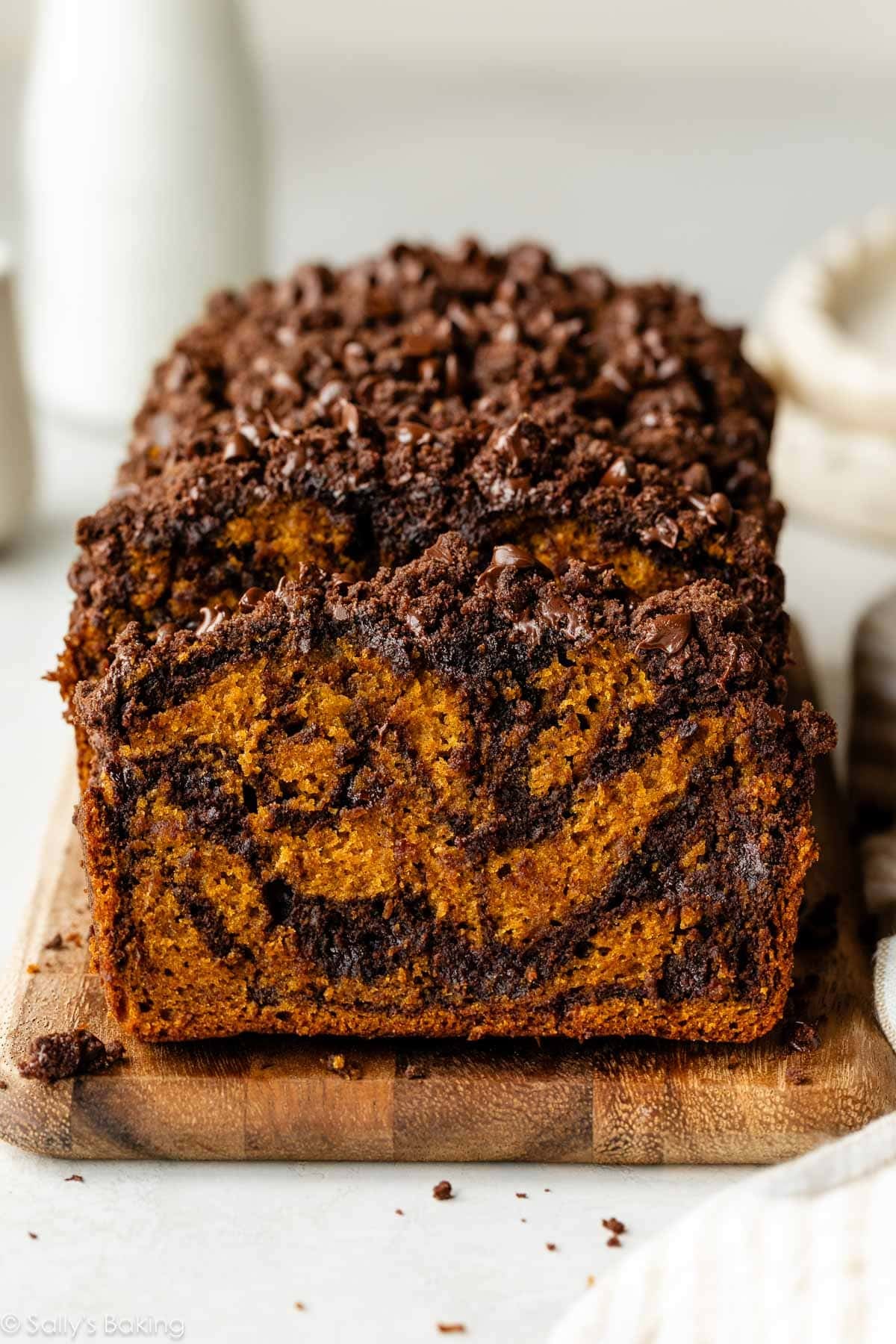
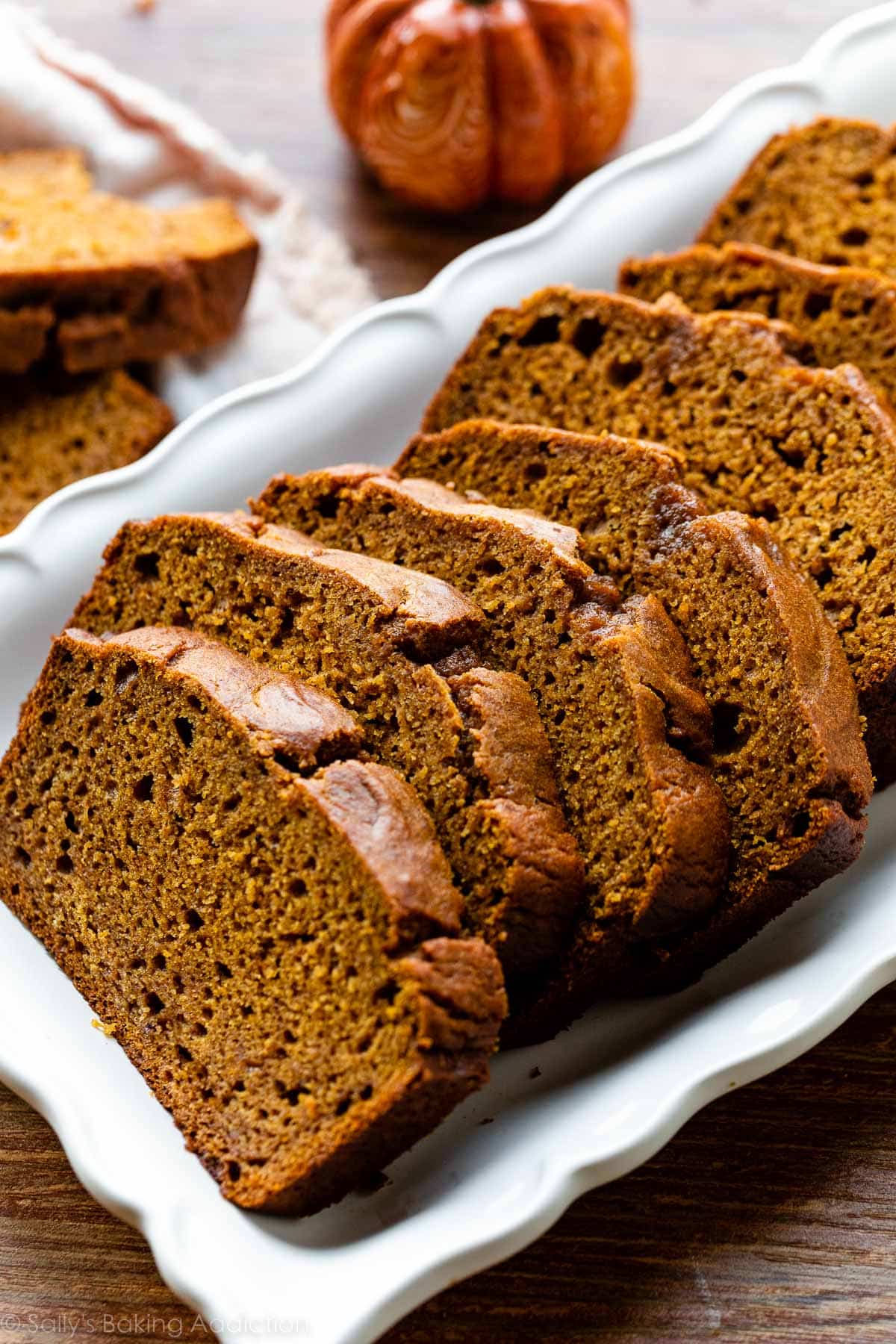
- Classic Pumpkin Bread: An undisputed staple that relies on 1.5 cups of puree. The result is a dense, moist loaf that serves as the perfect vessel for warm autumn spices.
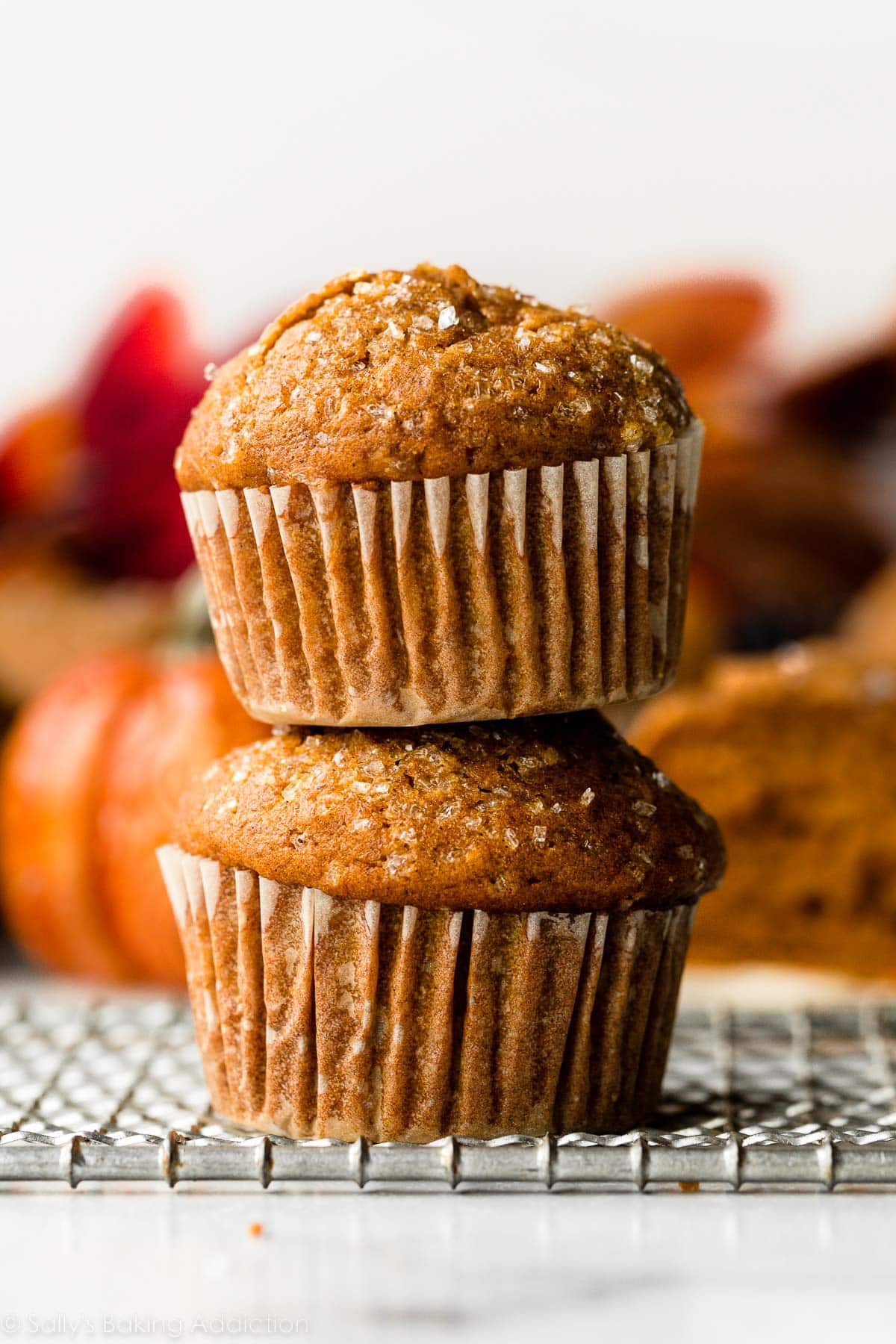
- Simply Pumpkin Muffins: A favorite for meal prepping, these use 1.5 cups and can be enhanced with chocolate chips or walnuts for added texture.
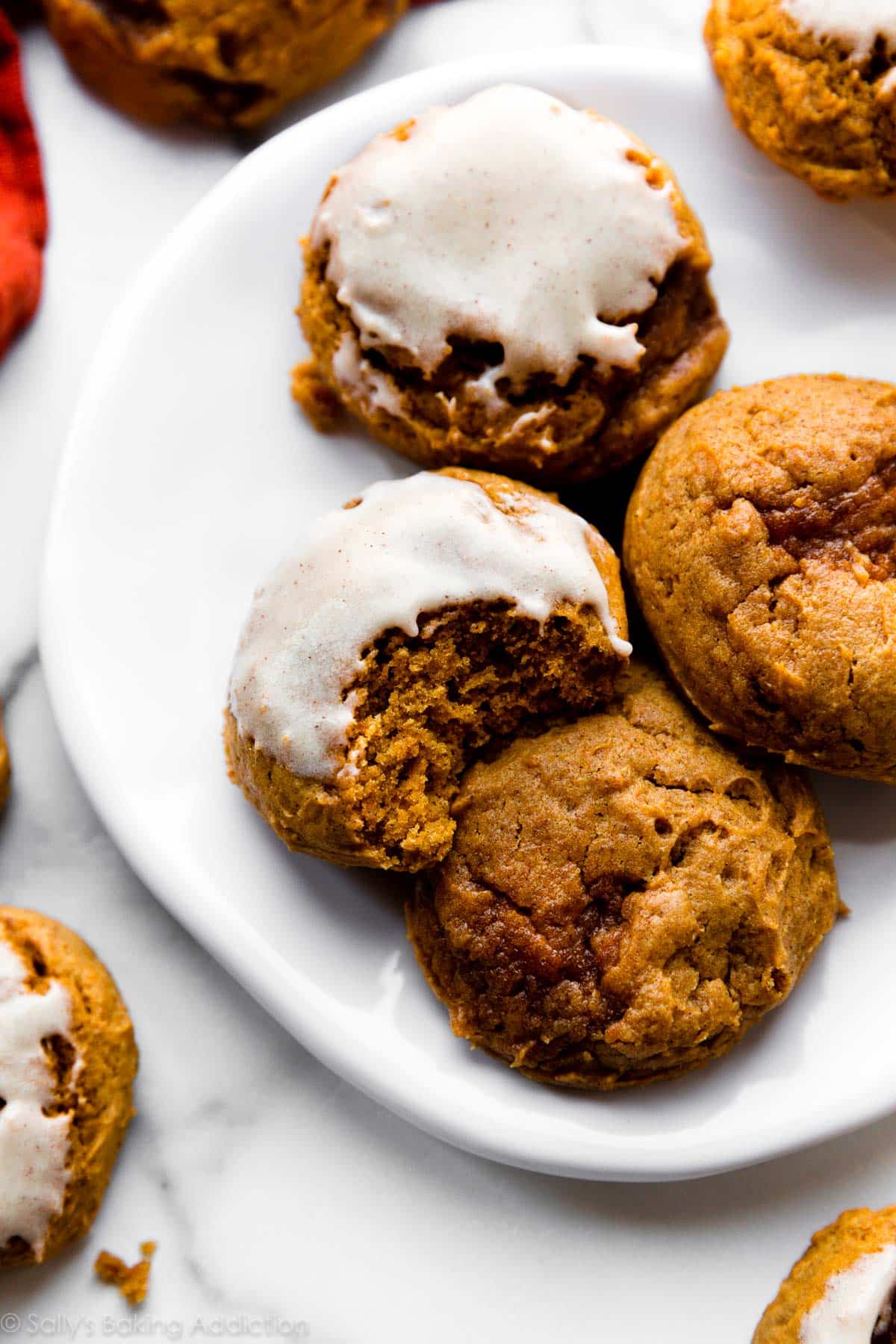
- Super Soft Pumpkin Cookies: These cake-like treats are a testament to the versatility of pumpkin, utilizing 1.5 cups to achieve their signature texture.
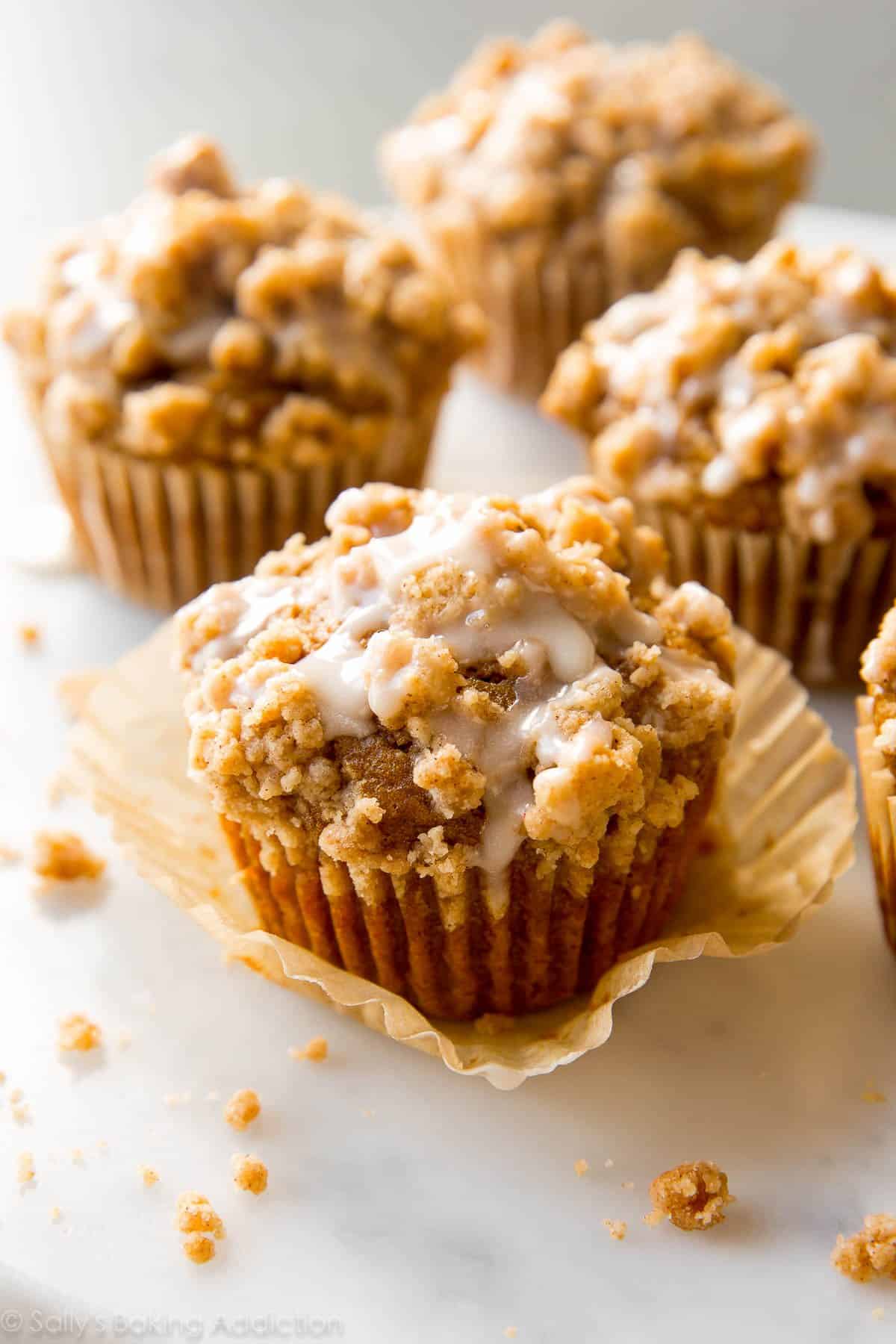
- Pumpkin Crumb Cake Muffins: A sophisticated option that balances the softness of the muffin with a crunchy, streusel-style topping.
Mid-Range Usage: Recipes Requiring 1 Cup
If your remaining portion is exactly one cup, the culinary possibilities remain vast:
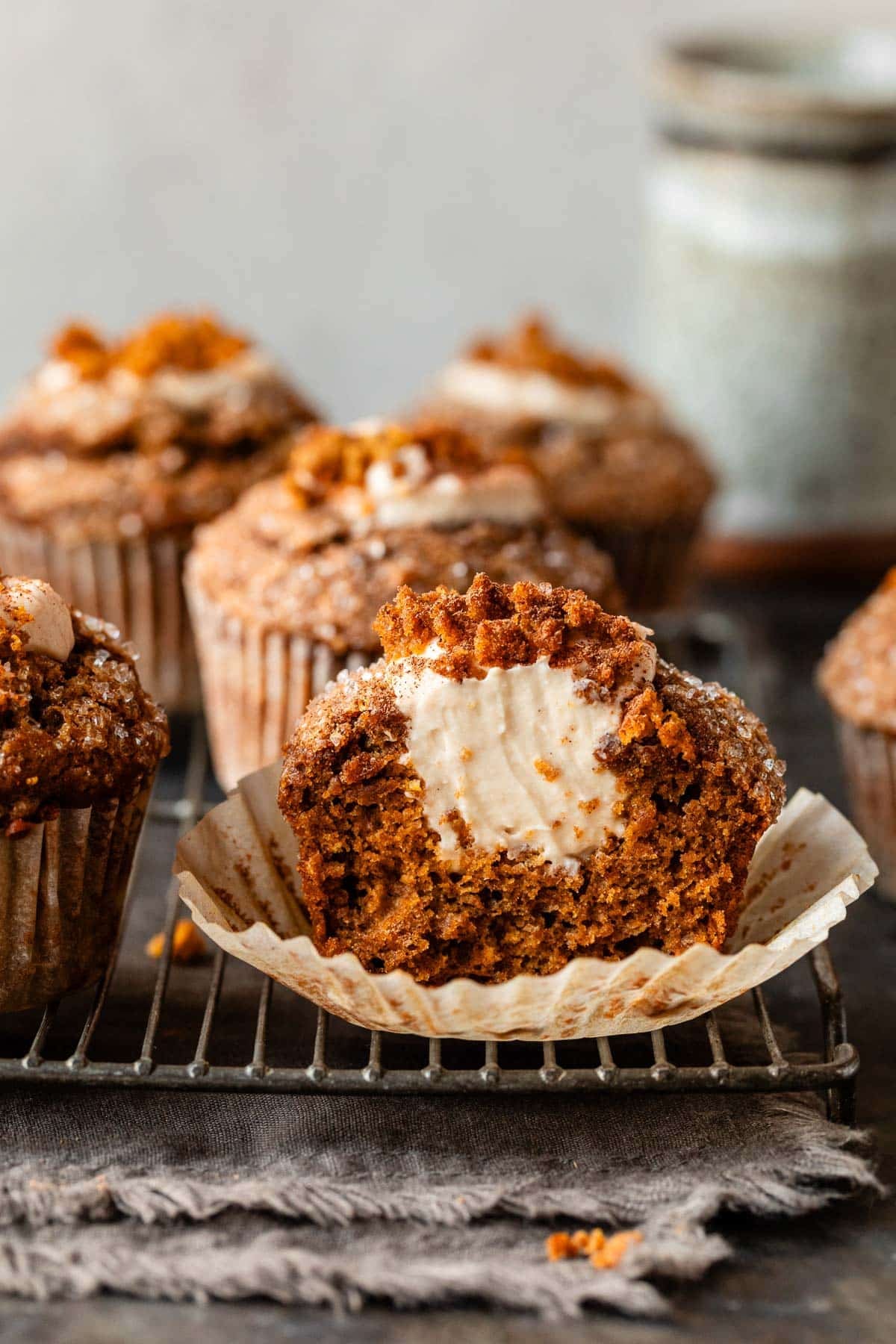
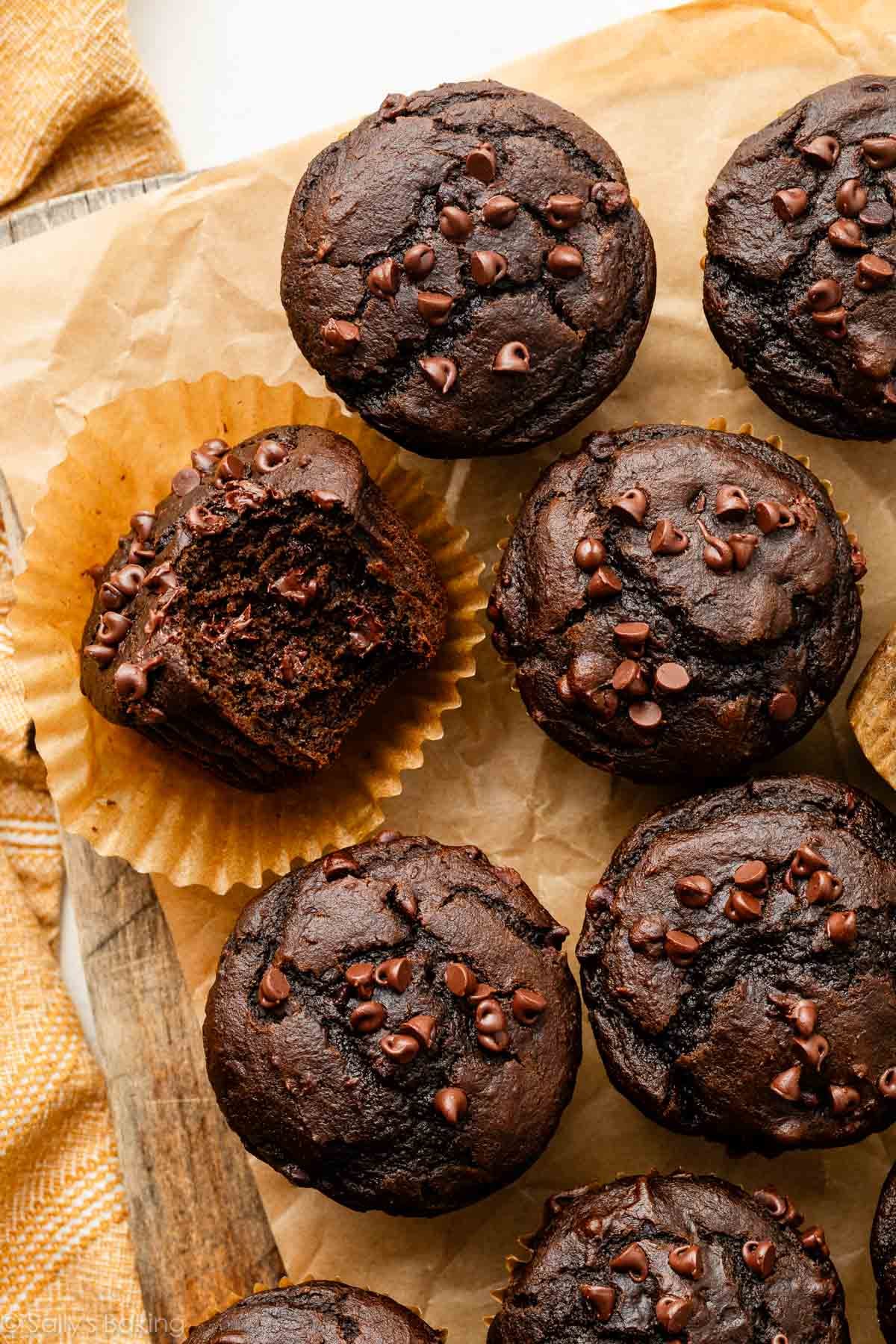
- Chocolate Pumpkin Muffins: For those who prefer a decadent approach, the pairing of cocoa and pumpkin spice is a masterclass in flavor contrast.
- Pumpkin French Toast Casserole: An ideal brunch dish that can be assembled the night before, allowing the bread to soak in the spiced pumpkin custard.
- Pumpkin Baked Oatmeal: A nutritious, fiber-rich breakfast option that is perfect for those who want to avoid refined sugars.
- Pumpkin Oatmeal Cream Pies: A nostalgic treat that replaces the traditional filling with a spiced cream cheese version.
Low-Volume Usage: When You Have Less Than 1/2 Cup
Even a few tablespoons can transform a recipe. For smaller amounts, consider:

- Pumpkin Sugar Cookies: A hybrid of a shortbread and a soft sugar cookie, requiring roughly 6 tablespoons.
- Homemade Pumpkin Coffee Creamer: By simmering a few tablespoons of puree with cream, sugar, and spices, you can recreate the iconic coffee shop experience at home for a fraction of the cost.
- Pumpkin Spice Truffles: A sophisticated way to use 1/3 cup, creating a decadent, melt-in-your-mouth confection.
Implications for the Home Baker: Beyond the Recipe
The act of managing leftover ingredients does more than just reduce waste—it encourages a more mindful approach to baking. When we look at our ingredients as resources rather than single-use items, we become better cooks.
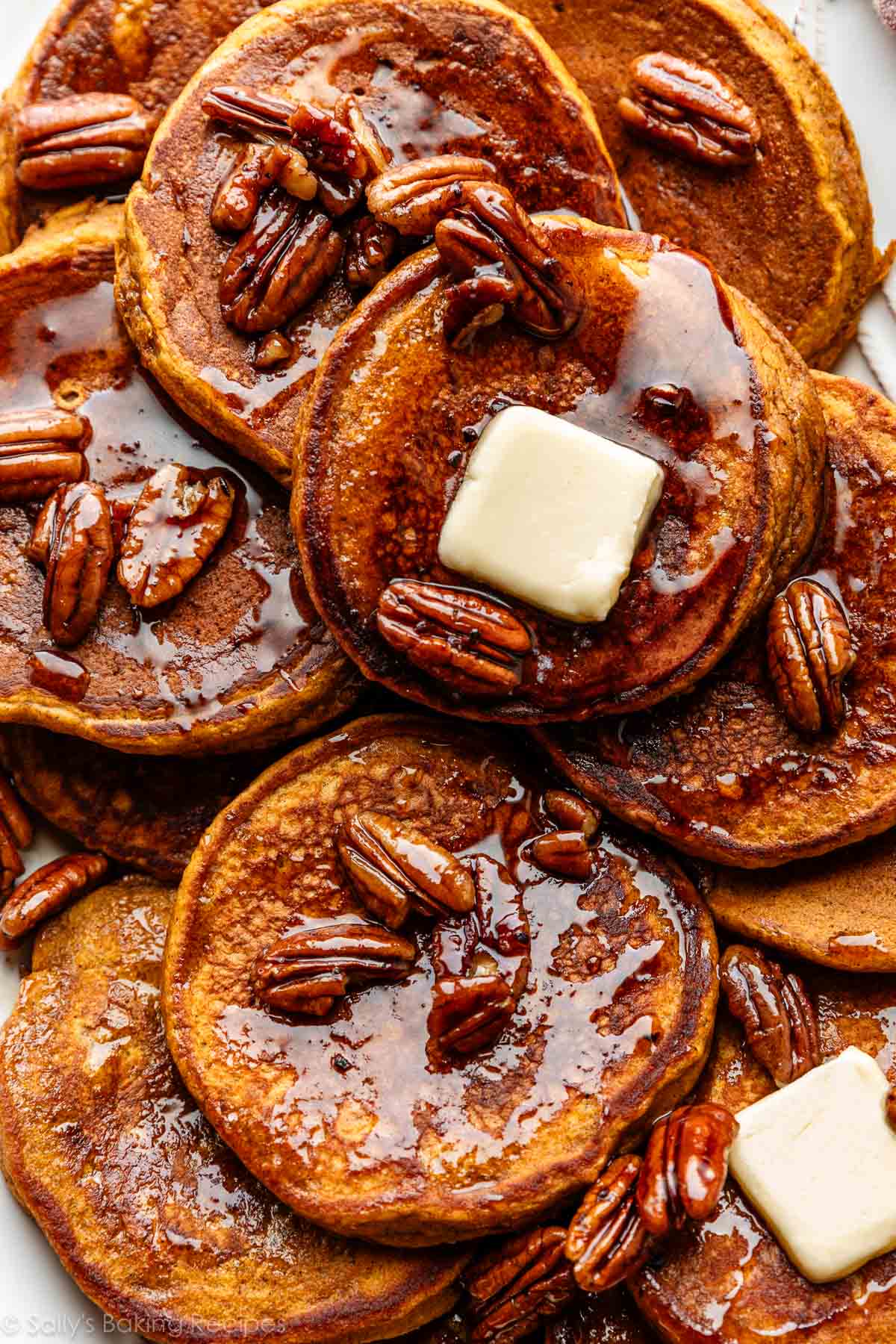
The integration of pumpkin into both savory and sweet dishes is an implication of its unique chemical composition. High in water and fiber, pumpkin acts as a natural fat-replacer in many baked goods, often allowing for lower-fat versions of high-calorie treats. This has led to a broader trend in home cooking: the "flex-baking" movement, where home bakers adjust their recipes based on what is available in their pantry, rather than strictly adhering to a rigid shopping list.
Official Guidance on Food Safety
While pumpkin is generally a shelf-stable canned good, the USDA and food safety experts emphasize that once the product is removed from its original packaging, it becomes a high-moisture, perishable food. It is susceptible to bacterial growth if left at room temperature for more than two hours. Always prioritize cleanliness: ensure your storage containers are sanitized and your freezer is maintained at or below 0°F (-18°C).

Conclusion: Embracing the Season
Whether you are whipping up a batch of pumpkin crumb cake or simply freezing a few cubes for a future smoothie, the key to success is preparation. By acknowledging the reality of leftover ingredients and having a plan in place, you can ensure that your kitchen remains a place of efficiency and creativity throughout the autumn months.

As you navigate the season, remember that the "leftover" is not a burden; it is an invitation to experiment. From savory chili to spiced truffles, the versatility of the humble pumpkin is only limited by your willingness to explore its many forms. Happy baking!
Quick-Reference Storage Summary
| Storage Method | Duration | Best Practice |
|---|---|---|
| Refrigerator | 7 Days | Transfer to airtight glass container |
| Freezer | 3 Months | Portion into bags or ice cube trays |
| Room Temp | Not Recommended | Discard after 2 hours |
Note: For those interested in perfecting their spice profiles, consider preparing your own homemade pumpkin pie spice blend. By combining cinnamon, ginger, cloves, and nutmeg, you gain total control over the intensity of your fall bakes, ensuring every recipe is tailored exactly to your palate.