In the modern kitchen, the challenge of balancing culinary quality with the constraints of a busy schedule is a universal dilemma. For many families, the evening meal is a centerpiece of connection, yet the time required to create a succulent, flavor-packed dish often proves prohibitive. Enter the rise of pressure cooking—a culinary method that has transformed from a niche technique into a household staple. Among the most popular iterations of this trend is the Instant Pot Garlic Butter Chicken, a dish that promises restaurant-quality tenderness and depth of flavor in a fraction of the traditional cooking time.
This guide explores the mechanics, the methodology, and the culinary implications of mastering this dish, providing a roadmap for those looking to elevate their weeknight dinner rotation with minimal effort and maximum reward.
The Anatomy of the Dish: Why It Works
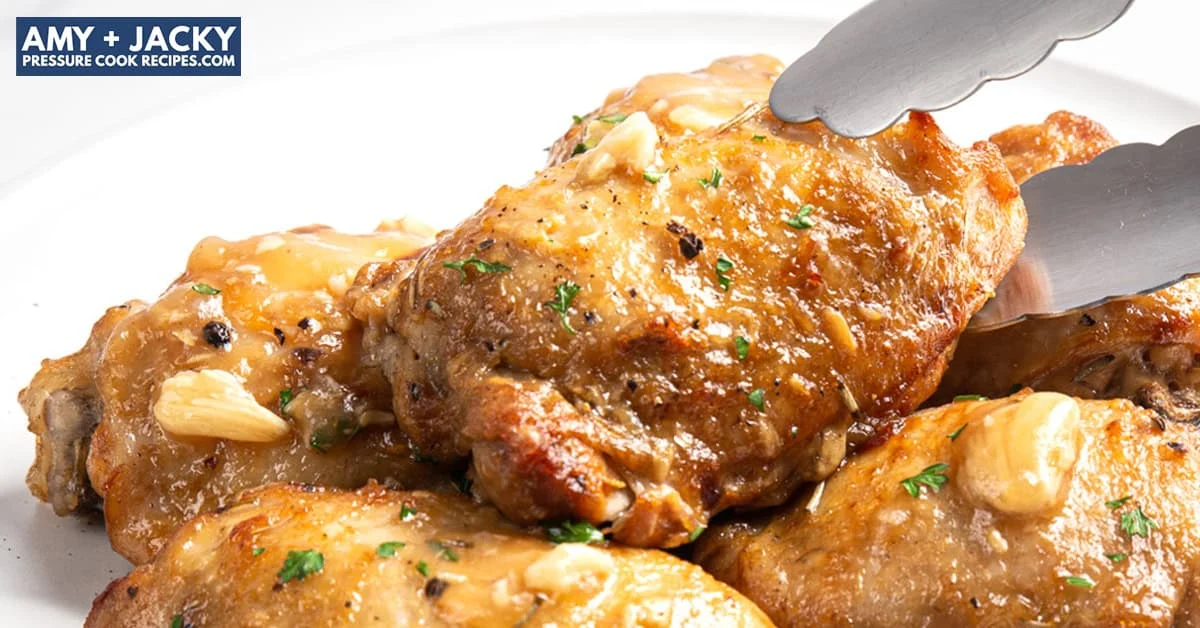
At its core, the Garlic Butter Chicken recipe is a study in simplicity. By utilizing a handful of pantry staples—primarily chicken thighs, high-quality butter, garlic, and savory aromatics—the dish achieves a balance of fat, umami, and aromatics.
The choice of chicken thighs or legs is not incidental; these cuts contain a higher fat content and connective tissue compared to breasts. When subjected to the high-pressure environment of an Instant Pot, this connective tissue breaks down into gelatin, resulting in a succulent, "fall-off-the-bone" texture that is nearly impossible to replicate with dry-heat methods on a stovetop. The butter serves as an emulsifying agent for the sauce, providing a luxurious mouthfeel that coats the protein, while the garlic—when properly sautéed—infuses the base with a savory, pungent foundation.
Chronology of Preparation: A Step-by-Step Culinary Workflow
Achieving the perfect outcome requires a disciplined approach to the Instant Pot’s unique functions. The process can be broken down into five distinct phases, each critical to the final texture and flavor profile of the meal.
Phase 1: The Sauté Foundation
The process begins with the "Sauté" function. It is essential to allow the device to reach its optimal heat—often indicated by the "HOT" display—before introducing ingredients. Adding unsalted butter, crushed garlic, and a pinch of dried rosemary at this stage allows for the blooming of aromatics. This brief 45-to-60-second window is the most vital for flavor development; it ensures the garlic is fragrant but not burnt, which would otherwise introduce a bitter profile to the final sauce.
Phase 2: Deglazing and Flavor Integration
Deglazing is a fundamental culinary technique often overlooked by home cooks. After sautéing, the bottom of the inner pot may have accumulated brown bits (the fond). By adding three-quarters of a cup of unsalted chicken stock and scraping the bottom with a wooden utensil, the cook incorporates these concentrated flavors into the base of the liquid. This ensures that the final sauce has depth and complexity rather than tasting one-dimensional.
Phase 3: The Pressure Cycle
Once the base is set, the chicken is arranged skin-side up. The addition of soy sauce and a touch of fine table salt balances the richness of the butter. Sealing the lid and setting the device to "High Pressure" for five minutes is the standard, followed by a mandatory 10-minute "Natural Release." This waiting period is not optional; it allows the muscle fibers of the chicken to relax and reabsorb the cooking juices, ensuring that the moisture remains locked inside the meat rather than evaporating upon cutting.
Phase 4: Emulsifying the Gravy
After the pressure is released and the lid is removed, the remaining liquid is a flavorful but thin stock. To transform this into a cohesive, velvety glaze, a cornstarch slurry is introduced. By mixing 2.5 tablespoons of cornstarch with 3 tablespoons of cold water and stirring it into the sauce under the "Sauté" setting, the cook creates a glossy, thick gravy that clings to the chicken.
Phase 5: The Finishing Crisp
While the pressure-cooked chicken is inherently delicious, the skin can sometimes lack the textural contrast desired by discerning palates. To remedy this, the chicken can be placed under an oven broiler or finished using an Air Fryer lid. This optional step caramelizes the butter and crisps the skin, bridging the gap between "home-cooked" and "gourmet."

Supporting Data: Nutritional and Dietary Considerations
For those managing specific health goals, understanding the profile of this dish is helpful. A standard serving (based on a 4-serving yield) provides approximately 341 calories. With 23 grams of protein and 25 grams of fat, it is a macronutrient-dense meal suitable for low-carbohydrate or ketogenic dietary frameworks.
Nutritional Breakdown (Per Serving):
- Protein: 23g
- Total Fat: 25g (Saturated Fat: 7g)
- Carbohydrates: 6g
- Sodium: 173mg
- Cholesterol: 137mg
The low sodium count is particularly noteworthy, as it is achieved through the use of unsalted butter and stock, allowing the home cook to regulate the seasoning according to individual dietary needs or preferences.
Expert Perspectives on Ingredient Selection
Culinary professionals often emphasize the importance of ingredient quality in simple dishes. Because the ingredient list for this recipe is short, the quality of the chicken stock and the butter is paramount.
Using unsalted chicken stock is a standard professional recommendation. It provides a neutral canvas, allowing the cook to control the exact level of salinity. When using salted stock, the final reduction—where the sauce is thickened—can quickly become overly salty as the liquid evaporates and the flavors concentrate. Similarly, the choice of soy sauce can significantly impact the dish. Different brands vary wildly in their sodium content and fermentation profiles. Experts suggest tasting the sauce before the final thickening stage to determine if an adjustment is necessary.
Implications for the Future of Home Cooking
The popularity of recipes like the Instant Pot Garlic Butter Chicken reflects a broader shift in domestic life. As households face increasing time pressures, the "slow food" movement has evolved into "fast, intentional food." The ability to produce a high-quality, protein-rich dinner in under 40 minutes—from prep to table—democratizes fine dining, making it accessible to those who may have previously relied on processed convenience foods.
Furthermore, this method of cooking promotes a reduction in food waste. By utilizing the pressure cooker to render down tougher cuts of meat and create rich, emulsified sauces from scratch, cooks can rely on pantry staples rather than expensive, specialized ingredients.
Conclusion: A New Standard for Weeknight Success
The Instant Pot Garlic Butter Chicken is more than just a quick dinner solution; it is a masterclass in efficiency and flavor. By understanding the chemistry behind the pressure release, the importance of deglazing, and the role of emulsification in sauce making, the home cook is empowered to take control of their kitchen. Whether you are a novice looking to gain confidence with your pressure cooker or a seasoned pro seeking a reliable, high-reward recipe, this dish serves as a reminder that with the right technique, the simplest ingredients can result in the most memorable meals.
As you incorporate this recipe into your weekly rotation, remember that the beauty of the dish lies in its versatility. Once the foundational method is mastered, the potential for customization—from adding fresh herbs like thyme and parsley to incorporating aromatics like shallots or lemon zest—is limited only by your imagination. Happy cooking.