For decades, the gluten-free baking community has been plagued by the "gummy" reputation of wheat-free pastries. Many home bakers have grown accustomed to dense, heavy, or crumbling results that rarely live up to the nostalgic memory of traditional wheat-based treats. However, a new approach to the classic banana muffin—pioneered by culinary expert Nicole Hunn of Gluten Free on a Shoestring—is challenging these long-held assumptions. By utilizing a specific high-heat, high-volume technique, bakers can now produce tall, golden, and incredibly fluffy muffins that maintain their structural integrity without sacrificing the deep, nuanced flavor of ripe fruit.
Main Facts: The Anatomy of a Successful Muffin
The secret to this recipe’s success lies in the deliberate manipulation of moisture and heat. Standard gluten-free recipes often fail because they treat bananas as a singular mass, incorporating them too early into the mixing process. This approach releases excess water, which, when combined with gluten-free flours that lack the elastic properties of wheat, creates a dense, leaden crumb.
This updated method calls for nearly two full cups of mashed ripe bananas, a significant volume that would usually compromise the structure of a gluten-free muffin. The solution is a strategic, late-stage incorporation. By folding the fruit into the batter only after the other components have begun to bond, the recipe retains the flavor profile of the banana while preventing the moisture from turning the crumb into a gelatinous texture.
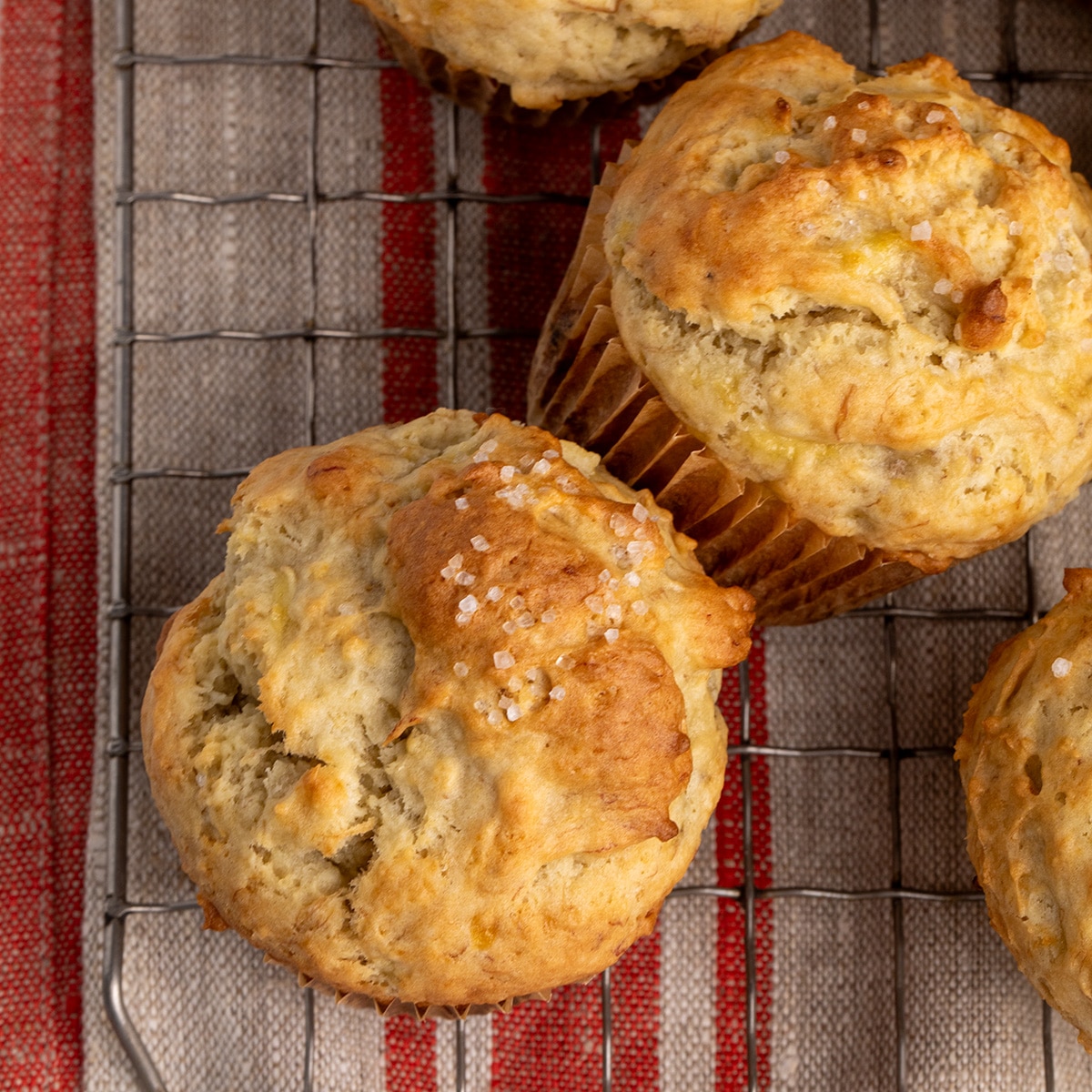
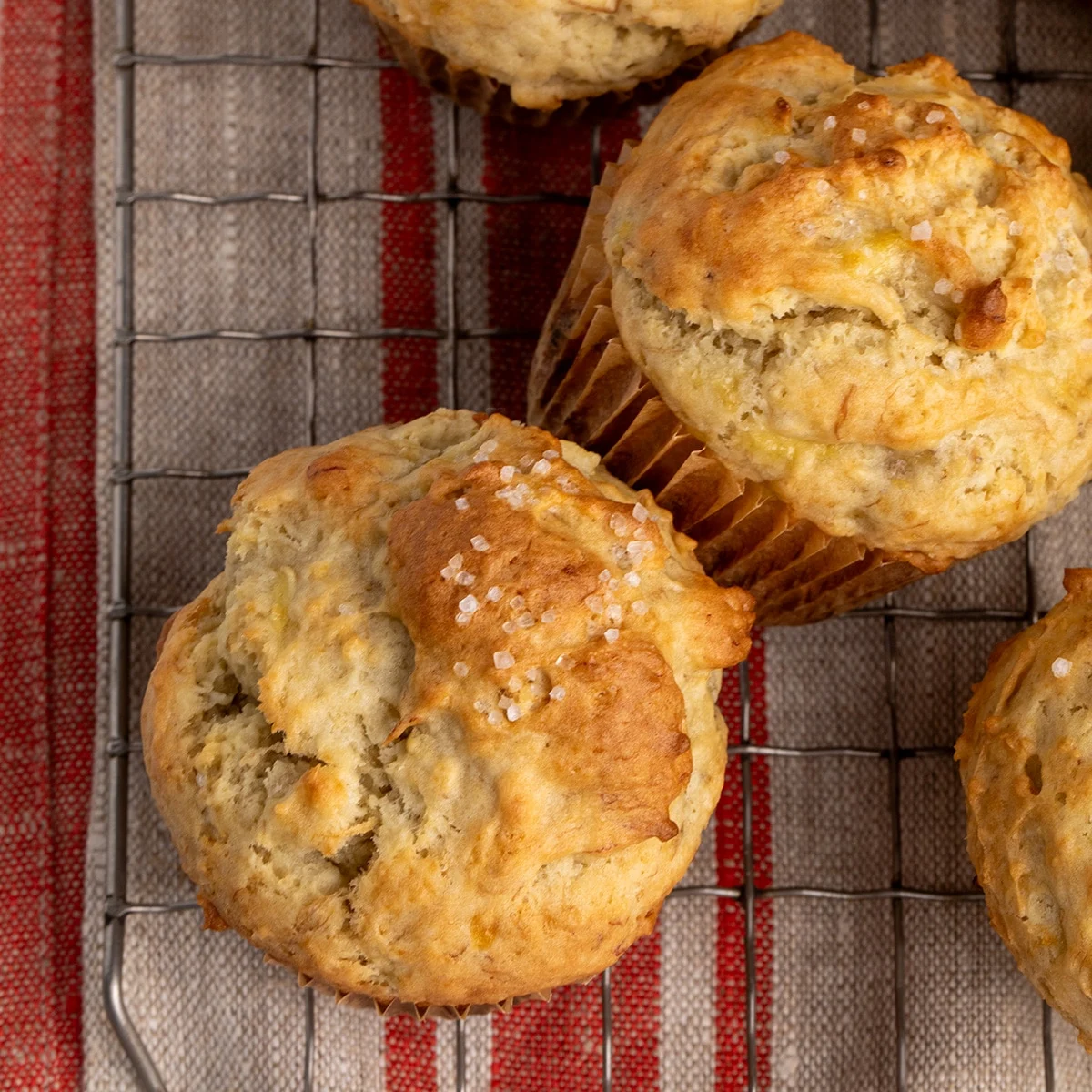
Furthermore, the recipe utilizes a dual-temperature baking cycle. By initiating the bake at a robust 425°F (218°C) for the first five minutes, the batter experiences a rapid "oven spring." This quick burst of heat forces the carbon dioxide released by the baking powder to expand instantly, lifting the batter upward before the crust sets. Reducing the temperature to 350°F (177°C) for the remainder of the process ensures the center cooks through without the exterior charring, resulting in the iconic "bakery-style" domed top.
Chronology: The Step-by-Step Baking Process
Achieving professional-grade results at home requires a disciplined approach to the sequence of operations. The following chronology outlines how to construct these muffins for optimal texture:
- Preparation of Dry Ingredients: The foundation begins in a large mixing bowl. The gluten-free flour blend—ideally one balanced with xanthan gum—is whisked thoroughly with sugar, baking powder, baking soda, and salt. This step is critical; it ensures the leavening agents are evenly distributed, preventing "clumpy" pockets in the finished product.
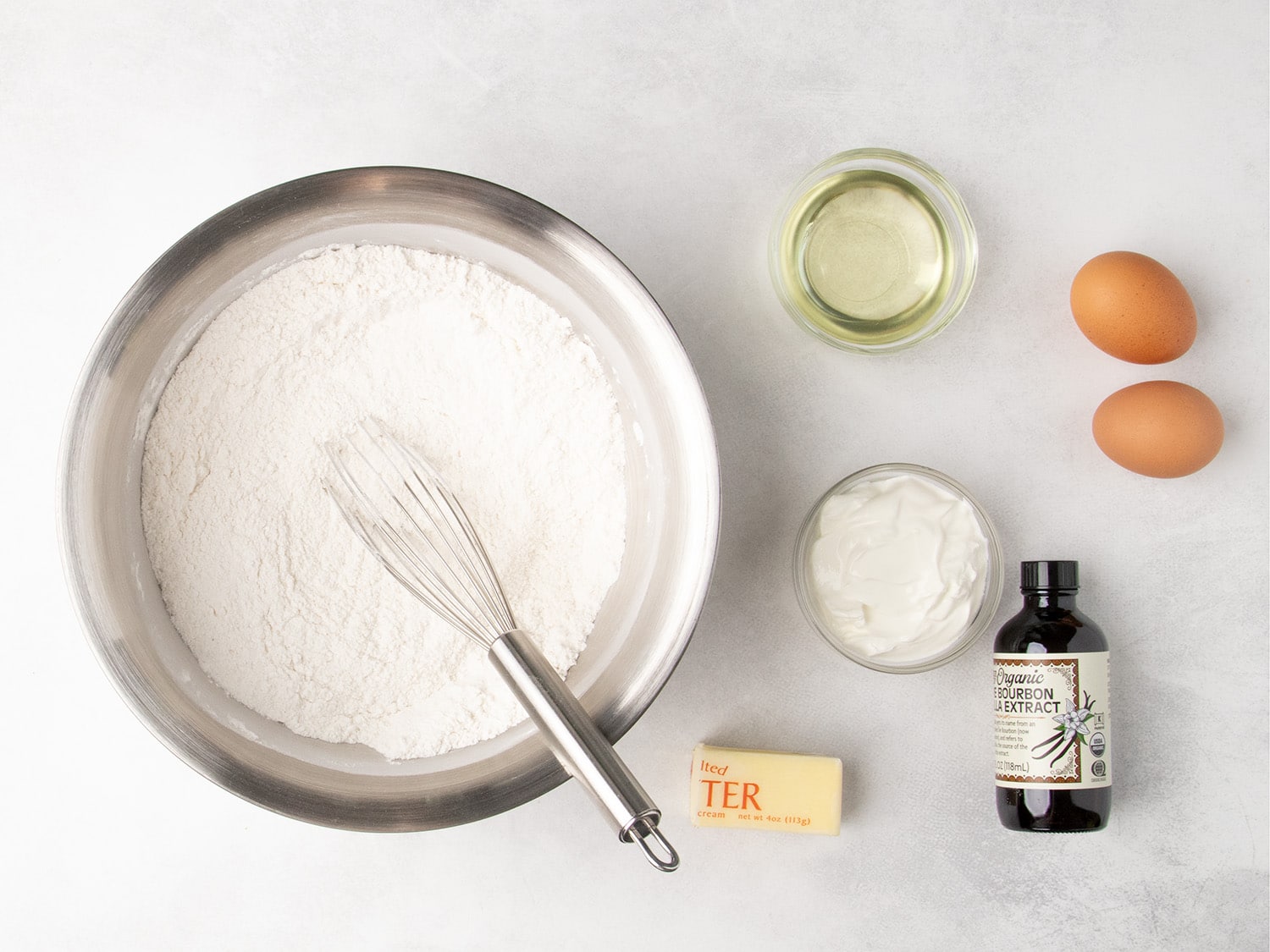
- The Integrated Wet Method: Rather than creating a separate mess of bowls, the recipe employs an efficient, centralized technique. A well is created in the dry ingredients, into which melted butter, oil, eggs, sour cream, and vanilla are poured. The wet components are mixed in the center before being slowly integrated into the surrounding flour.
- The Banana Fold: This is the most crucial juncture. The mashed bananas are folded into the thick, partially combined mixture. The batter will visibly loosen at this point. Careful handling is required here; over-mixing will release too much fruit liquid, while under-mixing will lead to uneven baking.
- The Expansion Phase: To maximize height, the batter is portioned into muffin liners. For those seeking the tallest possible domes, filling every other well in a standard 12-cup tin is recommended. This allows for superior air circulation and prevents the muffins from "growing into" one another, which can impede their rise.
- Thermal Cycling: The muffins enter a 425°F oven for five minutes to force the dome. The temperature is then reduced to 350°F for approximately 15 minutes.
- The Cooling Interval: Once removed, the muffins must be cooled in the tin for no more than five minutes. Leaving them longer traps steam within the liner, which can lead to a chewy or soggy base—a common pitfall in amateur baking.
Supporting Data: Ingredients and Nutritional Profile
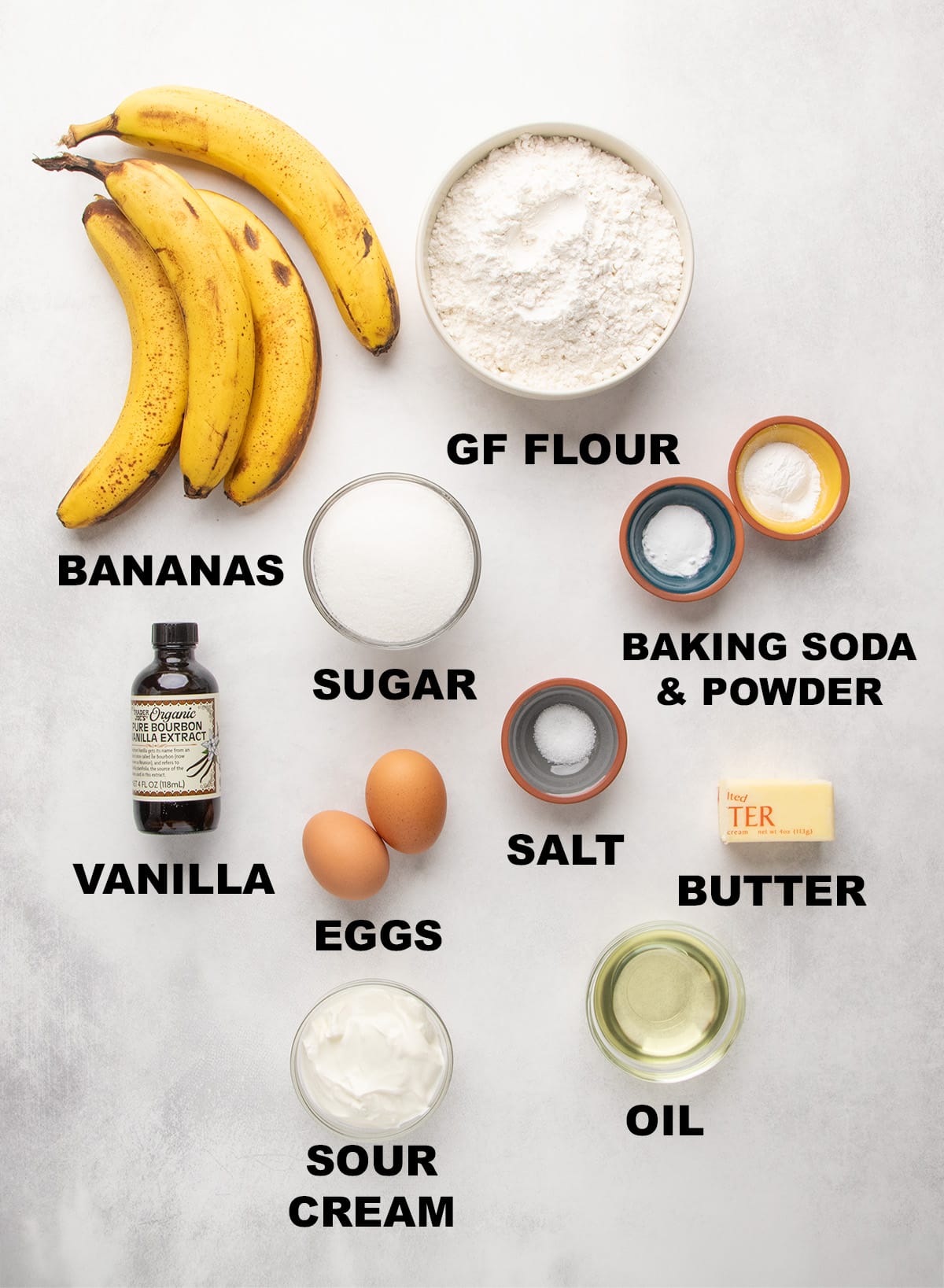
The efficacy of this recipe is supported by a precise balance of fats and leavening agents. The combination of melted butter and oil is not merely for flavor; it serves a functional purpose. Butter provides the rich, creamy taste expected of a high-quality muffin, while the oil ensures the crumb remains moist even after the muffins have cooled to room temperature.
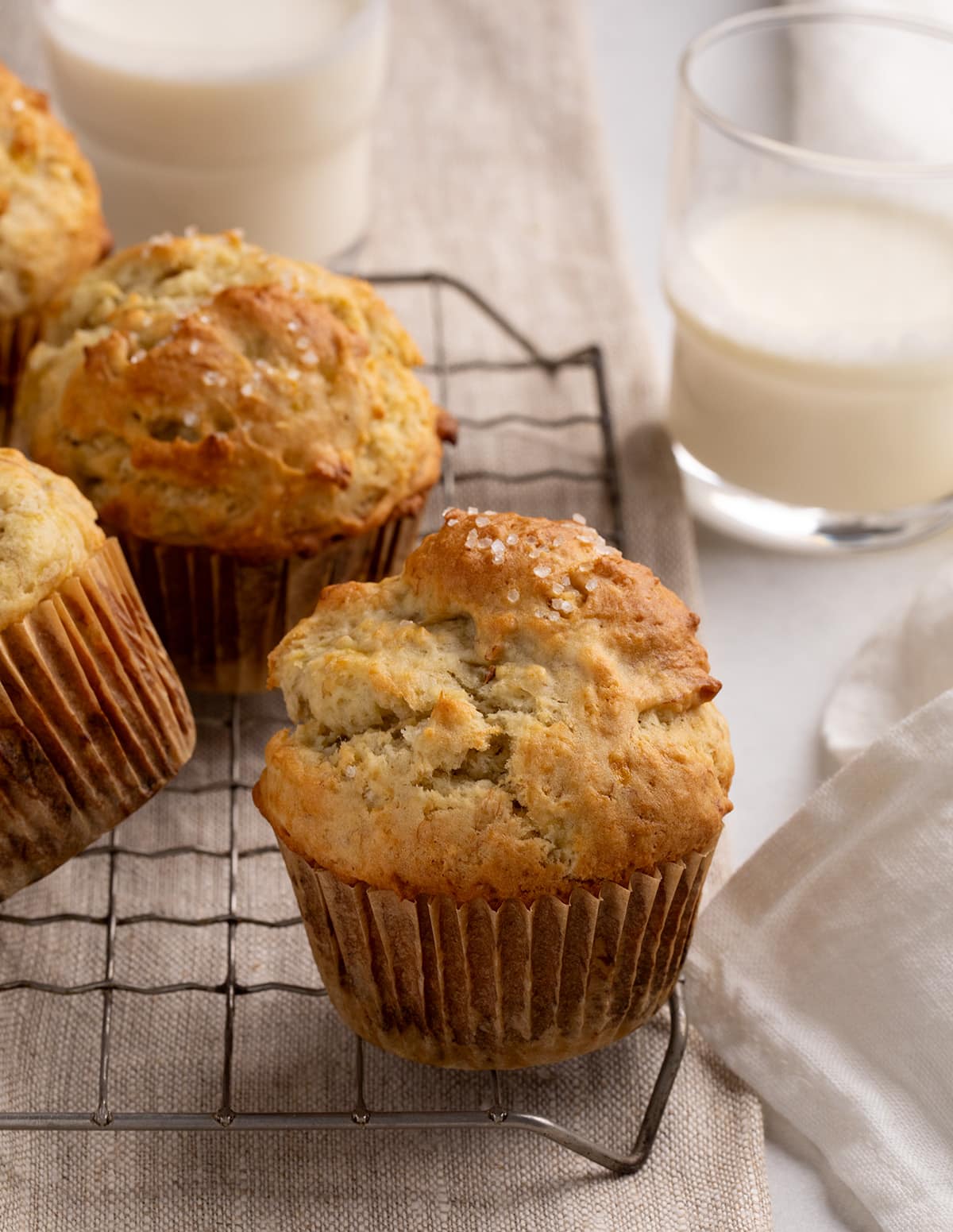
The inclusion of sour cream adds acidity, which reacts with the baking soda to further enhance the rise, while simultaneously providing a subtle tang that balances the intense sweetness of the ripe bananas.
Nutritional Breakdown (per muffin):
- Calories: 234 kcal
- Carbohydrates: 37g
- Protein: 2g
- Total Fat: 8g
- Sugar: 16g
- Fiber: 2g
- Sodium: 190mg
Note: These values are approximations based on standard ingredients and may vary depending on the specific brand of gluten-free flour blend used.
Expert Tips for Consistent Success
Even with a perfect recipe, environmental variables can impact the outcome. To ensure consistency, experts offer the following guidance:
- Flour Selection: Not all gluten-free flours are created equal. Using a high-quality blend—such as Better Batter (original) or Bob’s Red Mill 1-to-1—is essential. If the chosen blend does not contain xanthan gum, it must be added manually to provide the structure that gluten usually supplies.
- The "Frozen Banana" Factor: When using frozen bananas, they must be fully thawed. The liquid released during the thawing process is vital to the hydration of the flour. If this liquid is discarded, the resulting muffin will be dry and brittle.
- Customization: The base recipe is highly versatile. Adding up to a half-cup of chocolate chips or chopped nuts (walnuts or pecans) is a popular modification. For those desiring a warmer flavor profile, one teaspoon of ground cinnamon can be whisked into the dry ingredients.
Implications: The Future of Gluten-Free Pastry
The broader implication of this recipe is the demystification of gluten-free baking. For years, the industry relied on expensive, highly processed additives and "alternative" flours that often lacked the taste profile of traditional wheat products. By focusing on fundamental culinary techniques—such as temperature management and the sequence of mixing—home bakers are finding that they do not need specialized equipment to create professional results.
Furthermore, the emphasis on "no-waste" practices, such as using overripe bananas that would otherwise be discarded, aligns with a growing movement toward sustainable home economics. By elevating these simple ingredients, the gluten-free community is proving that dietary restrictions do not necessitate a compromise on quality.
Troubleshooting Common Issues
Despite the clear instructions, some bakers may encounter challenges. If muffins appear to have sunk upon cooling, this is almost universally an indicator of underbaking. A muffin may appear golden on the outside but remain raw in the center, causing it to collapse as it cools. The use of an oven thermometer is highly recommended, as many home ovens run hotter or cooler than the digital dial indicates.
If a baker desires a smaller format, this recipe scales well to mini-muffins. When using a 24-cup mini tin, the bake time should be reduced significantly, with the process completed entirely at 350°F. Checking for doneness after 15 minutes is the standard, with the "spring back" test—where the center of the muffin should feel firm and elastic to the touch—serving as the most reliable metric for completion.
Ultimately, these banana muffins represent a significant step forward in the evolution of gluten-free baking. They provide a blueprint for a reliable, delicious, and structurally sound pastry, proving that with the right technique, the gap between "gluten-free" and "traditional" can finally be bridged.