In an era where time is as precious as the ingredients we use, the pursuit of a meal that is both gourmet in flavor and accessible in cost has become the holy grail of the home cook. Enter the "Bruschetta Chicken"—a masterclass in efficiency that transforms humble pantry staples into a restaurant-quality centerpiece. By prioritizing seasonal produce and clever knife work, this dish manages to deliver a sophisticated, Italian-inspired dinner for just $1.48 per serving, proving that culinary excellence does not require a hefty budget or hours spent over a hot stove.
The Anatomy of a Modern Weeknight Staple
The Bruschetta Chicken recipe is more than just a quick fix; it is a strategic approach to modern meal preparation. Developed in the rigorous environment of the Nashville Test Kitchen, this dish was designed to solve the perennial problem of "what’s for dinner" during the sweltering heat of summer.
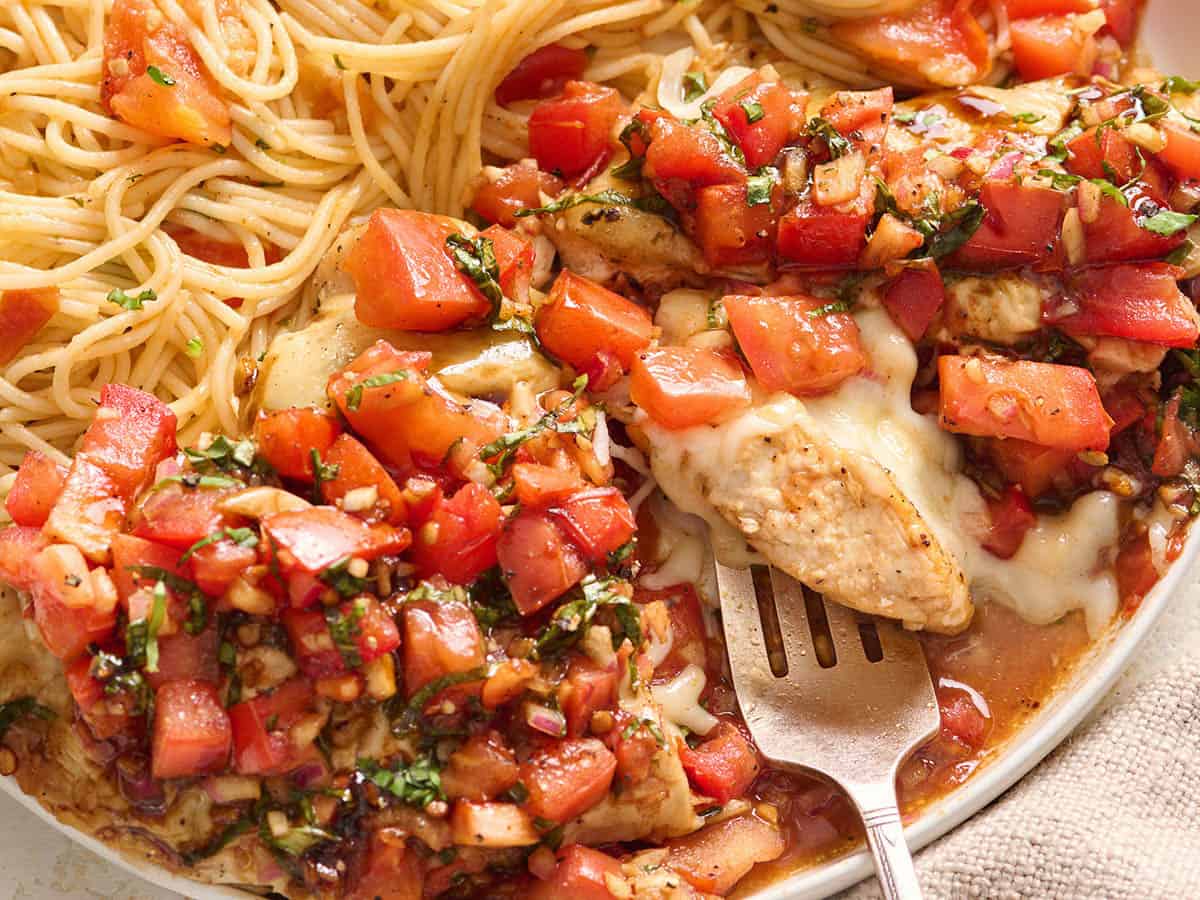
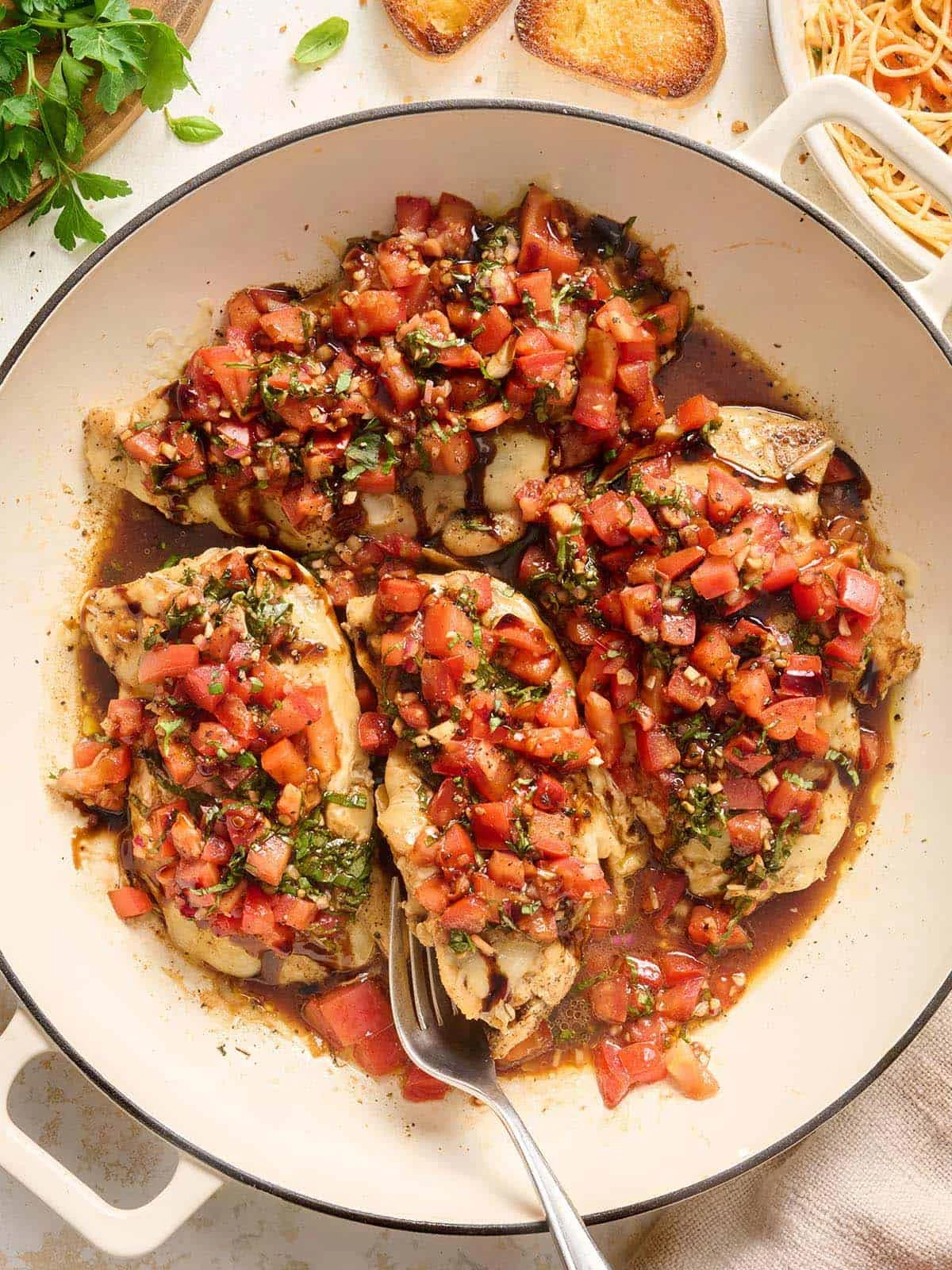
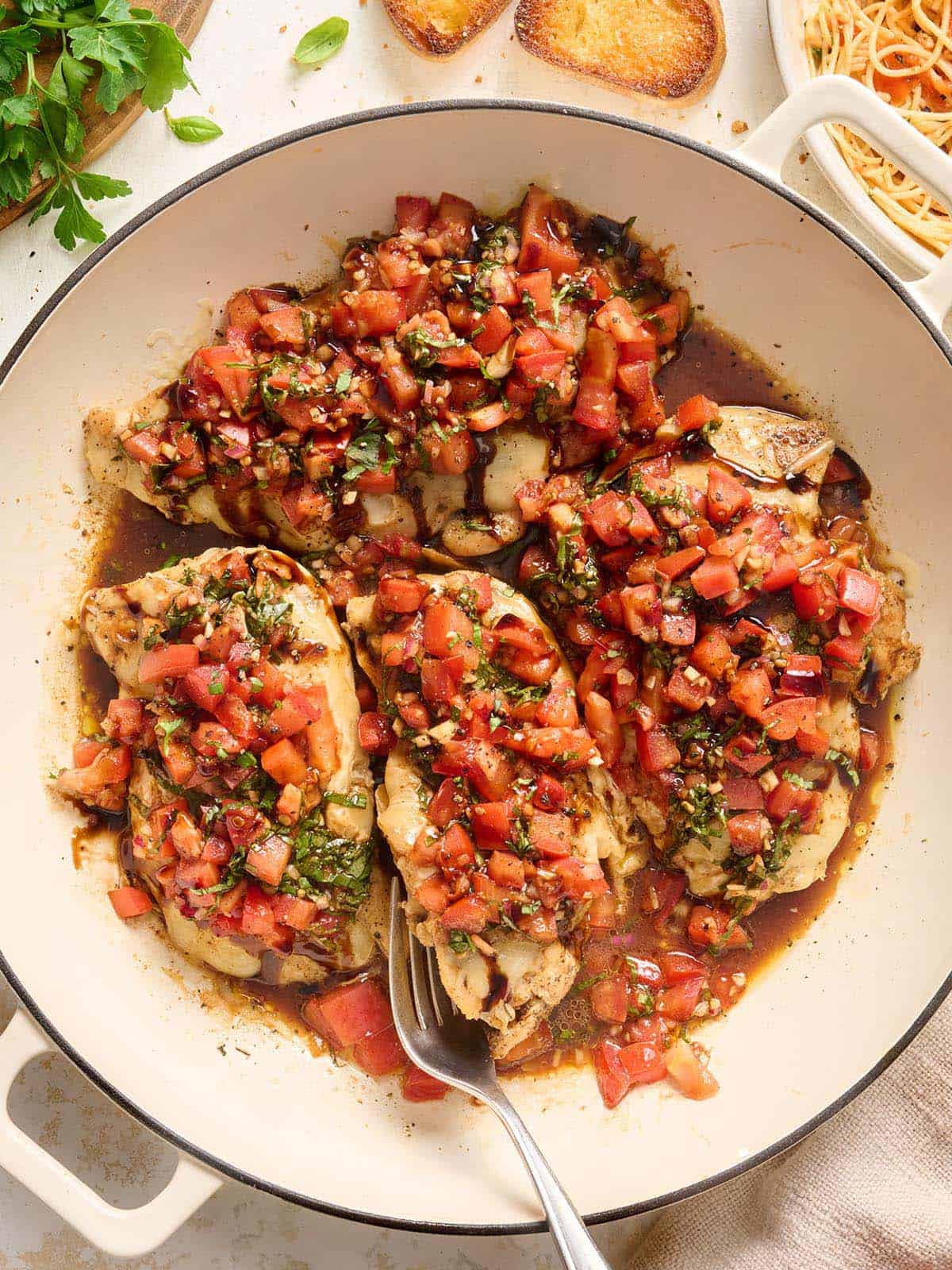
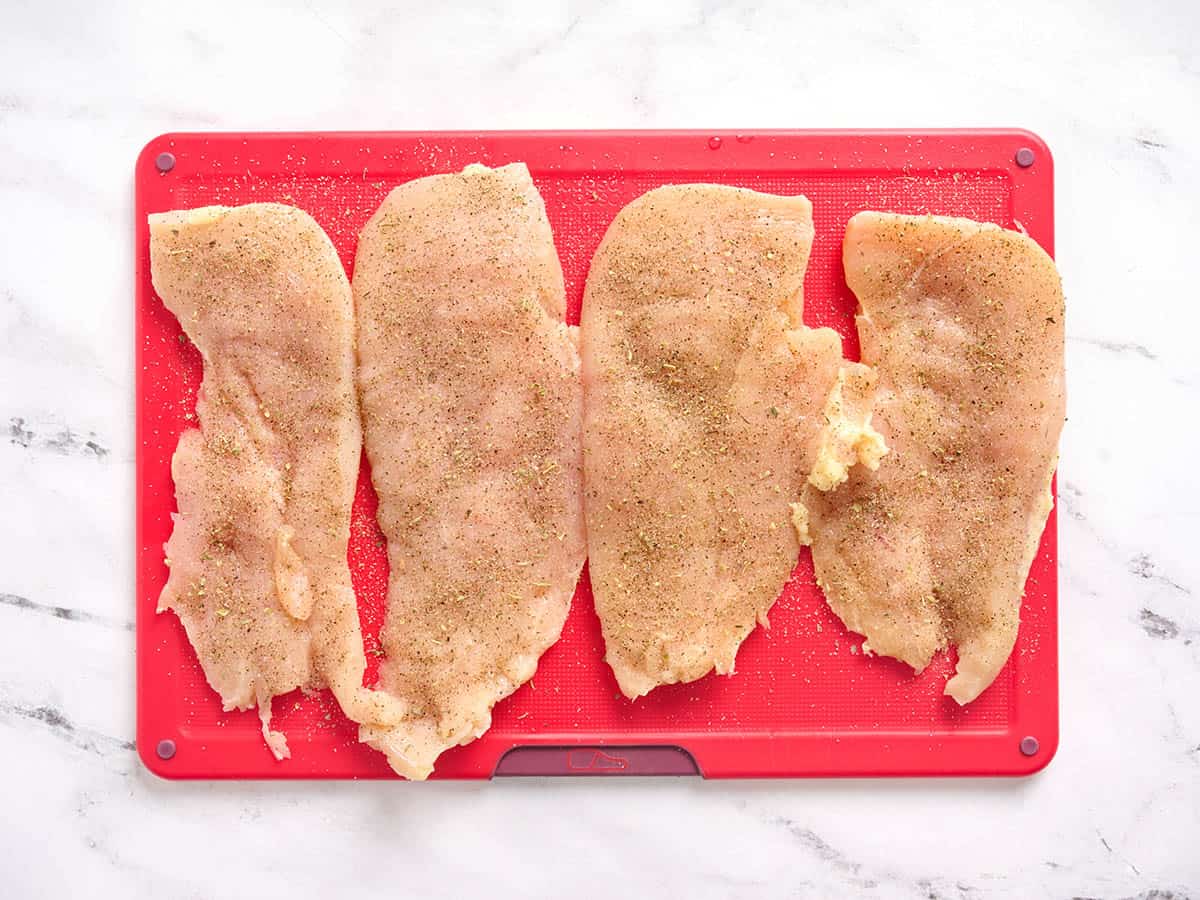
At its core, the dish features juicy, pan-seared chicken breast elevated by a vibrant, garlicky tomato-basil topping and a crown of melted mozzarella. The brilliance of the design lies in its simplicity. By slicing two standard chicken breasts horizontally into four thinner cutlets, the cooking time is drastically reduced. This technique not only ensures the meat remains succulent—avoiding the dreaded dryness that often plagues thicker cuts—but also maximizes the surface area for seasoning and browning.
The flavor profile draws clear inspiration from classic chicken Parmesan, yet it eschews the heavy, time-consuming breading process. Instead, the focus is on the freshness of the topping, which requires no cooking, allowing the natural sweetness of the tomatoes and the sharp, aromatic bite of fresh basil to take center stage.
A Chronology of the 25-Minute Preparation
To achieve the 25-minute turnaround, the recipe relies on a highly efficient, multi-tasking workflow. The process is broken down into four distinct phases:
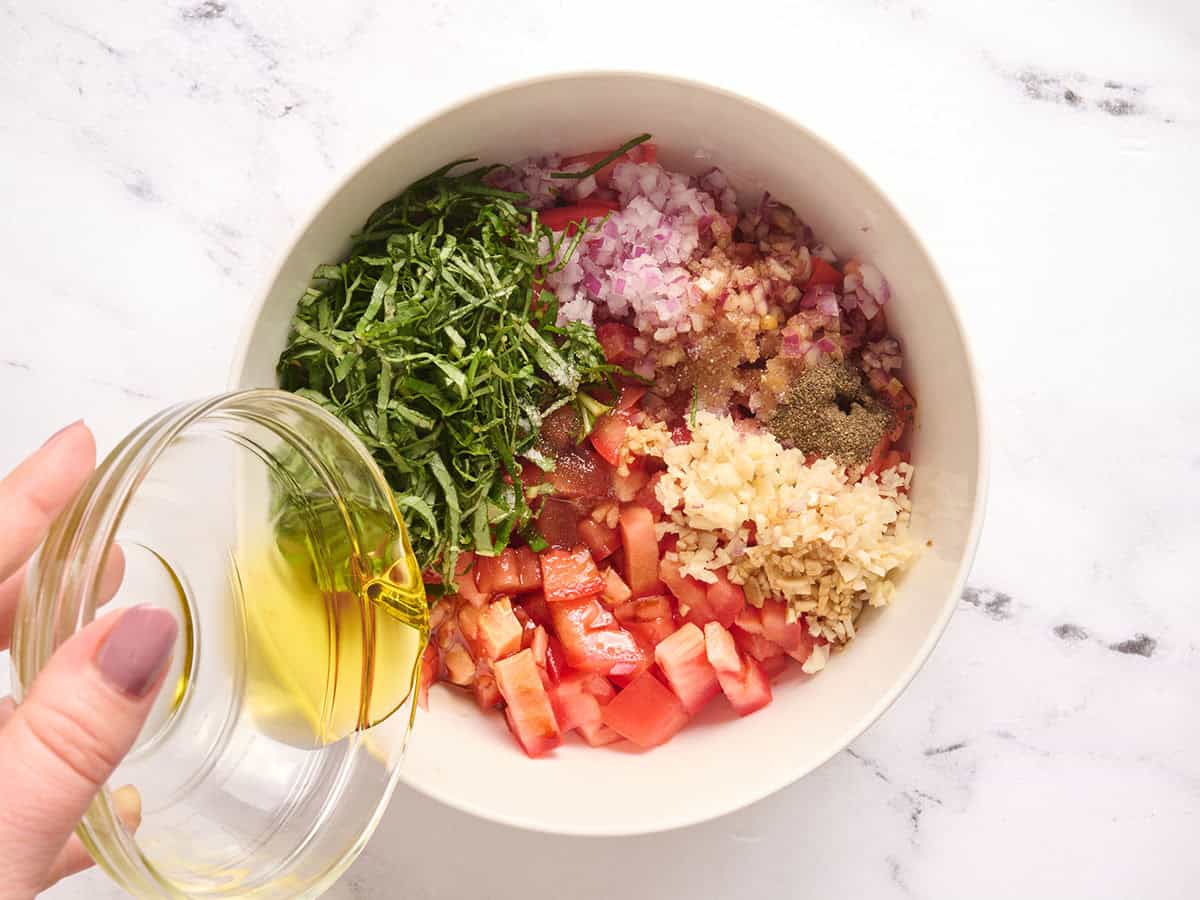
- The Maceration Phase (0–5 minutes): The process begins with the bruschetta topping. By dicing four Roma tomatoes, three cloves of garlic, red onion, and fresh basil, and tossing them with olive oil, balsamic vinegar, sugar, salt, and pepper, the cook creates a flavor-packed environment. As this mixture sits, the salt draws moisture from the tomatoes, creating a savory, liquid gold that is essential for the final plating.
- The Preparation Phase (5–10 minutes): Slicing the chicken breasts horizontally creates four uniform cutlets. This is a crucial step; uniformity is the enemy of overcooked, uneven meat. Once sliced, the chicken is dried and seasoned with garlic powder, Italian seasoning, salt, and pepper. The drying process is paramount, as moisture on the surface of the meat prevents the Maillard reaction—the browning process that provides the deep, savory crust.
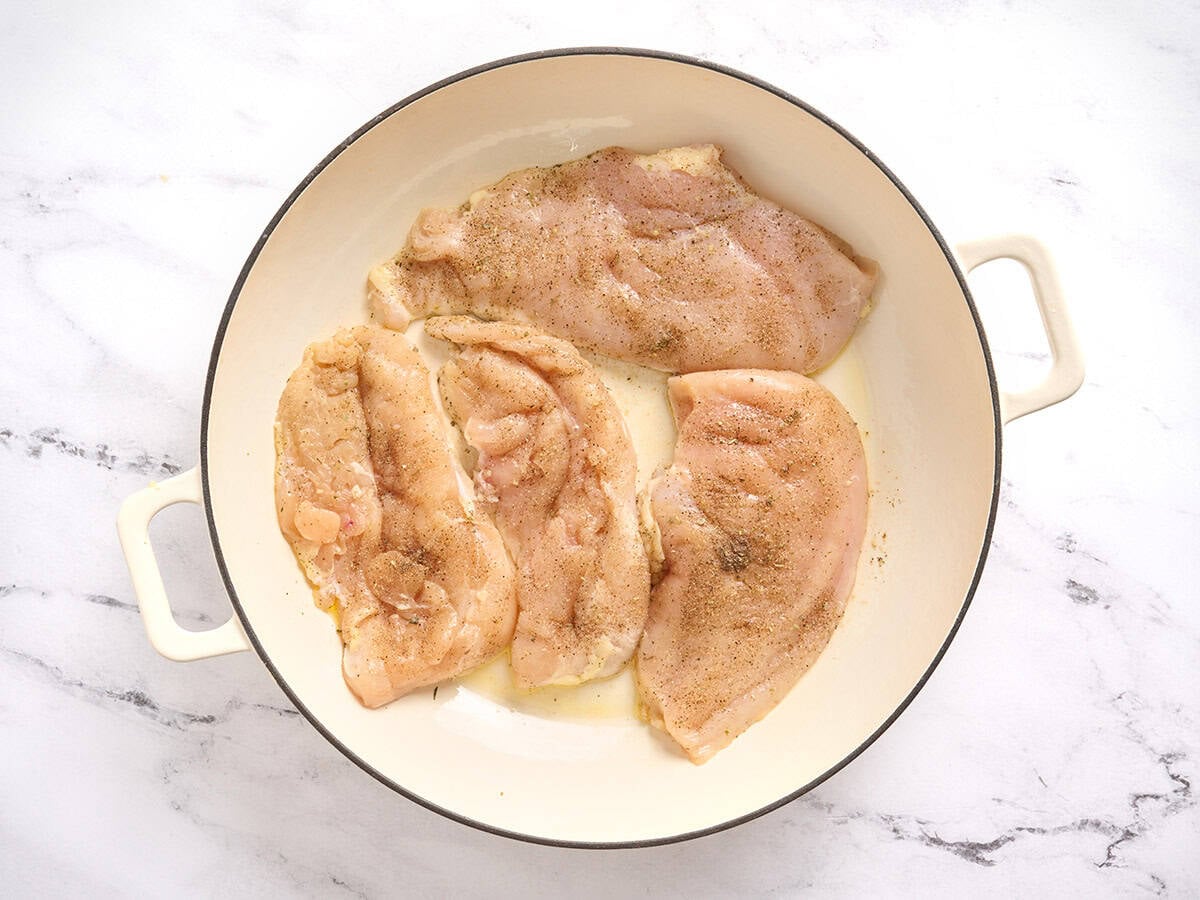
- The Searing Phase (10–20 minutes): A hot skillet is the engine of this recipe. Using olive oil over medium-high heat, the chicken is seared until golden-brown. Once flipped, the internal temperature is monitored with precision, ensuring the meat hits the food-safety gold standard of 165°F.
- The Finishing Phase (20–25 minutes): The final stage involves melting the mozzarella. By covering the pan, the steam is trapped, gently melting the cheese without overcooking the chicken. Once the cheese is bubbling, the fresh tomato mixture is spooned over the top, and a final drizzle of balsamic glaze provides the acidity and sweetness required to cut through the richness of the cheese.
Supporting Data and Economic Impact
The appeal of this recipe extends beyond the palate; it is a triumph of budget-conscious culinary management. At a calculated cost of $1.48 per serving, it addresses the rising concerns of food inflation, offering a high-protein, nutritionally balanced meal that doesn’t sacrifice quality for cost.
Nutritionally, the dish is a powerhouse. Each serving contains approximately 266 kcal, with 28g of protein—making it an ideal candidate for fitness-conscious individuals. While the sodium content sits at 951mg, much of this can be moderated by adjusting the amount of salt added to the tomato mixture or opting for low-sodium chicken broth if a pan sauce is desired.
Furthermore, the "bulk-buy" philosophy advocated in this recipe—purchasing chicken in value packs and freezing individual portions—is a cornerstone of sustainable home economics. By reducing food waste through smart storage and using only what is needed, the home cook can significantly lower their monthly grocery expenditure while maintaining a varied and nutritious diet.
Professional Perspectives on Ingredient Selection
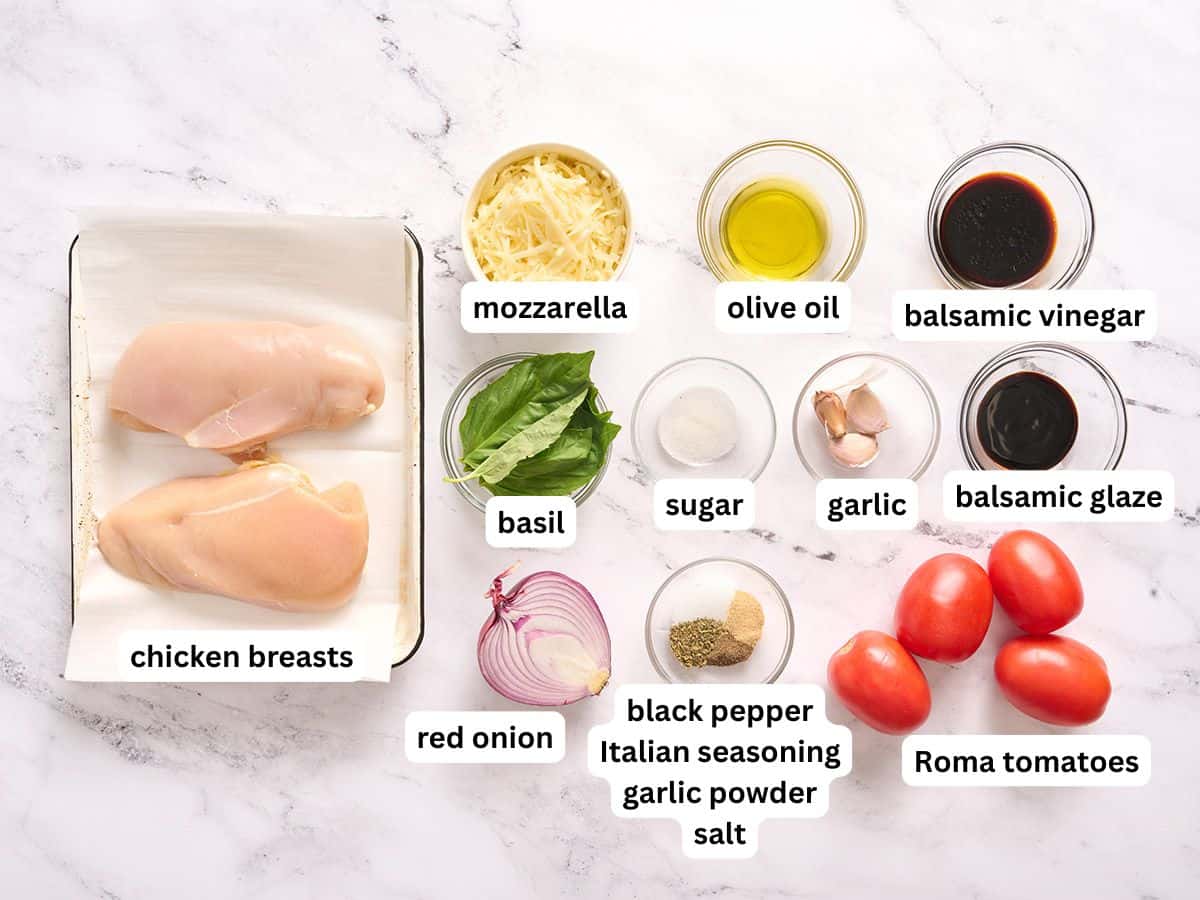
The success of the Bruschetta Chicken lies in the quality of its components. Jennie Alley, a veteran recipe developer, emphasizes the importance of specific ingredient choices:
- Freshly Shredded Mozzarella: The use of pre-shredded cheese is a common pitfall. Manufacturers add anti-caking agents, such as potato starch or cellulose, to prevent clumping. While convenient, these agents interfere with the melting process, resulting in a grainy texture. Hand-shredding a block of mozzarella ensures a smooth, decadent melt that clings to the chicken.
- Vinegar vs. Glaze: A common point of confusion is the distinction between balsamic vinegar and balsamic glaze. Vinegar is the acidic, liquid base that seasons the tomatoes. The glaze is a reduction—thicker, sweeter, and more concentrated. Using them interchangeably disrupts the balance of the dish. The glaze should be reserved for the final flourish, acting as a garnish that adds visual appeal and a final punch of sweetness.
- The "Juice" Factor: The liquid that gathers at the bottom of the tomato bowl is not a byproduct to be discarded; it is a concentrated flavor extract. The recipe encourages the cook to spoon this over the chicken. For those pairing the dish with rice or pasta, this juice acts as an effortless sauce, binding the components of the plate together.
Implications for Meal Planning and Storage
The versatility of the Bruschetta Chicken makes it an exceptional candidate for meal prep. Unlike many skillet dishes that lose their structural integrity when stored, this recipe is designed for modularity.
By keeping the bruschetta topping and the cooked chicken in separate airtight containers, the integrity of the ingredients is maintained. The chicken remains juicy when reheated, and the tomato topping stays crisp. This approach prevents the "soggy breading" syndrome or the "rubberized chicken" texture often associated with reheating complex, pre-topped dishes.
The storage life is robust, with the components remaining safe and delicious for 3 to 4 days in the refrigerator. For those planning further ahead, the seasoned, raw chicken can be frozen for up to three months. This system turns the 25-minute cooking time into a "five-minute assembly" process on busy weeknights, effectively lowering the barrier to entry for home cooking.
Serving Suggestions and Culinary Context
While the chicken is the protagonist, its supporting cast is equally important. To maximize the experience, the dish should be served with sides that complement its Italian-inspired profile.
For a classic experience, serve alongside angel hair pasta tossed in a light pomodoro sauce. The delicate nature of the pasta allows the robust flavors of the chicken and tomatoes to stand out without feeling overwhelmed. For those seeking a lower-carbohydrate alternative, the chicken serves as an excellent topping for zucchini noodles or a bed of sautéed spinach.
The inclusion of sides like a watermelon and feta salad or a ditalini pasta salad adds a layer of complexity to the meal, balancing the heat of the chicken with cool, refreshing textures. By integrating seasonal produce, the cook not only honors the tradition of the dish but also ensures the meal remains affordable and environmentally conscious.
Conclusion
The Bruschetta Chicken is a testament to the idea that simplicity is the ultimate sophistication. It requires no exotic equipment, no long-term marination, and no professional training to master. By leveraging the fundamentals of heat control, ingredient quality, and strategic preparation, it offers a pathway to a better, more affordable dinner. Whether one is a busy parent, a student, or simply a food enthusiast looking to refine their weeknight repertoire, this recipe serves as a reminder that the best meals are often those that honor the ingredients in their most vibrant, fresh state.