By the Lifestyle & Gastronomy Desk
Published: January 2026
Main Facts: The Anatomy of a Modern Winter Classic
As the calendar turns toward the chilliest months of the year, cocktail culture undergoes a seasonal shift. Heavy, warming spirits like aged bourbons and dark rums often take center stage, but a lighter, brighter, and visually striking contender has captured the attention of home mixologists and high-end bar programs alike: the Pomegranate Martini.
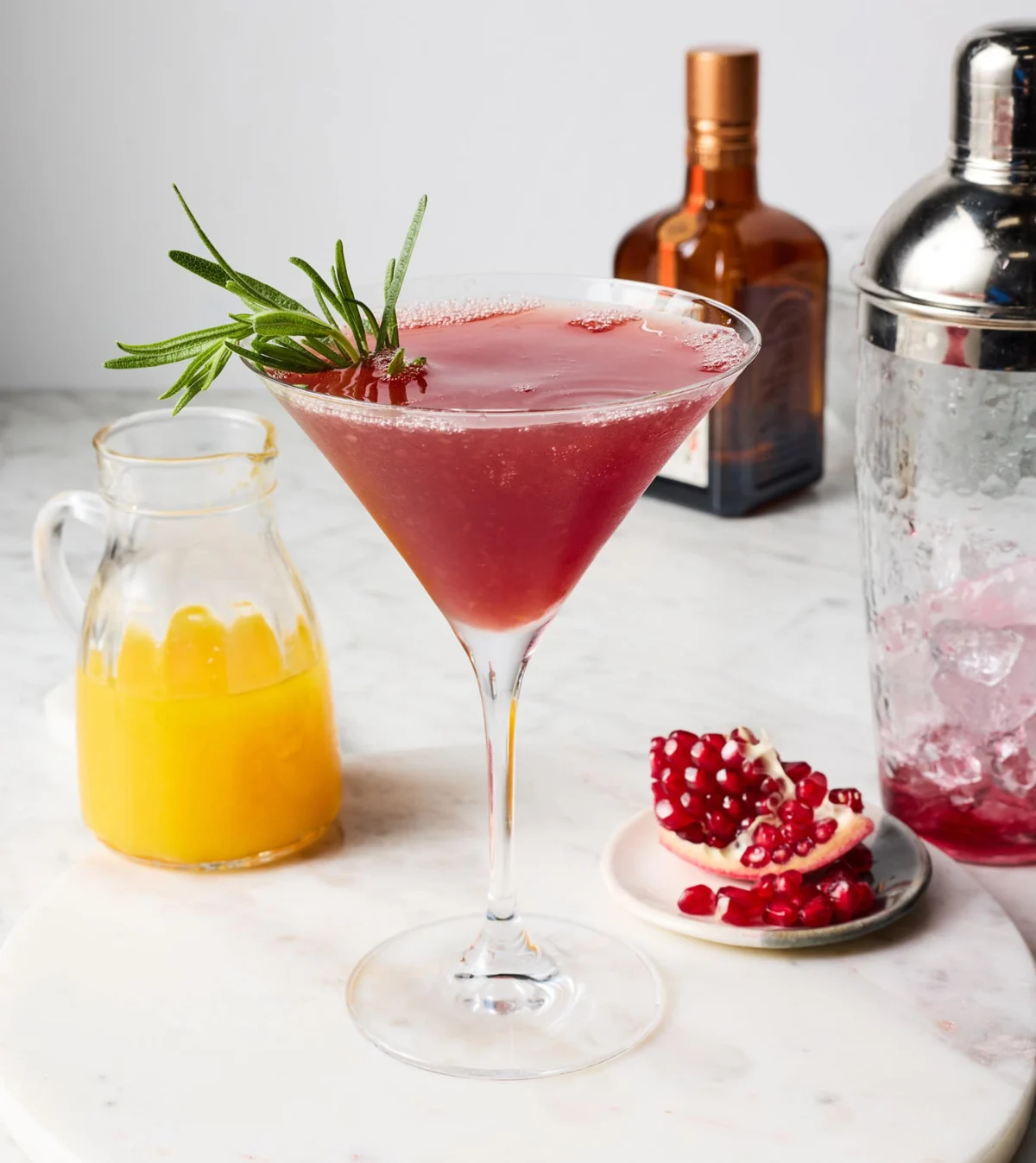
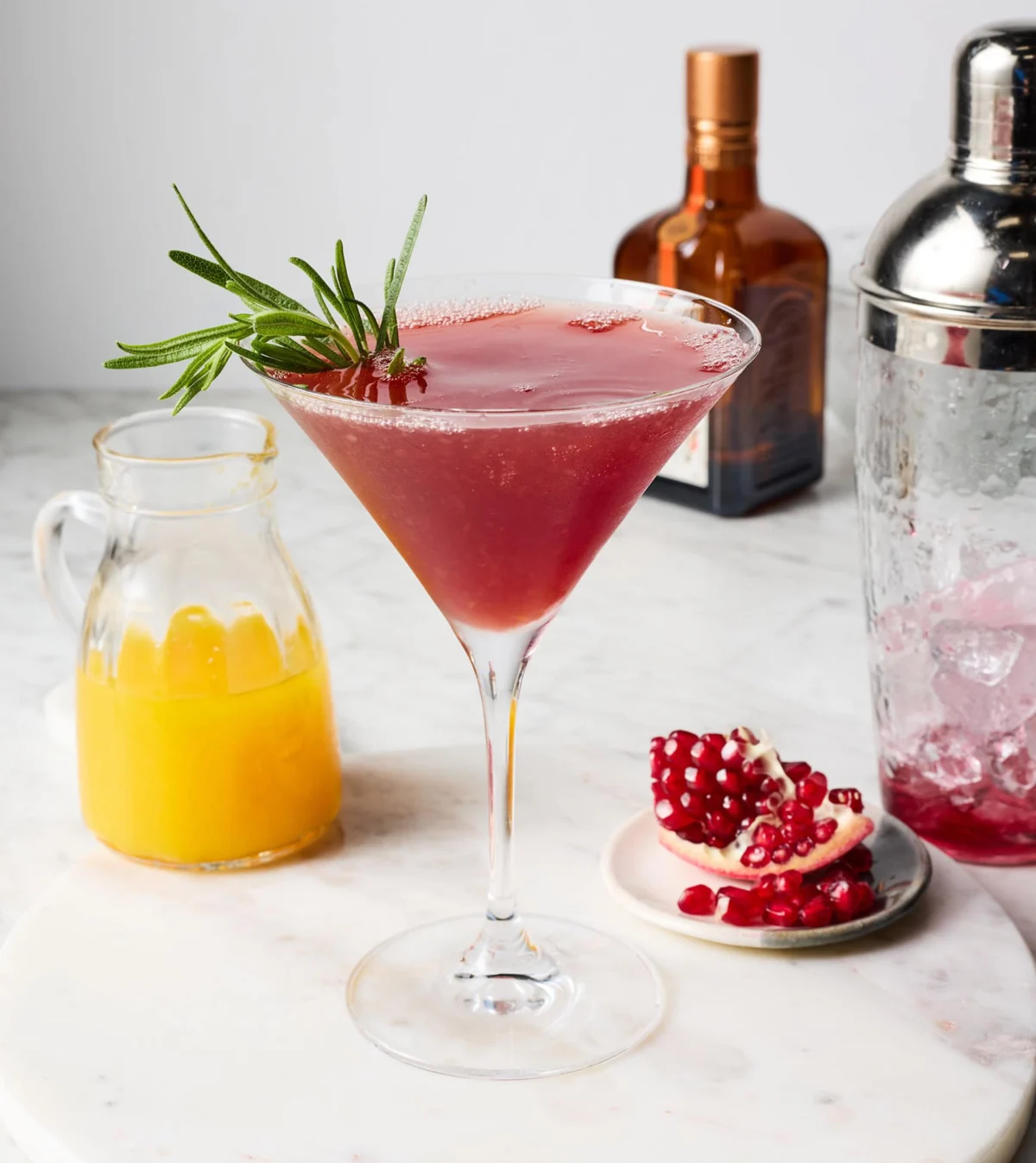
Striking a balance between sophisticated elegance and approachable simplicity, this ruby-red libation relies on a remarkably lean foundation. Comprising just four primary components—vodka, orange liqueur, tart pomegranate juice, and a splash of fresh citrus—the drink delivers a flavor profile that is simultaneously sweet, sharp, and deeply refreshing.
Far from being a fleeting social media trend, the pomegranate martini has solidified its reputation as the more playful, accessible cousin to the classic, bone-dry martini. Its vibrant hue makes it an instant centerpiece for holiday tables, while its clean, fruit-forward profile ensures it remains a staple well beyond the December festivities, carrying seamlessly into Valentine’s Day celebrations and cozy winter gatherings.
Chronology: From Experimental Mixology to Mainstream Staple
The Evolution of the Fruit-Forward Martini
To understand the current popularity of the pomegranate martini, one must look back at the evolution of the "martini" nomenclature over the past three decades. Traditionalists have long argued that a true martini consists strictly of gin and dry vermouth, garnished with an olive or a lemon twist. However, the cocktail renaissance of the 1990s and early 2000s completely upended these rigid boundaries, giving rise to the era of the "suffix martini"—most notably anchored by the ubiquitous Apple Martini (the "Appletini").
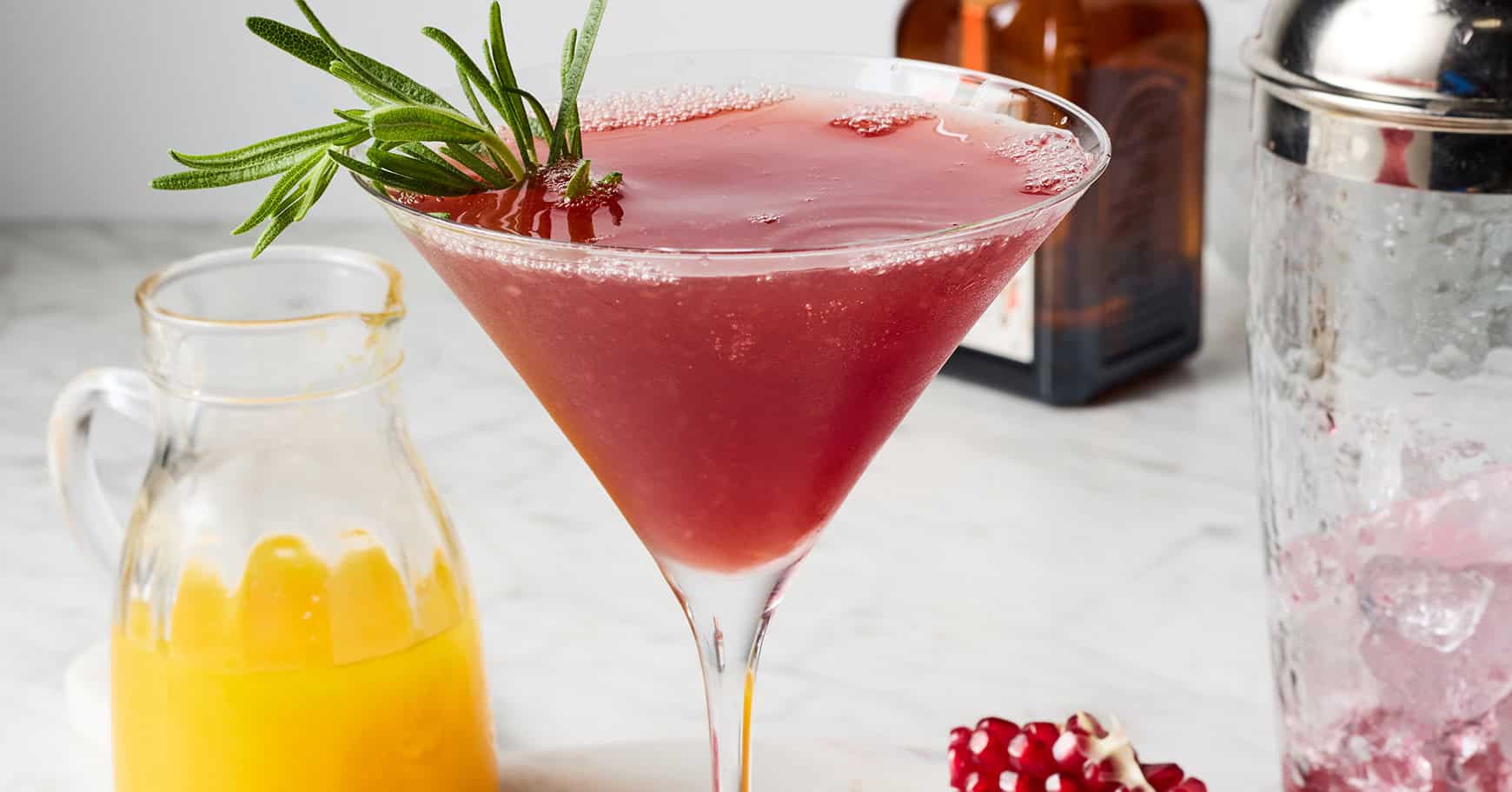
While early iterations of flavored martinis often leaned heavily into artificial syrups and cloying sweetness, consumer palates have since matured. Modern drinkers increasingly demand balance, authenticity, and natural acidity.
The Pomegranate Pivot
Enter the pomegranate. As consumer awareness regarding the antioxidant properties and rich, tart profile of pomegranates grew in the late 2000s, progressive mixologists began experimenting with pomegranate juice as a cocktail base. By replacing overly sweet neon-green apple liqueurs or heavy creams with the deep, jewel-toned juice of the pomegranate, bartenders created a drink that looked luxurious and tasted refreshingly complex.
Over the last few years, the recipe has been streamlined for the home kitchen. Today’s definitive version ditches elaborate garnishes and multi-step syrups in favor of a streamlined, four-ingredient formulation that can be executed in under five minutes using standard barware.
Supporting Data: The Mechanics of a Perfect Pour
Behind the effortless aesthetic of a well-crafted pomegranate martini lies a precise interplay of chemistry, temperature, and proportion. Culinary data and mixology standards highlight why this specific formulation succeeds where other sweet-tart cocktails fail.
The Four-Ingredient Blueprint
- The Base Spirit (Vodka): Acting as a clean canvas, neutral vodka allows the botanical and fruit notes to shine without introducing competing flavors. Standard or citrus-infused vodkas are most commonly deployed.
- The Modifier (Orange Liqueur): High-end orange liqueurs—such as Cointreau or triple sec—provide an essential backbone of aromatic citrus oils and balancing sweetness, rounding out the sharp edges of the alcohol.
- The Core Fruit Component (Pomegranate Juice): Providing both the unmistakable ruby-red color and the signature acidity, 100% pure pomegranate juice delivers natural tartness alongside subtle tannins.
- The Brightener (Orange Juice): A mere splash acts as a bridge, softening the tart bite of the pomegranate and tying the citrus liqueur into the overall structure.
Nutritional and Compositional Overview
For the mindful imbiber, standard nutritional profiling of a single-serving pomegranate martini reveals a remarkably moderate profile compared to cream-based or heavily sugared winter cocktails:
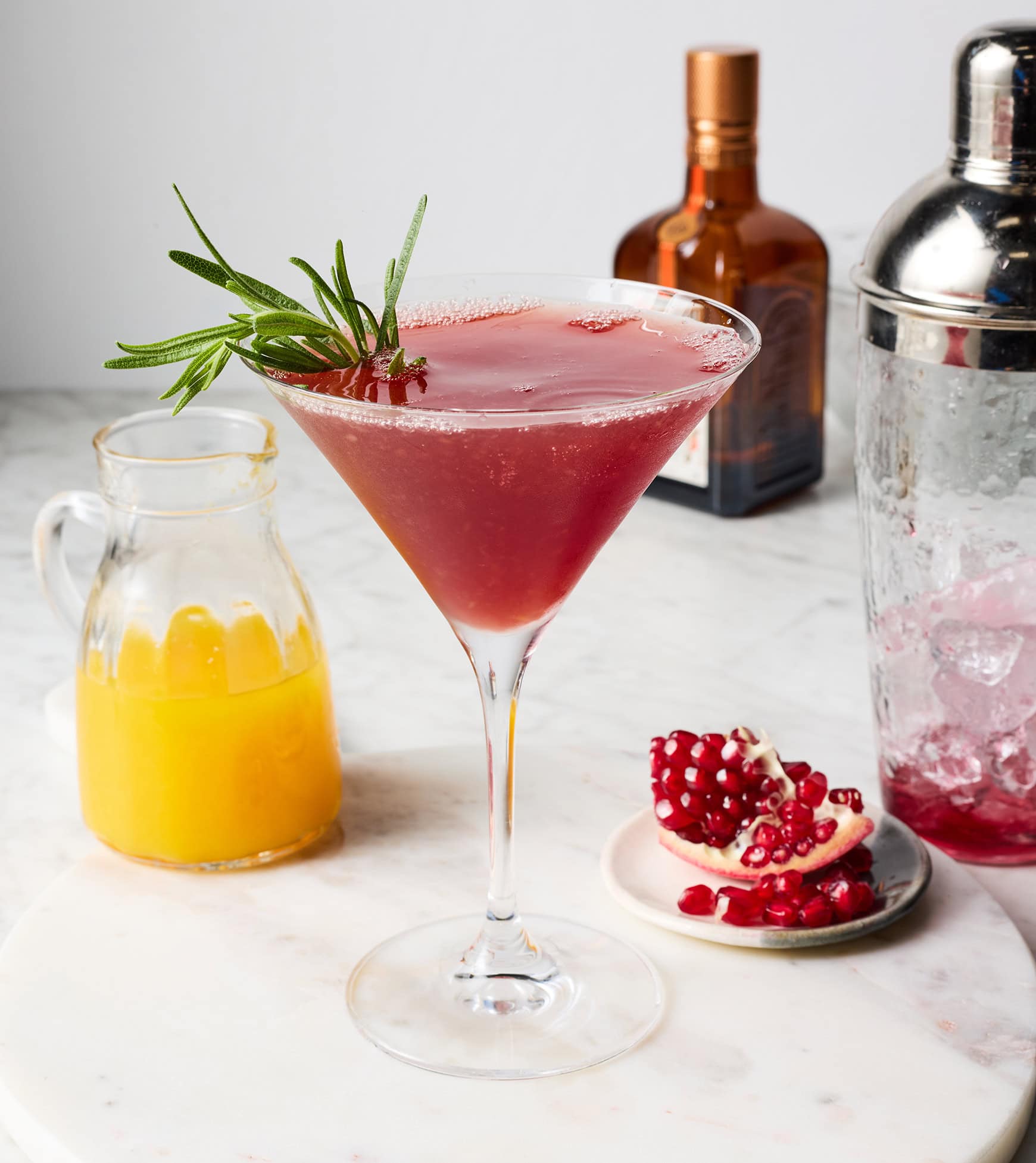
- Approximate Calories: 164 kcal per serving
- Total Fat: 0.1g (Saturated Fat: 0.04g)
- Sodium: 4mg
- Total Carbohydrates: 10g (Dietary Fiber: 0.1g, Sugars: 9g)
- Protein: 0.2g
- Vitamins: Trace amounts of Vitamin C (approx. 8% DV) derived from fresh citrus and pomegranate elements.
Note: Nutritional values can fluctuate slightly depending on the brand of orange liqueur and whether optional additions like simple syrup or a sugared glass rim are utilized.
Official Responses & Expert Perspectives: Mixologists Weigh In
Top-tier bartenders and beverage directors across the country have weighed in on why the pomegranate martini continues to outlast transient beverage trends.
"The secret to a great modern cocktail isn’t complexity; it’s contrast," notes Julian Vance, a veteran beverage consultant based in Chicago. "The pomegranate martini succeeds because it plays on extremes. You have the neutral strength of the vodka, the rich sweetness of the orange liqueur, and that sharp, tannic bite from the pomegranate. When shaken hard with ice, it achieves an aeration and chill that softens those contrasts into something entirely harmonious."
Culinary stylists and home-entertaining experts also praise the drink for its high visual return on investment.
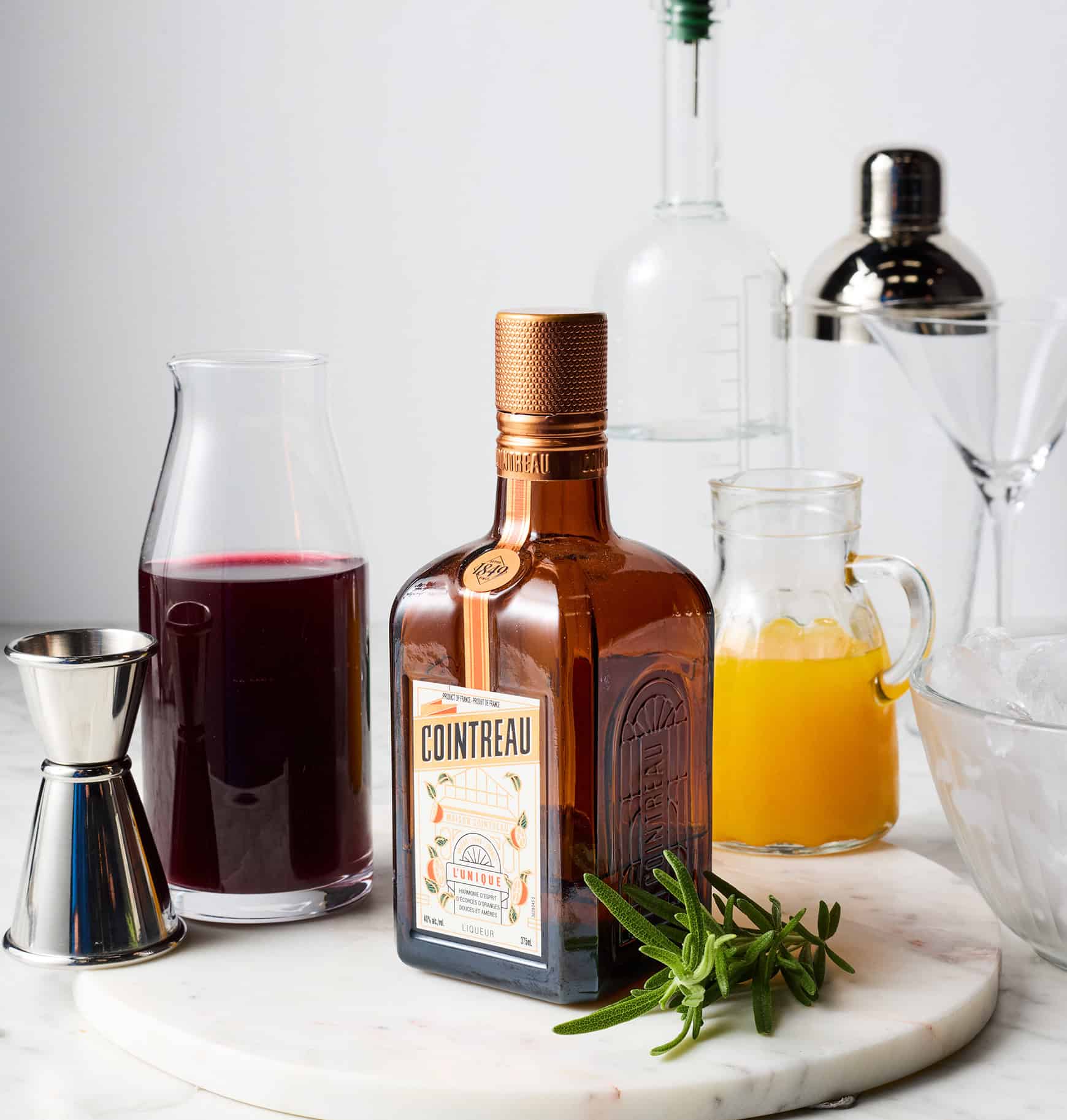
"In winter, tablescapes can often lean heavy and muted—lots of browns, deep greens, and golds," explains event designer Clara Montgomery. "Dropping a brilliant, ruby-red glass into that setting instantly lifts the entire tablescape. Add a charred or fresh sprig of rosemary, and you instantly engage the senses of sight, smell, and taste before the guest even takes their first sip."
Implications: The Shift Toward Accessible, Elegant Home Entertaining
The enduring appeal of streamlined, four-ingredient cocktails like the pomegranate martini points to broader cultural shifts in how people socialize and entertain.
The Rise of "High-Low" At-Home Hospitality
As economic pressures and changing social habits encourage more people to host intimate gatherings at home rather than frequenting upscale lounges, the demand for restaurant-quality drinks that require minimal professional training has surged. Consumers no longer wish to stock obscure ingredients or spend twenty minutes crafting a single round of drinks. A recipe that requires only vodka, orange liqueur, pomegranate juice, and a splash of citrus—shaken, strained, and garnished—hits the sweet spot between elevated luxury and everyday convenience.
Customization and Dietary Flexibility
Furthermore, the inherent adaptability of the pomegranate martini aligns with modern dietary expectations. Because the ingredient list is short and transparent, hosts can easily modify the drink to suit guests’ preferences.
- Adjusting Sweetness: Those who prefer a drier profile can increase the vodka-to-juice ratio, while guests with a sweeter tooth can incorporate a dash of simple syrup or a classic sugared rim.
- Mocktail Adaptations: The flavor architecture—tart fruit juice balanced with citrus notes and herbal aromatics—translates seamlessly into non-alcoholic formats by substituting the spirits with botanical zero-proof alternatives or sparkling water.
Sustainable Seasonal Ingredients
As consumers increasingly prioritize seasonal eating, utilizing winter produce like pomegranates and fresh citrus aligns with sustainable culinary practices. Pomegranates reach their peak harvesting window during the late fall and winter months, making them an environmentally conscious choice for cold-weather menus.
Step-by-Step: Crafting the Ultimate Pomegranate Martini
For those looking to master the pour at home, execution relies on precise technique rather than complicated equipment.
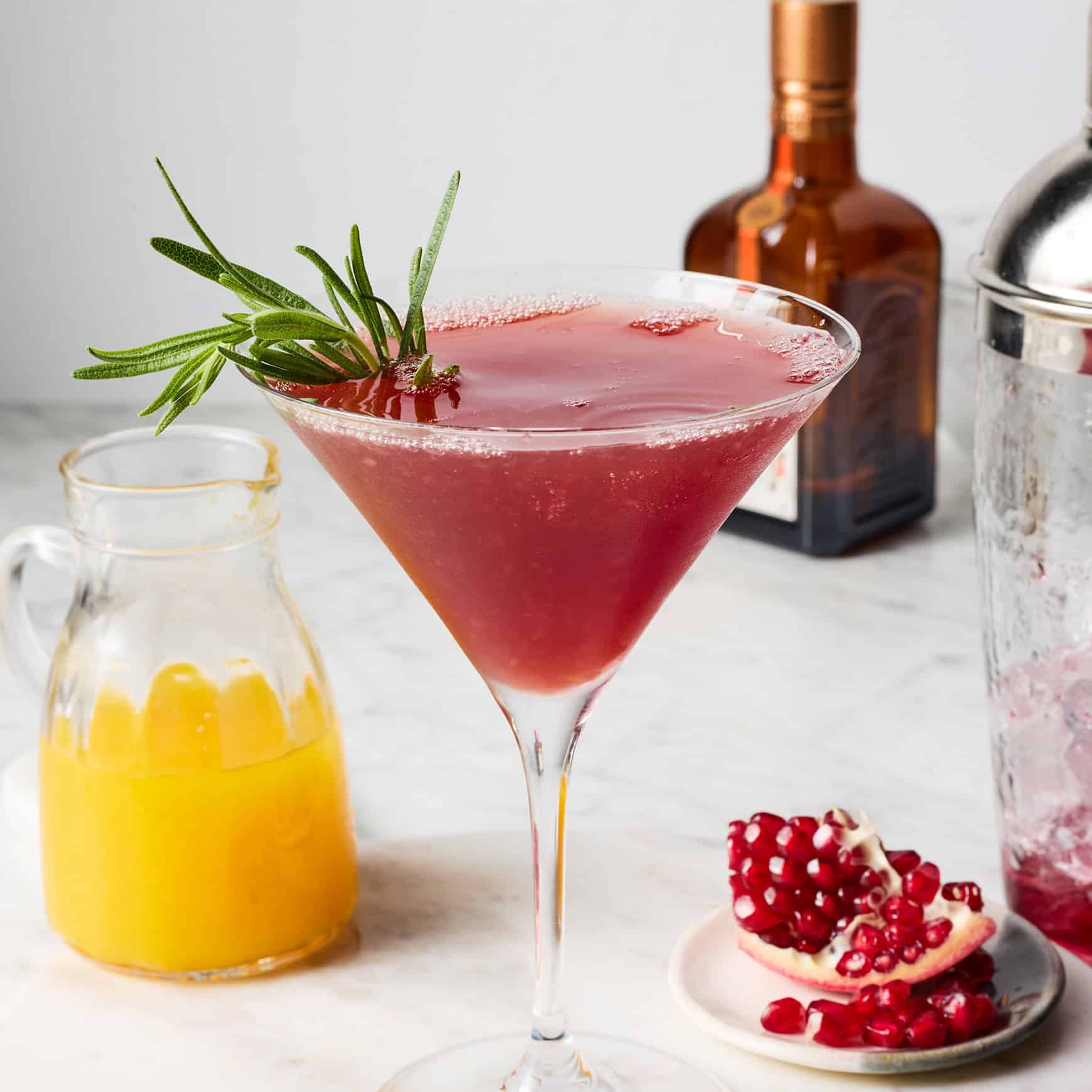
Ingredients List
- 2 oz vodka
- 1 oz pomegranate juice
- 1/2 oz orange liqueur (such as Cointreau)
- A small splash of fresh orange juice
- Ice (for shaking)
- Garnish: Fresh rosemary sprig, an orange twist, or fresh pomegranate seeds.
- Optional Rim: Granulated sugar and an orange or lime wedge.
Method
- Prepare the Glass (Optional): If a sugared rim is desired, run a citrus wedge along the rim of a chilled martini glass, then gently dip the rim into a shallow plate of granulated sugar. Set aside.
- Combine: Add the vodka, pomegranate juice, orange liqueur, and splash of orange juice into a cocktail shaker filled generously with ice.
- Shake Vigorously: Secure the lid and shake hard for 15 to 20 seconds until the shaker frosts over, ensuring maximum dilution and a frosty chill.
- Strain: Double-strain the vibrant ruby liquid directly into the prepared, chilled martini glass.
- Garnish & Serve: Top with a fresh sprig of rosemary (giving it a gentle slap beforehand to release its aromatic oils) or an orange twist. Taste and adjust ratios on subsequent pours to match your preferred level of sweetness or tartness.
As winter entertaining continues to evolve, the pomegranate martini stands as proof that sophistication does not require complication. With its brilliant color, balanced flavor profile, and effortless preparation, this modern classic is poised to remain a seasonal favorite for years to come.