In the landscape of modern home cooking, few meals carry the emotional weight and logistical pressure of the weekend brunch. Whether hosting a holiday gathering, a casual Sunday morning get-together, or a milestone breakfast, the host often finds themselves tethered to the stove, flipping individual slices of bread while guests mingle in another room. Enter the "Overnight French Toast Casserole"—a culinary solution that prioritizes hospitality over labor. By marrying the convenience of advance preparation with the indulgent texture of a classic breakfast, this dish has become the gold standard for stress-free, high-quality morning dining.
Main Facts: The Anatomy of a Perfect Casserole
At its core, the French toast casserole is an exercise in structural transformation. It takes the fundamental elements of traditional French toast—bread, eggs, dairy, and warm spices—and reconfigures them into a communal, oven-baked format. The genius of the recipe lies in its "custard absorption" method. Unlike traditional stovetop French toast, which risks being dry on the inside or burnt on the edges, the casserole allows bread cubes to steep in a rich, cinnamon-scented custard for hours.
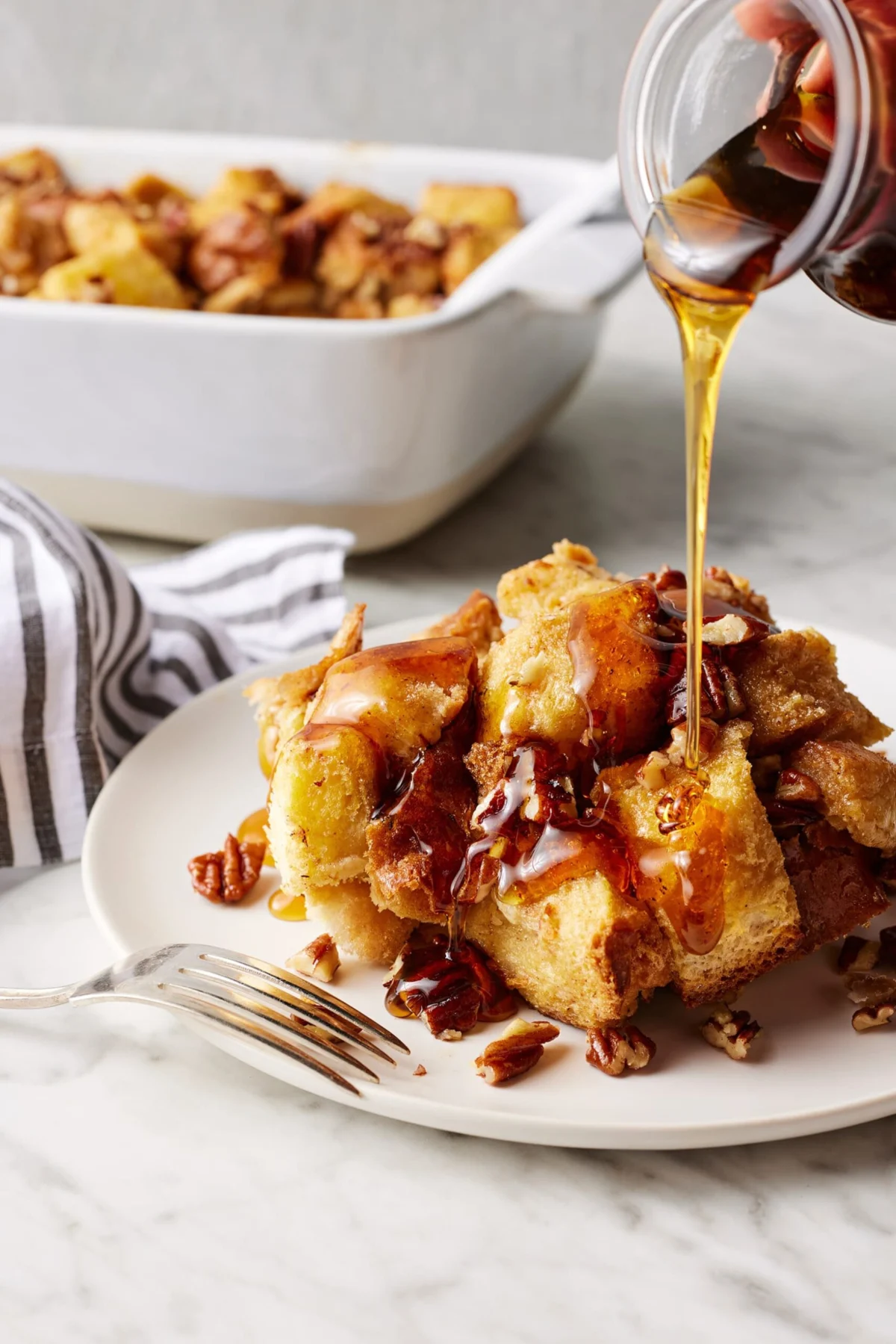
The result is a dish that mimics the luxurious texture of bread pudding: a moist, decadent center contrasted by a caramelized, crunchy crust provided by a brown sugar and pecan topping. It is a dish that offers consistency, ensuring every guest receives a serving that is uniform in temperature and texture.

Chronology: From Prep to Plate
The beauty of this dish is its flexibility, specifically designed to accommodate the rhythms of a busy household.
The Preparation Phase (The Night Before)
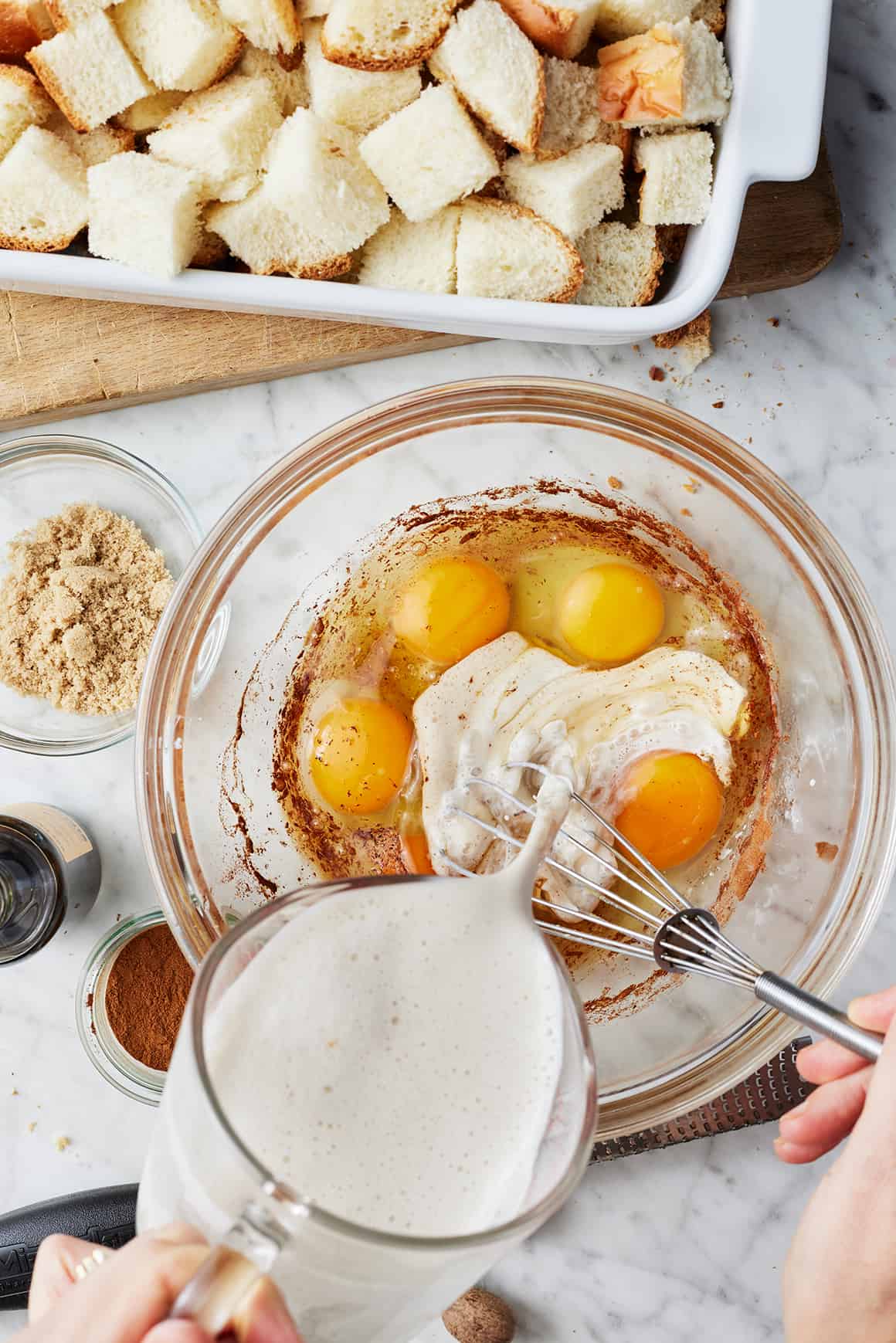
The process begins with the selection of bread. Chefs recommend substantial, crusty loaves such as Challah, brioche, or sourdough. These varieties hold their structure when submerged in liquid, preventing the dreaded "soggy" outcome associated with thin, processed sandwich bread. The bread is cubed into one-inch pieces and layered into a greased 9×13-inch baking dish.
The custard—a whisked mixture of eggs, milk, cinnamon, and nutmeg—is poured over the bread. This step is critical; by allowing the mixture to sit, the bread fibers expand and saturate, ensuring the custard permeates the center of each cube. Whether prepared the morning of or the night before, the resting period is non-negotiable for achieving that signature velvety mouthfeel.

The Baking Process
When the oven is preheated to 350°F, the casserole undergoes its final transformation. Before sliding it into the heat, the cook adds a signature crumble of melted butter, brown sugar, and chopped pecans. This layer serves as the catalyst for the dish’s textural appeal. The casserole is baked, covered, for 35 minutes to ensure the interior sets properly without the edges drying out. A final, uncovered blast of 10 to 20 minutes allows the sugar and butter to bubble and caramelize, creating a deep, golden-brown crust.
The Resting Interval
Professional kitchen standards dictate a crucial final step: the rest. After removing the casserole from the oven, it should be covered loosely with foil and allowed to stand for 10 minutes. This interval allows the internal moisture to redistribute, preventing the casserole from falling apart when portioned.
Supporting Data: Culinary Science and Nutritional Context
The appeal of this dish is backed by both culinary science and nutritional considerations. From a scientific perspective, the use of high-protein, fat-rich breads like Brioche (which contains high egg and butter content) creates a stronger structural matrix than lean doughs. When the egg-and-milk custard enters the crumb, the proteins coagulate during the baking process, transforming the liquid mixture into a cohesive, sliceable custard.

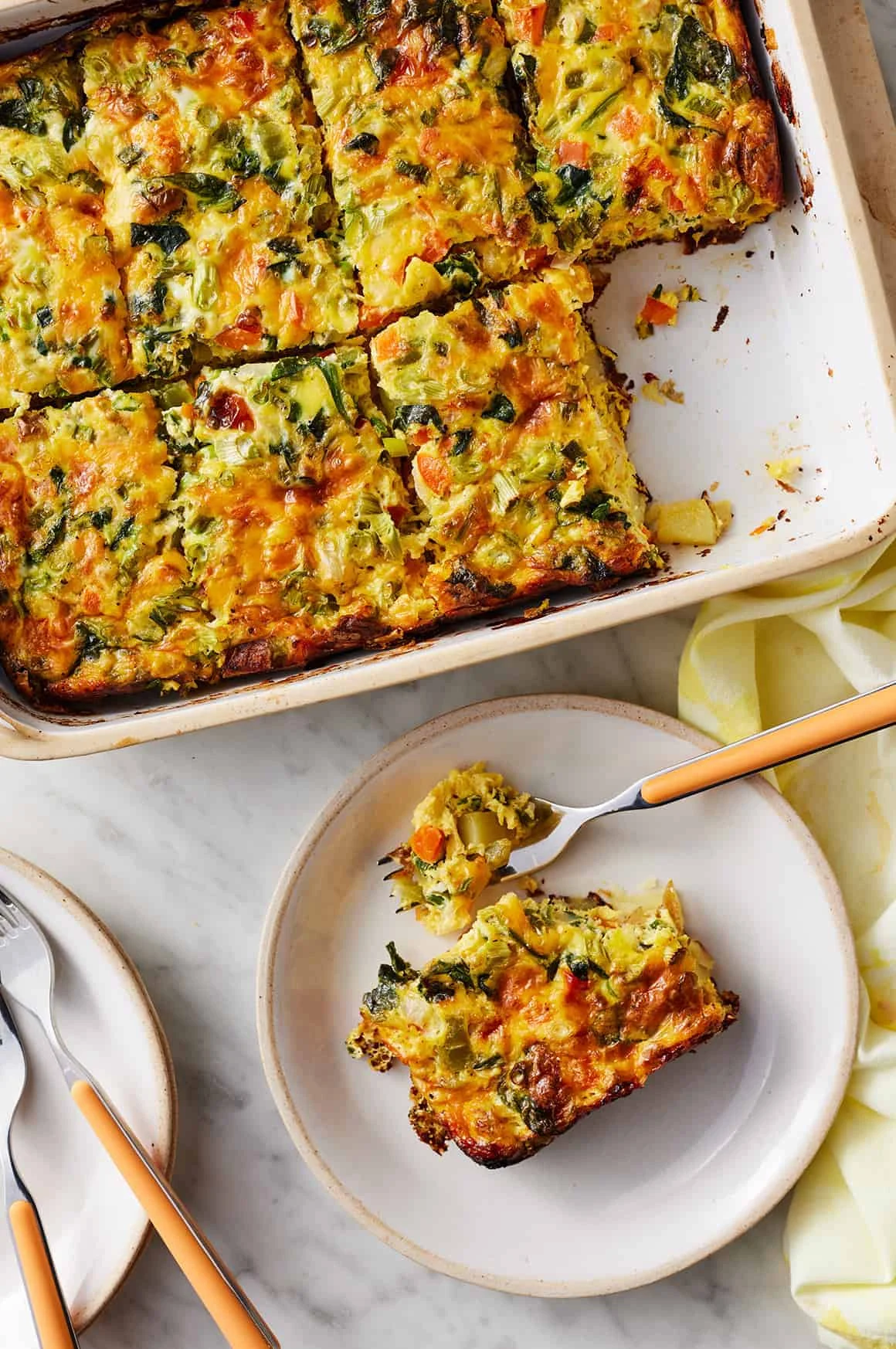
From a nutritional standpoint, a standard serving (typically calculated for a yield of 8 to 12 servings) provides a hearty start to the day. An average portion contains approximately 328 calories, 15 grams of fat, and 11 grams of protein. While it is a calorie-dense comfort food, it provides significant satiety, making it an excellent base for a balanced brunch that includes side dishes like fresh berries or a light frittata.
Official Perspectives: The Chef’s Approach to Brunch
Culinary experts frequently cite the "Overnight" methodology as the most effective strategy for managing hospitality. "The goal of any host," says one culinary consultant, "is to be present. If you are standing over a skillet for 45 minutes, you are a line cook, not a host."
By shifting the workload to the evening prior, the host regains control of their morning. The "official" consensus among brunch enthusiasts is that the casserole is not merely a shortcut; it is a superior way to cook. The flavors of cinnamon and nutmeg have more time to infuse the bread, and the uniform heat distribution of the oven creates a more reliable product than the varying heat of a stovetop burner.
Furthermore, the recipe’s versatility allows for a "build-your-own" approach. By keeping the base recipe relatively neutral—relying on maple syrup for the primary sweetness—hosts can offer a variety of toppings, such as fresh macerated strawberries, whipped cream, or toasted almond slivers, allowing guests to customize their plates according to their preferences.
Implications: A Shift in Morning Culture
The popularity of the French toast casserole reflects a broader cultural shift toward "low-stress, high-impact" entertaining. As social schedules become increasingly packed, the appetite for elaborate, time-consuming morning rituals is waning, replaced by a desire for efficient, elegant, and crowd-pleasing solutions.
The Economic and Practical Advantage
Beyond the social implications, the recipe is a masterclass in food waste management. The best bread for this recipe is often day-old or slightly stale. By repurposing bread that might otherwise be discarded, the casserole becomes a sustainable kitchen staple. It is a cost-effective way to feed a large group, utilizing accessible pantry staples—eggs, milk, sugar, and spices—to create a gourmet-feeling meal.

Storage and Future-Proofing
The dish is also a standout in terms of longevity. Unlike fresh, hot-off-the-griddle French toast, which loses its texture within minutes, the casserole remains stable. Leftovers can be refrigerated for up to three days or frozen for up to three months. This makes it an ideal "meal prep" candidate for families looking to secure a nutritious, homemade breakfast mid-week. To reheat, a low-temperature oven (325°F) effectively restores the crispness of the topping without compromising the integrity of the custard.
Conclusion: The Future of Brunch
As we look toward the future of home dining, the Overnight French Toast Casserole remains a definitive fixture. It bridges the gap between the nostalgia of a classic childhood breakfast and the practical demands of a modern lifestyle. It is a reminder that the best meals are not always those that require the most active labor, but those that are thoughtfully prepared to allow for the most meaningful connection. Whether it is served on a quiet Tuesday or as the centerpiece of a festive holiday brunch, this dish proves that simple, high-quality ingredients, when handled with the right technique, can turn any morning into a special occasion.
For those looking to refine their brunch repertoire, the takeaway is clear: embrace the overnight rest, choose a high-quality bread, and never underestimate the power of a well-browned, nutty topping. Your guests—and your morning sanity—will thank you.