As the holiday season approaches, the culinary conversation often shifts toward the heavy, decadent staples of the traditional winter feast: roasted meats, creamy casseroles, and buttery gratins. However, a quiet revolution is taking place on tables across the country. Chefs and home cooks alike are increasingly prioritizing vibrant, nutrient-dense, and visually striking side dishes that provide a necessary counterpoint to the season’s heavier fare. At the forefront of this movement is the "Christmas Salad"—a masterful assembly of winter’s finest produce that marries the comfort of roasted elements with the crisp, refreshing snap of seasonal greens.
Main Facts: The Anatomy of a Festive Classic
The essence of a successful holiday salad lies in the deliberate balance of flavor and texture. This particular recipe has earned its place as a perennial favorite by focusing on the "jeweled tones" of winter produce.
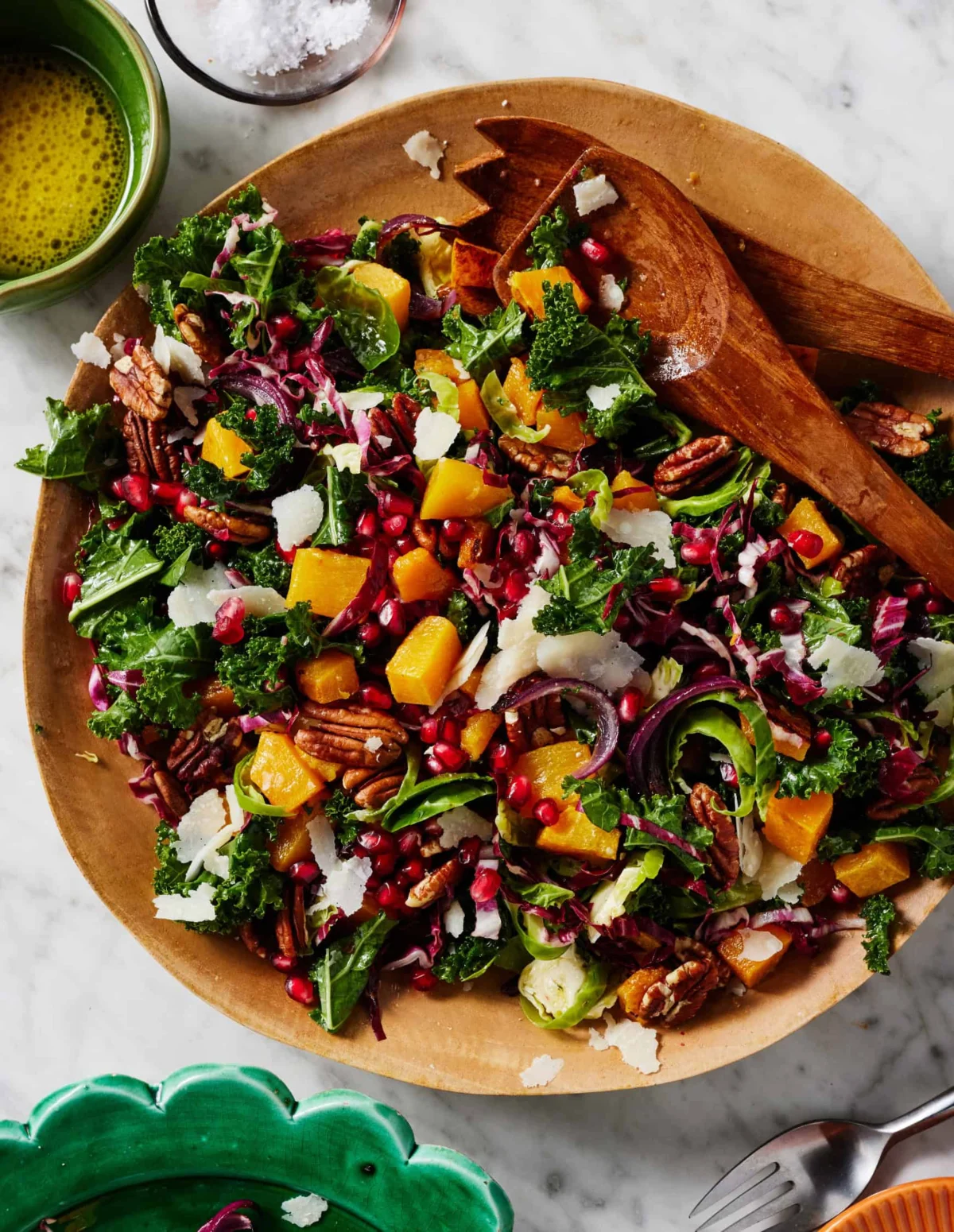
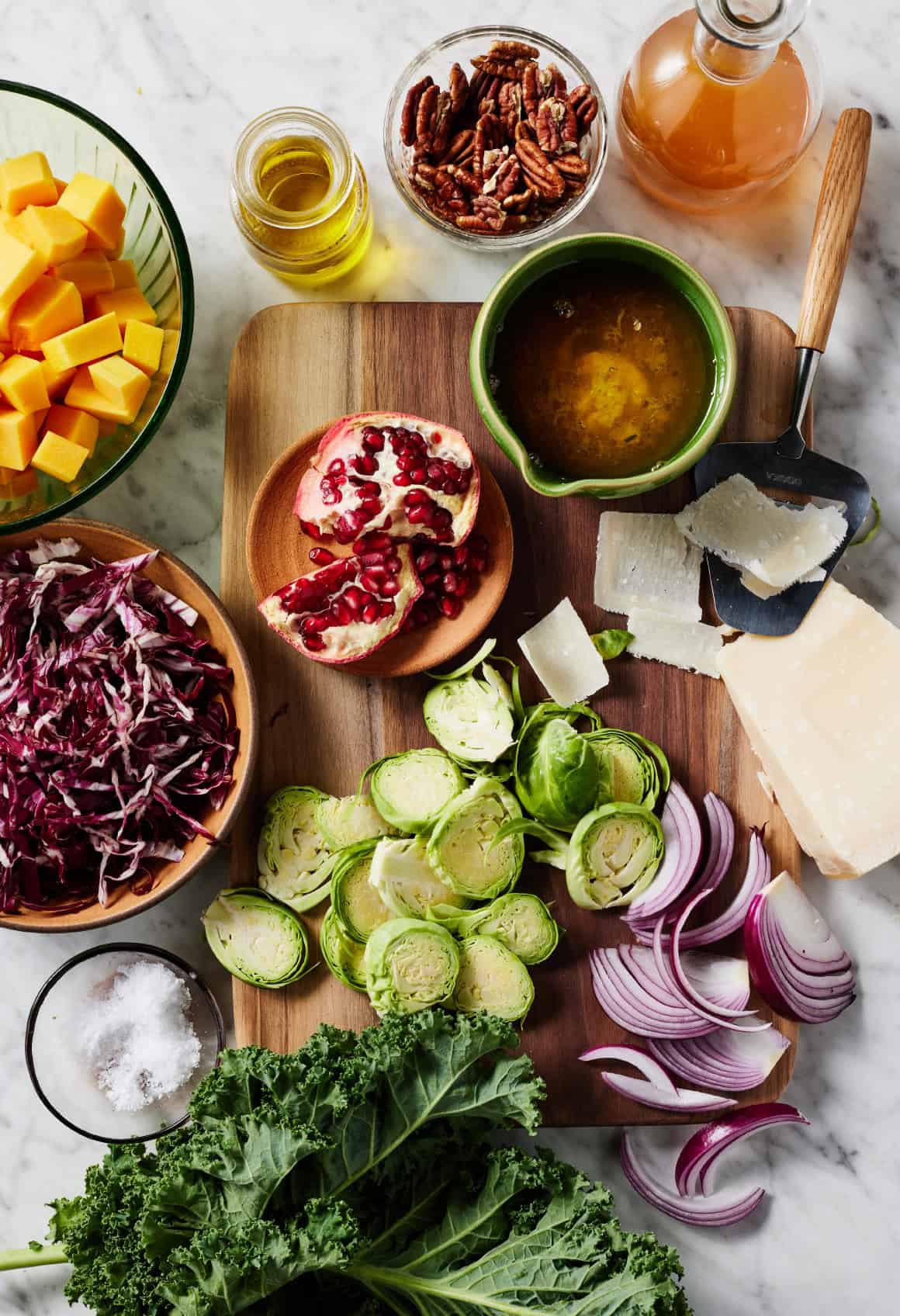
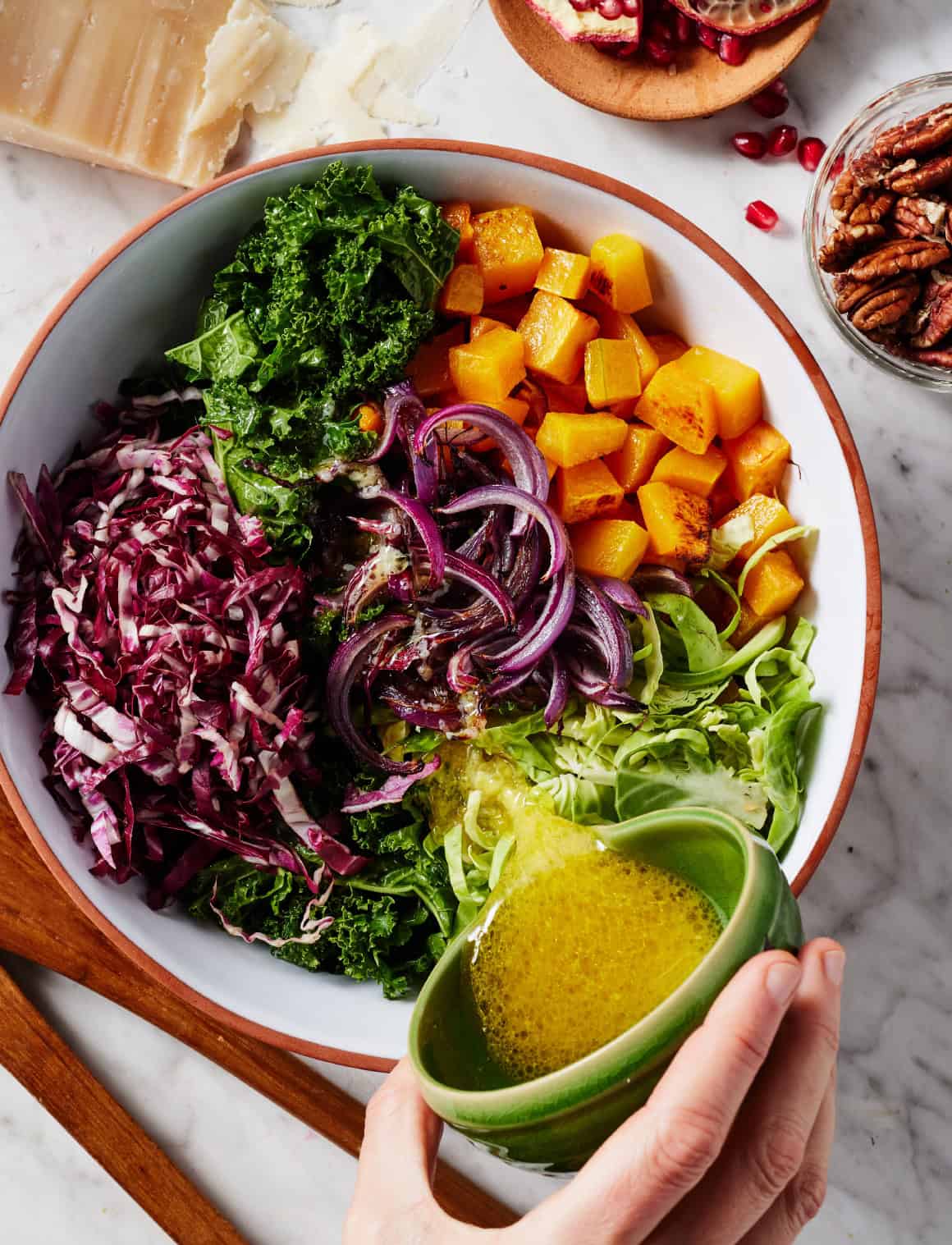
The core components include:
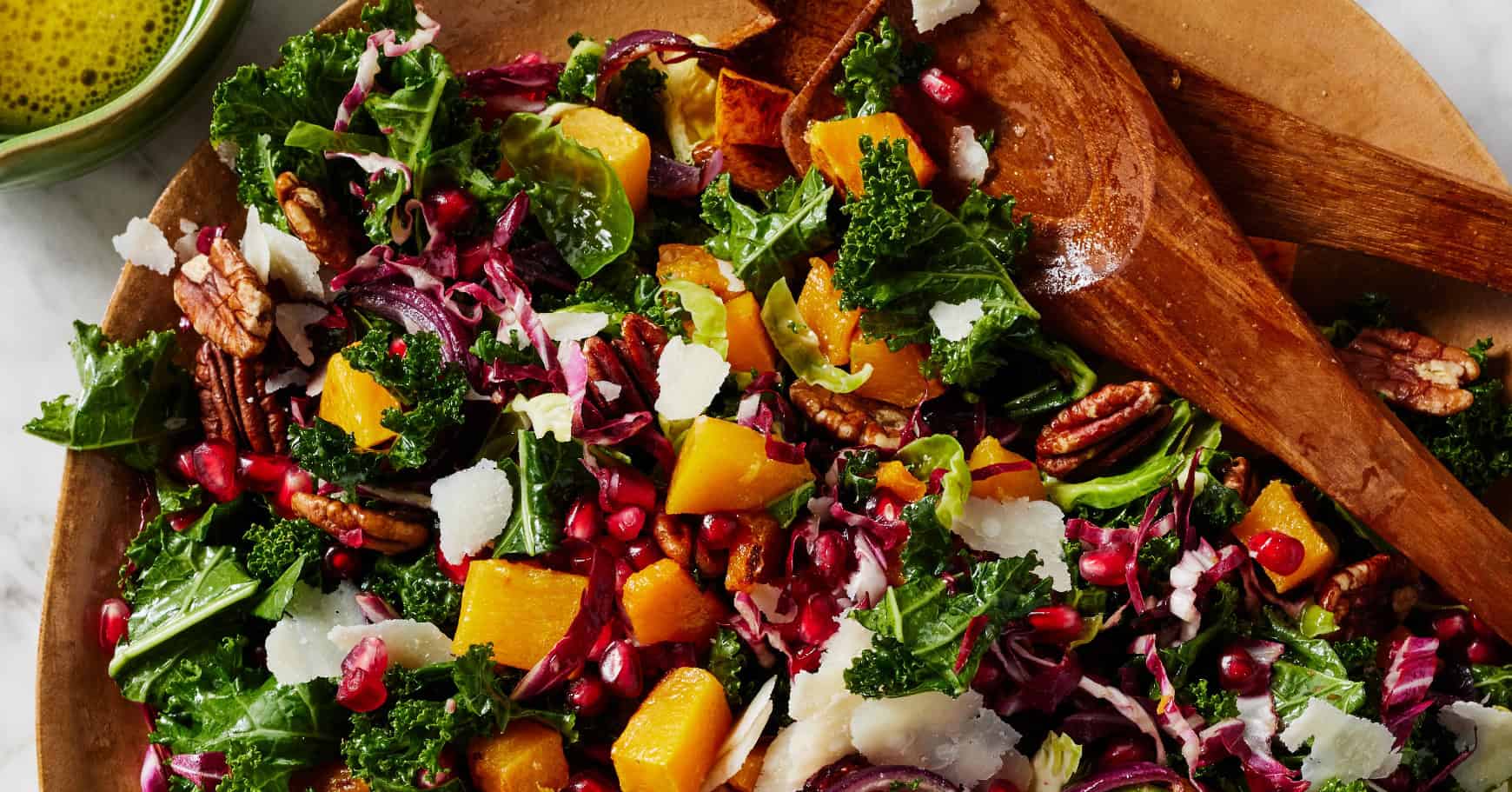
- Roasted Winter Squash: Providing a creamy, earthy base that bridges the gap between raw greens and heavier main courses.
- Ruby Red Pomegranate Seeds: These act as the salad’s "jewels," offering a burst of tart, juicy sweetness that cuts through richer dressings.
- Winter Greens: A robust foundation—typically a mix of kale, radicchio, and Brussels sprouts—that provides a sophisticated bitter edge.
- Candied Pecans: These add a necessary crunch and a touch of caramelized sweetness.
- Shaved Pecorino: A salty, umami-rich finish that rounds out the flavor profile.
- Apple Cider Vinegar Dressing: A bright, tangy emulsion that ties the earthy and sweet components together with a clean finish.
This dish is not merely a side; it is a nutritional powerhouse that brings a necessary vibrancy to a table often dominated by muted, monochromatic foods.
Chronology: The Art of Execution
Achieving the perfect balance in this salad requires a structured approach to preparation. Understanding the timeline is key to ensuring that every element—from the roasted squash to the massaged kale—is at its peak when served.
Phase 1: The Roast (0–35 minutes)
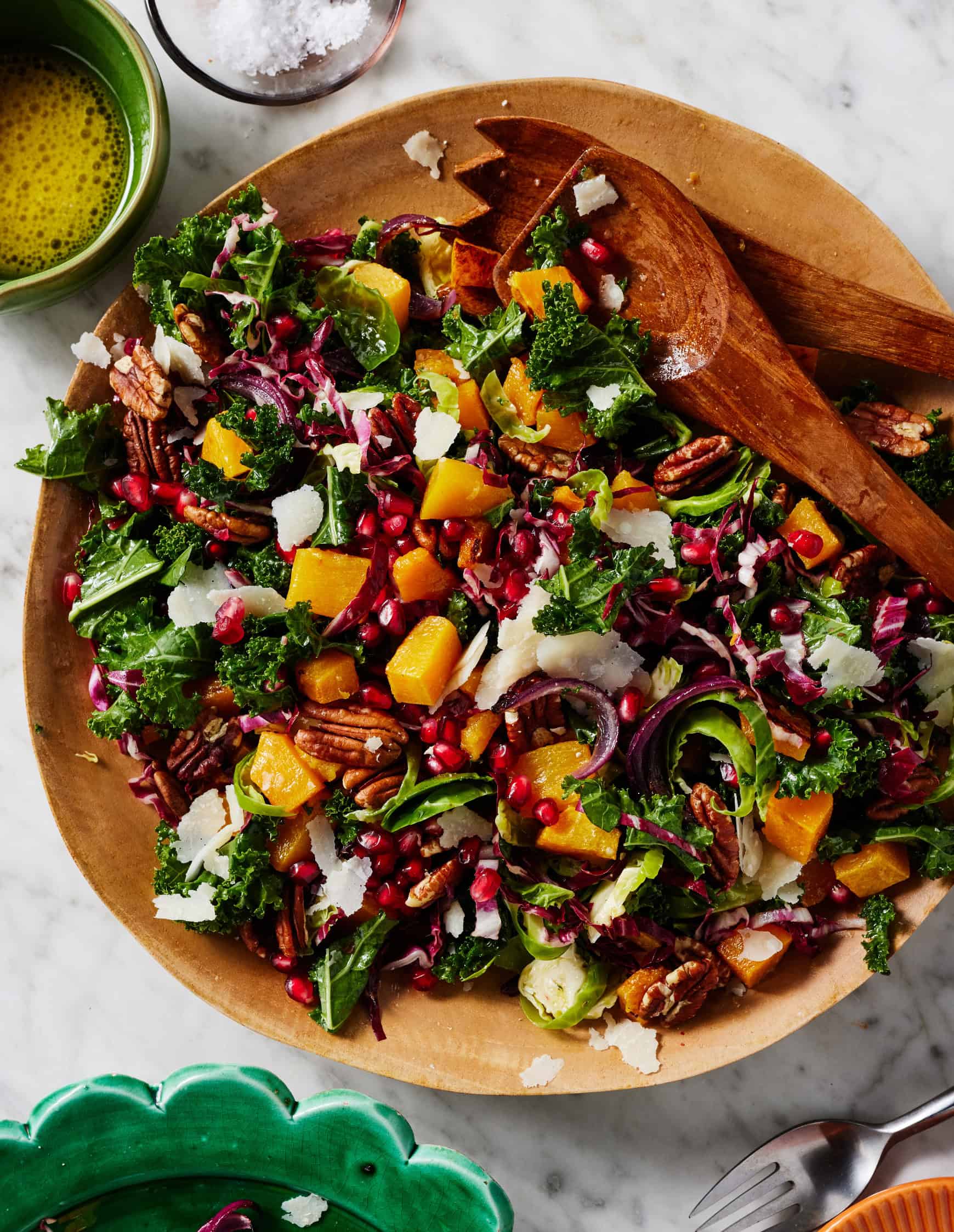
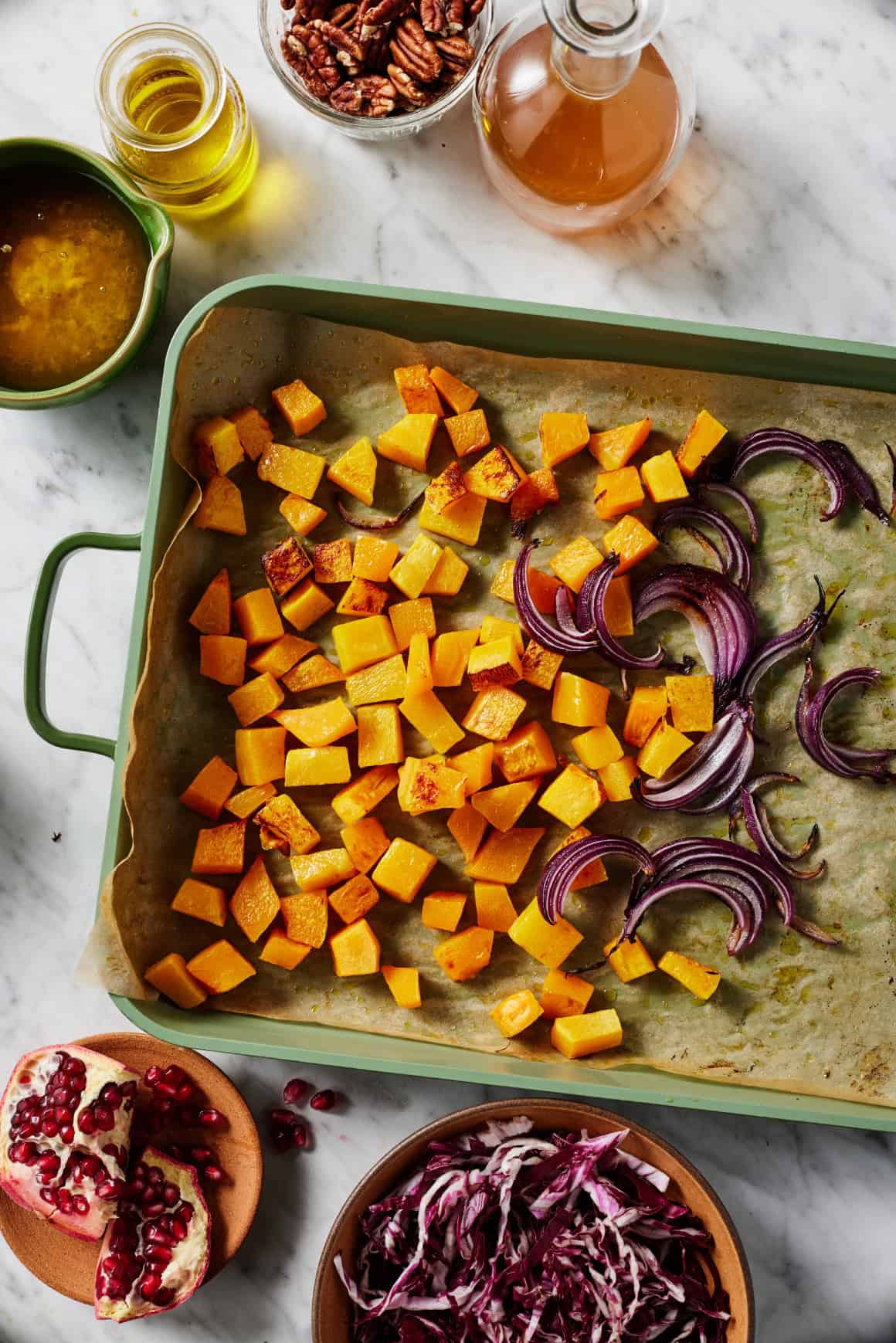
The process begins with the oven. Squash and red onion wedges are tossed in high-quality olive oil, salt, and pepper, then spread in a single layer on a parchment-lined baking sheet. The goal here is caramelization; roasting should continue until the squash is tender and the onions have developed a sweet, charred edge. A professional tip: monitor the onions closely, as they may finish before the denser squash.
Phase 2: The Emulsion (10–15 minutes)
While the vegetables roast, the dressing is prepared. This involves whisking together apple cider vinegar, a touch of honey for balance, minced garlic, Dijon mustard, and high-quality extra-virgin olive oil. This is a classic vinaigrette technique designed to emulsify, creating a thick, clinging dressing that coats the greens thoroughly without turning them soggy.
Phase 3: The Assembly (5–10 minutes)
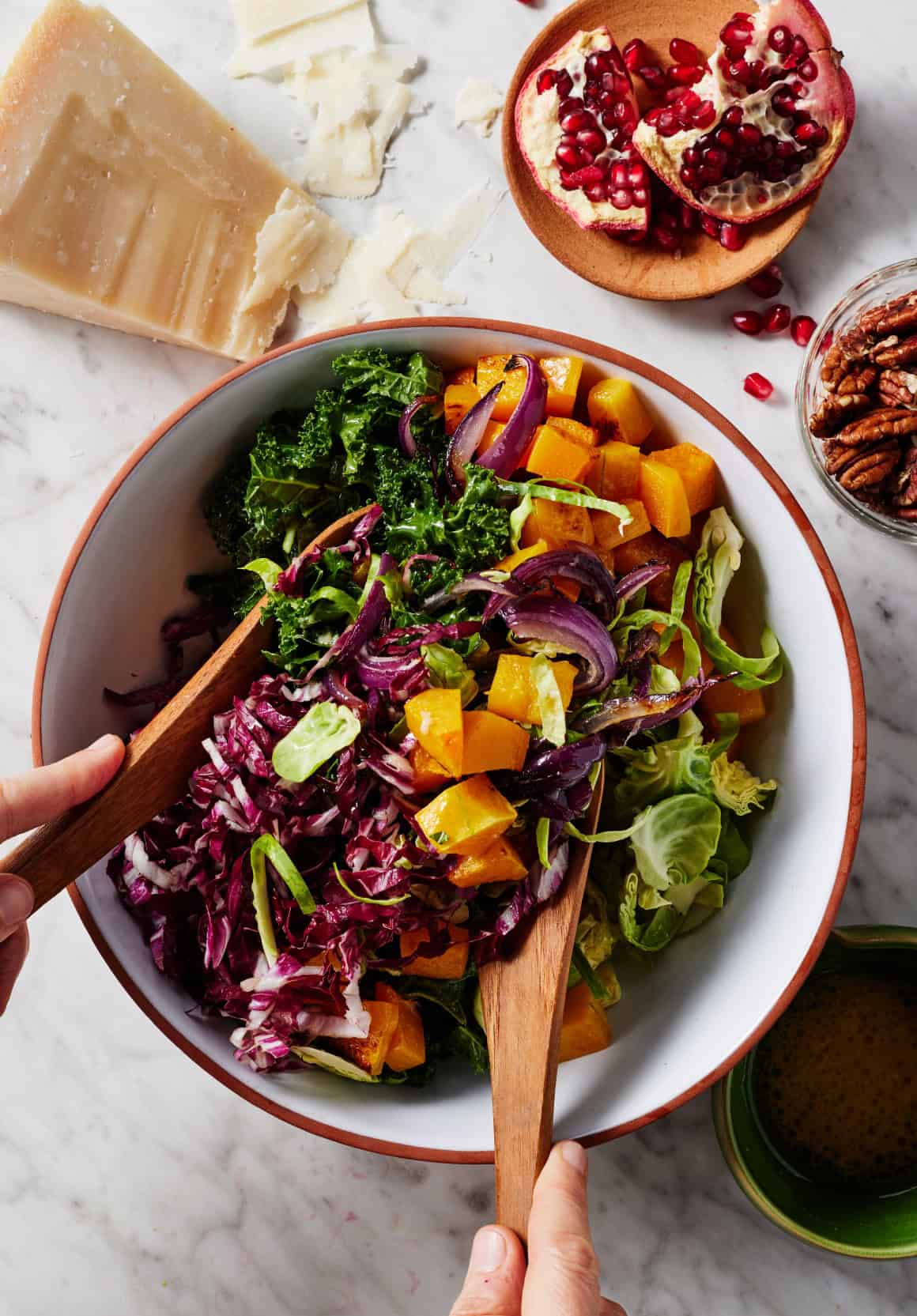
The secret to the salad’s texture is the "massage." By applying a portion of the dressing directly to the kale before adding other ingredients, the fibers of the leaves begin to break down, resulting in a more tender, palatable experience. Once the kale is prepared, the radicchio, Brussels sprouts, and cooled roasted vegetables are introduced.
Phase 4: The Garnish
The final step is the addition of the delicate components—the pomegranate seeds, candied pecans, and cheese. These are added last to preserve their texture, ensuring the salad remains crisp and visually stunning until the moment it reaches the table.
Supporting Data: Why This Salad Works
From a nutritional and culinary standpoint, this salad is scientifically sound. The combination of ingredients hits all five taste receptors—sweet, sour, salty, bitter, and umami—ensuring a "craveable" experience.
- Nutritional Density: The salad boasts an impressive vitamin profile. With over 125% of the daily recommended intake of Vitamin A and significant amounts of Vitamin C, it offers a functional boost to the immune system during the height of the flu season.
- Fiber and Digestion: With 3g of fiber per serving, this dish assists in digestion, which is particularly beneficial during the holiday season when dietary intake is often erratic.
- Caloric Efficiency: At approximately 141 calories per serving (excluding the dressing), it provides a low-caloric density option, allowing guests to enjoy a generous portion without feeling weighed down.
Official Perspectives: The Philosophy of Seasonal Eating
Culinary experts note that the popularity of this salad reflects a broader shift toward "conscious feasting." Rather than viewing side dishes as an afterthought, modern hosts are treating them as architectural elements of the meal.
"The holiday table is a visual canvas," says a noted culinary consultant. "When you serve a plate of turkey or roast beef, the palate becomes fatigued by the salt and fat. A salad that incorporates the sharp bitterness of radicchio and the acidic pop of pomegranate acts as a palate cleanser. It re-energizes the diner for the next course."
Furthermore, the emphasis on "make-ahead" capabilities acknowledges the logistical stress of hosting. By prepping the roasted vegetables and the dressing in advance, the host can assemble the final dish in minutes, allowing them to remain present with their guests rather than trapped in the kitchen.
Implications for the Modern Holiday Table
The rise of the "Christmas Salad" signals a departure from the mid-century tradition of iceberg lettuce wedges or heavy, mayonnaise-laden salads. Instead, it embraces the "farm-to-table" ethos, celebrating what is naturally available in December.
Sustainability and Seasonality
By utilizing winter squashes and hearty greens, this recipe encourages the use of local, seasonal produce rather than relying on out-of-season items that have been shipped across the globe. This reduces the carbon footprint of the holiday meal while supporting local farmers who specialize in cold-weather crops.
Customization and Inclusivity
One of the most significant implications of this recipe is its versatility. It is inherently gluten-free and can easily be adapted for vegan guests by omitting the cheese or substituting it with a plant-based alternative. This inclusivity is vital in the modern social landscape, where dietary restrictions are increasingly common.
Future Trends
As we look toward future holiday seasons, we can expect to see further iterations of this concept. Variations might include the addition of roasted parsnips, shaved fennel, or even fermented elements like pickled cranberries to further enhance the complexity of the flavor profile.
Final Reflections
The Christmas salad is more than just a recipe; it is a manifestation of the holiday spirit—a blend of warmth, color, and tradition. It reminds us that the best meals are those that balance tradition with innovation. Whether you follow the recipe exactly or use it as a framework for your own creative culinary experiments, the goal remains the same: to create a dish that brings people together, nourishes the body, and delights the eye.
As you prepare for your upcoming festivities, consider the role your side dishes play. By elevating the humble salad to a central, intentional part of your menu, you are not only enhancing the nutritional quality of your holiday feast but also honoring the seasonal bounty that makes this time of year so special. Happy holidays, and may your table be as vibrant as the food you serve upon it.