Executive Summary: A Fusion of Wilderness and Culinary Precision
In the world of outdoor cooking, few ingredients command as much respect as wild-caught Chinook salmon. Recently, the culinary team at Meat Church showcased a masterclass in flavor profile development, demonstrating how a 20-pound Chinook, harvested from the pristine, frigid waters of Canada, can be transformed into a gourmet centerpiece using time-honored Texas barbecue techniques. By marrying the delicate, buttery texture of wild salmon with the bold, sweet-and-savory profile of "Honey Hog Hot" seasoning and a finishing glaze of spicy honey, the team has redefined the expectations for smoked seafood.
This article explores the methodology behind this preparation, the importance of wood selection in pellet grilling, and the specific thermal benchmarks required to achieve a restaurant-quality finish at home.
The Chronology of the Catch and the Cure
The journey of this dish began thousands of miles from the smoker. The procurement of a 20-pound Chinook is a testament to the rigorous standards of sourcing that professional chefs and pitmasters prioritize. After transporting the catch from the Canadian wild to the heart of Texas, the preparation phase focused on preserving the integrity of the fish while introducing complementary flavor layers.
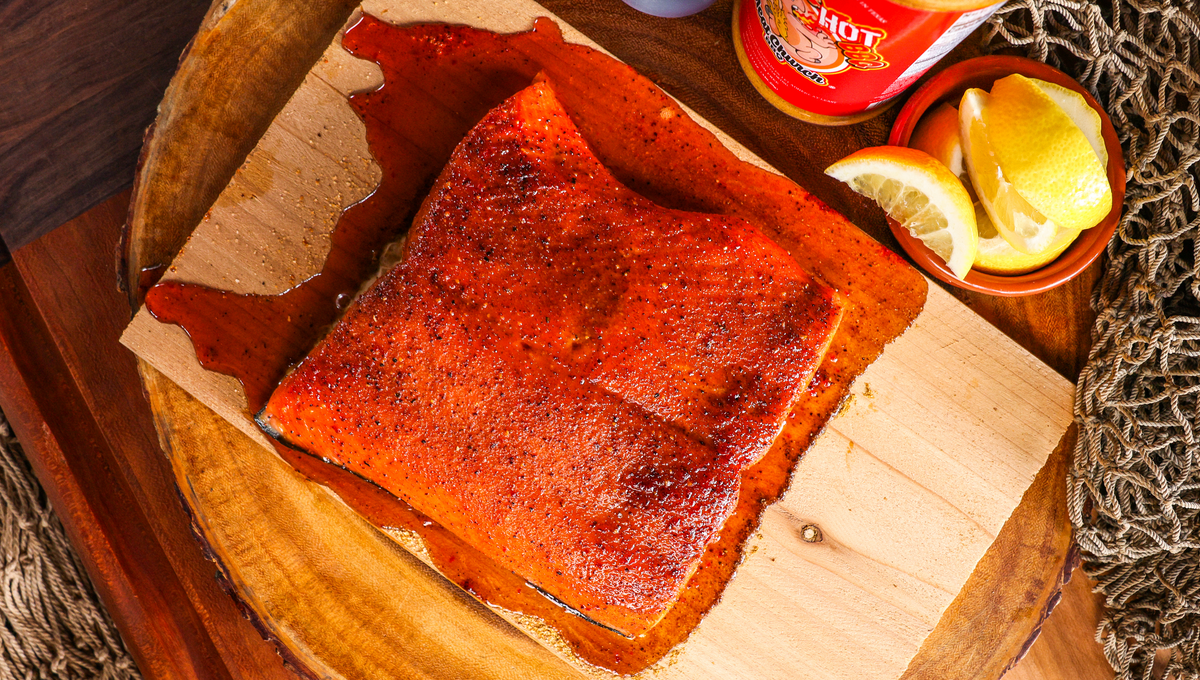
Phase 1: The Dry Rub Application
The process began by preparing the salmon on a cedar plank—a technique chosen specifically to infuse the fish with a subtle, earthy aroma that harmonizes with the natural fats of the salmon. The seasoning of choice was the "Honey Hog Hot," a specialized rub featuring jalapeño notes. The application was precise: covering all sides of the fillet, followed by a 15-minute "adhesion period." This brief rest allows the salt and sugar in the rub to draw out just enough moisture to create a flavorful bond with the surface of the fish.
Phase 2: The Smoke-Infused Slow Roast
The salmon was introduced to a preheated Traeger pellet grill set to 275°F. The choice of fuel was critical; the team utilized a blend of Pecan and Cherry wood pellets. Unlike harsher hardwoods, these fruit and nut woods provide a mild, sweet smoke that does not overwhelm the delicate protein of the salmon. The fish remained on the cedar plank, which served as both a barrier from direct heat and a source of secondary, woodsy aromatics.
Phase 3: The Glazing and Final Tempering
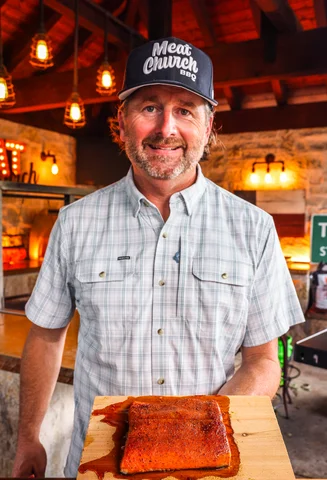
After approximately 25 minutes of smoke exposure, the salmon reached an internal temperature of 125°F. At this juncture, the "Fire Honey" glaze was applied. The glazing process is a delicate operation; by drizzling the honey evenly across the surface, the heat of the grill caramelizes the sugars, creating a sticky, mahogany-colored crust. The final five to ten minutes of cooking brought the internal temperature to a perfect 130°F, ensuring the fish was cooked through while maintaining a succulent, flaky texture.

Supporting Data: The Science of Internal Temperatures
Understanding the thermal dynamics of fish is essential for any serious home cook. While beef is often judged by "rare" or "medium," salmon is best judged by its protein structure and moisture retention.
- The 125°F Threshold: This is the "zone of transformation" where the proteins begin to firm up, but the natural oils remain suspended within the flesh, providing that sought-after "melt-in-your-mouth" experience.
- The 130°F Finish: By pulling the salmon at 130°F, the chef accounts for "carry-over cooking." During the 10-minute rest period, the residual heat within the salmon continues to work, bringing the final eating temperature to an ideal medium-rare state.
- The Importance of Rest: Resting the meat for 10 minutes is not merely a suggestion; it is a chemical necessity. This period allows the juices to redistribute throughout the fillet, preventing the moisture from running out upon the first slice and ensuring every bite is consistently tender.
Professional Perspectives and Industry Standards
In a statement regarding the preparation, the culinary team behind this recipe emphasized that the moniker "Hot" in the seasoning title should not be misinterpreted. "This is not a heat-seeking challenge," the team noted. "The goal is balance. The jalapeño in the rub provides a brightness that cuts through the richness of the Chinook’s natural oils, while the honey provides the necessary sweetness to counteract the salt. The result is a profile that is complex, not aggressive."
Industry experts in seafood preparation often advocate for the use of cedar planks, citing that the moisture retained within the wood releases steam into the fish, essentially poaching it from the bottom up while the smoke seasons it from the top down. This "dual-method" cooking is considered a hallmark of professional-grade outdoor culinary work.

Implications for the Modern Pitmaster
The success of this recipe carries significant implications for the evolution of backyard barbecue. For decades, the smoker was synonymous with heavy, tough cuts of brisket, pork butt, or ribs—meats that required twelve-plus hours of intense heat. This Chinook salmon project demonstrates a shift toward shorter, more refined cooking times and the use of delicate proteins in wood-fired environments.
The Rise of Seafood in Barbecue
As consumers become more health-conscious, the demand for leaner, high-protein options like salmon has grown. By applying the "Meat Church" philosophy to seafood, the barbecue industry is proving that its techniques—rubs, pellets, and temperature control—are versatile enough to handle everything from wild game to delicate coastal catches.
Accessibility of Gourmet Techniques
Furthermore, this methodology highlights the accessibility of high-end cooking. With modern pellet grills, the variables of fire management are largely automated, allowing the home cook to focus on the "chef" aspects of the job: seasoning, timing, and plating. The use of pre-blended, high-quality rubs and consistent fuel blends democratizes the experience of preparing a 20-pound wild fish, allowing a home enthusiast to achieve results that were previously the sole domain of professional kitchens.

Conclusion: A Blueprint for Excellence
Whether you are sourcing a Chinook from the Canadian north or a high-quality fillet from your local fishmonger, the principles remain the same. The combination of fruit-wood smoke, a balanced sweet-heat rub, and rigorous attention to internal temperature creates a dish that is both sophisticated and approachable.
This project serves as a reminder that the best meals are often those that respect the ingredient. By using the smoke to enhance rather than mask, and by using the glaze to provide a final, elevated finish, the team has provided a blueprint that encourages home cooks to experiment with their own catch and their own local flavors. The "Hot Honey Salmon" is more than just a recipe; it is a masterclass in the balance of fire, wood, and brine.
As you prepare your next meal, remember: the thermometer is your best friend, the rest period is mandatory, and the quality of your wood pellets is just as important as the quality of the fish itself. Happy smoking.