By Culinary and Outdoors Correspondent
Published: Special Feature
Main Facts: A Bold Departure from Traditional Texas Comfort Food
Carne guisada is foundational to the culinary heritage of Texas. Traditionally anchored by humble, inexpensive cuts of beef—such as the classic chuck roast—simmered for hours in a rich, velvety, pepper-laden gravy, it is a dish designed to comfort, nourish, and satisfy. For generations, the recipe has remained largely unassailed in its devotion to bovine ingredients.
That is, until now.
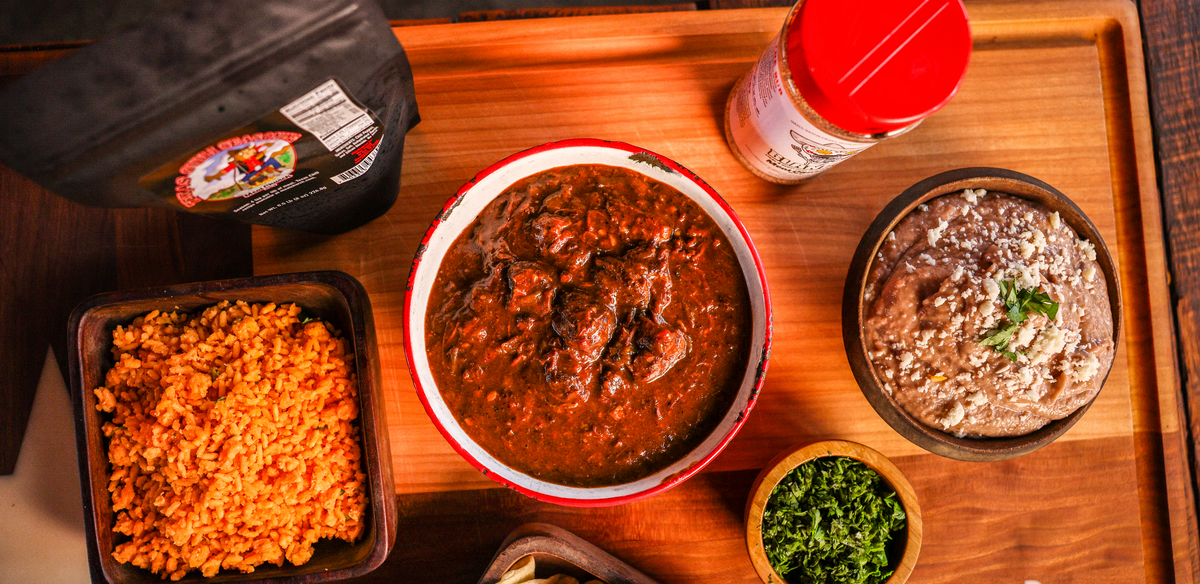
In a striking culinary pivot that bridges the rugged backcountry of Western Canada with the time-tested traditions of Tex-Mex comfort food, Matt Pittman of the celebrated culinary brand Meat Church has introduced a radical reimagining of the staple: Bear Guisada.
Following a successful black bear hunt in the remote wilderness of Alberta, Canada, Pittman harvested a prime animal and transported the rich, dark game meat back home. Rather than defaulting to standard smoking or roasting methods, he applied authentic Texas guisada techniques to the bear shank. Cubed into bite-sized portions, seared in beef tallow, and simmered slowly in a Dutch oven with bell peppers, onions, tomatoes, garlic, cumin, and proprietary Meat Church seasonings, the bear meat undergoes a transformative alchemy.
The resulting dish challenges long-held preconceptions about wild game. Far from being tough, gamey, or unapproachable, low-and-slow braising renders the bear meat fork-tender, allowing it to absorb a deep, savory gravy that rivals—and, according to its creator, surpasses—traditional beef. Served hot over a bed of fluffy white rice or piled high into warm, handmade flour tortillas, Bear Guisada has sparked a viral culinary conversation and earned a provocative new motto among outdoor enthusiasts: Bear > Beef.

Chronology: The Journey from the Backcountry to the Dutch Oven
To understand how a majestic Canadian black bear found its way into a deeply traditional Texas stew, one must trace the deliberate, step-by-step chronology of the hunt and kitchen preparation.
Phase 1: The Alberta Harvest
The story begins deep in the verdant, mountainous backcountry of Alberta, Canada—a region renowned for producing healthy black bears with rich, high-quality fat profiles due to a natural diet of berries, mast, and forage. Following ethical hunting protocols, Pittman successfully harvested the animal, ensuring that every ounce of usable protein was respected and preserved for travel back to the United States.
Phase 2: Butchering and Preparation
Upon returning home, the focus shifted from field to kitchen. Pittman bypassed the standard tenderloins, opting instead to utilize the hardworking muscle of the bear shank—a cut ideal for braising due to its rich connective tissue.

- The Cube: The bear shank meat was carefully excised from the bone and cut into uniform, bite-sized cubes measuring approximately one inch square.
- The Seasoning: The meat was lightly dusted with Meat Church Blanco seasoning, establishing a savory baseline profile without overpowering the natural character of the game.
- The Sear: Working in a preheated cast-iron Dutch oven over medium heat, two tablespoons of rich beef tallow were melted. The bear cubes were added in small batches to ensure the pan was never overcrowded. Searing took place over six to eight minutes, developing a rich, caramelized crust on all sides.
Phase 3: Deglazing and the Aromatic Foundation
Once the meat was browned and temporarily set aside—reserving every drop of precious pan juice—one cup of rich beef broth was introduced to deglaze the Dutch oven. This scraped up the coveted fond (the browned bits stuck to the bottom of the pan), which was then poured back over the resting bear meat.
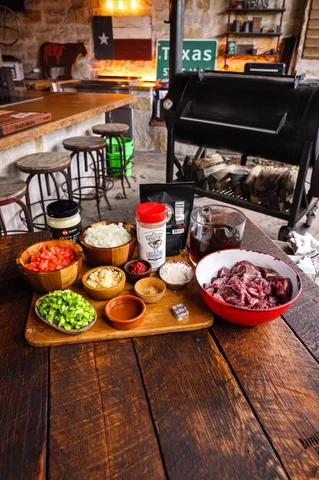
With the vessel cleared, the aromatic phase commenced. Finely diced bell peppers, onions, and minced garlic hit the warm fat, sautéing until translucent and fragrant. Vine-ripened tomatoes were then folded in, cooking for an additional one to two minutes to release their natural acidity and moisture.
Phase 4: Building the Gravy and the Long Braise
To elevate the sauce from a simple vegetable medley into authentic guisada gravy, Pittman layered in Meat Church Blanco and Chili seasonings, ground cumin, concentrated tomato paste, and beef bouillon. A light dusting of all-purpose flour was scattered directly over the vegetables, stirred thoroughly, and allowed to cook for two minutes to eliminate the raw flour taste and create a roux base.

A second cup of beef stock was incorporated, followed by the return of the seared bear meat and its accumulated juices. Another one to two cups of stock were added to submerge the ingredients. The Dutch oven was covered, the heat reduced to a gentle simmer, and the slow transformation began.
Phase 5: The Four-Hour Transformation and Final Polish
Simmered slowly for approximately four hours, the robust bear meat broke down completely, achieving a fork-tender consistency capable of rivaling any long-cooked chuck roast. A quick check of the gravy consistency allowed for adjustments—a simple cornstarch slurry (equal parts cold water and cornstarch) was kept on standby in case the sauce required extra body, while additional stock remained available to thin it out if necessary.
Garnished generously with fresh cilantro and paired with rice or warm tortillas, the dish was officially ready for service.

Supporting Data: Nutritional and Culinary Profiles of Wild Black Bear
While wild game has experienced a massive surge in popularity among homesteaders, foodies, and health-conscious consumers, bear meat remains one of the most misunderstood proteins in North America. Examining the culinary and nutritional data reveals why preparations like Bear Guisada are gaining traction.
- Lean Protein with Rich Fat: Unlike grain-fed feedlot cattle, black bears yield meat that is exceptionally lean yet heavily insulated with a distinct, flavorful fat layer (depending on the season of harvest). When properly rendered, this fat contributes significantly to the body of a braised gravy.
- The Braising Advantage: Game meats derived from active wild animals contain higher concentrations of myoglobin and connective tissues (collagen) compared to domestic livestock. Scientific culinary data confirms that braising tough cuts at low temperatures ($sim 200^circtextF$ to $225^circtextF$) over extended periods (3 to 5 hours) hydrolyzes collagen into gelatin, yielding a melt-in-the-mouth texture.
- Flavor Profile: Because black bears are omnivores whose diets fluctuate seasonally—shifting from grasses and spring shoots to calorie-dense berries, nuts, and acorns in the fall—the flavor of the meat is deeply herbaceous and savory. This profile makes it an ideal canvas for bold Tex-Mex spices like cumin, chili powder, and garlic.
- Culinary Versatility: Traditional Mexican and Tex-Mex braises rely heavily on acidic elements (tomatoes, citrus) and earthy spices (cumin, Mexican oregano) to complement wild proteins, effectively neutralizing any perceived gaminess and elevating the natural umami of the meat.
Official Responses and Reactions from the Culinary Community
The release of the Bear Guisada recipe and its accompanying video tutorial via Meat Church’s digital channels has generated widespread engagement across the outdoor cooking and culinary communities.
Chefs, hunters, and barbecue enthusiasts alike have weighed in on the unorthodox crossover between Canadian wilderness harvesting and Texas comfort food.

"Carne guisada is sacred ground down here in Texas," noted one veteran pitmaster and culinary instructor. "When you mess with the beef, people notice. But seeing how Matt broke down that bear shank and treated it with the exact same respect, technique, and spice profile you’d use for a prime chuck roast? It changes the conversation entirely. It proves that good technique knows no boundaries."
Wild game advocates have similarly praised the recipe for promoting utilization and respect for harvested animals. Wildlife conservation groups frequently emphasize that the true test of a successful harvest is how well the table fare is utilized. By transforming an unconventional protein into an accessible, deeply comforting dish, creators like Pittman provide practical blueprints for hunters looking to expand their culinary repertoire beyond standard burger grinds and breakfast sausage.
Social media platforms lit up following the video release, with viewers sharing their own experiments in substituting wild game into traditional comfort food templates. The phrase “Bear > Beef” quickly transitioned from a playful hook into a serious debate regarding the depth of flavor wild game can impart when paired with proper culinary technique.

Implications: The Future of Wild Game in Modern American Cuisine
The viral success of Bear Guisada highlights a broader, ongoing shift in modern American gastronomy. For decades, wild game was largely relegated to specialized hunting camps, rural households, or high-end game lodges, often viewed by the general public as too intimidating, gamey, or difficult to prepare.
Recipes that fuse traditional comfort foods—such as Texas guisada, chili, pot roasts, and tacos—with ethically harvested wild game are breaking down these barriers. Several key implications emerge from this culinary trend:
- De-stigmatization of Alternative Proteins: By demonstrating that tough, muscular cuts of wild game can achieve melt-in-the-mouth tenderness through classic braising methods, home cooks are inspired to experiment with venison, elk, wild boar, and bear.
- Elevating Field-to-Table Ethics: Content that showcases the entire lifecycle of food—from the Alberta backcountry to the cast-iron Dutch oven—reinforces a deep connection to sustainability. Consumers are increasingly eager to understand where their food originates, and wild game represents the ultimate free-range, organic protein source.
- Regional Fusion: The blending of Canadian wilderness harvesting traditions with Tex-Mex flavor profiles demonstrates the fluidity of modern American cooking. Regional boundaries are dissolving as culinary creators borrow techniques from across borders to invent entirely new comfort food classics.
As long as adventurous cooks are willing to look beyond the supermarket meat counter, dishes like Bear Guisada ensure that the ancient tradition of gathering wild game will continue to find a vibrant, evolving home at the modern dinner table. Whether served over steaming white rice or wrapped inside a freshly pressed flour tortilla, this unlikely Texas staple has firmly established its place in culinary history.