Main Facts
When outdoor cooking enthusiasts think of quintessential summer meals, the conversation frequently gravitates toward heavy cuts of meat: brisket, ribs, and thick ribeye steaks. However, the shifting landscape of modern backyard gastronomy has expanded far beyond traditional boundaries. Enter the ultimate convergence of Pacific Northwest bounty and Texas barbecue craftsmanship: the wood-fired Baja fish taco featuring freshly caught Canadian lingcod, elevated by Meat Church Blanco seasoning and a smoky chipotle slaw.
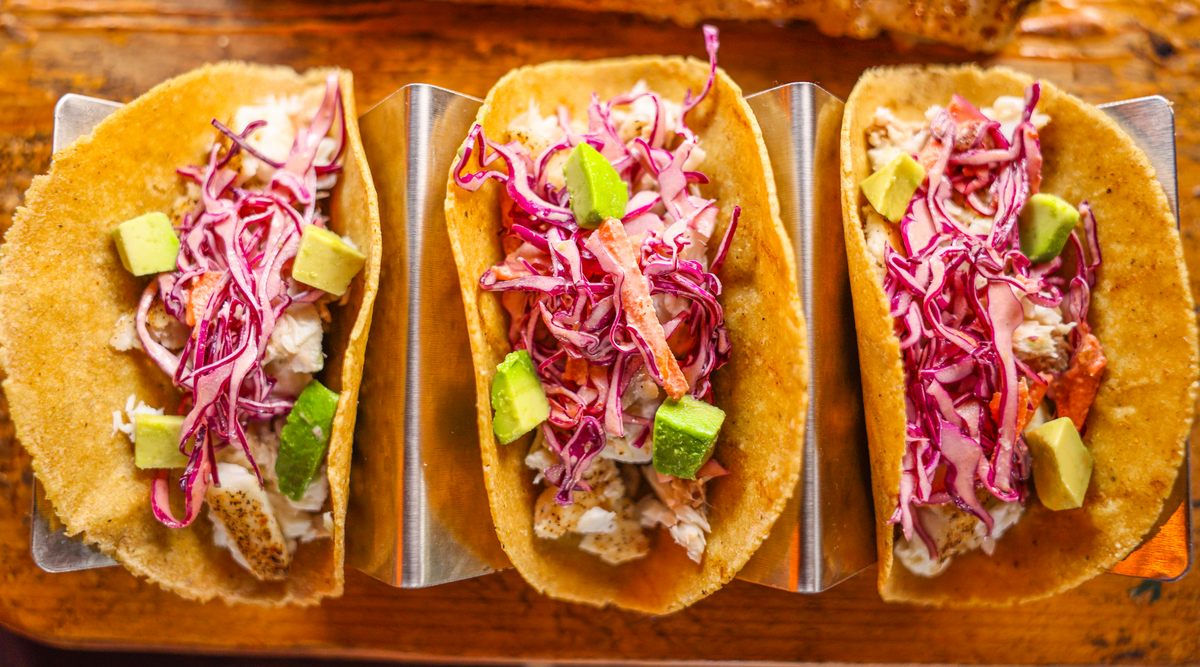
This viral recipe bridges thousands of miles, taking fresh lingcod reeled from the ice-cold, rugged waters of Canada and bringing it deep into the heart of Texas. Prepared on a pellet grill using a specialized blend of pecan and cherry wood pellets, the fish achieves a delicate balance of flaky tenderness and rich, wood-fired aroma. Combined with warm, lightly charred corn tortillas, a creamy and vibrant homemade chipotle slaw, fresh avocado, and a squeeze of lime, this dish has quickly established itself as a leading contender for the "Recipe of the Summer."
While lingcod serves as the star of this particular culinary showcase, the technique is versatile, easily accommodating alternatives like halibut or virtually any robust white fish. By pairing high-heat pellet grilling with precise temperature monitoring, home cooks can achieve restaurant-quality Baja-style tacos in their own backyards.
Chronology: From the Canadian Depths to the Texas Grates
The journey of these exceptional fish tacos spans geography, preparation, and precise thermal execution. Understanding the step-by-step chronology helps home cooks replicate the dish with precision.
Phase 1: The Catch and Transport
The narrative begins far north in the icy, nutrient-rich marine ecosystems of Canada. Lingcod—known for its lean, white flesh, mild flavor, and flaky texture—is prized by anglers. Once harvested, the fish was carefully preserved and transported hundreds of miles south to Texas, setting the stage for an unlikely fusion of coastal fishing culture and Southern pitmaster techniques.
Phase 2: Grill Preparation and Pellet Selection
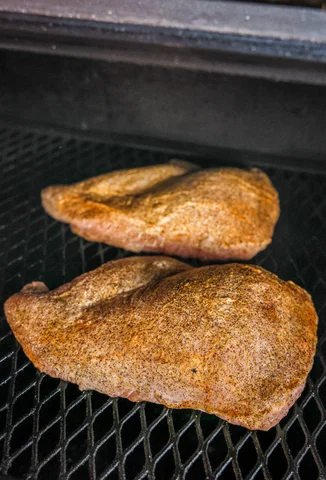
Before the fish touches the grates, thermal preparation is paramount. The pellet grill (in this case, a Traeger) is preheated to a blistering 450°F. Fuel selection is critical for delicate proteins; the pitmaster opted for Meat Church Pecan and Cherry Blend Traeger pellets. This specific mixture of light fruitwoods imparts a subtle, sweet, and aromatic smoke that enhances the fish without overpowering its natural flavor profile.

Phase 3: Seasoning and The Rest
Simplicity defines the seasoning phase. The lingcod fillets are coated evenly with Meat Church Blanco seasoning, a savory blend designed for steak and versatile enough to complement seafood. Crucially, the fish is left to rest for 15 minutes, allowing the seasoning to adhere to the flesh and begin drawing out optimal flavors.
Phase 4: The Wood-Fired Cook
To prevent sticking at high temperatures, the pellet grill grates are coated generously with cooking spray.
- The Sear (Flesh Side Down): The fillets are laid directly onto the hot grates, flesh side down, for an initial sear of 5 to 6 minutes.
- The Flip: Using a wide fish spatula to preserve the structural integrity of the delicate flakes, the fish is carefully flipped.
- Reaching Target Temp: Cooking continues for an additional 8 to 9 minutes, until an instant-read thermometer registers an internal temperature of 135°F. Total active cook time spans a rapid 13 to 15 minutes.
- The Carryover Rest: The fish is removed from the cooker and allowed to rest, where residual heat brings the final internal temperature to a food-safe and perfectly flaky 145°F.
Phase 5: Slaw Assembly and Assembly
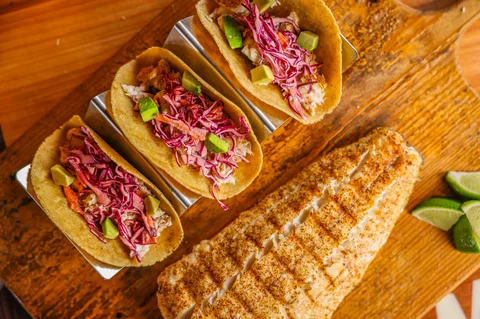
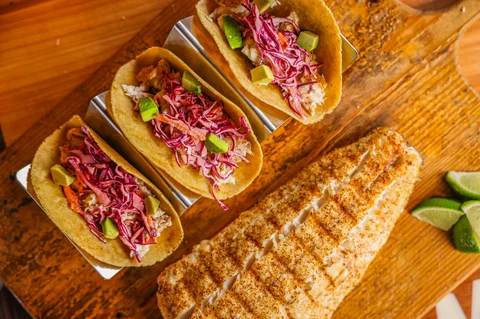
While the fish rests, the components of the meal come together. All ingredients for the homemade smoky chipotle slaw are combined in a medium bowl and mixed thoroughly. Concurrently, par-cooked corn tortillas are warmed and lightly charred directly on the pellet grill. Finally, the lingcod is flaked or cut to size, piled onto the warm tortillas, and garnished with the chipotle slaw, cubed avocado, and a bright squeeze of fresh lime juice.

Supporting Data and Culinary Mechanics
Executing a high-heat fish cook on a wood pellet grill requires an understanding of thermodynamics, timing, and food safety standards. Below is a breakdown of the key metrics involved in this recipe:
| Culinary Parameter | Target Metric / Specification | Purpose |
|---|---|---|
| Grill Temperature | 450°F (High Heat) | Provides a quick outer sear and efficient wood-smoke transference. |
| Wood Pellets | Pecan and Cherry Blend | Delivers a mild, sweet fruitwood smoke profile that won’t overwhelm white fish. |
| Seasoning Adhesion Time | 15 Minutes | Allows dry rub to bind with the surface moisture of the fish. |
| Initial Sear Phase | 5–6 Minutes (Flesh Down) | Develops texture and absorbs initial wood-fire aromatics. |
| Second Phase Cook | 8–9 Minutes | Completes the internal cooking process gently. |
| Pull Temperature | 135°F Internal | Prevents overcooking and moisture loss during the resting phase. |
| Final Resting Temp | 145°F Internal | Meets safe culinary standards while maintaining ultimate flake and juiciness. |
Why Lingcod and White Fish Excel on Pellet Grills
White fish varieties like lingcod and halibut present a unique culinary challenge: because they are lean, they dry out quickly under intense, direct heat. However, cooking at 450°F on a pellet grill fueled by clean-burning fruitwood creates an environment that balances convection heat and direct radiant energy. The relatively short cook window (under 15 minutes) ensures the interior retains its moisture, while the high heat builds a desirable exterior texture.
Official Responses and Culinary Commentary
The fusion of traditional Baja street food with modern backyard barbecue culture has drawn significant attention from culinary content creators and outdoor cooking enthusiasts alike.

Matt Pittman, the driving force behind Meat Church, emphasized the philosophy of keeping great ingredients simple:
"After catching beautiful lingcod in the cold waters of Canada, I brought it all the way back to Texas to show you my favorite way to cook it. We kept it simple with a generous coating of Meat Church Blanco, then grilled it over wood-fired flavor on a pellet grill until it was perfectly flaky."
Outdoor cooking communities have echoed this sentiment, noting that the accessibility of modern pellet grills has democratized seafood preparation. Historically, cooking fish over open wood fires or backyard smokers was viewed as risky due to the high potential for sticking or overcooking. By utilizing precision digital temperature controls, non-stick preparation strategies (such as spraying grates), and reliable fish spatulas, home cooks can achieve results that rival coastal seafood shacks.

Furthermore, culinary experts point out that the choice of accompaniment—specifically the smoky chipotle slaw—acts as a critical balance. The rich, creamy, and smoky profile of the slaw cuts through the clean, mild taste of the lingcod, while the acidity of the fresh lime juice elevates the entire flavor architecture of the taco.
Implications for Backyard Barbecue and Summer Entertaining
The rising popularity of recipes like the wood-fired Baja fish taco highlights a broader evolution in outdoor cooking culture. Several key implications emerge from this trend:
1. Diversification of Backyard Menus
For decades, backyard grilling was synonymous with beef, pork, and poultry. As consumers seek lighter, fresher, and more dynamic meal options during the warmer summer months, seafood is claiming a permanent spot on the menu. Recipes that successfully translate coastal traditions into inland barbecue setups prove that smokers and pellet grills are multi-species cooking vessels.

2. The Rise of Regional Ingredient Fusion
The dish represents a masterclass in cross-regional culinary collaboration. By taking a Pacific Canadian catch, seasoning it with a Texas-born spice blend, and applying a smoking technique popularized across the American South, this recipe mirrors the increasingly interconnected nature of modern home cooking. Food enthusiasts are no longer restricted by geographic borders; instead, they are combining the best elements of distinct culinary regions into cohesive, single-plate experiences.
3. Equipment Versatility and Technique Accessibility
The integration of digital pellet grills has lowered the barrier to entry for cooking delicate proteins outdoors. Where traditional offset smokers or charcoal setups required constant, intensive monitoring of airflow and fuel beds, modern pellet grills allow users to dial in exact temperatures (such as 450°F) with the touch of a button. This technological advancement encourages experimentation with foods traditionally thought too delicate for open-fire cooking, such as white fish, vegetables, and flatbreads.
As summer cookout season continues to evolve, the wood-fired Baja fish taco stands as a testament to innovation in the backyard kitchen. Whether utilizing freshly caught lingcod from northern waters or a premium filet from a local market, this recipe offers a blueprint for elevating casual outdoor dining into an unforgettable culinary event.