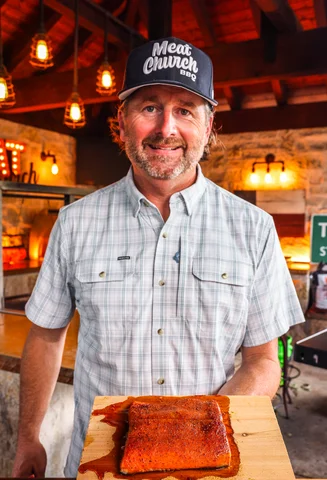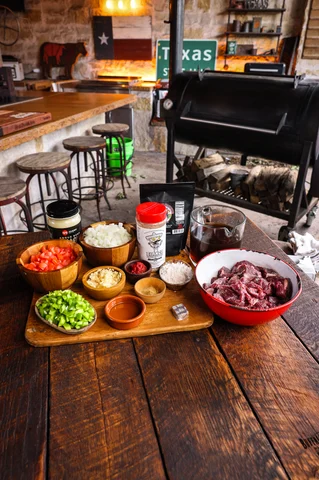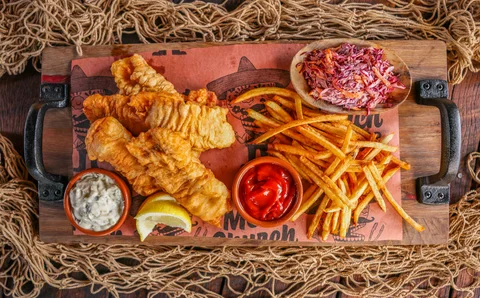
In the world of outdoor cooking, few dishes capture the ephemeral spirit of summer quite like the fish taco. It is a dish defined by contrast: the delicate, flaky texture of fresh white fish paired with the vibrant crunch of slaw, the warmth of a grilled tortilla, and the bright acidity of lime. Recently, the culinary experts at Meat Church took this coastal classic and reimagined it through the lens of wood-fired craftsmanship, transporting the cold-water bounty of Canada to the heat of a Texas pellet grill.
Main Facts: The Essence of the Baja Taco
The Baja fish taco is traditionally celebrated for its simplicity. However, the secret to elevating this dish from a casual snack to a gourmet experience lies in the quality of the ingredients and the precision of the preparation. The recent demonstration by Meat Church highlights the use of Lingcod—a prized, mild-flavored white fish—as the centerpiece.
The philosophy behind this particular recipe is "less is more." By utilizing a high-quality, balanced seasoning like "Blanco," the chef ensures that the natural integrity of the fish remains the star of the show. The cooking method, which utilizes a pellet grill at high temperatures, introduces a subtle wood-fired smoke profile that is rarely achieved in traditional pan-seared versions of the dish.
Key Components:
- The Protein: Lingcod, though halibut or cod serve as excellent alternatives.
- The Seasoning: Meat Church Blanco, chosen for its versatility and ability to complement seafood without overpowering it.
- The Slaw: A homemade smoky chipotle slaw that provides the necessary creamy-yet-spicy backbone to the taco.
- The Vessel: Freshly grilled corn tortillas, which add a toasted, nutty depth to every bite.
Chronology: From Canadian Waters to the Texas Grill
The journey of this dish began far from the heat of the smoker. It started in the crisp, cold waters of Canada, where the lingcod was harvested. This initial phase of the journey is crucial; the quality of the fish is the single most important variable in the final outcome.

Once the fish was transported to Texas, the preparation process began in earnest. The chronology of the cook is as follows:
- Preparation (T-minus 15 minutes): The fish is seasoned evenly with the Blanco rub. Allowing the seasoning to adhere for 15 minutes is a critical step, as it allows the salt and spices to penetrate the flesh, ensuring flavor in every bite.
- The Pre-Heat (T-minus 10 minutes): The pellet grill—in this case, a Traeger—is brought to a steady 450°F. The choice of wood pellets is vital; Pecan and Cherry blends are recommended to provide a light, fruit-forward smoke that doesn’t mask the delicate flavor of the fish.
- The Sear (0–6 minutes): The fillets are placed flesh-side down on the grill grates, which have been lightly treated with cooking spray to prevent sticking.
- The Flip (6–15 minutes): Using a specialized fish spatula, the fillets are carefully turned. The goal is a delicate flake, not a charred exterior. The fish continues to cook until it reaches an internal temperature of 135°F.
- The Rest (15–20 minutes): Upon removal from the heat, the fish is allowed to rest. Residual heat carries the internal temperature to a food-safe and perfectly cooked 145°F, ensuring the moisture remains trapped within the fillets.
Supporting Data: The Science of the Smoke
To understand why this method produces such a superior taco, one must look at the thermodynamics of the pellet grill. At 450°F, the grill functions as both a convection oven and a grill. The airflow within the chamber ensures that the fish is cooked evenly from all sides, while the smoke from the fruit wood pellets infuses the proteins with compounds that enhance the perception of sweetness in the fish.

Furthermore, the choice of a chipotle-based slaw is not merely a matter of taste—it is a matter of culinary balance. The capsaicin and smoke from the chipotle stimulate the palate, while the creamy elements of the slaw coating act as a fat-soluble carrier for the seasoning on the fish. This creates a "flavor bridge" between the protein and the garnish.
Official Perspectives on Seafood Preparation
According to leading culinary professionals in the barbecue and grilling community, the biggest mistake home cooks make with fish is over-handling. The "Meat Church" method emphasizes a "hands-off" approach. By allowing the grill to do the work and using a high-quality spatula to ensure a clean flip, the structural integrity of the fish is maintained.

"The goal," notes the kitchen team, "is to achieve that perfect, flaky texture that falls apart on your fork but stays together long enough to make it into the tortilla." The use of par-cooked corn tortillas, which are then grilled on the smoker alongside the fish, is also a professional touch that adds a layer of texture, preventing the tortilla from becoming soggy under the weight of the slaw and the moisture of the fish.
Implications for the Home Chef
This recipe signals a broader trend in outdoor cooking: the migration of traditional "indoor" recipes to the wood-fired grill. As more home cooks invest in high-end pellet grills, the definition of "barbecue" is expanding beyond brisket and ribs to include delicate proteins like seafood and vegetables.

Practical Implications:
- Skill Development: Mastering the fish taco requires patience and an understanding of temperature control. It is an excellent project for intermediate cooks looking to refine their grill management skills.
- Seasonality: While this is marketed as a "summertime staple," the use of high-quality, shelf-stable rubs and frozen or fresh-shipped fish makes this a viable recipe for any time of year.
- Accessibility: The recipe demonstrates that you do not need a commercial kitchen to produce a restaurant-quality meal. With a reliable instant-read thermometer and a basic understanding of smoke profiles, the home cook can replicate high-end coastal cuisine in their own backyard.
The Final Build: Assembly as Art
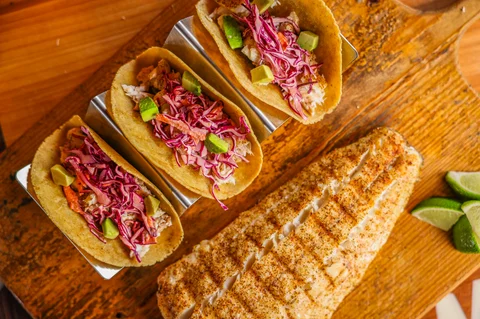
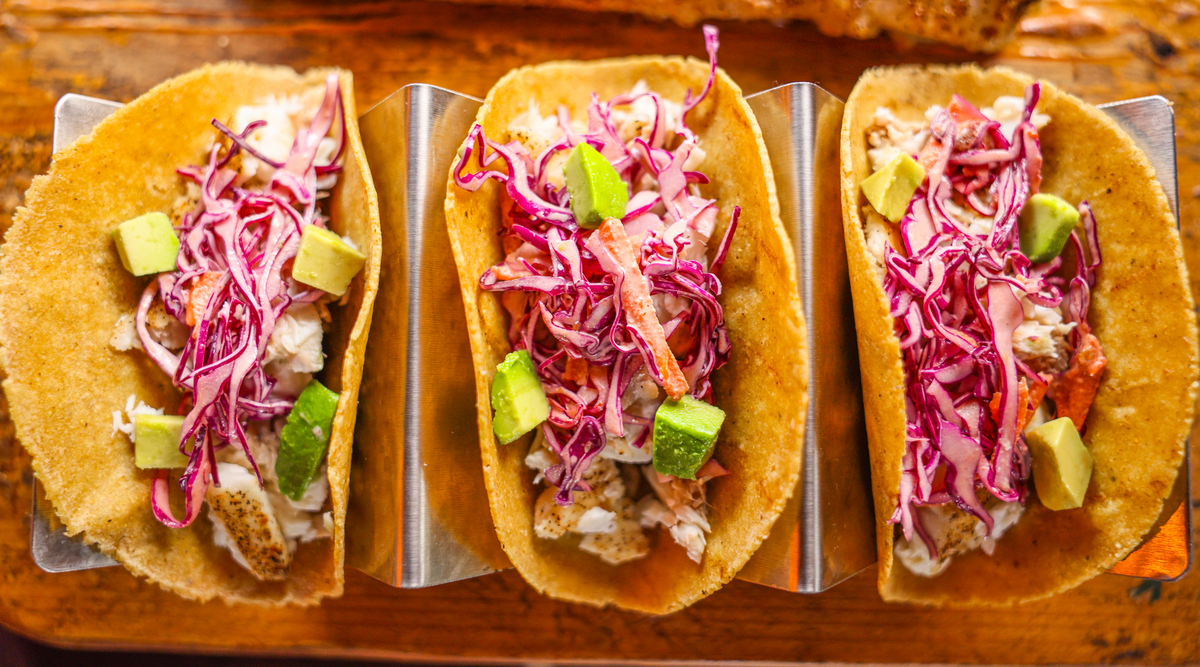
The final assembly is where the visual appeal of the Baja fish taco comes to life. The process is a deliberate act of layering:
- Base: A warm, lightly charred corn tortilla.
- Centerpiece: Generous, chunky flakes of wood-fired lingcod.
- Crunch: A heap of the chipotle slaw, providing color and texture.
- Creaminess: Cubed avocado, which acts as a cooling agent against the smoke of the fish and the heat of the chipotle.
- The Finish: A fresh squeeze of lime juice. The acidity of the lime is the final, essential element; it cuts through the richness of the fish and the creaminess of the slaw, "waking up" the palate and providing a crisp, clean finish to the experience.
As summer progresses, the lure of the grill remains strong. By choosing high-quality proteins and respecting the simplicity of the Baja tradition, the home cook can turn a simple taco night into a memorable event. Whether you are using lingcod from the Canadian coast or a local white fish from your regional market, the principles remain the same: high heat, quality wood, and a little bit of patience. These tacos aren’t just a meal; they are a masterclass in how to elevate the simple, honest ingredients of the sea into something truly extraordinary.