In the culinary landscape of Texas, few dishes carry as much cultural weight as carne guisada. Traditionally synonymous with tender beef chuck, slow-simmered in a rich, cumin-forward gravy, this staple of Tex-Mex cuisine is a Sunday dinner tradition across the Lone Star State. However, Matt Pittman, the renowned pitmaster and founder of Meat Church, has recently challenged the status quo of this classic dish by introducing a surprising—and controversial—protein: wild black bear.
Following a successful hunting expedition in the rugged wilderness of Alberta, Canada, Pittman returned with more than just a trophy; he brought back a culinary challenge. By swapping the conventional beef for bear shank, Pittman has ignited a conversation about the versatility of wild game and the potential for underrated proteins to elevate traditional comfort food.
The Evolution of a Texas Staple
Carne guisada has long been the gold standard for home-style Tex-Mex. It is a dish born of necessity, utilizing tougher, more flavorful cuts of meat that require long, slow cooking to break down connective tissues into succulent, melt-in-your-mouth bites. While beef has always been the primary choice, the principles of the dish—a savory base of aromatics, a thickened, seasoned gravy, and long-form heat—are perfectly suited for game meat.
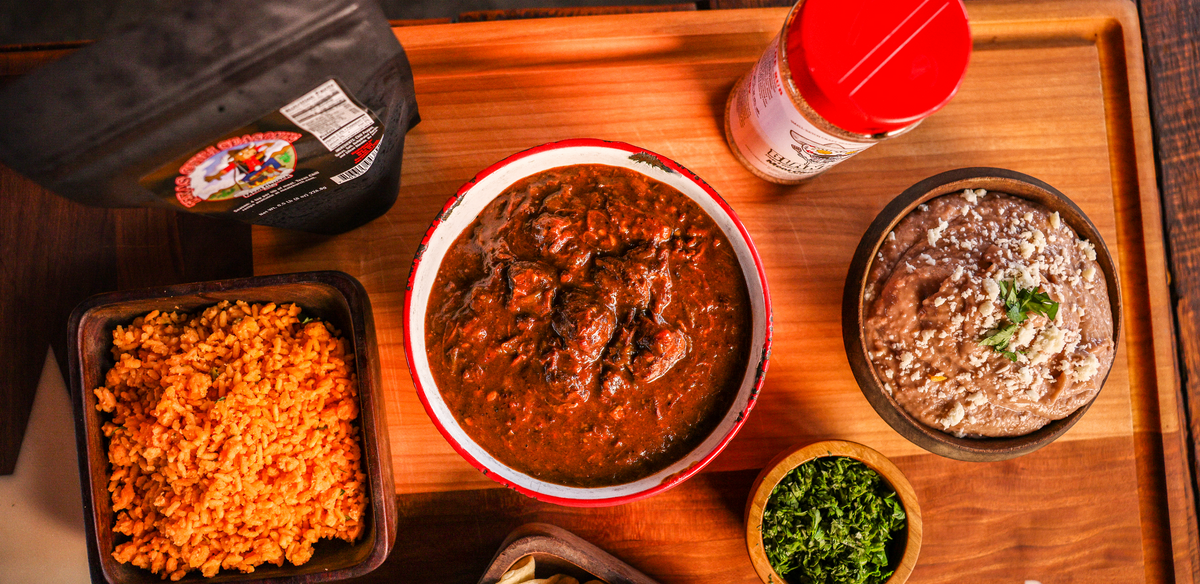
Pittman’s experiment with bear meat is not merely a novelty. It represents a growing trend among outdoor enthusiasts and chefs who are increasingly looking to bridge the gap between "field-to-table" hunting and high-end gastronomy. By applying the rigorous techniques of Texas barbecue to wild game, Pittman is proving that the "wild" flavor profile of bear, when treated with respect and proper preparation, can offer a complexity that beef often lacks.
Chronology: From Alberta to the Dutch Oven
The transformation of the bear meat into a refined guisada is a process that demands patience and precision. The journey begins in the backcountry, but the culinary story unfolds in the kitchen.
1. Preparation and Butchery
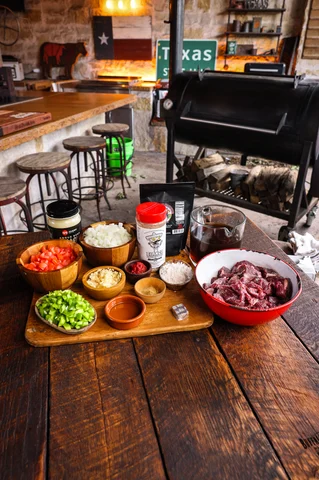
The process begins with the bear shank, a muscle group known for its intense flavor and abundance of collagen. After harvesting, the meat is carefully deboned and cubed into uniform, one-inch pieces. This size is critical, as it ensures that the meat cooks evenly while retaining its structural integrity during the four-hour simmer. Before it hits the heat, the meat is lightly dusted with Meat Church’s "Blanco" seasoning, a foundational dry rub that complements the natural, rich gamey notes of the bear without overpowering them.

2. The Sear: Building the Foundation
In a preheated Dutch oven or heavy-duty cast iron skillet, two tablespoons of beef tallow are introduced. The meat is seared in batches to ensure a deep, mahogany crust forms on all sides. Pittman emphasizes the importance of not overcrowding the pan, as this would lead to steaming rather than searing. Once the meat is browned—a process taking roughly six to eight minutes—it is removed, leaving the flavorful rendered fat and "fond" (the browned bits) in the pan. A cup of beef broth is then used to deglaze the pan, capturing every ounce of flavor before the liquid is returned to the meat.
3. Aromatics and the Gravy Base
The base of the guisada relies on a classic trinity of Texas flavors: bell peppers, onions, and garlic. These are sautéed in the rendered fat until translucent, allowing the sugars to caramelize. Tomatoes are then added for acidity. The signature depth of the dish is achieved through a precise blend of Meat Church’s "Blanco" and Chili seasonings, bolstered by additional cumin, tomato paste, and beef bouillon.
To achieve the signature consistency of guisada, flour is incorporated into the vegetable base, creating a roux. As it thickens, a cup of high-quality beef stock is whisked in, creating a luxurious, velvet-like gravy that will eventually envelop the bear meat.

4. The Long Simmer
The seared bear meat is reintroduced to the Dutch oven, and another 1.5 to 2 cups of beef stock are added to ensure total submersion. The pot is covered and set to a low, consistent simmer. For approximately four hours, the magic of hydrolysis occurs: the collagen in the bear shank breaks down, turning the once-tough muscle into fork-tender bites that are infused with the spice-laden gravy.
If, upon checking, the gravy requires more body, a cornstarch slurry is introduced; if too thick, a splash of stock brings it back to the perfect consistency.
Supporting Data: Why Bear Meat is a Culinary Secret
While many are apprehensive about consuming bear meat, nutritionists and wild game experts point to its unique profile. Bear meat is exceptionally high in protein and, depending on the bear’s diet (often rich in berries and nuts), can be remarkably clean and nutty in flavor.

Compared to domestic beef, wild bear meat is leaner and lower in saturated fats. However, it is the density of the meat that makes it superior for slow-cooking. According to Pittman’s own assessment, the texture of the bear shank after a four-hour braise achieves a "fork-tender" state that arguably surpasses that of a standard beef chuck roast. The flavor profile—which sits somewhere between beef and a very dark, rich venison—is robust enough to stand up to the heavy seasoning of a traditional Texas guisada without disappearing into the sauce.
Official Perspectives: The "Bear > Beef" Philosophy
The audacity of Matt Pittman’s claim that "Bear > Beef" has sparked intense debate within the barbecue and hunting communities. For many traditionalists, beef is non-negotiable. However, Pittman’s perspective is rooted in the philosophy of the modern hunter: an appreciation for the animal’s life and a commitment to utilizing every part of the harvest.
"This is the wildest Carne Guisada I’ve ever made," Pittman noted during the demonstration. By choosing bear, he is challenging his followers to look past the stigma associated with game meat. He argues that by utilizing the specific fat content and muscle structure of the bear, one can create a dish that is not only more sustainable but also more reflective of the landscape from which it was harvested.

Implications for the Future of Wild Game
The success of this recipe has significant implications for how we view wild game in professional and home kitchens.
1. Shift in Culinary Perception
For years, wild game was relegated to "camp food"—dishes meant to be eaten around a fire, often prioritized for utility rather than flavor. Pittman’s work shifts the narrative, placing game meat in the realm of high-end comfort food. This move encourages hunters to refine their butchery skills and experiment with traditional seasoning profiles, potentially increasing the demand for wild game as a legitimate alternative to factory-farmed proteins.
2. Sustainability and Ethics
As the cost of beef rises and concerns about the environmental impact of industrial agriculture grow, the "field-to-table" movement gains momentum. Using game meat, such as black bear, is a highly sustainable practice that connects the consumer directly to the food source. Pittman’s recipe serves as a blueprint for those who wish to pursue this lifestyle but lack the culinary confidence to cook unconventional proteins.

3. The Future of Tex-Mex
Could bear become a seasonal fixture in Tex-Mex restaurants? While likely not in mass-market chains, there is a growing market for "wild game" specials in boutique restaurants that emphasize local, ethical sourcing. The success of this guisada proves that the culinary boundaries of traditional dishes are flexible. When the fundamentals of flavor—aromatics, fats, spices, and time—are respected, the protein itself becomes a canvas for the chef’s creativity.
Conclusion: A New Benchmark for Comfort
Matt Pittman’s Bear Guisada is more than a viral recipe; it is a testament to the fact that great cooking is defined by technique, not just the ingredients on a grocery store shelf. By applying the slow-braising traditions of Texas to the wild, rugged proteins of Alberta, he has created a dish that satisfies the palate while honoring the source of the meat.
Whether you are a seasoned hunter looking for new ways to prepare your harvest or a curious home cook willing to step outside the beef aisle, this recipe serves as a reminder: sometimes, the most unexpected ingredients yield the most memorable results. As the culinary world continues to embrace sustainable and wild-sourced proteins, dishes like this will undoubtedly lead the way, proving that the best version of a classic might just be the one that starts in the wild.