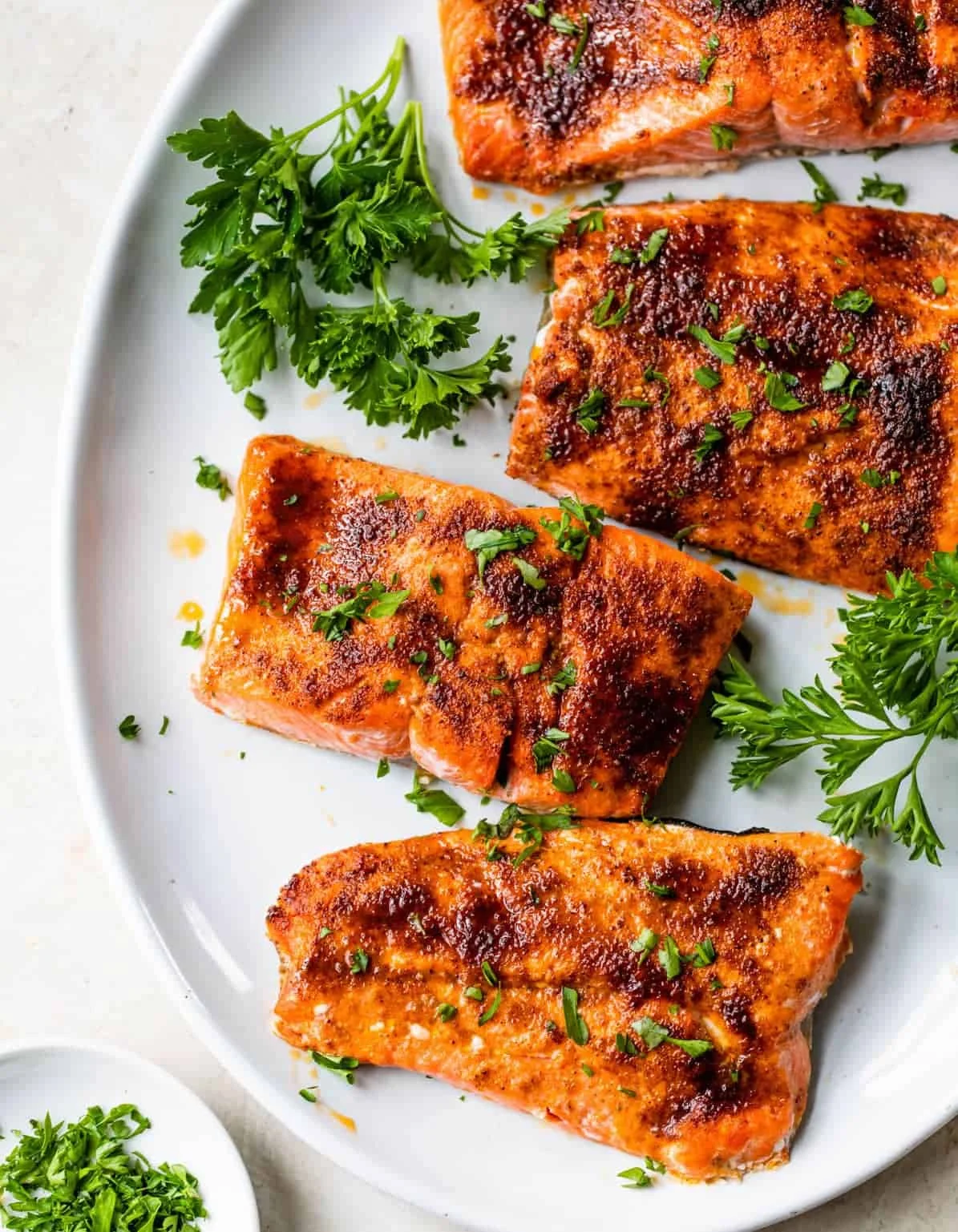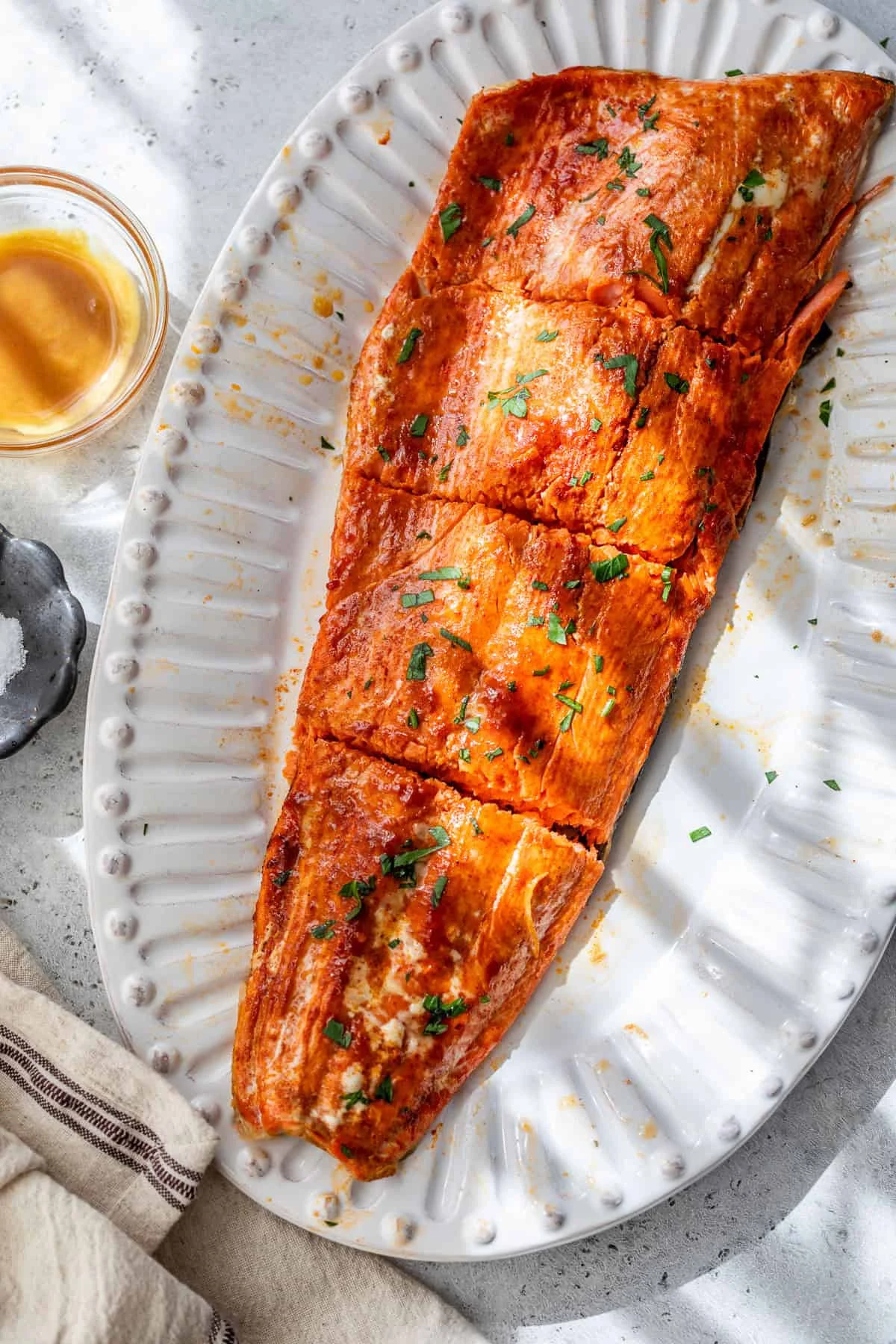
In the modern culinary landscape, the challenge for the average home cook is not necessarily a lack of ambition, but a chronic deficit of time. As households grapple with demanding schedules and the rising cost of dining out, the quest for a meal that manages to be both nutritionally dense and legitimately delicious has become the "holy grail" of the kitchen. Enter the honey mustard salmon: a deceptively simple dish that has surged in popularity, becoming a staple for families looking to balance health, convenience, and high-quality flavor.
Championed by food writers and cookbook authors such as Erin Clarke of Well Plated, this preparation method transforms the humble salmon fillet into a centerpiece that even the most reluctant seafood eaters can enjoy. By utilizing a simple, six-ingredient glaze that caramelizes under heat, this dish bridges the gap between sophisticated dining and the practicality of a 30-minute weeknight meal.
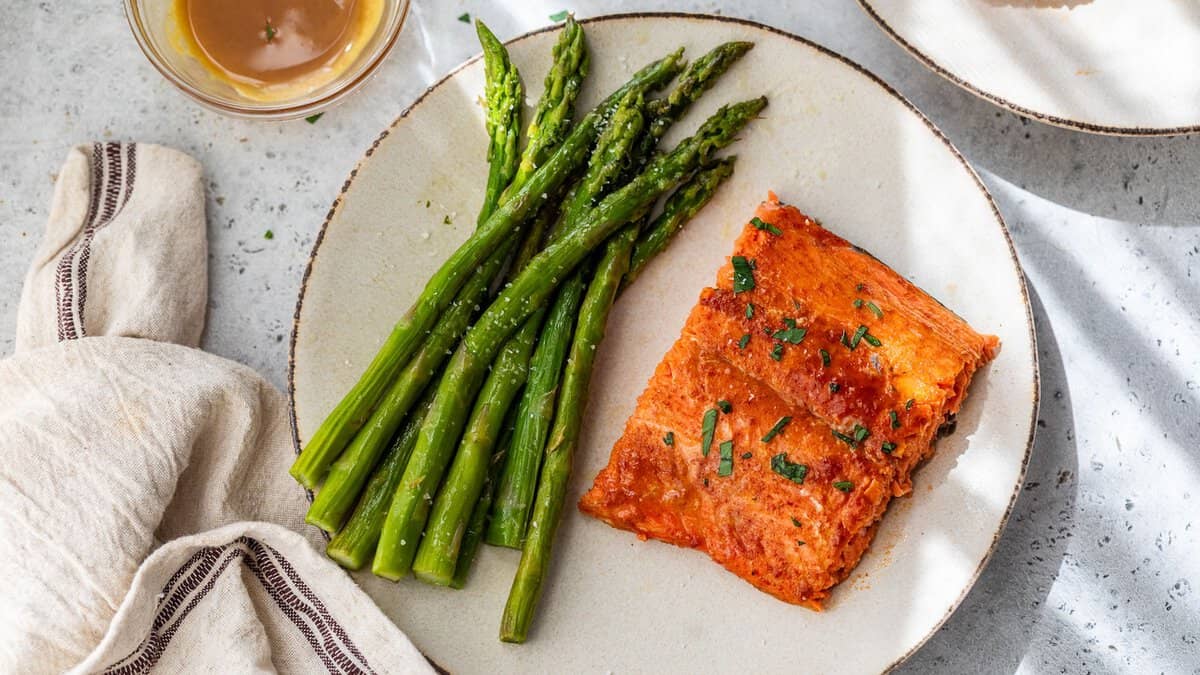
The Main Facts: The Anatomy of a Perfect Glaze
At its core, the appeal of honey mustard salmon lies in the scientific interaction between its components. Salmon is a high-protein, omega-3-rich fish that, while inherently healthy, can become dry or bland if improperly prepared. The honey mustard glaze acts as both a flavor enhancer and a protective barrier.
When honey and Dijon mustard are combined, the resulting mixture achieves a balance of sweetness and acidity. The honey provides a natural sugar source that facilitates the Maillard reaction—or more specifically, caramelization—at high temperatures. This creates a golden, slightly sticky exterior crust that seals in the fish’s natural moisture. The Dijon mustard adds a sharp, pungent bite that cuts through the richness of the salmon, providing a sophisticated flavor profile that appeals to both adult palates and picky children.
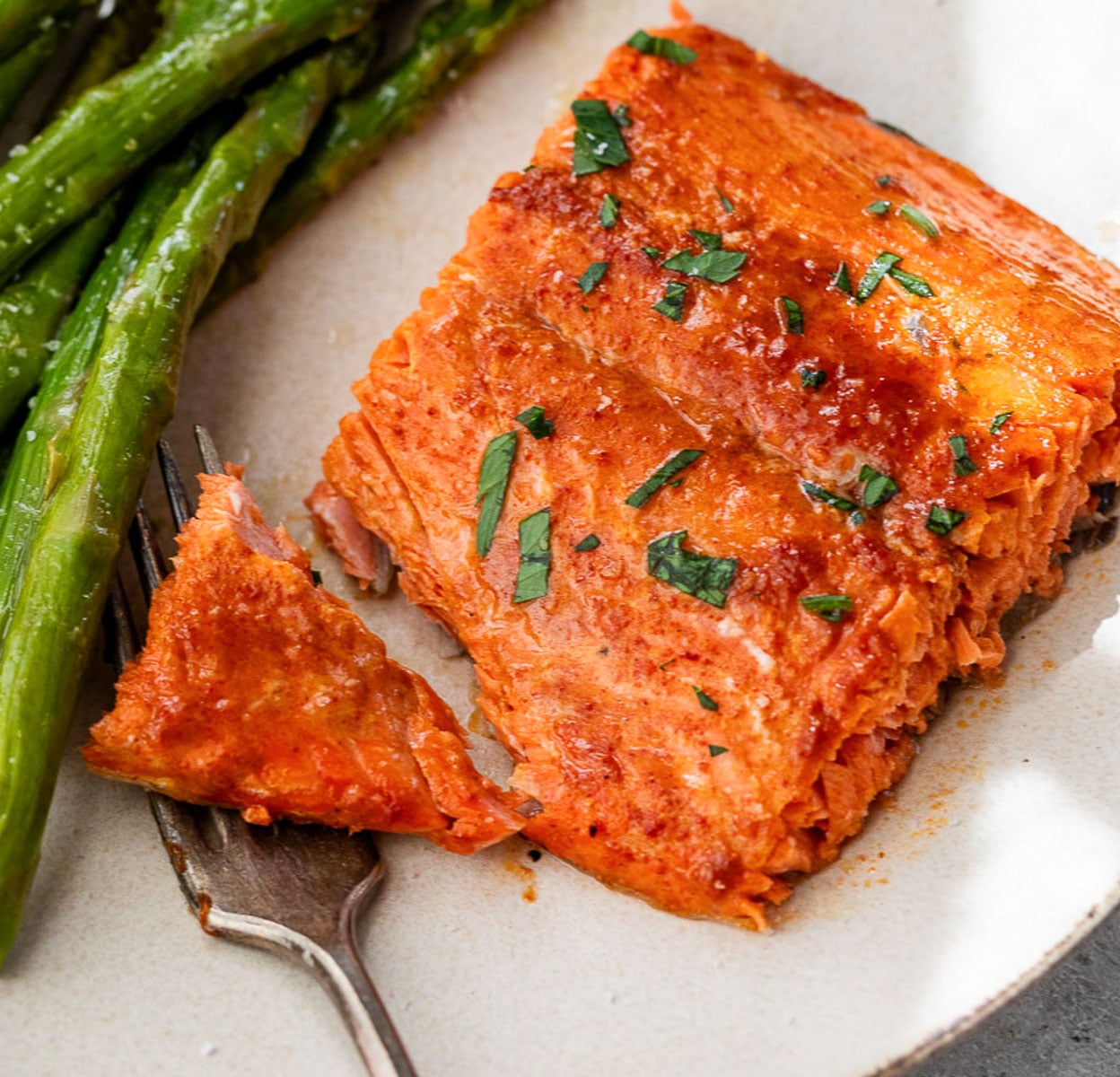
The brilliance of this dish lies in its minimalism. By requiring only six base ingredients, it eliminates the "clutter" of complex spice racks, allowing the natural, buttery quality of the fish to remain the star of the show.
A Chronological Guide to the Perfect Bake
Achieving the perfect texture with salmon is often the primary point of anxiety for home cooks. However, the process is linear and forgiving if specific temperature guidelines are followed.

Phase 1: Preparation and Acclimation
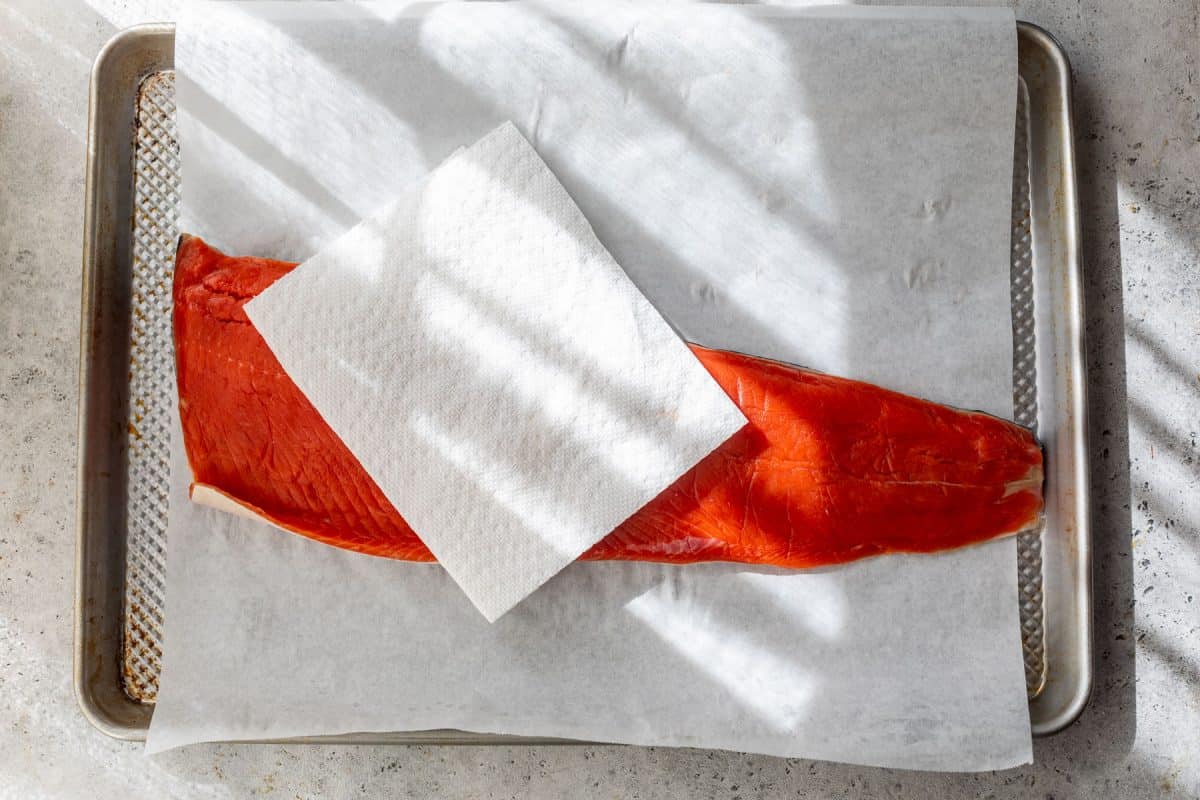
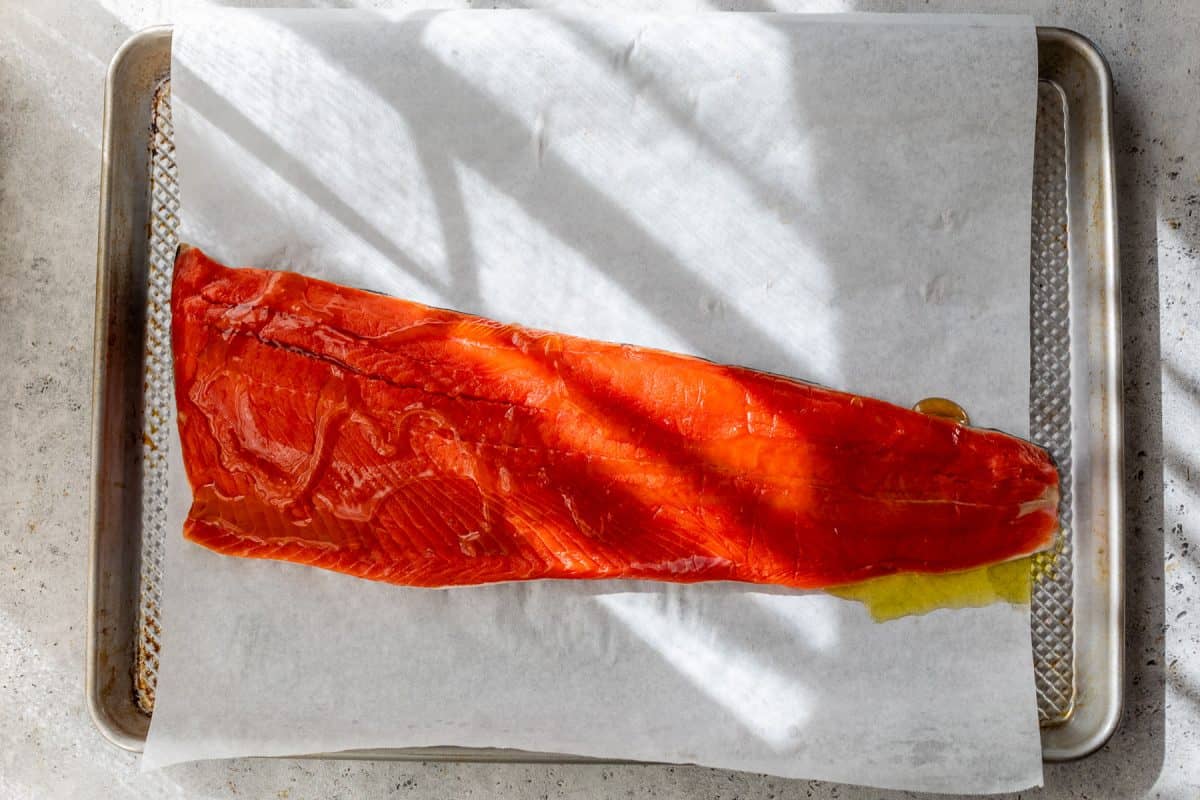
The process begins with the prep. The salmon should be patted dry with a paper towel; removing excess surface moisture is essential for achieving a proper sear or glaze adhesion. Once dried, the fillets should be allowed to sit at room temperature for approximately 10 to 15 minutes while the oven preheats to 425 degrees F (218 degrees C). This step is critical; putting a cold piece of fish into a hot oven can cause the proteins to seize, leading to a tough texture.
Phase 2: The Application of the Glaze
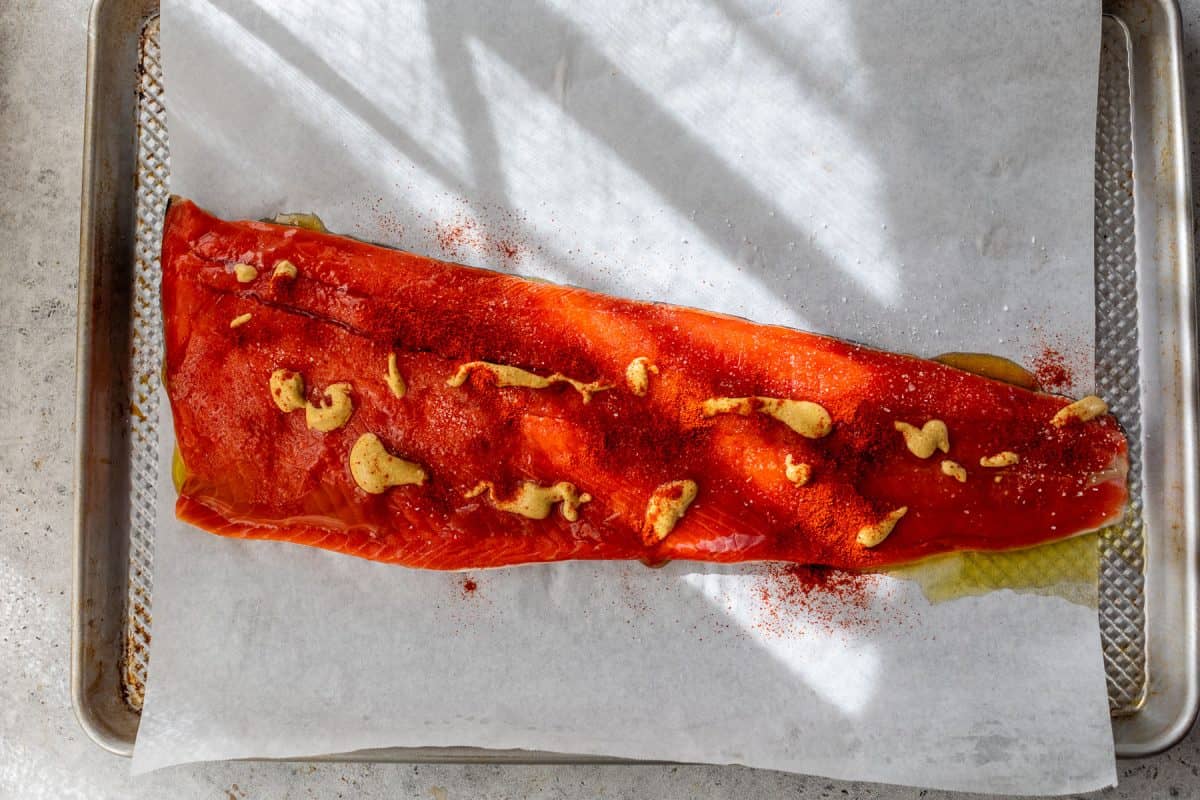
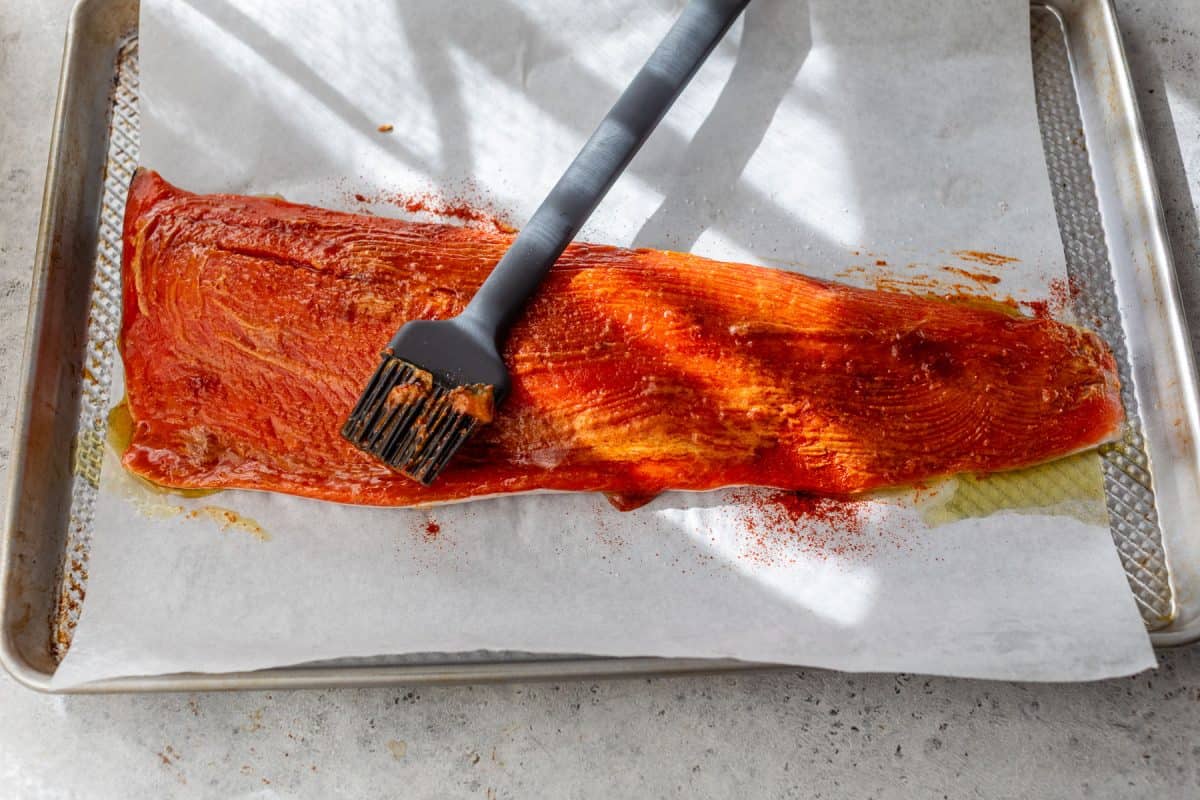
Once the oven has reached temperature, the salmon is placed on a parchment-lined baking sheet. The glaze—a whisked combination of Dijon mustard, honey, olive oil, a touch of paprika, and salt—is applied generously. Using a pastry brush ensures an even coating, which is vital for uniform caramelization.
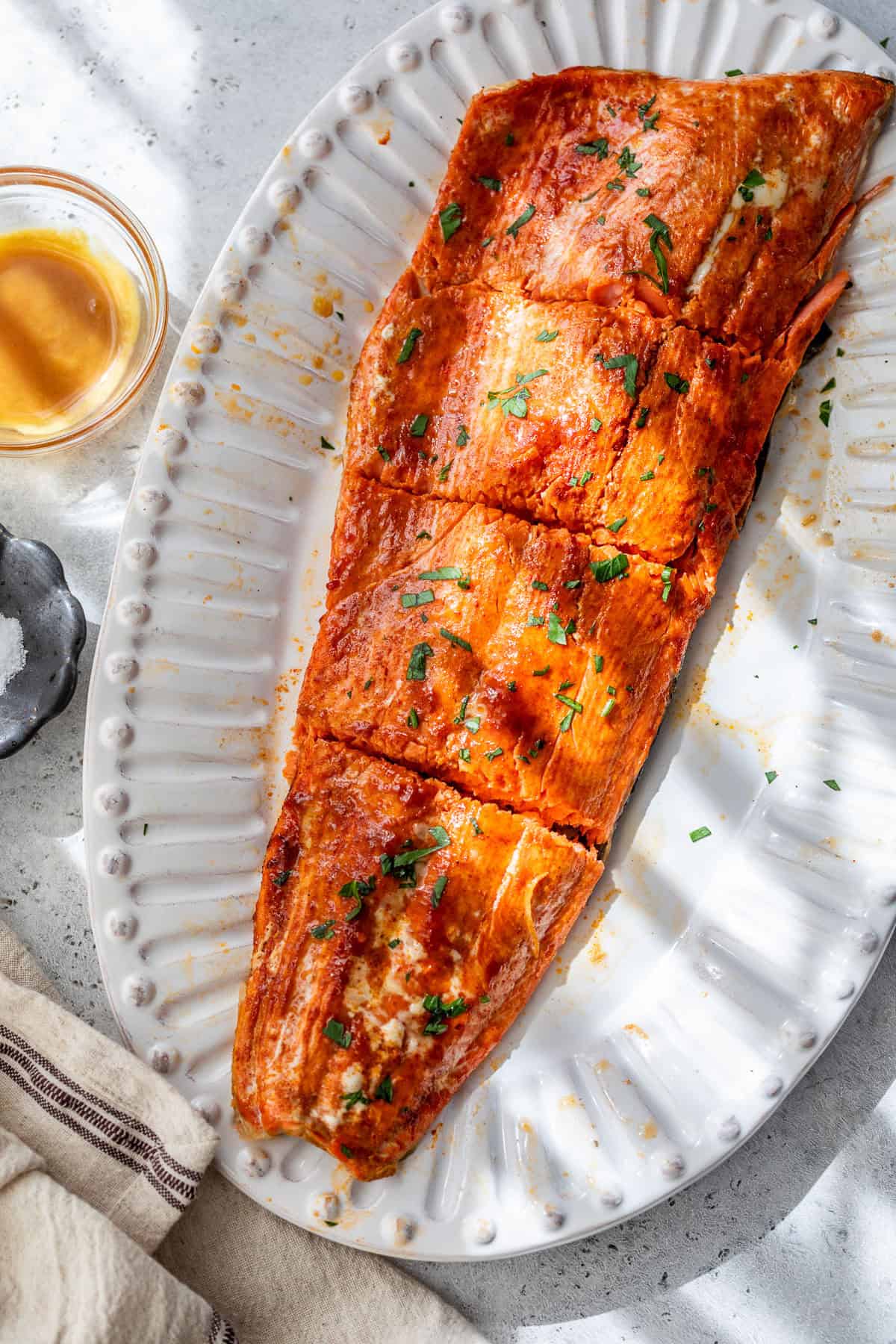
Phase 3: The Thermal Transformation
The fish is then placed on the center rack. At 425 degrees F, the oven environment is hot enough to cook the fish quickly while simultaneously activating the sugars in the honey. Depending on the thickness of the fillet, the cooking time generally ranges between 10 to 15 minutes.
Phase 4: Verification and Resting
The "flaky test" is a common visual indicator of doneness, but for professional-grade results, an instant-read thermometer is the gold standard. The FDA recommends an internal temperature of 145 degrees F for fish. Once reached, the salmon must rest for three to five minutes before serving. This resting period allows the muscle fibers to relax and reabsorb juices, ensuring that every bite is succulent rather than stringy.
Supporting Data: Nutritional Density and Macro Profiles
From a nutritional standpoint, salmon is one of the most beneficial proteins available. A typical serving of honey mustard salmon, prepared according to standard recipes, provides approximately 45 grams of high-quality protein and a significant dose of heart-healthy omega-3 fatty acids.
While the addition of honey adds a small amount of sugar (typically around 9 grams per serving), it is a far superior alternative to the processed sauces or high-sodium marinades found in pre-packaged convenience meals. With approximately 422 calories per serving, this dish offers a balanced macronutrient profile, pairing well with fiber-rich sides like roasted asparagus, steamed broccoli, or wild rice.
The inclusion of mustard also provides trace amounts of selenium and magnesium, while the olive oil contributes monounsaturated fats, which are essential for cardiovascular health. For families, this dish serves as a "gateway" to seafood, helping to establish healthy eating habits by making fish seem like a treat rather than a chore.
Expert Perspective: Why This Recipe Resonates
Erin Clarke, a prominent voice in the home cooking sphere, has long advocated for recipes that prioritize efficiency without compromising the culinary experience. Her perspective on the honey mustard salmon is emblematic of a broader trend in home economics: the desire to "dirty fewer dishes" and "save time."
"Salmon recipes have a permanent spot on my dinner rotation," Clarke notes. Her philosophy centers on the idea that if a meal is easy to prepare, it will be prepared more often. By simplifying the technique—baking on a single sheet pan—she removes the barriers to entry for busy professionals and parents. The success of such a recipe is measured not just in flavor, but in its repeatability. When a meal becomes a "no-look" recipe—one that can be prepared from memory—it fundamentally shifts the domestic burden of cooking from a stressful task to a manageable, even enjoyable, daily routine.
Implications for the Modern Kitchen
The rise of the honey mustard salmon highlights several important shifts in how we approach home dining:
- The Decline of "Convenience" Overdependence: As families realize that a fresh, homemade meal can be executed in the same amount of time it takes to order and wait for delivery, there is a clear trend toward "fast-scratch" cooking.
- The Demand for Versatility: Modern home cooks are looking for "flexible" recipes. Honey mustard salmon is notable because it pairs with almost any side dish—leftover vegetables, grains, or simple salads—making it a champion of the "zero-waste" kitchen.
- The Importance of Education: The success of this dish relies on simple education regarding temperatures and preparation. The shift toward using thermometers, rather than "guessing" by sight, marks a more scientific and professional approach to home cooking.
Conclusion
The honey mustard salmon is more than just a recipe; it is a solution to the perennial struggle of the weeknight dinner. By combining the natural nutritional benefits of salmon with a universally appealing flavor profile and an efficient, high-heat cooking method, it sets a new standard for home-cooked meals. Whether you are a novice cook or a seasoned pro, the ability to produce a restaurant-quality, flaky, and flavorful fish dish in under 30 minutes is an essential skill. As we continue to navigate the complexities of modern life, these simple, nutrient-dense, and delicious recipes will undoubtedly remain the cornerstone of the healthy, happy home.