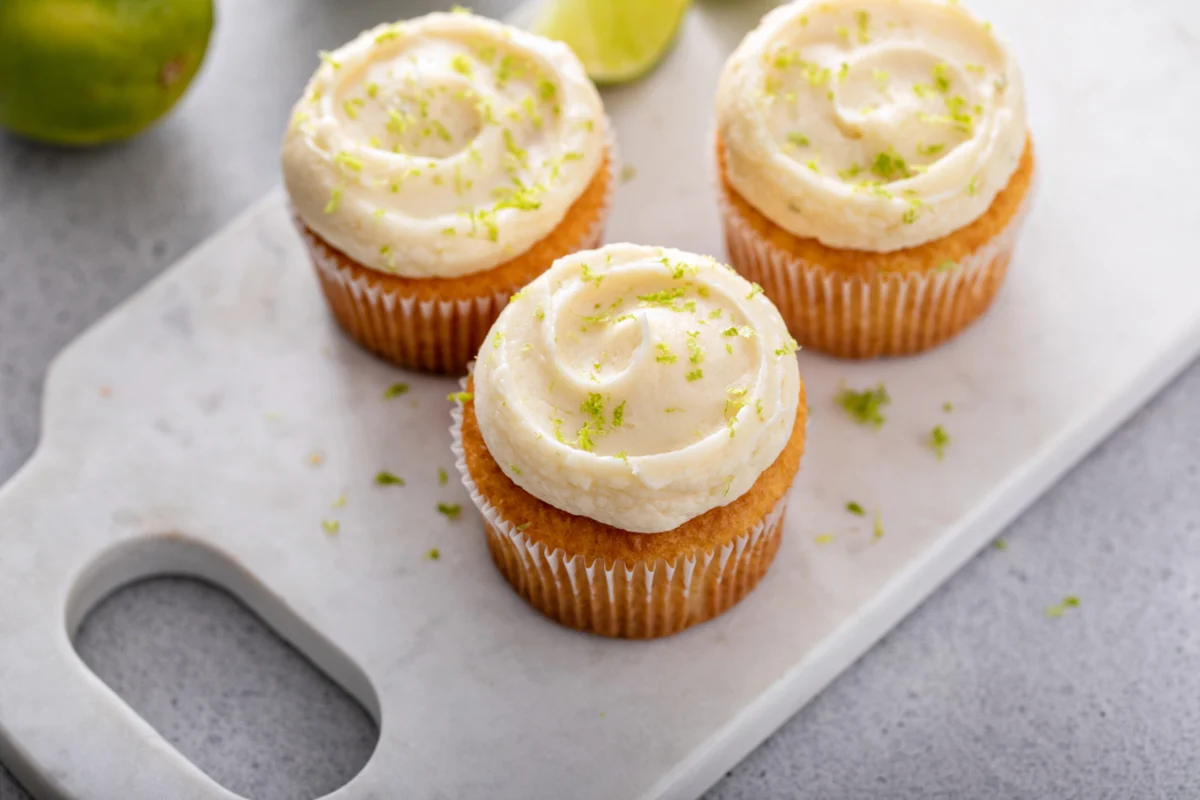
In the ever-evolving world of artisanal home baking, few flavor profiles command as much reverence as the marriage of coconut and lime. It is a quintessential pairing—the rich, creamy, nutty depth of the tropics meeting the sharp, acidic, and vibrant zest of citrus. This week, we delve into the science and craft behind the perfect Homemade Coconut Lime Cupcake, a dessert that has recently surged in popularity for its ability to balance indulgence with refreshing, bright notes.
Whether you are a seasoned pastry chef or a novice baker looking to elevate your weekend repertoire, these cupcakes represent a masterclass in texture, flavor layering, and technical precision.
Main Facts: The Anatomy of a Perfect Cupcake
The hallmark of a superior coconut lime cupcake is the elusive "tender crumb." Achieving this requires a delicate balance of moisture and structure. The primary components that define this recipe include:
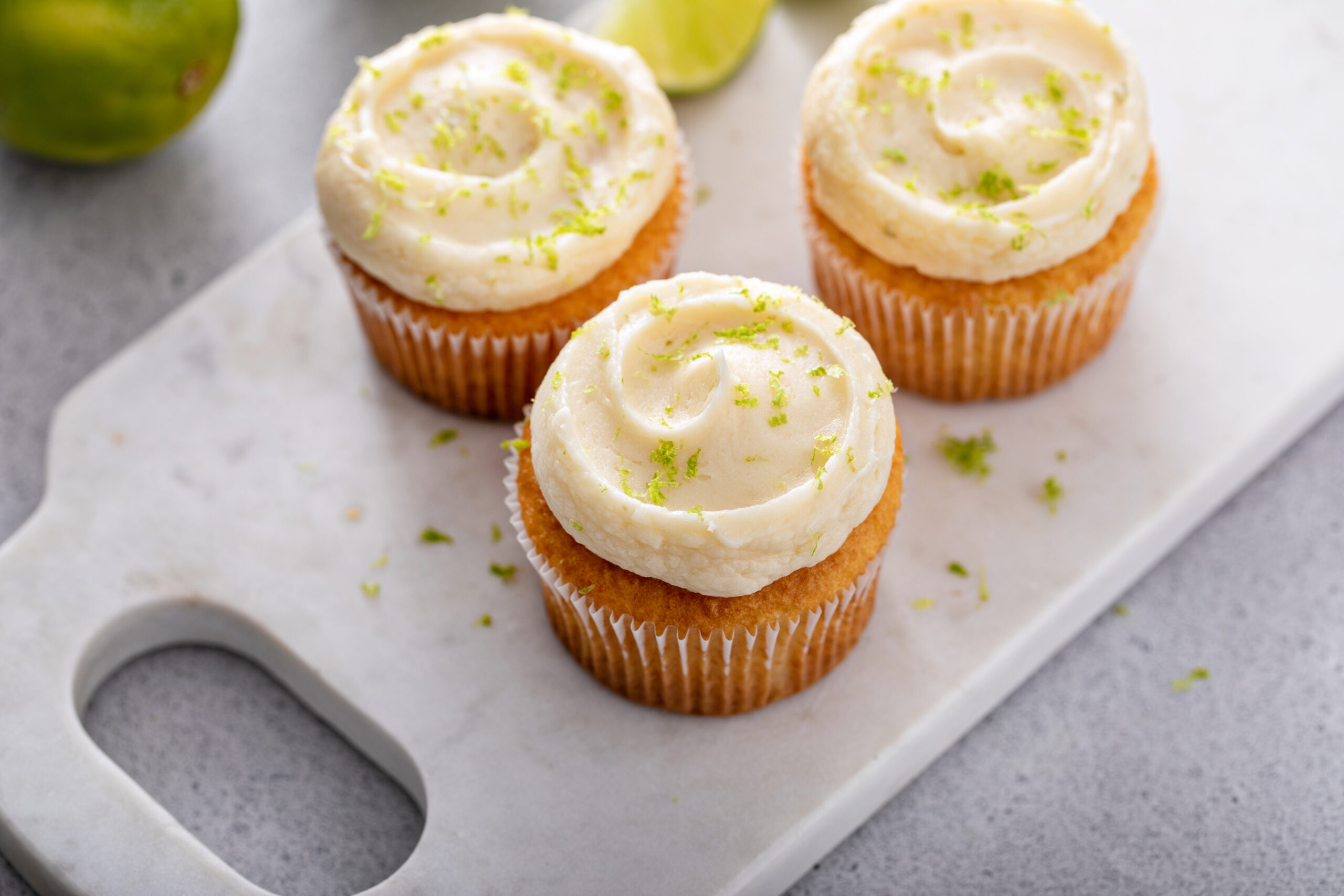
- The Lipid Base: Utilizing full-fat, canned coconut milk rather than standard dairy milk is not merely a suggestion; it is a fundamental requirement. The high fat content in canned coconut milk provides the necessary moisture to prevent the cake from becoming dry, while simultaneously infusing the batter with a natural, authentic coconut flavor that processed extracts cannot replicate.
- The Citrus Infusion: The brilliance of this dessert lies in the use of fresh lime zest. Unlike lime juice, which introduces water and acidity that can alter the pH balance of the batter, the zest contains potent essential oils that release a fragrant, perfume-like citrus aroma that permeates the entire sponge.
- The Structural Integrity: Proper aeration is achieved through the mechanical creaming of butter and sugar. This stage is critical, as it creates microscopic air pockets that expand in the oven, yielding a soft, airy result.
Chronology: The Journey from Pantry to Plate
For those aiming to replicate these bakery-standard treats at home, the process follows a strict chronological discipline. Understanding the "why" behind each step is as important as the execution itself.
Phase 1: Preparation and Temperature Control (0–30 Minutes)
Success begins before the oven is even preheated. Bakers must pull their butter, eggs, and coconut milk from the refrigerator at least 30 minutes before commencement. Ingredients at room temperature create an emulsion; cold ingredients, by contrast, can cause the butter to clump, resulting in an uneven, dense batter.
Phase 2: The Creaming Process (30–45 Minutes)
Once the ingredients are tempered, the real work begins. Beating the butter and sugar until the mixture is visibly pale and fluffy is the most critical step for texture. This process is known as "aeration." Following this, the eggs are incorporated one by one to ensure the emulsion holds.
Phase 3: Folding and Baking (45–70 Minutes)
When incorporating the dry ingredients (flour, baking powder, and salt) and the coconut milk, restraint is key. Overmixing activates the gluten, which leads to a "bready" or tough cupcake. Once the batter is uniform, it is portioned into liners. Using a standard ice cream scoop ensures consistency, which is vital for even baking times. The cupcakes are then baked for approximately 18 minutes, or until a tester comes out with a few moist crumbs.
Phase 4: The Cooling and Finishing (70–90 Minutes)
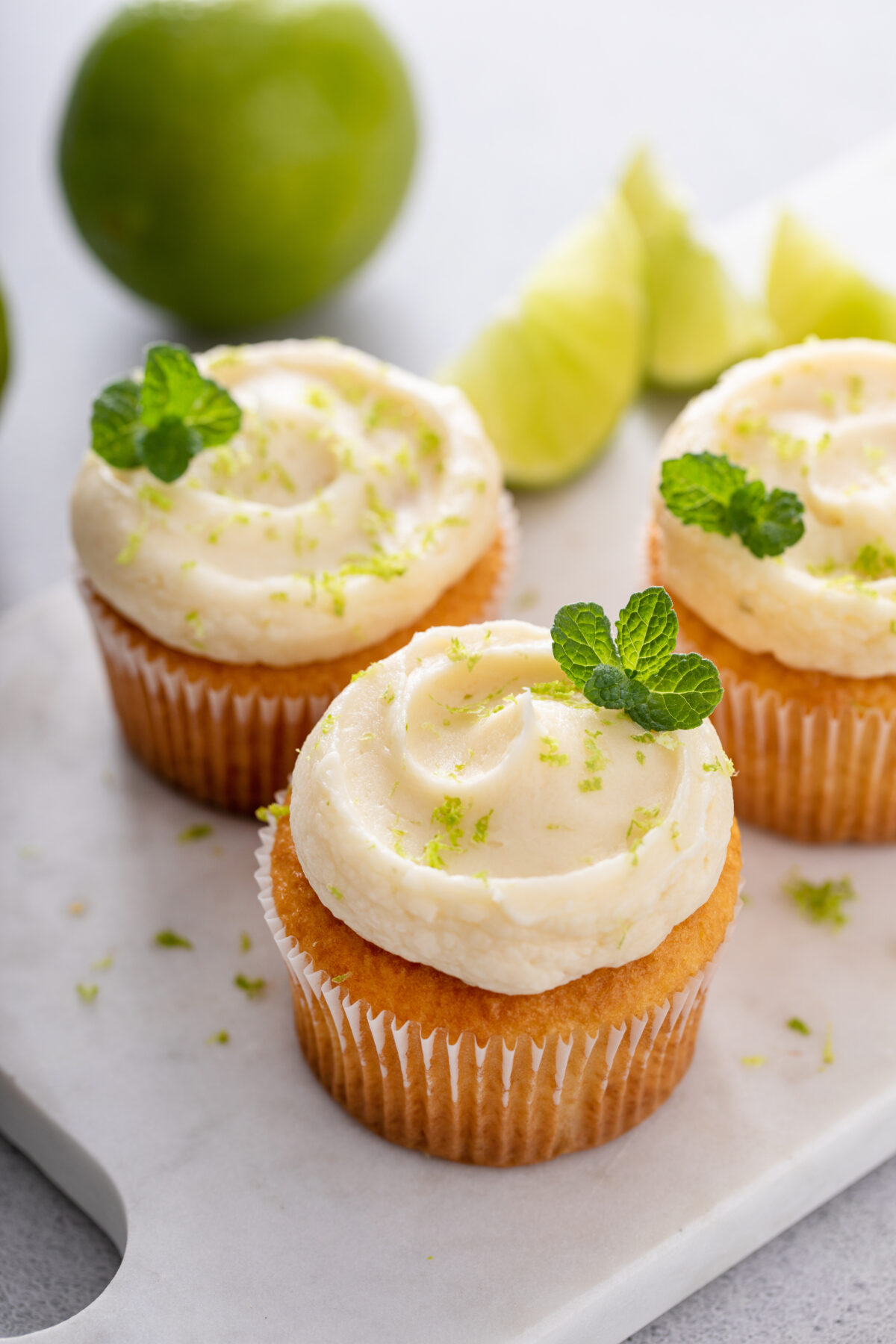
Patience is the final ingredient. Applying buttercream to a warm cupcake is a common error that leads to a melted, unsightly mess. Once completely cooled, the lime-infused buttercream is piped on, followed by a garnish of toasted coconut for a necessary textural crunch.
Supporting Data: The Science of Flavor Layering
Why does this combination succeed where others fail? Food scientists often point to the concept of "contrast pairing." Coconut is high in fats and sugars, which can feel heavy on the palate. Lime, conversely, provides a high-acidity "cut" that cleanses the palate, allowing the baker to enjoy multiple cupcakes without experiencing flavor fatigue.
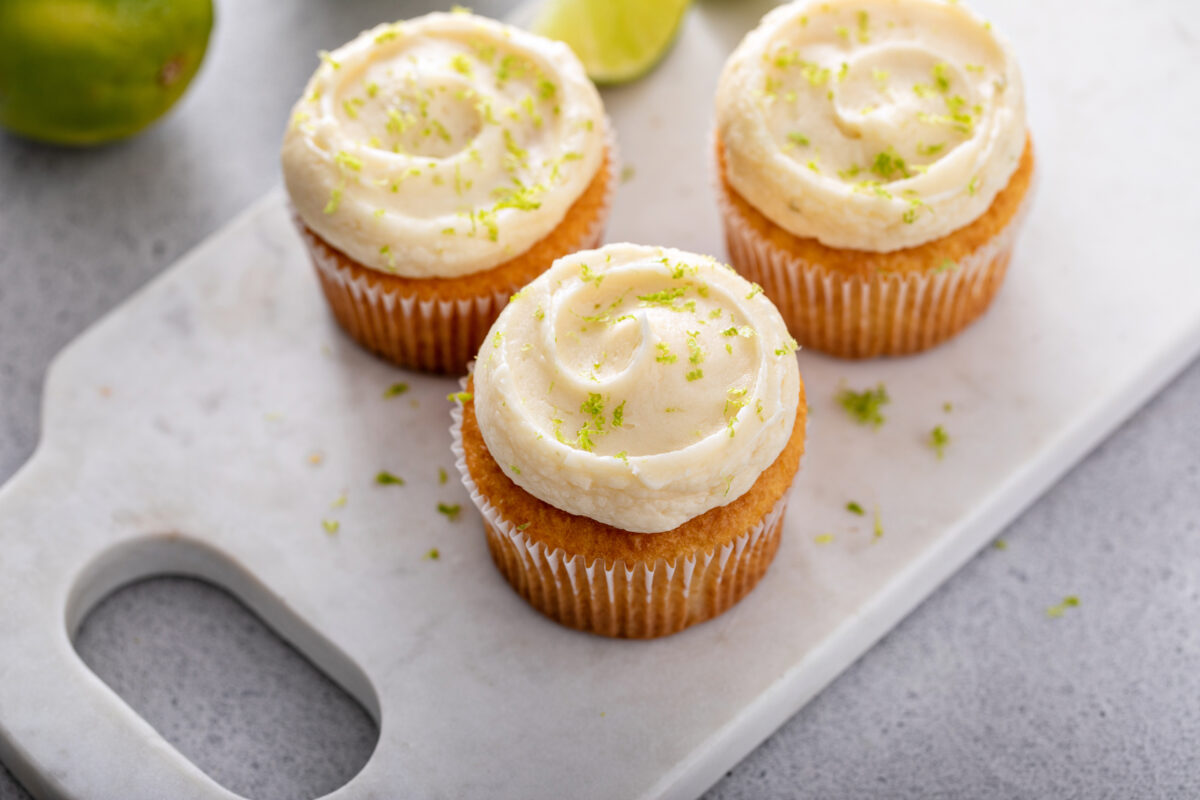
Furthermore, the integration of texture is backed by culinary data. The softness of the sponge, the creaminess of the buttercream, and the slightly chewy, toasted nature of the coconut topping provide a "tri-texture" experience. This complexity is what distinguishes a memorable dessert from a forgettable one.
Professional Tips for the Home Baker
To ensure success, consider these expert-level adjustments:
- Precision Measurement: Kitchen scales are the only way to ensure accuracy. A cup of flour can vary by as much as 20% depending on how it is packed.
- The Toasting Method: To toast coconut, use a dry skillet over medium-low heat. Constant movement is required to prevent the sugars in the coconut from scorching, which happens in seconds.
- The Buttercream Base: Always beat the butter alone for three minutes before adding sugar. This "fluffing" stage creates a stable, pillow-like consistency that holds up beautifully in warmer weather.
Implications: The Rise of "Tropical Fusion" in Modern Baking
The popularity of these cupcakes reflects a broader shift in the culinary world toward "bright" desserts. Post-pandemic, there has been a notable movement away from heavy, chocolate-laden desserts toward lighter, more vibrant, and fruit-forward flavor profiles.
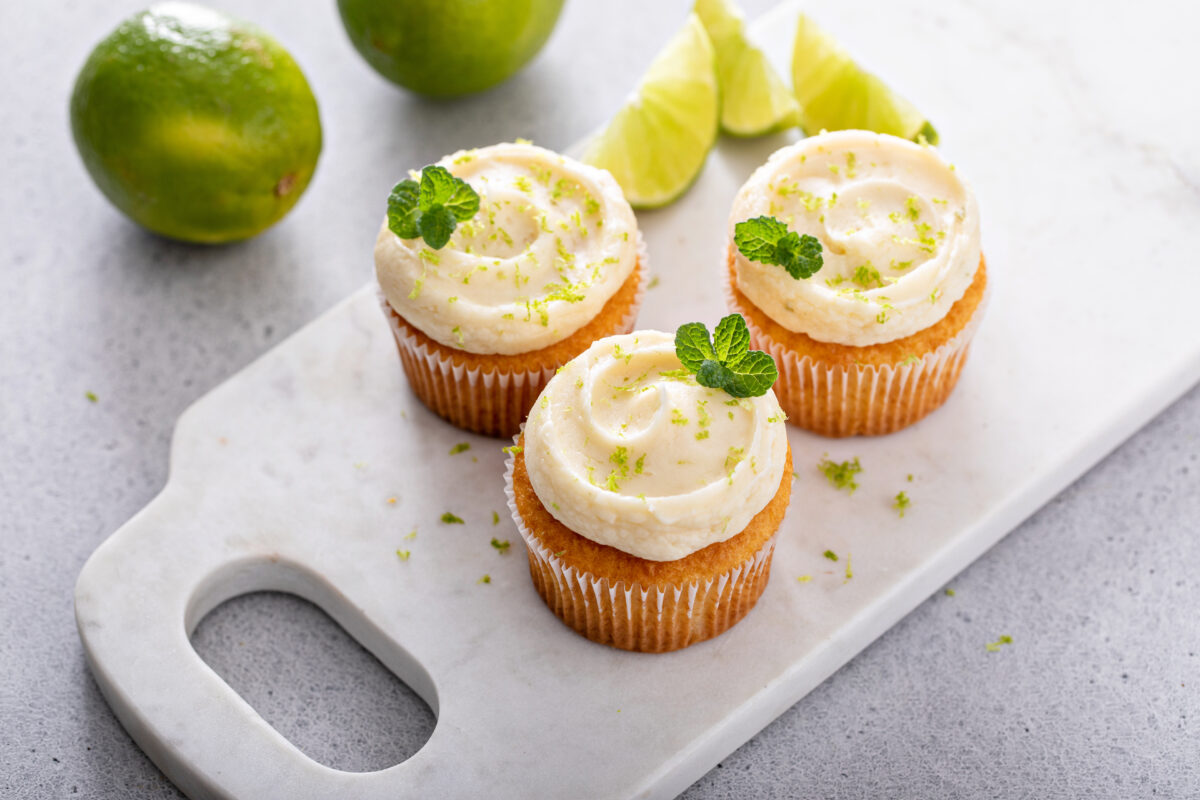
This shift has implications for home bakers who are increasingly seeking out recipes that feel "fresh." The coconut lime combination fits perfectly into this movement, offering a dessert that feels sophisticated yet accessible. Furthermore, the versatility of the base allows for endless modifications—from the addition of lime curd for a "surprise center" to the inclusion of white chocolate for those who prefer a sweeter profile.
Advanced Variations and Customizations
As you gain confidence with the base recipe, the possibilities for customization are vast.
- The Acidic Punch: For those who desire an even more pronounced citrus note, consider a simple syrup drizzle. By boiling equal parts sugar and fresh lime juice and brushing it onto the cupcakes immediately after they leave the oven, you lock in extra moisture and intensify the lime flavor.
- The Textural Upgrade: Folding in well-drained, crushed pineapple creates a "Piña Colada" style cupcake, which is a popular variation for summer gatherings. The key here is the drainage; if the pineapple is too wet, it will compromise the structure of the cake.
- Alternative Frostings: While lime buttercream is the classic choice, a whipped cream cheese frosting provides a slightly tangy, savory contrast that pairs exceptionally well with the nuttiness of the coconut.
Conclusion: A Sunny Staple
The Homemade Coconut Lime Cupcake is more than just a sweet treat; it is an exercise in culinary balance. By adhering to the principles of proper aeration, ingredient temperature, and structural restraint, any home baker can produce a dessert that rivals the output of professional patisseries.
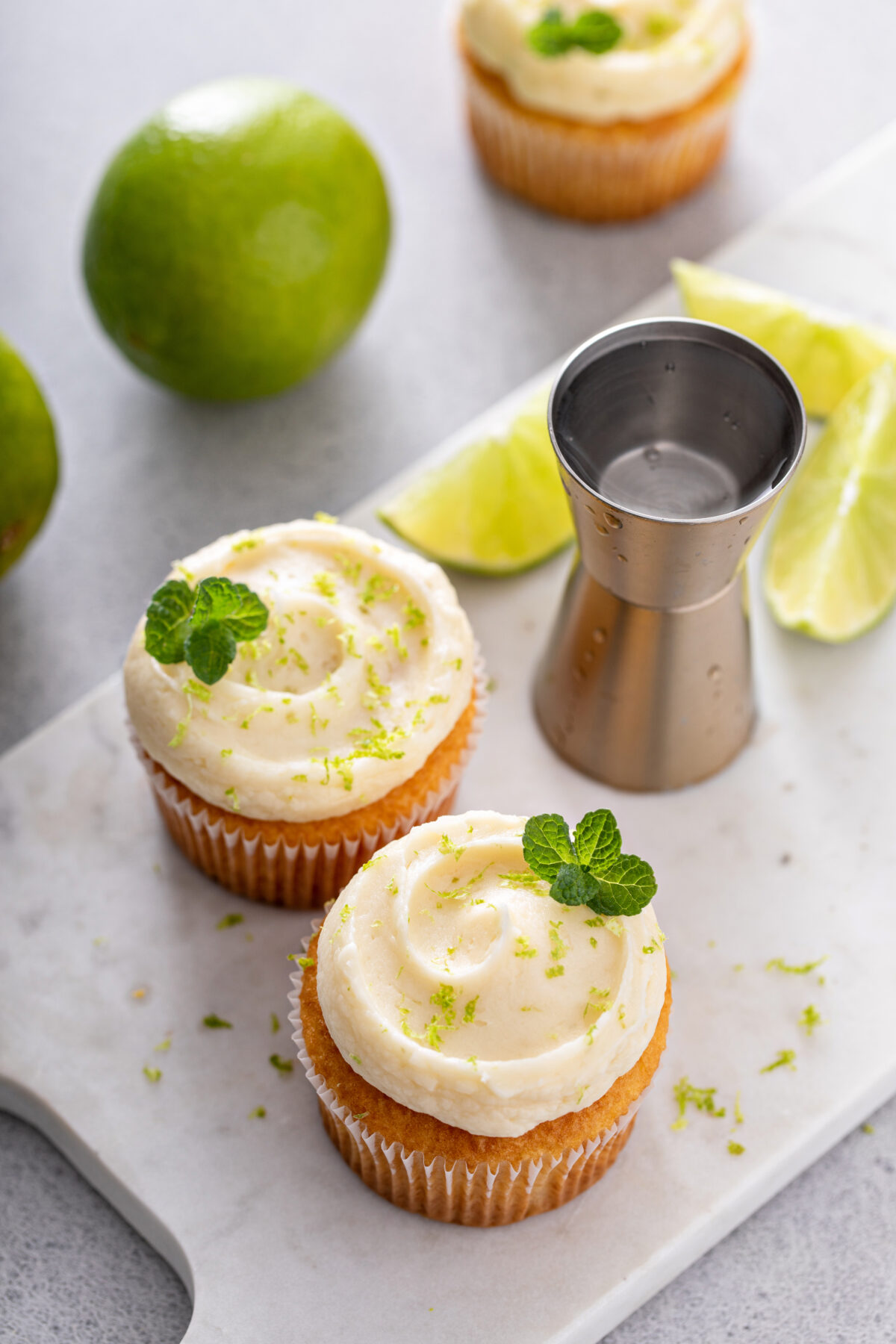
Whether you are hosting a summer garden party, a birthday celebration, or simply seeking to brighten a cloudy afternoon, this recipe serves as a reminder that the best desserts are those that harmonize conflicting elements—rich and bright, soft and crunchy, sweet and tart. With these techniques in your arsenal, you are well-equipped to master this tropical classic and bring a touch of sunshine to your table.