CULINARY TRENDS — In the modern landscape of home entertaining, the traditional weekend breakfast has undergone a profound logistical shift. For generations, hosting a morning gathering meant standing vigil over a hot skillet, laboriously flipping individual slices of bread to order while guests socialized without the host. Today, however, a quiet revolution is taking place in home kitchens across the country, spearheaded by a single, elegant solution: the overnight French toast casserole.
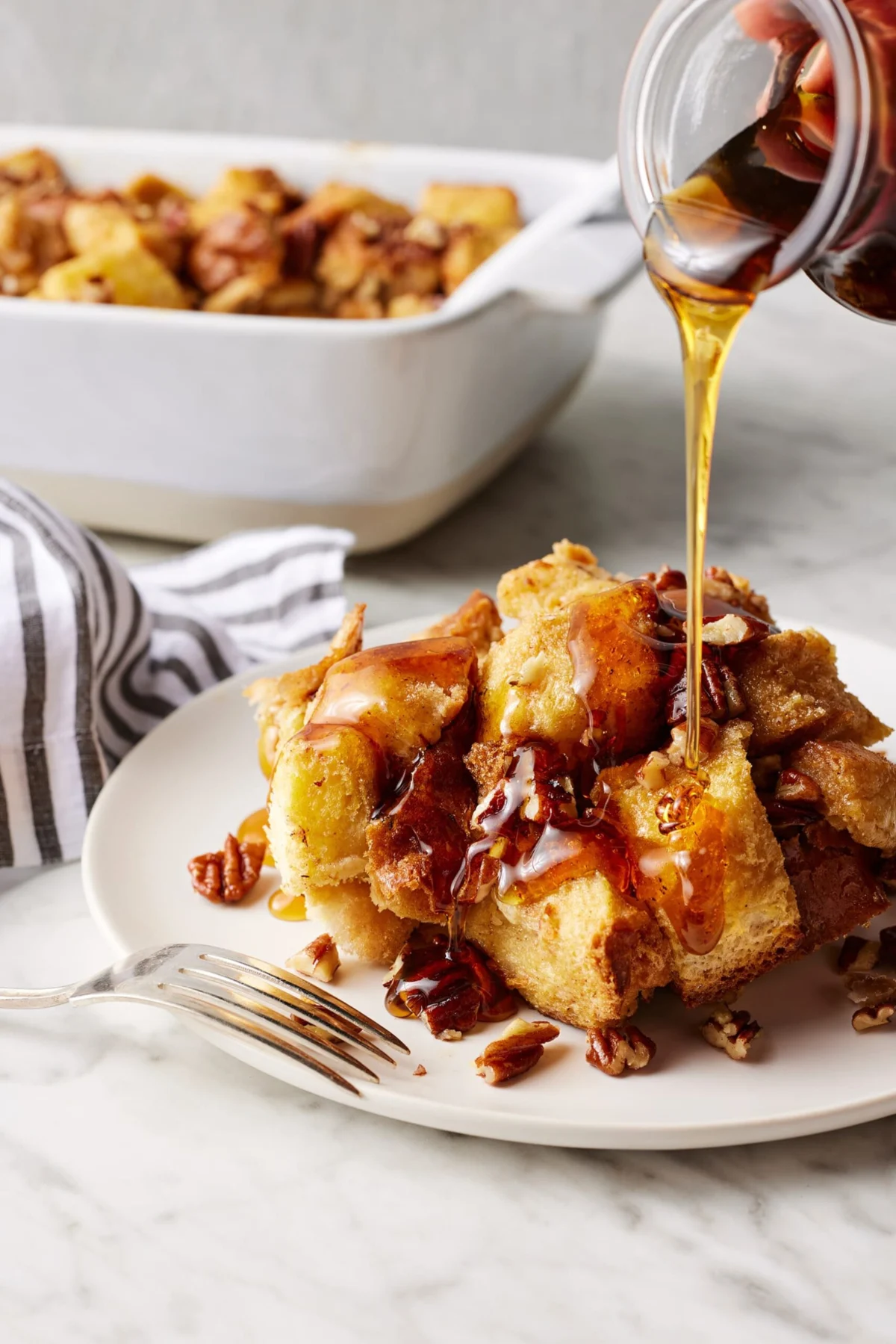
Combining the comforting nostalgia of traditional French toast with the effortless hospitality of make-ahead baking, this dish has transformed from a clever holiday shortcut into a cornerstone of contemporary brunch culture. Offering a crisp, brown sugar-and-pecan crust that gives way to a moist, custardy bread-pudding interior, the casserole bridges the gap between culinary sophistication and domestic ease.
Main Facts: Deconstructing the Phenomenon
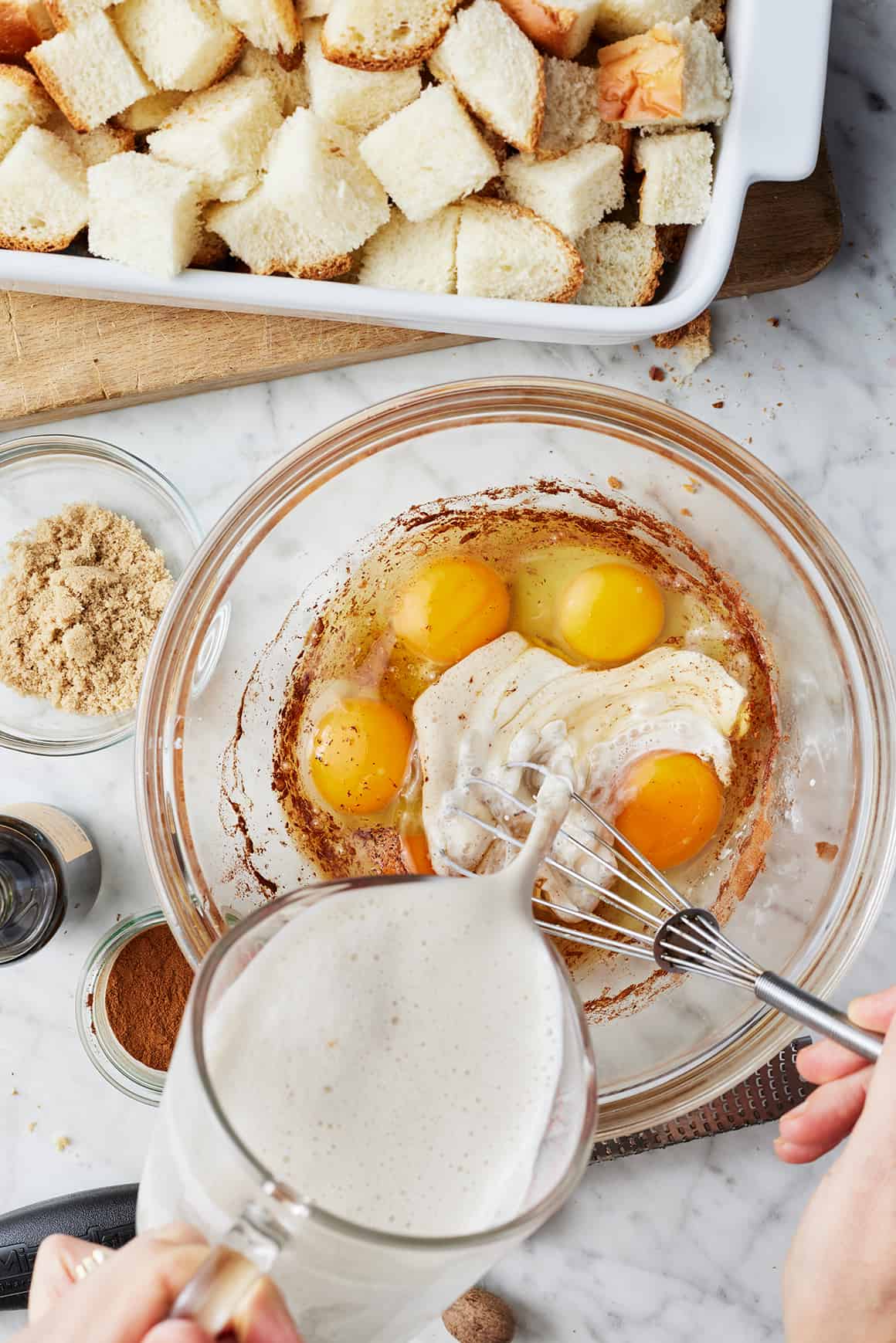
At its core, the overnight French toast casserole is a masterclass in culinary efficiency. Rather than dipping individual slices of bread into an egg mixture moments before cooking, the recipe calls for layering cubed artisanal bread—preferably challah, brioche, or crusty sourdough—into a greased 9-by-13-inch baking dish. A rich, cinnamon-spiced custard, whisked from eggs, milk, and warm aromatics, is then poured evenly over the top.
The defining characteristic of the dish is its incubation period. As the casserole rests, either for a few hours or overnight in the refrigerator, the bread acts as a sponge, absorbing the liquid matrix completely. This resting phase ensures that every morsel is infused with flavor before it ever touches a heating element.
Upon baking, the transformation is twofold:
The Interior: Retains a plush, decadent texture reminiscent of a high-end bread pudding.
The Exterior: Crowned just before baking with melted butter, brown sugar, and chopped pecans, developing a caramelized, shatteringly crisp crust.
Yielding between 8 and 12 generous servings per standard pan, the dish effectively eliminates the bottleneck of stove-top cooking. Culinary experts note that its nutritional profile—averaging roughly 328 calories, 15 grams of fat, and 11 grams of protein per serving—strikes a balance between indulgence and substance, making it a robust centerpiece for morning gatherings.
Chronology: The Journey from Griddle to Casserole Dish
To understand the rise of the breakfast casserole, one must look at the historical evolution of morning meals and the democratization of domestic time management.
The Era of the Single Slice
For much of the 20th century, French toast—historically known as "pain perdu" or "lost bread" as a way to salvage stale loaves—was strictly an à la minute preparation. Cooks heated cast-iron skillets, dipped sliced sandwich bread into an egg-and-milk wash, and cooked them sequentially. While delicious, this method chained the host to the stove, entirely isolating them from family and guests during weekend brunches or holiday celebrations like Christmas morning.
The Casserole Innovation of the Late 20th Century
As home economics evolved in the 1970s and 1980s, the advent of convenience cooking led to the hybridization of traditional dishes into "bake-and-serve" formats. Casseroles had long dominated dinner tables, but breakfast dishes soon followed suit. By adapting overnight strata techniques—traditionally savory egg-and-bread bakes—bakers discovered that sweet yeast breads could similarly sit submerged in custard overnight without disintegrating, provided the bread-to-liquid ratio was carefully managed.
The Contemporary Renaissance
In the digital age, food blogs and social media platforms have accelerated the adoption of make-ahead breakfast recipes. Culinary creators have refined the proportions, replacing standard white sandwich bread (which frequently resulted in a waterlogged, unappealing texture) with rich, structured loaves like challah and brioche. The addition of targeted texture profiles—such as the granular crunch of brown sugar and pecans—elevated the humble breakfast bake into a gourmet experience suitable for upscale brunch menus and viral food content alike.
Supporting Data and Technical Specifications
Executing a successful French toast casserole relies heavily on chemistry, physics, and precise ingredient selection. Culinary testing reveals specific parameters for achieving the optimal balance between a set interior and a crisp topping.
Nutritional Breakdown (Per Standard Serving)
Calories: 328 kcal
Total Fat: 15g (23% Daily Value)
Saturated Fat: 5g (31% DV)
Monounsaturated Fat: 6g
Polyunsaturated Fat: 3g
Trans Fat: 0.1g
Cholesterol: 144mg (48% DV)
Sodium: 346mg (15% DV)
Potassium: 211mg (6% DV)
Total Carbohydrates: 37g (12% DV)
Dietary Fiber: 2g (8% DV)
Sugars: 10g (11% DV)
Protein: 11g (22% DV)
Micronutrients: Vitamin A (9% DV), Calcium (14% DV), Iron (11% DV)
(Note: Percentage Daily Values are based on a standard 2,000-calorie daily diet.)
Time Management Metrics
Prep Time: 45 minutes
Resting/Chilling Time: 4 to 12 hours (overnight recommended)
Baking Time: 45 to 55 total minutes (35 minutes covered, 10–20 minutes uncovered)
Resting Post-Bake: 10 minutes
Total Elapsed Time: Approximately 1 hour and 30 minutes of active-to-passive kitchen time.
The Bread Taxonomy: What Works and What Fails
Food scientists and test kitchens emphasize that the choice of structural carbohydrate dictates the success of the casserole:
Challah & Brioche (Optimal): Their high egg and butter content allows them to absorb moisture while retaining their structural integrity, yielding a luxurious mouthfeel.
French Baguette & Crusty Sourdough (Excellent): Provides a chewier, more rustic interior texture with a robust crust that stands up well to heavy custard absorption.
Pre-Sliced Sandwich Bread (Prohibited): Highly discouraged by culinary professionals. The commercial bleaching and soft crumb structure cause the bread to dissolve into a mushy, waterlogged paste under overnight refrigeration.
Official Responses and Expert Perspectives
Culinary professionals, home economists, and hospitality experts have widely endorsed the overnight casserole format as a triumph of modern meal planning.
"The true beauty of a breakfast casserole lies in shifting the labor curve," explains corporate hospitality consultant Marcus Vance. "When you host a brunch, your energy should be spent engaging with your guests, pouring coffee, and enjoying the atmosphere. Standing over a hot skillet flipping bread is an outdated model of hospitality. Dishes like the overnight French toast bake reclaim the morning for the host."
Pastry chefs also praise the thermodynamic efficiency of baking in bulk.
"From a culinary perspective, baking a bread pudding or casserole allows for uniform heat distribution," notes executive pastry chef Elena Rostova. "When you cook individual slices on a pan, you battle hot spots on the griddle. In a 350-degree oven, the thermal mass of the casserole cooks the custard evenly throughout, ensuring that the middle is safely and silkily set while the top achieves deep caramelization from the brown sugar and butter."
Nutritionists further point out that incorporating protein-rich eggs and wholesome nuts like pecans helps stabilize blood sugar spikes often associated with carbohydrate-heavy morning meals, offering sustained energy for weekend activities.
Implications: The Future of Weekend Entertaining
The widespread embrace of the overnight French toast casserole points to a broader cultural shift in how we approach leisure, food preparation, and domestic stress management.
As modern schedules become increasingly compressed, the luxury of time is prioritized over performative culinary complexity. Consumers no longer feel compelled to prove their culinary dedication through exhausting, minute-by-minute kitchen labor. Instead, intelligence in the kitchen is increasingly defined by smart preparation, make-ahead logistics, and the ability to curate effortless experiences.
Furthermore, this culinary shift has economic and environmental implications. By utilizing day-old bread—loaves that might otherwise be discarded by bakeries or home kitchens—the recipe aligns with zero-waste principles. Stale bread, far from being culinary waste, becomes the essential structural foundation for an elite brunch dish.
Ultimately, the overnight French toast casserole represents the democratization of fine brunching. It proves that sophistication does not require complication, and that the most memorable gatherings are those where the host is just as relaxed, well-fed, and present as the guests gathered around the table.