In the landscape of classic Italian-American comfort food, few dishes command the same universal appeal as baked ziti. It is the culinary equivalent of a warm embrace—a bubbling, golden-brown casserole that marries the structural integrity of al dente pasta with the decadent, velvet-like luxury of a triple-cheese blend. For home cooks, it represents the gold standard of "fuss-free" entertaining, capable of feeding a crowd with minimal technical strain while delivering a flavor profile that feels deeply personal and nostalgic.
Main Facts: The Anatomy of a Classic
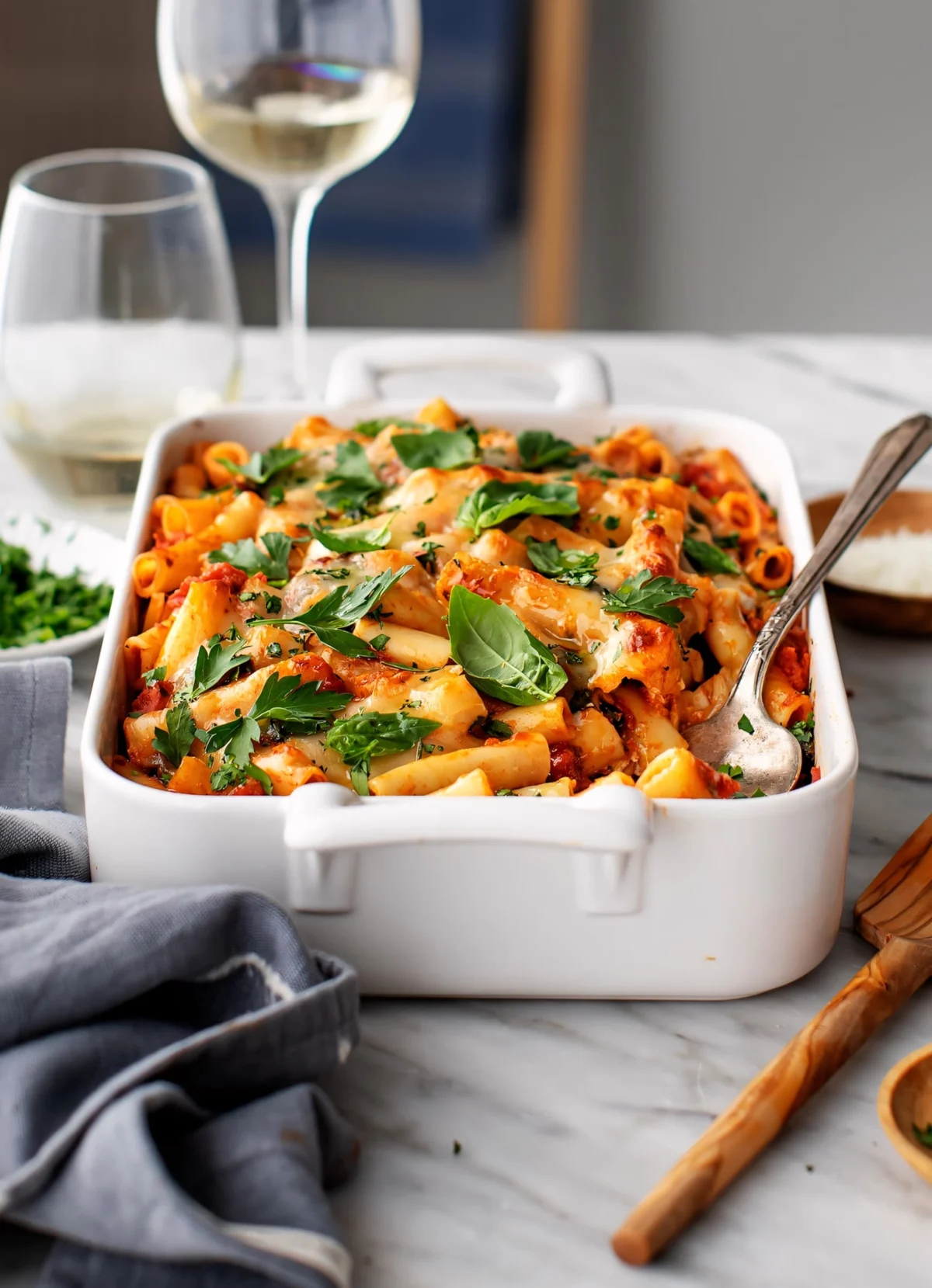
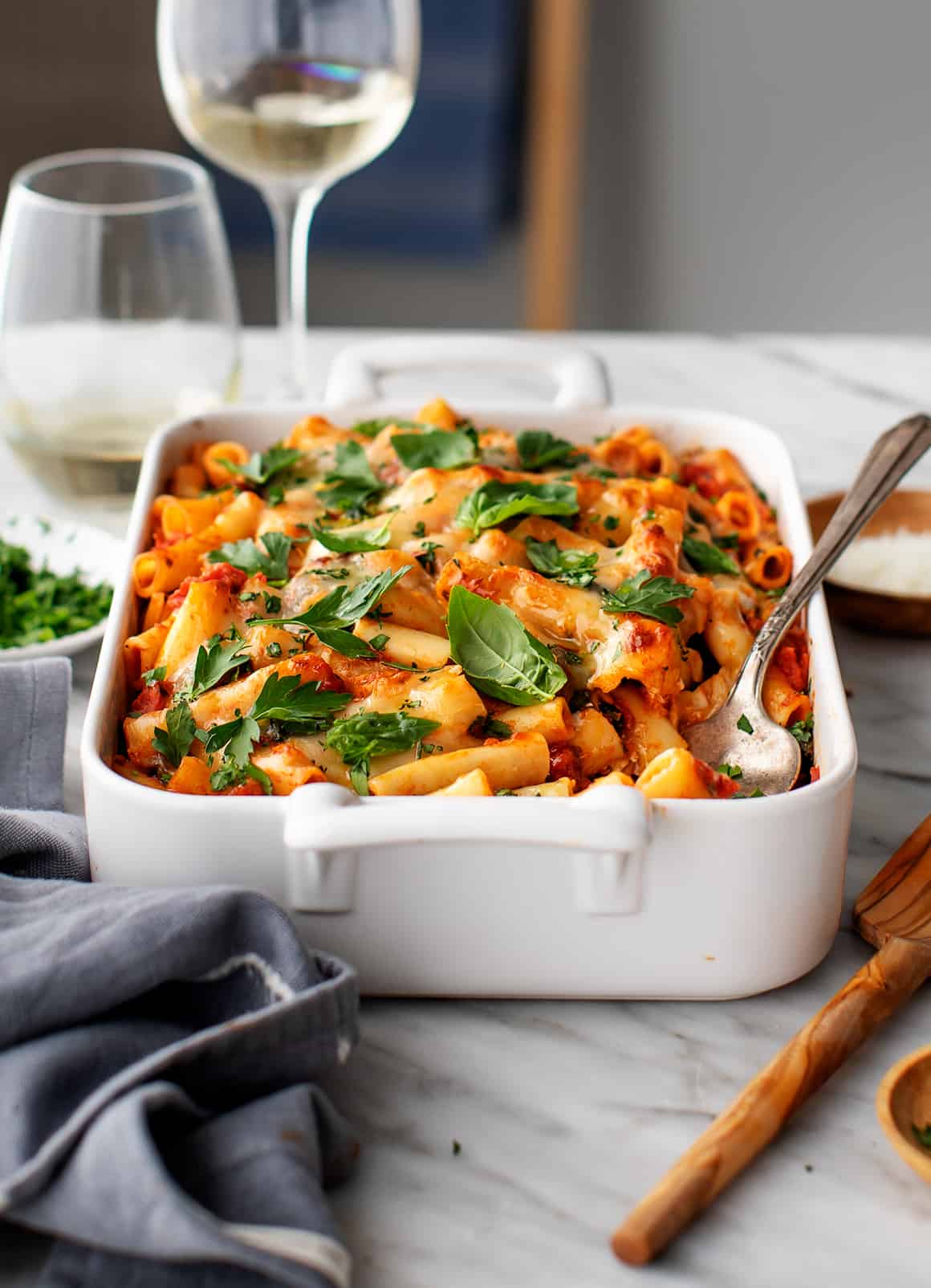
At its core, a superior baked ziti is defined by a trifecta of textural experiences: the bite of the pasta, the tang of high-quality tomato marinara, and the interplay between three distinct cheeses—creamy ricotta, mild mozzarella, and the sharp, salty punch of Parmesan.
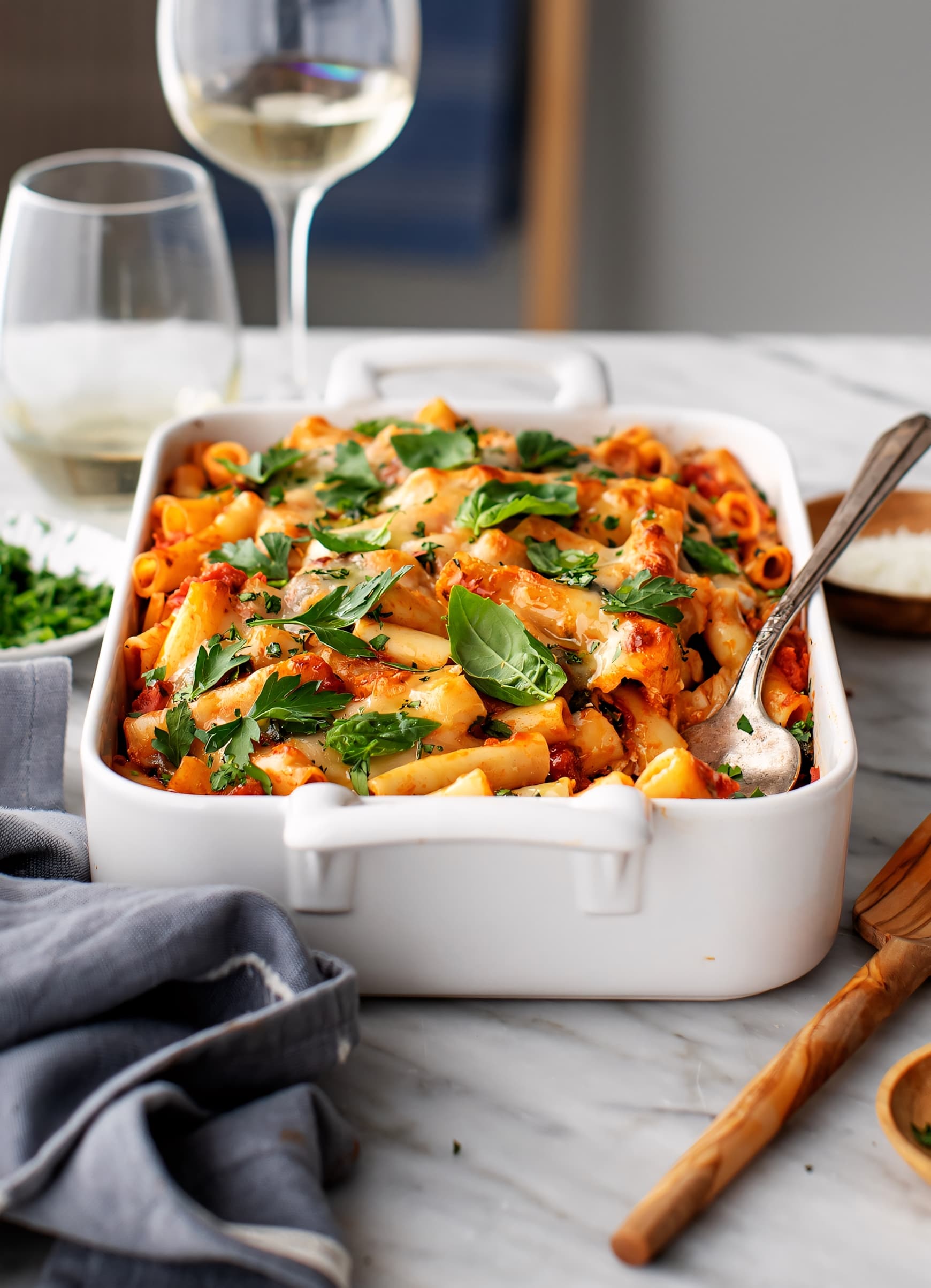
Unlike lasagna, which requires tedious layering of flat sheets, ziti offers a more rustic, jumbled charm. The tubular shape of the pasta acts as a vessel, capturing the sauce and cheese in every nook and cranny. This particular recipe moves away from the traditional meat-heavy iterations of the past, opting instead for a vegetarian-forward approach that highlights the sweetness of tomatoes and the earthy freshness of sautéed spinach. By eliminating ground beef or Italian sausage, the dish achieves a lighter, more vibrant profile without sacrificing the "hearty" quality that makes it a quintessential comfort food.
Chronology: The Evolution of a Potluck Staple
The history of baked ziti in the American kitchen is inextricably linked to the rise of the neighborhood potluck and the communal dinner party. For many, the dish serves as a culinary time capsule, evoking memories of childhood gatherings where large aluminum trays of pasta were the centerpiece of the table.
- The Origins: Historically, ziti was a Sunday staple in Italian households, utilized as a way to stretch leftover sauce and cheese into a filling meal for large families.
- The Mid-Century Shift: As Italian-American cuisine became a staple of suburban dining in the latter half of the 20th century, the dish transitioned from a humble family meal to a "crowd-pleaser" for social functions.
- Modern Refinement: Today, the dish has evolved. Modern home chefs are increasingly prioritizing fresh ingredients—such as fresh lemon zest to brighten the ricotta and nutrient-dense greens like spinach—to update the classic formula for contemporary tastes.
The process of bringing this dish to the table follows a reliable, rhythmic sequence:
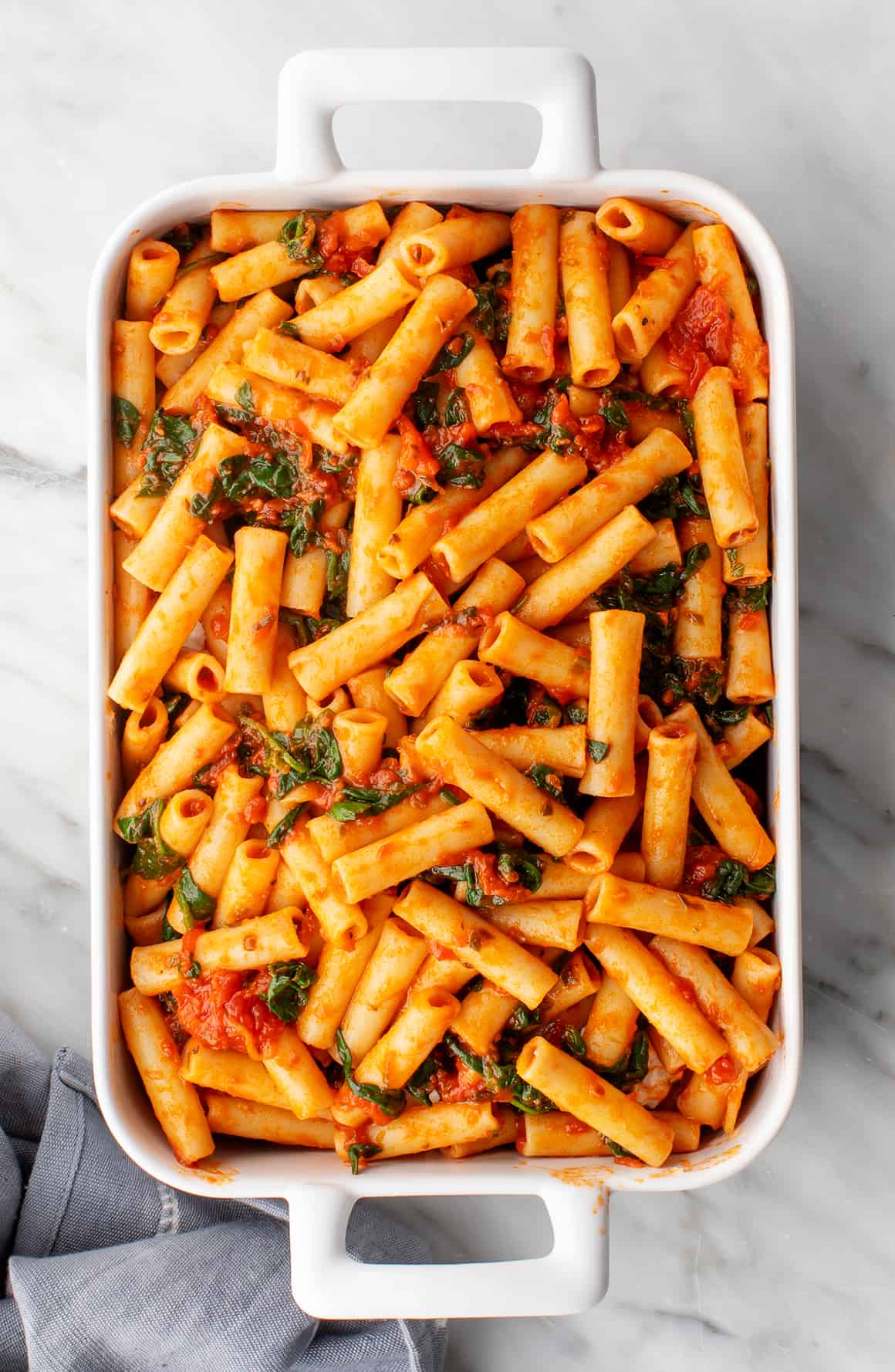
- Preparation of the Pasta: The ziti is boiled in heavily salted water until just al dente. A crucial technical point: it must be under-cooked, as the residual heat of the oven and the moisture from the sauce will finish the cooking process.
- The Ricotta Infusion: While the pasta boils, the ricotta is seasoned with garlic, lemon zest, oregano, and a hint of red pepper flakes. This step is the "secret" to elevating the dish from mundane to gourmet.
- The Wilted Green Integration: Fresh spinach is sautéed briefly until it loses its volume, then incorporated into the mix to provide color and a subtle vegetal depth.
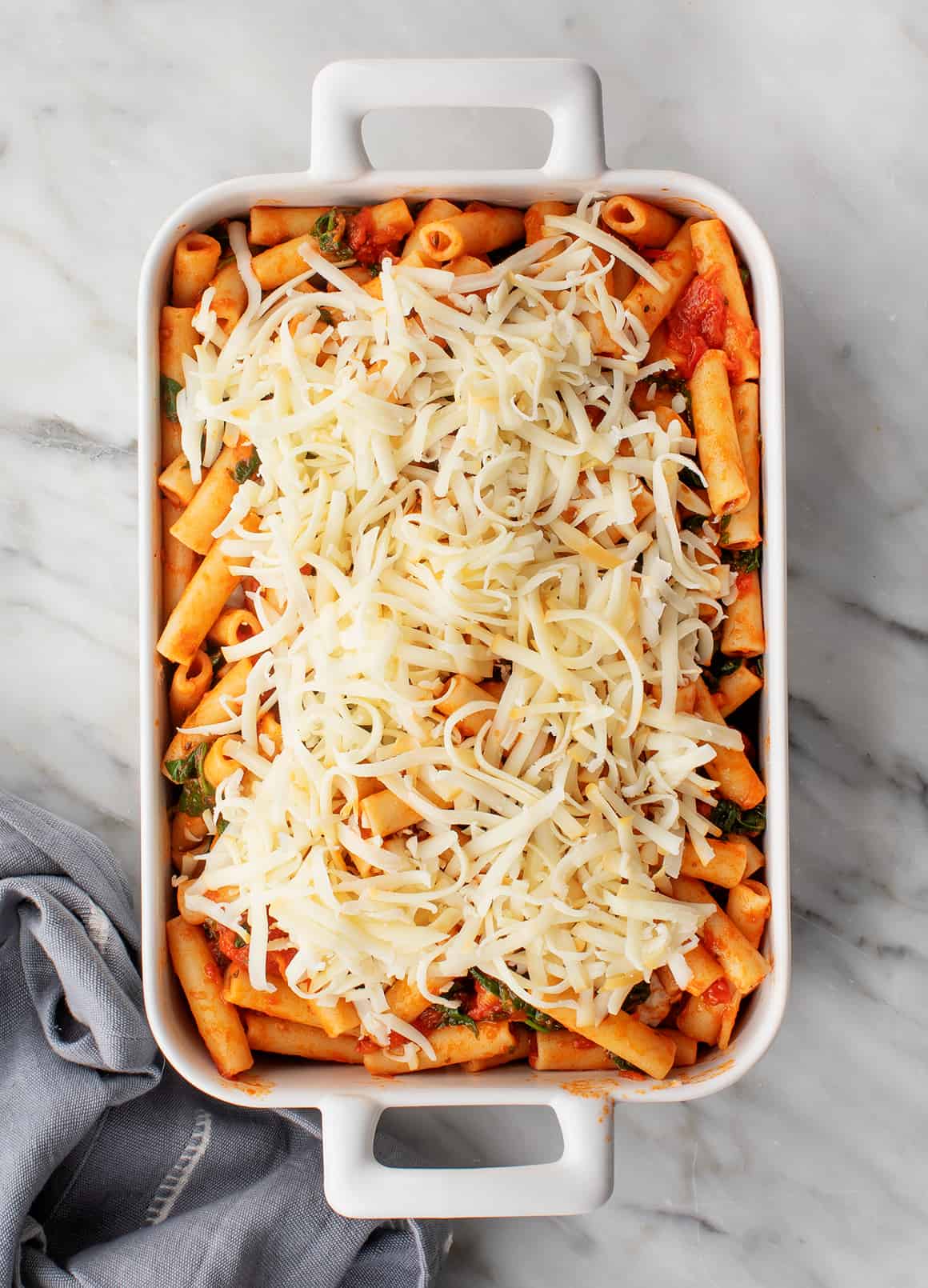
- The Assembly: A foundational layer of sauce is placed in the baking dish to prevent sticking, followed by the pasta-sauce-ricotta mixture, and finished with a generous crown of mozzarella and Parmesan.
- The Bake: A high-heat blast at 425°F ensures the cheese achieves that coveted golden-brown, bubbling char in just 20 minutes.
Supporting Data: The Nutritional Profile
While baked ziti is categorized as "comfort food," it is a surprisingly balanced dish when portioned correctly. An average serving (based on an 8-serving yield) provides a substantial 24 grams of protein, largely sourced from the dairy components.

The inclusion of spinach adds a nutritional boost, contributing to the 125% of the Daily Value for Vitamin A found in each serving. With 5 grams of fiber and a manageable 429 calories per portion, the dish functions as a complete meal. However, the sodium content—averaging 1085mg per serving—highlights the importance of controlling the salt levels in the marinara sauce used. For those monitoring their intake, utilizing a homemade or low-sodium store-bought marinara can significantly modulate the sodium profile of the final dish.
Culinary Implications: Why This Recipe Succeeds
The enduring popularity of this specific preparation lies in its "forgiving" nature. Unlike soufflés or delicate pastry work, baked ziti is a forgiving medium for the home cook. The chemistry of the dish is robust:

- The Role of Acid: The lemon zest in the ricotta mixture cuts through the heavy fat of the cheeses, preventing the dish from becoming one-note or overly cloying.
- The "Al Dente" Rule: By intentionally stopping the boiling process early, the cook prevents the "mush factor," ensuring that even after 20 minutes in a hot oven, the pasta maintains a satisfying bite.
- The Thermal Mass: Because the dish is dense, it retains heat exceptionally well, making it the ideal candidate for make-ahead meal prepping.
Strategic Preparation: The "Make-Ahead" Advantage
One of the most compelling reasons to integrate this recipe into a weekly rotation is its freezer-friendliness and "make-ahead" potential. For those planning a dinner party, the ability to assemble the dish 24 hours in advance is a game-changer.
When stored in the refrigerator, the flavors of the garlic, herbs, and tomato sauce have time to meld and deepen, often resulting in a superior flavor profile on the second day. When preparing for the freezer, the dish should be covered tightly with a double layer of foil to prevent freezer burn. It can be baked directly from a semi-thawed state, though it will require a longer duration in the oven—typically 45 to 60 minutes at 350°F—to ensure the center is fully heated through.
Pairing and Complementary Sides
To round out a meal centered around such a carbohydrate-rich, cheesy dish, the culinary consensus leans toward acidity and crunch. The heavy, creamy texture of the ziti begs for the sharp contrast of a crisp, acidic salad. A simple arugula salad with a lemon-balsamic vinaigrette serves as the perfect palate cleanser between bites of cheesy pasta.
For those looking to expand the meal, artisanal breads are a must. Whether it is a crusty sourdough, garlic-infused focaccia, or warm garlic knots, the bread serves a utilitarian purpose: ensuring that every drop of the seasoned tomato sauce is accounted for. For a lighter vegetable accompaniment, roasted broccoli or charred Brussels sprouts provide a bitter, smoky contrast to the sweetness of the tomatoes, creating a well-rounded dining experience that satisfies both the palate and the appetite.
Conclusion: A Timeless Classic for Modern Tables
The beauty of baked ziti is that it requires no apology. It is not trying to be a complex, avant-garde experiment; rather, it is a celebration of simple, high-quality ingredients coming together in a way that is greater than the sum of its parts. By leaning into the classic techniques—properly salting the pasta water, balancing the richness of the ricotta with lemon and herbs, and ensuring the cheese is perfectly browned—the home cook can elevate this humble potluck staple into a meal that feels worthy of any table, from a casual weeknight dinner to a celebratory gathering of friends and family.
As we continue to navigate the complexities of modern dining, the value of a reliable, comforting, and crowd-pleasing recipe cannot be overstated. Baked ziti remains, as it has always been, a cornerstone of home cooking—a dish that brings people together, one scoop at a time.