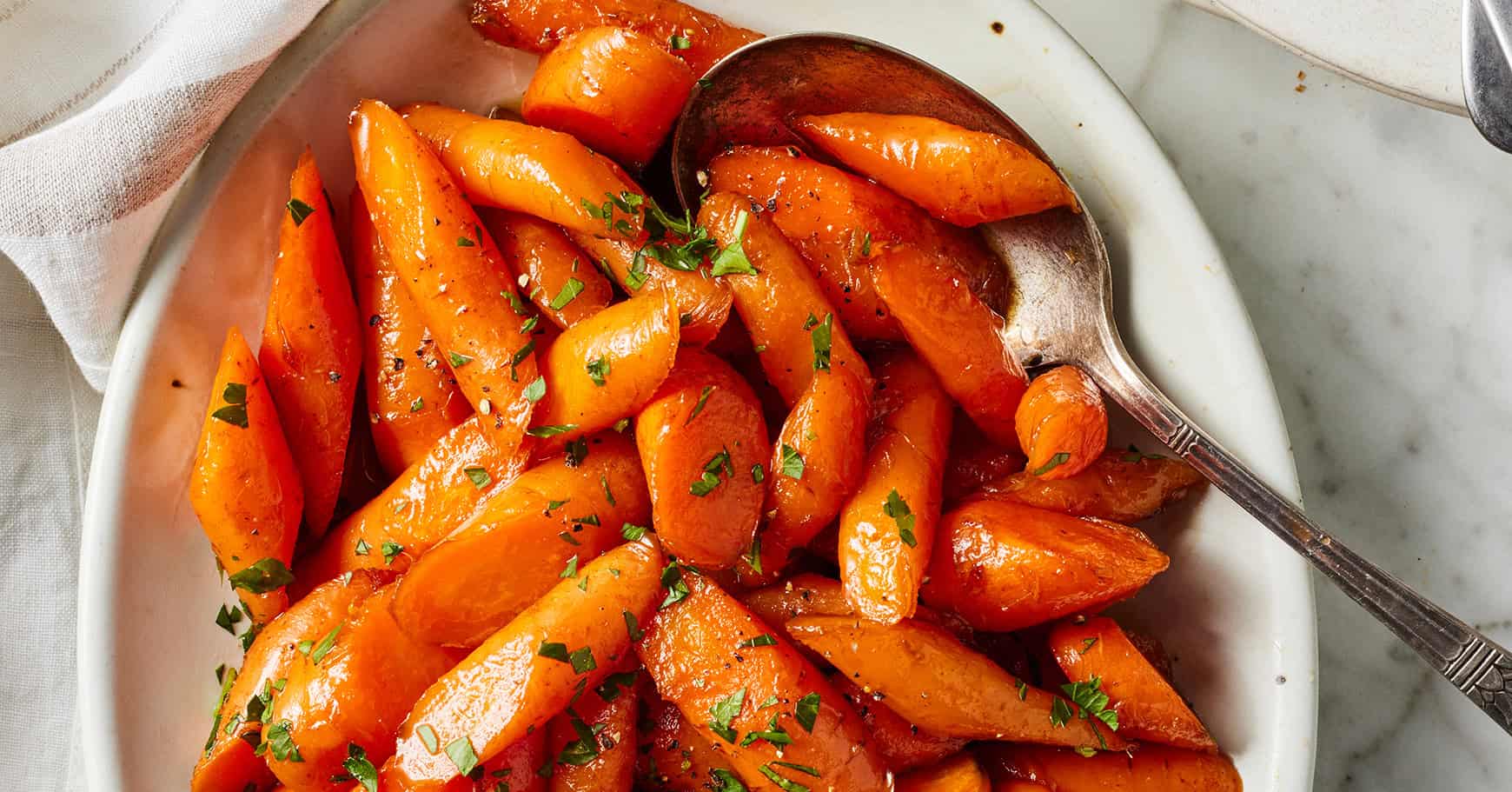
In the culinary landscape, few side dishes possess the enduring versatility of the humble carrot. Often relegated to a supporting role, the glazed carrot has long been a staple of holiday tables and weeknight dinners. However, a new approach to this classic dish is redefining what we expect from a simple vegetable side, moving away from the overly sweet, mushy versions of the past and toward a more nuanced, sophisticated, and vibrant preparation.
Main Facts: A Modern Take on a Timeless Classic
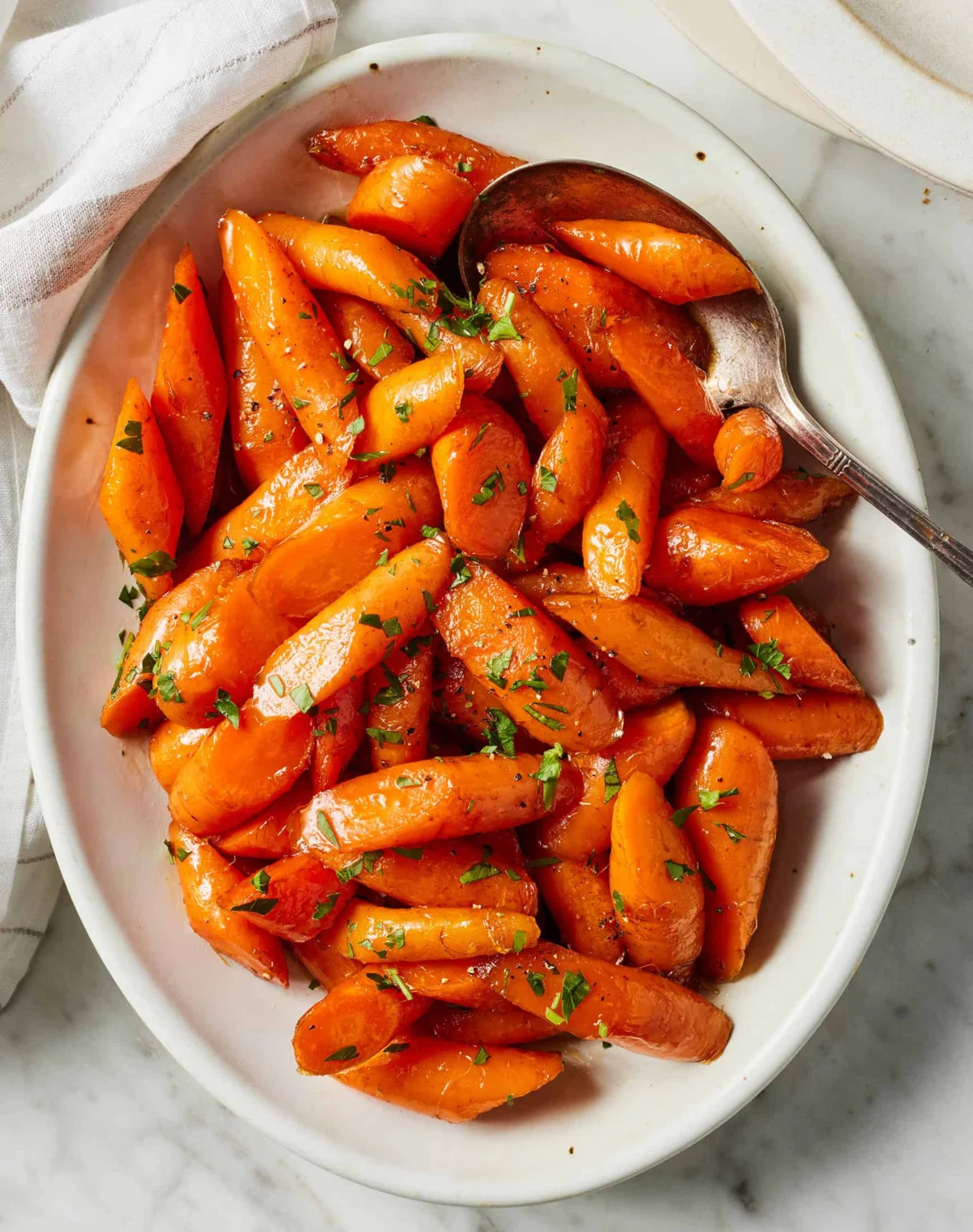
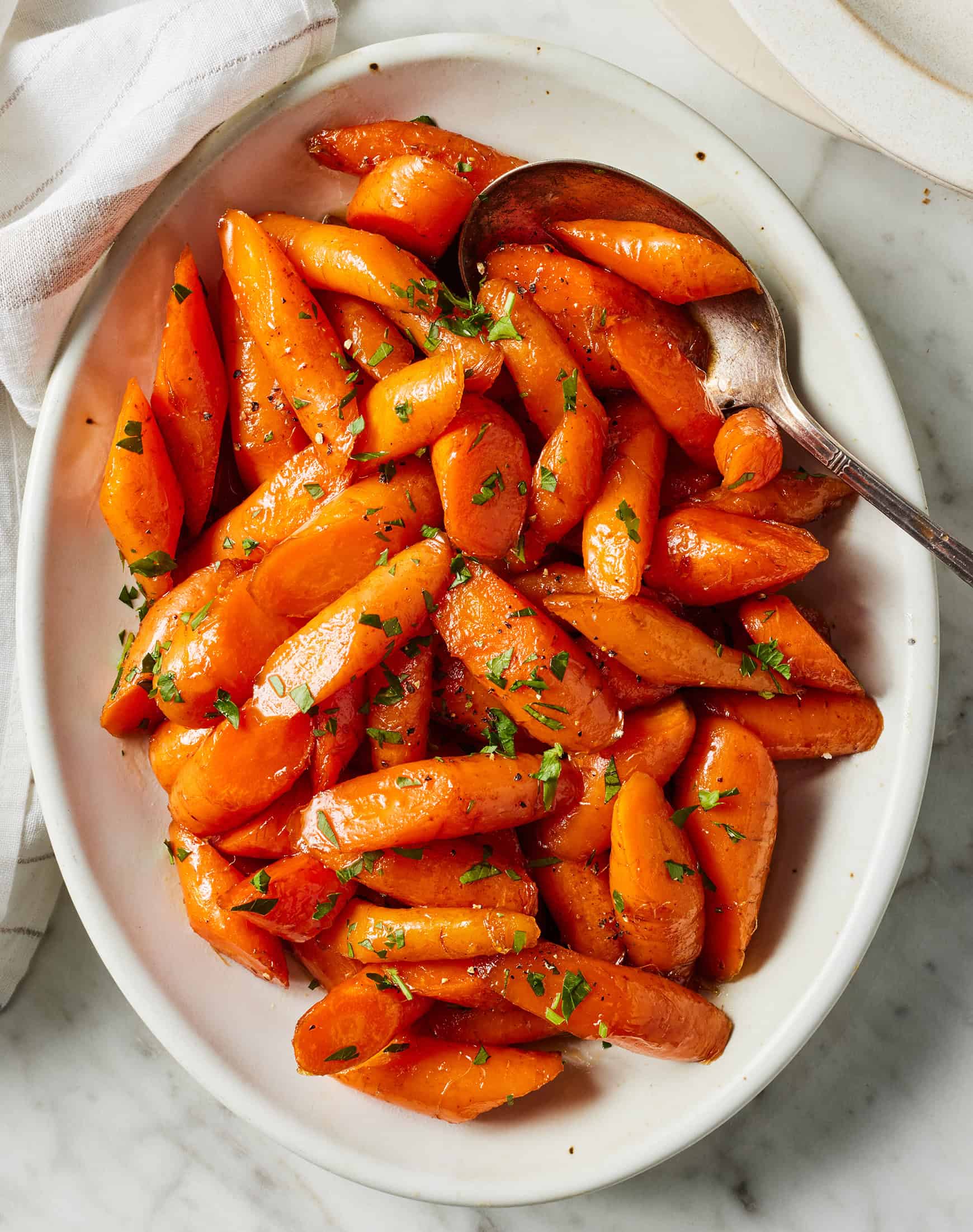
The essence of a great glazed carrot lies in the balance between the natural, earthy sweetness of the root vegetable and the complexity of a well-executed glaze. Whether utilizing the deep, molasses-like notes of brown sugar or the floral brightness of high-quality honey, the goal is to enhance, not mask, the carrot’s inherent flavor.
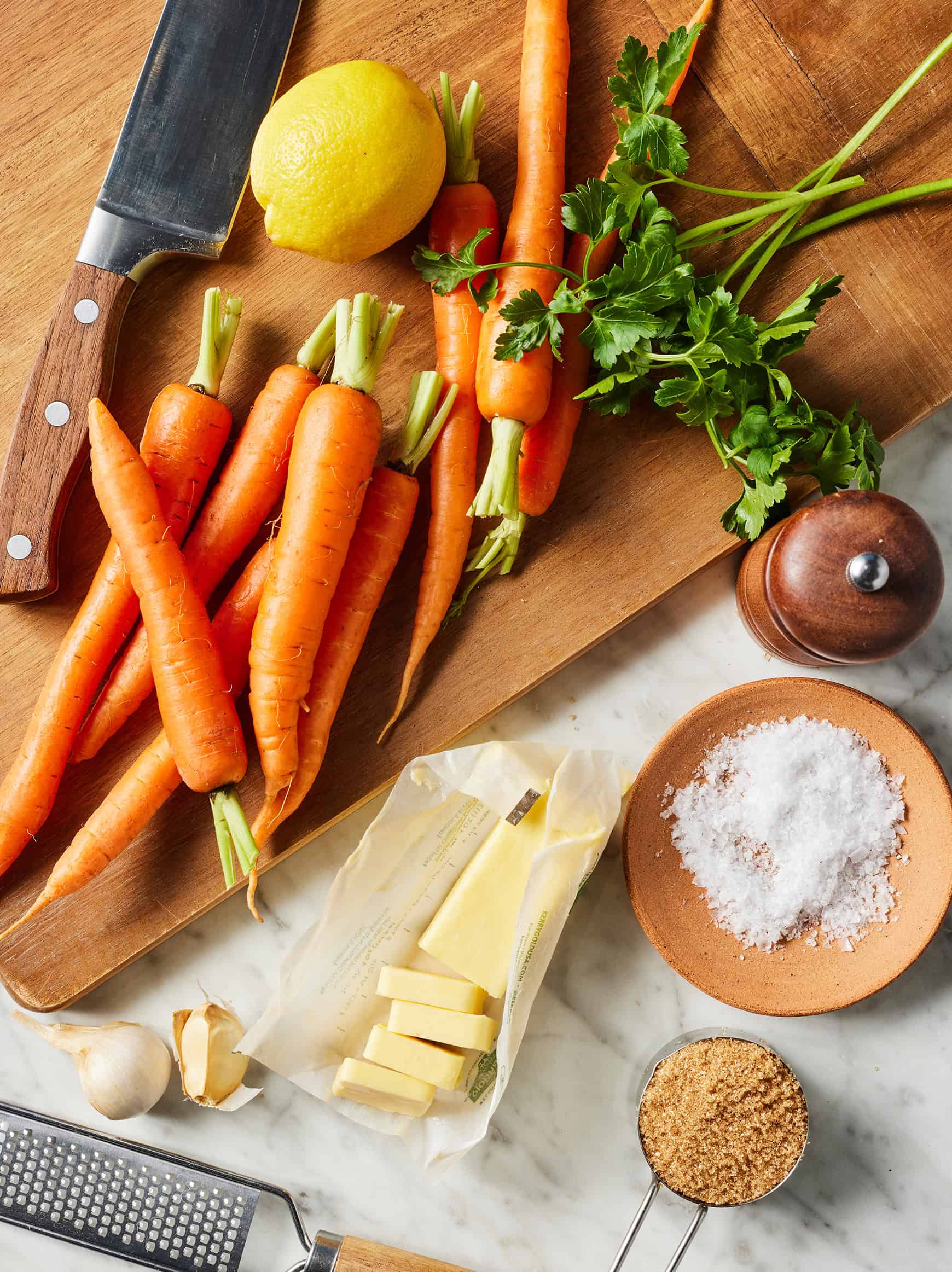
The modern iteration of this dish focuses on texture. Rather than succumbing to the traditional trap of over-boiling, which often results in a soft, disintegrated mess, contemporary techniques prioritize an al dente finish. By maintaining a slight resistance, or "bite," the carrot retains its structure and color, making for a much more visually and texturally appealing presentation. Furthermore, the inclusion of savory aromatics—specifically fresh garlic, citrus elements like lemon zest, and balanced seasoning—elevates the dish from a sugary accompaniment to a multi-dimensional vegetable course.
Chronology: From Holiday Tradition to Weeknight Essential
For generations, glazed carrots have served as a mandatory fixture on festive tables, particularly during Easter and Thanksgiving. In many families, the recipe was passed down through oral tradition, often involving a generous hand with sugar and butter, simmered until the carrots lost all their crunch.
However, as home cooking evolved toward health-conscious and flavor-forward trends, the traditional glazed carrot faced a decline in popularity. Critics argued that the dish was essentially a "dessert vegetable," devoid of the fresh, vibrant qualities of raw produce.
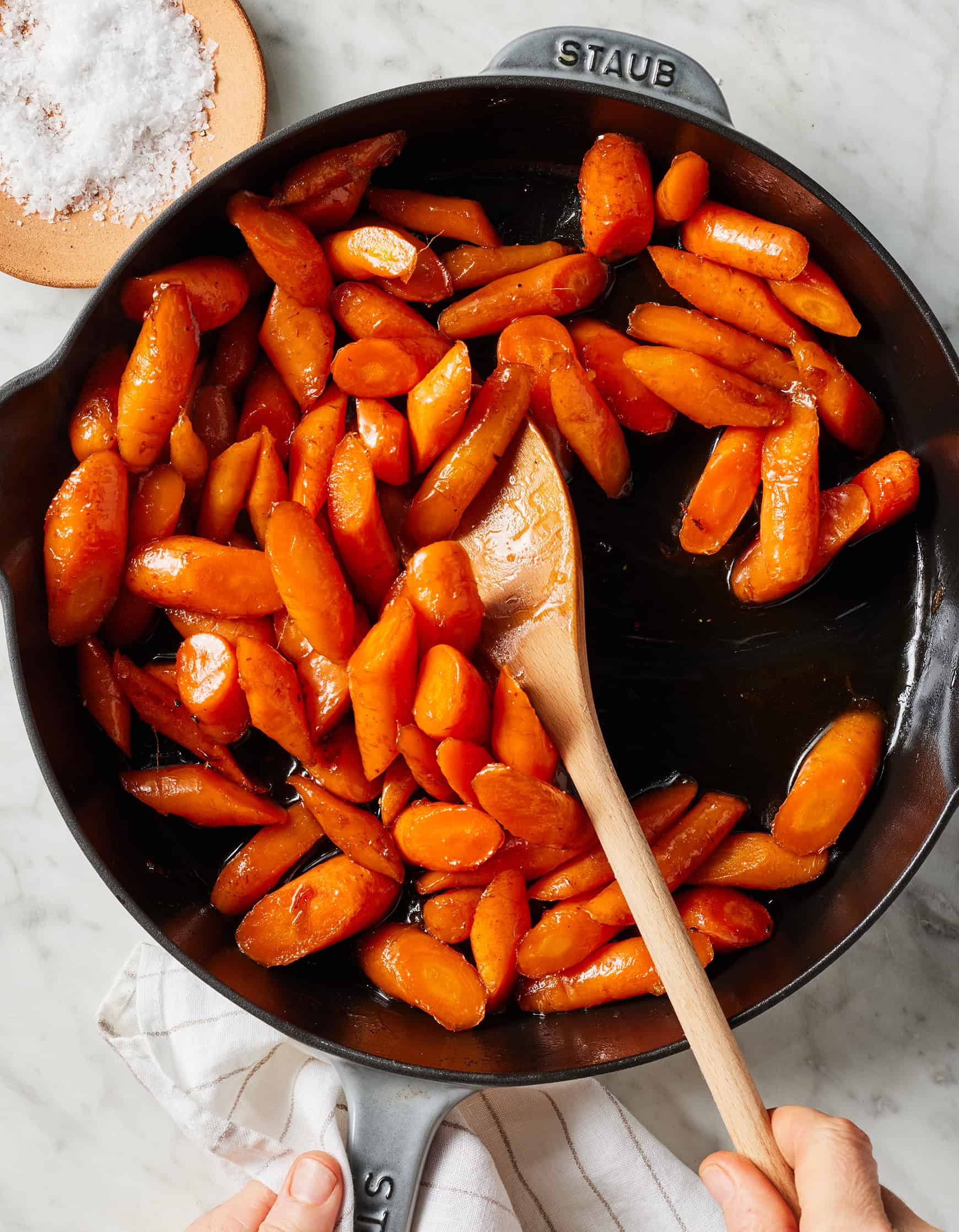
The resurgence of the dish can be traced back to a pivot in technique: the move from oven-roasting—which can be time-consuming and often ties up limited oven space during major holiday meal preparations—to a refined stovetop method. This transition allowed for greater control over the cooking process. By utilizing a skillet, the cook can monitor the liquid reduction in real-time, ensuring that the glaze coats the carrots perfectly without burning, while simultaneously preserving the internal texture of the vegetable. This shift has effectively moved the glazed carrot from the "special occasion" category to the "busy weeknight" rotation, as the total preparation time now sits comfortably under 30 minutes.
Supporting Data: The Science of the Glaze
The chemistry of a perfect glaze is a delicate interplay of emulsification and reduction. When butter is combined with a sweetener (brown sugar or honey) and a liquid component, it creates a syrup that must adhere to the surface of the carrot.
Nutritional Profile
Beyond the culinary appeal, carrots are a nutritional powerhouse. A standard serving of these glazed carrots provides a staggering 505% of the daily recommended intake of Vitamin A, largely due to the high beta-carotene content. With approximately 181 calories per serving, the dish is calorie-dense due to the fats and sugars, yet it remains a valuable source of fiber (4g) and potassium (501mg), making it a balanced addition to a protein-heavy main course.
Temperature Control
Data on stovetop cooking suggests that the Maillard reaction—the chemical reaction between amino acids and reducing sugars that gives browned food its distinctive flavor—is best achieved when the carrots are sautéed initially in butter before the liquid glaze is introduced. This creates a foundation of flavor that a simple boil cannot achieve.
Official Perspectives: Chefs and Nutritionists Weigh In
Culinary experts frequently cite the glazed carrot as a "benchmark" dish for home cooks. According to professional chefs, the most common error in preparation is the "soggy vegetable syndrome." By cutting carrots into uniform sizes—whether rounds or batons—the cook ensures consistent heat penetration.
"The secret is in the finish," says one industry expert. "Once the carrots reach that perfect, tender-yet-firm stage, you remove them from the heat and stir in fresh herbs or a squeeze of lemon. The acidity cuts through the richness of the sugar and butter, effectively waking up the palate."
Nutritionists, while acknowledging the caloric content of the glaze, emphasize that the presence of healthy fats (from the butter or optional oil) is essential for the absorption of fat-soluble vitamins, such as the abundant Vitamin A found in carrots. They suggest that as long as the portion of added sugar is monitored, the vegetable’s high fiber and nutrient density make it a superior choice compared to processed sides.
Culinary Implications: Why This Method Matters
The shift toward this refined stovetop technique has significant implications for modern home cooking.
1. Space Efficiency
During holiday periods, the oven is the most contested piece of equipment in the kitchen. By mastering the stovetop method, cooks can free up oven space for roasts, gratins, or desserts, effectively streamlining the workflow of a multi-course meal.
2. Consistency and Reliability
Because the stovetop method allows for visual inspection at every stage, the margin for error is significantly reduced. Unlike roasting, where temperature variations in ovens can lead to burnt or undercooked vegetables, the stovetop process provides immediate feedback, allowing for adjustments in real-time.
3. Versatility and Customization
The "base" recipe for glazed carrots is a canvas. By introducing variations—such as adding ginger for a zingy profile, balsamic vinegar for depth, or fresh thyme for an earthy finish—home cooks can tailor the dish to complement a wide range of proteins, from roasted poultry and pork to vegetarian centerpieces like nut roasts.
4. Storage and Reheating
The durability of this dish is a boon for the modern, busy household. Because the carrots are not cooked to a state of total softness, they retain their structural integrity during the cooling and storage process. They can be prepared 24 hours in advance, kept in an airtight container, and reheated gently, making them an ideal candidate for meal prep.
Conclusion: A Future for the Humble Root
As we look toward the future of home cooking, the glazed carrot remains a testament to the idea that simple ingredients, when treated with respect and technique, can produce extraordinary results. By moving away from the overly sweet, mushy versions of our past and embracing a method that emphasizes texture, aromatics, and balance, we ensure that this classic side dish remains relevant for generations to come.
Whether you are a seasoned home cook looking to perfect your holiday menu or a busy parent seeking a quick, nutrient-dense addition to a Tuesday night dinner, the glazed carrot offers a reliable, delicious, and deeply satisfying solution. It serves as a reminder that the best meals are often those that take traditional components and elevate them through intentional, thoughtful preparation. The next time you find yourself with a bag of fresh carrots, consider this refined approach; you may find that this "side dish" becomes the most discussed item on your dinner table.