While the origins of "Fish and Chips" are firmly rooted in the industrial history of the United Kingdom, a culinary evolution is taking place across the Atlantic. What was once considered a humble, utilitarian meal for working-class laborers has been transformed into a sophisticated, highly anticipated delicacy, thanks to a unique cross-pollination of Canadian coastal traditions and Texas culinary technique.
This is the story of how a catch from the pristine waters of British Columbia found its way to a backyard kitchen in Texas, refined by the expertise of a world-class chef and a secret three-flour batter that is redefining the gold standard of fried seafood.
Main Facts: The Anatomy of a Perfect Fry
The secret to a superior fish and chip experience does not lie in the fish alone, but in the structural integrity of the batter. The recipe popularized by the West Coast Fishing Club—and subsequently brought home by cooking enthusiasts—relies on a scientific approach to texture.
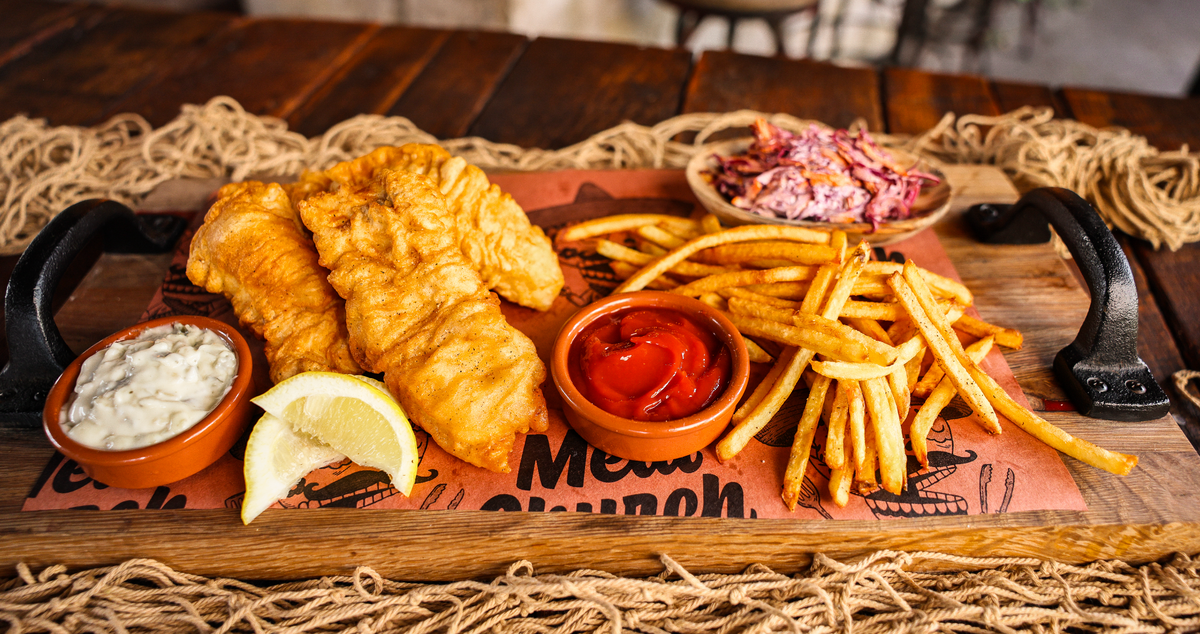
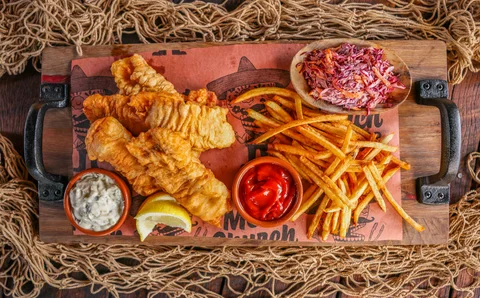
By utilizing a blend of all-purpose flour, rice flour, and potato starch, the batter achieves a "glass-like" shatter that remains crisp even as the fish releases its internal moisture. The inclusion of beer serves a dual purpose: the carbonation adds lightness, while the acidity and malt profile enhance the natural sweetness of the halibut. When paired with the "double-fry" technique for potatoes, the result is a meal that balances the delicate, flaky nature of Pacific halibut with the robust, hearty crunch of a properly prepared fry.
Chronology: From the Pacific Northwest to the Texas Panhandle
The West Coast Catalyst
The journey began at the prestigious West Coast Fishing Club in British Columbia. Renowned for its abundant marine life, the club attracts anglers from across the globe. During a trip to these northern waters, a guest had the fortune of landing a fresh halibut. Rather than simply processing it for travel, the guest was invited into the kitchen of Chef Blaine, the club’s resident culinary expert.
The Kitchen Revelation
It was here that the specific, proprietary method for the batter was revealed. Chef Blaine, recognizing the quality of the fresh, cold-water fish, emphasized that the batter must be a servant to the protein, not a heavy shroud that masks it. The recipe was documented, refined, and transported back to the high-heat, barbecue-centric environment of Texas.

The Modern Adaptation
Upon returning to Texas, the recipe was integrated into the local repertoire. It proved that despite the geographical distance, the principles of high-heat frying—whether over a campfire or in a professional-grade Dutch oven—remain universal. The recipe was then shared publicly, providing home cooks with the tools to replicate a high-end fishing camp experience in their own kitchens.
Supporting Data: The Science of the Batter and the Oil
The Flour Triad
Professional fryers often move away from a single-flour composition to manage moisture and gluten development.
- All-Purpose Flour: Provides the necessary structural foundation and protein for a soft, cohesive base.
- Rice Flour: This is the secret to the "ultra-crisp" exterior. Rice flour does not contain gluten, which prevents the coating from becoming chewy or tough during the frying process.
- Potato Starch: Acting as a moisture-wicking agent, the starch ensures that the surface of the fish remains dry, preventing the batter from sliding off—a common failure in home-fried fish.
The Thermal Dynamics of Peanut Oil
For this recipe, peanut oil is the gold standard, favored for its high smoke point (approximately 450°F) and neutral flavor profile. By maintaining the oil at 350°F, the cook ensures that the moisture inside the halibut turns to steam, gently poaching the fish within its crispy shell. If the temperature drops too low, the fish becomes greasy; if it rises too high, the exterior burns before the center is cooked.

Official Responses and Culinary Methodology
Culinary professionals and enthusiasts who have adopted this specific method emphasize the importance of the "whisking motion" when introducing fish to the oil.
"When you drop the fish into the oil, the tendency is to simply let it go," notes one culinary commentator. "However, by using a gentle whisking or oscillating motion as you submerge the filet, you create a ripple in the oil that sets the batter instantly. This prevents the fish from sticking to the bottom of the pot and ensures the batter stays uniform around the fillet."
Furthermore, the emphasis on a wire rack cooling method—rather than placing the fish directly on a plate—is crucial. Placing hot, fried food directly onto a flat surface traps steam, which quickly turns a crispy crust into a soggy mess. A wire rack allows for 360-degree airflow, preserving the structural integrity of the fry.

Implications: The Future of Home-Cooked Seafood
The popularization of this recipe marks a broader trend in home cooking: the "professionalization of the hobbyist." As access to high-quality ingredients increases and platforms like YouTube allow chefs to share minute, technical details—such as the viscosity of a batter or the precise angle of a knife—the gap between restaurant-quality food and home cooking is narrowing.
The Sustainability Factor
There is also a growing awareness of the source of the protein. The halibut used in this story is a testament to the importance of sustainable fishing practices promoted by establishments like the West Coast Fishing Club. When consumers take the time to learn the origins of their food, they are more likely to appreciate the preparation process.
A New Standard for Comfort Food
By treating fish and chips as a craft rather than a fast-food convenience, the culinary community is elevating the dish. This recipe serves as a template for other classic fried dishes. By applying the "three-flour rule" and the "double-fry" technique, home cooks can essentially re-engineer any fried meal to achieve professional, restaurant-grade results.

Step-by-Step Execution: A Summary of the Process
For those looking to master this dish, the following steps are essential:
- Preparation of the Batter: Whisk together the flour blend (All-Purpose, Rice, Potato Starch) with the signature seasoning. Introduce the beer slowly. The consistency should be reminiscent of heavy cream—thin enough to coat, but thick enough to cling.
- Oil Management: Utilize a heavy-bottomed Dutch oven. Peanut oil is essential for the clean finish required for high-quality fish. Ensure the oil is preheated to exactly 350°F.
- The Technique: Dip the halibut into the batter. Let the excess drip off. Using the "whisking motion" mentioned previously, lower the fish into the oil.
- Monitoring: Fry for approximately 8 minutes. The goal is a deep golden brown, not a pale yellow.
- Resting: Transfer immediately to a wire rack. Serve alongside "the best French fries ever"—which require a double-fry process: a low-temperature blanch to cook the interior, followed by a high-temperature fry to crisp the exterior.
This recipe is more than a list of instructions; it is a narrative of tradition, a lesson in culinary science, and a testament to the belief that the best meals are those that combine a great story with a perfect, crunch-filled bite. Whether you are at a remote Canadian fishing camp or in a kitchen in the heart of Texas, the standard for perfection remains the same.