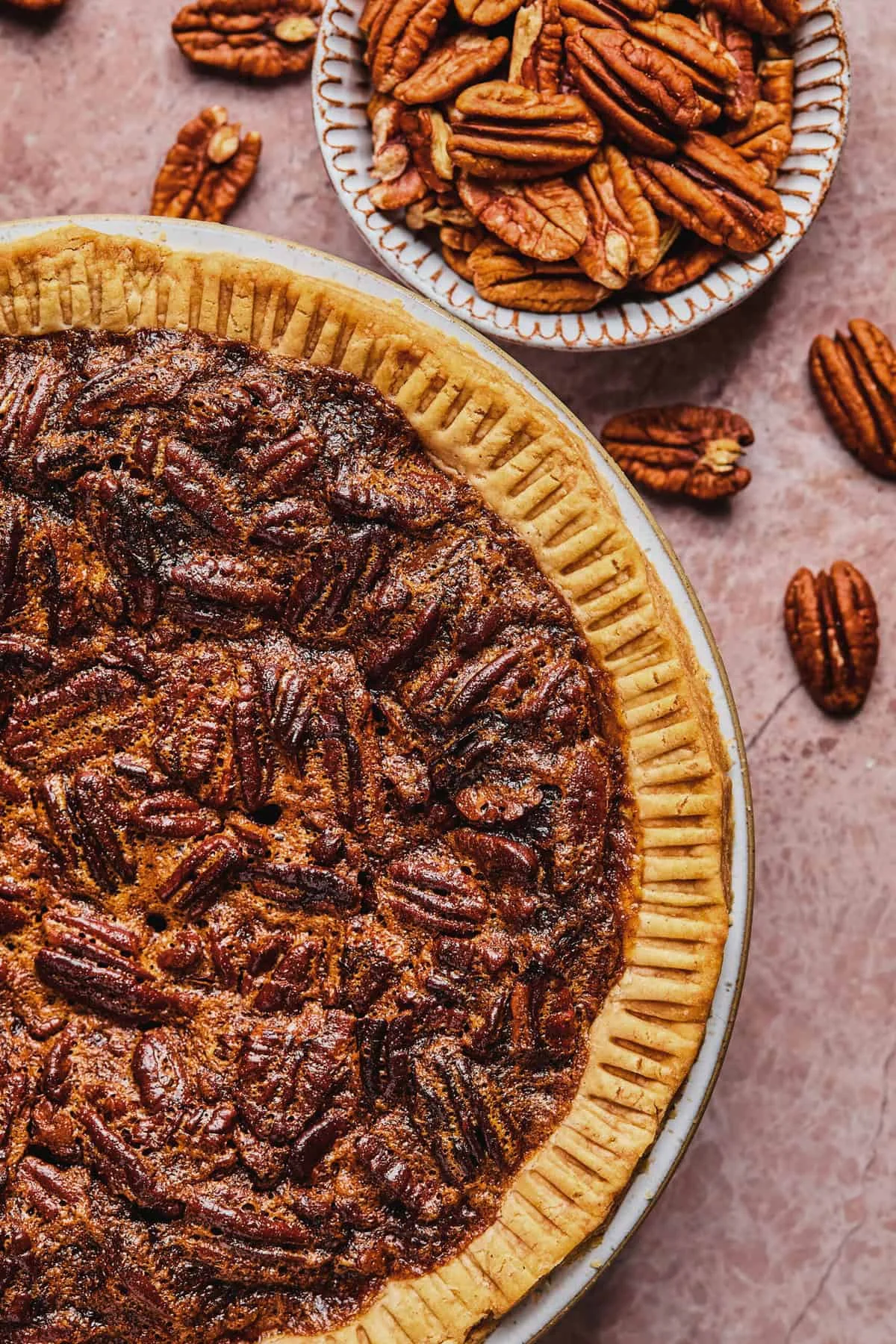
When the autumn air turns crisp and the holiday season begins to take shape, few desserts command as much respect and anticipation as the classic Southern Pecan Pie. It is a confection defined by its paradoxical nature: a dish that feels undeniably sophisticated and rich, yet is grounded in the humble, rustic traditions of the American South.
For those seeking the definitive version of this classic—one that balances a signature sticky-sweet, custard-like interior with the satisfying crunch of perfectly toasted pecans—the search ends here. This article explores the artistry behind the perfect pecan pie, breaking down the science of its composition, the importance of technique, and why this simple recipe remains the undisputed star of any holiday gathering.
The Anatomy of the Perfect Pecan Pie
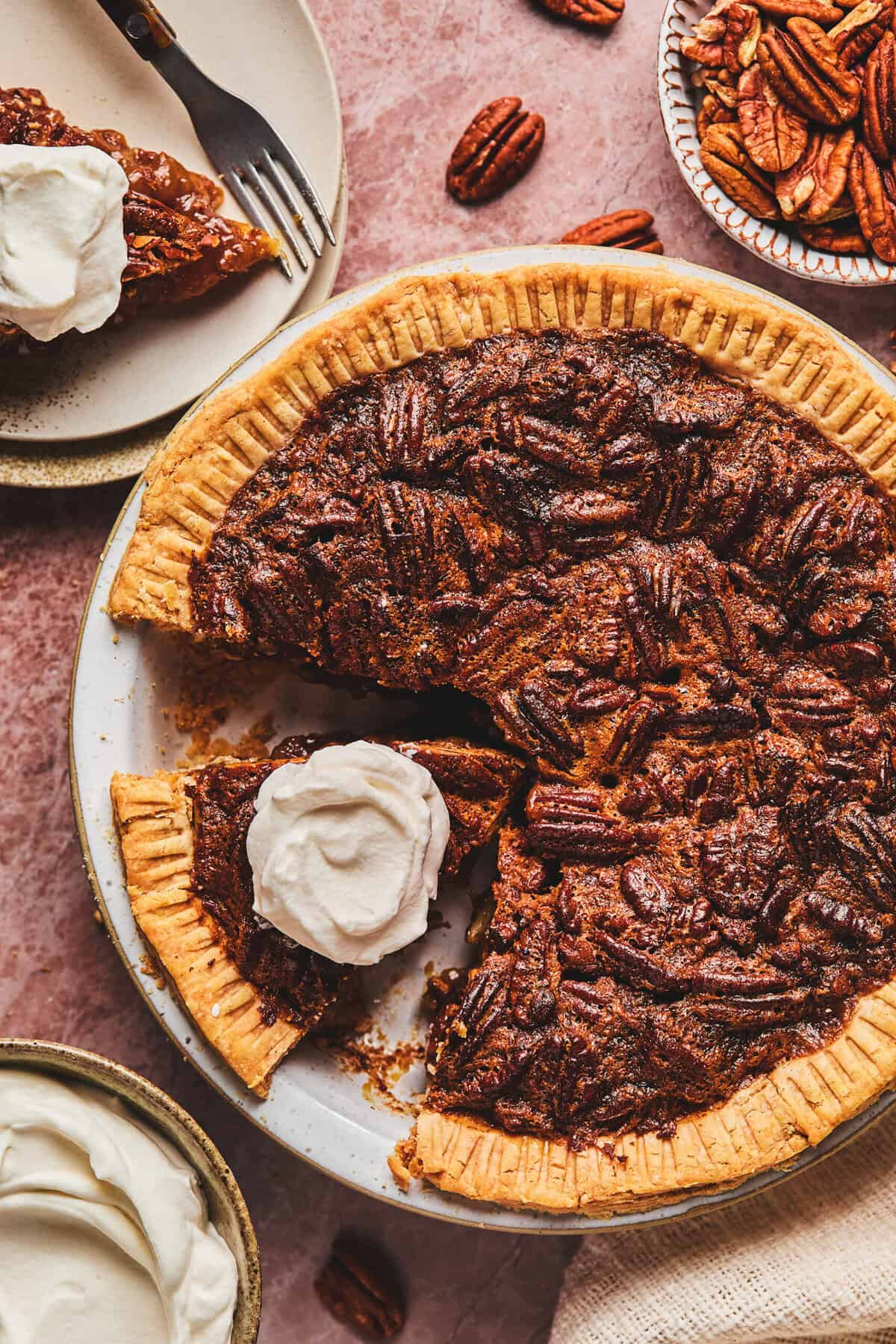
To understand why this specific recipe stands out in a crowded field of holiday desserts, one must look at the balance of its fundamental components. A truly great pecan pie is not merely a collection of nuts suspended in syrup; it is a carefully calibrated custard.
The Foundation: The Crust
While the filling often takes center stage, the crust is the stage upon which the entire performance relies. Whether you opt for a labor-intensive, hand-folded buttery crust or choose the efficiency of a high-quality, pre-made refrigerated option, the requirement remains the same: it must be flaky, buttery, and sturdy enough to hold the weight of the dense, sugary filling without turning soggy.
The Filling: The Science of Sweetness
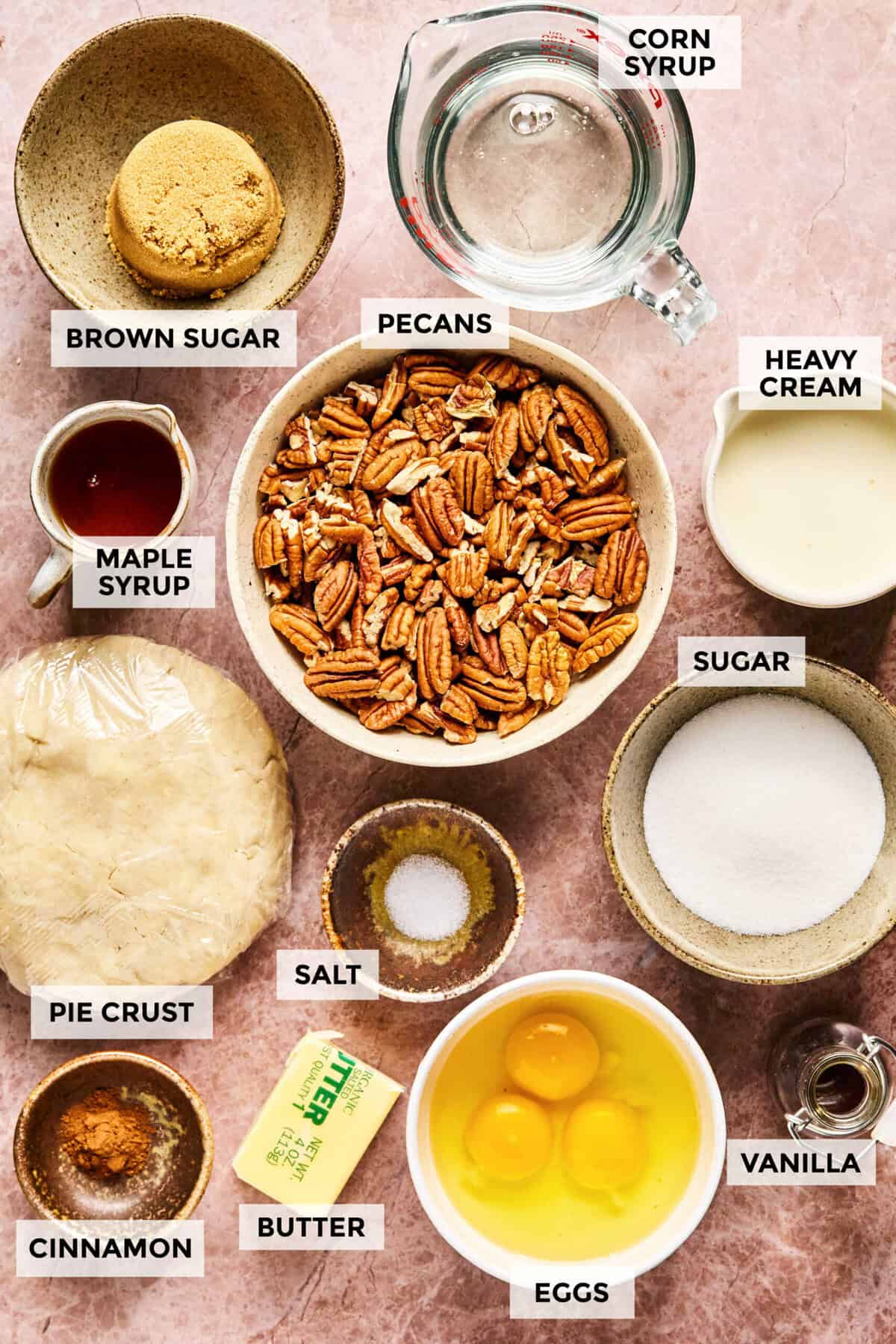
The heart of the pie is its signature gooey filling. This recipe relies on a precise ratio of corn syrup, brown sugar, and eggs. The corn syrup is the secret to that iconic "gooey" texture, providing a smooth, stable viscosity that prevents crystallization. The brown sugar introduces a depth of flavor—a hint of molasses—that balances the intense sweetness.
The Star: The Pecan
Pecans are not merely a topping; they are the texture profile of the dish. Using premium pecan halves rather than pre-chopped pieces ensures that the nuts retain their structural integrity during the bake. For the best result, a mixture of whole halves and roughly chopped pieces provides a complex mouthfeel that elevates the eating experience.
Chronology: A 15-Minute Blueprint to Excellence
The modern home cook is often constrained by time, yet unwilling to sacrifice quality. This recipe was engineered for maximum impact with minimal intervention. Here is how the process unfolds:
- Preparation (0–5 minutes): Begin by preheating your oven to the target temperature. If you are utilizing a pre-made crust, ensure it is properly chilled. This is the "no-shame" method—a practical choice for busy hosts.
- The Brown Butter Phase (5–10 minutes): This is the game-changer. By gently browning the butter before incorporating it into the mixture, you introduce a toasted, nutty aroma that harmonizes perfectly with the pecans.
- Mixing the Custard (10–15 minutes): Whisk the eggs, sugars, and corn syrup together until smooth. Add the cinnamon—a vital aromatic that bridges the gap between the sugary custard and the earthy nuts.
- Assembly and Baking: Pour the mixture into the crust, top with the pecans, and move the pie to the oven.
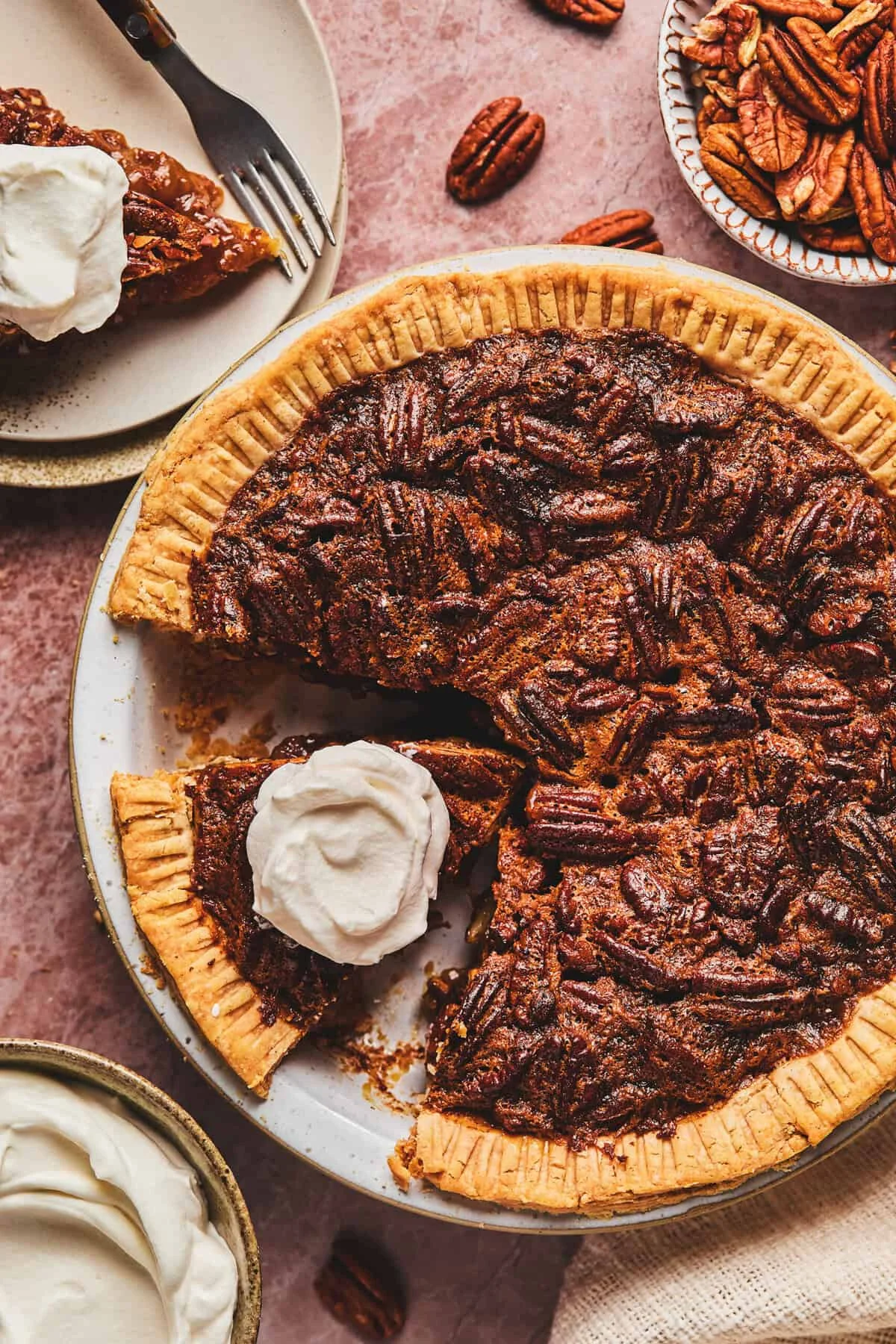
- The Cooling Process: Patience is a virtue here. The pie must cool completely to allow the custard to set. Slicing too early will result in a runny, messy serving; waiting allows the chemistry of the eggs and sugar to firm into a perfect slice.
Supporting Data: Why Technique Matters
When analyzing the success of a pie recipe, consistency is the primary metric. Through repeated testing, the following variables have been identified as the difference between a "good" pie and a "great" one:
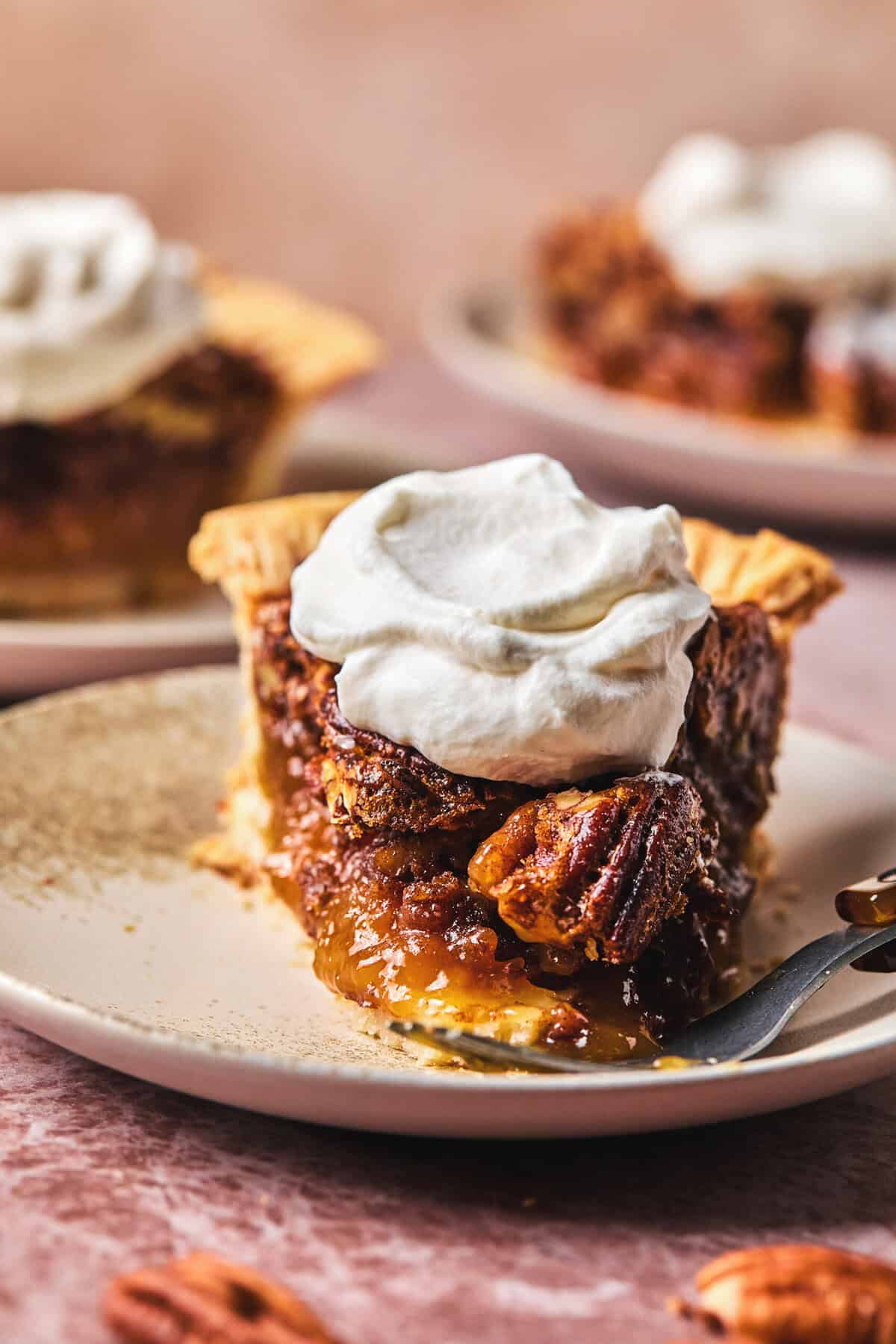
- The "Jiggle" Test: A common pitfall is overbaking. The pie should be pulled from the oven when the edges are set and slightly puffy, but the center still retains a slight, uniform jiggle. If the center is liquid, it is underdone; if it is firm and cracked, it has been overbaked.
- Temperature Control: Because this is essentially a custard pie, it is imperative to store it in the refrigerator. Not only does this ensure food safety, but the cool temperature also firms the filling, making for cleaner, more aesthetic slices when serving.
- The Whipped Cream Elevation: The addition of a homemade maple whipped cream is not just a garnish; it is a culinary necessity. The acidity and creaminess of the dairy cut through the dense sugar of the pie, effectively "resetting" the palate between bites.
Official Recommendations and Expert Insights
To achieve the best results, it is worth noting the advice provided by culinary experts regarding ingredient selection and potential troubleshooting.
The Corn Syrup Debate
There is often a desire to replace corn syrup with "healthier" alternatives like agave or maple syrup. However, from a technical standpoint, corn syrup is the gold standard for this specific texture. It is a non-crystallizing sugar that provides the signature mouthfeel. While maple syrup is delicious, its flavor profile is aggressive and can overpower the delicate notes of the pecans. If a substitution must be made, agave is the most neutral, though it lacks the viscosity of corn syrup.
The "Runny Pie" Dilemma
If a pie remains runny after cooling, it is almost always a result of insufficient bake time. The filling requires heat to reach the point where the proteins in the eggs coagulate. If your oven is prone to "hot spots," consider rotating the pie halfway through the baking cycle to ensure an even set.
Storage and Serving
A pecan pie is an excellent "make-ahead" candidate. It maintains its quality at room temperature for up to 48 hours, but for long-term storage, it should be refrigerated. Before serving, a quick warm-up in the microwave can restore that "fresh from the oven" gooeyness that defines a superior slice.

Implications: The Social Value of the Homemade Pie
The significance of the "Best Pecan Pie" extends beyond the plate. In a world of convenience, the act of baking—even with a store-bought crust—represents a commitment to tradition and hospitality.
When you serve a dessert that looks as good as it tastes, you are participating in a long-standing Southern ritual. This recipe serves as a bridge between the busy modern lifestyle and the slow-cooked, intentional flavors of the past. Whether you are hosting a formal Thanksgiving dinner or a casual Friendsgiving, this pie is designed to be the "showstopper" that people will request again next year.
The Final Touch
As you prepare this dish, remember that the "secret" ingredient is often the care put into the process. Whether it is the slight char on the pecans or the perfect dollop of maple-infused whipped cream, these small details are what transform a simple ingredient list into a memorable dining experience.

As always, when you create this masterpiece, share the results. Culinary traditions are kept alive through the sharing of photos, recipes, and the collective enjoyment of a well-made meal.
Recipe Summary Table
- Prep Time: 15 Minutes
- Baking Time: 50–60 Minutes
- Difficulty: Beginner-Friendly
- Best Served: Chilled or room temperature with Maple Whipped Cream
- Storage: Refrigerate for up to 5 days