In the world of professional pastry and home baking alike, the difference between a good cake and an unforgettable one often lies in the filling. While sponges and buttercreams provide the structure and the base, it is the fruit filling that introduces the essential acidity, brightness, and depth required to balance a dessert’s profile. The homemade Raspberry Cake Filling, a staple for discerning bakers, has recently seen a resurgence in popularity as enthusiasts move away from store-bought, gelatinous jarred alternatives in favor of fresh, vibrant, and chef-quality components.
This guide explores the mechanics behind creating the ultimate raspberry filling, examining why this simple combination of fruit, sugar, and heat has become the gold standard for layering, piping, and dessert assembly.
The Core Fundamentals: Why Homemade Wins
The primary appeal of a from-scratch raspberry filling is its chemical and sensory integrity. Commercial fillings are often heavily processed, containing artificial dyes, excessive thickeners, and preservatives that mask the delicate, floral, and tart notes of the raspberry.
The Chemistry of Flavor
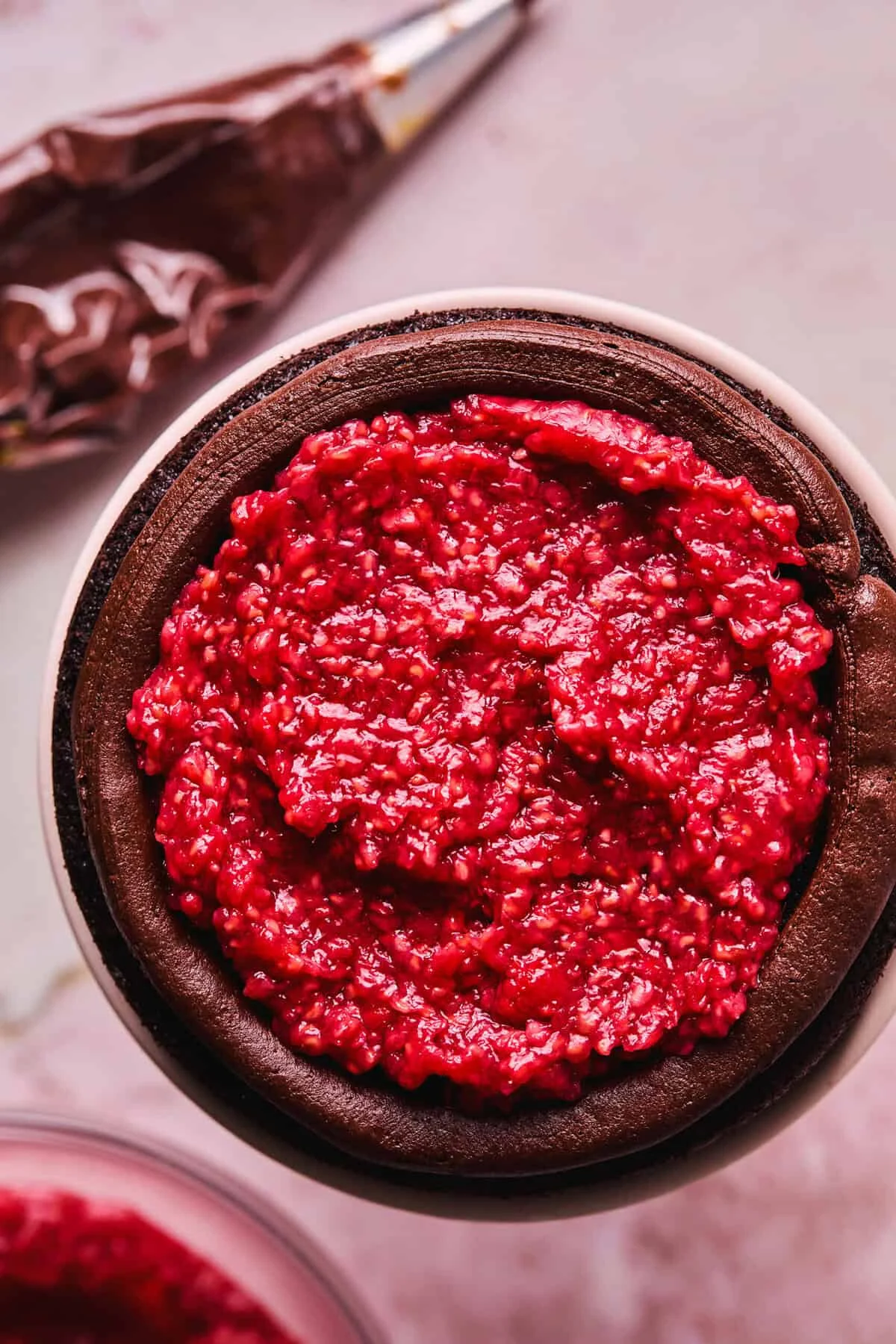
When you simmer fresh or high-quality frozen raspberries with a measured amount of sugar and a touch of lemon juice, you are initiating a process of flavor concentration. The lemon juice is not merely a flavor enhancer; it is a critical component that activates the natural pectin in the berries, assisting in a clean, natural set. Unlike jarred versions that rely on heavy corn syrup, a homemade filling allows the natural sugars of the fruit to take center stage, resulting in a "ruby-red" consistency that is both visually stunning and palate-cleansing.
Texture and Structural Integrity
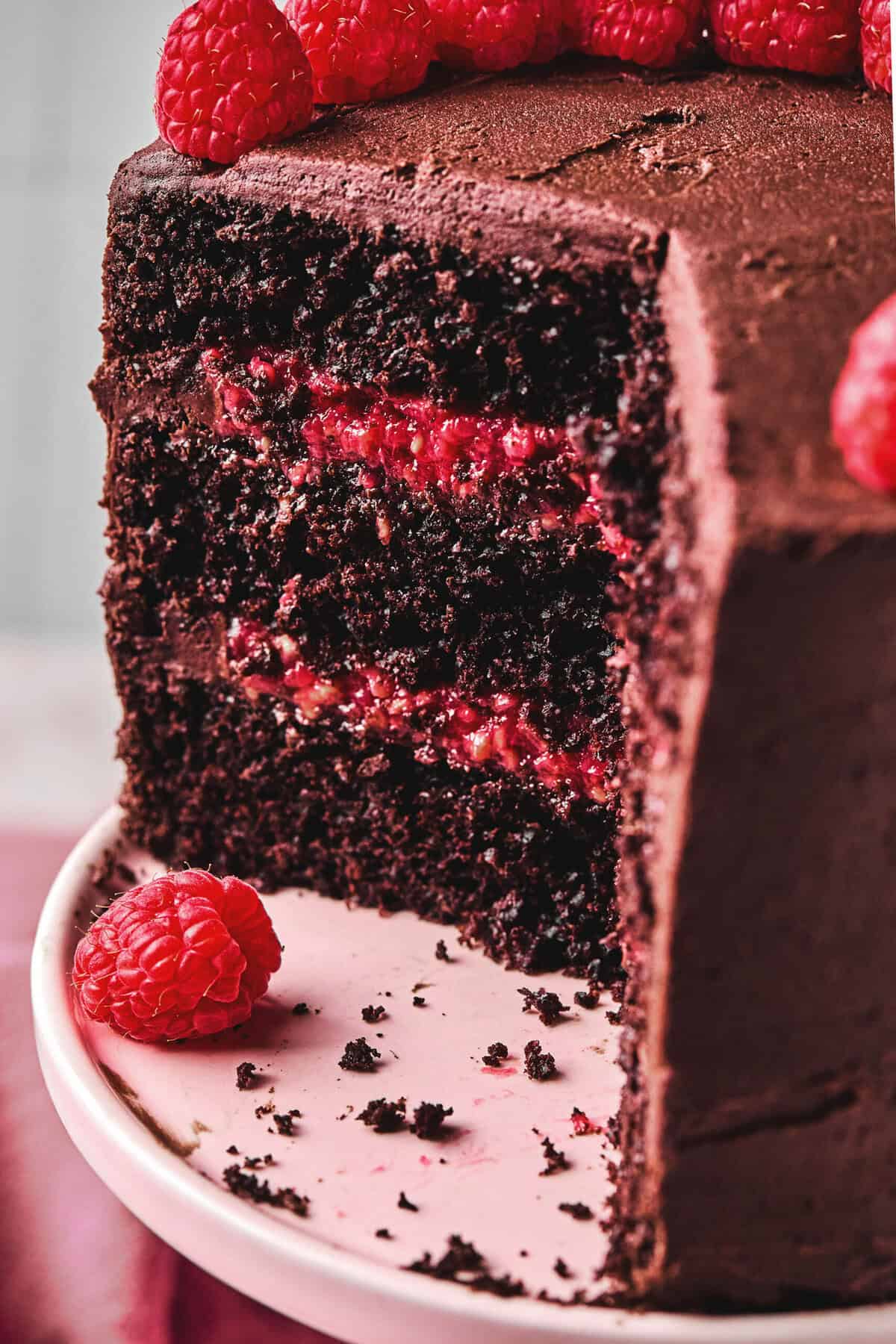
For a professional baker, the "slide" is the enemy. A filling that is too thin will cause cake layers to shift, compromising the structural integrity of the final dessert. Conversely, a filling that is too thick or overly starchy creates a rubbery mouthfeel. The balance achieved through the moderate use of cornstarch ensures a gel-like consistency that is stable enough to hold its shape between layers but supple enough to provide a seamless bite.
A Chronological Approach: The Preparation Process
Achieving the perfect consistency requires a methodical approach to heat management and cooling.
Phase 1: The Initial Breakdown
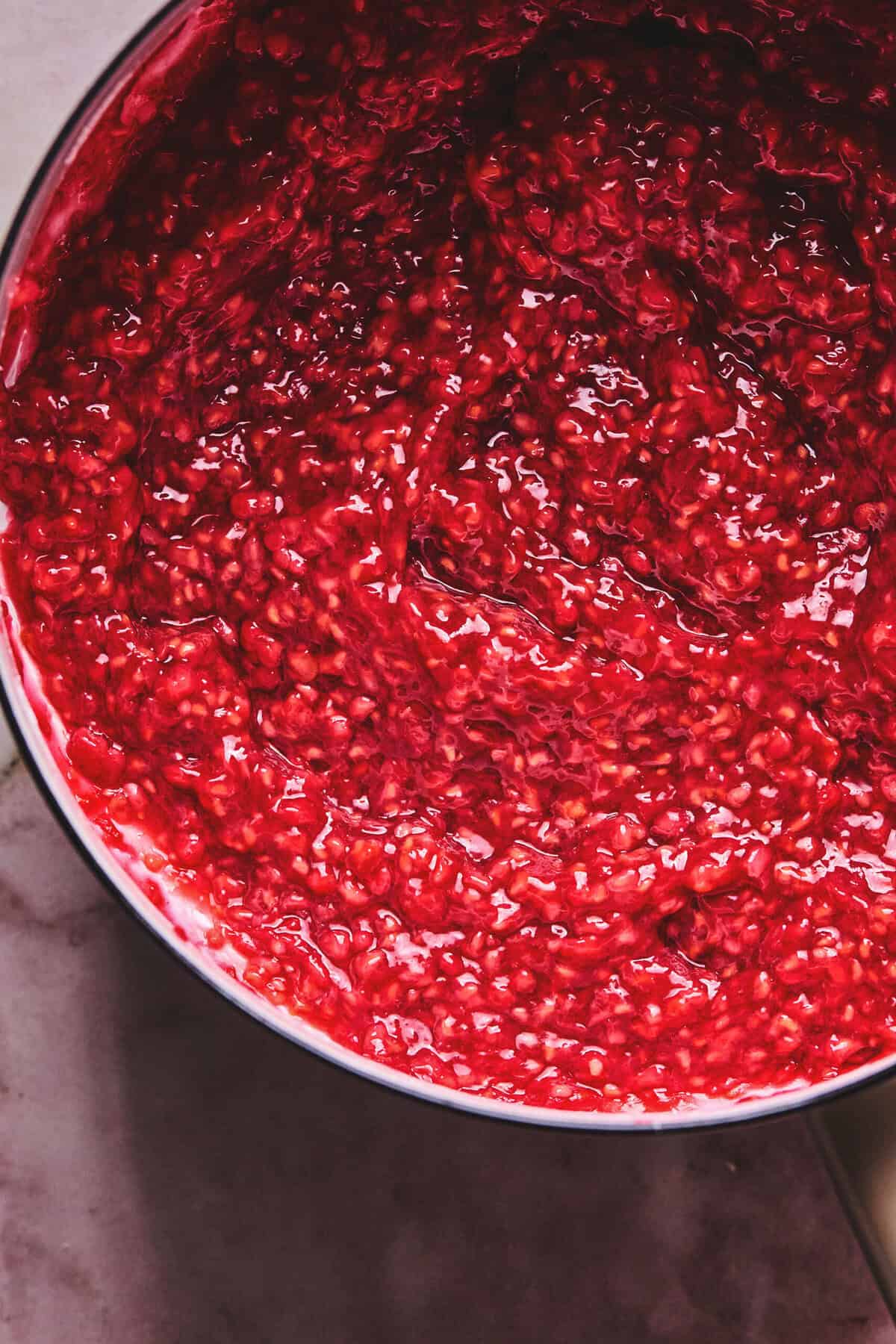
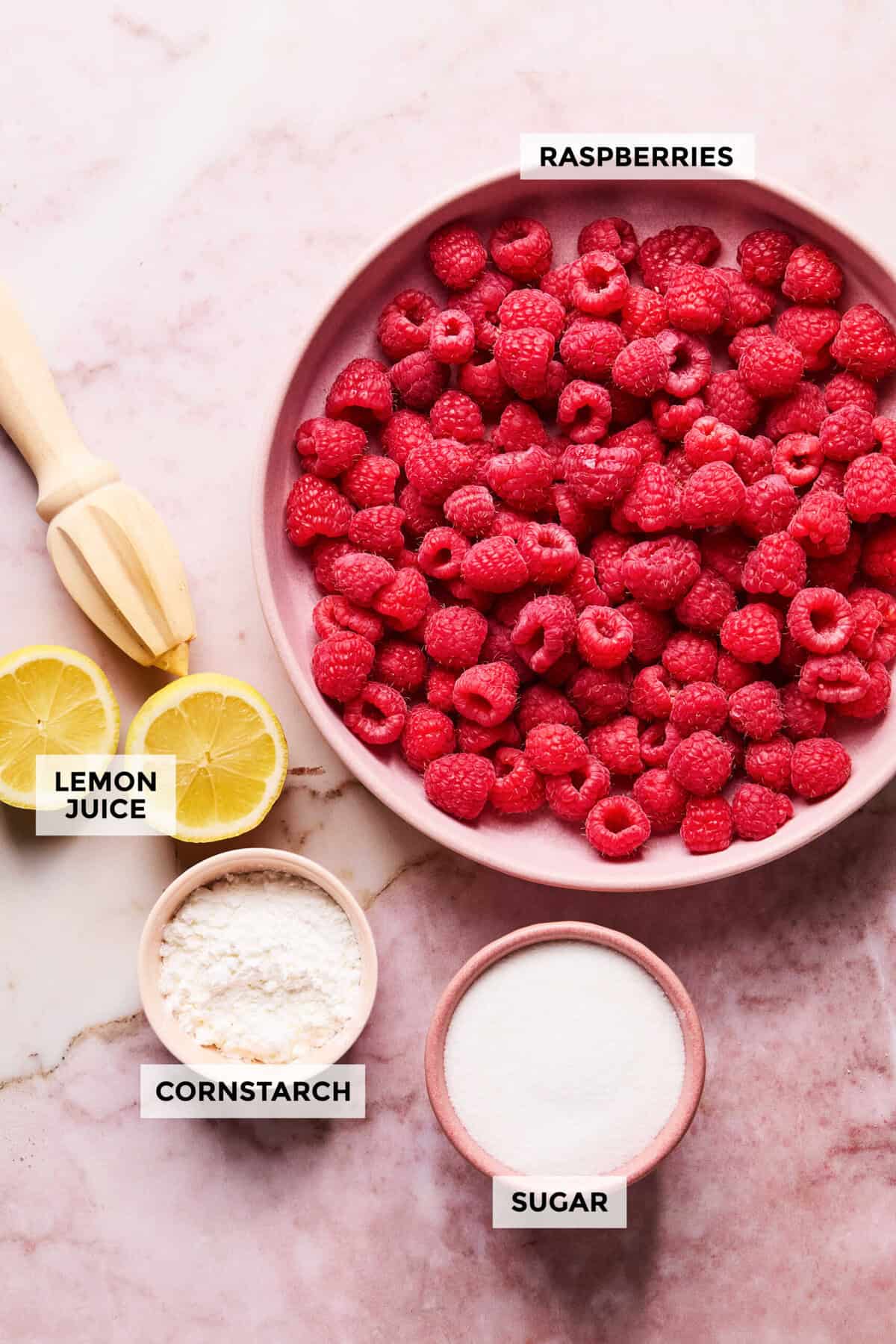
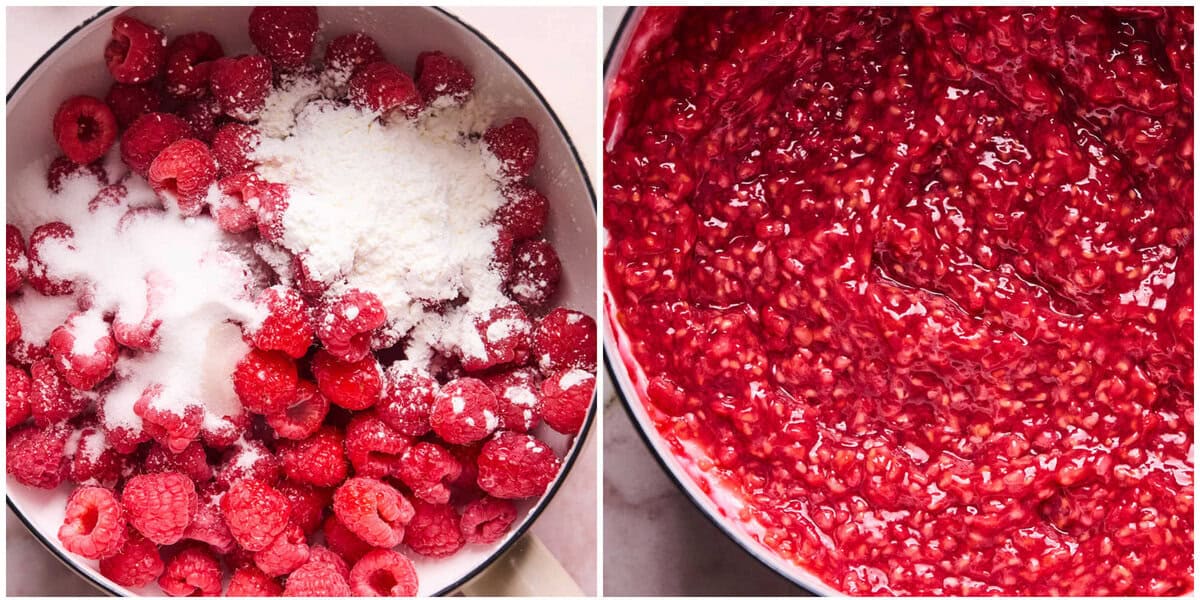
The process begins by combining raspberries, sugar, and lemon juice in a heavy-bottomed saucepan. Over medium heat, the berries begin to release their juices. This stage is crucial for extracting the maximum flavor. As the berries soften, they should be gently broken down to release their pulp.
Phase 2: The Thickening Mechanism
Once the fruit has reached a simmer, the cornstarch slurry (usually mixed with a small amount of cold water to prevent clumping) is introduced. It is at this moment that the mixture transforms. The heat must be maintained at a steady, gentle simmer to ensure the starch is fully hydrated, which removes any "raw" starchy aftertaste and creates that signature glossy, translucent appearance.
Phase 3: The Critical Cooling Period
Patience is the final ingredient. While it is tempting to use the filling immediately, it must be cooled to room temperature and subsequently refrigerated. During this period, the starch network continues to tighten, and the flavors harmonize. A minimum of four hours in the refrigerator—or ideally, overnight—is recommended to ensure the filling reaches the ideal viscosity for piping or spreading.
Supporting Data: Versatility and Storage
One of the most significant advantages of this recipe is its utility across a variety of baking applications.
Applications Beyond the Cake
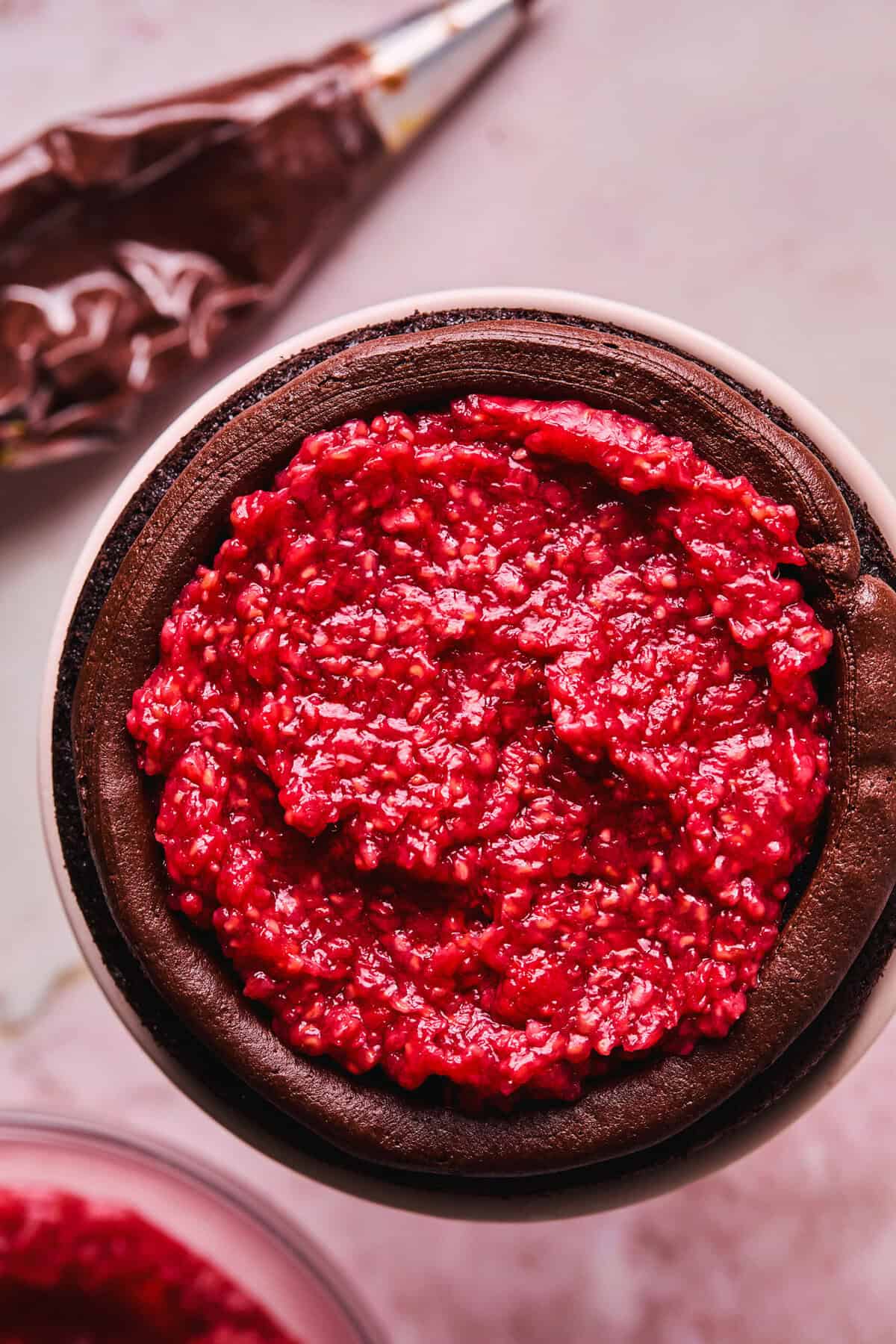
While the recipe is optimized for sandwiching layers in a chocolate or lemon cake, its applications are expansive:
- Buttercream Emulsions: When folded into a Swiss Meringue or Italian Meringue buttercream, the acidity of the raspberries cuts through the fat of the butter, creating a sophisticated fruit-forward frosting.
- Pastry Integration: The filling functions as an excellent core for sandwich cookies or as a bright, acidic counterpoint to rich white chocolate ganache in tartlets or bar cookies.
- Breakfast and Beyond: The shelf-stable nature of this filling (when stored properly) makes it an excellent accompaniment to morning toast, pancakes, or as a swirl in homemade yogurt.
Storage and Shelf Life
For the modern, busy home baker, the ability to "make ahead" is a significant advantage. This raspberry filling maintains its quality in an airtight container for up to three days under refrigeration. For long-term planning, it can be frozen for up to one month. To restore its texture after freezing, one simply needs to thaw it in the refrigerator and give it a quick stir. If the filling appears slightly too firm after the thaw, a half-teaspoon of warm water can be whisked in to loosen it to the desired spreadable consistency.
Professional Perspectives: Expert Tips for Success
To elevate your results, consider these insights from professional kitchen environments:
- The Seed Dilemma: If you prefer a smoother texture, you can pass the finished, thickened mixture through a fine-mesh sieve. This removes the seeds while maintaining the vibrant color and tart flavor.
- The "Tightness" Check: If you find the filling is too thin after cooling, do not panic. Simply return it to a saucepan and simmer for an additional 2–3 minutes. This evaporates excess water and allows the starch to tighten further.
- Flavor Balancing: If your raspberries are particularly tart, do not be afraid to adjust the sugar content upward by a tablespoon. Taste-testing during the simmering phase is essential.
- Temperature Control: Always ensure your cake layers are completely cooled before applying the filling. Introducing a warm filling to a room-temperature cake will cause it to seep into the sponge rather than sitting neatly between the layers.
Implications for Modern Baking
The shift toward "from-scratch" fillings represents a broader movement in culinary arts toward transparency and quality. When bakers choose to make their own components, they gain total control over the nutritional profile and the quality of the ingredients.
By eliminating high-fructose corn syrup and artificial preservatives, home bakers are not only producing a healthier product but are also developing a more refined palate. Understanding how to create a fruit-based gel allows a baker to branch out into other flavor profiles—blackberries, blueberries, or even stone fruits like peaches or plums—using the same fundamental techniques.
Final Thoughts
Whether you are a novice attempting your first multi-layer cake or a seasoned professional looking to refine your repertoire, the raspberry cake filling remains a timeless, essential skill. It is a testament to the idea that the most elegant desserts are often those built upon the simplest, most honest ingredients. By mastering the balance of acid, sugar, and heat, you turn a standard dessert into a professional-grade culinary experience that prioritizes flavor above all else.
As you embark on your next baking project, remember that the filling is the heart of the cake. Take the time to make it fresh, treat the ingredients with respect, and the result will be a dessert that is not only beautiful to behold but truly exceptional to eat.