For millions of home bakers, the arrival of the holiday season and the peak of harvest time often bring a singular, persistent challenge: the quest for the perfect pie crust. When dietary restrictions such as gluten intolerance or celiac disease are introduced, that challenge often turns into a daunting hurdle. However, a new approach to the classic shortcrust pastry is redefining what it means to bake gluten-free, proving that the structural integrity and flaky texture of a traditional pie are not just possible, but easily achievable in the home kitchen.
Main Facts: The Evolution of Gluten-Free Baking
The fundamental issue with removing gluten from pastry is the loss of the protein network that provides elasticity and structure. Without wheat-based gluten, many doughs become crumbly, dry, or prone to shattering under the weight of fillings. The modern solution, now widely embraced by culinary experts, relies on a high-quality gluten-free all-purpose flour blend fortified with xanthan gum.
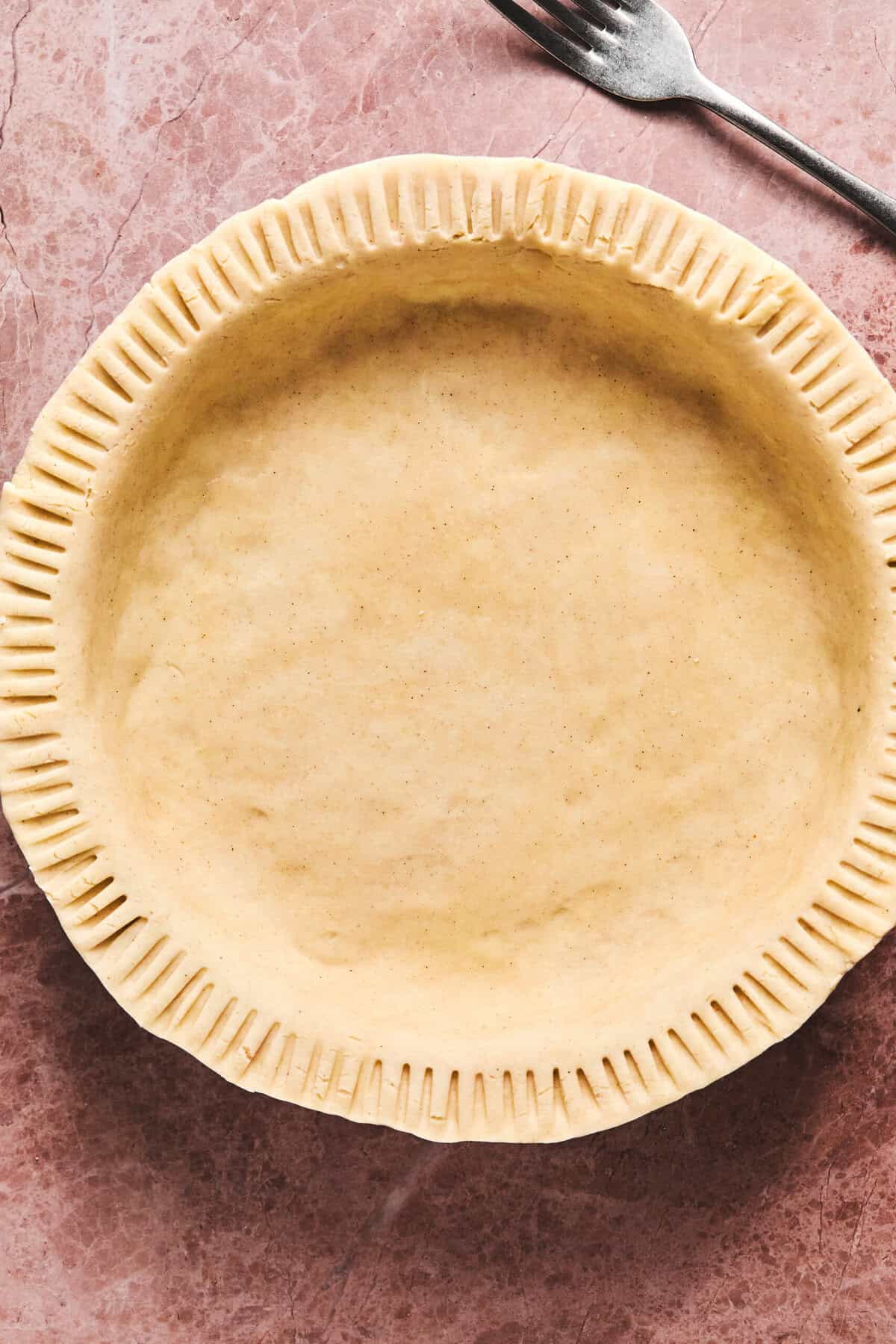
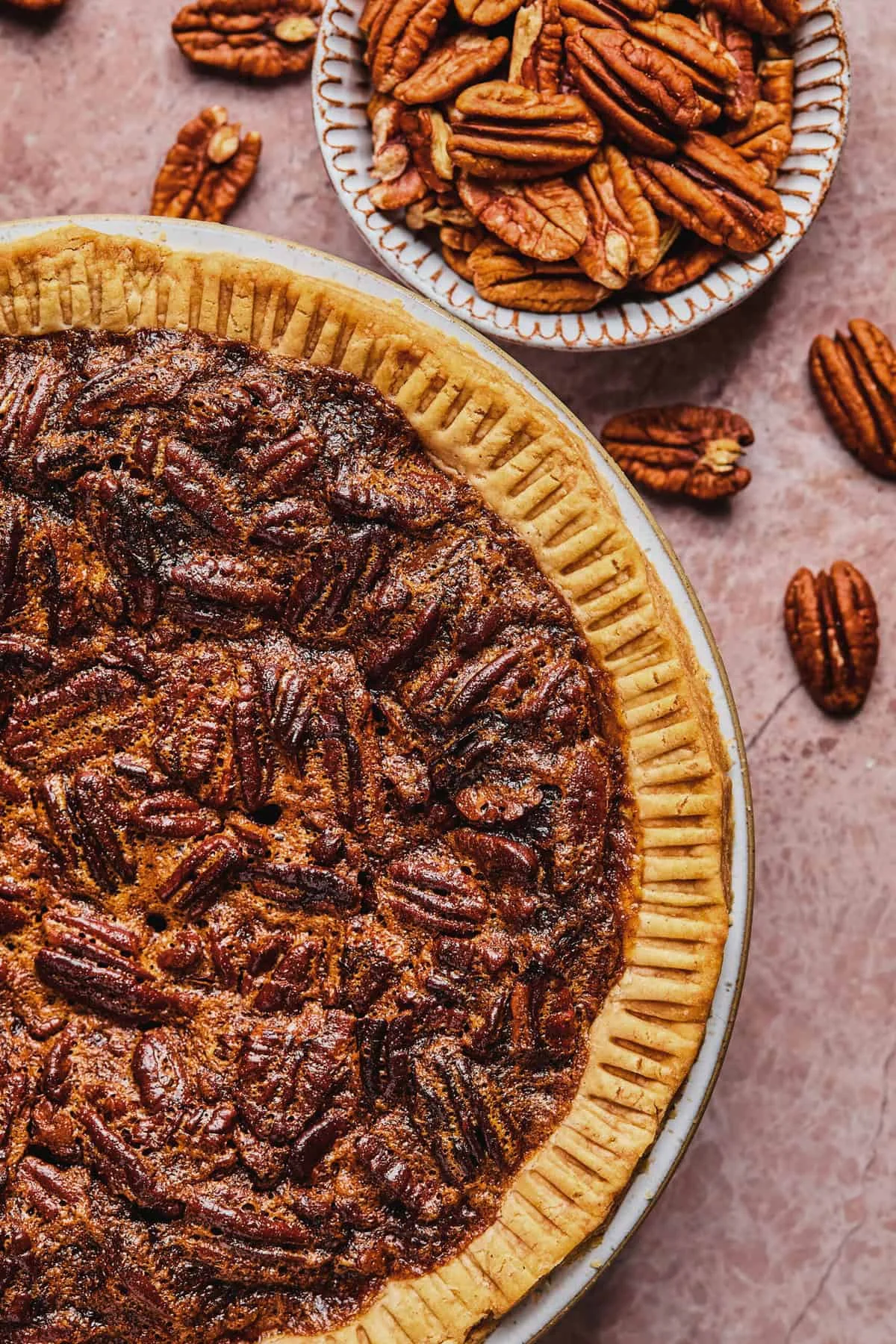
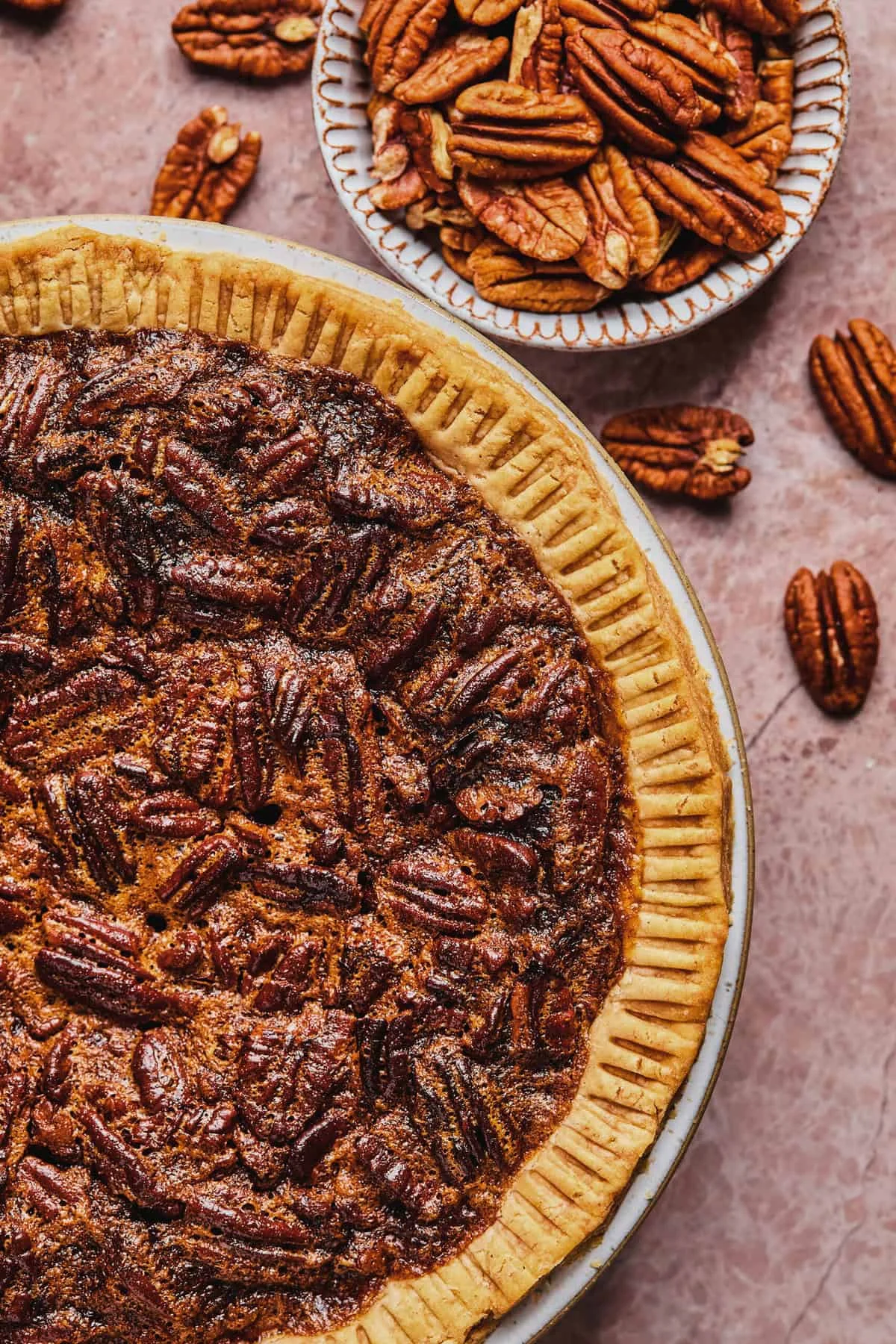
This specific method emphasizes simplicity, requiring only seven essential ingredients. By bypassing the need for obscure, hard-to-find starches or gums that must be ordered online, this recipe democratizes professional-grade baking. The result is a versatile "shortcrust" pastry that mimics the buttery, golden, and flaky characteristics of a traditional crust, making it suitable for everything from fruit-filled lattice pies to savory pot pies.
Chronology: The Journey to the Perfect Crust
The development of a reliable gluten-free crust has historically followed a path of trial and error. Early iterations of gluten-free baking often relied on almond or coconut flours, which, while nutritious, failed to replicate the neutral flavor profile and structural bite of a traditional pastry.

- The Foundation Phase: The process begins with selecting a reputable 1-to-1 gluten-free flour blend. These blends are scientifically formulated to mimic the protein ratios of wheat flour, usually combining rice flour, potato starch, and tapioca flour.
- The Binding Phase: The introduction of xanthan gum acts as the "glue" that prevents the dough from crumbling. It is the silent hero in the recipe, ensuring the pastry can be rolled out, folded, and crimped without breaking.
- The Temperature Management Phase: The most critical step in the chronology is the maintenance of cold temperatures. As with traditional crusts, the butter must remain solid until it hits the oven, creating the steam pockets necessary for flakiness.
- The Stabilization Phase: Once the dough is formed, a mandatory chilling period allows the starches in the flour blend to hydrate properly, which is essential for preventing the "shrinkage" often seen in gluten-free baking.
Supporting Data: Why the Science Holds Up
The success of this recipe is rooted in the chemistry of fats and starches. Nutritionists and food scientists note that when working with gluten-free alternatives, the ratio of fat to flour is vital. In this specific application, the calorie count—approximately 835 kcal per recipe—reflects a high-fat, high-carbohydrate profile designed to provide a rich, melt-in-the-mouth texture.
Furthermore, the inclusion of 27g of fiber—significantly higher than standard white flour crusts—is a byproduct of the ancient grains and root starches used in high-quality gluten-free blends. While the crust is substantial in calories, it offers a more robust nutritional profile than traditional refined-wheat alternatives. The moisture-retaining properties of the flour blend ensure that even after baking, the crust does not become excessively dry, a common complaint in the gluten-free community.

Expert Tips for the Home Baker
To achieve professional results, culinary experts suggest several "golden rules" for those working with gluten-free dough:
- The Cold-Chain Method: Never allow your butter or water to come to room temperature. If the dough feels warm or soft, return it to the refrigerator immediately.
- Handle with Care: Gluten-free dough does not possess the same "stretch" as traditional dough. Use parchment paper to roll it out, which allows for easy transfer to the pie dish without the need for excessive dusting with extra flour, which can lead to a chalky taste.
- The Shrinkage Prevention: As noted in industry FAQs, if your crust shrinks in the oven, it is often due to insufficient chilling or over-working the dough. Ensure the dough rests in the refrigerator for at least 30 to 60 minutes after rolling and before baking.
- The Filling Compatibility: A gluten-free crust is only as good as the filling it supports. Always ensure that thickeners used in your fruit or custard fillings—such as cornstarch or arrowroot powder—are certified gluten-free.
Official Perspectives and Industry Implications
The rise of accessible gluten-free baking is part of a broader shift in the food industry. As more households manage celiac disease or non-celiac gluten sensitivity, the demand for "inclusive cooking" has grown. Culinary influencers and professional chefs are increasingly moving away from the "alternative ingredients" mindset and toward the "standardized results" mindset.

Tiffany, a prominent voice in the culinary space, emphasizes that the goal of modern baking is to remove the barrier to entry. "My passion is turning simple flavors into meals the whole family can enjoy," she notes. By providing a recipe that utilizes widely available ingredients, the industry is effectively removing the stigma and the perceived difficulty associated with gluten-free diets.
This shift has significant implications for the future of home baking. As high-quality, pre-mixed flour blends become a staple in standard grocery stores, the culinary "divide" between those with dietary restrictions and those without is narrowing. The implication is that we are moving toward a future where a "special" diet no longer implies a "lesser" culinary experience.

Addressing Common Concerns: The FAQ Breakdown
For many, the transition to gluten-free pastry is fraught with questions regarding storage and handling. One of the most frequently asked questions concerns freezing. While traditional pie dough freezes exceptionally well, gluten-free dough can be more temperamental. Due to the nature of the stabilizers in various flour brands, it is generally recommended to prepare the dough in advance and store it in the refrigerator for up to 48 hours rather than freezing it.
Regarding the issue of shrinkage—the bane of every baker’s existence—the consensus is clear: the culprit is almost always temperature. By ensuring the butter is kept in small, cold pea-sized pieces, and by allowing the dough to relax in the fridge, the baker can ensure that the proteins and starches settle into a stable structure that retains its shape under the heat of the oven.

Conclusion: A New Era of Baking
The journey to the perfect gluten-free pie crust is no longer an exercise in futility. With the right ingredients, a focus on temperature control, and an understanding of the underlying science, home bakers can achieve a crust that is indistinguishable from its wheat-based counterpart. Whether you are a seasoned pastry chef or a novice looking to accommodate a loved one’s dietary needs, the ability to create a flaky, buttery crust is now firmly within your reach.
As we look toward the future, the integration of these accessible techniques suggests that the "gluten-free" label will soon be a mark of quality and thoughtfulness rather than a compromise. By focusing on the fundamentals—the quality of the butter, the precision of the temperature, and the reliability of the flour blend—we can ensure that every guest at the table, regardless of dietary restriction, can enjoy a slice of perfection.