In the world of home cooking, there is a recurring tendency to overcomplicate the classics. We seek out obscure ingredients and labor-intensive techniques, often overlooking the simple, foundational elements that define a truly great meal. For the past several weeks, the culinary focus in our kitchen has returned to the basics, centering on the quintessential Chicken Burrito. While the protein and fillings are undeniably important, the true secret to elevating this staple from a mundane lunch to an unforgettable dining experience lies in one essential component: homemade Salsa Verde.
The Foundation: Why Homemade Salsa Verde Reigns Supreme
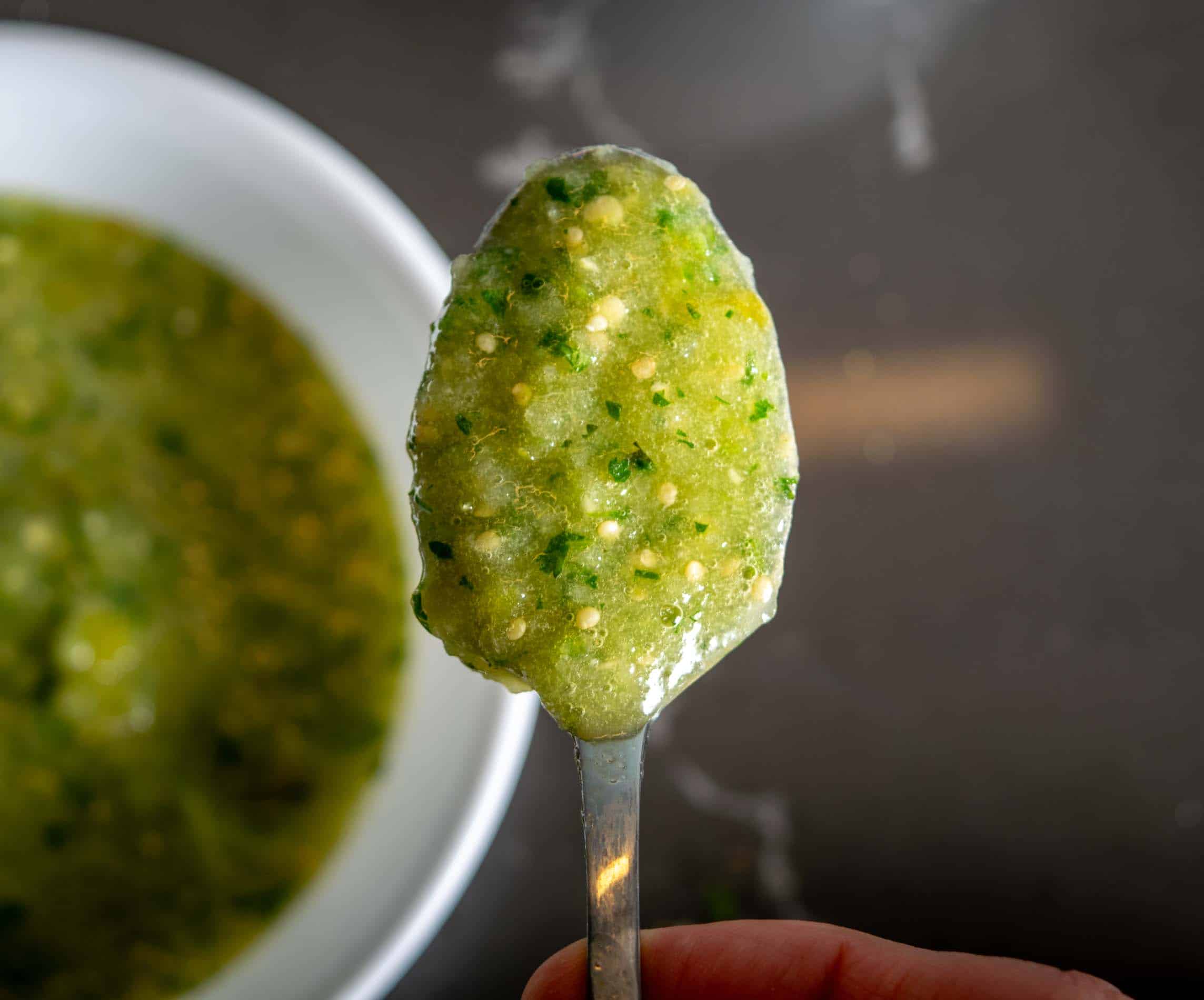
The market is saturated with jarred salsas, many of which are convenient and serviceable for a quick snack. However, the flavor profile of a fresh, homemade Salsa Verde—crafted from charred tomatillos, zesty aromatics, and fresh herbs—is simply incomparable. It provides a bright, acidic, and complex layer that bridges the gap between the savory, spiced chicken and the comforting starch of the rice.
The Science of Roasting
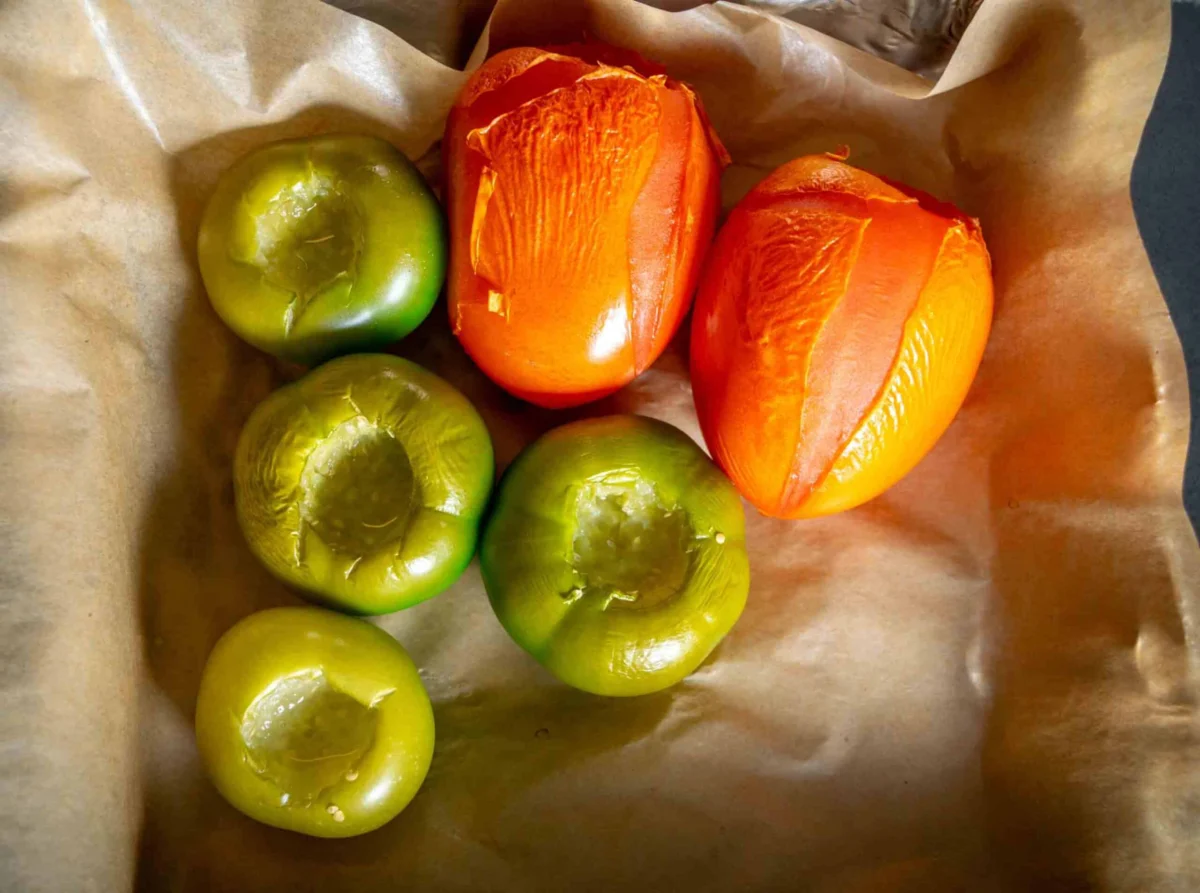
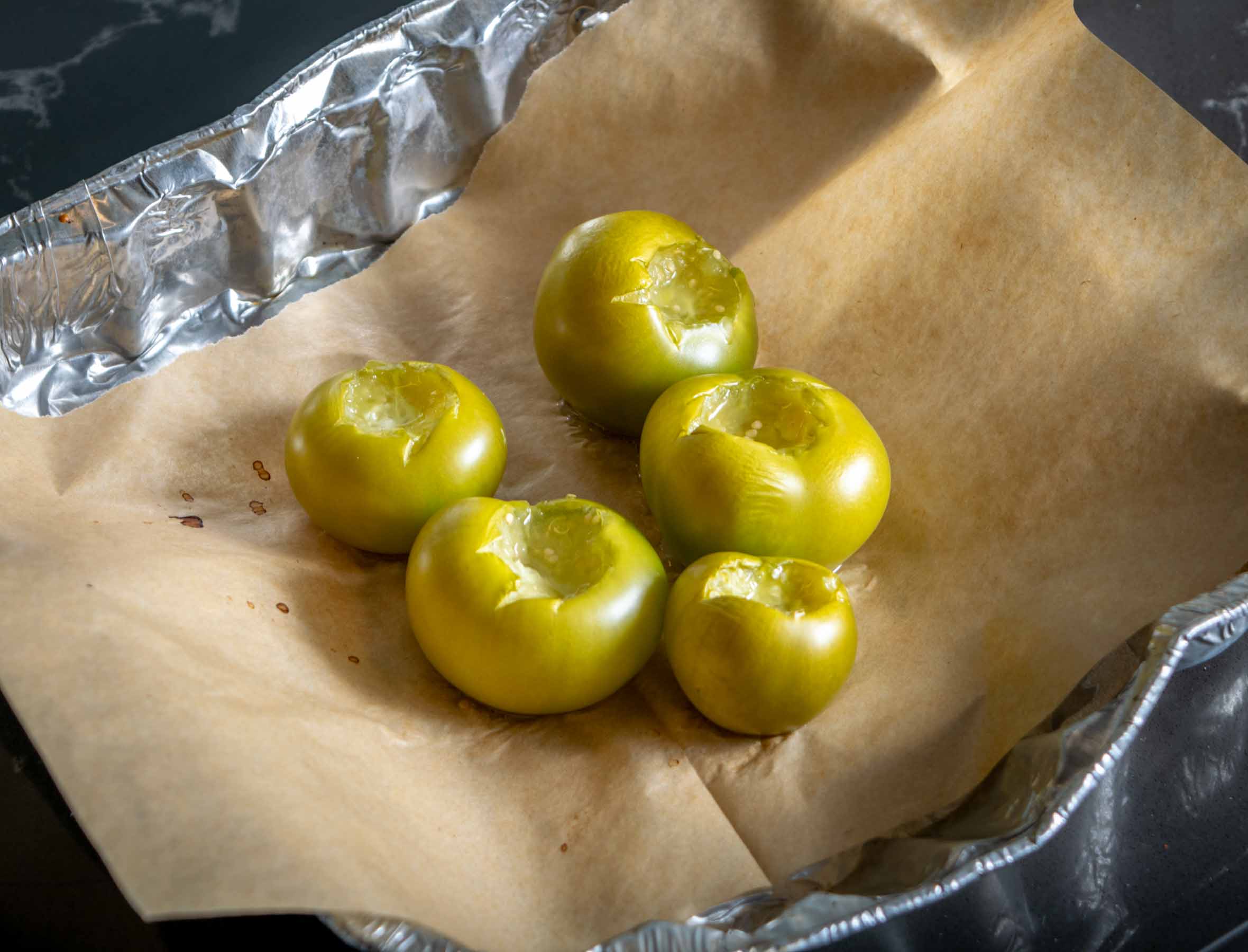
When preparing Salsa Verde, the method of processing the tomatillos is the first critical decision. While boiling is a traditional technique often cited in older cookbooks, professional testing has consistently demonstrated that oven-roasting provides a superior depth of flavor. By placing fresh tomatillos in a 400°F oven for approximately 20 minutes, the natural sugars within the fruit begin to caramelize. This dry-heat method intensifies the tanginess of the tomatillos while softening their texture, creating a robust base that boiling simply cannot replicate.
A Symphony of Aromatics
Once the tomatillos have achieved a perfect char, the assembly process becomes an exercise in balancing profiles. The goal is to create a harmony between the tartness of the tomatillos and the savory notes of the supporting cast:
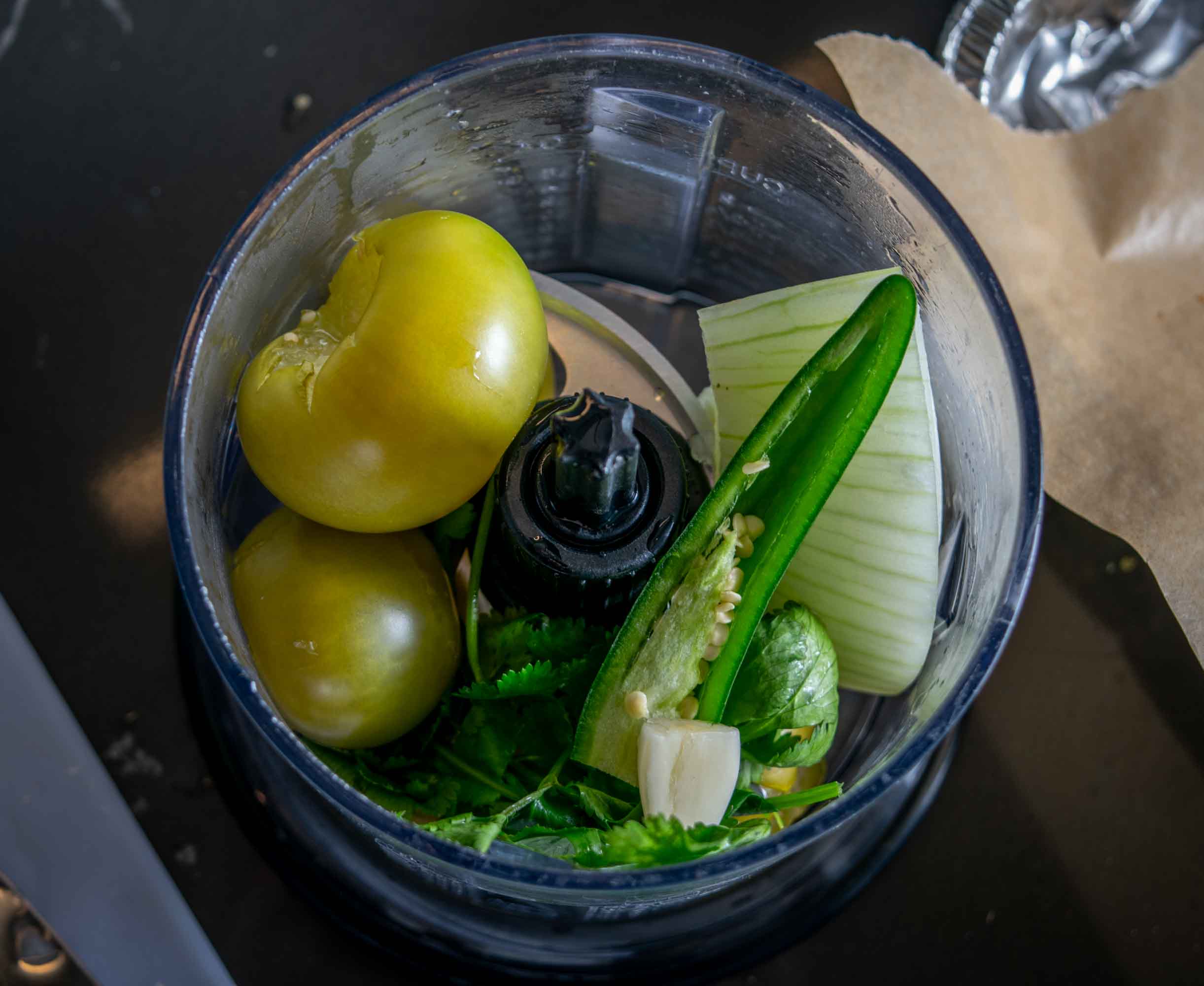
- Onions: A half-onion provides a sharp, foundational sweetness.
- Garlic: A single clove, when blended raw, adds a pungent kick that permeates the sauce.
- Serrano Peppers: The primary source of heat. For those who prefer a more tempered experience, a jalapeño can be substituted, or the serrano can be scaled back.
- Cilantro: A handful of fresh sprigs adds an herbaceous brightness that cuts through the richness of the chicken and cheese.
The key to success here is an incremental approach to heat. Rather than adding an entire pepper at once, the chef should chop the serrano or jalapeño into segments, adding a sliver at a time to the blender. Following each addition, a quick pulse and a taste test ensure the heat level is perfectly calibrated to the individual’s palate.
Chronology of Preparation: Building the Epic Burrito
Constructing a burrito that maintains its structural integrity while delivering maximum flavor requires a systematic approach. The process is not merely about assembling ingredients; it is about layering textures and temperatures.
Step 1: Preparing the Protein
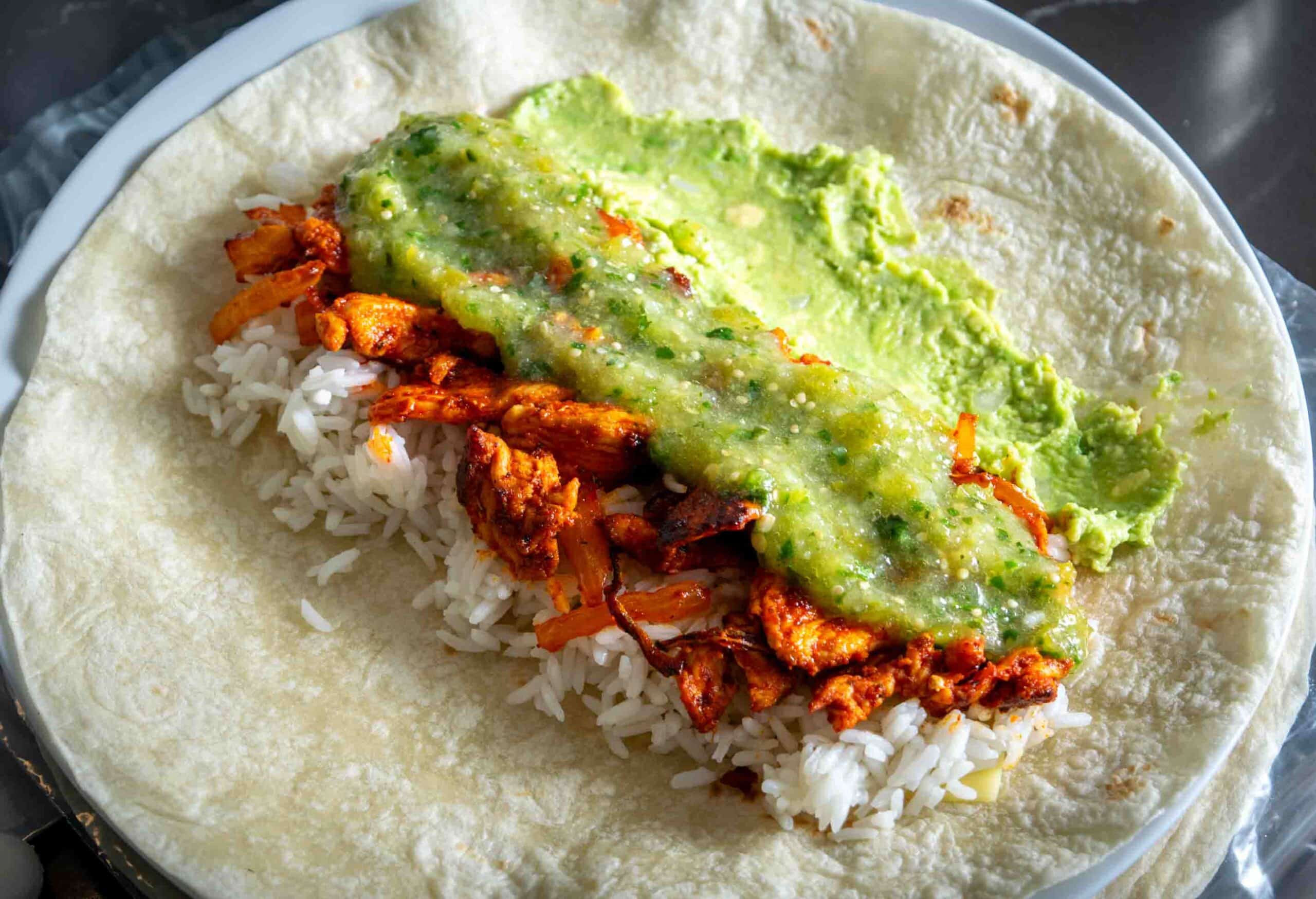
The chicken serves as the anchor of the dish. By coating the meat in a generous layer of high-quality chile powder and sautéing it alongside diced onions, we infuse the protein with a smoky, earthy foundation. This ensures that every bite is seasoned throughout, rather than relying solely on the salsa to provide the flavor.
Step 2: The Starch and The "Hidden" Element
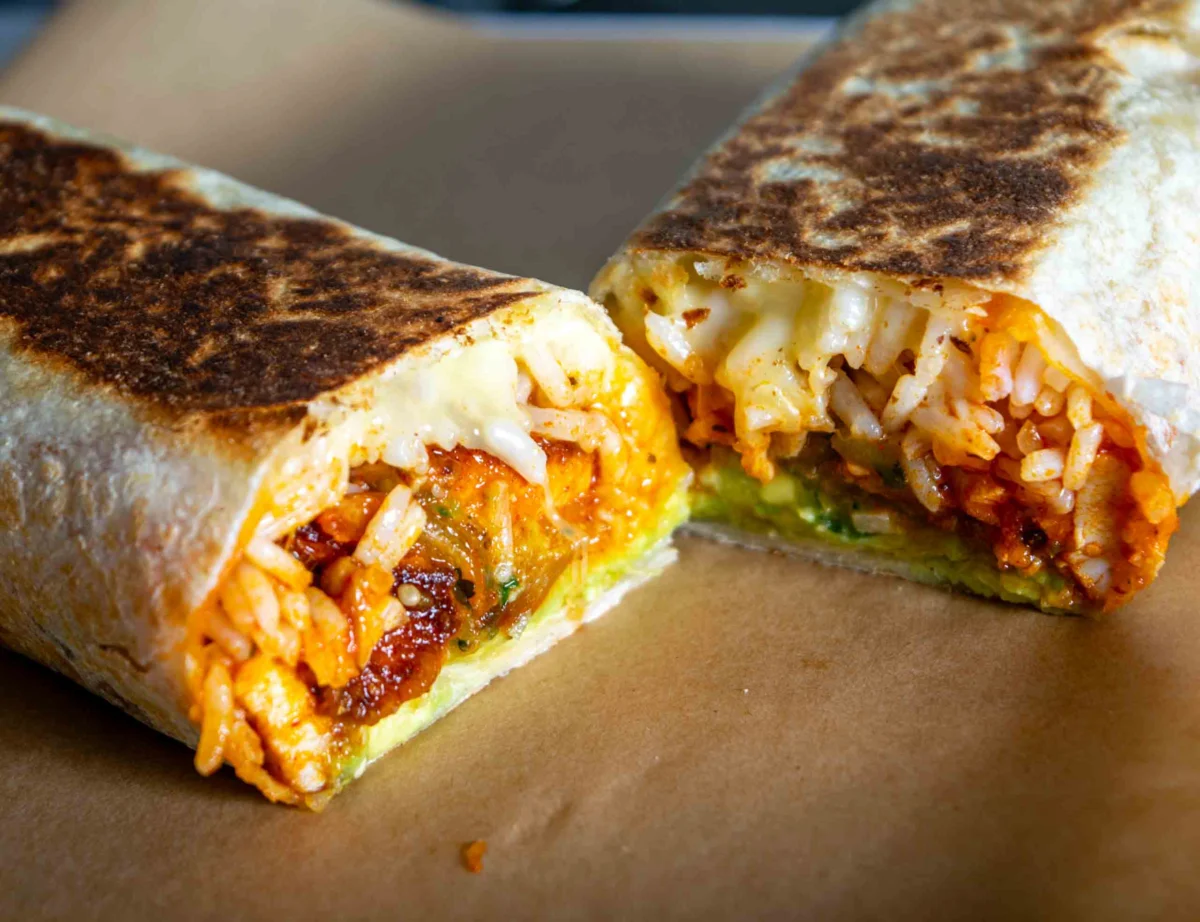
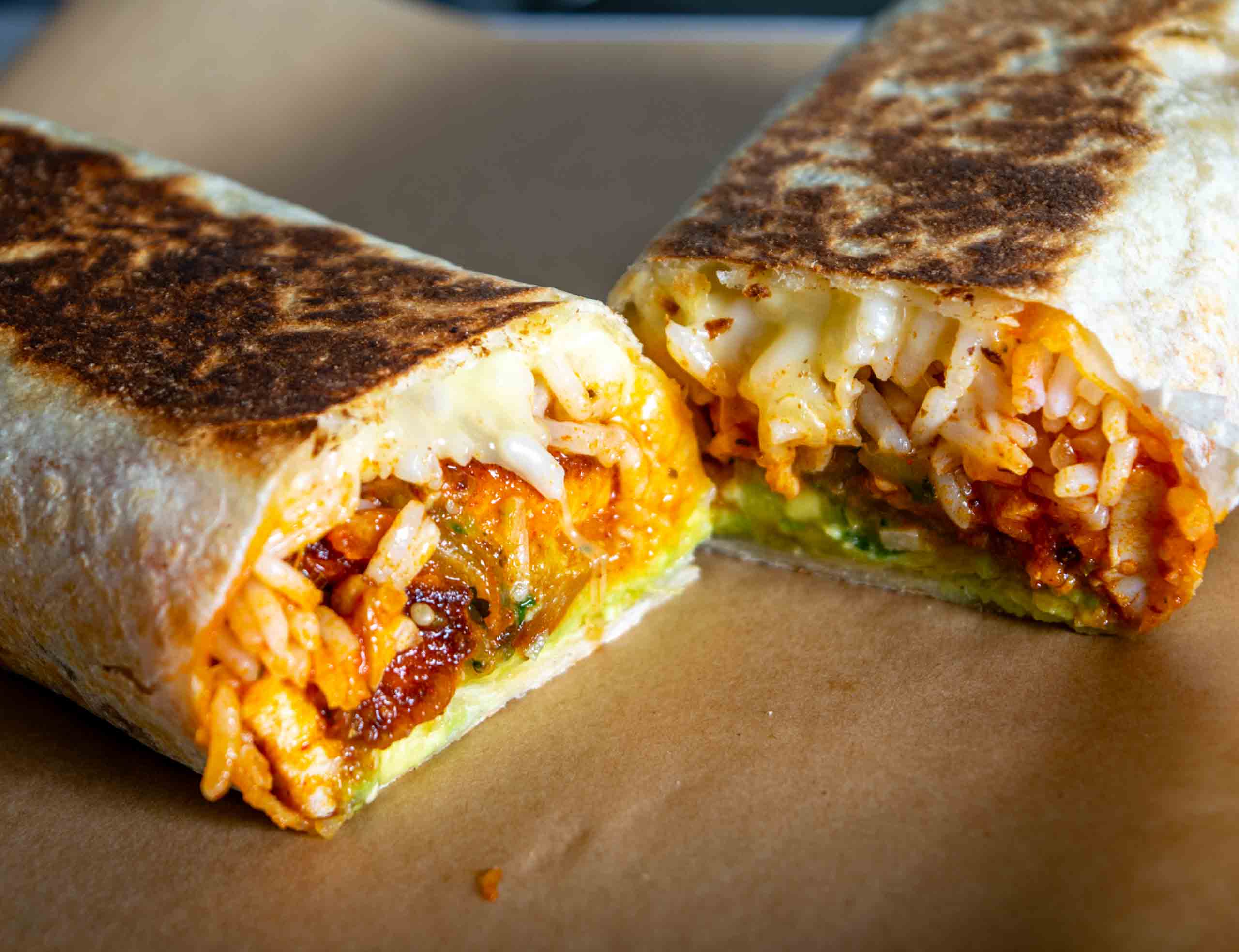
A base of white rice provides the necessary bulk for the burrito. However, the true "pro tip" for a superior burrito involves the strategic placement of cheese. By laying a bed of cheese beneath the warm rice, the heat of the grain begins to melt the dairy immediately. This creates a cohesive "glue" that keeps the burrito fillings from sliding around once the tortilla is folded.
Step 3: The Guacamole Integration
No burrito is complete without a creamy element to counteract the acidity of the Salsa Verde. A simple, fresh guacamole—mashed avocados with lime and salt—is folded into the mix. The fat content of the avocado provides a luxurious mouthfeel that complements the lean protein of the chicken.
Step 4: The Final Sear
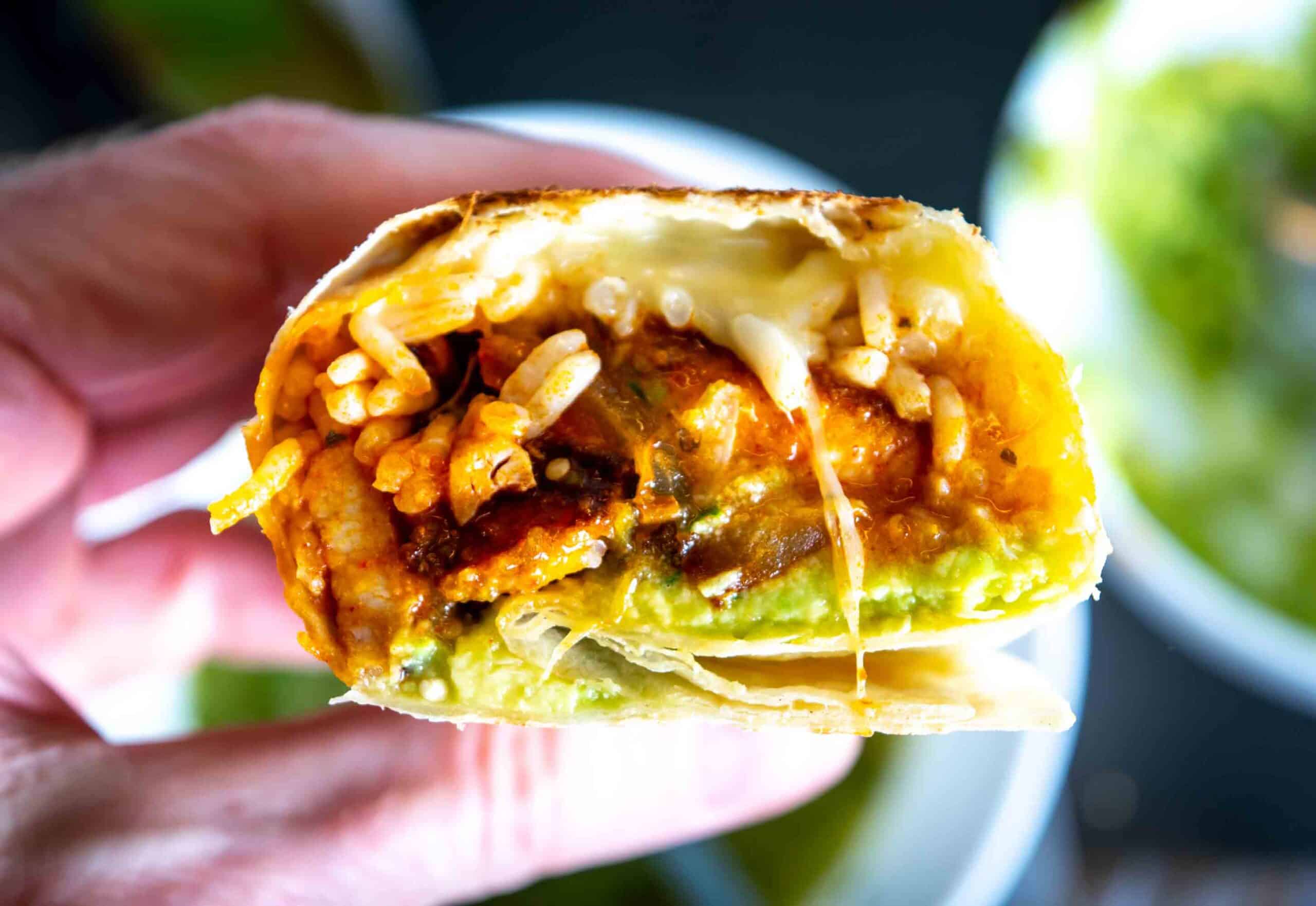
Perhaps the most overlooked step in the burrito-making process is the final sear. Once the tortilla is tightly rolled, it should not be served immediately. Placing the burrito in a dry, medium-heat skillet for a few moments on each side transforms the dish. This "crisping" step accomplishes two vital tasks: it creates a golden, toasted texture on the exterior of the tortilla, and it ensures the internal cheese is fully melted and integrated with the other ingredients.
Supporting Data: The Impact of Ingredient Quality
Culinary experts often debate the merits of "quick" versus "traditional" preparation. In the context of this burrito, the data supports the effort. Comparing the flavor profiles of store-bought, vinegar-heavy salsas against fresh, oven-roasted versions reveals a significant disparity in "brightness."
The acidity of fresh tomatillos acts as a palate cleanser, allowing the diner to perceive the individual notes of the chile powder and the creaminess of the avocado. When using jarred products, these subtleties are often drowned out by excessive sodium and stabilizers. Furthermore, the ability to control the moisture content of the salsa—by adjusting the roasting time—means the burrito is less likely to become soggy, maintaining a satisfying structural crunch.
Professional Perspectives and Industry Standards
In the professional culinary world, the "Build" is everything. Experienced chefs emphasize that a burrito is a vessel for balance. The industry standard for a high-quality burrito includes:
- Uniformity: Ingredients should be distributed evenly so that no single bite is just "rice" or just "salsa."
- Temperature Management: Hot components (chicken and rice) should be kept separate from cold components (guacamole and fresh salsa) until the final assembly to prevent the avocado from turning bitter or mushy.
- The Seal: The tortilla must be warmed sufficiently to become pliable, preventing cracking during the folding process.
By adhering to these standards, home cooks can achieve results that rival the most respected taquerias. The consensus among those who frequent authentic Mexican kitchens is that the "gamechanger" is indeed the salsa—it is the signature of the chef.
Implications for the Home Cook: Efficiency and Sustainability
One might argue that making a full batch of Salsa Verde from scratch is an unnecessary burden for a weeknight meal. However, the implications of this practice extend beyond a single dinner.
Batch Cooking
The Salsa Verde produced in this method can be stored in the refrigerator for several days or frozen for later use. This makes the "hard part" of the meal preparation a one-time investment. Once the salsa is in the fridge, assembling a burrito becomes a 10-minute task. This efficiency is the cornerstone of sustainable home cooking—reducing the reliance on processed, pre-made ingredients while simultaneously elevating the quality of the diet.
Culinary Confidence
Mastering a foundational sauce like Salsa Verde builds confidence in the kitchen. Once a cook understands how to balance char, heat, and acid, they can apply those principles to other dishes, from enchiladas to grilled fish. It turns the kitchen into a laboratory of flavor rather than a place of chore-like repetition.
Conclusion: A Return to the Basics
In an era of endless takeout options and meal-delivery services, there is something profoundly satisfying about returning to the basics. The Chicken Burrito, when treated with the respect of high-quality, fresh ingredients and thoughtful technique, is a testament to the fact that you do not need complex recipes to create a world-class meal.
The Salsa Verde is not just an ingredient; it is a declaration of intent. It signifies that the cook values flavor, texture, and the joy of creation. Whether you are a novice looking to improve your weeknight routine or an experienced cook seeking to refine your technique, the path is clear: fire up the oven, char those tomatillos, and prepare for a transformative dining experience. As we have seen, once you embrace the art of the homemade sauce, there is simply no going back to the jar.