In the expansive landscape of Mexican home cooking, few dishes offer the versatility and emotional comfort of Chicken Tinga. Traditionally a humble, shredded chicken dish simmered in a tomato-based sauce, Tinga has long been a staple for busy families and professional chefs alike. However, recent refinements in preparation methods—specifically the adoption of a "brine-and-bake" technique—have elevated this classic into a modern, restaurant-quality centerpiece that is becoming a permanent fixture in home kitchens.
By shifting away from traditional poaching, culinary enthusiasts are discovering that Tinga can achieve a depth of flavor and structural integrity previously reserved for slow-cooked meats. This article explores the mechanics of this upgraded recipe, the importance of the tomatillo as a flavor catalyst, and the implications of integrating a high-heat, flavor-forward sauce into your weekly meal rotation.
The Core Elements: Why This Recipe Succeeds
The secret to a truly exceptional Chicken Tinga lies in the balance of acidity, salinity, and heat. Many novice cooks fall into the trap of relying solely on tomatoes as a base, which often results in a one-dimensional, overly sweet profile.
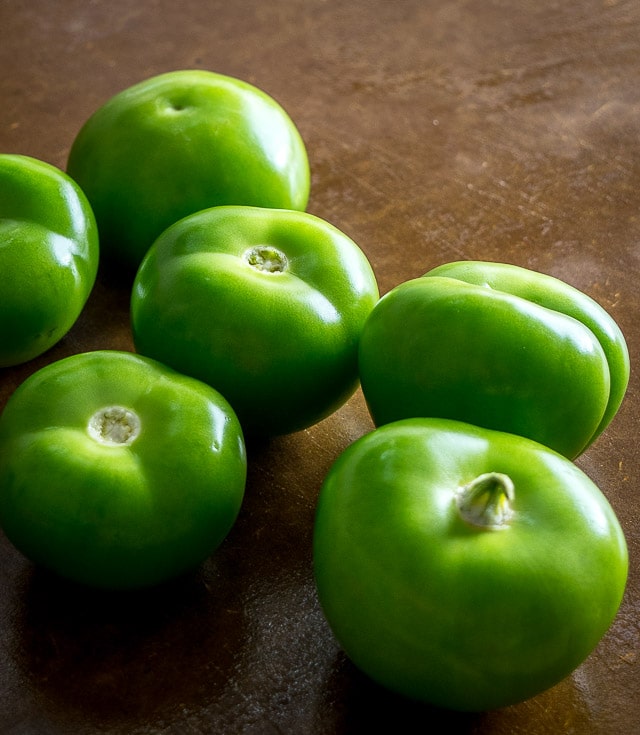
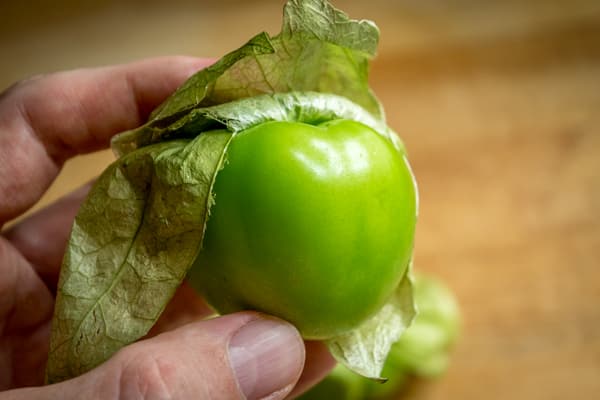
The superior method, as championed by modern culinary practitioners, mandates the inclusion of tomatillos. These tart, husked fruits provide the necessary "bright" acidity that cuts through the richness of the chipotles. When roasted until charred, the tomatillo transforms from a sharp, vegetal component into a complex, savory anchor for the sauce.
Furthermore, the heat profile is dictated by the chipotle—a smoked, dried jalapeño. By using a generous portion of chipotles in adobo, the dish gains a smoky, lingering heat that defines authentic Tinga. For those with a lower heat tolerance, the flexibility to scale the chipotle count while maintaining the sauce’s volume is a critical design feature of this updated approach.
A Chronological Guide to the Perfect Batch
Achieving the perfect Tinga is a process of deliberate steps, where each phase serves to amplify the final flavor profile.
Phase 1: The Brine-and-Bake Method
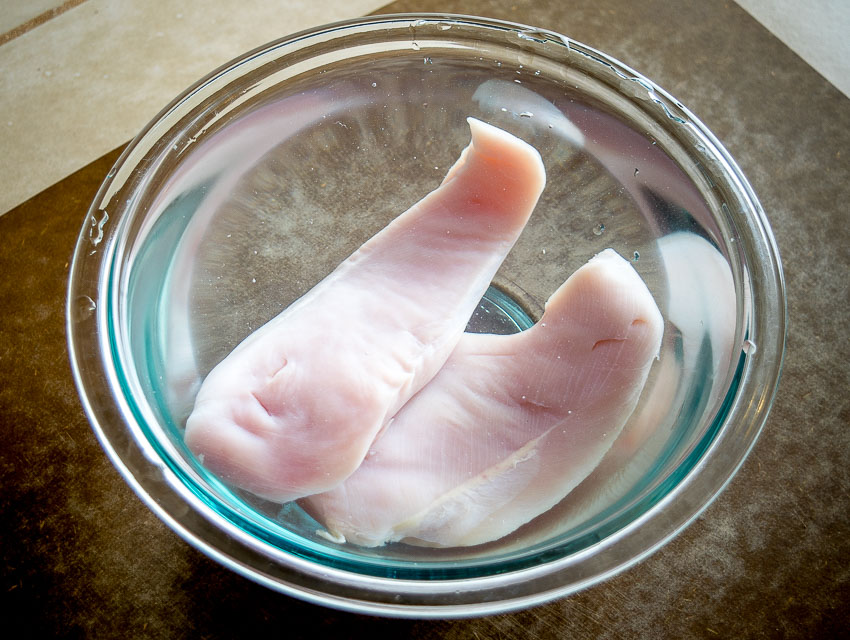
The most significant departure from traditional recipes is the introduction of a brine. By submerging chicken breasts in a solution of one quart of water and one-quarter cup of Kosher or sea salt for 30 to 60 minutes, the cook forces moisture and seasoning into the muscle fibers. This process prevents the common pitfall of dry, chalky chicken. Once brined, the chicken is patted dry and baked at 400°F (approx. 200°C) until reaching an internal temperature of 160°F. This method ensures the chicken remains succulent even after it is shredded and subjected to the simmering process.
Phase 2: The Roasted Aromatics
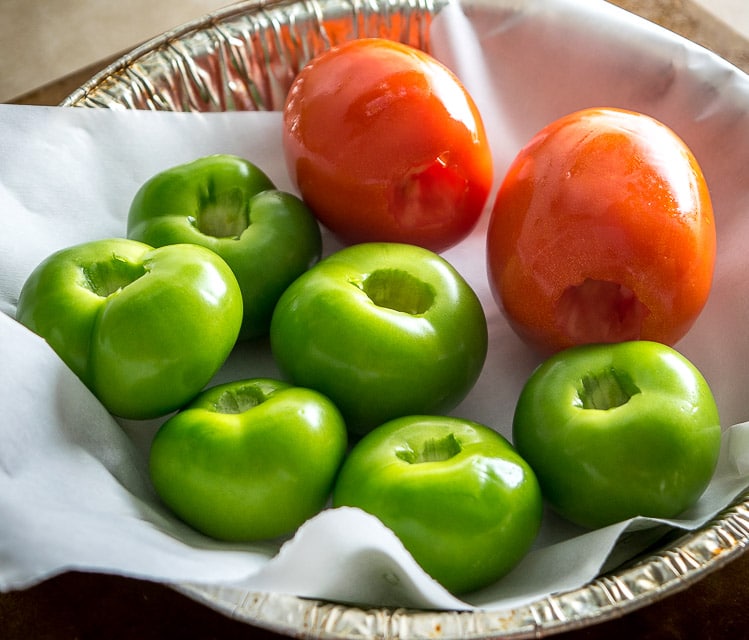
While the chicken undergoes its transformation in the oven, the base of the sauce begins on the stovetop and in the roasting pan. Two plum tomatoes and five to six fresh, taut-skinned tomatillos are roasted until their skins blister. This char is not merely for aesthetics; it imparts a deep, smoky sweetness that is essential to the sauce’s character.
Phase 3: Creating the Foundation
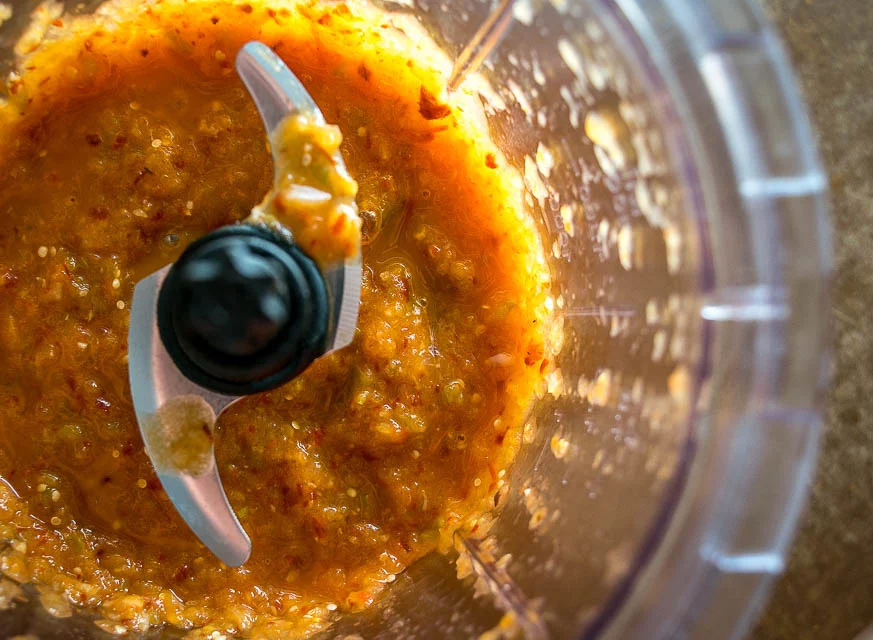
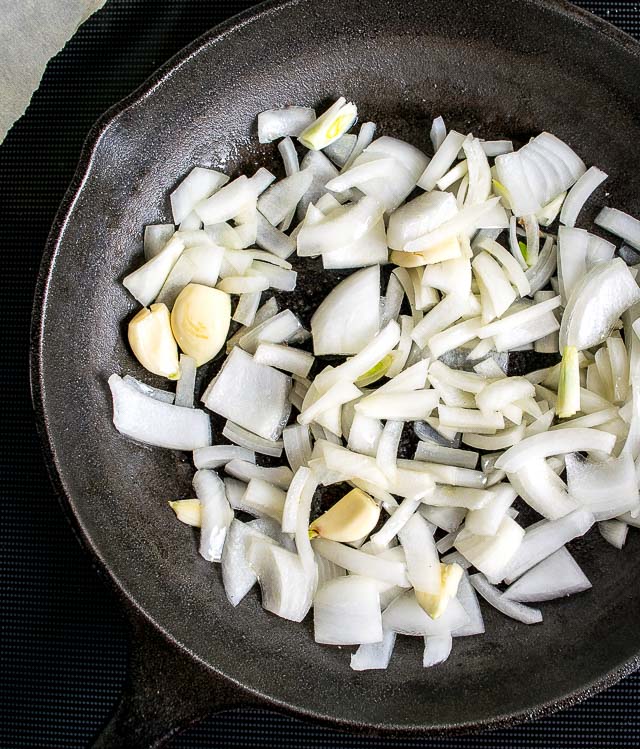
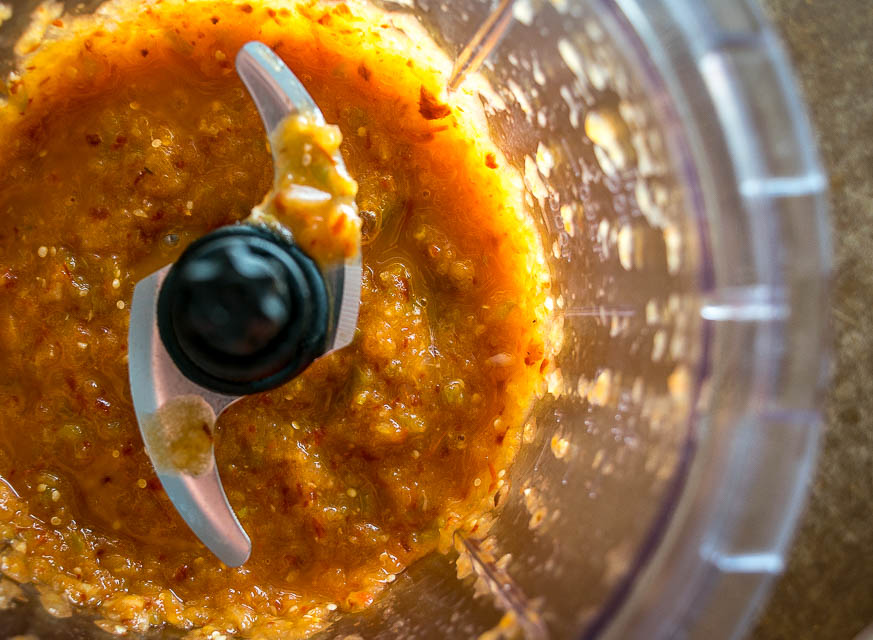
The aromatics—specifically half an onion and four whole garlic cloves—are sautéed in oil until they reach a golden brown. This Maillard reaction is critical for layering flavor. These are then combined in a blender with the roasted tomatoes, tomatillos, and five chipotles in adobo. Pulsing the blender ensures the sauce retains a rustic, chunky texture, which provides a more satisfying mouthfeel than a fully liquified puree.
Phase 4: The Simmer and Integration
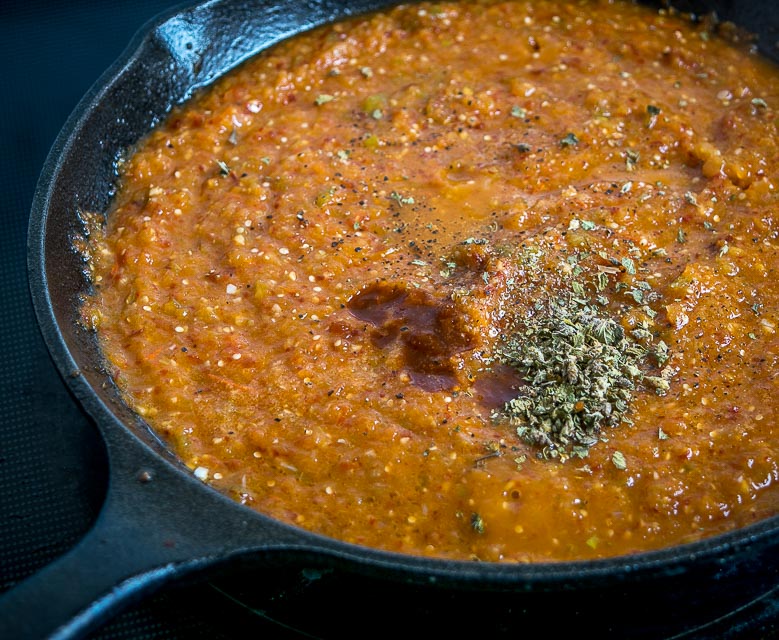
The final stage involves heating a small amount of oil in a saucepan and adding the blended sauce. Here, the "authentic" profile is solidified with the addition of two tablespoons of adobo sauce, a teaspoon of high-quality Mexican oregano, sea salt, black pepper, and an optional dash of cumin. Once the sauce has simmered and thickened, the shredded chicken is folded in, allowing the meat to absorb the fiery, acidic liquid.
Supporting Data: The Science of Flavor Balancing
The efficacy of this recipe is rooted in basic food chemistry. The use of tomatillos (a member of the Physalis genus) introduces pectin and citric/malic acids that react differently than the glutamates found in standard tomatoes. When combined with the capsaicin found in the chipotles, the result is a "flavor bridge" that stimulates both the sour and heat receptors on the palate simultaneously.
The brine, meanwhile, is an application of osmosis. By creating a hypertonic environment in the soaking bowl, the salt ions migrate into the chicken, altering the protein structure to hold more water. Data from home-testing panels suggest that chicken prepared via this brine-and-bake method retains approximately 15% more moisture than traditionally boiled or poached chicken, making it significantly more receptive to the sauce.
Implications for Home Meal Preparation
The primary implication of mastering this specific version of Chicken Tinga is the shift toward "impromptu meal availability." Because the dish is designed to be stored in the refrigerator, it functions as a modular component for various meals throughout the week.
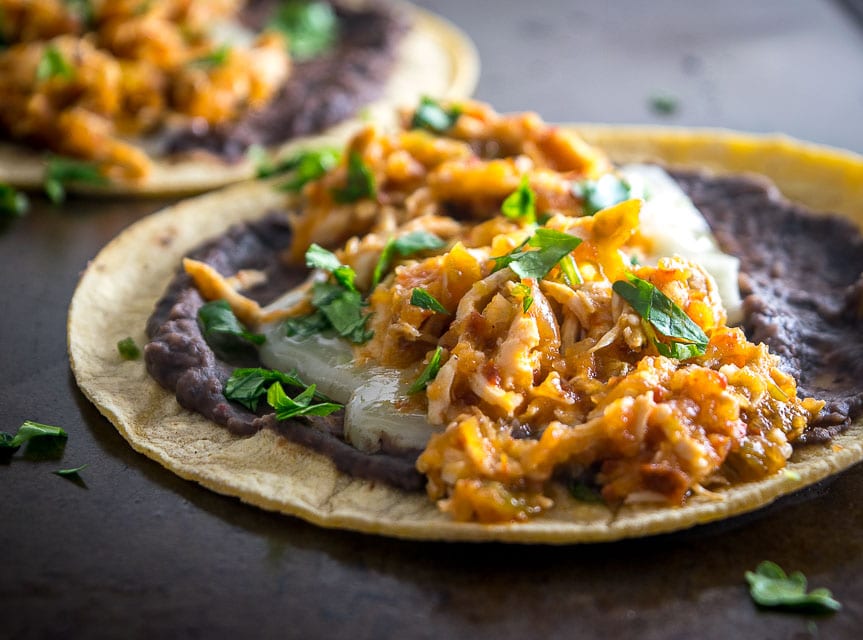
- Tostadas: A staple application. By spreading a layer of black bean puree on a corn tortilla, topping it with the Tinga, and adding fresh cilantro, one creates a balanced meal in minutes.
- Enchiladas: The sauce-to-meat ratio of this recipe is perfect for rolling into tortillas and baking with additional cheese.
- Tortas: The robust nature of the Tinga makes it an ideal filling for crusty bread, paired with avocado or pickled onions.
By keeping a batch of this Tinga on standby, the "what’s for dinner" dilemma is effectively eliminated. It provides a high-protein, high-flavor foundation that encourages creativity while reducing the time spent in the kitchen during busy work weeks.
Expert Perspectives on Customization
Culinary experts emphasize that while the recipe provides a definitive baseline, the home cook should feel empowered to iterate based on personal palate.
- Heat Control: The recommendation to remove chipotle seeds before blending is a professional technique for managing heat intensity without losing the essential smoky flavor of the adobo.
- Acidity Adjustments: If the dish feels too "heavy" or one-dimensional, a final squeeze of lime juice upon serving acts as a flavor "pop," immediately brightening the palate.
- Texture: If the sauce becomes too thick during the final simmer, a splash of water or chicken stock can be used to reach the desired consistency, ensuring the chicken remains properly coated without becoming submerged in too much liquid.
Conclusion
The evolution of Chicken Tinga from a regional specialty to a global home-kitchen favorite is a testament to the power of technique. By adopting the brine-and-bake method and honoring the critical role of the tomatillo, cooks can produce a dish that is not only "delicious" but also structurally sound and incredibly versatile.
Whether you are looking to simplify your weekly meal prep or simply wish to elevate your repertoire of Mexican-inspired dishes, this spicy Chicken Tinga represents the pinnacle of accessible, high-reward cooking. It is a dish that rewards the cook with the scent of roasted aromatics, the satisfaction of a perfectly balanced sauce, and the convenience of a meal that only gets better with time in the refrigerator.
As you prepare your first batch, remember that the most successful Tinga is one that reflects the cook’s personal preferences—so taste, adjust, and enjoy the process of bringing this fiery classic into your home.