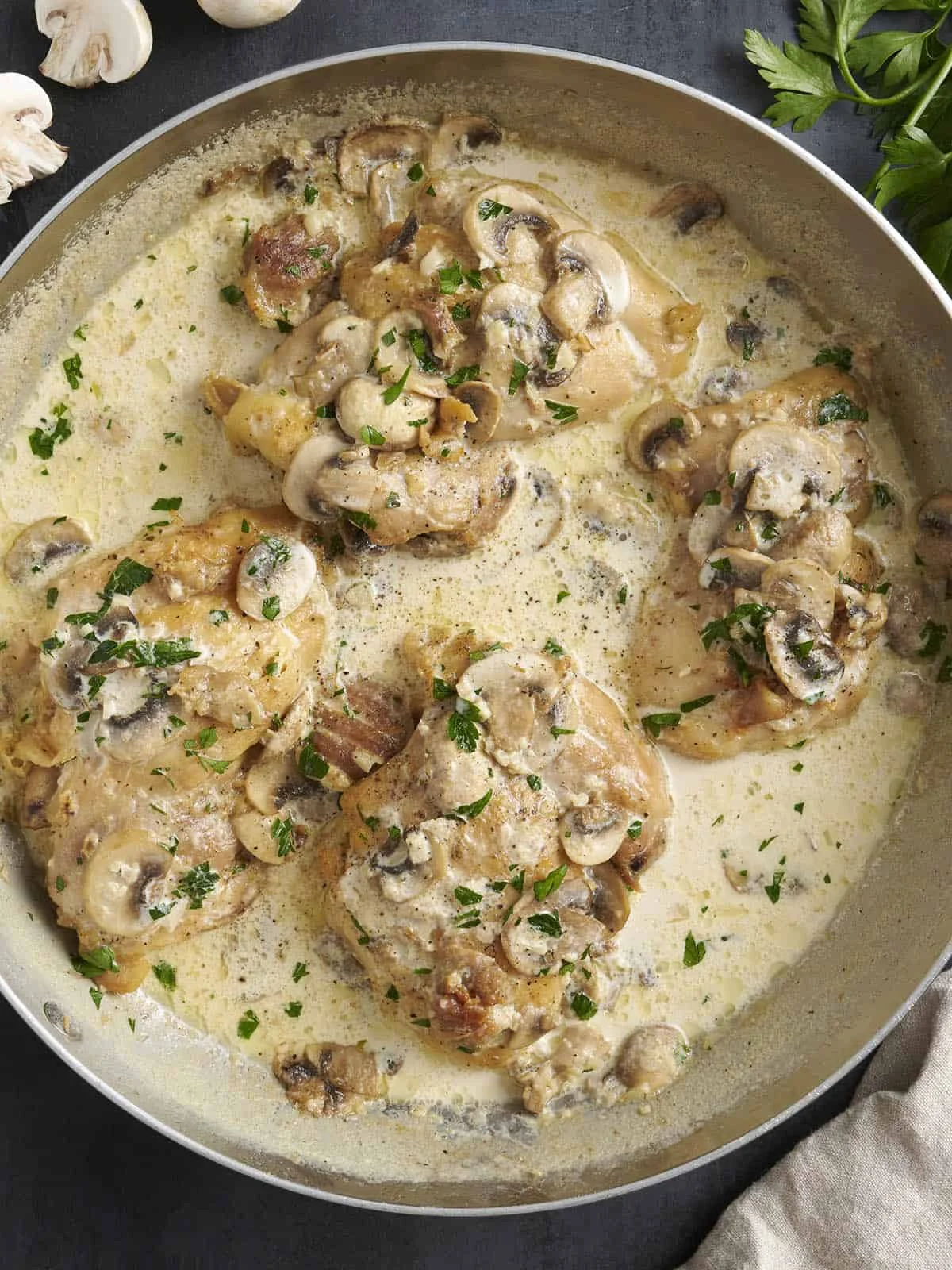
In the modern culinary landscape, the ability to produce a restaurant-quality meal in under 40 minutes is the ultimate benchmark for the home cook. The "Creamy Mushroom Chicken" recipe, a perennial favorite from the Budget Bytes test kitchen, has emerged as a masterclass in efficiency, flavor development, and economic sensibility. By utilizing humble ingredients—specifically boneless, skinless chicken thighs, mushrooms, and half-and-half—this dish achieves a sophisticated depth of flavor that defies its modest price point.
For the budget-conscious professional or the busy parent, this recipe represents more than just dinner; it is a lesson in the science of the pan sauce, demonstrating how high-heat searing and proper deglazing can elevate a simple protein into a luxury dining experience.
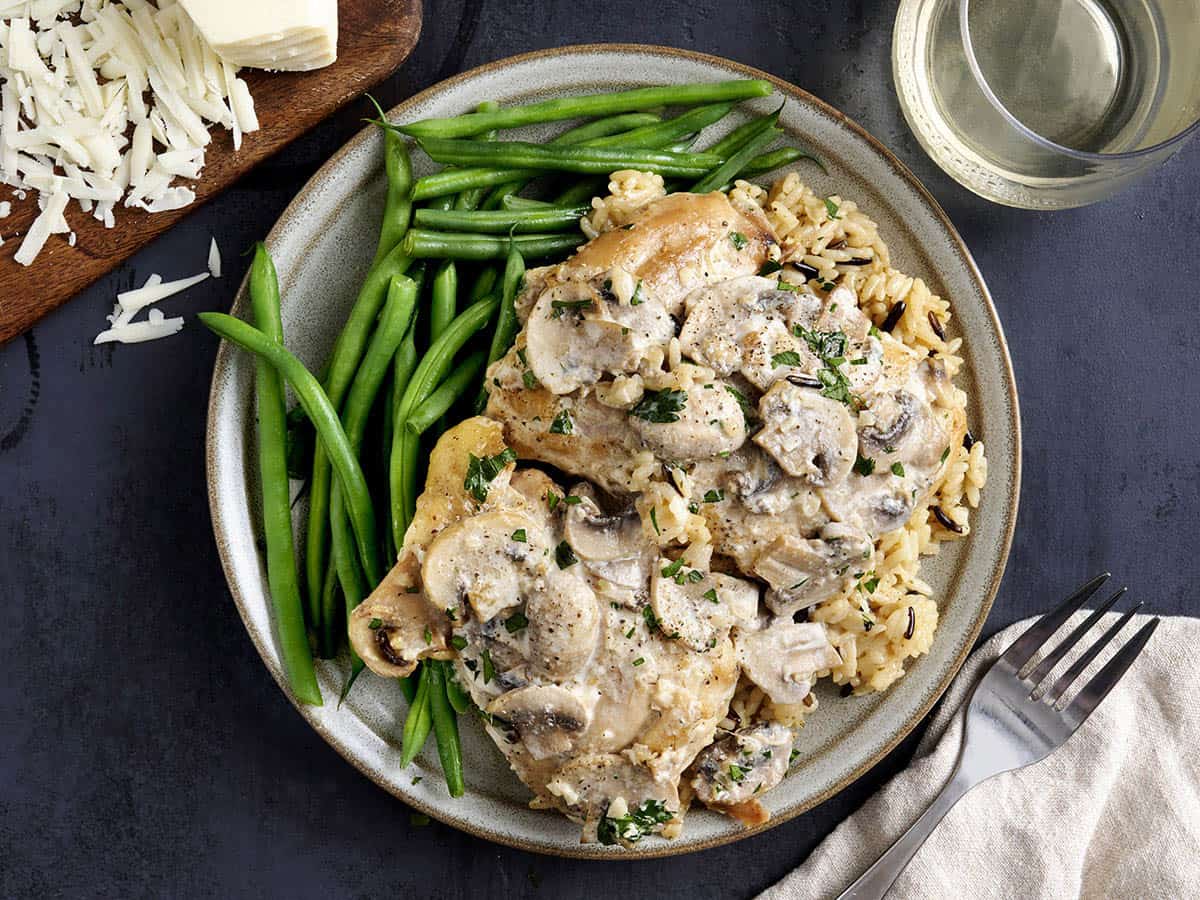
The Core Components: Anatomy of a Budget-Friendly Masterpiece
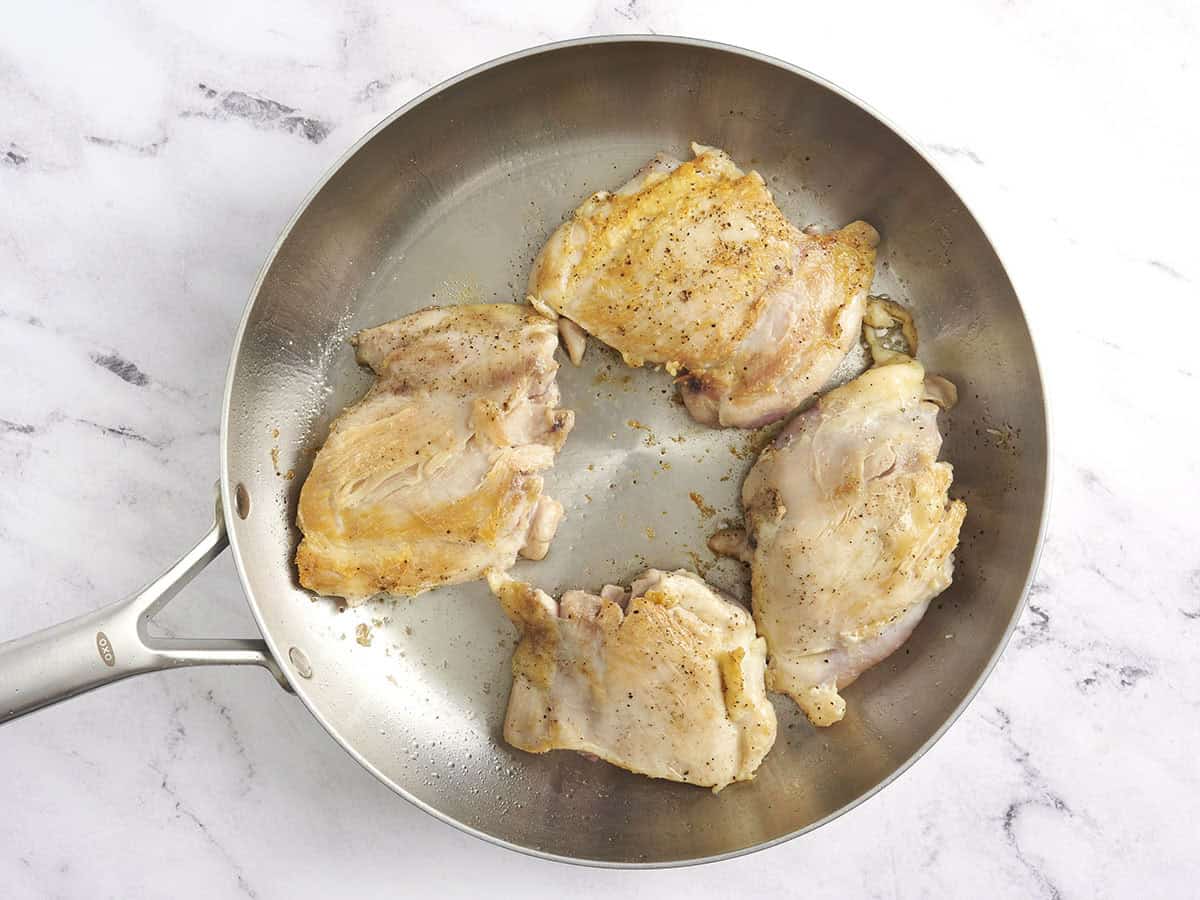
The genius of this dish lies in its structural simplicity. The recipe relies on the principle of "fond," the brown bits that adhere to the bottom of the pan during the searing process. When chicken thighs—a cut prized for its resilience and high-fat content, which prevents drying out—are browned, they release proteins and sugars that form the base of the sauce.
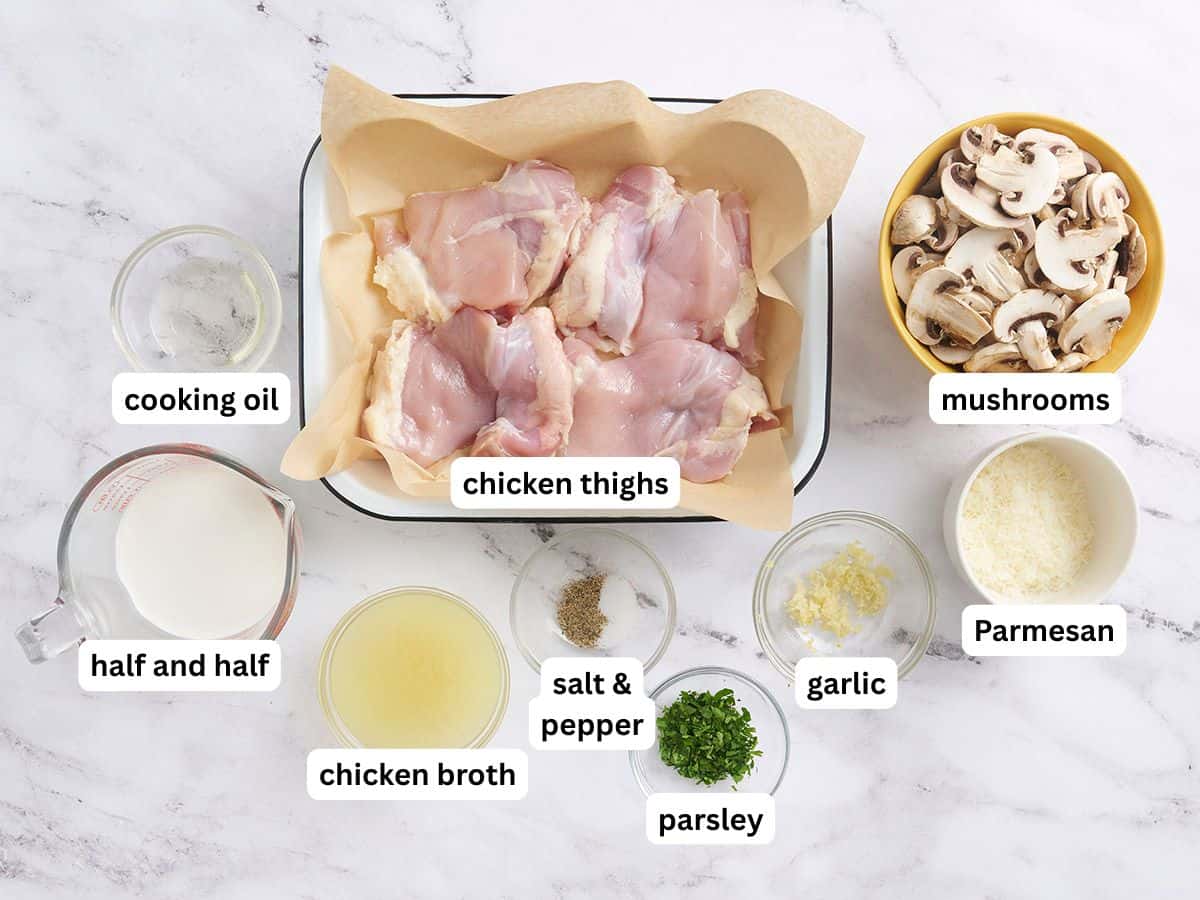
The inclusion of mushrooms adds more than just bulk; they introduce an earthy, umami-rich profile that serves as the perfect foil to the creamy, garlicky sauce. By opting for half-and-half instead of heavy cream, the recipe achieves a delicate balance. It provides enough fat to maintain a silky, luxurious texture while avoiding the heaviness that often accompanies traditional cream sauces. Finished with a touch of Parmesan cheese, the sauce gains a subtle saltiness and body, binding the elements into a cohesive, velvety glaze.
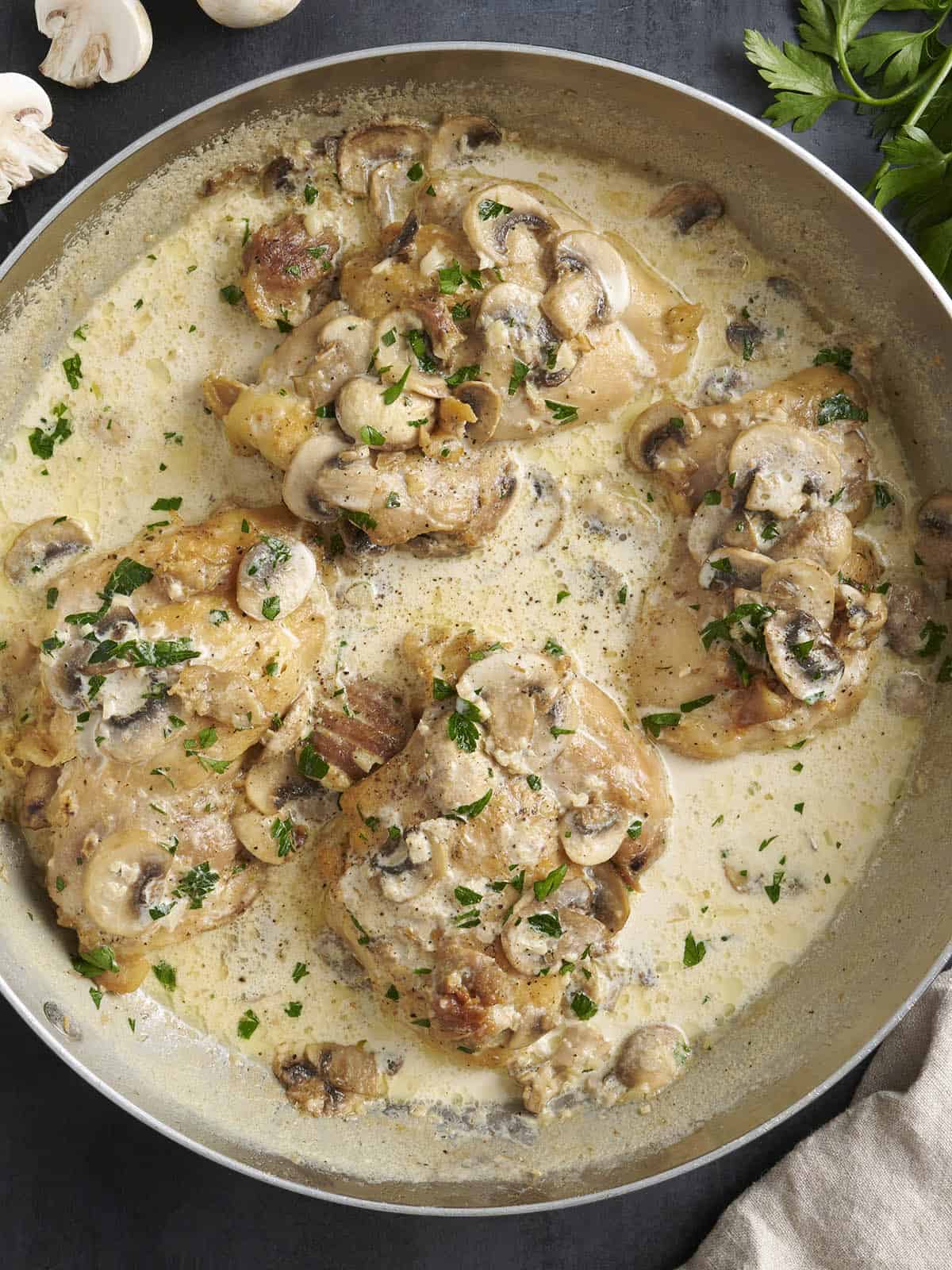
A Chronological Guide to Culinary Execution
Mastery of this dish requires an understanding of timing and heat management. The following chronology outlines the process for achieving optimal results.
Phase 1: Preparation and The Sear
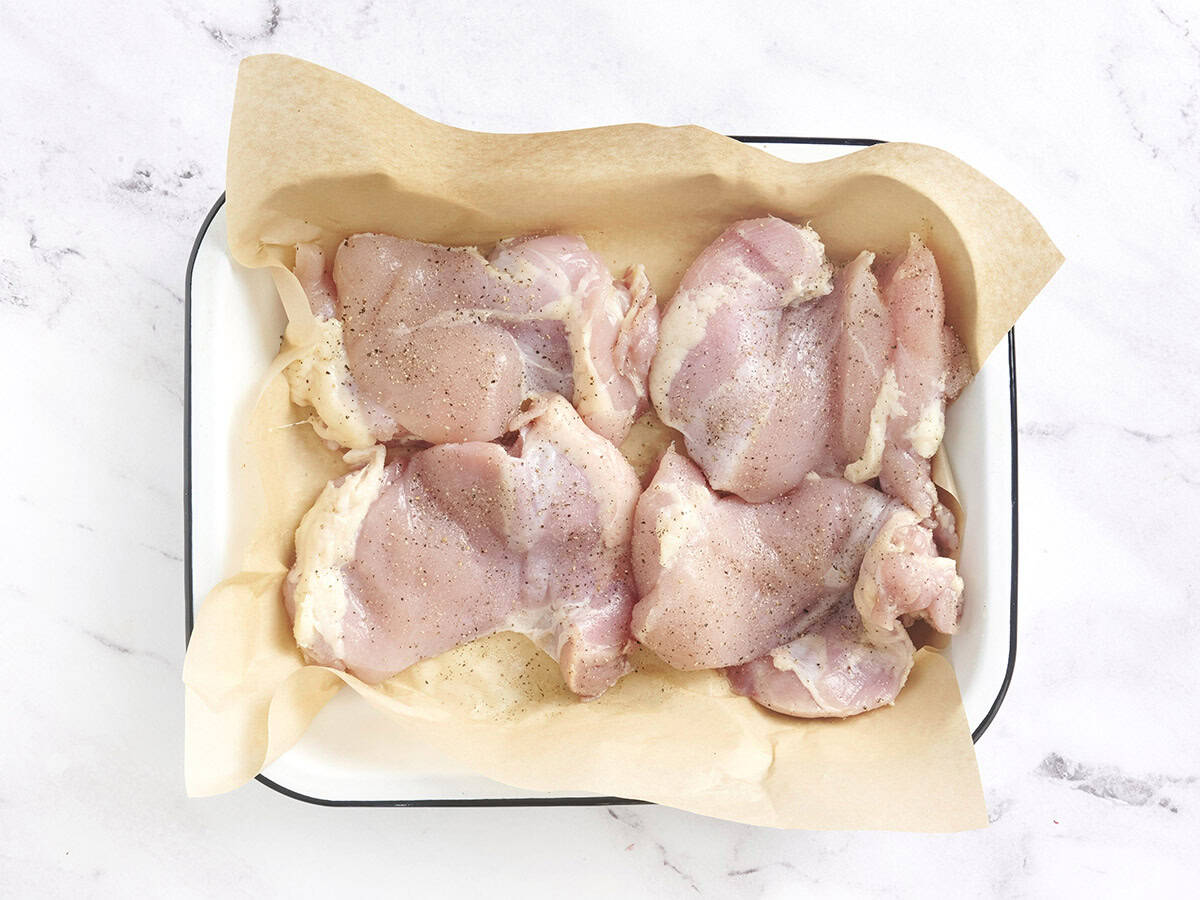
Success begins before the heat is even turned on. Patting the chicken thighs dry is a non-negotiable step; surface moisture is the enemy of the Maillard reaction. By removing excess water, the chicken transitions from steaming to browning, ensuring a deep, golden-brown crust. Seasoning with salt and pepper at this stage is critical, as it allows the flavors to penetrate the meat.
Phase 2: Building the Foundation
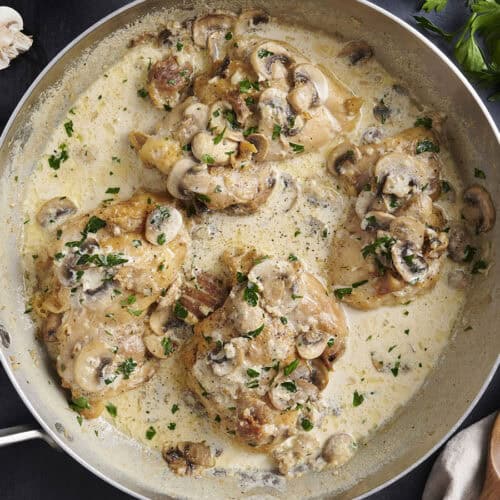
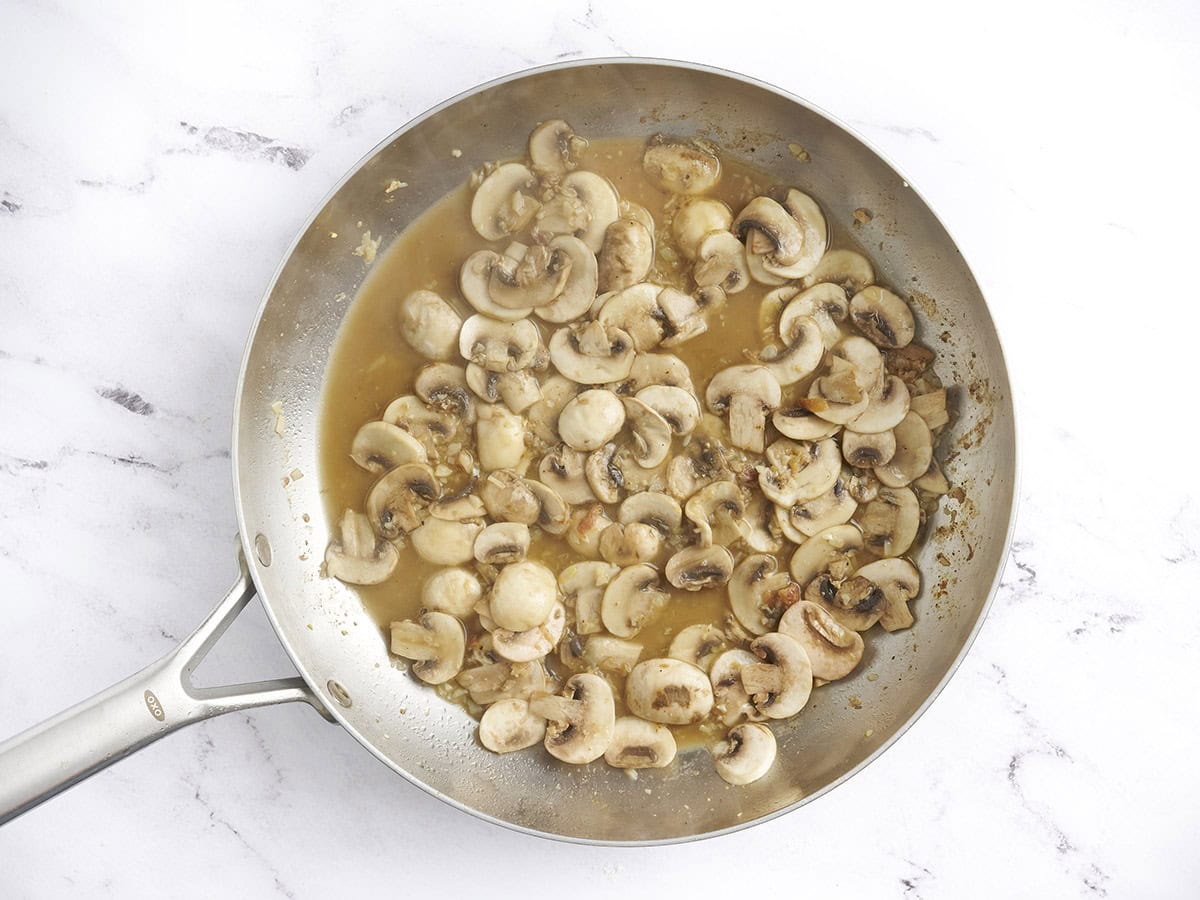
Once the chicken has been removed to rest, the skillet should contain the rendered fat and browned bits of protein. This is the "liquid gold" of the dish. Garlic is introduced, but only for a brief minute to avoid bitterness. The mushrooms follow, and it is here that patience is required. They must be allowed to release their liquid and reabsorb it, becoming tender and deeply caramelized.
Phase 3: The Deglazing Process
Deglazing with chicken broth is the most important technical step. The liquid must be added while the pan is hot, allowing the cook to scrape up the fond. This effectively moves the flavor from the bottom of the metal into the sauce itself.
Phase 4: Emulsification and Integration
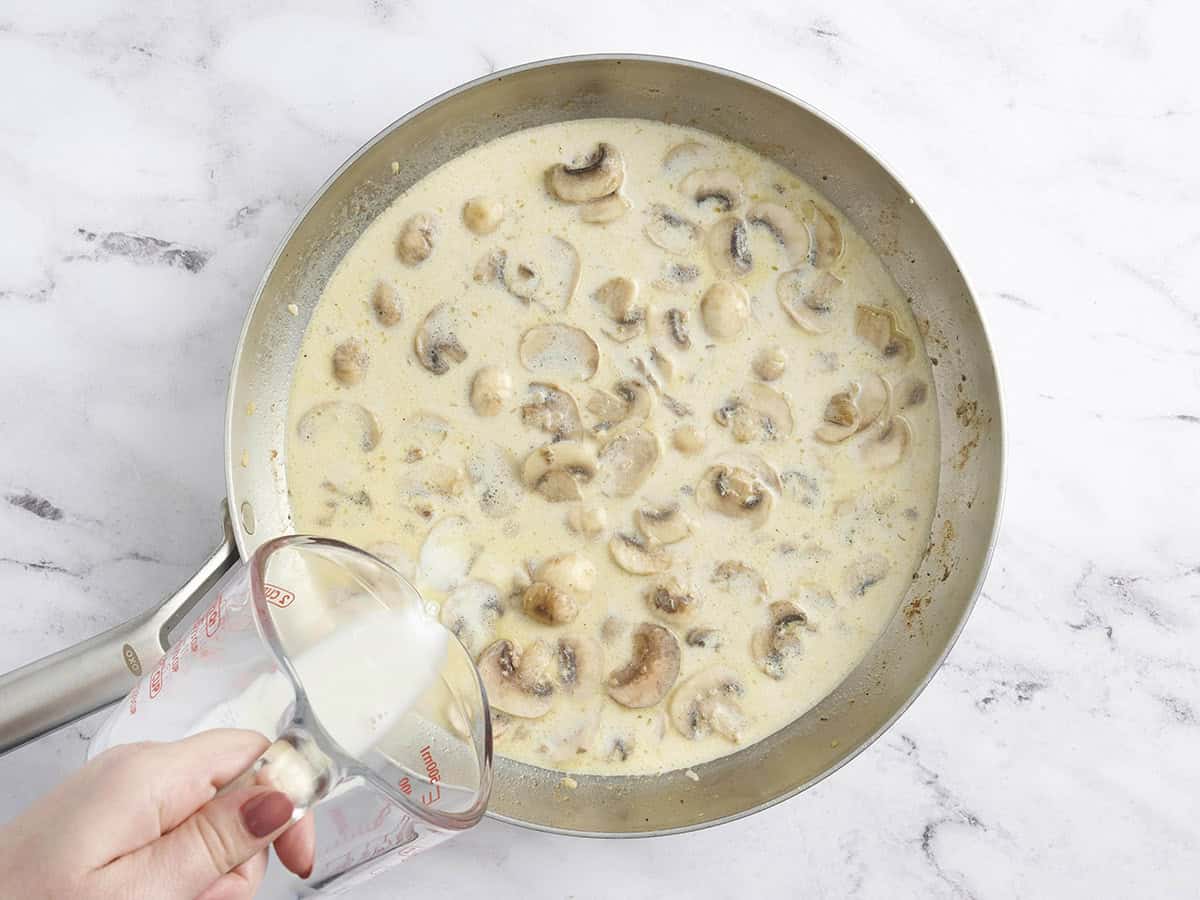
Adding the half-and-half and Parmesan requires a gentle touch. High heat at this stage will cause the sauce to separate or the cheese to clump. A slow, steady simmer ensures the sauce thickens naturally. Finally, reintroducing the chicken—along with any resting juices—allows the meat to warm through, ensuring that every fiber is coated in the aromatic sauce.
Supporting Data: Economic and Nutritional Profiles
The appeal of this recipe extends beyond its flavor; it is a triumph of mathematical efficiency. At a cost of approximately $8.28 for the entire recipe, or roughly $2.07 per serving, it provides a high-protein, satisfying meal at a fraction of the cost of takeout.
Nutritional Breakdown (Per Serving):
- Calories: 288 kcal
- Protein: 28g (56% DV)
- Fat: 17g (26% DV)
- Carbohydrates: 6g (2% DV)
- Sodium: 650mg (28% DV)
These metrics highlight why the dish is favored by those tracking macronutrients. With 28 grams of protein and minimal carbohydrates, it serves as an excellent base for a balanced diet, whether paired with a complex carbohydrate like wild rice or served alongside a crisp, low-carb green salad.
Expert Insights and Community Feedback
The effectiveness of this recipe is confirmed by its longevity in the Nashville Test Kitchen and the consistent praise from its community. Julee Bormet, a dedicated home cook, noted that the dish performs exceptionally well as a leftover, stating, "Hands down the absolute best sauce I’ve ever made! After reheating the next day, it only took a tiny bit of stirring with a fork to get it back to the perfect consistency."
This feedback underscores a crucial technical aspect of the sauce: its stability. Because the emulsion is based on the fats from the chicken and the proteins from the cheese, it is more resilient than many flour-based gravies that tend to become gelatinous or "pasty" when refrigerated.
Professional Tips for Success:
- The Dairy Factor: For those seeking a richer experience, heavy cream can be swapped for half-and-half. However, ensure the dairy is at room temperature to prevent the sauce from breaking.
- The Thickening Method: Should you desire a thicker consistency, a small slurry of cornstarch and broth whisked into the sauce at the final stage will provide an immediate, glossy viscosity.
- Seasoning Vigilance: Because "Better Than Bouillon" and Parmesan are both naturally high in sodium, always taste the sauce before adding additional salt. The umami profile is often sufficient on its own.
Implications: The Future of "Budget Cooking"
The popularity of this Creamy Mushroom Chicken serves as a case study for the modern movement toward "elevated budget cooking." There is a growing trend of consumers moving away from pre-packaged, processed meal kits in favor of "scratch" cooking that relies on high-quality, low-cost foundational ingredients.
By teaching the home cook how to utilize a pan sauce—a skill traditionally reserved for culinary school students—this recipe empowers individuals to take control of their grocery budget without sacrificing their standard of living. It suggests that the future of home dining is not found in expensive gadgets or exotic ingredients, but in the mastery of basic thermodynamic and chemical processes in the kitchen.
Whether you are looking to impress guests or simply provide a nourishing meal for your family, this recipe remains a cornerstone of practical, delicious, and affordable home cooking. As the recipe continues to be tested and refined, it serves as a reminder that the best meals are often the ones that respect both the palate and the wallet equally.