As the summer sun hits its peak and the agricultural cycle shifts, local markets across the country are witnessing a vibrant transformation. Bins are overflowing with the papery, husk-covered treasures known as tomatillos. Often mistaken by novices for unripe tomatoes, these "green beauties" are, in fact, the essential backbone of authentic Mexican cuisine. With peak season upon us, there is no better time for home cooks to master the art of selecting, roasting, and transforming these tart, versatile fruits into the foundation of world-class sauces.
Main Facts: What is a Tomatillo?
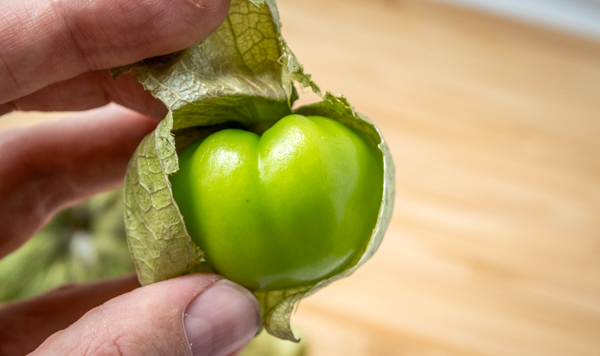
Contrary to popular belief, the tomatillo (Physalis philadelphica) is not a relative of the common red tomato. It is a member of the nightshade family, more closely related to the gooseberry. Encased in a dry, leafy husk, the tomatillo possesses a firm, bright green interior that offers a uniquely sharp, citrus-forward flavor profile.
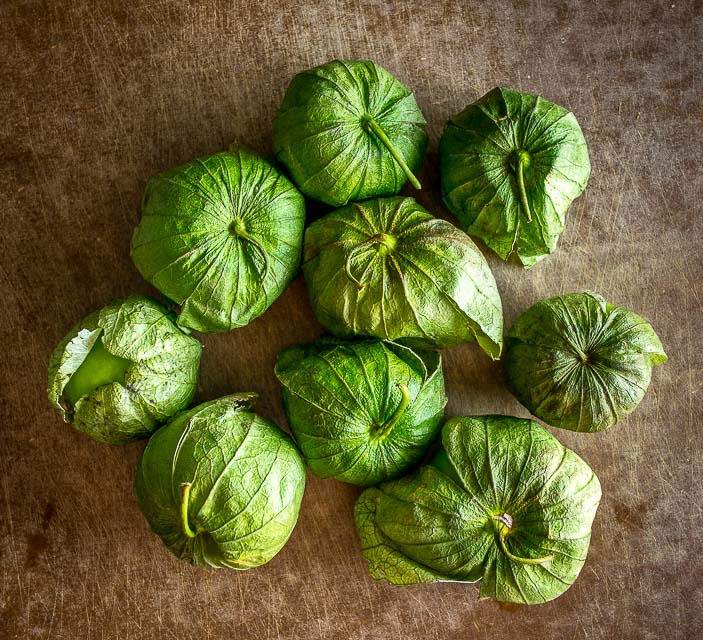
For those new to the ingredient, the primary culinary challenge—and joy—is managing the fruit’s natural acidity. Unlike tomatoes, which are prized for their sweetness, tomatillos are defined by a vibrant tang. This characteristic makes them the perfect candidate for balancing spicy peppers and rich, fatty proteins. When raw, they are crisp and acidic; when roasted, they undergo a chemical transformation, mellowing into a sweet, complex base that provides the signature "green" profile found in everything from street-style salsas to comforting, slow-cooked stews.
A Chronology of Culinary Preparation
To effectively integrate tomatillos into your cooking, one must understand the standard operating procedure for preparation. While methods can vary, the following sequence represents the industry standard for home chefs aiming for professional-grade results.
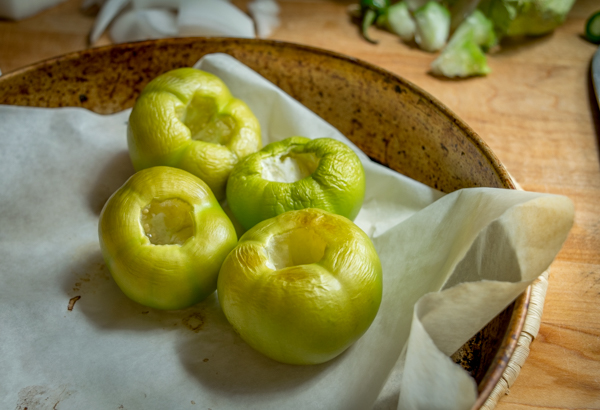
- Selection and Storage: Always look for firm, bright green fruit that fills the husk. Avoid those with dry, shriveled skin. If you purchase more than you can use immediately, keep them in their husks in the refrigerator. They are remarkably resilient and can remain fresh for several weeks if kept cool and dry.
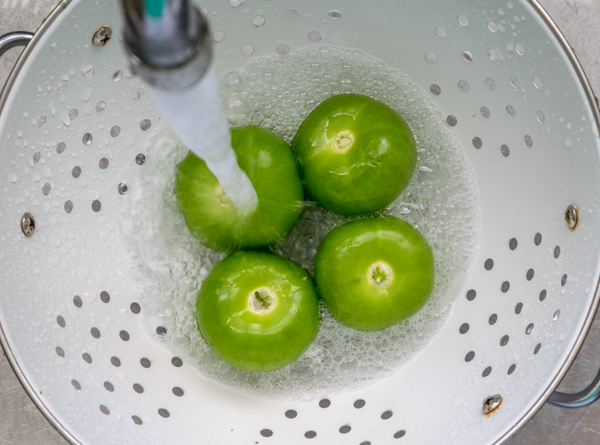
- The Pre-Process Rinse: Once the husk is removed, you will notice a sticky, resinous film on the surface of the fruit. This is completely natural. A thorough rinse under warm water is mandatory to remove this residue, which can impart an undesirable bitterness if left behind.
- The Roasting Catalyst: While some recipes utilize raw tomatillos for a bright, aggressive salsa, most culinary experts recommend roasting. Roasting applies sustained heat, which caramelizes the natural sugars and tames the sharp acidity.
- The Thermal Method: A reliable, fail-safe method involves preheating your oven to 400°F (200°C). After removing the stems and husks, place the tomatillos on a baking sheet. Roast for approximately 20 minutes. You will know they are ready when the skins have wrinkled and the flesh has transitioned from a bright, lime green to a muted, deep olive "army green."
Supporting Data: 18 Essential Recipes for the Home Kitchen
For those looking to gain "mileage" out of their market haul, the following 18 recipes serve as the gold standard for tomatillo utilization. These dishes demonstrate the fruit’s versatility across various culinary applications.
The Foundation: Salsas and Sauces
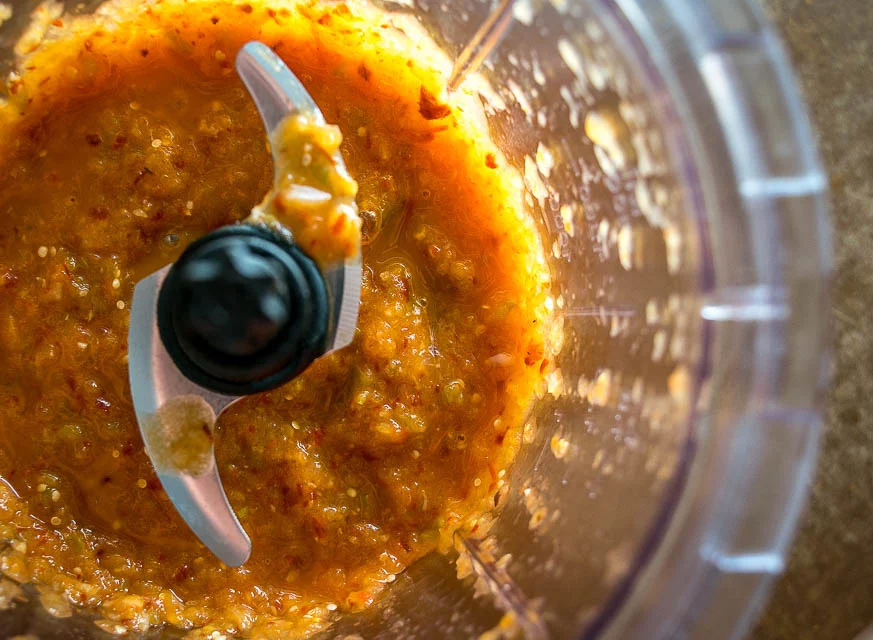
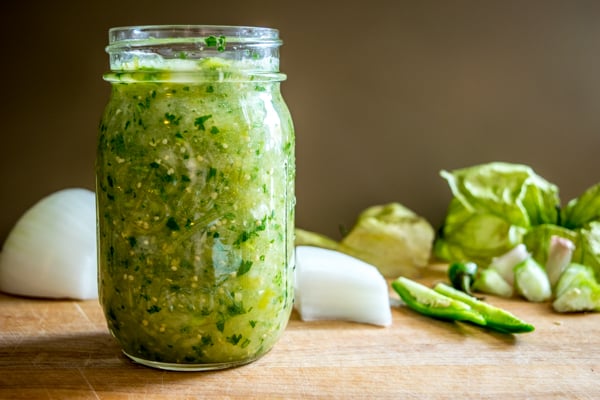
- Authentic Salsa Verde: The essential starting point. This recipe replaces the heavy acidity of store-bought jars with a balanced, fresh profile. Whether using serranos for heat or jalapeños for a milder experience, this is the primary benchmark for any Mexican kitchen.
- Tomatillo Chipotle Salsa: By pairing the tartness of the tomatillo with the deep, smoky profile of chipotles in adobo, you create a complex sauce that requires only three primary ingredients: tomatillos, garlic, and chipotles.
- Avocado Salsa Verde: The addition of avocado to a traditional salsa verde creates a creamy, luxurious emulsion. This sauce is an ideal companion for heavy proteins and is a favorite for quick, high-end burrito construction.
- Roasted Tomato and Tomatillo Salsa: By blending the sweetness of the red tomato with the acidity of the tomatillo, you create a "bilingual" salsa that bridges the gap between the two worlds of Mexican sauce-making.
Hearty Entrées and Comfort Foods
- Chicken Chile Verde: A quintessential slow-cooker or Dutch oven favorite. The tomatillo’s acidity cuts through the richness of pork or chicken, resulting in a balanced, hearty stew.
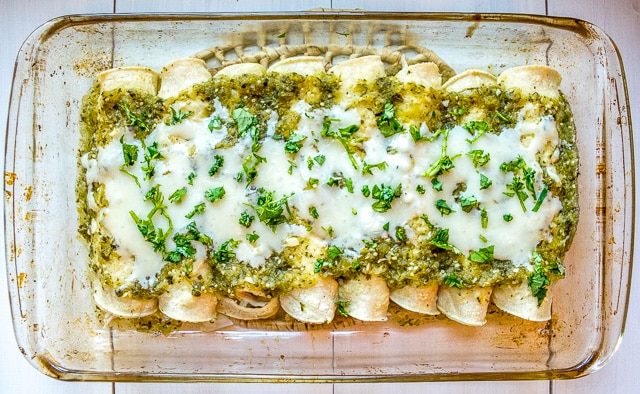
- Enchiladas Suizas: The inclusion of cream and roasted poblano peppers elevates the standard green enchilada. This dish is a perfect example of how tomatillos can provide a sophisticated, elegant finish to traditional comfort food.
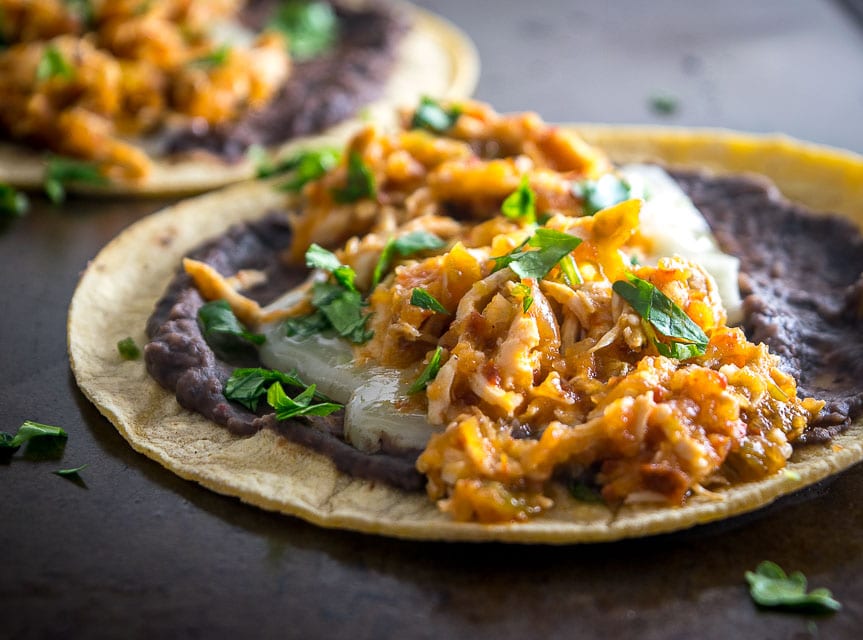
- Spicy Chicken Tinga: While traditionally tomato-based, the "real deal" Tinga benefits immensely from the addition of tomatillos, which brighten the fiery chipotle base.
- Pozole Verde: A soul-warming soup where the tomatillo base works in tandem with roasted poblanos to provide depth and an earthy, vibrant color.
- Enchiladas Verdes: For those pressed for time, this recipe thins the salsa verde with high-quality stock and a hint of Mexican oregano, proving that simple ingredients can produce wildly satisfying results.
- Easy Carnitas: A sharp, tangy salsa verde is the mandatory counterpoint to the rich, fatty texture of slow-roasted pork shoulder.
Breakfast and Quick Bites
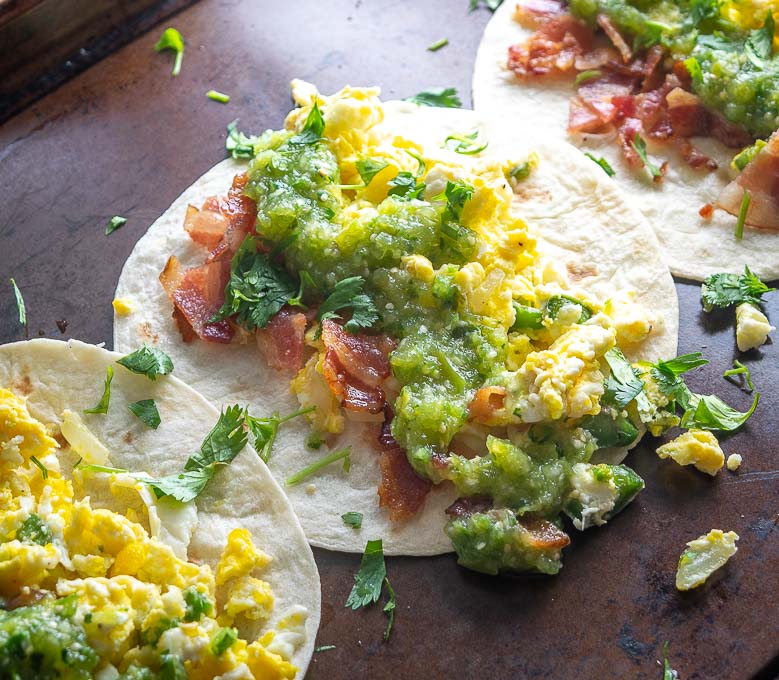
- Breakfast Tacos: The marriage of eggs and salsa verde is legendary. When paired with crispy bacon, the acidity of the sauce provides the necessary lift to start the day.
- Migas: This classic dish, featuring corn tortilla strips sautéed with eggs, becomes a complete culinary experience when topped with a fresh, homemade green salsa.
- Huevos Divorciados: A visual and flavorful study in contrasts. This dish features two eggs: one topped with red tomato-jalapeño salsa and the other with green tomatillo-serrano salsa, serving as a perfect compromise for the indecisive diner.
- Chicken Burritos with Avocado Salsa Verde: Using the creamy green sauce as a binder for chicken, rice, and cheese elevates the humble burrito into a gourmet meal.
- Quesadillas Dipped in Avocado Salsa Verde: A simple, efficient way to elevate a standard snack. The creamy, tart sauce acts as the perfect dipping medium for crispy, cheese-filled tortillas.
- Chile Verde Rice and Beans: By utilizing leftover sauce from a batch of Chile Verde, one can transform standard sides into a main-event meal in minutes.
Specialty Techniques
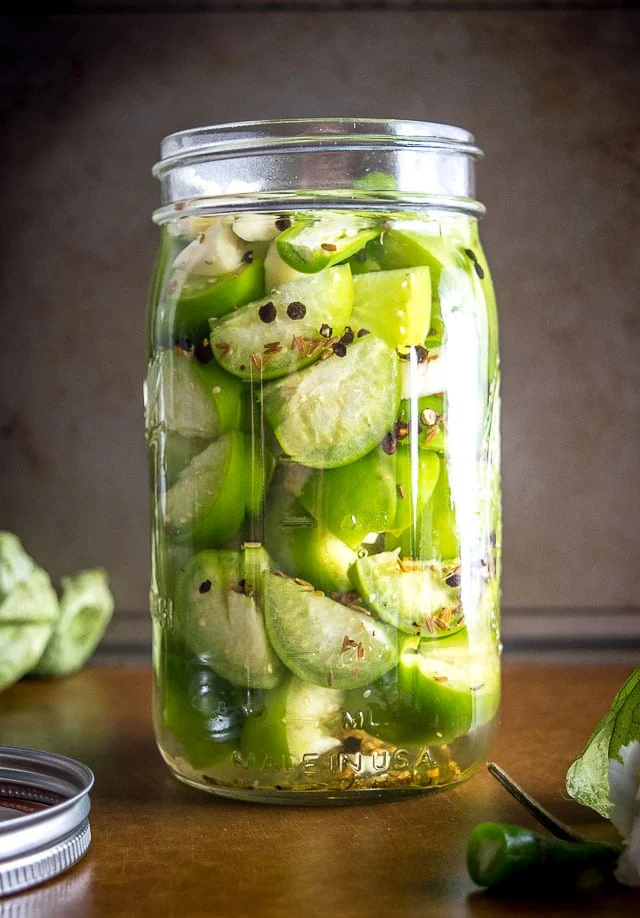
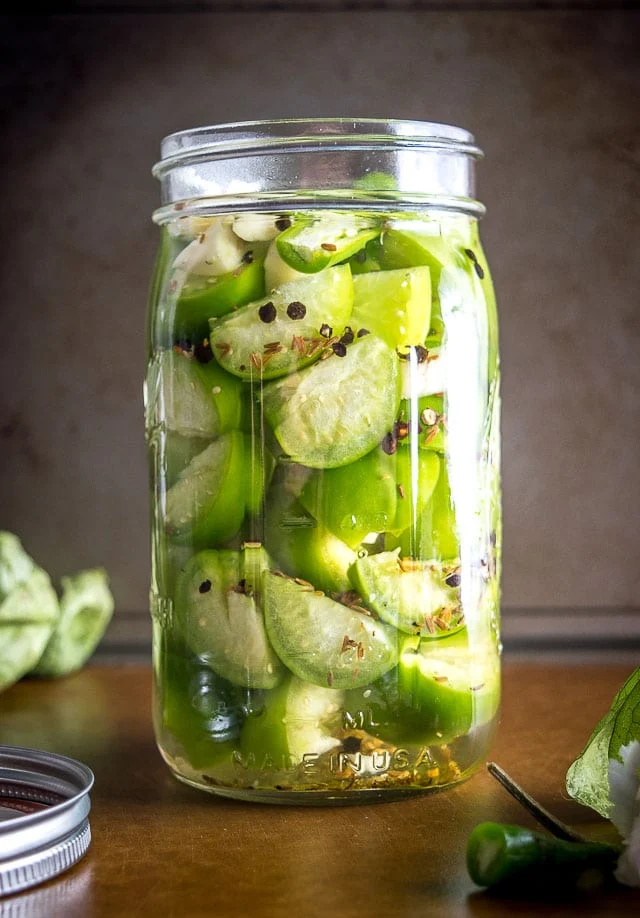
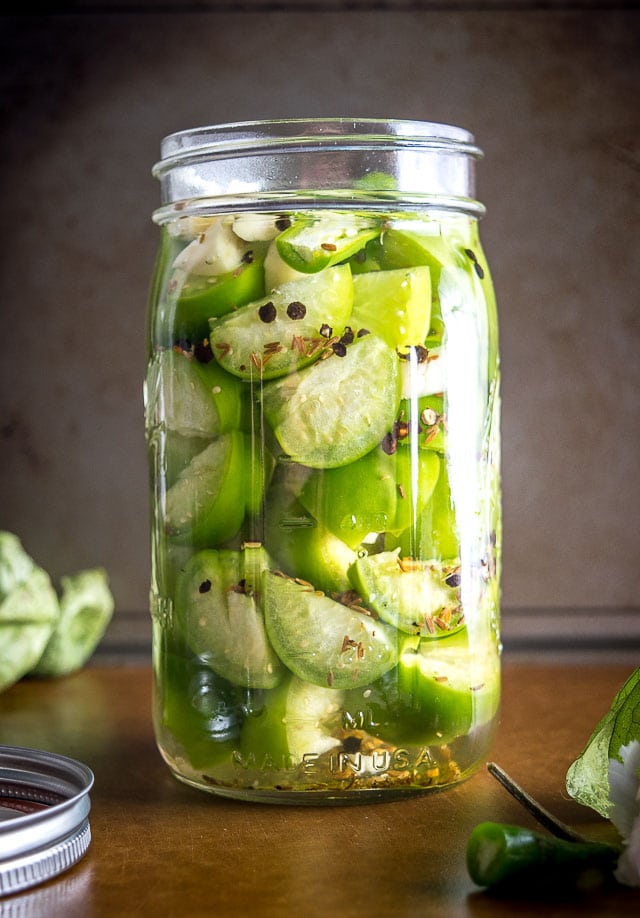
- Pickled Tomatillos: When you find yourself with a surplus, pickling is the optimal preservation method. These offer a punchy, acidic bite that works perfectly on sandwiches, tacos, or even pizzas.
Implications for the Home Chef
The decision to incorporate fresh tomatillos into your weekly grocery rotation has significant implications for your culinary repertoire. It moves the home cook away from the reliance on processed, store-bought sauces that often contain excess sodium and preservatives. By mastering these 18 recipes, the cook gains the ability to produce authentic, balanced flavors that are typically only found in high-end regional Mexican restaurants.
Furthermore, the tomatillo is a low-waste, high-utility ingredient. Because it stores so well, it encourages the practice of "batch cooking." Preparing a large quantity of salsa verde or chile verde on a Sunday provides a foundation for five or six different meals throughout the week, significantly reducing time spent in the kitchen on busy weeknights without sacrificing the quality of the meal.
Conclusion: Expanding the Horizon
The tomatillo is more than just a seasonal produce item; it is a gateway to a deeper understanding of Mexican flavor profiles. As the markets remain stocked with these green gems, there is an invitation to experiment. Whether you start with a simple salsa or progress to a complex pozole, the key is to embrace the tartness and allow it to interact with the heat of the peppers and the richness of your proteins.
For those eager to continue their culinary journey, the digital landscape offers a wealth of resources. Engaging with community-driven recipe platforms allows you to share your results, ask questions about roasting techniques, and stay updated on the latest trends in regional Mexican cooking. The path from the market shelf to the dinner table is short, and the reward—a plate filled with authentic, vibrant flavor—is well worth the effort.
For those seeking to master these techniques, follow the provided links to individual step-by-step instructions. Stay connected for further updates on seasonal cooking, traditional techniques, and ingredient spotlights via our social channels on Instagram, Facebook, Pinterest, TikTok, and YouTube.