Introduction
In the ever-evolving landscape of contemporary gastronomy, few ingredients command as much respect—and deliver as much profound flavor complexity—as dried chiles. Among them, the Morita chile stands out as a true culinary powerhouse. Known for its distinct smoky profile and formidable heat, this unassuming pepper is the secret weapon behind one of the most exciting condiment developments in recent years: Chile Morita Salsa.
Far from being a standard, run-of-the-mill hot sauce, this artisanal salsa blends the sharp acidity of tomatillos, the deep sweetness of Roma tomatoes, and the smoldering intensity of Morita chiles. For culinary enthusiasts willing to embrace a bit of kitchen heat, mastering this recipe offers a masterclass in balance, texture, and flavor science.
The Anatomy of a Morita: From Jalapeño to Flavorbomb
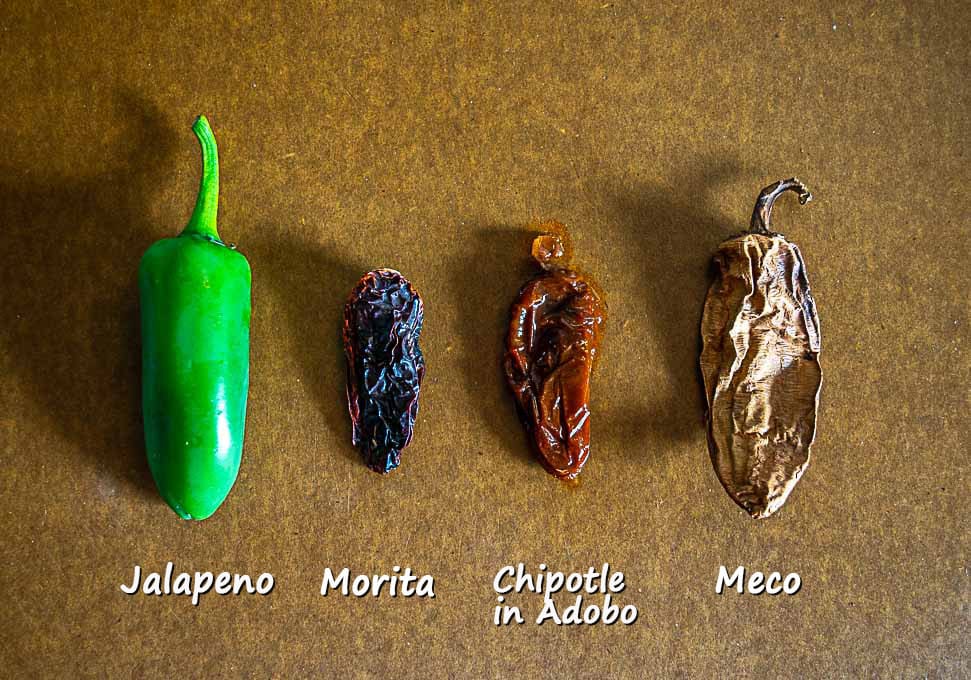
To truly appreciate Chile Morita Salsa, one must first understand the fascinating botanical and processing lineage of the pepper itself. The term "Morita," which translates affectionately from Spanish to mean "little mulberry" due to its dark, purplish-red hue and rounded shape, is often conflated with its close cousin, the chipotle. In fact, Morita chiles are sometimes marketed broadly as Chipotle Morita chiles.
The journey of a Morita chile begins on the vine. When a standard green jalapeño is left unpicked past its prime harvesting window, it naturally matures, shedding its verdant color and turning a deep, rich red. Once harvested at this fully ripe stage, these red jalapeños undergo a specialized smoking and dehydration process. The result is a dried chile that retains the underlying fruitiness of the jalapeño while acquiring a concentrated, campfire-like smokiness.
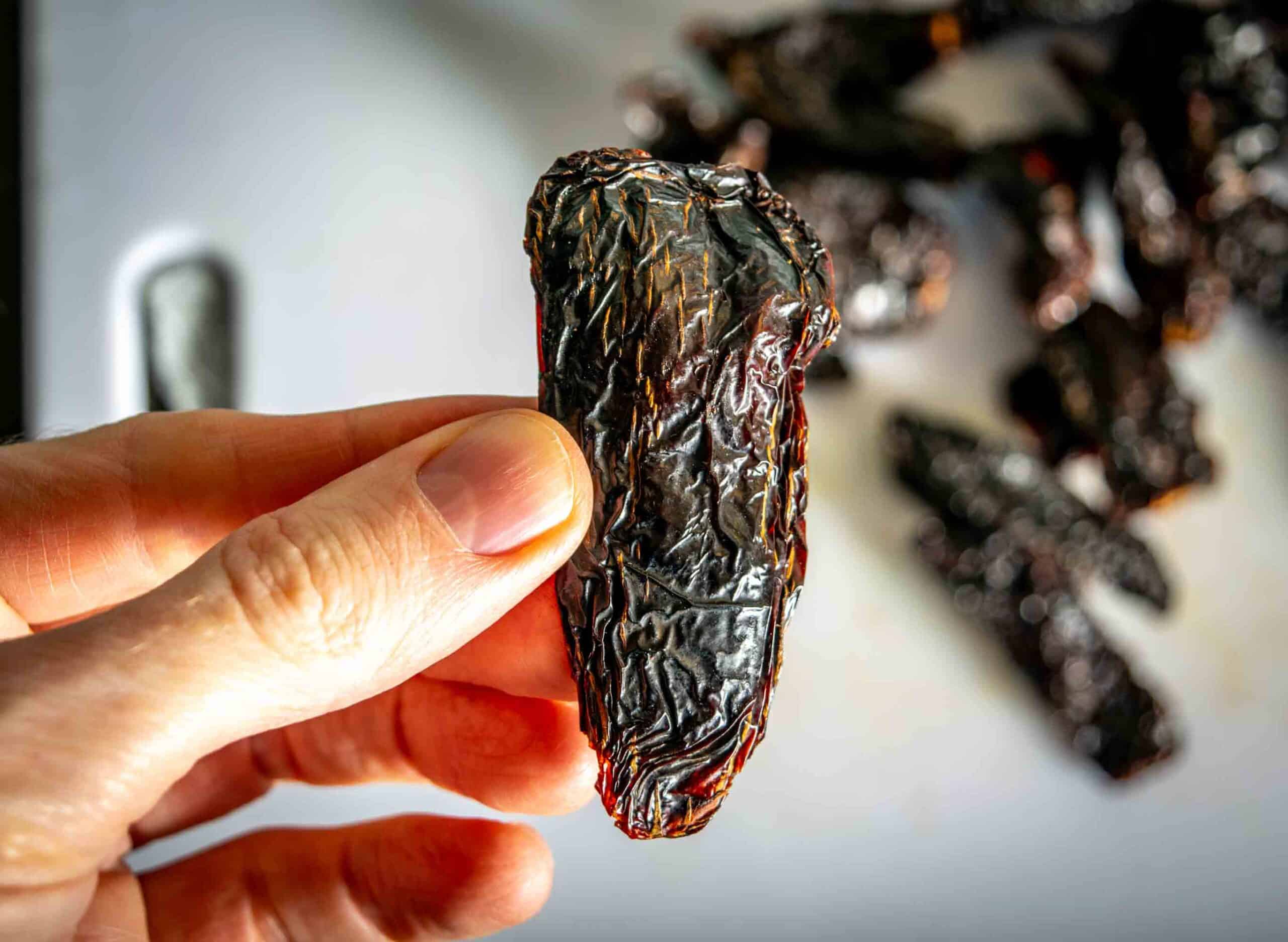
When rehydrated and blended into a salsa, these chiles transform a simple vegetable base into an explosive sensory experience. They act as a flavorbomb, elevating every component they touch with layers of heat that linger pleasantly on the palate without overwhelming the senses.
Chronology of Preparation: A Step-by-Step Culinary Guide
Creating a world-class Chile Morita Salsa requires patience, precision, and an adherence to time-tested culinary techniques. Eschewing shortcuts like boiling, which can leach vital aromatic compounds into cooking water, top-tier salsa makers rely on dry roasting and oven roasting to unlock the maximum potential of each ingredient.
Phase 1: Awakening the Dried Chiles
The process begins with the Morita chiles. Dried peppers can sometimes be muted or bitter if used straight from the bag. Roasting them briefly—either in an oven or on a dry skillet over medium heat—wakes up their dormant essential oils.
- The Toasting Window: A mere 1 to 2 minutes of heat is usually sufficient. Watch closely to avoid burning, which introduces acrid, unpleasant notes.
- Reconstitution: Once toasted, the chiles must be submerged in hot tap water for approximately 20 to 30 minutes. This softens their leathery exterior, making them pliable enough for the blender blades and allowing their flavors to meld seamlessly into the liquid base.
- The Seed Debate: While optional, removing the stems and seeds after rehydration is recommended. While the seeds do not drastically alter the heat profile, avoiding an unexpected crunch of bitter, hard seeds elevates the final mouthfeel of the salsa.
Phase 2: Roasting the Produce
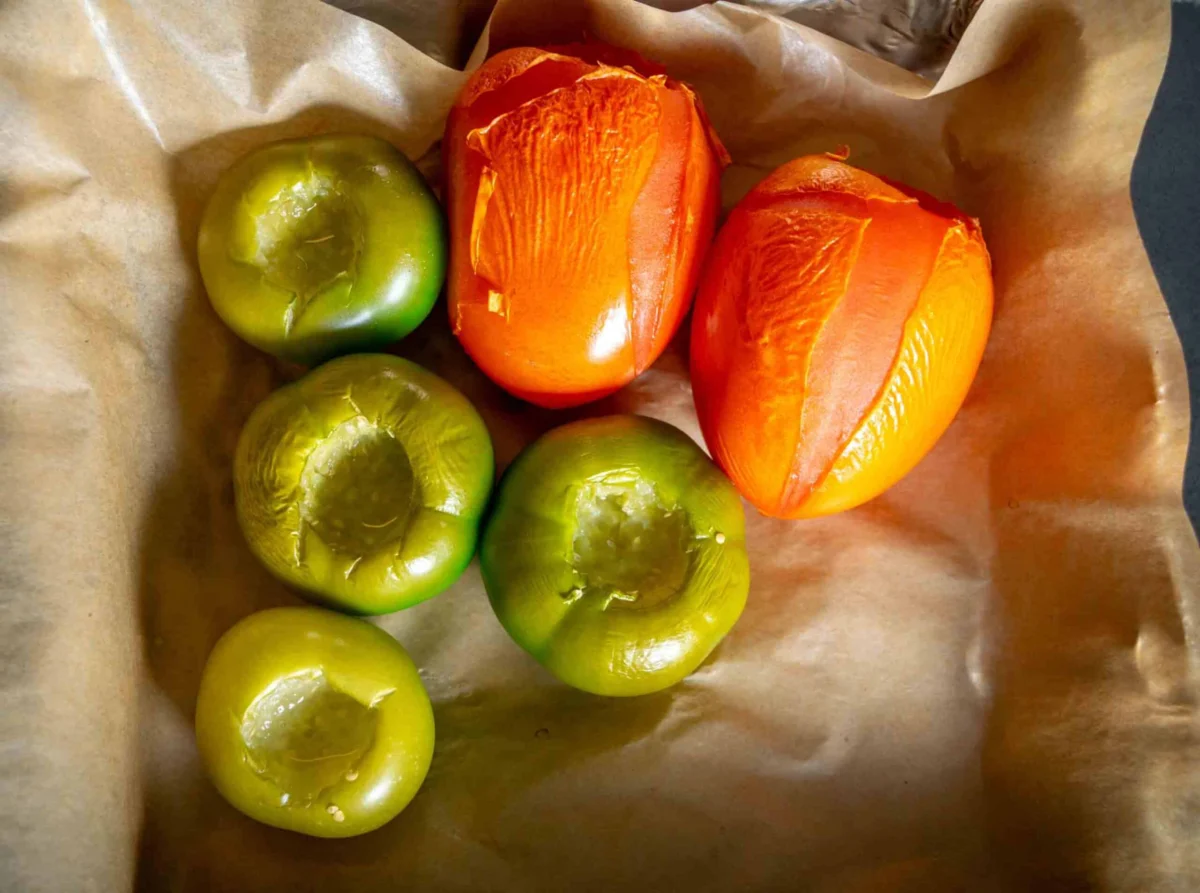
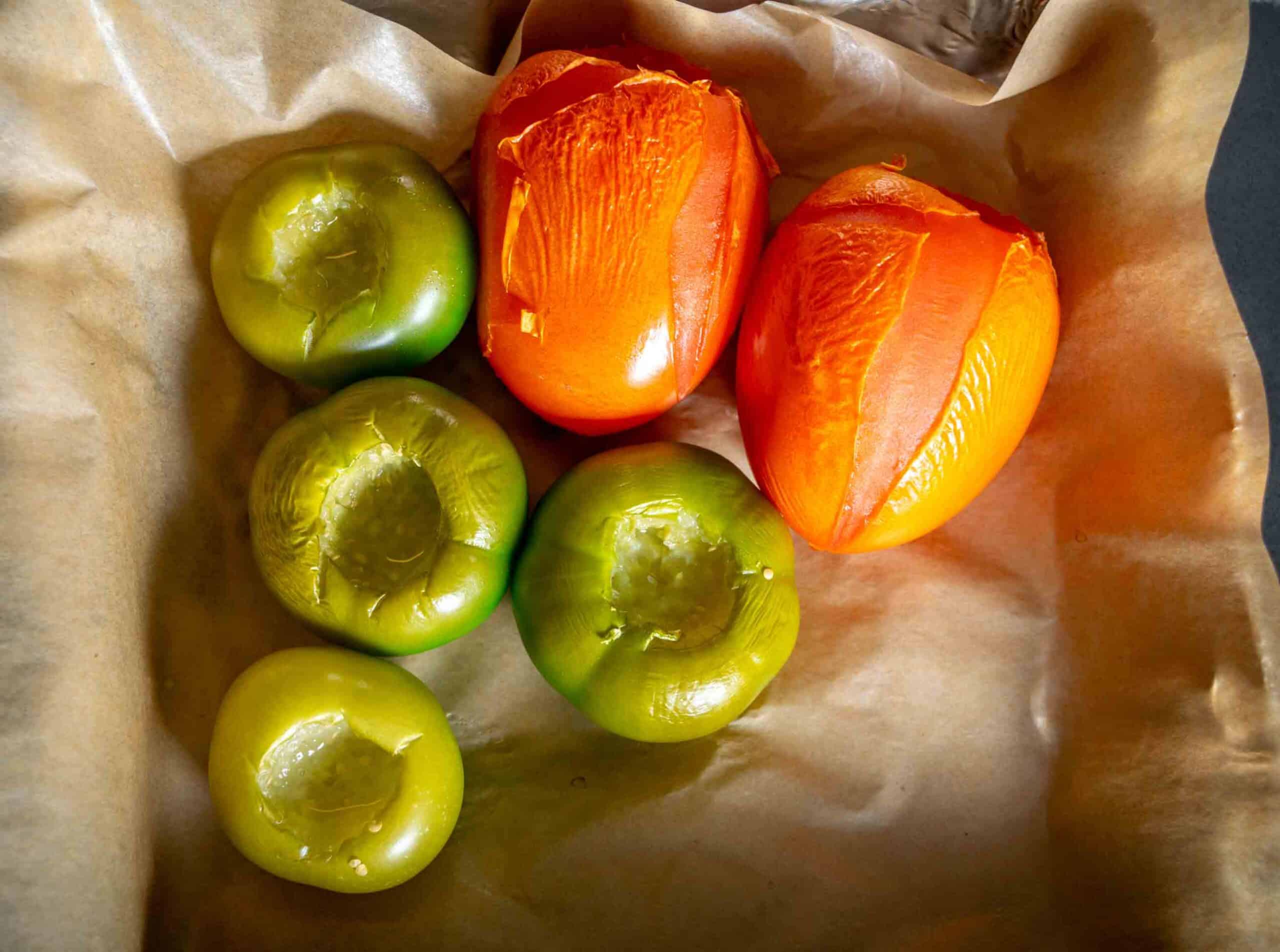
While the chiles soak, attention turns to the fresh produce: a balanced combination of Roma tomatoes and tomatillos, complemented by onion and garlic.
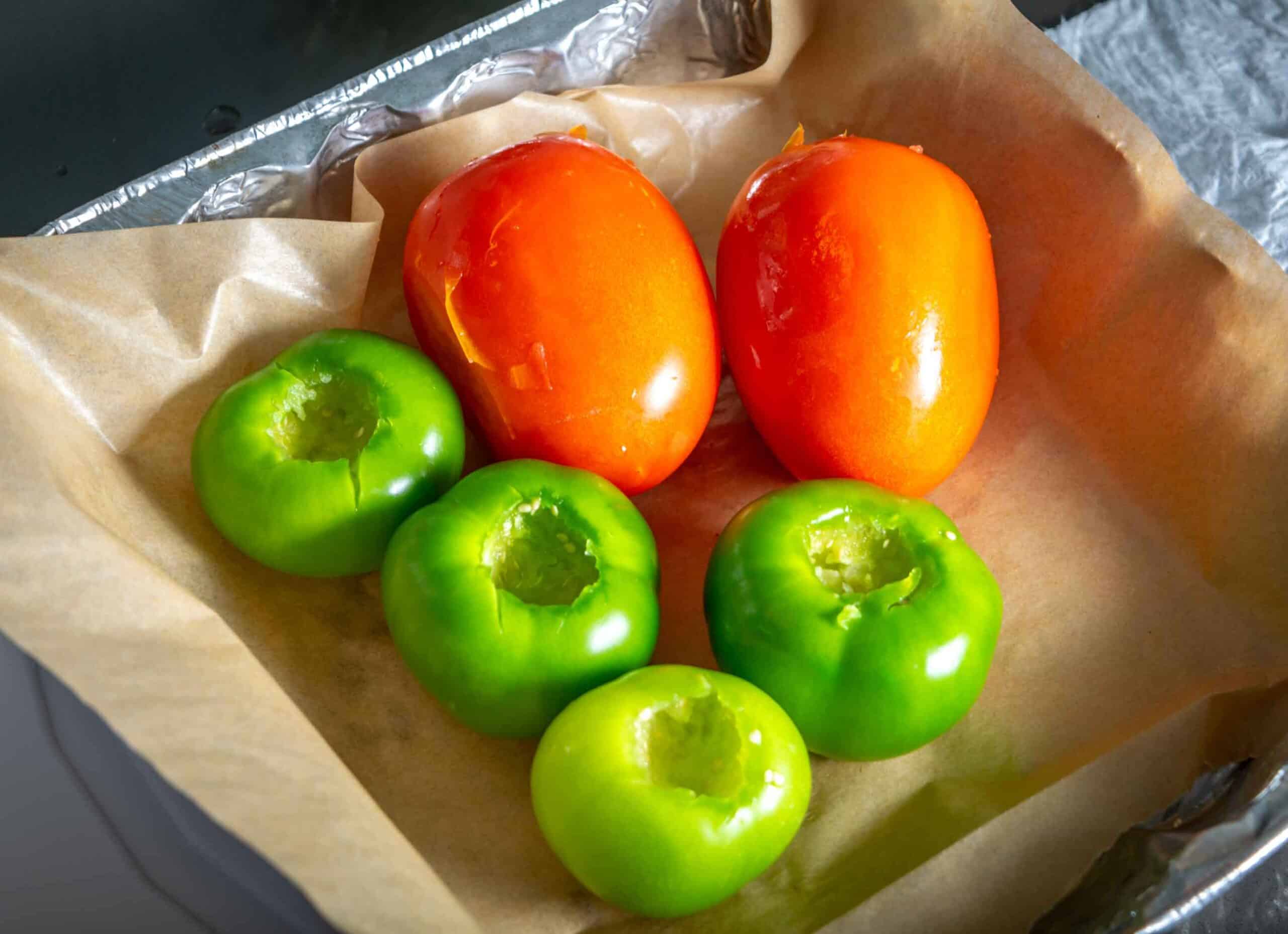
- The Oven Method: Set the oven to 400°F (200°C). Arrange the vegetables on a baking sheet and roast them for 20 to 30 minutes.
- Timing Nuances: While tomatillos typically soften and char slightly faster than Roma tomatoes, modern culinary testing suggests that leaving everything in the oven together until uniformly roasted yields exceptional depth. The skin of the tomatoes and tomatillos should blister and blacken in spots, indicating the development of rich, caramelized sugars.
Phase 3: The Blend
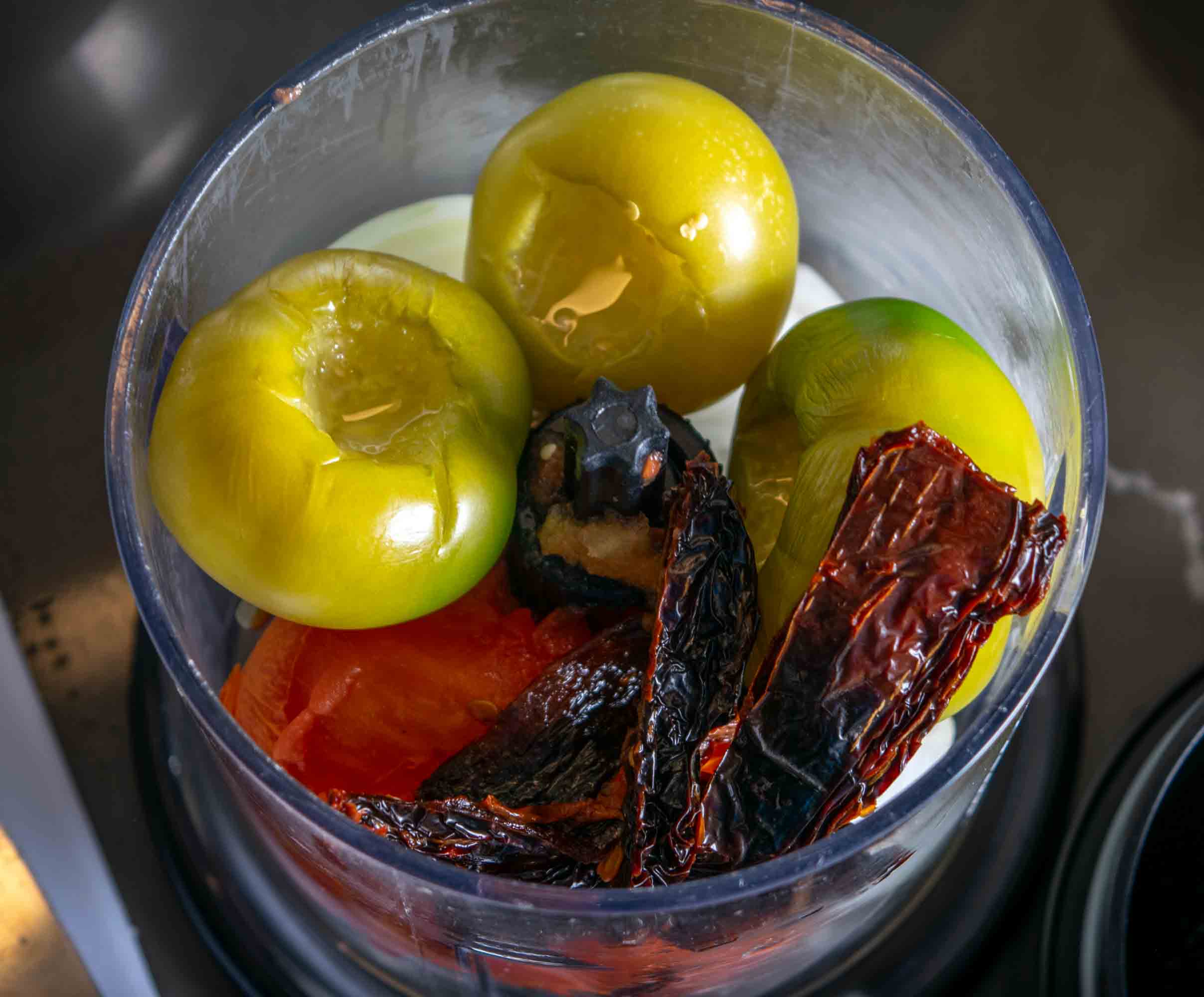
With the produce roasted and the Moritas softened, the components are transferred to a blender jar. For a standard batch, the ingredient ratio typically features:
- 2 Roma tomatoes
- 4 tomatillos
- ½ small onion
- 1 garlic clove
- 1 to 2 Morita chiles (depending on desired heat tolerance)
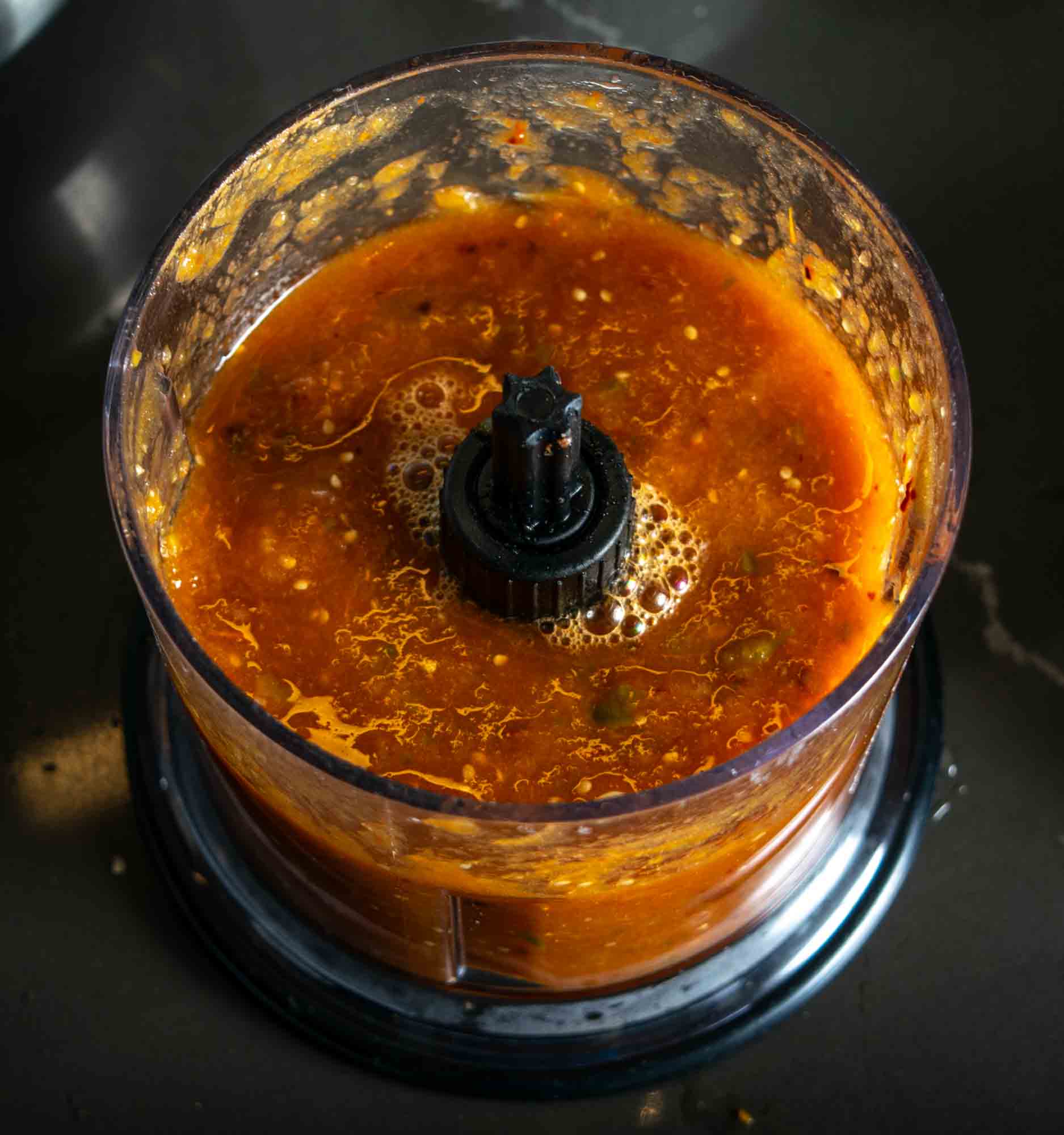
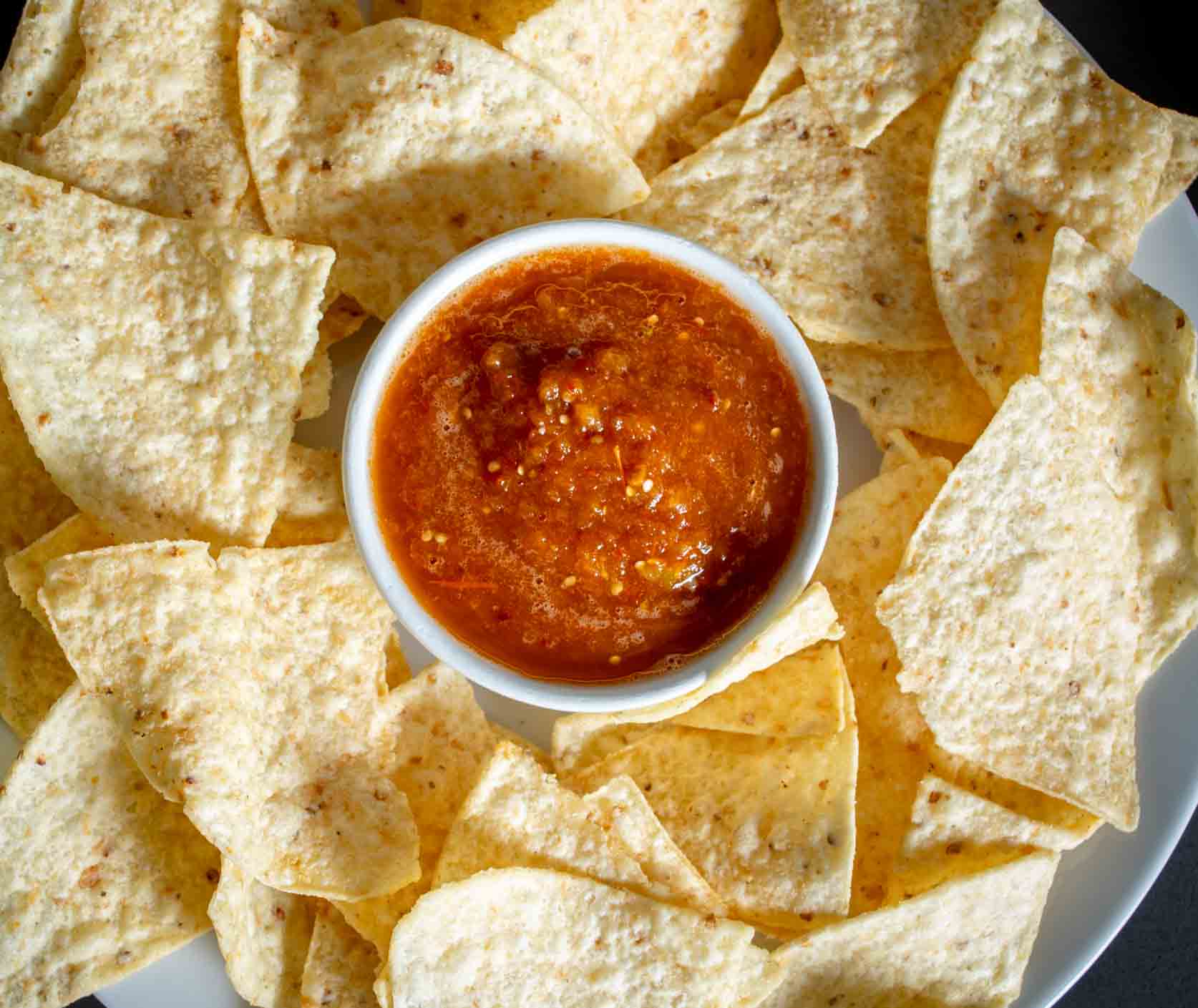
A brief, decisive pulse in the blender brings everything together into a cohesive, vibrant sauce. The resulting texture is neither completely smooth nor overly chunky—it strikes a harmonious middle ground that clings perfectly to a tortilla chip.
Supporting Data and Heat Calibration
Managing heat levels in home cooking is both an art and a science. The capsaicin concentration in Morita chiles is significant, meaning that recipe scaling must be approached with caution.
| Number of Morita Chiles | Heat Level | Recommended Audience |
|---|---|---|
| ½ Chile | Mild / Approachable | Beginners or those with a sensitive palate |
| 1 Chile | Moderate / Balanced | General crowd-pleaser; pairs well with mild foods |
| 2 Chiles | High / Intense | Experienced chiliheads and spice enthusiasts |
Culinary experts recommend a step-by-step titration method for first-time makers: start with a single Morita chile, blend, and taste. If a higher thermal threshold is desired, additional slivers of rehydrated Morita can be introduced incrementally. This prevents accidental over-spicing while ensuring the salsa can be tailored precisely to any dining group’s preferences.
Implications for Modern Home Cooking
The rising popularity of Chile Morita Salsa signifies a broader shift in home cooking trends toward bold, artisanal condiments that require minimal effort for maximum payoff. In an era where consumers increasingly seek out authentic ethnic flavors and regional Mexican ingredients, mastering versatile condiments has become a hallmark of the modern home cook.
Beyond the traditional chip-and-dip pairing—though it shines brilliantly alongside a bowl of fresh guacamole—this salsa serves as a transformative structural element across multiple culinary applications:
- Breakfast Enhancements: Drizzled over breakfast tacos, fried eggs, or migas, the smoky heat cuts through rich fats like avocado and cheese.
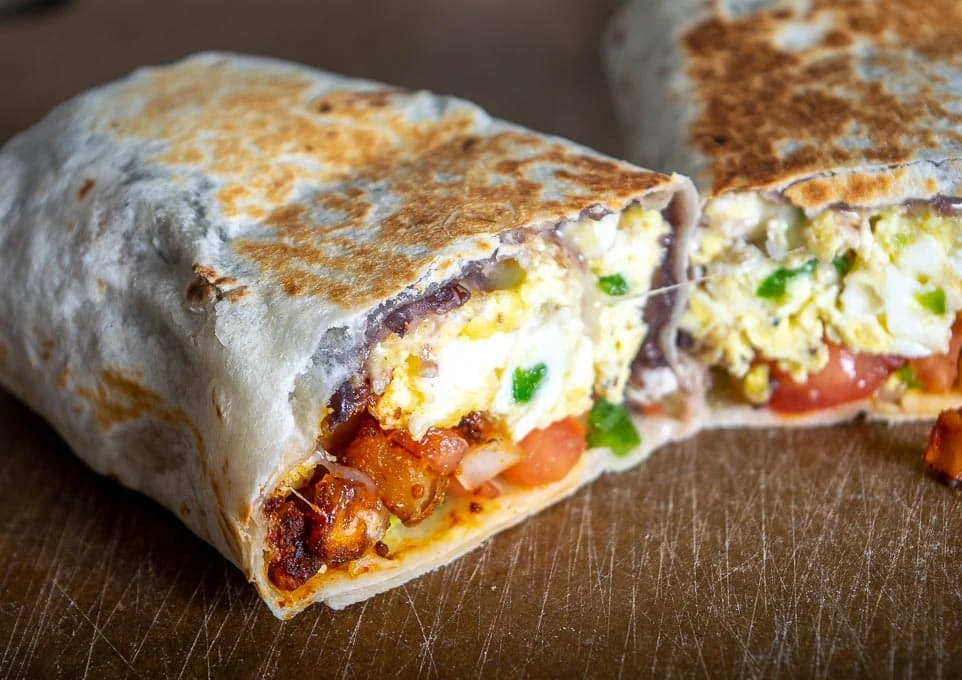
- Street Food Upgrades: Serving as the definitive flavor anchor for bean tostadas, chicken burritos, and quesadillas.
- Pantry Longevity: Because of the natural acidity of the tomatoes and tomatillos combined with the preservation qualities of dried chiles, a batch of Morita salsa holds exceptionally well in the refrigerator for weeks, providing an instant culinary jolt whenever needed.
Conclusion
Chile Morita Salsa is far more than a simple recipe; it is an exploration of flavor transformation. By taking humble ingredients—jalapeños aged on the vine, smoked, and dehydrated, then paired with fire-roasted tomatillos and tomatoes—home cooks can produce a condiment that rivals the offerings of high-end taquerias. Whether used to ignite a simple plate of tortilla chips or to anchor complex weeknight burritos, the Chile Morita Salsa is a guaranteed triumph in any kitchen.