Main Facts: The Short-Lived Magic of New Mexico’s Culinary Crown Jewel
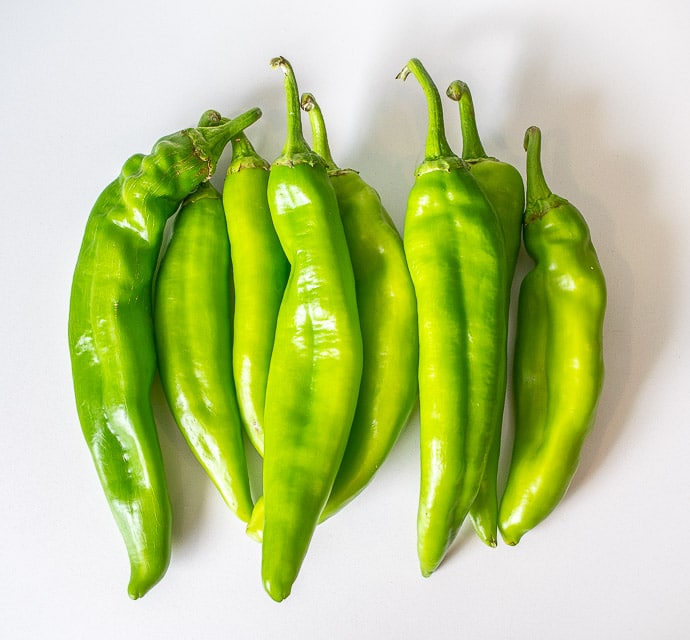
Late summer brings a brief, highly anticipated culinary phenomenon to the American Southwest and kitchens nationwide: Hatch chile season. Cultivated exclusively in the fertile soils of the Hatch Valley in New Mexico, these iconic green peppers boast a flavor profile that food enthusiasts describe as smoky, buttery, earthy, and uniquely sweet. Because the harvest window is strictly limited to a few fleeting weeks between August and September, culinary aficionados scramble to source fresh pods directly from Southwestern growers or local markets.

While frozen and roasted variants remain accessible in grocery freezers year-round, top-tier chefs and home cooks agree that working with fresh, fire-roasted Hatch chiles provides an unmatched upgrade in flavor and texture. This short-lived harvest inspires a flurry of seasonal cooking, ranging from traditional salsas and comforting soups to rich, savory entrées.
At the forefront of this seasonal craze is a masterclass recipe utilizing the star ingredient: Hatch Green Chile Enchiladas. Built upon a foundation of roasted chiles, aromatic onions, garlic, and savory stock, this versatile sauce serves as the ultimate vehicle for shredded chicken, melted cheese, and warm corn tortillas.
Chronology: Step-by-Step Culinary Execution
Crafting authentic Hatch Green Chile Enchiladas requires a deliberate, chronological approach that balances simultaneous preparation of the star pepper, the savory protein, and the rich sauce.
Phase 1: Roasting and Peeling the Chiles
The journey begins by selecting seven to eight fresh Hatch green chiles.
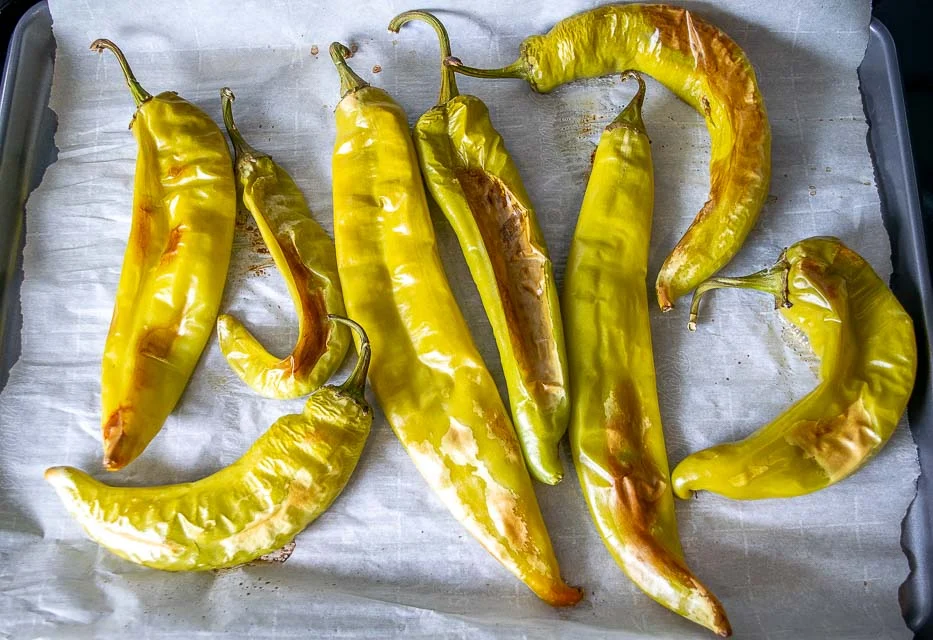
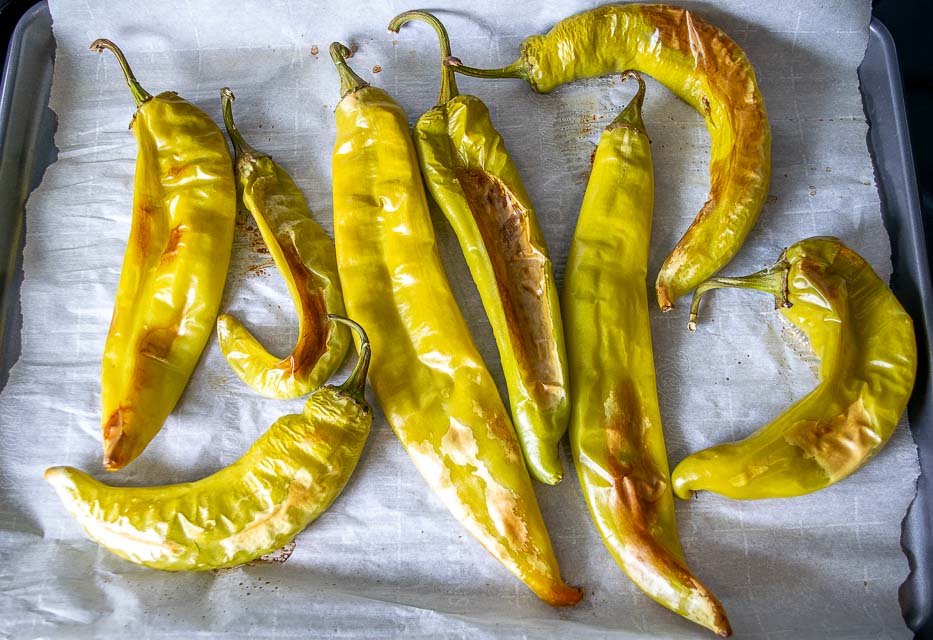
- The Roast: Place the chiles in an oven preheated to high heat for approximately 25 minutes, or alternatively char them over an open flame or outdoor grill until the skins blister and blacken. The kitchen will quickly fill with a distinct, delightful aroma.
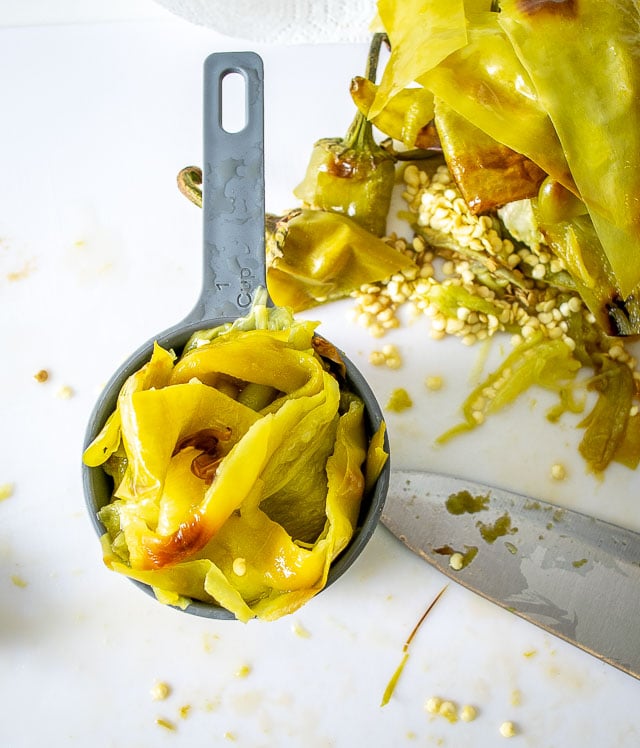
- The Steam and Peel: Allow the roasted chiles to cool slightly. Gently remove the stems, seeds, and blistered skins. Perfection is not required here; leaving a few seeds or fragments of skin will not compromise the final flavor, as skins are primarily removed for textural refinement.
- Yield: This process yields roughly 1.5 cups of diced chile pieces—the ideal quantity to coat a standard baking dish of eight enchiladas.
Phase 2: Simultaneous Chicken Preparation
Efficiency is key. While the chiles are roasting, home cooks can prepare the protein.
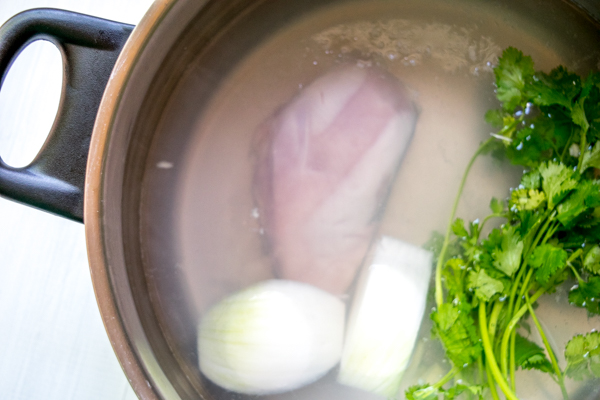
- Poaching: Cover a single chicken breast with cold water, bring it to a boil, and reduce the heat to a gentle simmer. For enhanced flavor, home cooks can drop onion chunks, cilantro, and a pinch of salt into the poaching water.
- Timing: The chicken requires approximately 20 minutes to cook through—virtually identical to the time needed to roast the chiles.
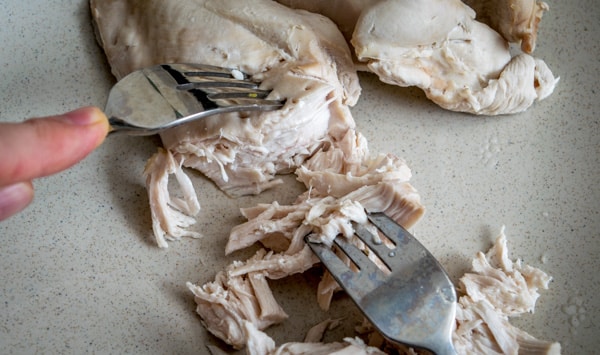
- Shredding: Once the internal temperature reaches safety standards and the meat is no longer pink, set the chicken aside to cool before shredding it meticulously with two forks.
Phase 3: Building the Hatch Enchilada Sauce
With the primary components prepped, the sauce comes together on the stovetop.
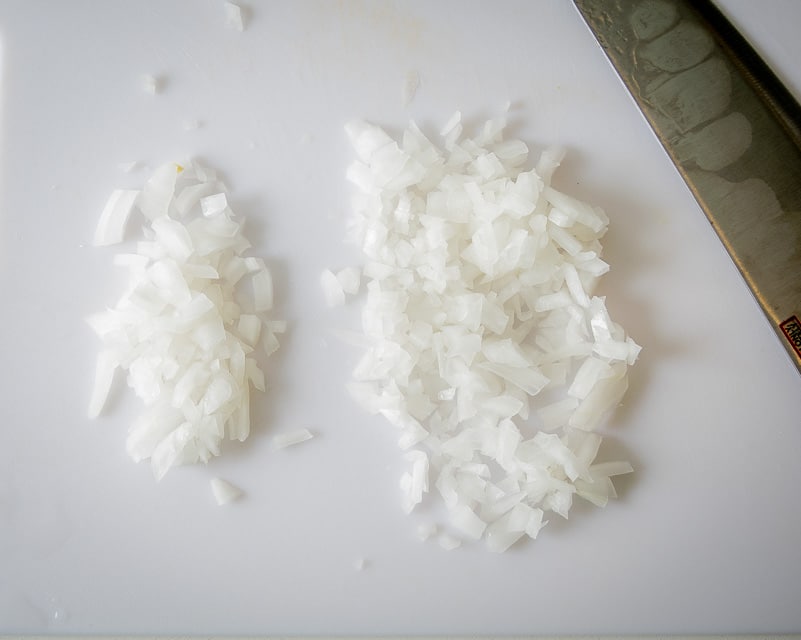
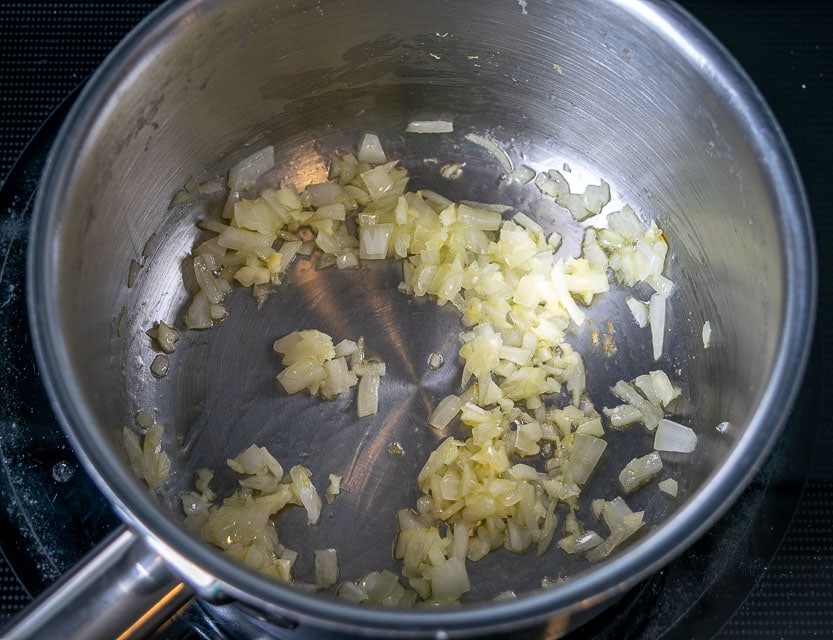
- Aromatics: Finely chop half a yellow onion, reserving a few tablespoons for the enchilada fillings. Sweat the majority of the onions in a pan with neutral oil over medium heat until translucent, then introduce a freshly minced garlic clove for an additional minute.
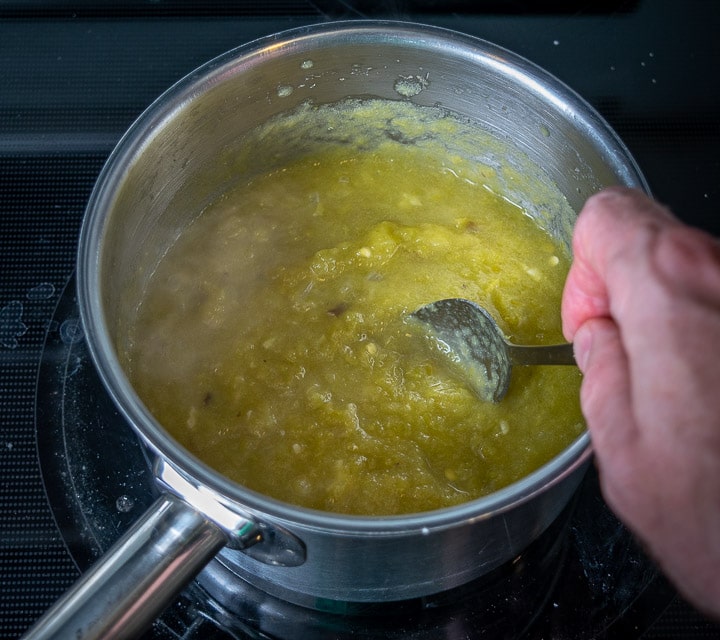
- Blending: Transfer the diced Hatch chiles to a blender alongside a splash of water or stock, pulsing until combined. Add the blended chiles to the onion-garlic mixture.
- Simmering: Pour in one cup of stock, a teaspoon of authentic Mexican oregano, a pinch of cumin, a quarter-teaspoon of salt, and freshly cracked black pepper. Allow the mixture to simmer gently for several minutes, letting the flavors meld into a savory, buttery masterpiece.
Phase 4: Assembly and Baking
- Tortilla Prep: Warm corn tortillas in the oven or microwave under a damp paper towel to ensure maximum pliability.
- The Dredge: Dip each tortilla directly into the warm Hatch sauce, ensuring both sides are coated so the rich flavor penetrates the inside of the roll.
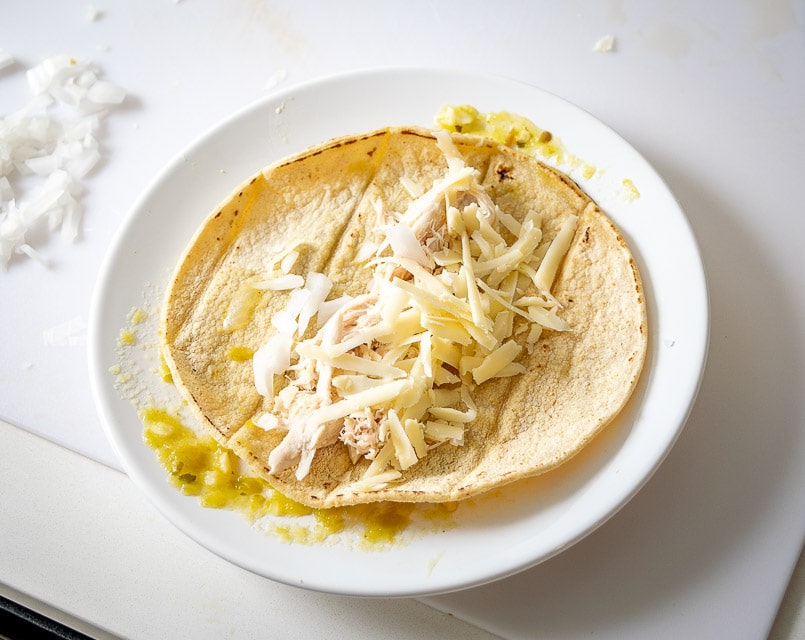
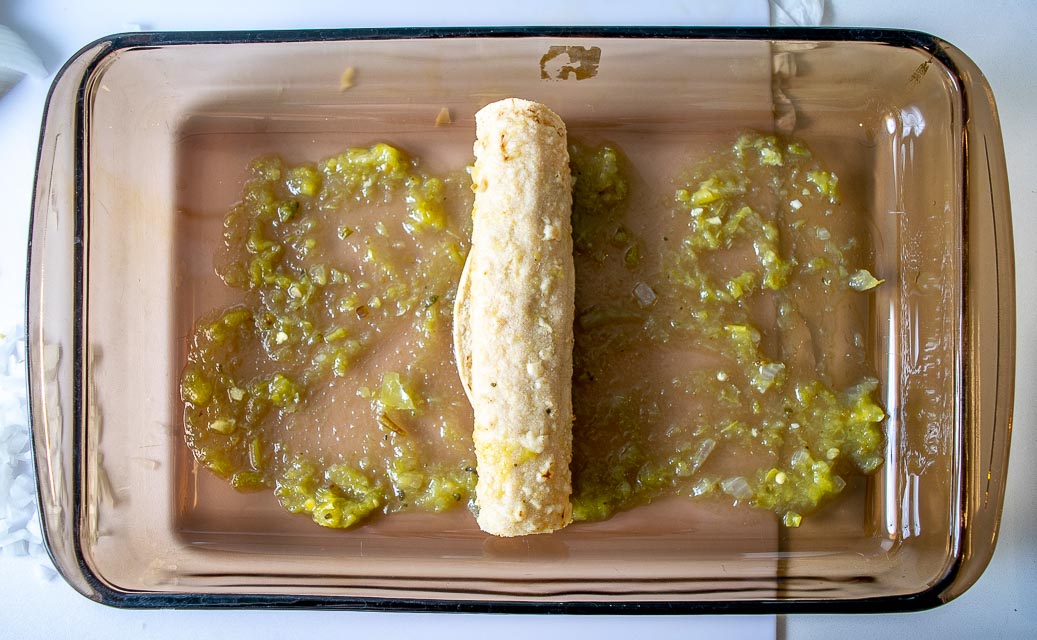
- The Roll: Fill each coated tortilla with the shredded chicken, a sprinkle of reserved raw onion, and a generous handful of shredded cheese. Roll tightly and place seam-side down in a baking dish previously lined with a thin layer of sauce to prevent sticking.
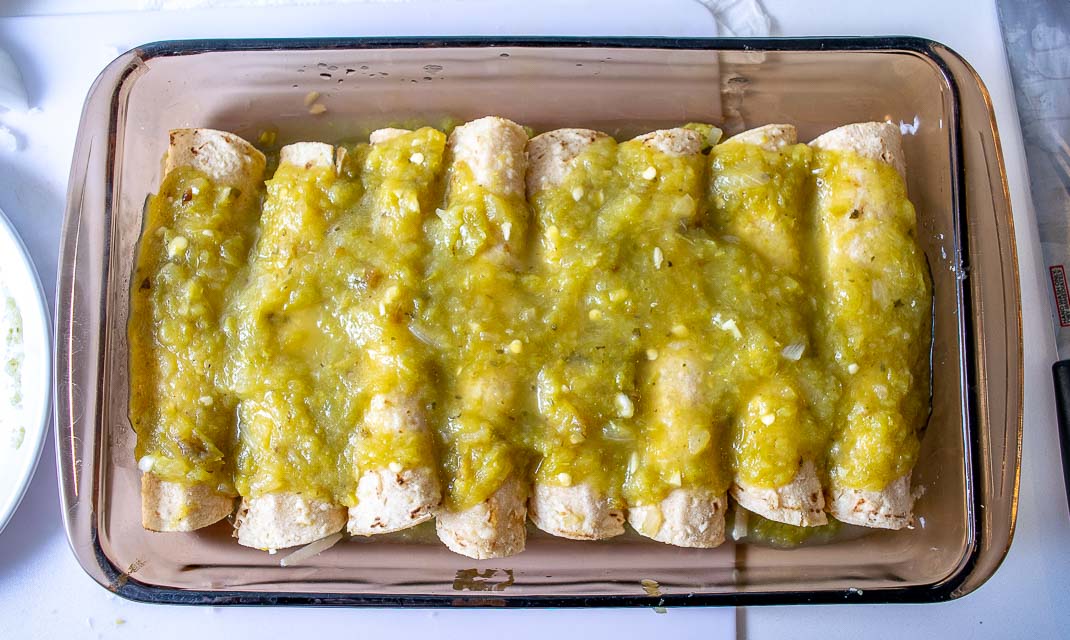
- The Final Drench: Pour the remaining Hatch sauce generously over the lined enchiladas, shaking the pan gently to let the liquid seep into every crevice. Top with a final blanket of cheese.
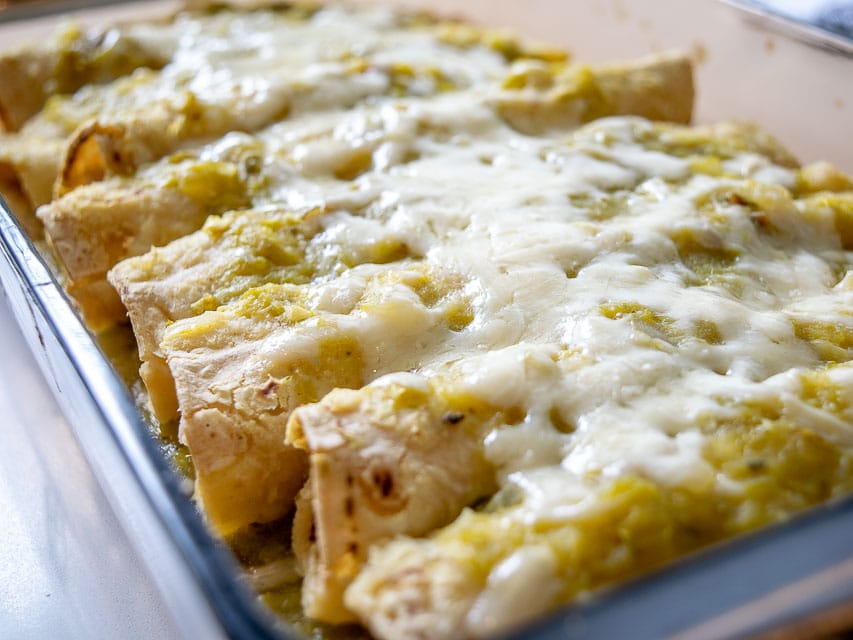
- The Bake: Bake in a 400°F oven for roughly 10 minutes, or until the cheese is completely melted and bubbling, and the edges of the corn tortillas display a slight, appetizing golden crispness.
Supporting Data: Measurements, Nutrition, and Sourcing
Executing this recipe successfully relies on precision in seasoning and sourcing. Below is the structured breakdown of the ingredients and technical notes required for optimal results.
Ingredient Manifest
For the Hatch Enchilada Sauce:
- 7 to 8 fresh Hatch green chiles (yielding ~1.5 cups diced)
- ½ yellow onion (finely chopped, with a small portion reserved for filling)
- 1 clove garlic (finely minced)
- 1 cup chicken stock (preferably low-sodium or homemade)
- 1 tsp Mexican oregano (traditional; do not substitute regular Italian oregano)
- A pinch of ground cumin
- ¼ tsp salt (adjusted to taste based on stock sodium levels)
- Freshly cracked black pepper
- Neutral cooking oil
For the Enchiladas:
- 1 large chicken breast (poached and shredded)
- 7–8 corn tortillas
- Shredded melting cheese (Monterey Jack, Chihuahua, or a good cheddar blend)
- Optional garnishes: Fresh cilantro, lime wedges, or Mexican crema
Technical Pro-Tips & Nutritional Considerations
- Sodium Management: The salt profile of the sauce hinges entirely on the stock used. Culinary experts recommend using unseasoned homemade chicken stock or low-sodium store-bought broths, allowing the cook to dial in the exact sodium level without overpowering the natural chile flavor.
- Heat Adjustment: While Hatch chiles are generally considered mild to medium in heat, utilizing seven to eight pods packs a noticeable punch. Beginners or those sensitive to spice can roast all the chiles, but fold in only half initially, adding more incrementally to suit their palate.
- Alternative Proteins: Although chicken and cheese serve as the traditional baseline, the robust nature of the Hatch sauce accommodates shredded pork, beef barbacoa, or black beans and sweet potatoes for vegetarian adaptations.
Official Responses and Culinary Perspectives
The culinary world regards the short Hatch season with near-reverence. Chefs across the United States champion the pepper not merely as a seasonal novelty, but as a masterclass in regional agriculture.
According to agricultural reports from New Mexico State University’s Chile Pepper Institute, the unique microclimate of the Hatch Valley—characterized by intense summer sunlight, rich Rio Grande basin soil, and warm diurnal temperature shifts—creates the specific capsaicin balance and flavor complexity that cannot be replicated elsewhere.
Food historians and prominent Mexican cuisine authorities emphasize that utilizing traditional additives, such as Mexican oregano rather than standard Mediterranean varieties, preserves the authenticity of regional Southwestern-Mexican fusion dishes. Furthermore, culinary educators stress that skipping shortcuts—such as opting for jarred green sauces over freshly roasted, home-peeled Hatch chiles—deprives the palate of the characteristic smoky depth that defines late-summer gastronomy.
Implications: Expanding the Hatch Chile Horizon
The cultural and economic impact of Hatch chile season extends far beyond a single pan of enchiladas. For New Mexico growers, the late-summer harvest represents a vital economic engine, driving agritourism, online shipping enterprises, and cross-country distribution networks.
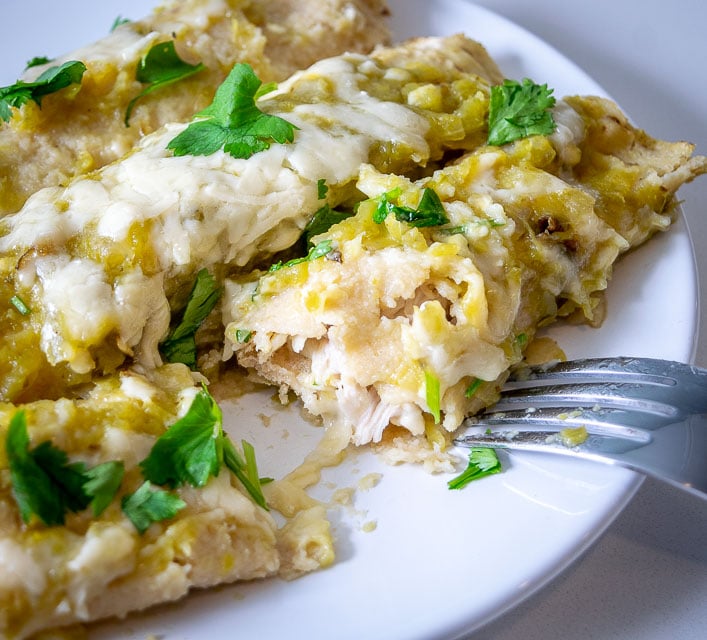
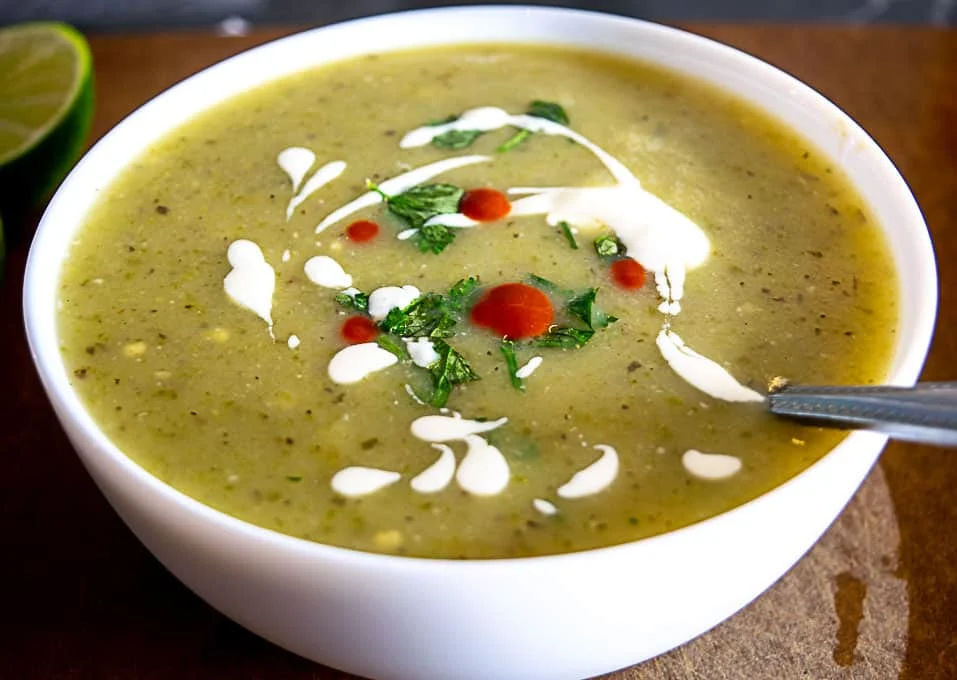
For the home cook, mastering a foundational sauce like this opens the door to a broader seasonal repertoire. Leftover roasted Hatch chiles can easily be repurposed into hearty mid-week meals, ranging from spicy Hatch Chile Soups to roasted green chile salsas and creamy Chile Verde.
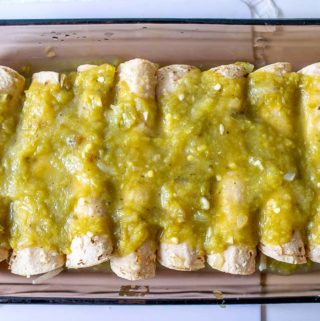
Ultimately, embracing the Hatch chile phenomenon encourages a more seasonal, ingredient-focused approach to home cooking. By respecting the brief window in which these peppers are available fresh, culinary enthusiasts elevate ordinary weeknight dinners into memorable, regionally inspired feasts. As the harvest draws to a close, stocking freezers with roasted pods ensures that the vibrant, savory spirit of the New Mexico sun lingers in the kitchen long after autumn arrives.