
In the landscape of modern home cooking, there exists a persistent tension between our craving for indulgent, comfort-heavy appetizers and the necessity of preparing a balanced, budget-conscious weeknight dinner. For many, "Buffalo Chicken Dip" occupies a sacred space on the menu—usually reserved for game days, potlucks, or late-night cravings. However, recent culinary trends have seen a shift toward elevating these high-flavor profiles into legitimate main courses. Enter the Buffalo Chicken Stuffed Pepper, a dish that successfully bridges the gap between decadent party snack and wholesome family meal.
By replacing the traditional tortilla chip with a nutrient-dense vessel—the bell pepper—home cooks are discovering a way to enjoy the bold, tangy, and creamy elements of buffalo chicken while maintaining a level of satiety and health that satisfies a full dinner requirement.

The Genesis of the Concept: Why Stuffed Peppers?
The concept of the stuffed pepper is a culinary staple that spans cultures, from the classic pimiento relleno of Spain to the hearty ground-beef-and-rice versions common in American kitchens. The brilliance of this specific iteration lies in its structural efficiency. Bell peppers provide a vibrant, crunchy, and slightly sweet foundation that cuts through the intense richness of a buffalo-style sauce.
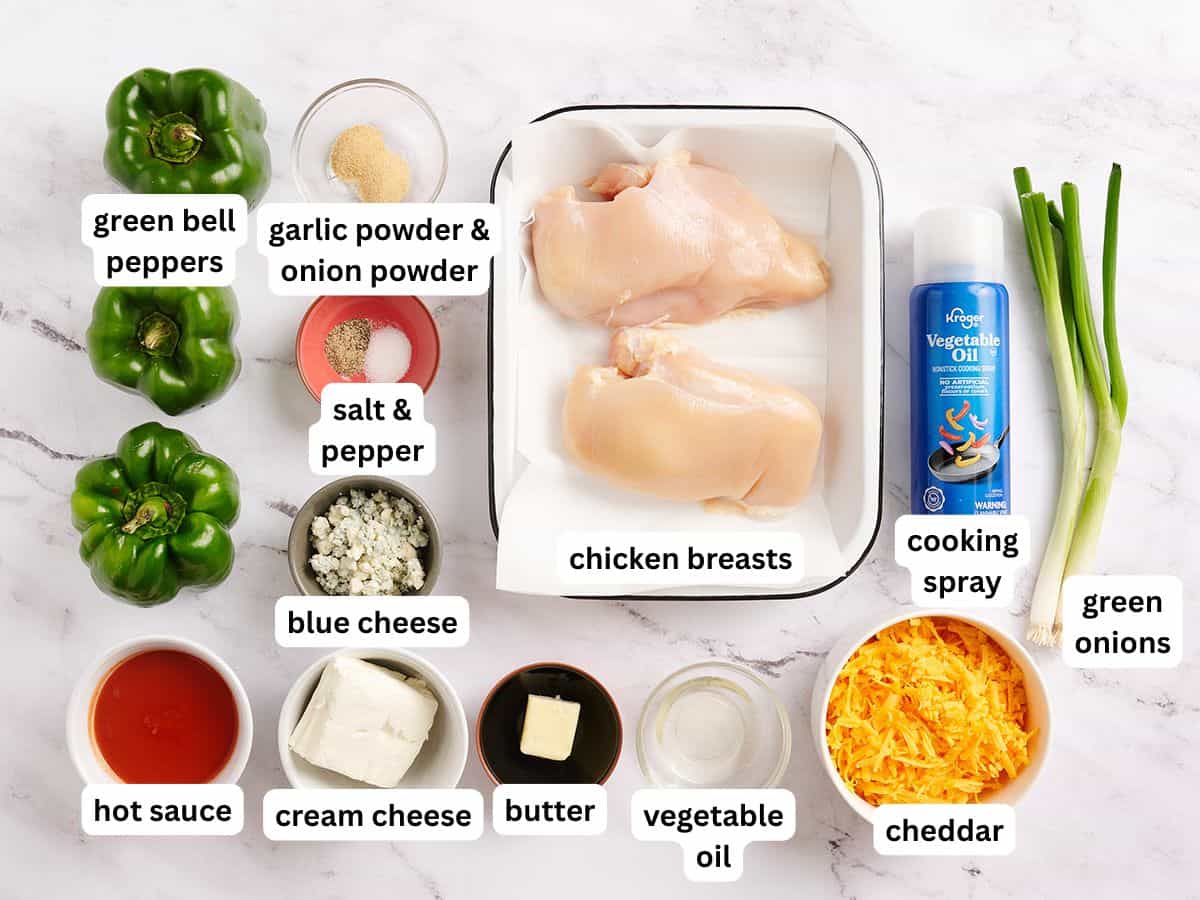
When diced chicken breast is seared to perfection and enrobed in a mixture of hot sauce, butter, cream cheese, and sharp cheddar, the result is a complex flavor profile. The addition of blue cheese—often considered a polarizing ingredient—serves as the final, elevated touch that distinguishes this dish from standard "cafeteria-style" casseroles. It is, by all accounts, a masterclass in texture: the snap of the pepper, the tender bite of the chicken, and the molten, gooey consistency of the cheese blend.

A Chronology of Preparation: The "From-Scratch" Method
To achieve the best results, culinary experts—including the team at the Nashville Test Kitchen—advocate for a systematic approach to preparation. The process is designed to be accessible for the home cook, yet rigorous enough to ensure professional-grade flavor.
Phase 1: The Foundation (Preparation)
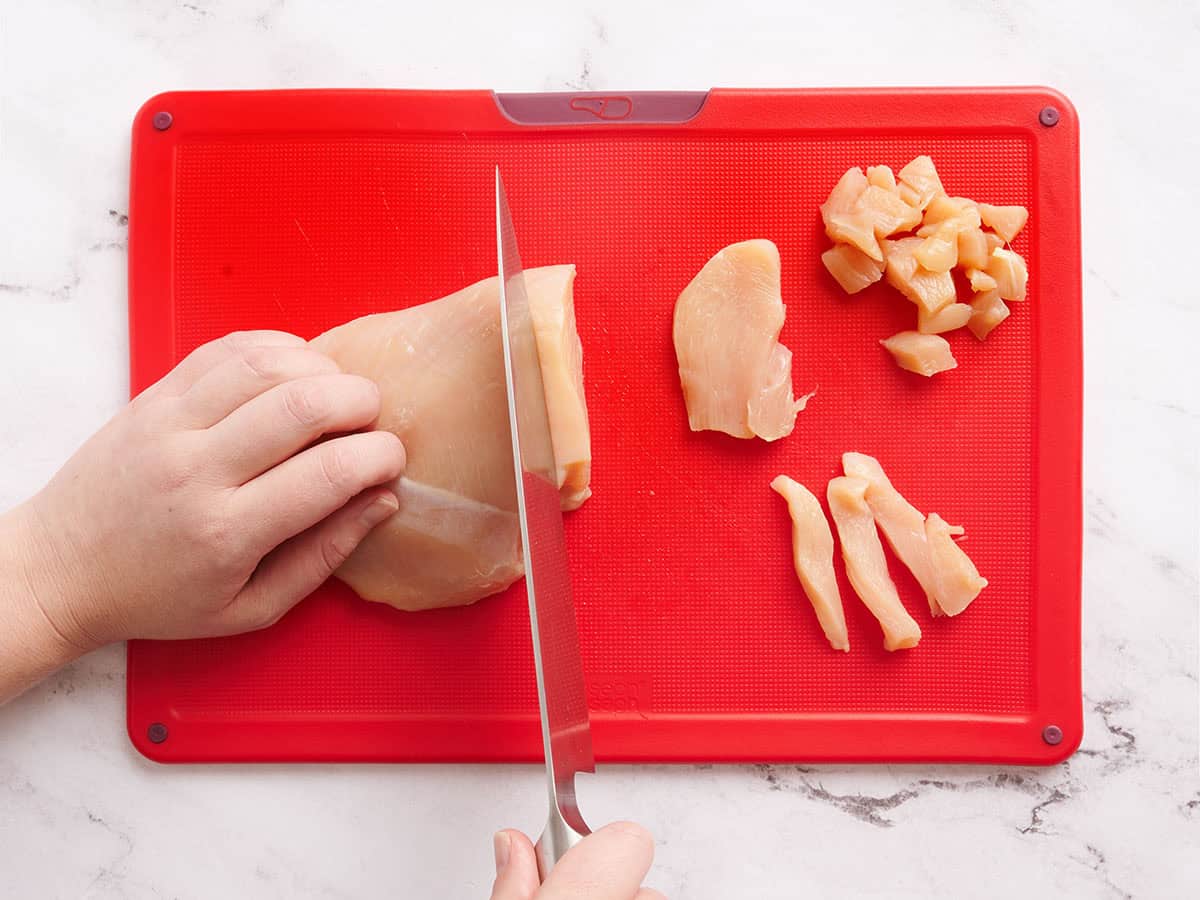
Before the heat is applied, organization is key. Preheating the oven to 350°F and greasing a standard 8×10-inch casserole dish ensures that the process moves smoothly. The chicken breasts, totaling approximately 1.5 lbs, should be diced into uniform, small pieces. Uniformity is not merely an aesthetic choice; it ensures even cooking, preventing some pieces from becoming overcooked and rubbery while others remain raw.

Phase 2: The Sear
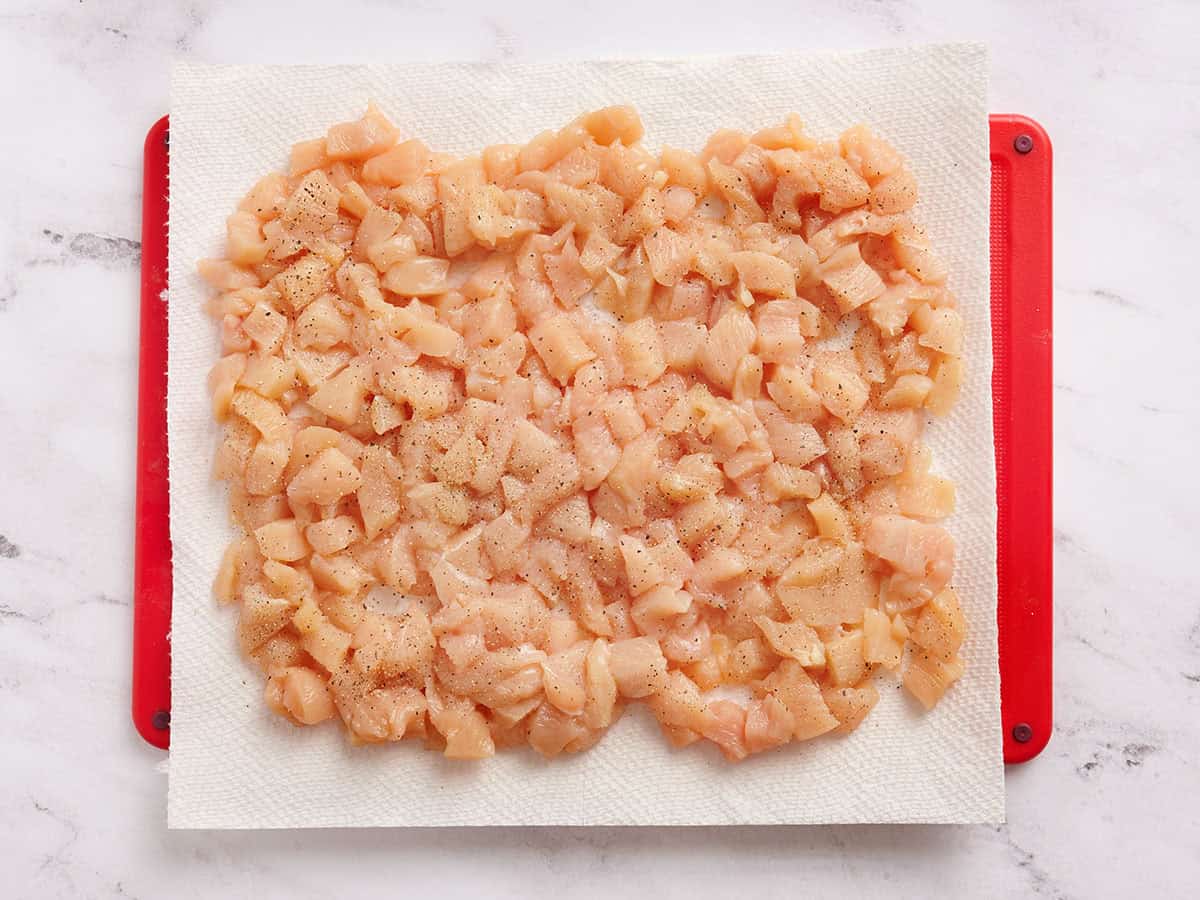
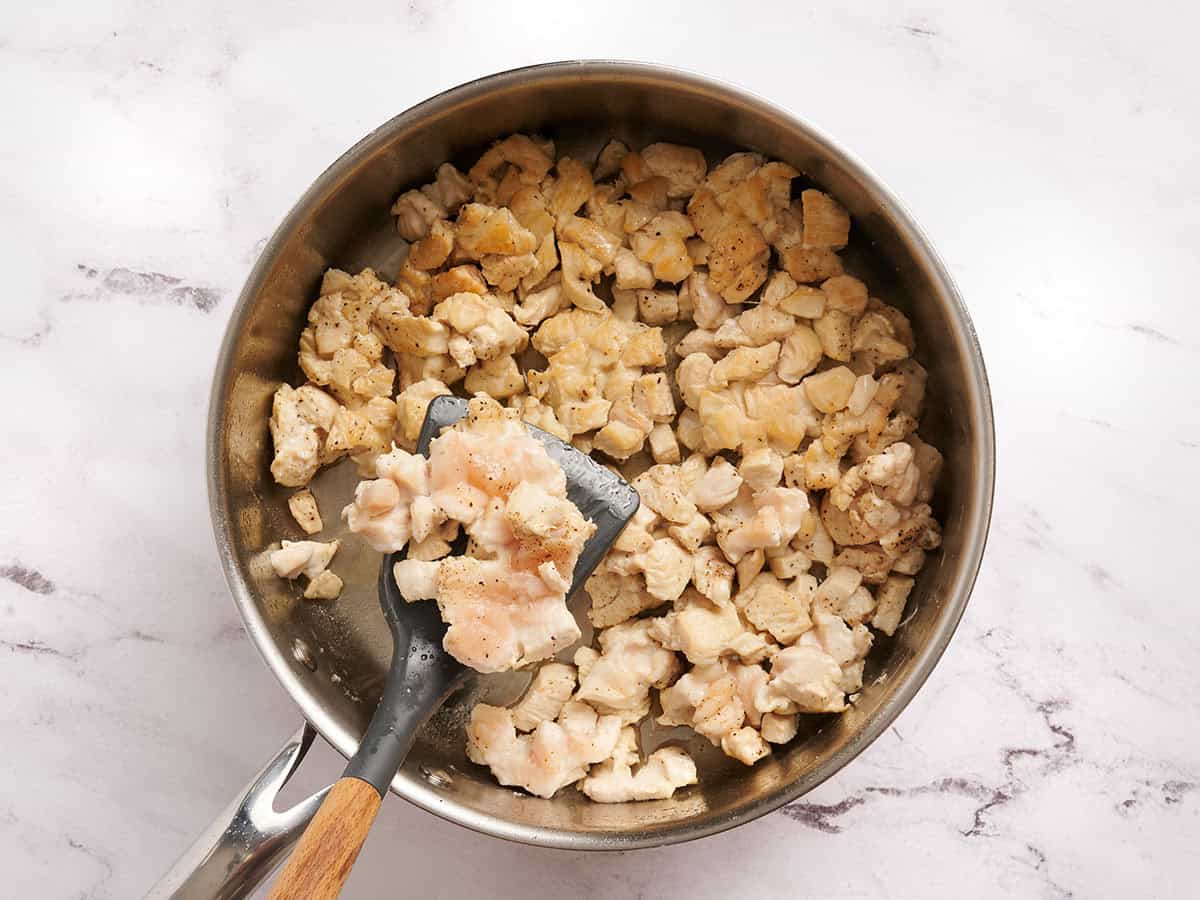
Patting the chicken dry with paper towels is a step often skipped by amateurs but essential for the professional. Removing surface moisture allows for a proper Maillard reaction—the browning process that creates deep, savory flavors. Using a vegetable oil with a high smoke point, the chicken is seared until lightly browned. This step locks in juices and provides a textural contrast that shredded rotisserie chicken simply cannot replicate.
Phase 3: The Emulsion
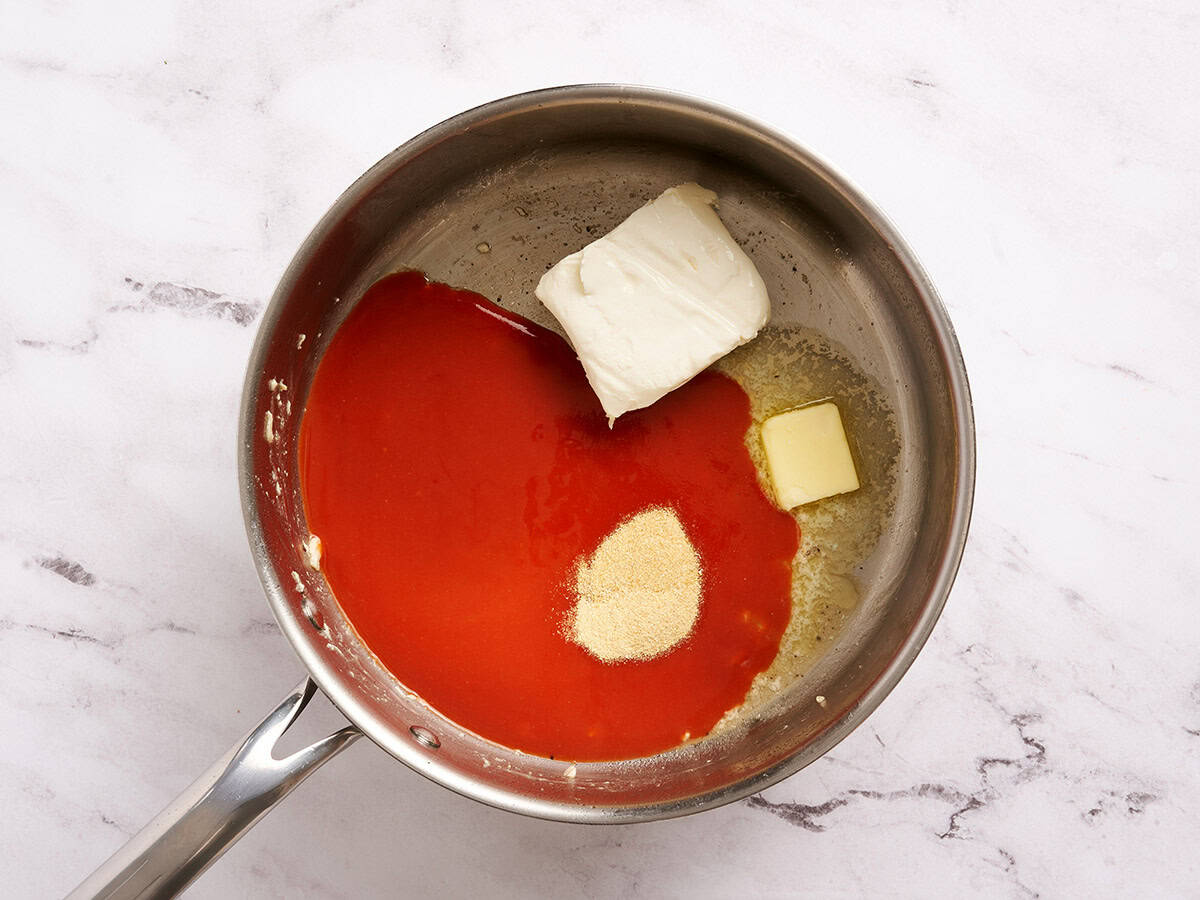
Once the chicken is removed, the skillet becomes the site of flavor creation. Adding butter, hot sauce, garlic powder, onion powder, and cubed cream cheese creates the signature buffalo emulsion. The goal is a velvety, consistent sauce that binds the chicken and cheese together.
Phase 4: Assembly and The Dual-Bake
The peppers, halved and deseeded, serve as the final vessels. They are nestled closely in the baking dish to ensure they remain upright. The filling is distributed evenly. The baking process is split into two parts:
- The Initial Bake: 20 minutes to soften the peppers without sacrificing their structural integrity.
- The Finishing Bake: A final 15 minutes after adding the topping of sharp cheddar and blue cheese, ensuring a golden, bubbly crust.
Supporting Data: Nutritional and Financial Efficiency
A common misconception is that "indulgent" food is inherently expensive or nutritionally bankrupt. When broken down, the Buffalo Chicken Stuffed Pepper proves to be a highly efficient meal.
- Cost Efficiency: At an estimated $11.45 per recipe, the cost breaks down to roughly $1.91 per serving. By utilizing raw chicken breast and seasonal green bell peppers, the recipe avoids the "convenience tax" associated with pre-packaged meals.
- Nutritional Profile: Each serving (one pepper half) provides approximately 34 grams of protein, a significant amount for a single dinner portion. With 389 calories per serving, it balances high-protein satiety with moderate caloric intake, provided it is paired with thoughtful sides.
The "Time vs. Money" Trade-off
While the from-scratch method is the gold standard for flavor and cost, the recipe accommodates the realities of modern life. For nights where time is a luxury, the use of store-bought rotisserie chicken is a perfectly acceptable substitution. Utilizing 3 cups of pre-cooked, shredded chicken allows the home cook to bypass the searing phase entirely, reducing total preparation time by roughly 15 minutes.
Official Responses and Culinary Expert Insights
The development of this recipe was guided by rigorous testing protocols. According to the Nashville Test Kitchen, the choice of green bell peppers is intentional—not just for their price point, but for their slightly bitter, earthy profile which perfectly counterbalances the intense, vinegar-forward heat of the buffalo sauce.
Expert Tips for Customization:
- The Cheese Factor: While sharp cheddar is the recommended base for its meltability, the recipe is highly modular. Mozzarella or a Mexican blend can be used for a milder experience.
- The Blue Cheese Dilemma: Recognizing that blue cheese is a matter of preference, developers suggest keeping it on the side. Offering high-quality blue cheese dressing as an accompaniment allows guests to customize their own level of intensity.
- Vegetable Substitutions: For those seeking a different texture, poblano peppers offer a milder heat and a deeper, smoky flavor, though they require careful handling due to their irregular shape.
Implications for Modern Meal Planning
The shift toward dishes like these reflects a broader change in how we view the "family dinner." The era of the multi-course meal is increasingly being replaced by the "one-dish wonder"—a meal that contains protein, vegetables, and fats in a single, cohesive package.
Social Acceptance of the "Dip Dinner"
For years, there has been a lingering social stigma against serving appetizers as entrees. This recipe effectively shatters that boundary. By packaging the components of a popular party dip into a vegetable shell, the dish gains the legitimacy of a main course. It is a brilliant example of "stealth health" and culinary creativity: the diner receives the satisfaction of a comfort-food craving while consuming a portion-controlled, vegetable-forward meal.
Long-term Storage and Meal Prep
The implications for meal prep are significant. The buffalo chicken filling is remarkably stable; it can be prepared 48 hours in advance and stored in the refrigerator. The assembly—the act of filling the peppers—can be done in minutes, making this an ideal candidate for "Sunday Prep" for a busy week. Furthermore, the ability to freeze the dish for 2-3 months provides a "safety net" for households, ensuring that a high-quality, homemade dinner is always within reach during unexpected schedule changes.
Conclusion: The New Standard for Weeknight Comfort
The Buffalo Chicken Stuffed Pepper is more than just a creative workaround; it is a testament to the versatility of pantry staples and the power of smart culinary engineering. It manages to be ooey, gooey, salty, and spicy—hitting all the sensory notes of a high-calorie restaurant meal—while remaining entirely within the realm of a healthy, affordable, and manageable home dinner.
As we continue to navigate the demands of modern life, our kitchens must become spaces of both efficiency and enjoyment. By taking the time to sear the chicken, balance the cheeses, and roast the peppers to the perfect texture, we turn a simple dinner into an experience. Whether you are a fan of traditional buffalo flavor or simply looking for a way to make your bell peppers the star of the show, this recipe stands as a definitive guide to eating well on a budget without sacrificing the soul of the meal.