For generations, the Salisbury steak has occupied a complicated space in the culinary landscape. Often unfairly maligned as the lackluster centerpiece of 1980s-era frozen TV dinners, this humble dish is currently undergoing a sophisticated renaissance. By stripping away the industrial processing of the past and returning to the foundational techniques of scratch cooking, home chefs are discovering that this “meat-and-potatoes” staple is, in fact, an exercise in budget-friendly elegance.
At its core, the Salisbury steak is not a steak at all, but rather a refined, pan-seared ground beef patty elevated by a velvety, umami-rich mushroom and onion gravy. When executed with precision, it offers the heartiness of a bistro-style meal without the exorbitant price tag of premium cuts of beef.
The Evolution of a Classic: Main Facts
The dish derives its name from Dr. James Salisbury, a 19th-century physician who advocated for a diet heavy in minced beef to promote health and vitality. While our modern understanding of nutrition has evolved, the core appeal of the Salisbury steak remains unchanged: it is an accessible, protein-forward meal that delivers immense flavor through the careful manipulation of pantry staples.
Unlike a standard burger, the Salisbury steak is designed to be braised. The mixture of ground beef, breadcrumbs, and egg creates a tender crumb that holds its shape under the weight of a savory sauce. The addition of Worcestershire sauce and Italian seasoning provides a foundational depth, ensuring that the meat is not merely a vehicle for gravy, but a flavorful component in its own right.
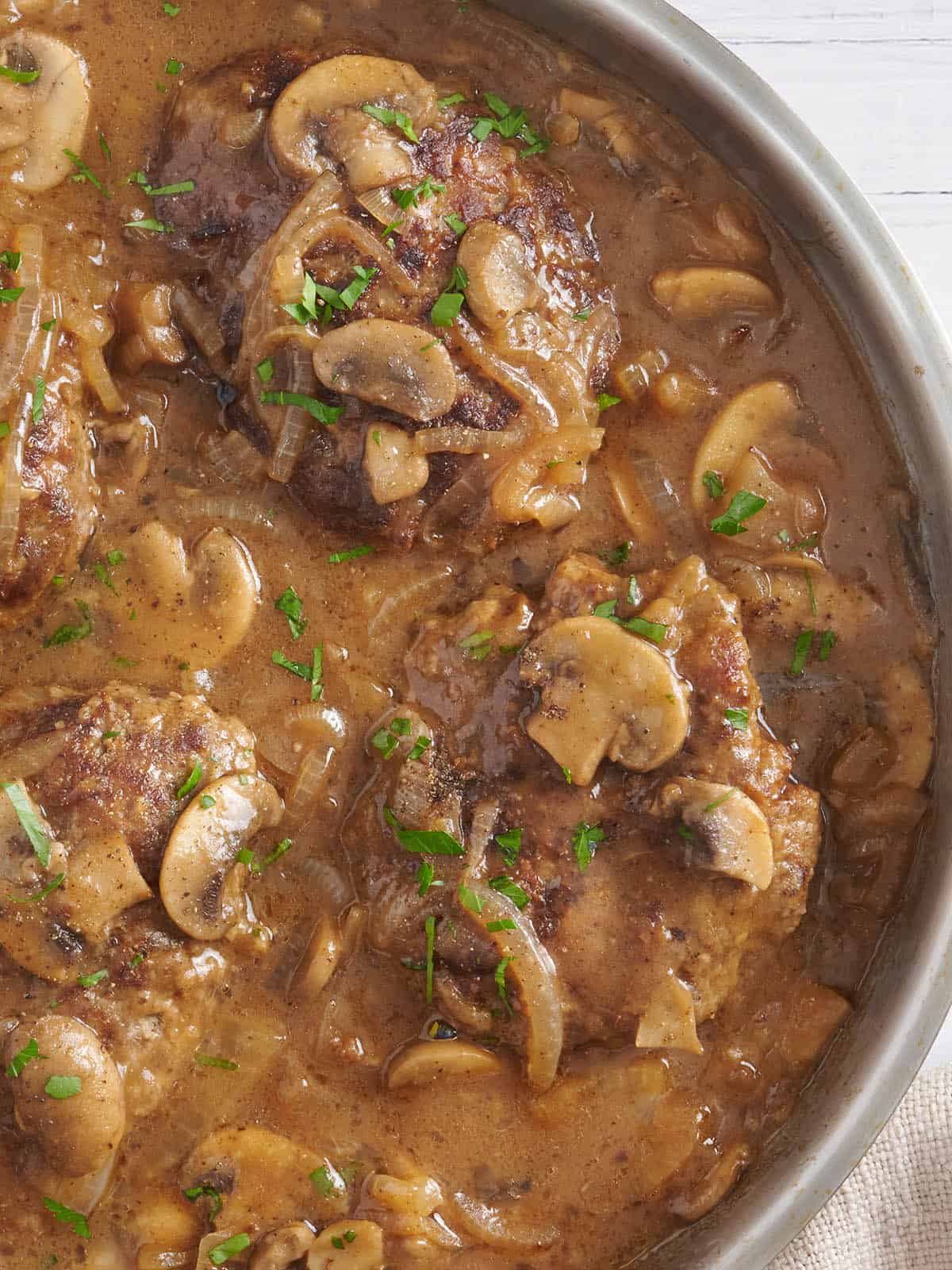
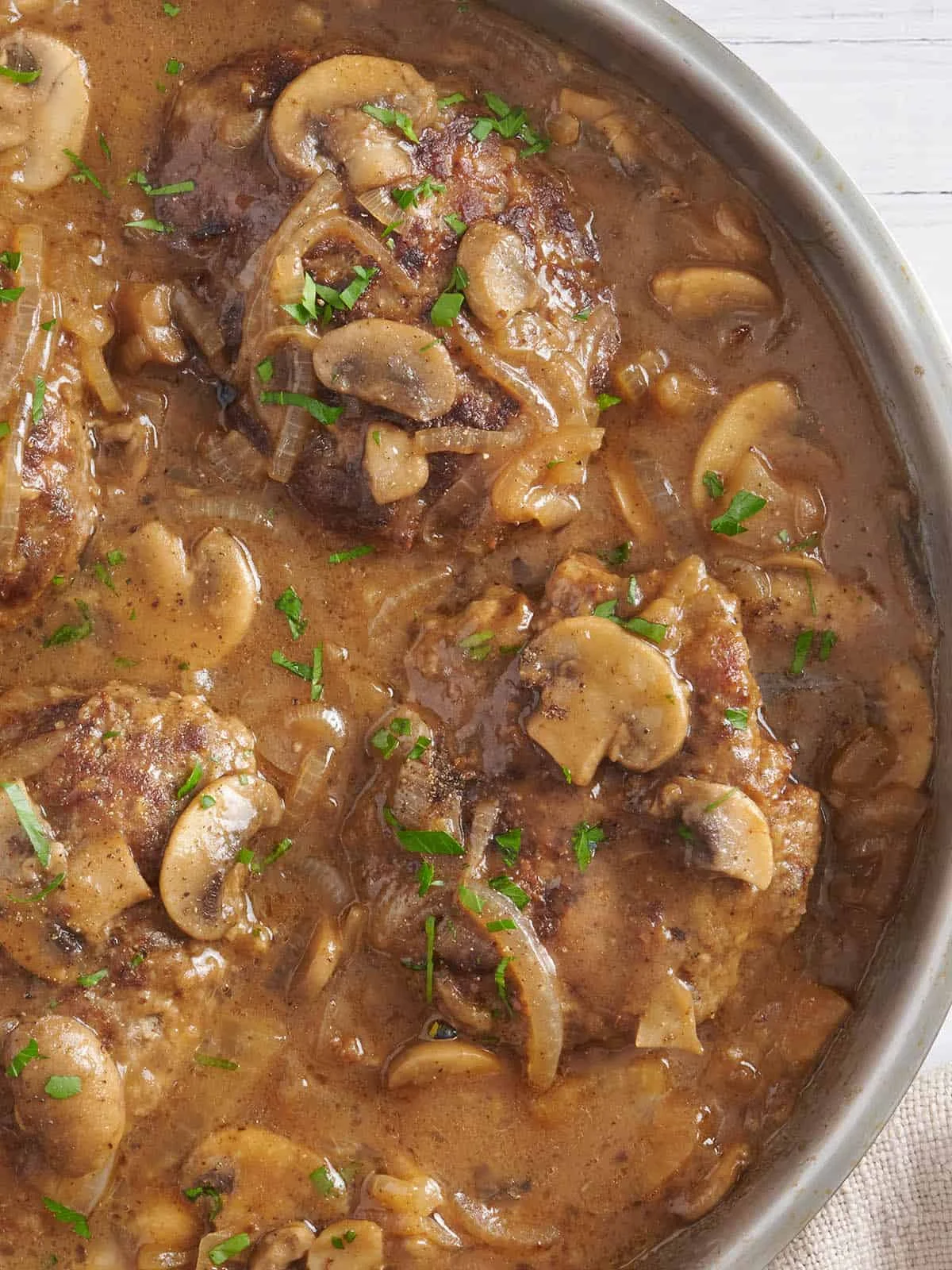
The gravy serves as the dish’s crowning achievement. By utilizing the "fond"—the brown, caramelized bits left in the pan after searing the patties—as a base, the cook builds a sauce that is complex, earthy, and perfectly balanced.
Chronology: A Step-by-Step Culinary Process
To achieve a restaurant-quality result at home, the process must be treated with the same rigor one would apply to a traditional pan sauce.
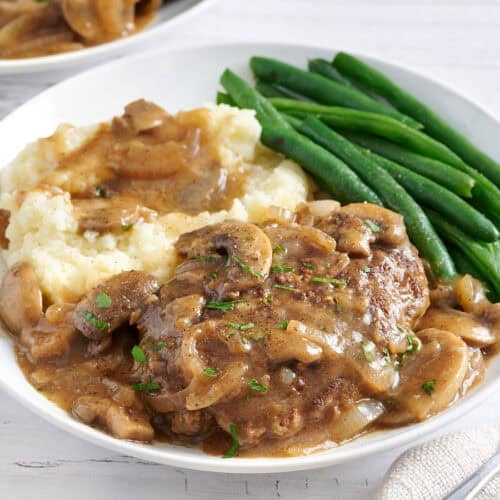
1. Preparation and Mincing
The secret to the perfect texture lies in the onion distribution. A portion of the yellow onion should be finely minced to incorporate into the beef mixture, providing subtle flavor throughout the patty, while the remainder is sliced into strips for the gravy. This dual-use approach ensures every bite is infused with the sweetness of caramelized alliums.
2. The Patty Construction
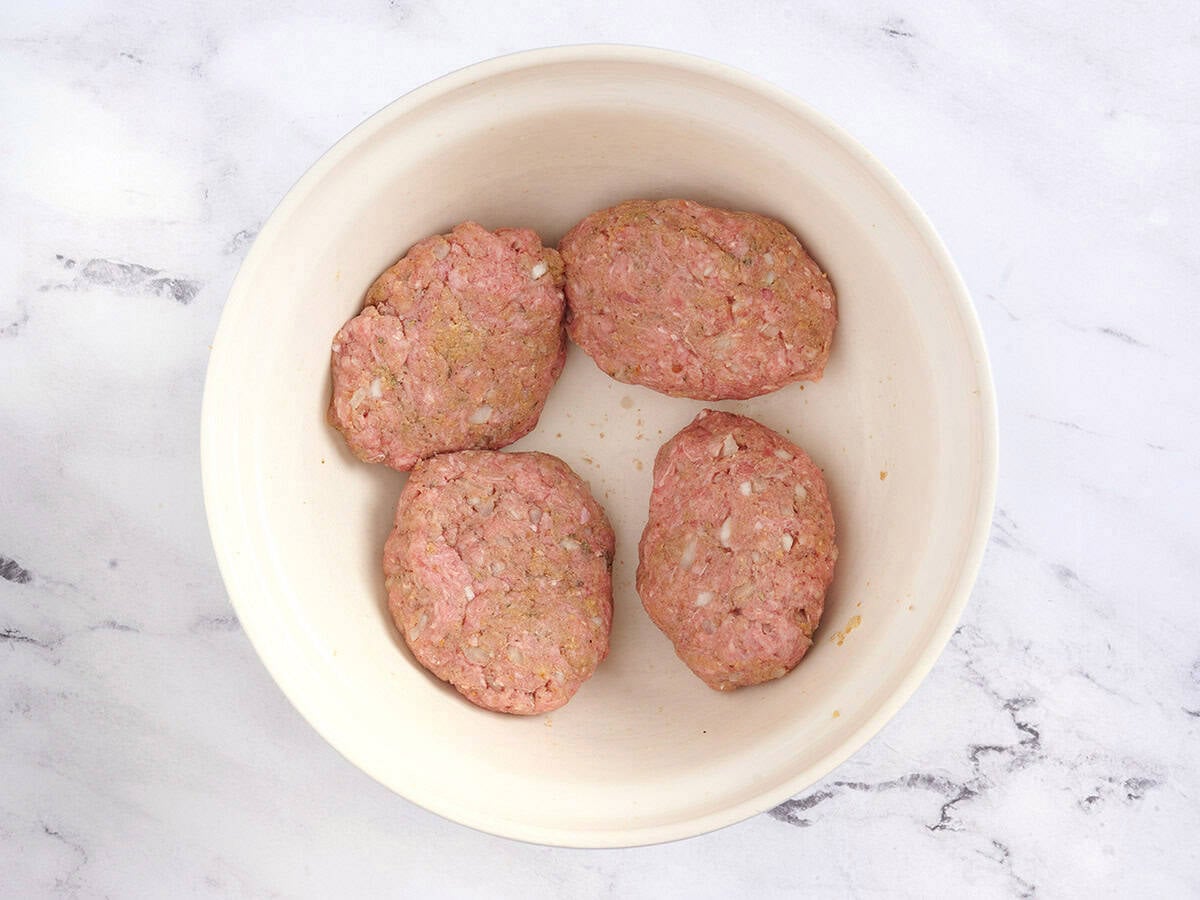
In a mixing bowl, combine one pound of ground beef with the minced onion, a large egg, breadcrumbs, Worcestershire sauce, and seasonings. The key here is restraint: over-mixing will compress the proteins and result in a dense, rubbery patty. Once combined, shape the mixture into four flattened, even ovals. Uniformity is critical; if the patties are of varying sizes, they will not finish cooking at the same rate.
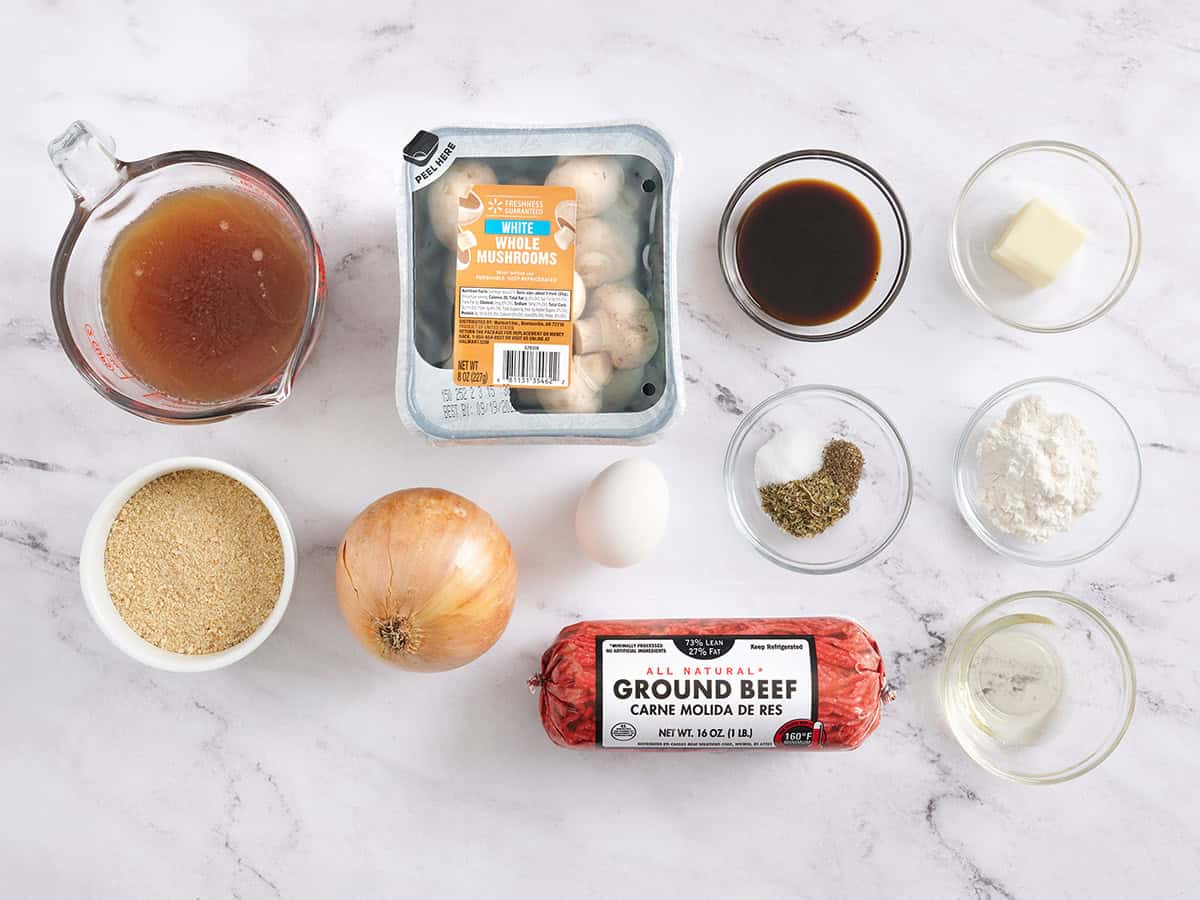
3. The Sear
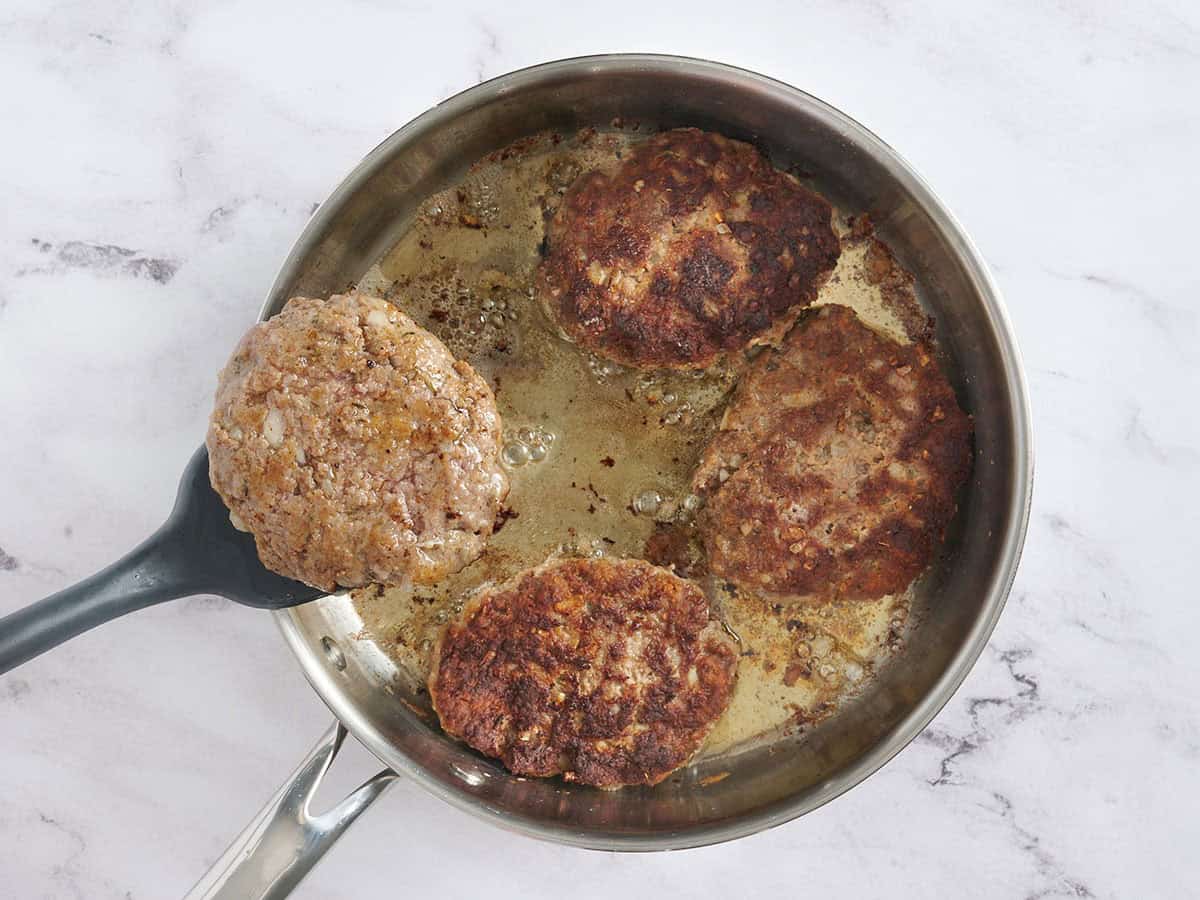
Heat a tablespoon of oil in a heavy-bottomed skillet over medium-high heat. The goal is to achieve a deep, mahogany crust. This browning process is not merely about aesthetics; it is the chemical reaction—the Maillard reaction—that creates the savory base of the gravy. Once seared for five minutes on each side, the patties should be removed to a clean plate.
4. Building the Gravy
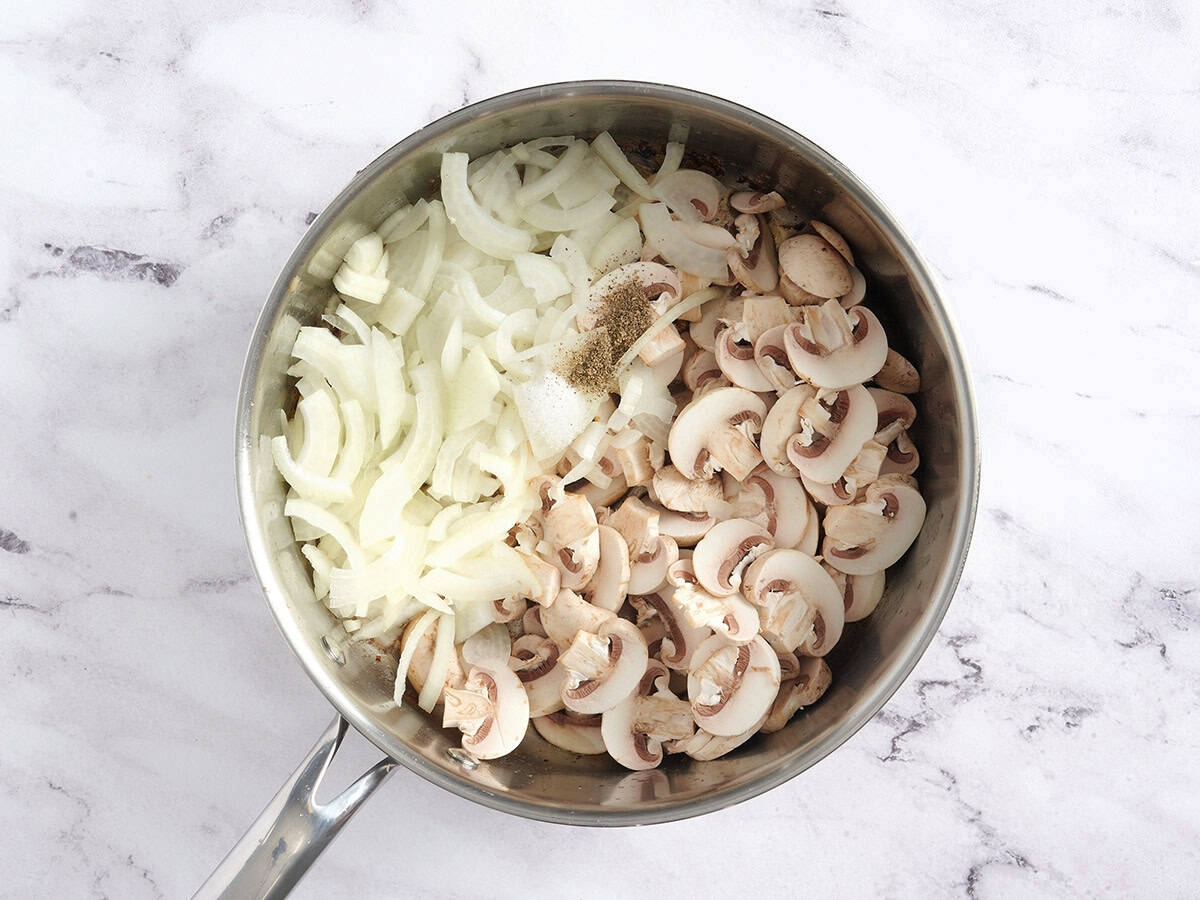
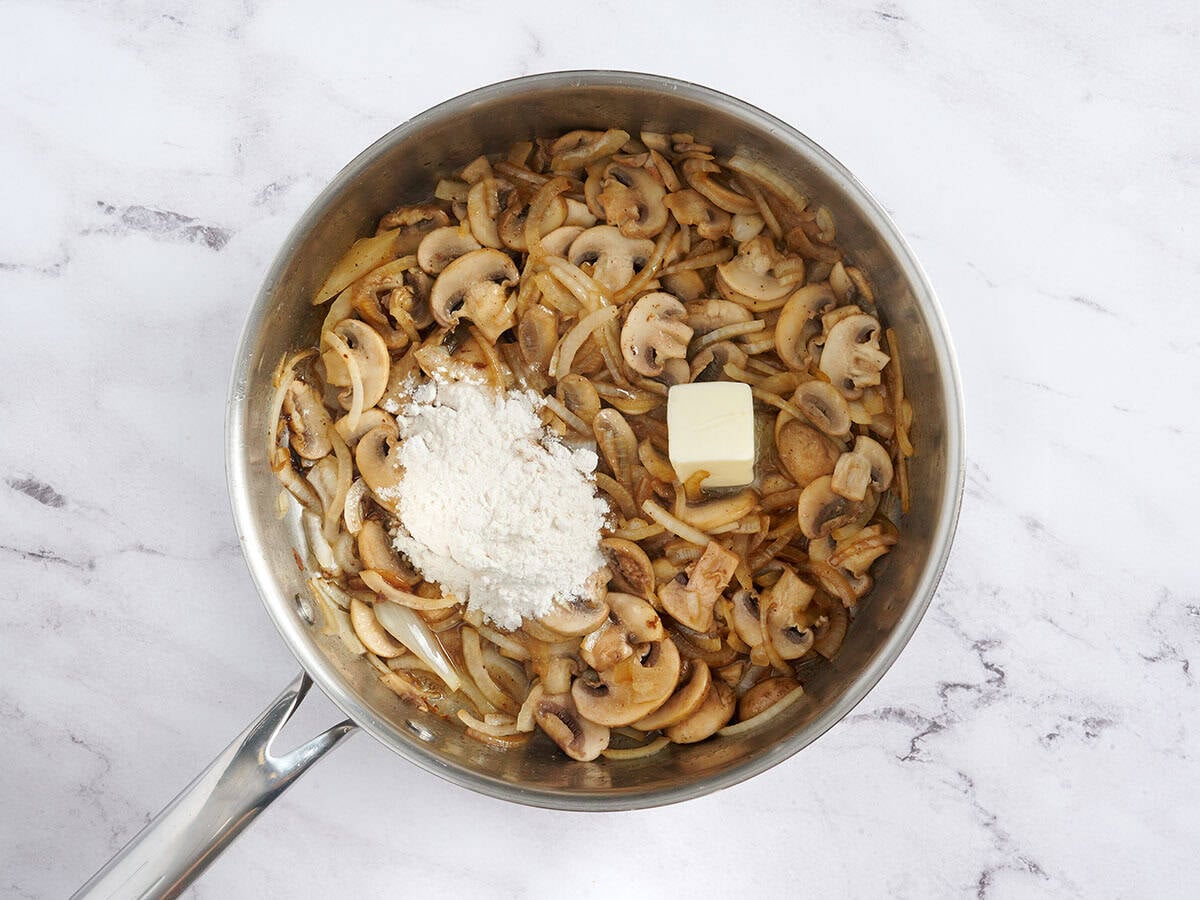
With the skillet still hot, introduce the sliced onions and mushrooms. Sautéing them in the rendered beef fat imparts an unmatched depth of flavor. Once the mushrooms have released their moisture and turned golden, add butter and flour to create a roux. This crucial step thickens the gravy and cooks out the raw taste of the starch. Slowly whisking in beef broth and a final splash of Worcestershire sauce transforms the mixture into a glossy, decadent sauce.
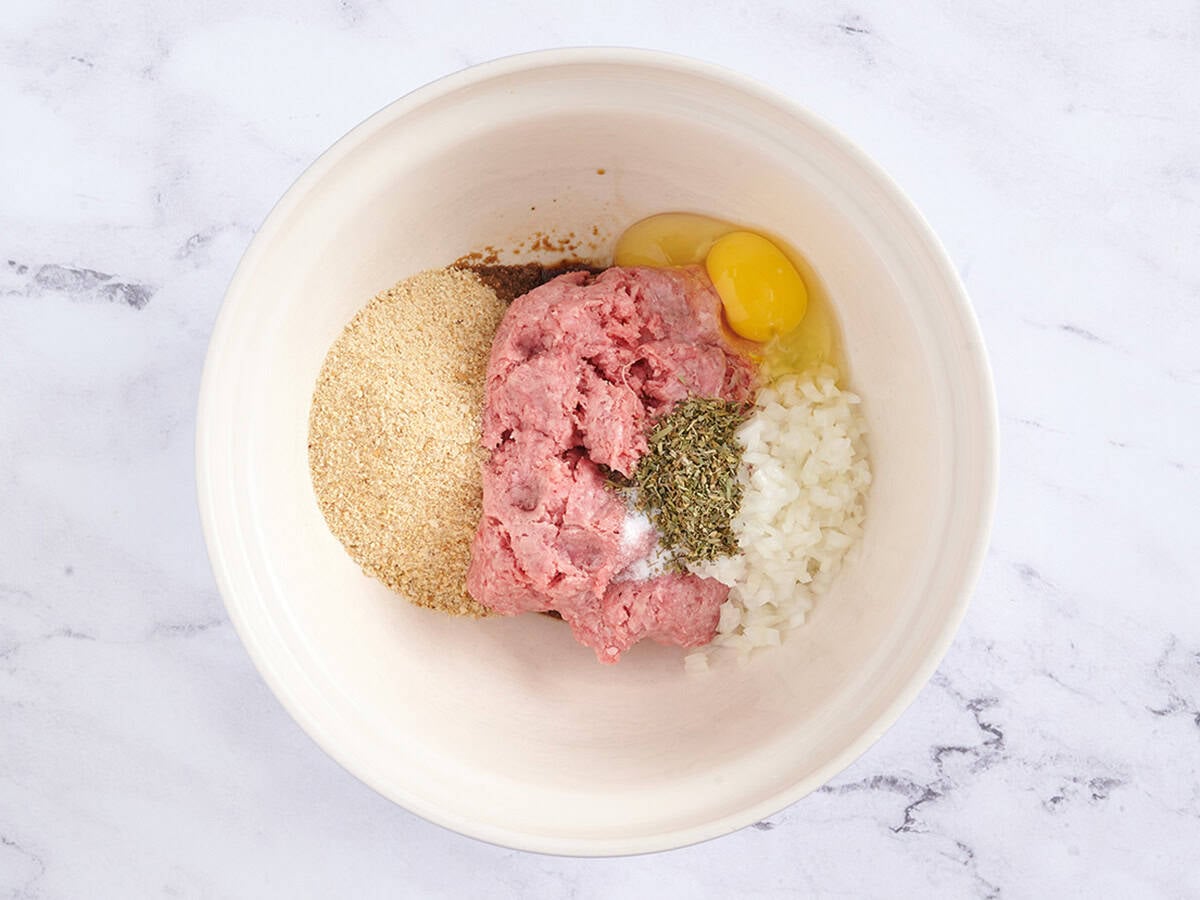
5. The Braise
Finally, return the patties to the skillet, nestling them into the mushroom-onion gravy. A gentle simmer for five minutes allows the beef to finish cooking through while absorbing the flavors of the sauce. The internal temperature should reach 160°F to ensure safety and texture.
Supporting Data and Nutritional Context
A single serving of this homemade Salisbury steak provides approximately 492 kilocalories, with a substantial 26 grams of protein. While it is a calorie-dense dish, its high protein content makes it an excellent recovery meal. By preparing the dish at home, the sodium content—often a hidden drawback in store-bought alternatives—is kept under control, with the average home-prepared portion sitting at roughly 1,123mg.
The cost-effectiveness of this meal is its most compelling metric. At roughly $9.77 for the entire recipe, or $2.44 per serving, it stands as a testament to the fact that high-quality, comforting food does not require a high-end budget.
Professional Insights: The "Budget Bytes" Standard
The success of this recipe is rooted in the rigorous testing protocols of professional test kitchens. By focusing on pantry staples like Better Than Bouillon and versatile mushrooms (both Baby Bella and white button work excellently), the recipe ensures that the home cook is not reliant on expensive, hard-to-find ingredients.
As one home cook, Amanda, noted in a recent review: "I have made this a few times now and it’s great exactly as written. I’ve started using the mushroom gravy for other meals as well; it’s very versatile!" This feedback highlights the true value of mastering the technique: once the roux-based gravy method is learned, it can be applied to chicken, pork chops, or even roasted vegetables.
Implications for the Modern Home Kitchen
The resurgence of the Salisbury steak speaks to a broader cultural shift toward "home-based luxury." In an era of rising food costs, the ability to transform basic ground beef into a meal that feels intentional and indulgent is a valuable skill.
Storage and Scaling
The dish is remarkably resilient to the pressures of a busy schedule. The patties can be shaped up to 24 hours in advance and stored in the refrigerator, allowing for a quick weeknight assembly. Furthermore, the dish freezes exceptionally well. Storing the patties directly in the gravy helps maintain their moisture through the reheating process. For those reheating from frozen, a quick splash of beef broth or water added to the pan will restore the gravy to its original, velvety consistency.
The Perfect Pairing
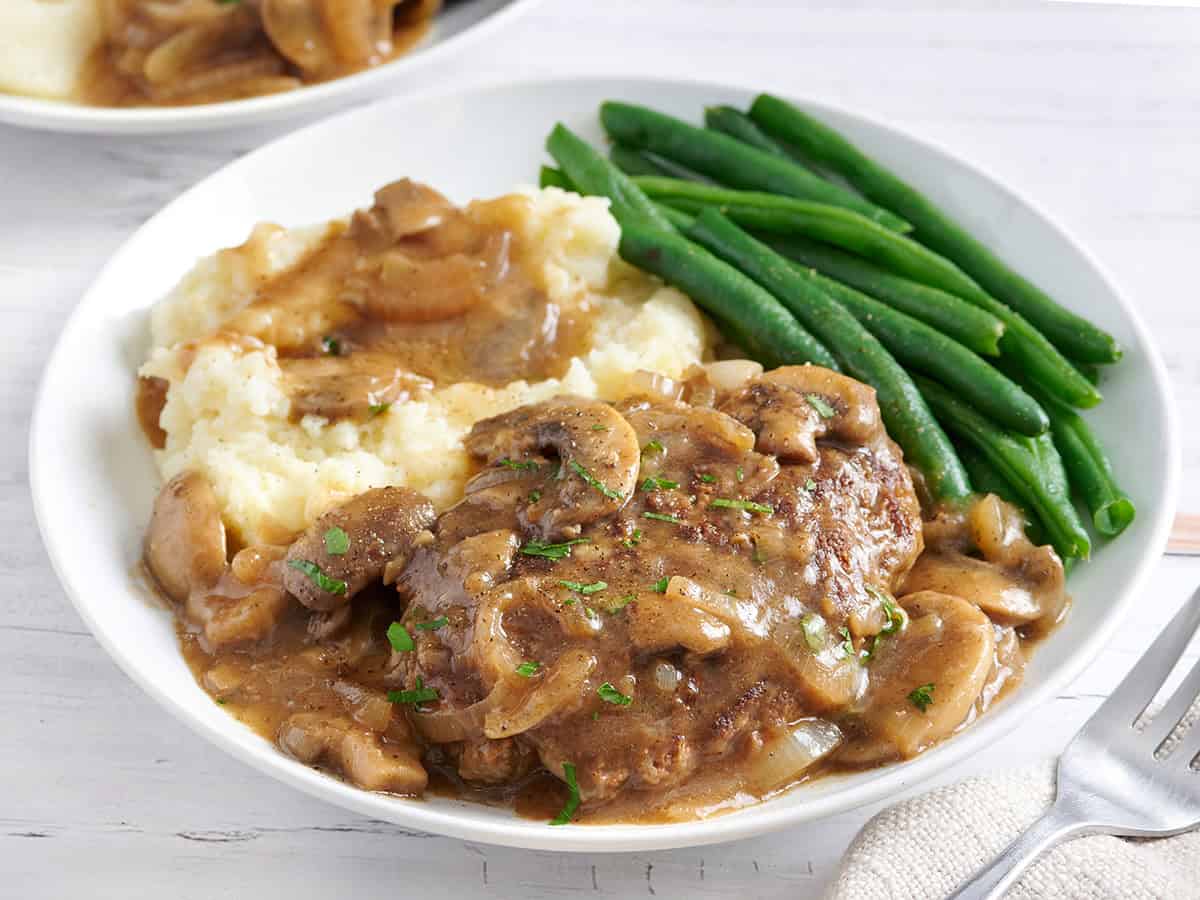
To complete the meal, it is essential to pair the dish with sides that complement the richness of the gravy. Mashed potatoes remain the gold standard, acting as a canvas for the sauce. However, for a more modern, lighter approach, roasted broccoli or air-fried asparagus provide a crisp, vibrant contrast to the savory, umami-laden beef.
By moving past the stigma of the frozen tray, the home cook finds that the Salisbury steak is a timeless, reliable, and deeply satisfying dish that proves you don’t need a butcher’s shop budget to enjoy a meal that feels like a true sit-down event. Whether serving a family or prepping for a week of solo lunches, this recipe stands as a cornerstone of the modern, budget-conscious, and flavor-focused kitchen.