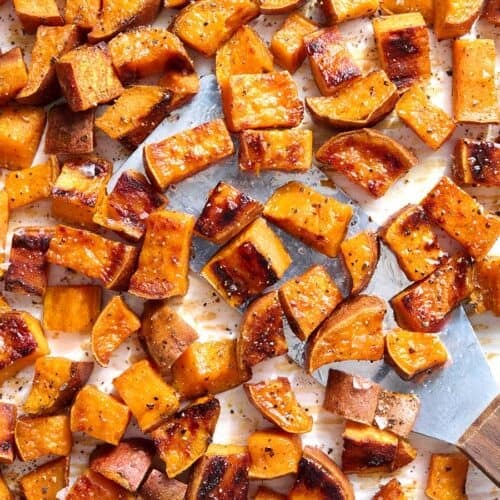
In the modern home kitchen, the quest for the "perfect" side dish often leads to overly complicated recipes involving cornstarch, parboiling, or obscure pantry staples. However, the most effective culinary solutions are frequently the most straightforward. Recent testing at the Nashville Test Kitchen has underscored a fundamental truth in vegetable cookery: with the right technique, a humble sweet potato can be transformed into a caramelized, nutrient-dense centerpiece for less than $3.
By mastering the science of oven thermodynamics and preparation, home cooks can achieve restaurant-quality results—soft, creamy interiors and deeply browned, flavorful edges—without unnecessary steps. This guide examines the essential methodology for achieving this result, the nutritional benefits of the dish, and its broader implications for efficient, cost-effective meal preparation.
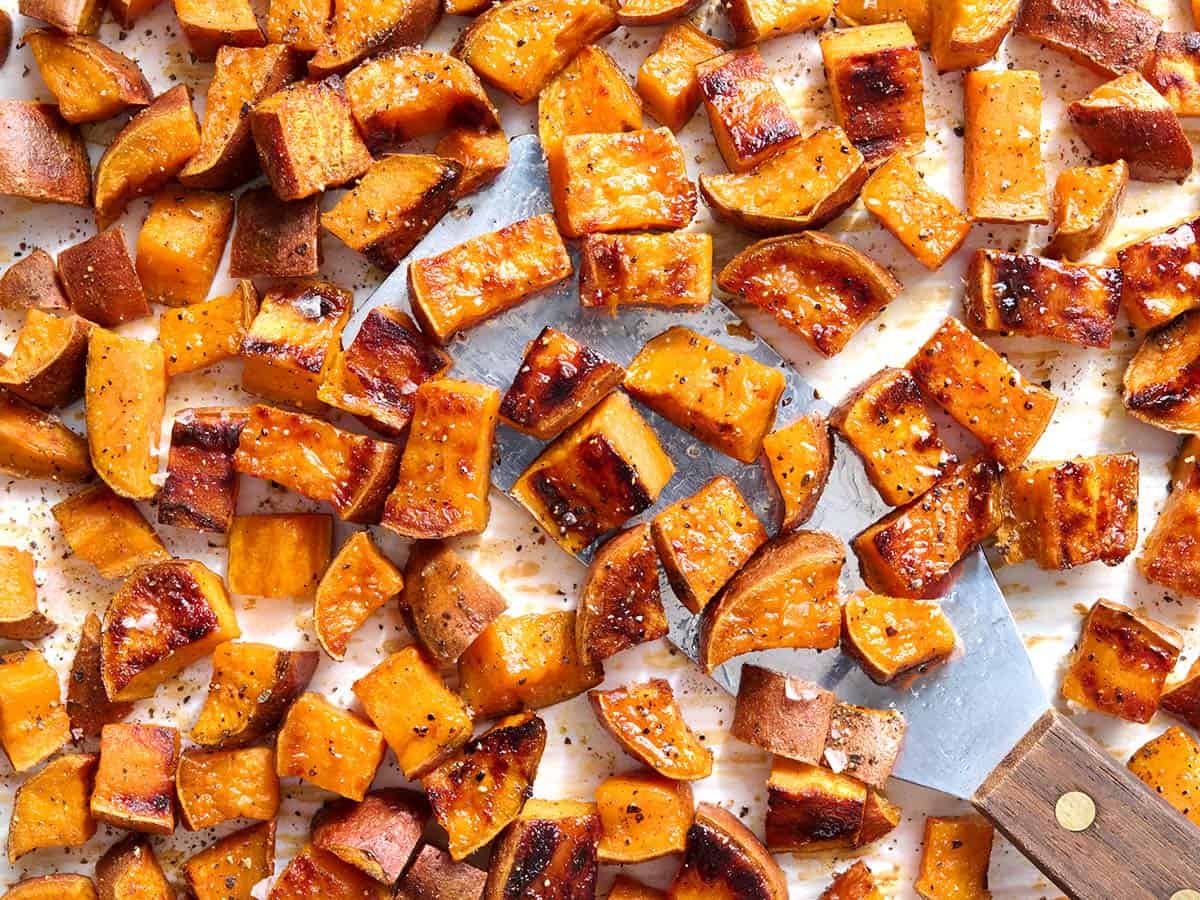
The Science of the Sear: Technical Methodology
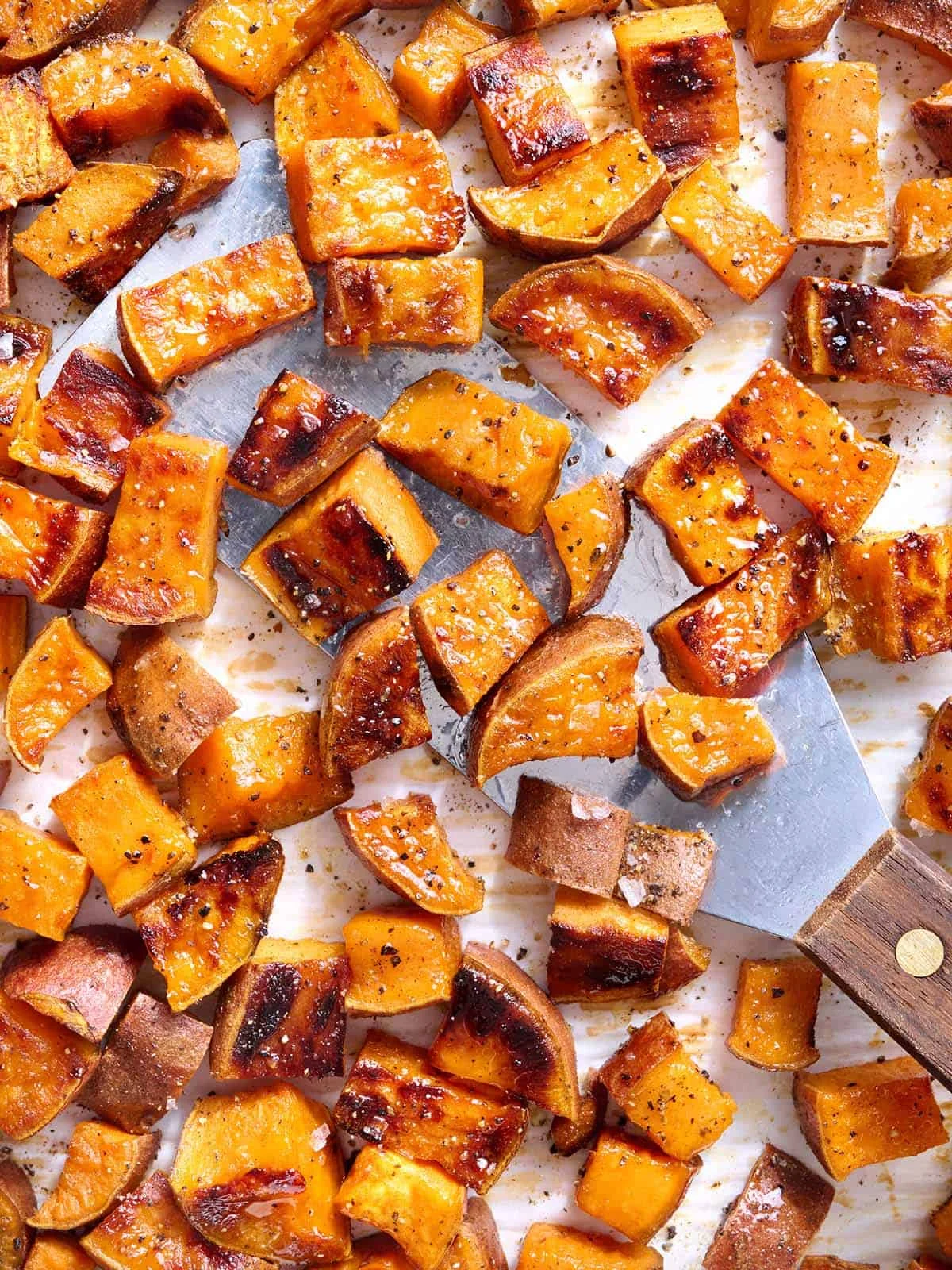
To achieve the ideal roasted sweet potato, one must move beyond simple roasting and into the realm of precise heat management. According to Chef Jess Rice, the secret to success lies in a "pre-heated" approach. By placing an empty metal sheet pan into the oven while it preheats to 450°F, the surface of the pan becomes a thermal battery.
When the oiled, cubed potatoes contact the scorching metal, the Maillard reaction—a chemical process between amino acids and reducing sugars—begins immediately. This process is responsible for the deep, complex flavors and the coveted browning that defines high-quality roasting.
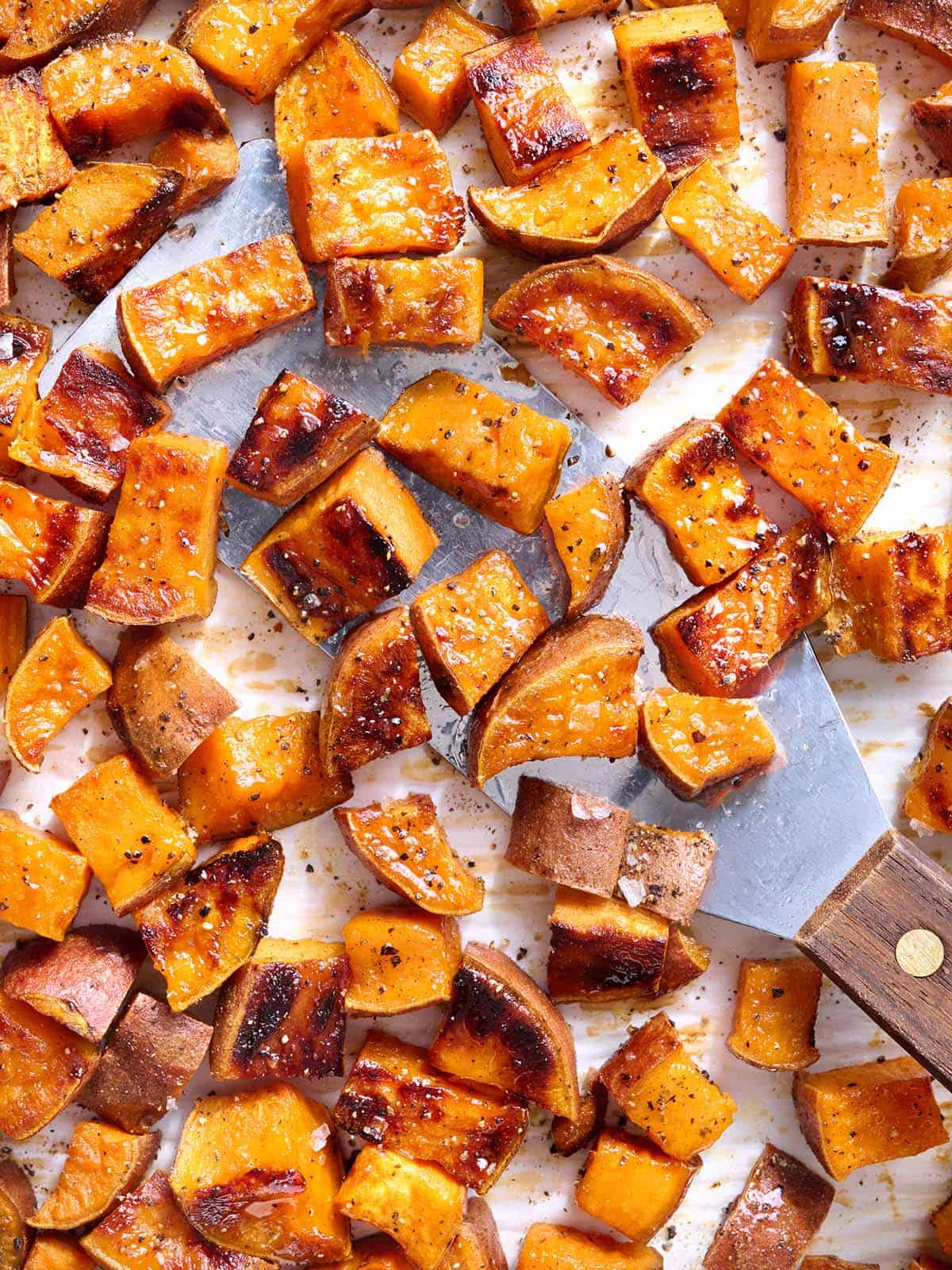
Essential Preparation Protocols
The technical integrity of the dish depends on three primary variables:
- Moisture Control: Sweet potatoes are high in natural water content. If the surface of the cubes remains damp, the potato will steam within its own moisture, resulting in a pale, flaccid texture. Thorough drying is non-negotiable.
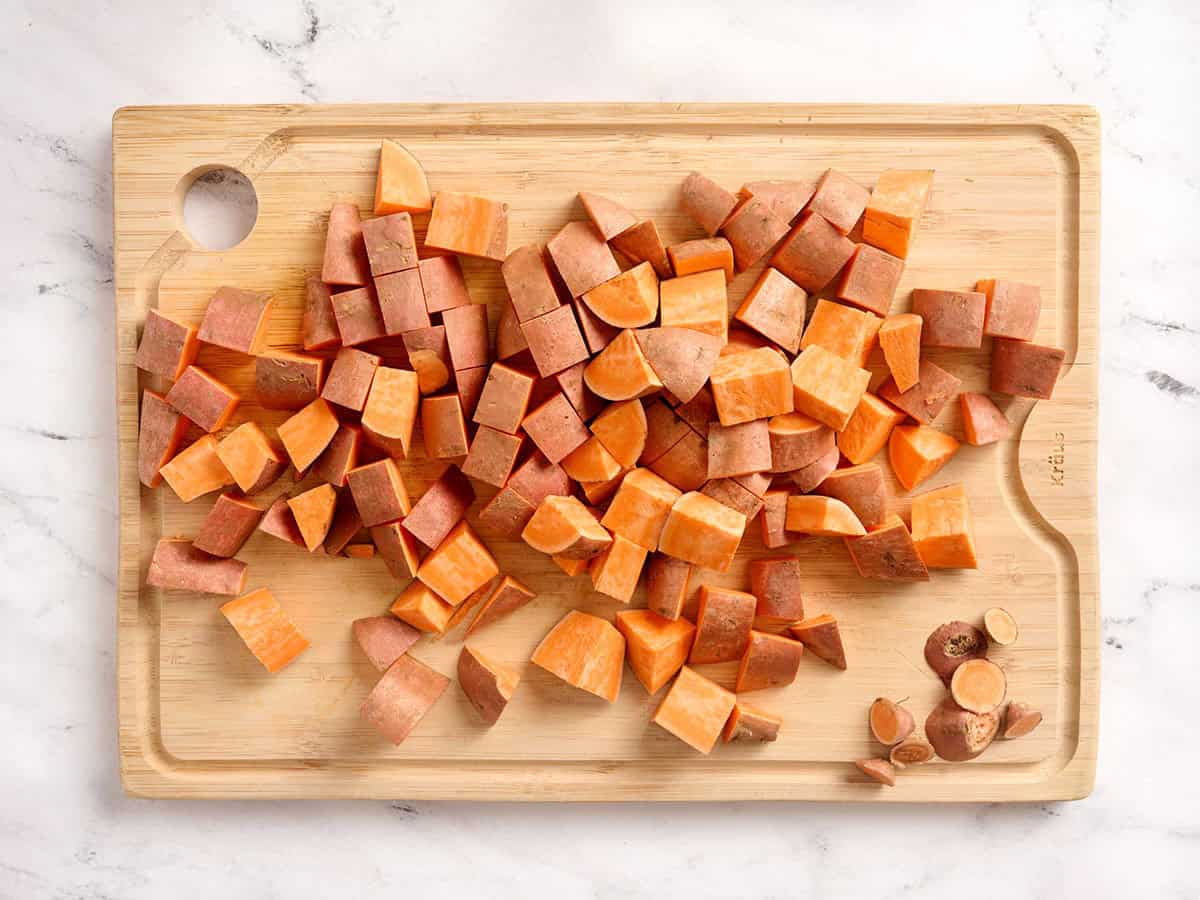
- Even Surface Area: Uniformity in cutting—ideally into ½- to 1-inch cubes—ensures that the vegetables cook at the same rate. Uneven sizes lead to a frustrating experience where some pieces are burnt while others remain raw.
- Spatial Awareness: Overcrowding a pan is the primary cause of "stewing." By ensuring there is adequate space between each cube, the hot air can circulate freely, ensuring that the moisture evaporates quickly, allowing the exterior to crisp.
Chronology of the Roast
The preparation process is optimized for efficiency, clocking in at approximately 40 minutes from start to finish.
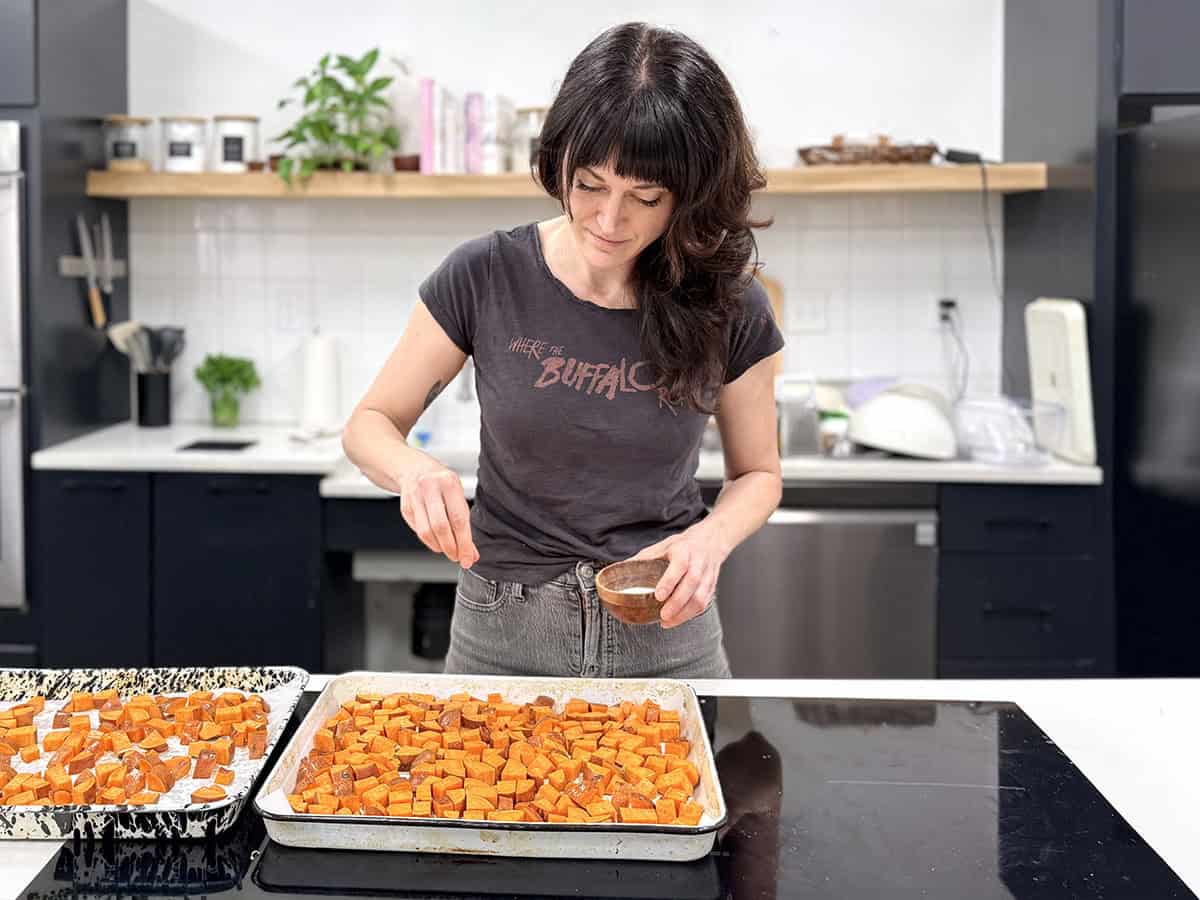
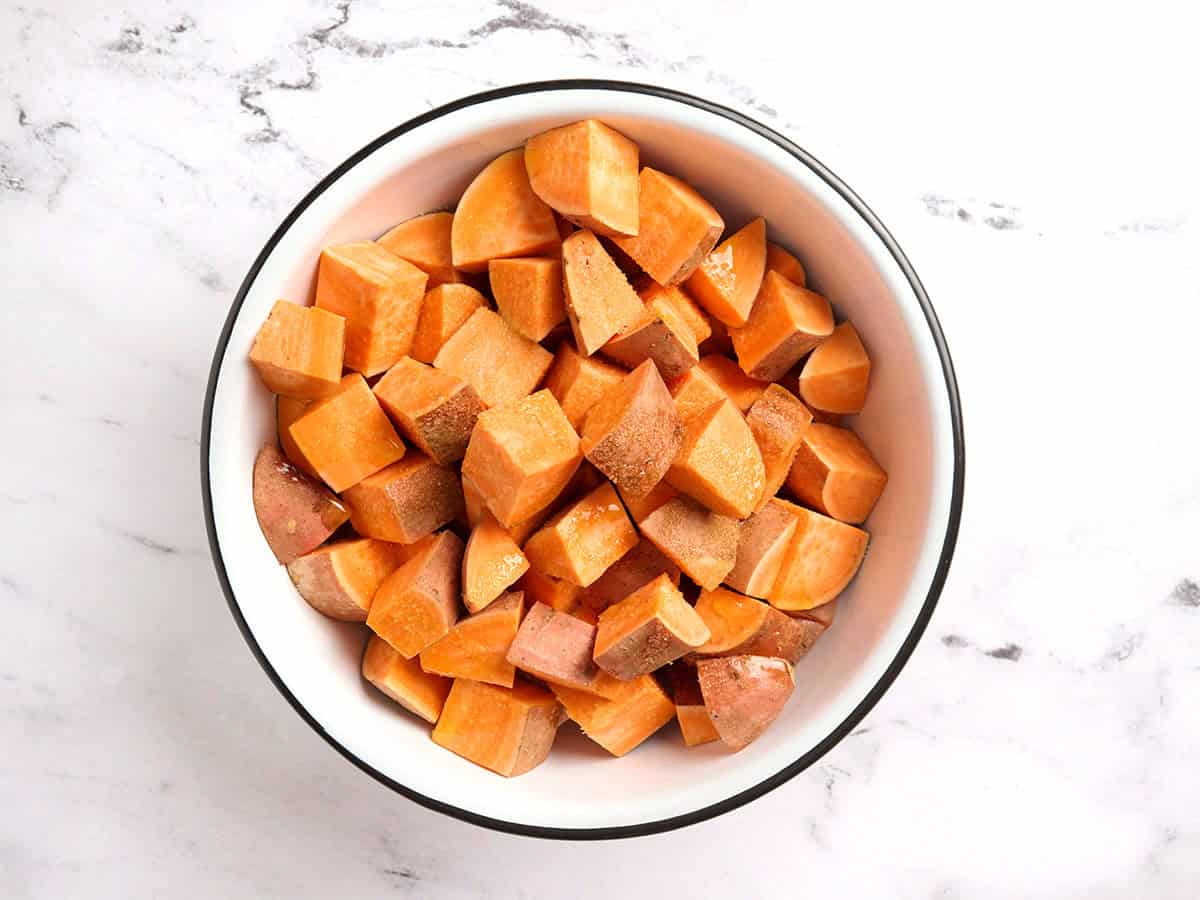
- 0–10 Minutes (Preheat & Prep): While the oven reaches 450°F with the sheet pan inside, the potatoes are scrubbed, dried, and cubed. This phase also includes the essential coating process: tossing the cubes in olive oil and a dash of salt. The oil serves as a conductive medium, ensuring heat is transferred evenly across the surface of the vegetable.
- 10–25 Minutes (Initial Sear): The potatoes are spread onto the preheated pan. During this initial 15-minute window, the oven should not be opened. The goal is to allow the bottom side of the potato to achieve a firm, caramelized crust without interference.
- 25–35 Minutes (The Flip): A single flip is required to ensure the opposite side receives equal exposure to the heat.
- 35–40 Minutes (The Finish): A final 10-minute blast completes the process, rendering the center soft and creamy.
Nutritional Profile and Dietary Implications
Beyond their convenience and affordability, sweet potatoes are a nutritional powerhouse. Often misunderstood as mere "comfort food," they are rich in dietary fiber, vitamin C, potassium, and beta-carotene.
For families with young children, the natural sweetness of the vegetable serves as a bridge for healthy eating habits. Rather than relying on added sugars or artificial flavor enhancers, the roasting process concentrates the natural sugars within the root vegetable, creating an appealing flavor profile that satisfies the palate without the metabolic downsides associated with added sweeteners.
Supporting Data: Economic Efficiency
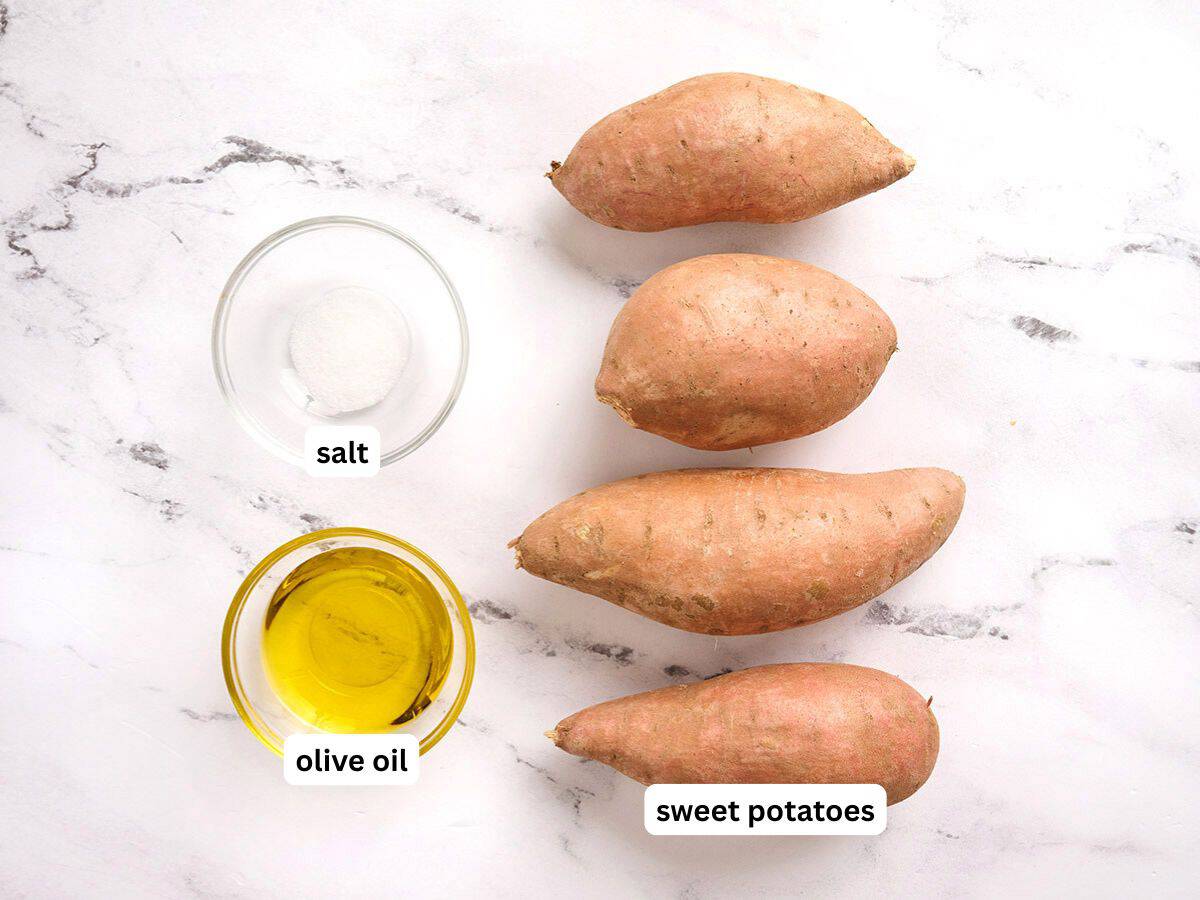
In an era of rising food costs, the "3-ingredient" approach—sweet potatoes, oil, and salt—provides a significant advantage for budget-conscious households. A full, four-serving batch costs approximately $2.63, or $0.66 per serving.
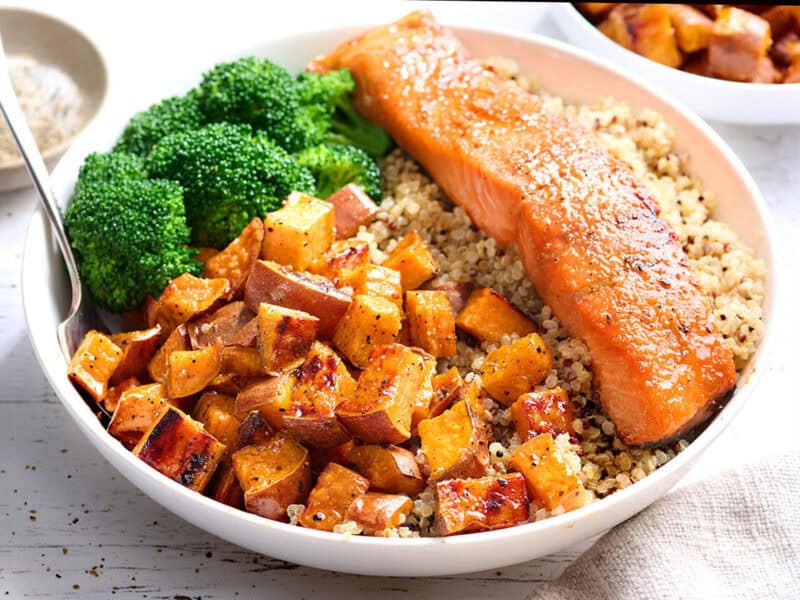
This low price point makes the dish a highly versatile base for diverse culinary applications. Whether functioning as a substitute for refined carbohydrates like pasta or white rice, or serving as the foundation for a "power bowl," these potatoes offer a scalable solution for meal planning.
Expert Insights and Culinary Versatility
Chef Jess Rice, a veteran of the culinary industry with experience ranging from private catering to running a high-end raw vegan restaurant, emphasizes that the simplicity of the base recipe is its greatest strength.
"The goal of this recipe is to provide a reliable, ‘back-pocket’ technique," says Rice. "Because the flavor profile is neutral and inherently sweet, it acts as a blank canvas."
Flavor Customization
While the basic iteration relies on salt and olive oil, the dish is designed to accept a wide variety of seasonings. To adapt the dish to specific meal themes, consider the following:
- Savory & Earthy: Smoked paprika, garlic powder, and a hint of cumin.
- Warm & Aromatic: Cinnamon, nutmeg, and a touch of maple syrup (added in the final minutes to avoid burning).
- Global Influences: A curry powder blend or a pre-mixed taco seasoning can transform the potatoes into a component for international dishes.
Note: When adding pre-mixed seasonings, always account for the sodium content already present in the blend to avoid over-salting.
Meal Prep and Storage Implications
The logistical challenge of meal prep is often the sogginess that occurs during reheating. The professional approach to storing these potatoes is twofold:
- Temperature Management: Allow the potatoes to reach room temperature before sealing them in an airtight container. This prevents the "greenhouse effect," where residual heat creates condensation that ruins the crisp texture.
- Reheating Strategy: While the microwave is convenient, it is the enemy of texture. Utilizing an air fryer or a conventional oven at 350°F is the gold standard for restoring the "fresh-roasted" sensation. For those working from an office, a toaster oven can provide the necessary dry heat to revive the caramelized edges.
The Broader Context: Sustaining Home Cooking
The rise of such simplified, high-efficiency recipes reflects a shift in modern cooking trends. As consumers face increased time constraints, the focus has moved toward "modular" cooking—creating base ingredients that can be repurposed throughout the week.
A single batch of roasted sweet potatoes can be transitioned from a side dish for pan-seared chicken on Monday to a topping for a kale salad on Wednesday, or the main component of a breakfast bowl on Friday. This versatility reduces food waste, lowers the per-meal cost, and encourages consistent home cooking habits.
By focusing on the fundamental principles of heat, surface area, and moisture management, the home cook can elevate a simple vegetable into a reliable, delicious, and deeply economical staple. The transition from a "cooking chore" to a "culinary craft" begins with the willingness to abandon unnecessary complexity in favor of precision. As these Nashville-tested techniques demonstrate, the best way to cook is often the simplest way, provided it is done with an understanding of the science at play.