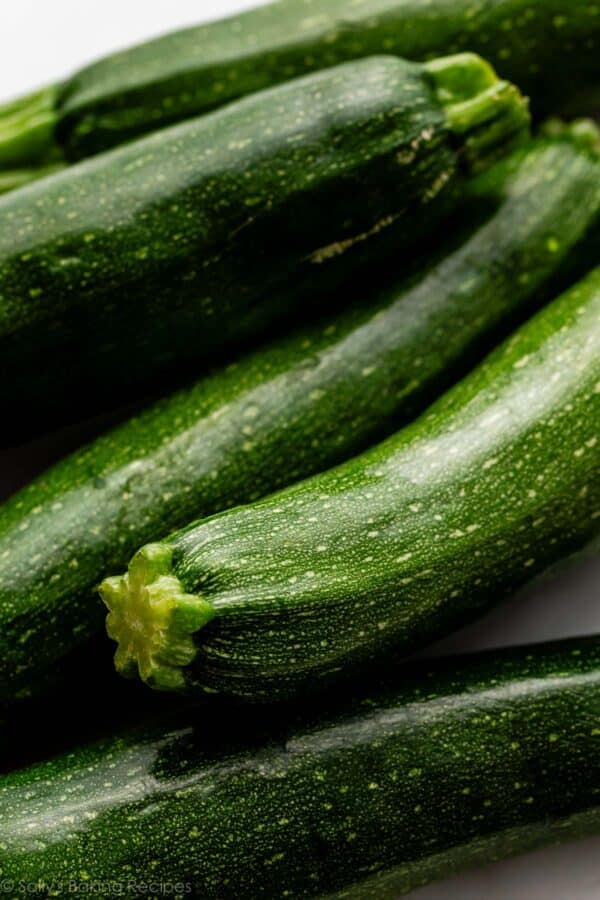
It is a familiar late-summer scene: the backyard garden is overflowing, or the local farmers’ market stalls are stacked high with long, slender, dark green squash. For many home cooks, the arrival of peak zucchini season presents a recurring dilemma: what to do with the sheer volume of produce? Often dismissed as a mere filler ingredient or a simple side dish, the zucchini is arguably the most underrated culinary asset in the modern kitchen. From its ability to disappear into decadent desserts to its capacity to anchor savory, gourmet-level meals, this “Most Valuable Veggie” (MVV) is finally receiving the recognition it deserves.

Main Facts: The Anatomy of a Culinary Chameleon
Zucchini, a summer squash belonging to the Cucurbitaceae family, is a culinary marvel primarily due to its high water content and neutral flavor profile. Unlike heartier root vegetables that dictate the flavor of a dish, zucchini acts as a blank canvas.

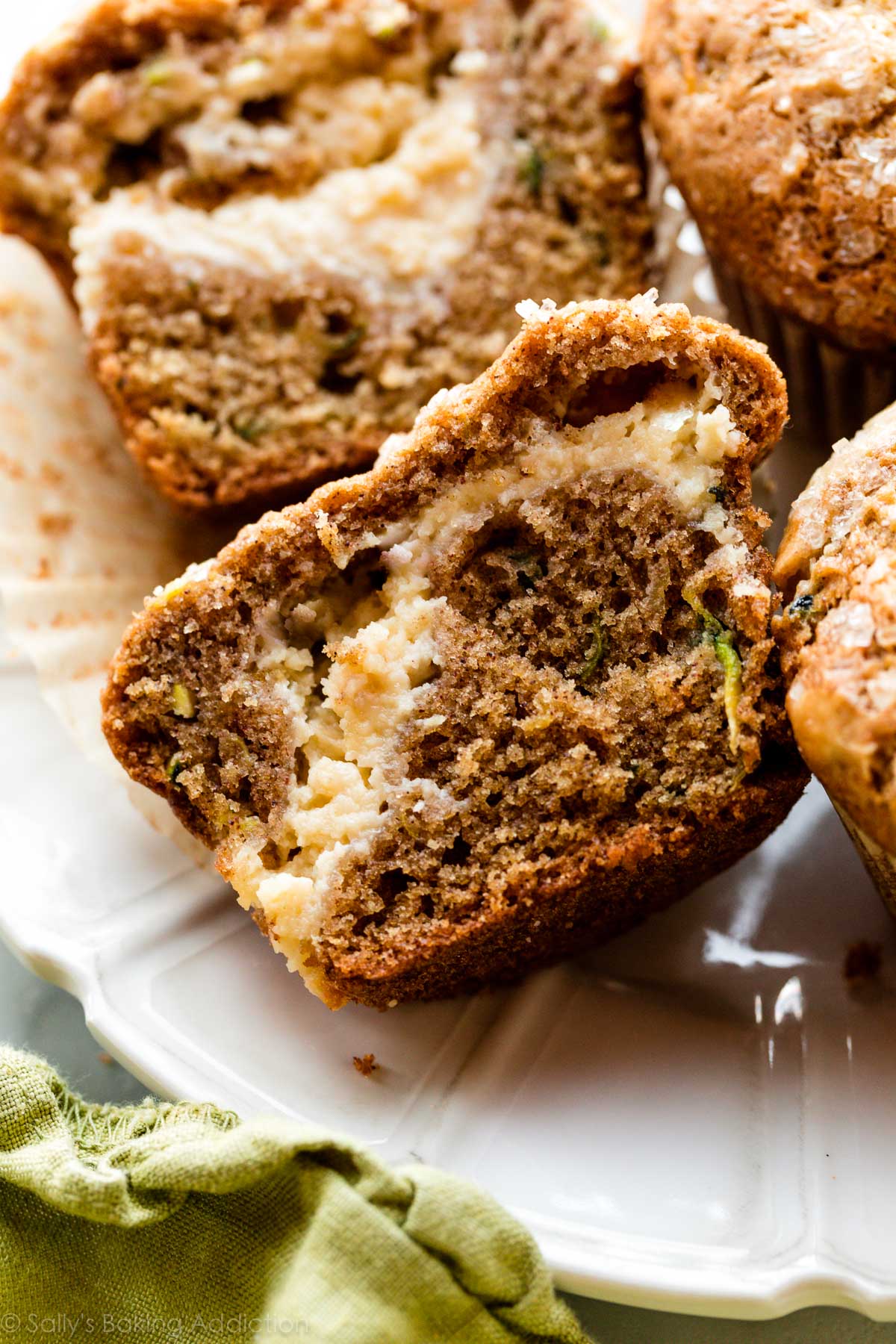
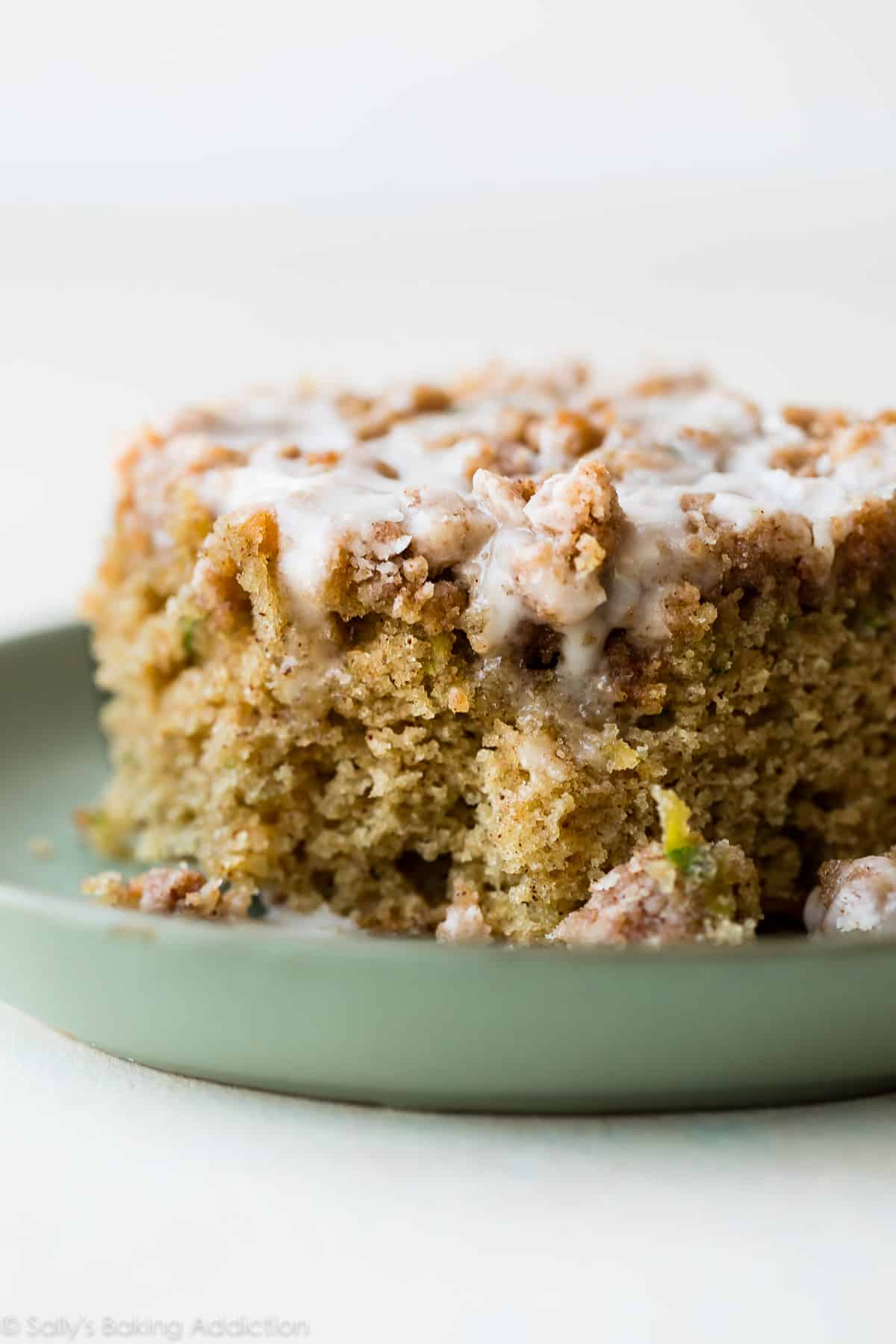
When shredded, it releases moisture that, when balanced correctly, provides a luxurious, tender crumb in baked goods—much like the role of carrots in a classic carrot cake. This property makes it an ideal “stealth” ingredient. In recipes ranging from double chocolate breads to savory muffins, the zucchini dissolves into the batter, leaving behind a moist, dense texture that even the most discerning skeptics—and children—often fail to detect.

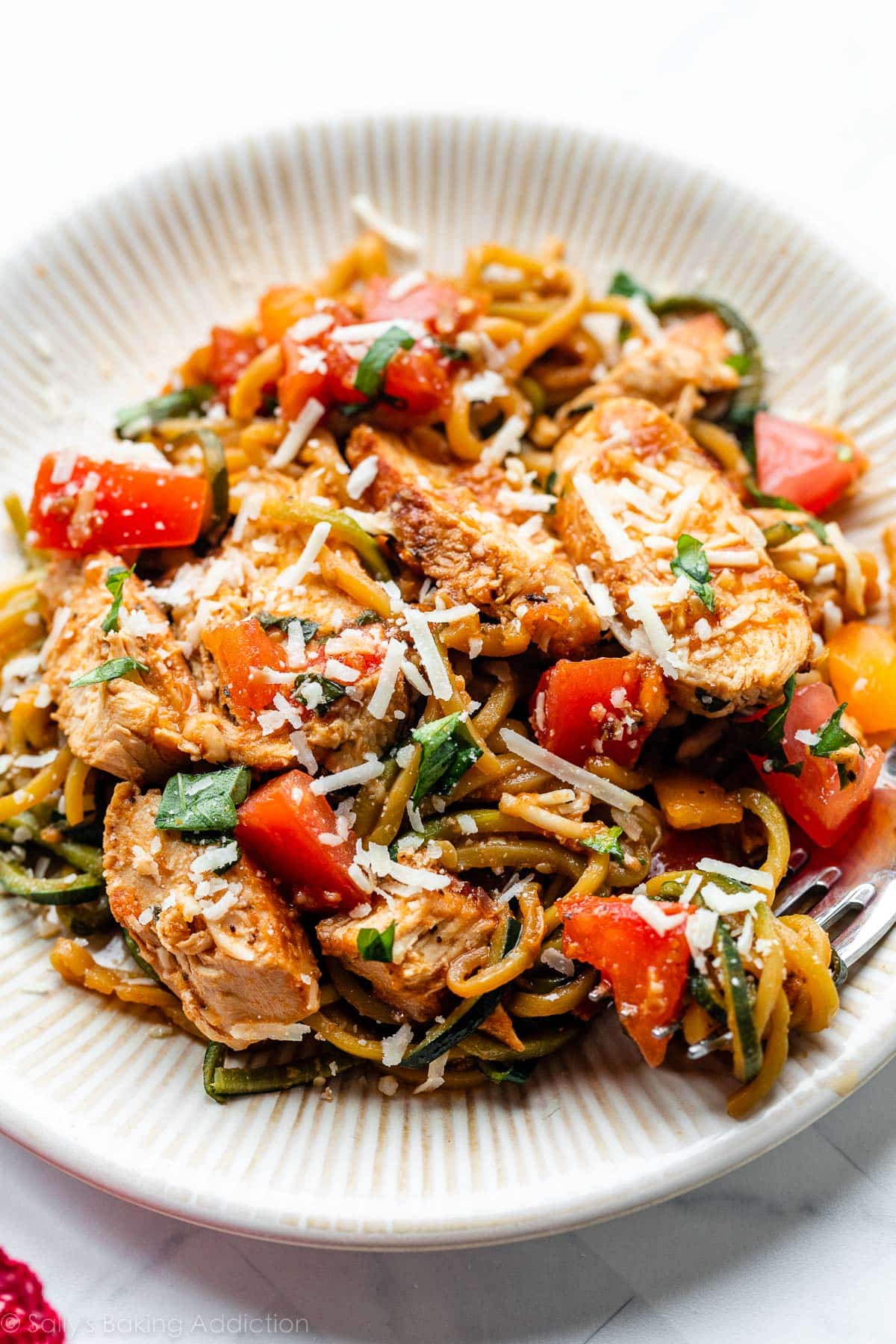
Beyond its baking utility, its structural integrity allows it to be sliced, roasted, spiralized, or grilled. Whether it is acting as a gluten-free noodle substitute or the star of a cheesy, herb-infused casserole, its versatility is unmatched in the plant kingdom.
A Chronology of the Zucchini Trend
The rise of the zucchini in domestic kitchens has been a slow but steady evolution.
- The Early Years: Historically, zucchini was utilized primarily in Italian Mediterranean diets, often sautéed simply with garlic and olive oil or featured in traditional ratatouille.
- The 1980s–1990s: Zucchini gained traction in the United States as a staple of health-conscious baking, often appearing in “healthier” quick breads alongside bran or whole-wheat flour.
- The 2010s (The "Zoodle" Revolution): The emergence of spiralizing technology transformed the vegetable into a legitimate pasta replacement, catering to the burgeoning keto and low-carb movements.
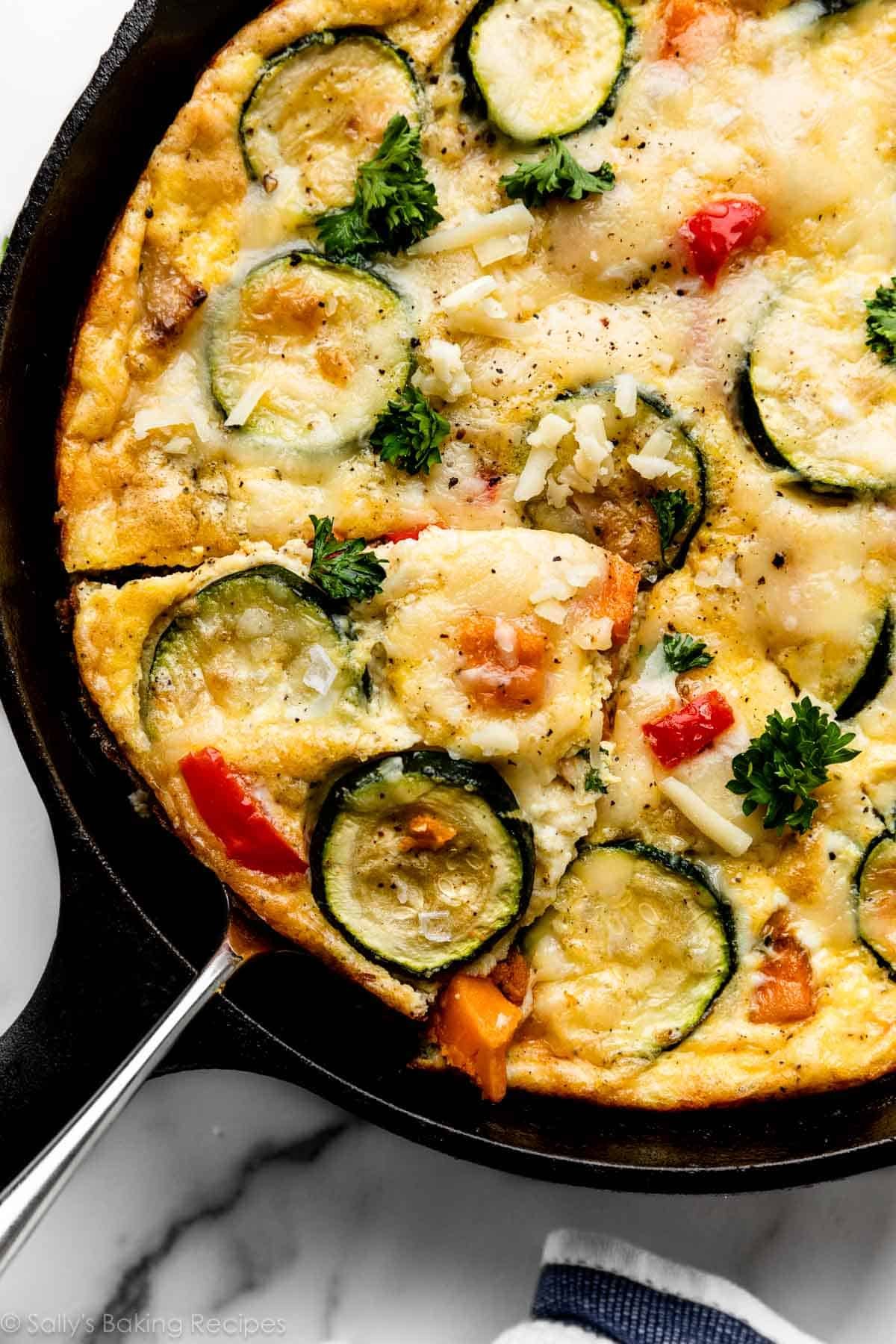
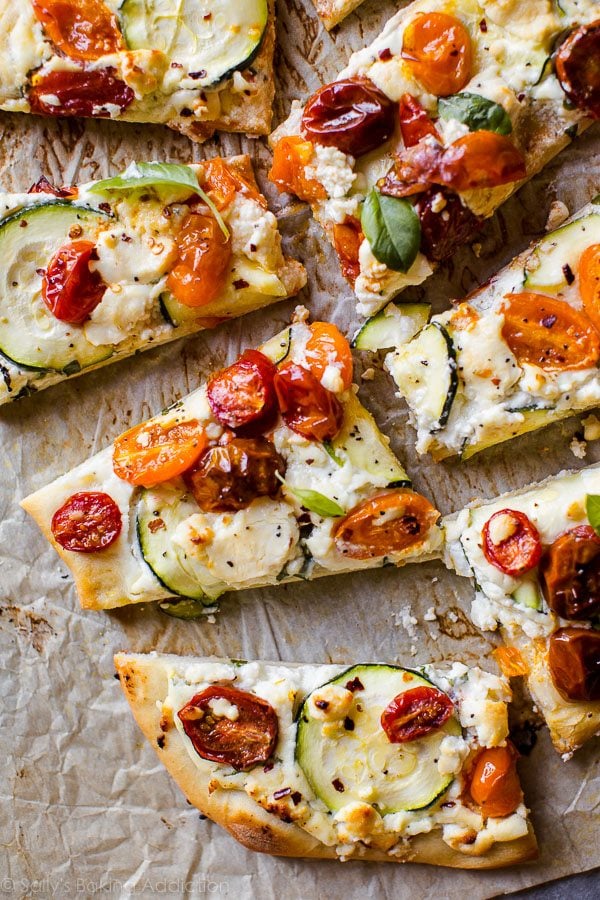
- The 2020s (Modern Culinary Integration): Today, we have moved beyond simple bread. The current landscape sees zucchini integrated into complex culinary structures: savory biscuits, sophisticated flatbreads, and even high-end, flavor-forward breakfast frittatas.
Supporting Data: Why It Works
The secret to mastering zucchini lies in understanding its chemistry. Because zucchini is roughly 95% water, the primary challenge for any cook is moisture management.
The Art of Shredding and Straining
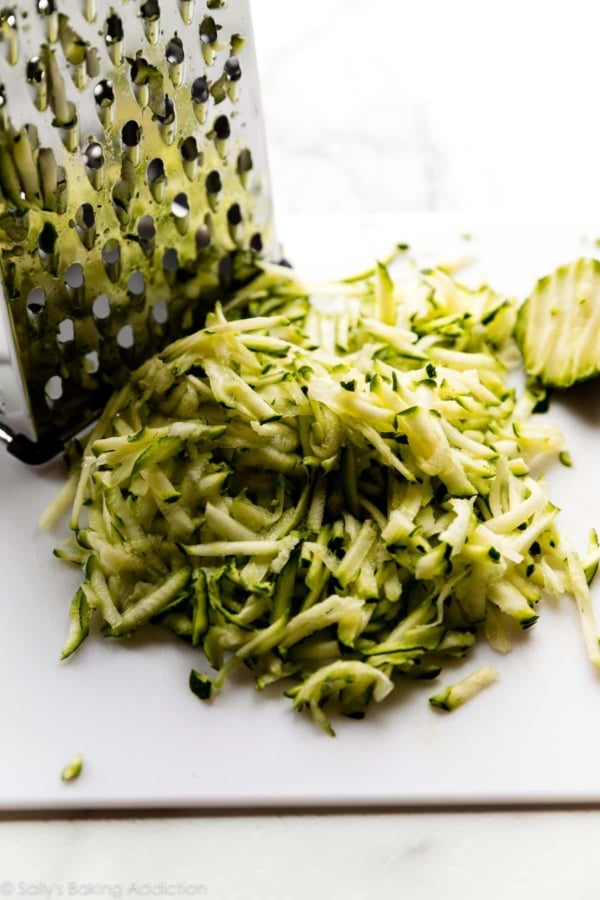
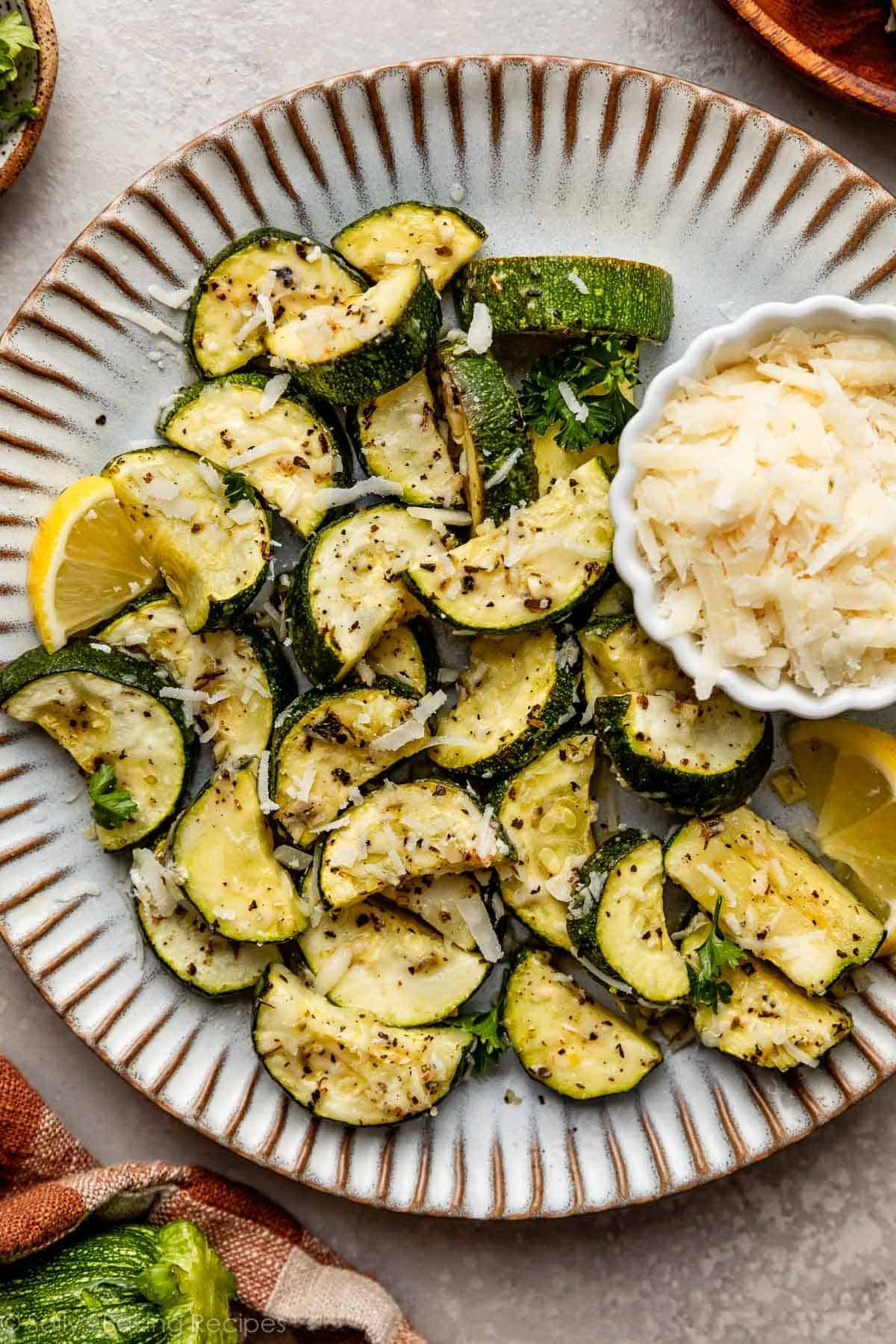
For recipes requiring shredded zucchini, the technique is paramount. Culinary experts recommend using a standard box grater to achieve the ideal shred size. Once shredded, the vegetable must be pressed between layers of paper towels or a clean kitchen linen to extract excess liquid. Failing to do so can result in soggy baked goods or watered-down sauces.

Freezing for the Off-Season
The versatility of the vegetable extends to its shelf life. If you have a surplus, you do not need to use it all at once. Shredded zucchini can be portioned into zipped-top bags and frozen for three to four months. By flattening the bags before freezing, you not only save freezer space but also ensure a quicker, more even thaw when you are ready to bake in the middle of winter.
Expert Perspectives and Culinary Applications
The consensus among professional bakers and home chefs is that zucchini’s value lies in its “hidden” potential. It provides structural support to baked items without the need for excessive fats.

For those looking to explore the full breadth of the squash, consider the following categories of application:
1. The Sweet Spectrum
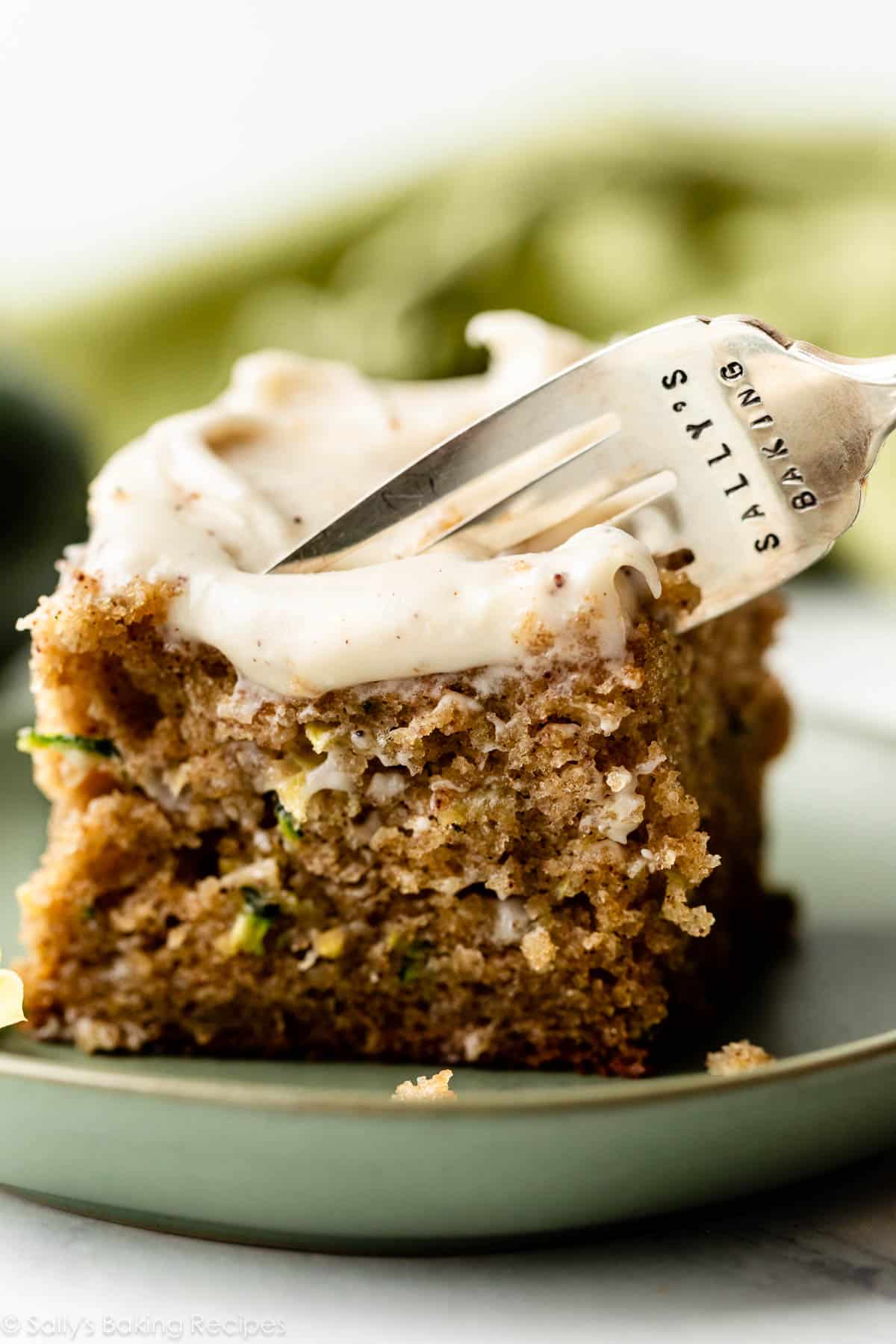
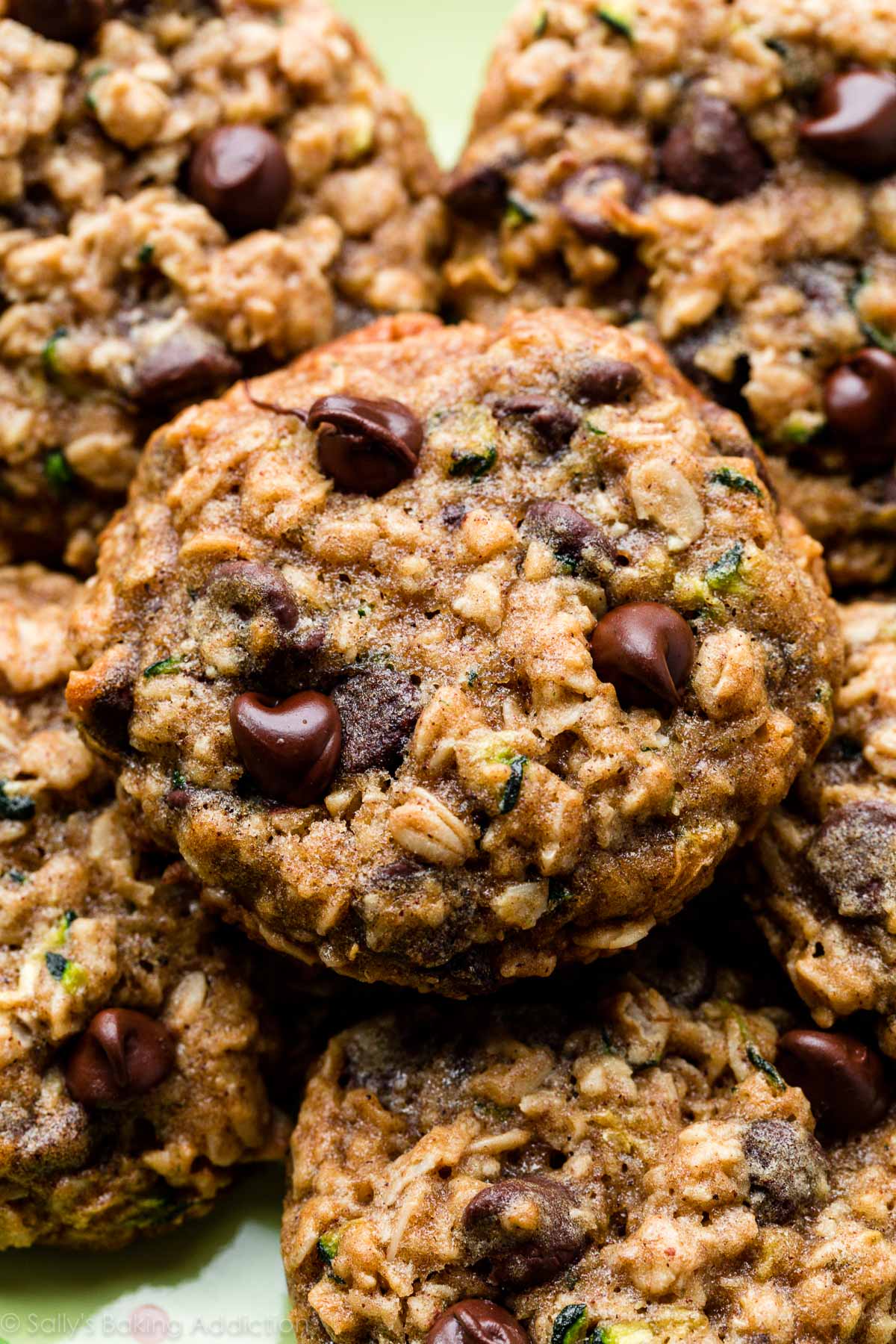
When paired with cocoa powder, chocolate chips, or warm spices like cinnamon and nutmeg, zucchini becomes a vehicle for indulgence. Recipes such as Chocolate Zucchini Cake with Brown Butter Cream Cheese Frosting prove that vegetables can elevate a dessert rather than merely existing as a “healthy alternative.”
2. The Savory Foundation
Savory zucchini applications have moved far beyond the basic sauté. Modern recipes now incorporate it into:
- Flatbreads: Paired with herbed ricotta, roasted tomatoes, and fresh basil, zucchini provides a fresh, garden-to-table aesthetic.
- Fritters: These stovetop delights, often combined with sweet potato or fresh herbs, offer a crispy, savory snack that bridges the gap between a side dish and a main event.
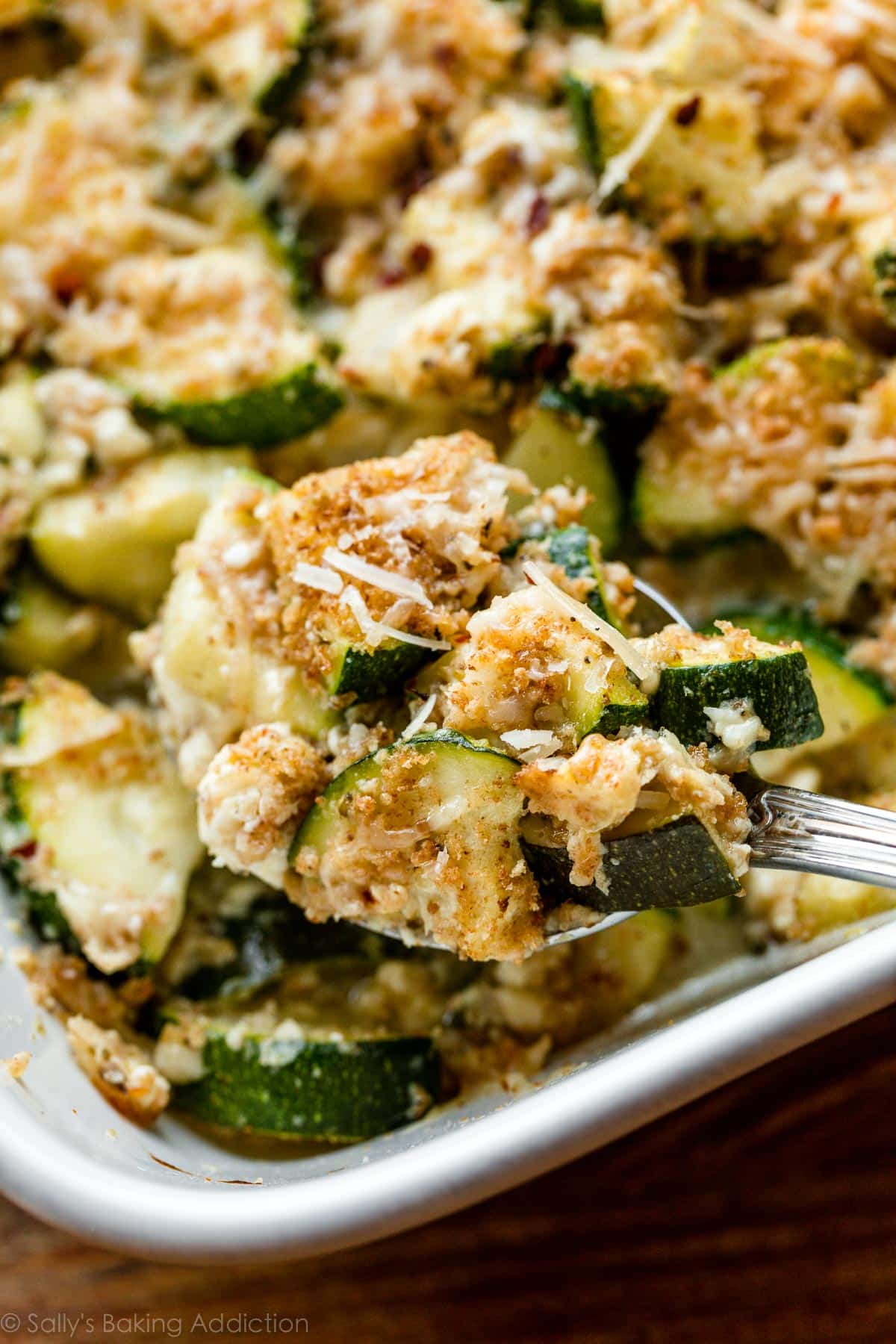
- Casseroles: A well-constructed zucchini casserole, utilizing fresh thyme and oregano, can transform a simple squash into a crowd-pleasing, comfort-food staple.
Implications for the Home Cook
The widespread adoption of zucchini in home cooking has profound implications for both nutrition and food waste.
Addressing Food Waste
The “zucchini surplus” is a common challenge for home gardeners. By normalizing the use of the entire plant—including the flowers and the squash—cooks can significantly reduce food waste. Learning to incorporate it into every meal of the day, from a breakfast frittata to a late-night chocolate snack, ensures that no produce goes to waste.
Nutrition Without Sacrifice
The inclusion of zucchini in one’s diet increases fiber and micronutrient intake without requiring a radical change in flavor profile. It allows for a more nutrient-dense diet, especially for families with “picky eaters” who are often resistant to green vegetables. When finely shredded into a muffin or bread, the vegetable’s presence is rendered invisible, proving that health and indulgence can coexist on the same plate.
Final Culinary Recommendations
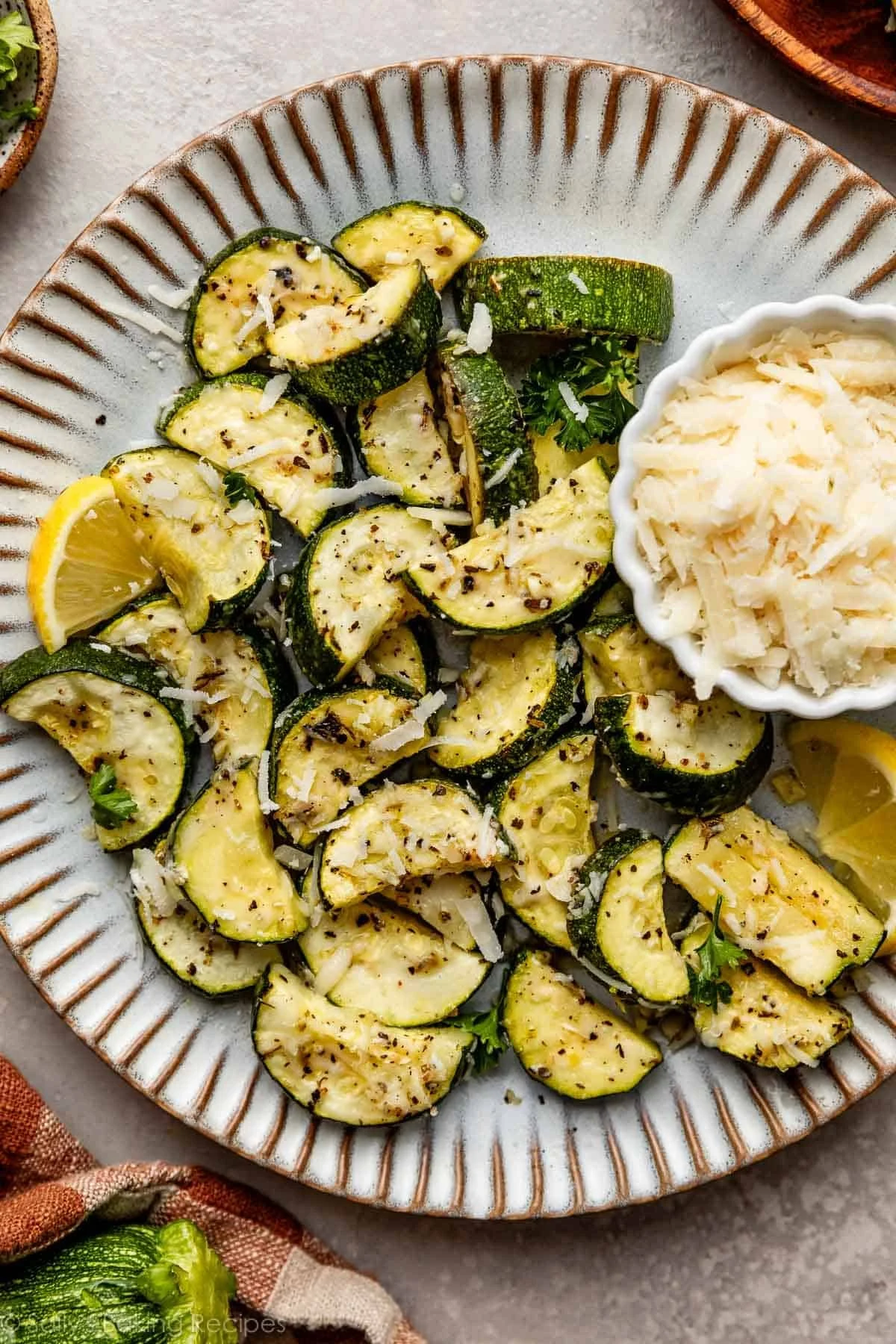
As we look toward the next harvest, the goal should be to treat the zucchini with the respect it deserves. It is not merely a filler; it is an essential tool for texture, moisture, and flavor balance. Whether you are a novice cook looking for a 20-minute roasted side dish or an experienced baker attempting a multi-layered cake, the zucchini is ready to perform.

Quick Tips for Success:
- Don’t over-peel: The skin contains much of the fiber and color; unless the squash is oversized and tough, leave it on.
- Thick slices for roasting: To prevent mushiness, slice your roasting rounds at least half an inch thick.
- Finish with fat: Zucchini loves fat. Whether it’s olive oil for roasting, butter for bread, or parmesan cheese for a casserole, the addition of a high-quality fat helps highlight the subtle, grassy notes of the squash.
By embracing the zucchini in all its forms, the home cook is empowered to create a variety of dishes that are both seasonal and sustainable. It is time to move the zucchini from the back of the refrigerator and place it at the center of the menu. After all, it is not just a vegetable; it is the most valuable player in the modern kitchen.