By Culinary and Outdoor Lifestyle Correspondent Published: July 2026
Main Facts
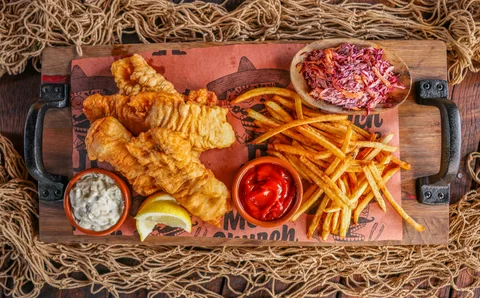
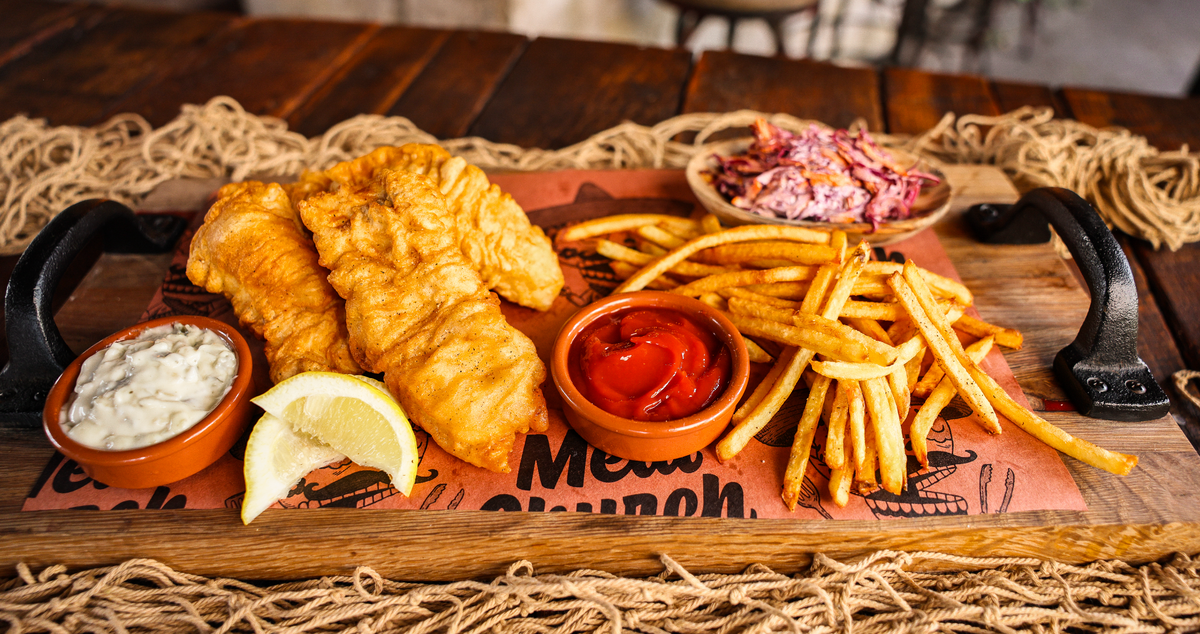
While fish and chips is universally celebrated as an iconic British comfort food, a remarkable culinary crossover proves that extraordinary recipes know no international boundaries. This version of the classic dish bridges the rugged, mist-shrouded coastlines of British Columbia with the bold, unapologetic flavors of Texas. At the heart of this gastronomic journey is a prized catch of fresh Pacific halibut—hooked during an unforgettable expedition at the world-renowned West Coast Fishing Club—that traveled thousands of miles back to the Lone Star State.
The defining characteristic of this recipe is not merely the premium quality of the wild-caught fish, but a specialized, ultra-crispy batter technique passed down by Chef Blaine, who served what has been lauded as the greatest iteration of fish and chips ever tasted by visiting anglers. Rather than relying on a standard heavy-handed batter, Chef Blaine’s formula utilizes a sophisticated trifecta of flours—all-purpose flour, rice flour, and potato starch—seasoned with specialty spice blends and brought to life with a cold beer. Paired with a bonus technique for double-fried French fries, this dish transforms a humble pub staple into a masterclass in texture, flavor, and culinary storytelling.
Chronology
The Expedition: Hooking the Catch of a Lifetime
The story begins off the rugged western shores of British Columbia, Canada. Known globally for some of the richest marine ecosystems on the planet, the waters surrounding the West Coast Fishing Club attract anglers seeking legendary battles with Pacific halibut (Hippoglossus stenolepis).
During a multi-day excursion into these nutrient-rich tidal zones, the angler successfully reeled in a magnificent, fresh Pacific halibut. Recognizing the exceptional quality of the catch—characterized by its pristine snow-white flesh, sweet flavor profile, and firm texture—immediate arrangements were made to process, flash-freeze, and carefully transport the prized harvest on the long journey home to Texas.
The Culinary Epiphany in Canada
Before the journey back south, however, the freshly caught halibut was brought into the camp kitchen. It was here that Chef Blaine prepared a masterclass in seafood cookery. Eschewing heavy, soggy batters that often mask the delicate essence of white fish, the chef introduced a technique designed to maximize crunch while protecting the integrity of the halibut.
Struck by the sublime balance of shatteringly crisp exterior and melt-in-your-mouth flakiness, the visiting Texan requested the coveted recipe, determined to recreate the exact dining experience back home.
Replication and Refinement in Texas
Upon returning to Texas with the precious cargo, the recipe underwent rigorous testing to adapt camp kitchen methods to a home cooking environment. The secret weapon—a meticulous blend of three distinct flours—was paired with a precise deep-frying protocol utilizing a Dutch oven, high-heat peanut oil, and a unique "whisking motion" deployment technique to ensure absolute structural integrity between the batter and the fish.
Integrated with a companion recipe for legendary double-fried French fries, the dish was successfully recreated, filmed, and shared with a growing community of outdoor cooking enthusiasts.
Supporting Data
Understanding what makes this specific preparation of fish and chips superior requires a breakdown of its core components, culinary mechanics, and ingredient science:
The Triple-Flour Matrix
All-Purpose Flour: Provides the foundational gluten structure necessary to hold the coating together and form a cohesive crust.
Rice Flour: Introduces a delicate, non-gluten lightness that prevents the coating from becoming dense or heavy, while actively contributing to a crispier outer shell.
Potato Starch: Acts as a moisture barrier and a high-expansion agent during high-temperature frying. It absorbs less oil than wheat flour alone, yielding an extraordinarily light, porcelain-like crunch.
Frying Dynamics & Technical Specifications
Oil Selection: Refined peanut oil is mandated due to its high smoke point (approximately 450°F / 232°C) and neutral flavor profile, allowing the subtle sweetness of the halibut to remain unmasked.
Optimal Temperature: Maintained strictly at 350°F (177°C). Dropping fish into oil that is too cool results in greasy, oil-logged batter; oil that is too hot burns the exterior before the fish cooks through.
Cooking Time: Approximately 8 minutes per batch, yielding an even, deep golden-brown hue.
The "Whisking Motion" Technique: Lowering battered fish into the hot oil with a gentle whisking or swirling motion prevents the immediate thermal shock from causing the batter to shear off the flesh, ensuring complete, even coverage.
Post-Fry Rest: Transferring cooked pieces immediately to a wire rack set over paper towels or butcher paper prevents steam accumulation from softening the bottom crust.
Official Responses & Culinary Insights
Culinary professionals and outdoor cooking experts have long debated the definitive method for achieving the ultimate fish and chips. While traditional British recipes typically lean toward a simple self-raising flour and ale batter, the fusion approach developed by Chef Blaine represents an evolution in texture science.
"When you work with a pristine, wild-caught protein like Pacific halibut, your job as a cook is to elevate it, not hide it," notes culinary documentation from the recipe’s origin. "A heavy, soggy batter is the ultimate sin when dealing with fish of this caliber. By introducing rice flour and potato starch into the mix, you completely change the physics of the fry. You get a shatteringly crisp barrier that locks in the natural juices and delicate sweetness of the fish."
Furthermore, experts emphasize the symbiotic relationship between the fish and its accompaniment:
"You cannot separate fish from chips and expect a complete experience. The decision to pair this halibut with a meticulous double-fry french fry technique ensures that the textural harmony remains intact—every bite offers a contrast between structural crunch and fluffy interior."
Implications
The cross-cultural journey of this recipe—from the remote fjords of British Columbia to the backyard patios of Texas—carries broader implications for modern culinary culture, outdoor recreation, and regional foodways.
The Globalization of Regional Comfort Food
Dishes once anchored strictly to specific geographic identities, such as British pub grub, are increasingly subject to cross-pollination. By infusing international techniques (such as the use of rice flour and potato starch, more commonly associated with Asian frying styles) with North American wild game and regional American seasoning preferences (like Blanco steak and general-purpose seasoning), contemporary cooks are creating a new fusion paradigm. This evolution demonstrates that heritage recipes are not static museum pieces, but living traditions open to continuous improvement.
Sustainable Sportfishing and Culinary Appreciation
The narrative underscores the deep connection between sustainable sportfishing and gourmet cooking. Transporting wild-caught Pacific halibut hundreds of miles highlights a growing trend among outdoor enthusiasts: treating wild harvests with the same reverence and high-level culinary technique traditionally reserved for high-end Michelin-starred dining rooms. This mindset encourages a greater appreciation for natural resources, responsible harvesting, and minimizing food waste by ensuring every ounce of a prized catch is prepared to absolute perfection.
The Rise of Digital Culinary Sharing
Finally, the transition of this recipe from an off-grid fishing camp conversation into a widely broadcast digital resource—complete with video demonstrations, step-by-step photography, and printable formats—illustrates how modern food culture spreads. Campfire secrets that once stayed locked in remote lodges are now instantly accessible, allowing home cooks anywhere in the world to replicate the magic of a West Coast adventure right in their own kitchens.