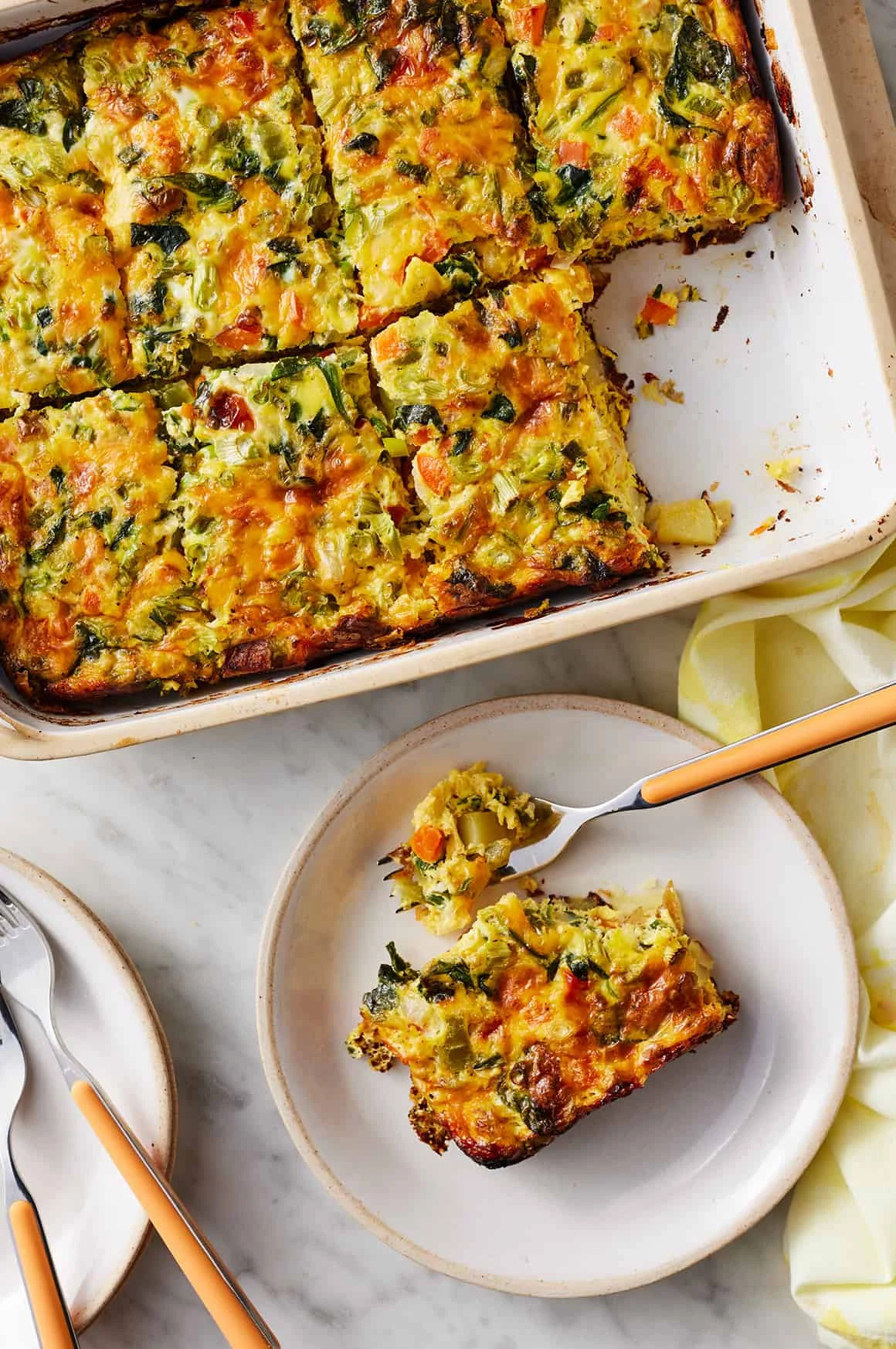
In the realm of home cooking, few dishes command the same level of respect and utility as the classic breakfast casserole. It is a dish that bridges the gap between culinary comfort and logistical necessity, serving as the backbone for holiday brunches, family reunions, and the ever-challenging weekday morning rush. Recently, a refined take on this staple—a recipe emphasizing roasted potatoes, fresh seasonal vegetables, and a delicate egg-custard base—has gained significant traction among culinary enthusiasts for its ability to balance indulgence with ease of preparation.
Main Facts: The Anatomy of a Perfect Casserole
At its core, a breakfast casserole is a study in structural integrity and flavor harmony. This specific iteration, adapted from generations of holiday tradition, moves away from the "dump-and-bake" mentality of the mid-20th century, opting instead for a more deliberate layering process that ensures every bite is seasoned and textured correctly.

The primary components of this dish include:
- The Foundation: High-quality, starchy potatoes, roasted to a golden, crisp finish before entering the casserole dish.
- The Binding Agent: A whisked mixture of farm-fresh eggs and milk, seasoned to provide a soufflé-like lift.
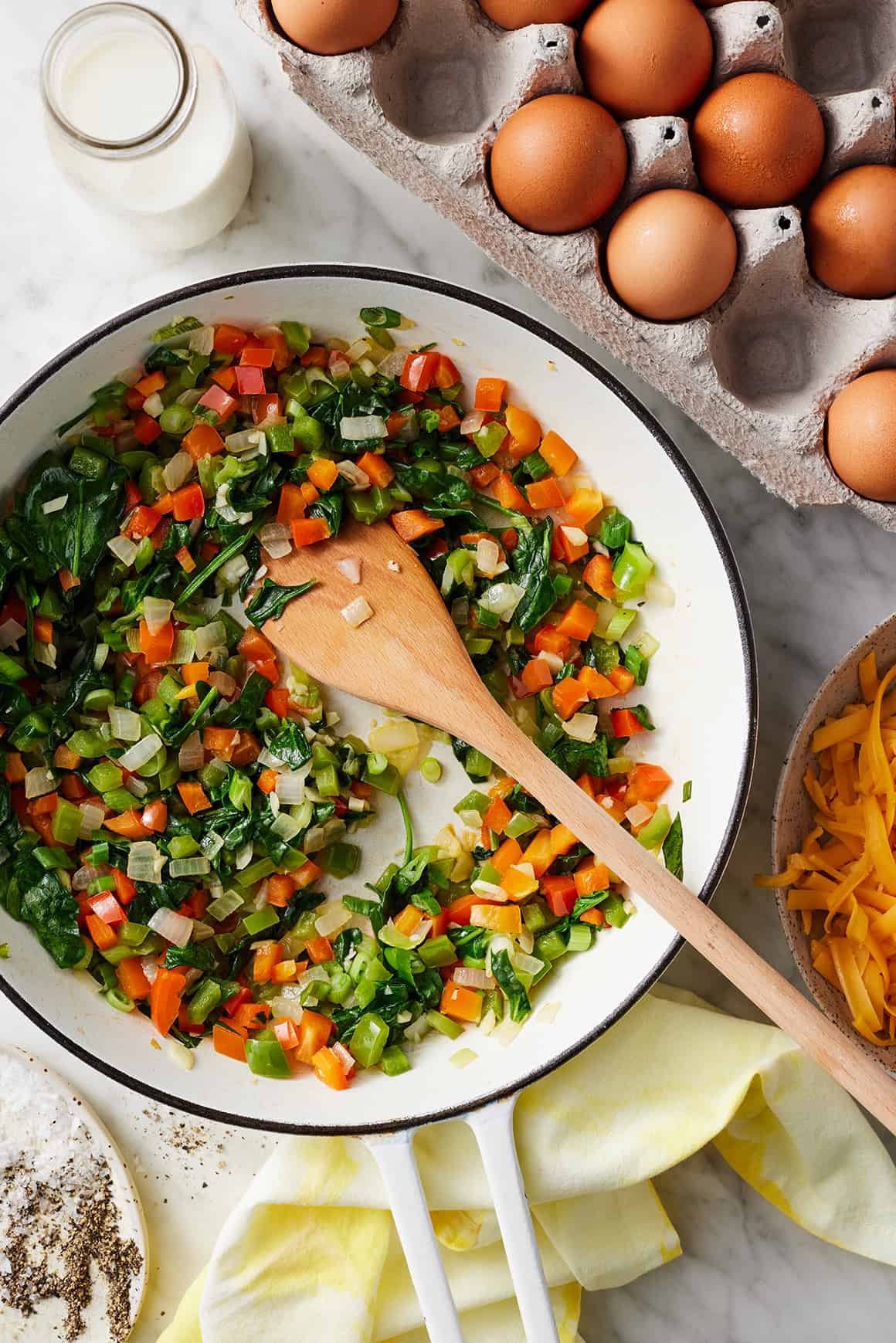
- The Flavor Profile: A sautéed medley of aromatics, including onions, bell peppers, garlic, and fresh spinach.
- The Finishing Touch: A high-quality shredded cheese, typically a sharp cheddar or a blend, that creates a golden, bubbling crust.
The brilliance of this recipe lies in its "make-ahead" versatility. In an era where time is the most valuable currency, the ability to assemble a meal 24 hours in advance—and have it perform better for the wait—is a game-changer for hosts and busy parents alike.

Chronology: The Evolution of a Brunch Staple
The history of the breakfast casserole is tied to the evolution of the American brunch. Historically, brunch was a luxury reserved for the affluent, but as the 20th century progressed, it became a communal event.
The Generational Shift
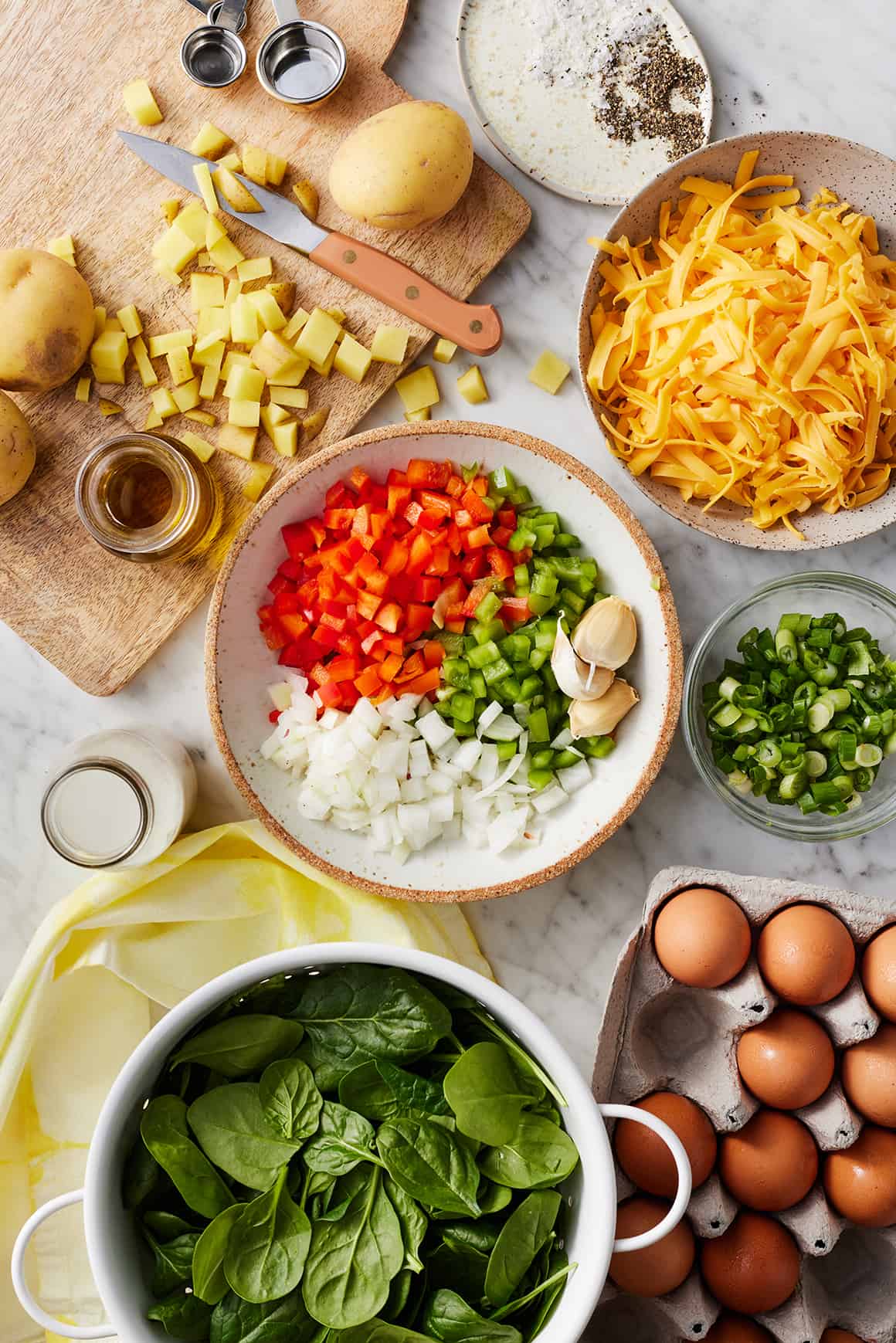
Many home cooks today trace their affinity for this dish back to the "Easter and Christmas Morning" tradition. For decades, the casserole was a utilitarian vessel—a way to use up leftover bread, meats, and eggs. However, the current iteration shifts focus toward fresh ingredients. The process begins with the "Roast Phase," where 1/4-inch potato cubes are seasoned and baked at 425°F to ensure they don’t become soggy once submerged in the egg mixture.
The Assembly Process
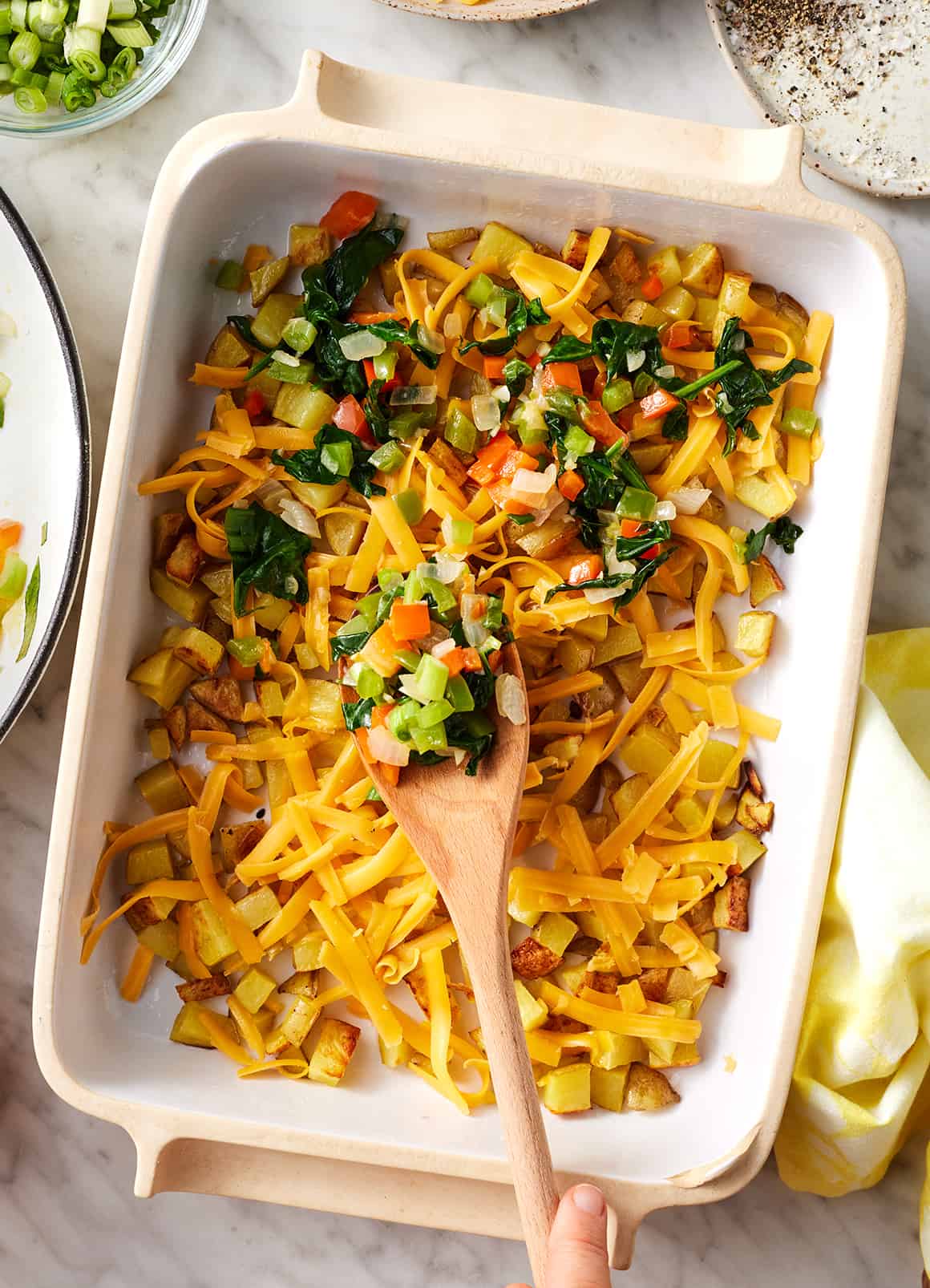
Following the roasting of the potatoes, the culinary process moves to the skillet. Vegetables are sautéed until tender, a step that prevents excess water from releasing into the casserole during the final bake. The assembly follows a strict layering protocol: potatoes first, followed by two-thirds of the cheese, then the sautéed vegetable mixture, and finally the egg-and-milk custard. This structure ensures that the base remains crisp while the top layer provides a rich, molten contrast.
Supporting Data: Nutrition and Scalability
While many comfort foods are criticized for their lack of nutritional density, this breakfast casserole presents a balanced profile. At approximately 205 calories per serving, it offers 11 grams of protein and a significant dose of Vitamin A and C, largely derived from the inclusion of bell peppers and spinach.

Scalability and Serving
Designed to feed 12, the recipe is a masterclass in efficiency. The nutritional data indicates a relatively low carbohydrate count for a breakfast dish, making it a viable option for those looking to manage blood sugar levels without sacrificing the satisfaction of a warm, savory meal.
For those seeking to further streamline the process, culinary experts suggest a "shortcut" utilizing frozen hash browns. While this saves approximately 20 minutes of prep time, it requires a slight increase in total bake time to account for the moisture content inherent in frozen potato products.
Official Perspectives: The Chef’s Approach to Variations
Culinary professionals often argue that a recipe is merely a roadmap, not a set of rigid laws. When asked about the potential for variation, experts emphasize the "Ratio Rule." As long as the ratio of egg-to-dairy remains consistent, the internal components are highly modular.
Recommended Substitutions
- Protein Boost: Adding breakfast sausage, crumbled bacon, or diced ham can elevate the dish into a more substantial protein-heavy meal.
- Herb Infusion: Fresh chives, parsley, or even a hint of dried thyme can introduce an aromatic complexity that elevates the dish from "standard" to "gourmet."
- Cheese Selection: While sharp cheddar is the gold standard for its melting properties, Gruyère offers a nutty, sophisticated flavor profile, while pepper jack can introduce a necessary heat for those who prefer a spicy kick.
Implications: The Future of the "Make-Ahead" Movement
The rise of the make-ahead breakfast casserole reflects a broader cultural trend: the reclaiming of the domestic kitchen as a space for high-quality, efficient dining. As households become increasingly time-poor, the reliance on processed, pre-packaged breakfasts has become a source of contention for health-conscious families.
Economic and Social Impact
The economic implication of this recipe is significant. By utilizing staples—potatoes, eggs, and seasonal greens—the cost per serving remains remarkably low compared to café-style brunch alternatives. Furthermore, the "leftover potential" of this dish—which holds up in the refrigerator for up to five days or the freezer for up to three months—addresses the critical issue of food waste.
The Psychology of Brunch
There is also a psychological component to the breakfast casserole. The act of hosting a brunch, which once felt like an insurmountable task, becomes a manageable, even enjoyable, endeavor when the main course is prepared the night before. This shift lowers the barrier to entry for social gatherings, encouraging more frequent community connection.

Final Thoughts: A Recipe for Longevity
Ultimately, this recipe is more than a list of ingredients; it is a blueprint for consistent, reliable, and delicious hospitality. Whether you are navigating a busy work week or hosting an extended family for a holiday morning, the key to success lies in the balance of textures—the crunch of the potato, the creaminess of the egg, and the sharp bite of the cheese.
As you integrate this dish into your repertoire, consider the nuances that make it your own. Adjust the spice levels, experiment with different varieties of potatoes, or swap the spinach for kale. By treating the recipe as a living document, you ensure that it remains a staple in your home for years to come. The breakfast casserole has survived the test of time not because it is complex, but because it is profoundly, undeniably, and consistently good.