As the winter season settles in, bringing with it a calendar packed with festive gatherings—from the sparkling anticipation of New Year’s Eve to the intimate warmth of Valentine’s Day—the search for the perfect signature cocktail becomes a priority for the discerning host. While the classic martini remains an immutable pillar of mixology, a vibrant, contemporary iteration has emerged as the definitive choice for modern social occasions: the Pomegranate Martini.
Marrying the sophisticated spirit of traditional vodka-based cocktails with the bold, antioxidant-rich profile of pomegranate, this ruby-red libation offers a complex interplay of sweet and tart notes. It is a drink that manages to feel both celebratory and grounded, offering a visual appeal that commands attention on any bar cart.
Main Facts: The Anatomy of a Modern Classic
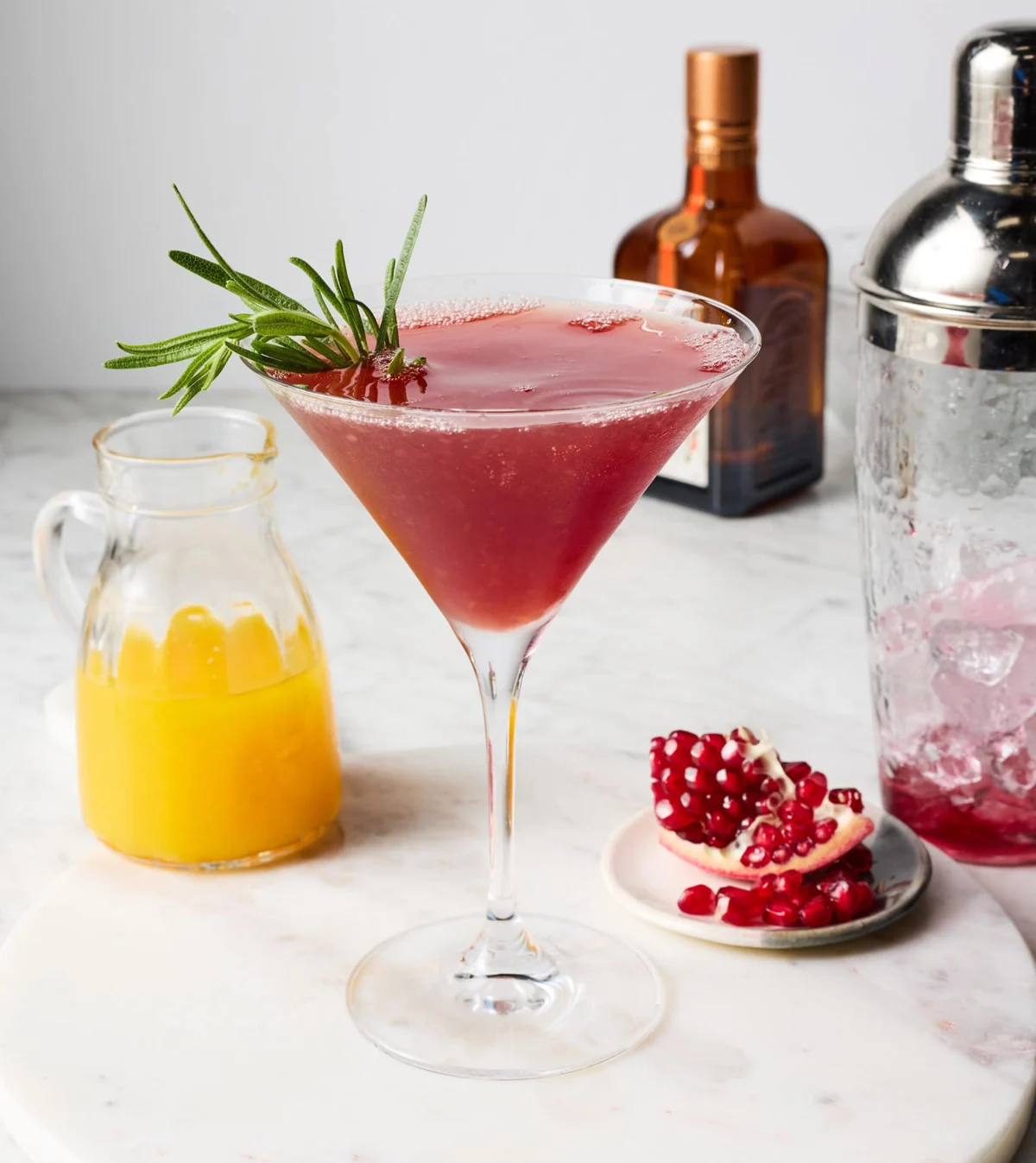
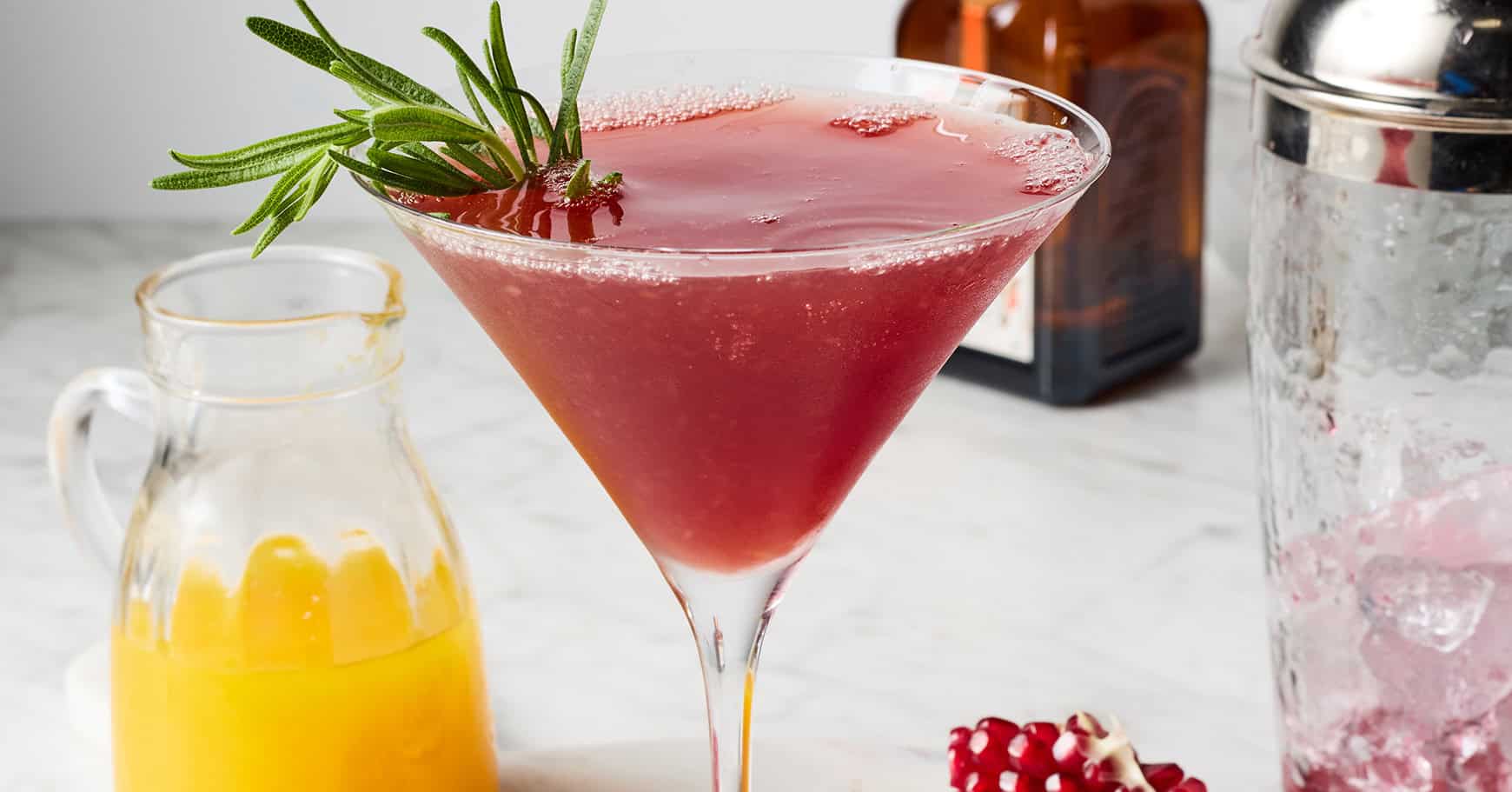
The Pomegranate Martini is not merely a seasonal trend; it is a masterclass in minimalist mixology. At its core, the recipe relies on four primary pillars: high-quality vodka, a premium orange liqueur, pure pomegranate juice, and a bright splash of fresh orange juice.
The brilliance of this cocktail lies in its accessibility. Unlike labor-intensive craft drinks that require house-made infusions or obscure bitters, the Pomegranate Martini allows the home bartender to produce a bar-quality beverage in under five minutes. The chemistry of the drink is equally elegant: the clean, neutral foundation of the vodka provides a canvas for the deep, tannins-rich profile of the pomegranate, while the orange liqueur—often Cointreau or triple sec—acts as the bridge that harmonizes the tart fruit with the alcohol, rounding out the palate with a subtle, citrusy finish.
Chronology: The Evolution of the Festive Martini
To understand the rise of the Pomegranate Martini, one must first look at the evolution of the "martini" label. Historically, the martini was a austere combination of gin and vermouth. However, the late 20th and early 21st centuries saw the "martini" moniker expand to encompass almost any cocktail served in a stemmed V-shaped glass.
During the early 2000s, the "fruit martini" craze took hold, often characterized by overly sweet, neon-colored concoctions. The Pomegranate Martini represents the maturation of this movement. It traded the artificiality of the past for the natural, vibrant hue of real fruit juice.
- The Origin Phase: As health-conscious consumers began seeking "superfood" ingredients, pomegranate juice saw a massive surge in popularity. Mixologists quickly adapted, realizing the fruit’s deep acidity was a perfect match for vodka.
- The Refinement Phase: By the mid-2010s, recipes began to move away from excessive syrups, favoring a balanced "sour" profile. The inclusion of fresh orange juice and a rosemary garnish shifted the drink from a "sweet treat" to a sophisticated aperitif.
- The Modern Standard: Today, the recipe is solidified in the canon of winter entertaining, valued for its ability to look festive without requiring complicated preparation.
Supporting Data: Why This Cocktail Persists
Why has the Pomegranate Martini maintained its status as a staple for winter gatherings? The answer lies in both sensory and practical data.
Sensory Profiles
The cocktail hits three distinct sensory benchmarks that make it universally appealing:
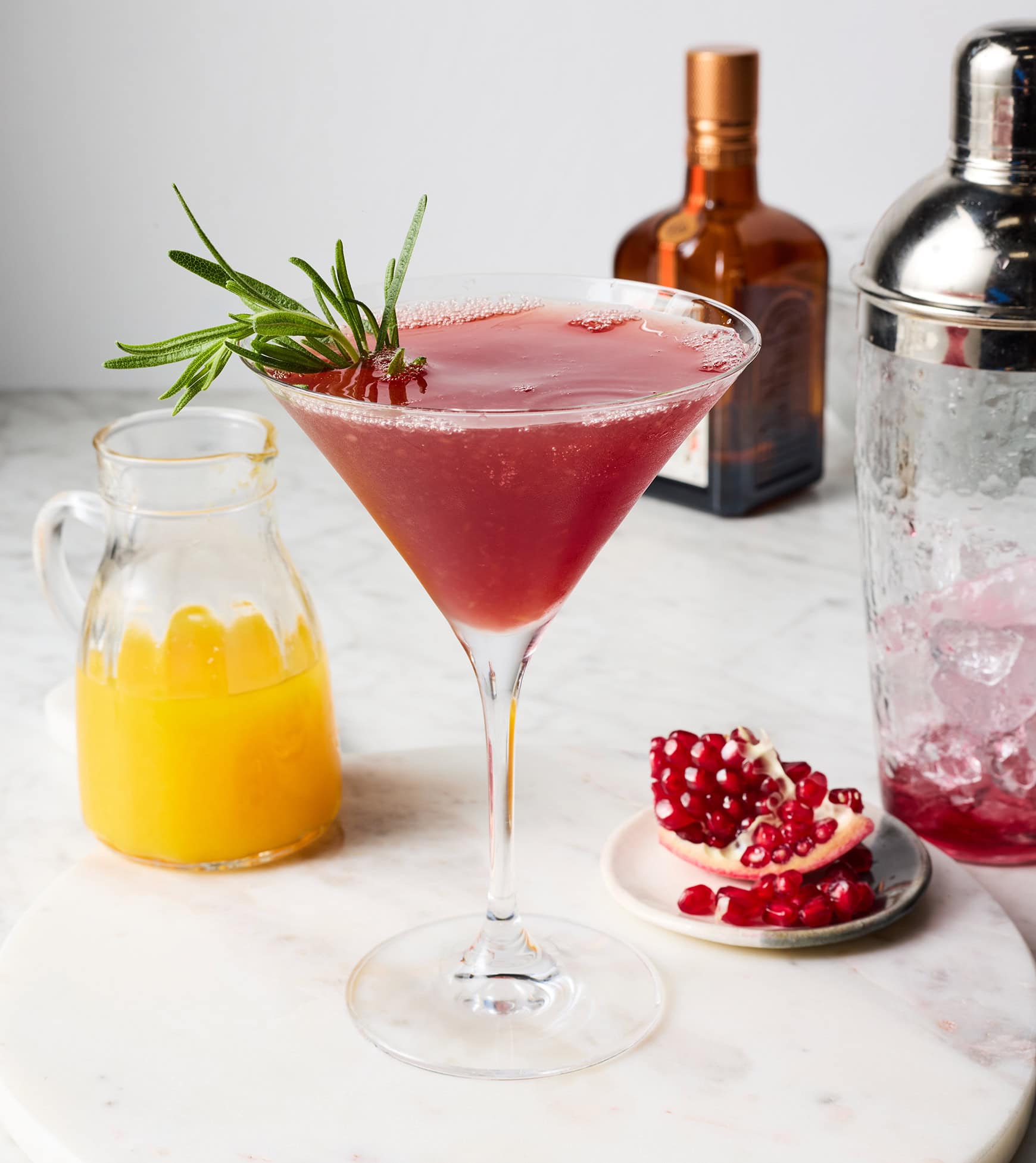
- Visual Impact: The deep, saturated crimson of the pomegranate juice provides a festive aesthetic that aligns with holiday color palettes, making it a natural choice for photography and social media sharing.
- Olfactory Experience: The inclusion of a rosemary sprig garnish is a deliberate sensory choice. As the drinker raises the glass, the herbaceous, pine-like aroma of the rosemary interacts with the citrus oils, creating a complex scent profile that elevates the experience before the first sip.
- Palate Balance: The "sweet-tart" paradox is a well-documented driver of cocktail enjoyment. The natural sugars in the orange liqueur balance the astringency of the pomegranate, ensuring the drink is refreshing rather than cloying.
Nutritional Context
While a cocktail is inherently an indulgence, the Pomegranate Martini stands out for its lack of "filler" ingredients. By relying on pure juice rather than high-fructose corn syrup mixers, the calorie count remains relatively moderate compared to creamy or dessert-style winter cocktails, often clocking in at approximately 160–170 calories per serving.
Professional Perspectives on Mixology
Leading mixologists often emphasize that the success of a four-ingredient drink relies entirely on the quality of the components.
"The temptation with simple recipes is to use the cheapest ingredients," says one industry expert. "But with a Pomegranate Martini, you are tasting the vodka and the juice directly. Using a high-quality, chilled, 100% pomegranate juice is the difference between a drink that tastes like a candy bar and one that tastes like a refined, adult beverage."
Furthermore, professionals advocate for the "chill factor." The technique of shaking with ice is not merely for dilution; it is for aeration. Vigorous shaking introduces tiny air bubbles into the mixture, creating a slight "froth" on top of the liquid that improves the mouthfeel and presentation.

Implications: The Social and Cultural Role of the Cocktail
The Pomegranate Martini carries significant cultural weight as a "bridge" drink. It is often the preferred choice for hosts who want to provide a drink that is sophisticated enough for a dinner party but approachable enough for guests who aren’t traditional martini drinkers.
The Rise of the "At-Home" Mixologist
The post-2020 landscape saw a massive shift in how people entertain. With the rise of the "girls’ night in" and the curated home celebration, the Pomegranate Martini serves as a centerpiece. It implies effort and care without the stress of a complicated multi-step recipe. It turns a living room into a lounge, elevating the status of a casual get-together into an "event."
Seasonal Versatility
While it is heavily associated with the winter solstice, Valentine’s Day, and New Year’s, the drink’s profile is remarkably adaptable. By simply adjusting the ratio of orange liqueur to pomegranate juice, the drink can lean more toward a summer profile (tart and bright) or a winter profile (deep and aromatic).
How to Perfect Your Pour: Technical Guidance
For those looking to serve this at their next gathering, consider these professional tips to ensure the best result:
- Glassware Preparation: A room-temperature glass can kill a drink. Place your martini glasses in the freezer at least 30 minutes before serving. This ensures the drink remains crisp until the last drop.
- The Sugar Rim: While optional, a sugared rim adds a tactile element. To execute this with elegance, use a lime wedge rather than water to moisten the rim; the acidity of the lime cuts through the sweetness of the sugar, preventing the glass from becoming overly saccharine.
- The "Shake" Technique: Always fill your shaker at least three-quarters full with ice. Shake until the outside of the shaker is frosted—this typically takes about 15 seconds of vigorous movement.
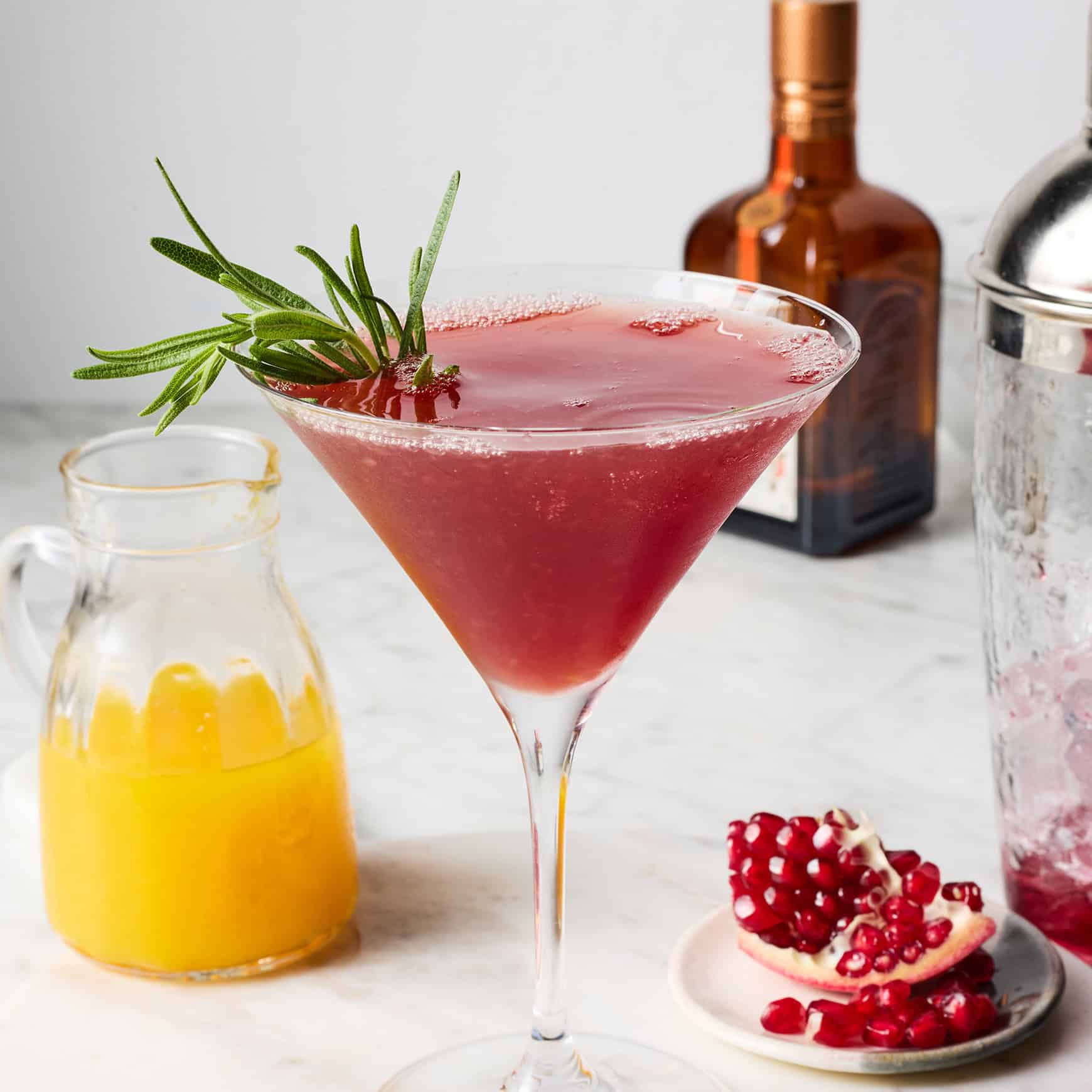
- The Garnish: Never underestimate the power of the garnish. If you lack rosemary, a simple orange twist—expressed over the glass to release the essential oils—provides a fragrant depth that elevates the entire profile of the drink.
Conclusion
The Pomegranate Martini is a testament to the idea that in the world of mixology, less is often more. By focusing on the purity of ingredients, the precision of technique, and the importance of presentation, one can turn four simple components into a highlight of any winter celebration. Whether you are toasting to a new year or celebrating with friends, this ruby-red cocktail offers a reliable, delicious, and undeniably elegant solution for the modern host. It remains a classic not because it is complex, but because it is perfectly, effortlessly, and consistently satisfying.